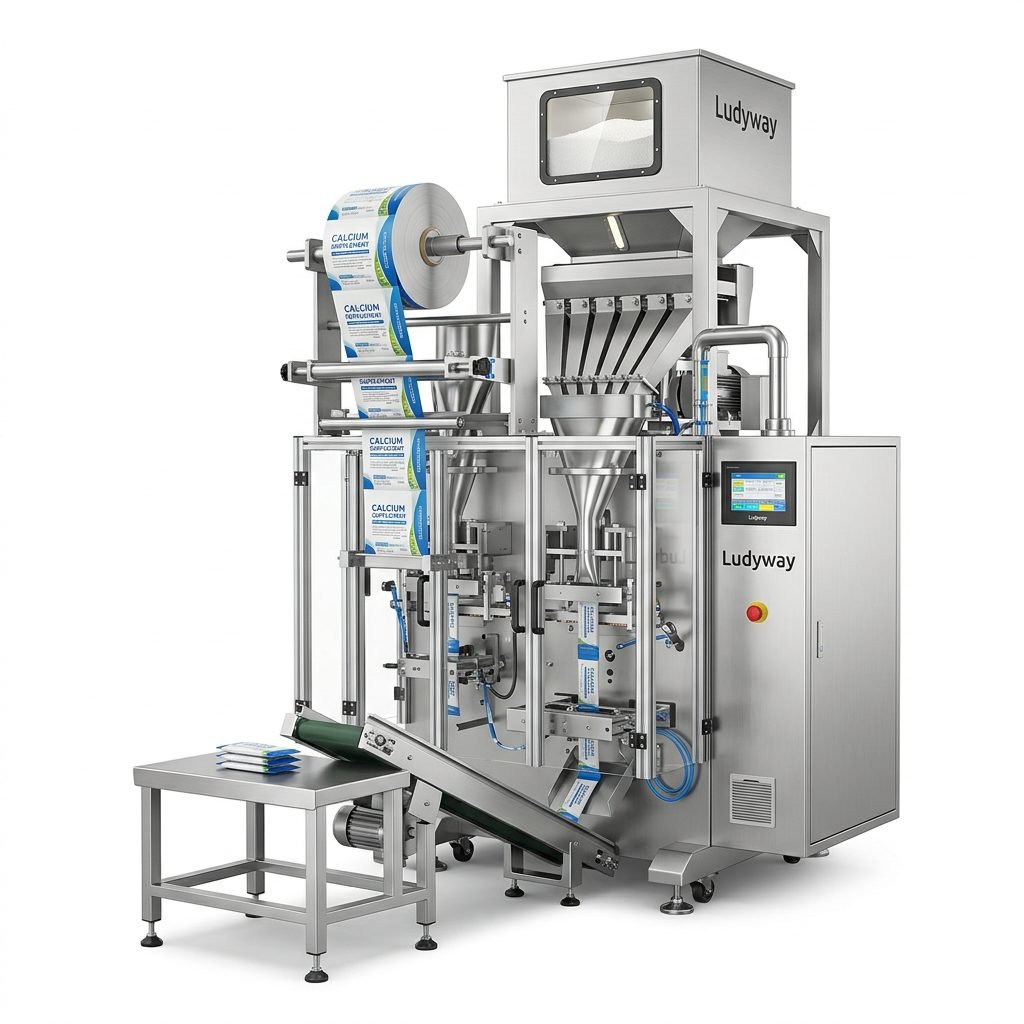
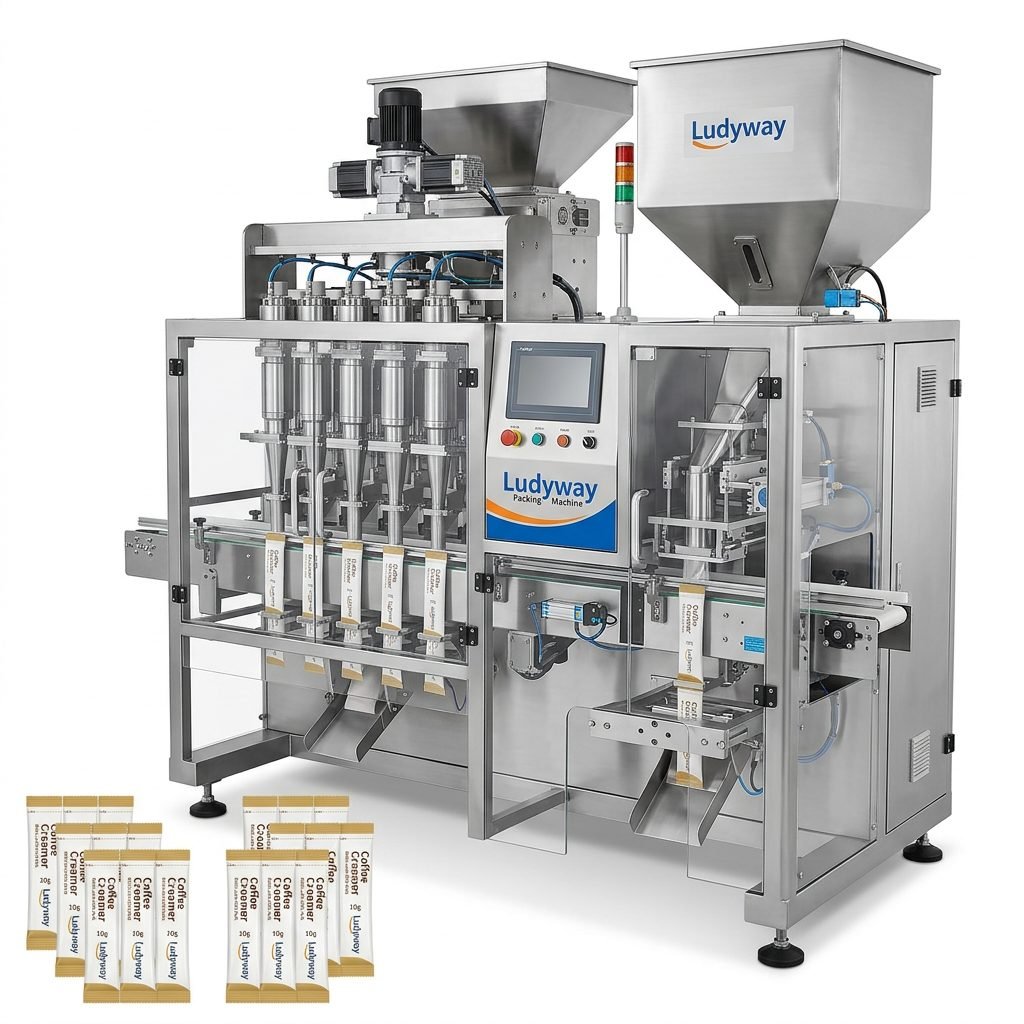
Investing in a packaging machine for the Rwanda market requires a strategic approach that balances technical specifications, local conditions, and long-term business goals. Rwanda’s growing food processing, pharmaceutical, and agricultural sectors are driving demand for efficient packaging solutions. However, choosing the wrong equipment can lead to costly downtime, inconsistent product quality, and missed market opportunities. This guide outlines the essential factors you must evaluate before making a purchase decision.
1. Understanding Your Product Characteristics
The first step in selecting a packaging machine is to thoroughly analyze the product you intend to package. Different materials require different handling systems and sealing technologies.
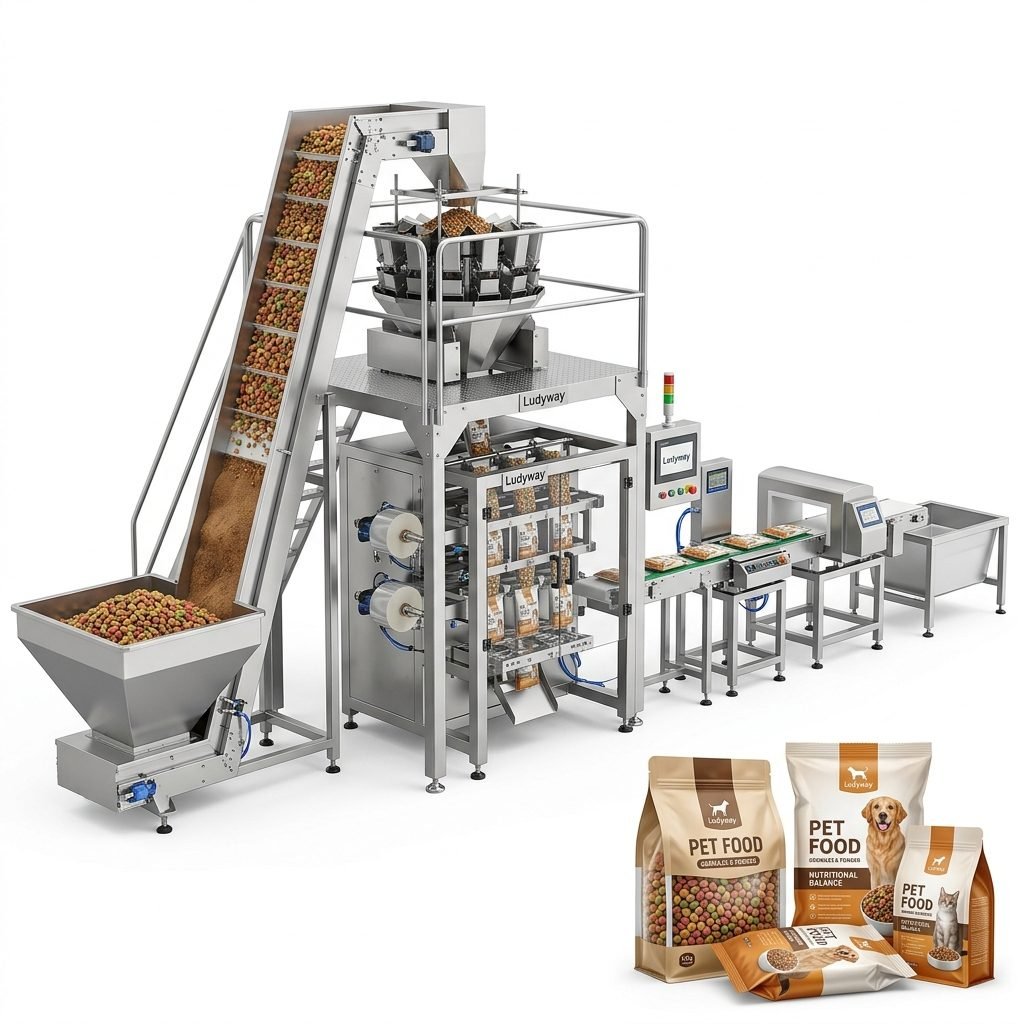
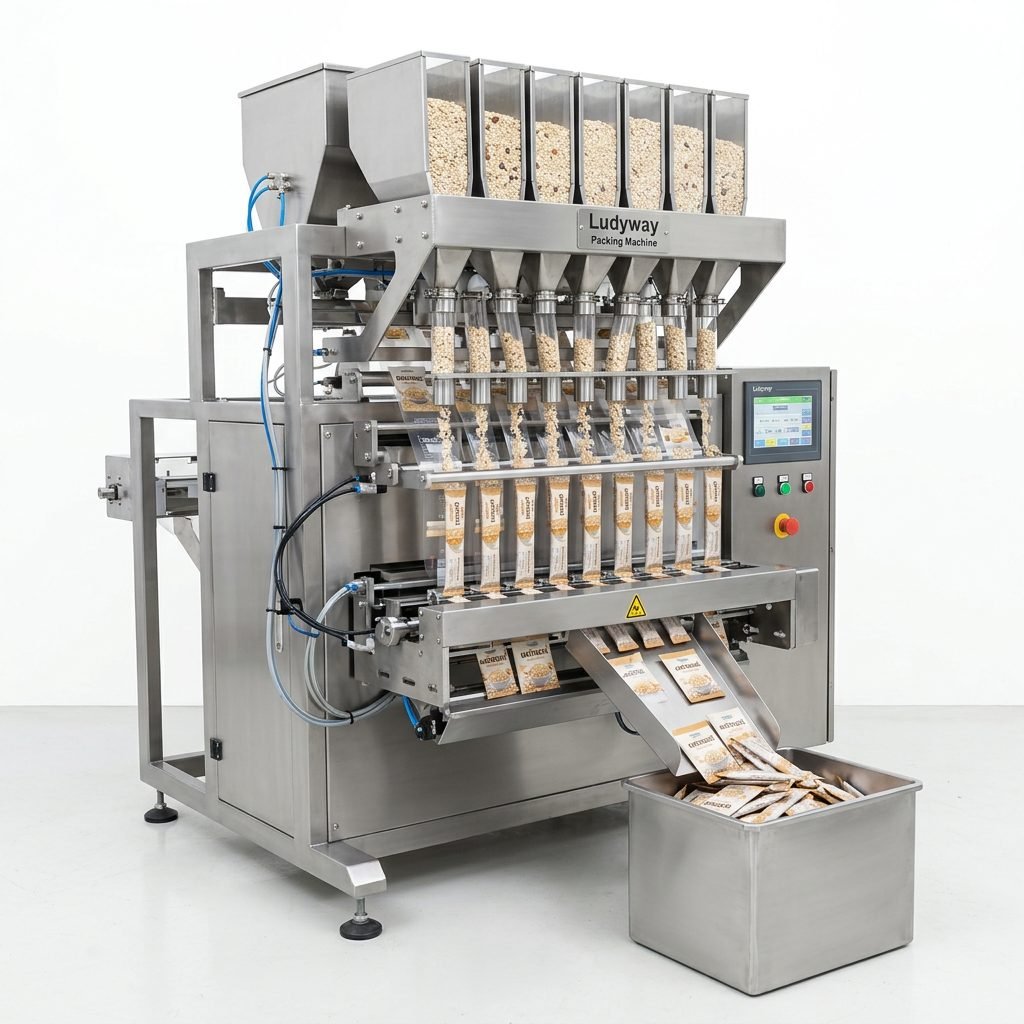
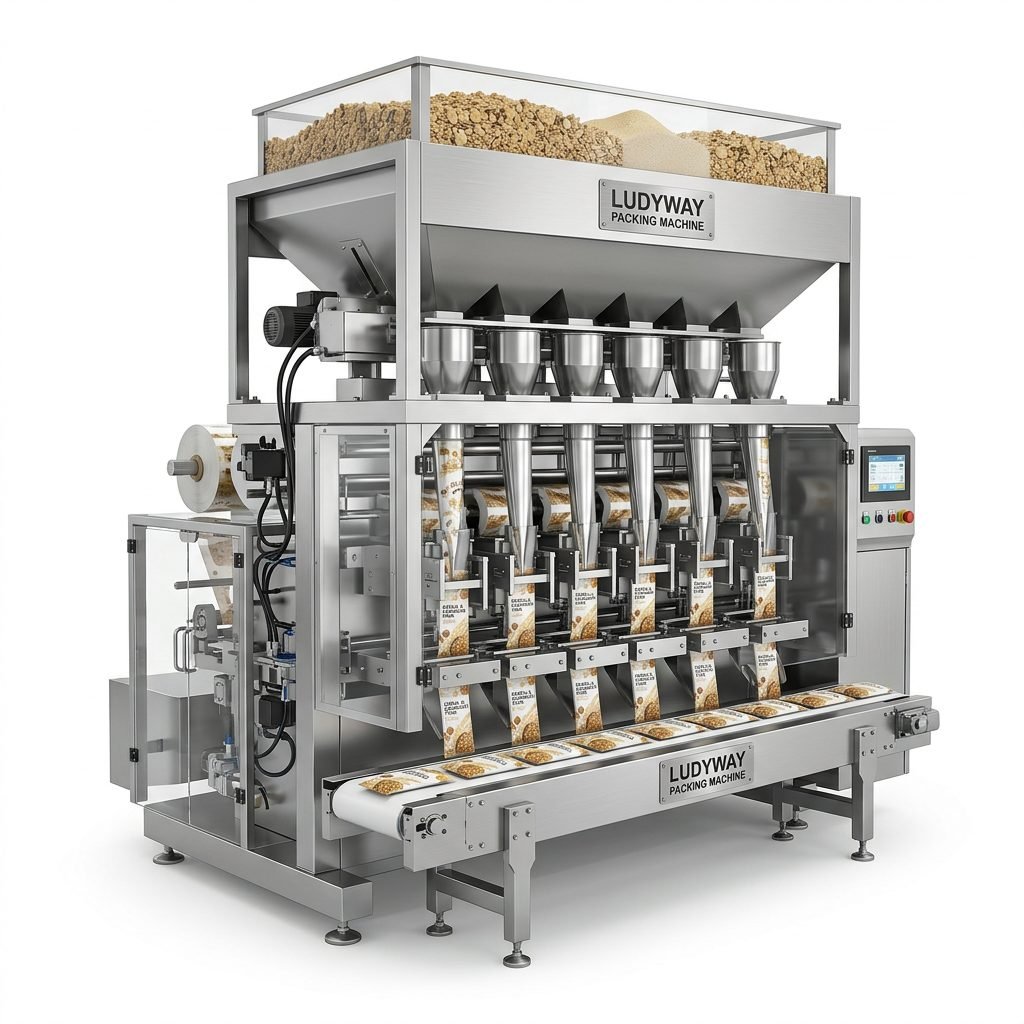
- Granules: Products like coffee beans, sugar, salt, and seeds need volumetric or multi-head weigher filling systems. The particle size, density, and flowability directly impact dosing accuracy.
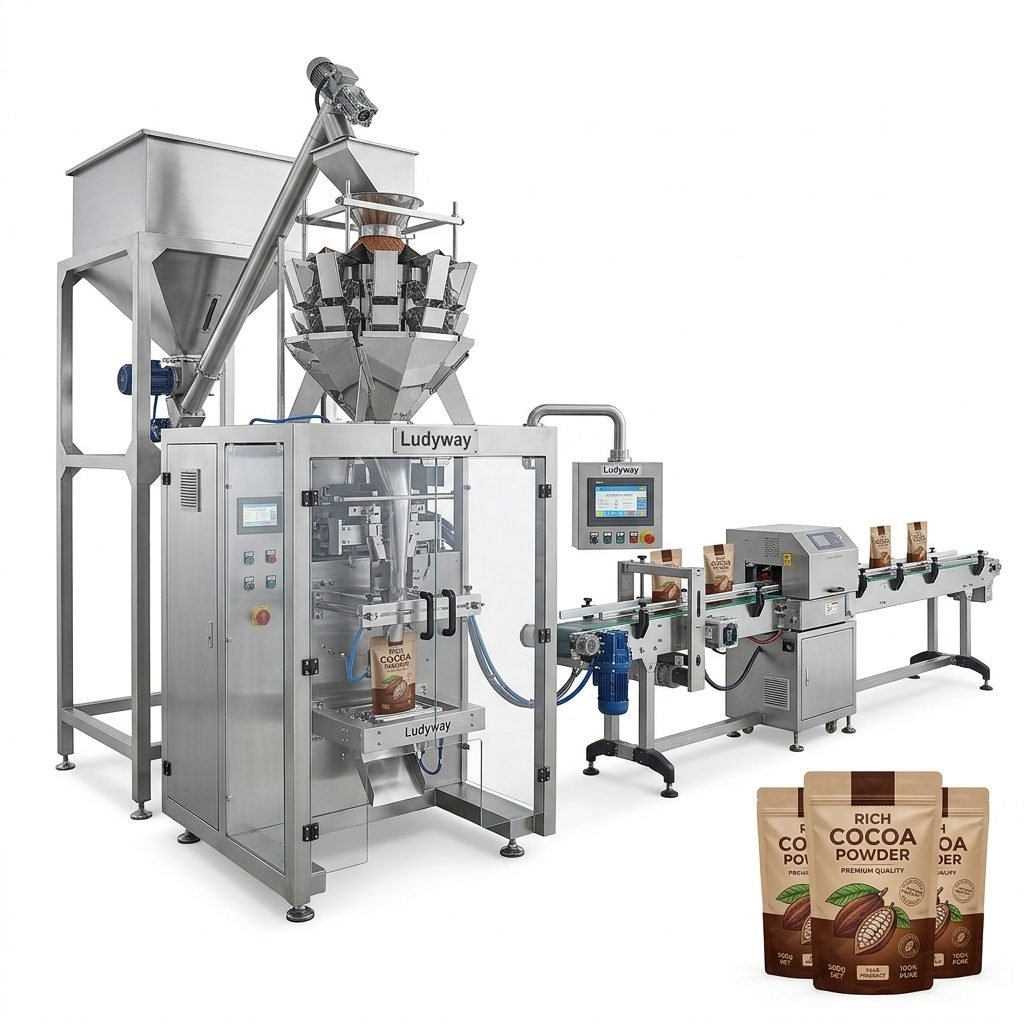
- Powders: Fine powders such as flour, milk powder, spices, and pharmaceutical ingredients require auger fillers or vacuum-based dosing to control dust and ensure precise filling. Dust extraction systems are often necessary.
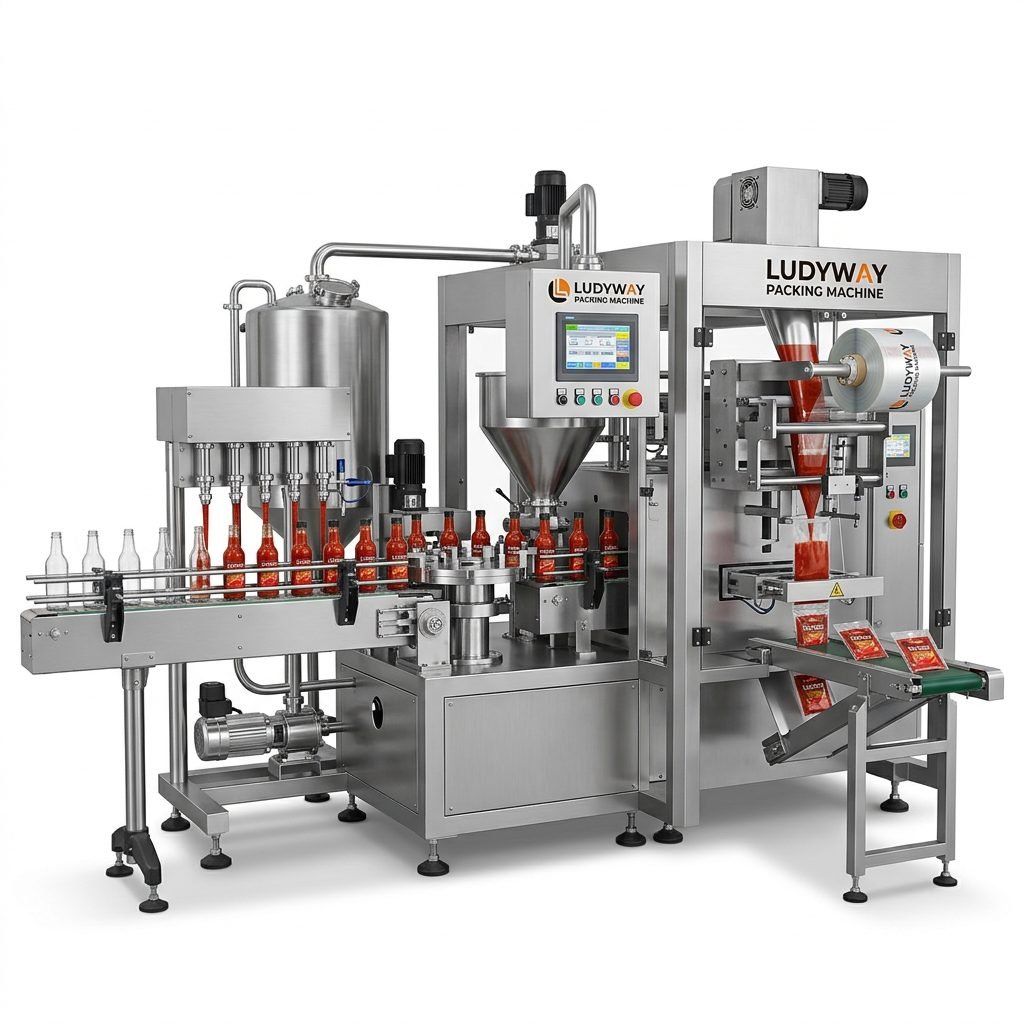
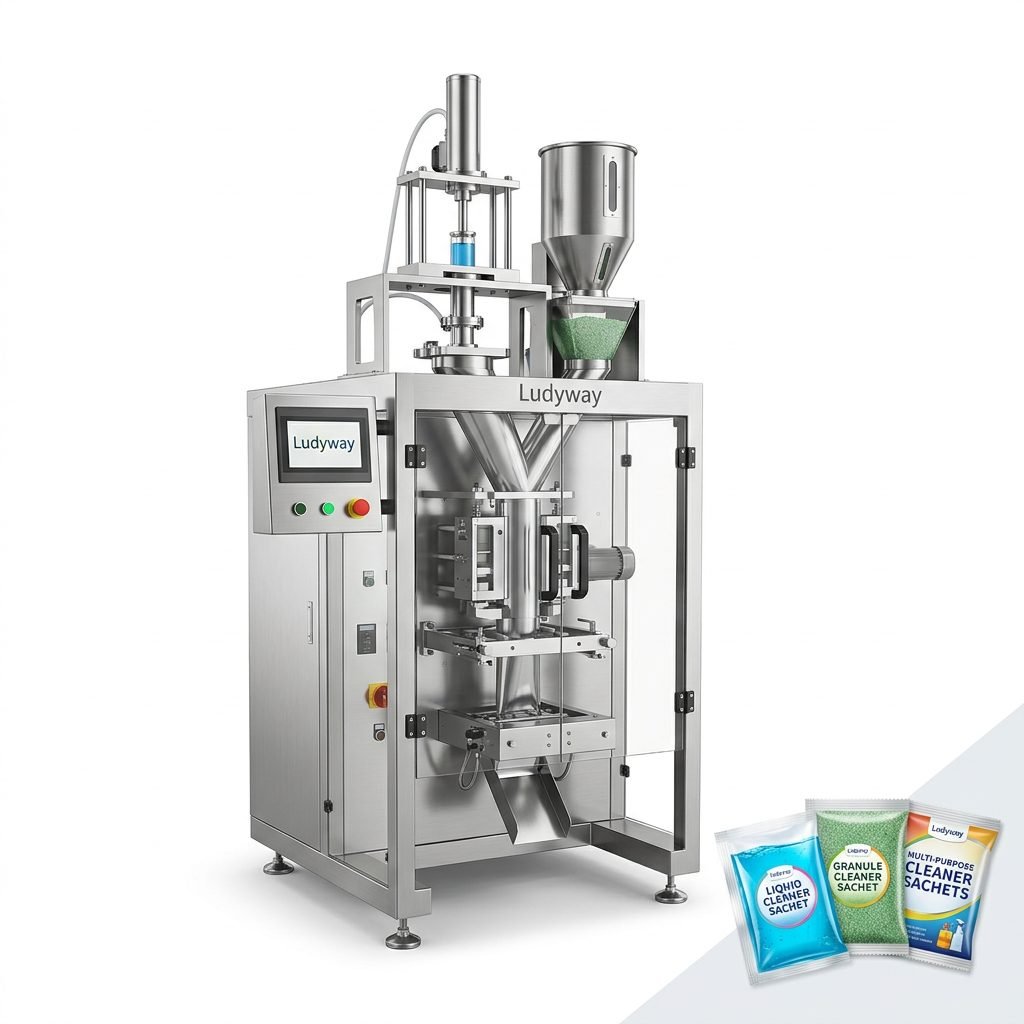
- Liquids: From water and juices to oils and detergents, liquid products need piston fillers, peristaltic pumps, or flow meters. Viscosity, temperature sensitivity, and foaming characteristics must be considered.
- Pastes and Creams: Products like peanut butter, cosmetic creams, and sauces present unique challenges and require specialized positive-displacement filling systems.
2. Selecting the Right Packaging Format
Rwanda’s retail landscape is diverse, ranging from traditional open markets to modern supermarkets. Your packaging format should align with consumer preferences and distribution channels.
| Packaging Format | Best For | Market Relevance in Rwanda |
|---|---|---|
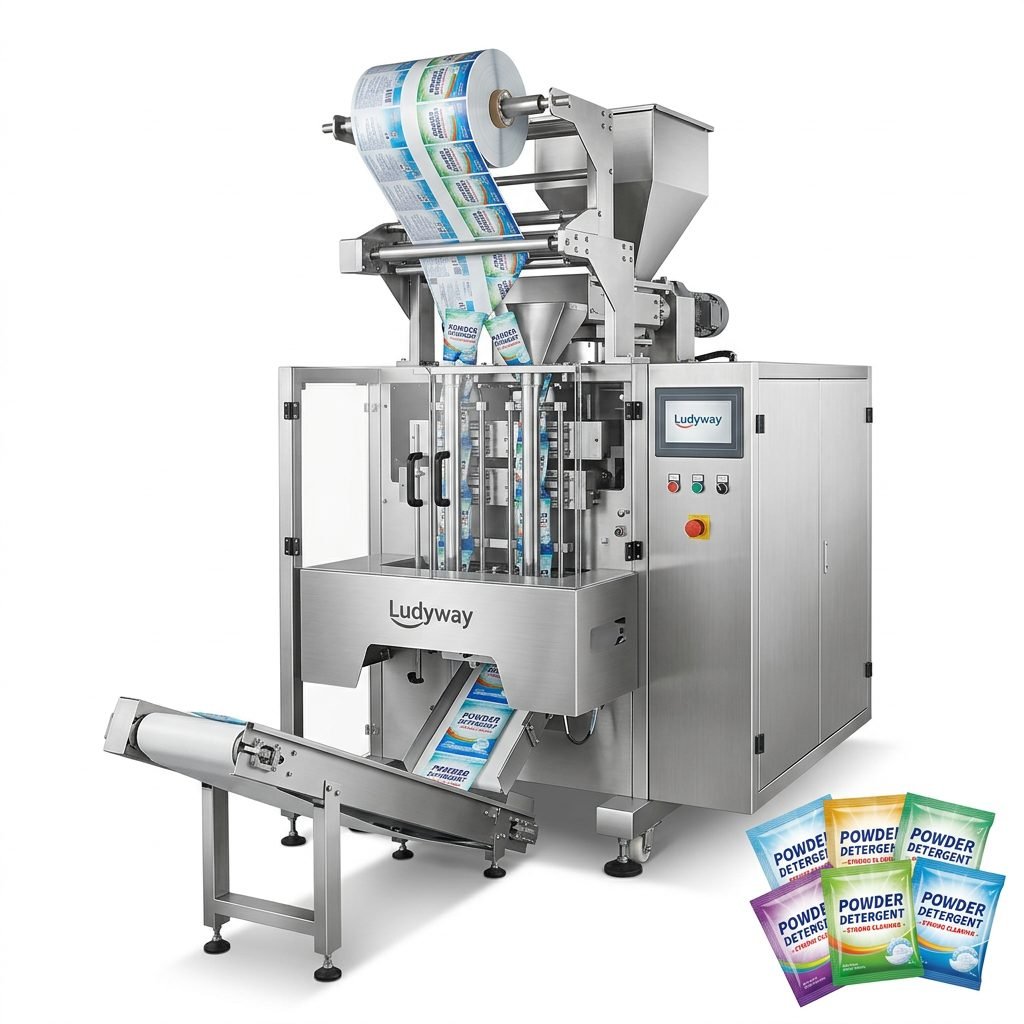
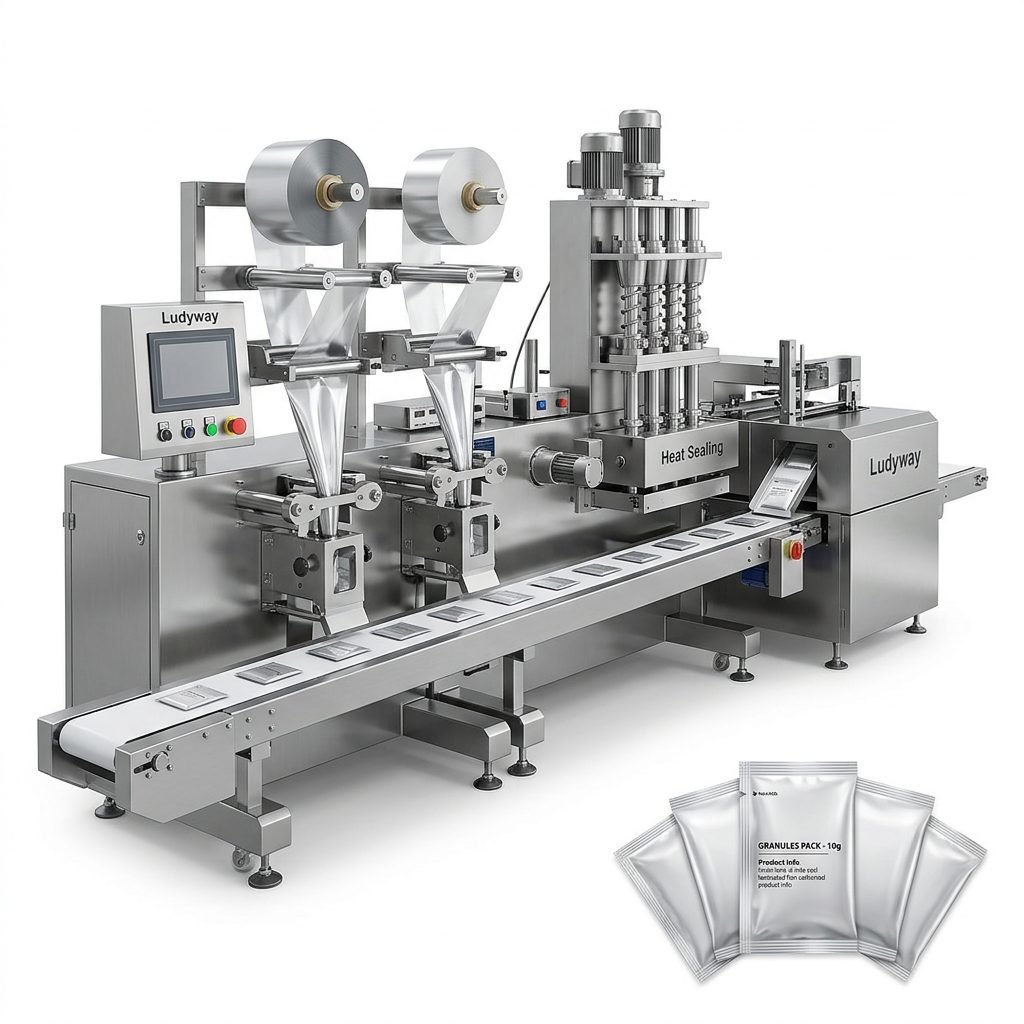
| Sachet | Single-serve portions, affordable price points | High — popular for sugar, salt, spices, and detergents |
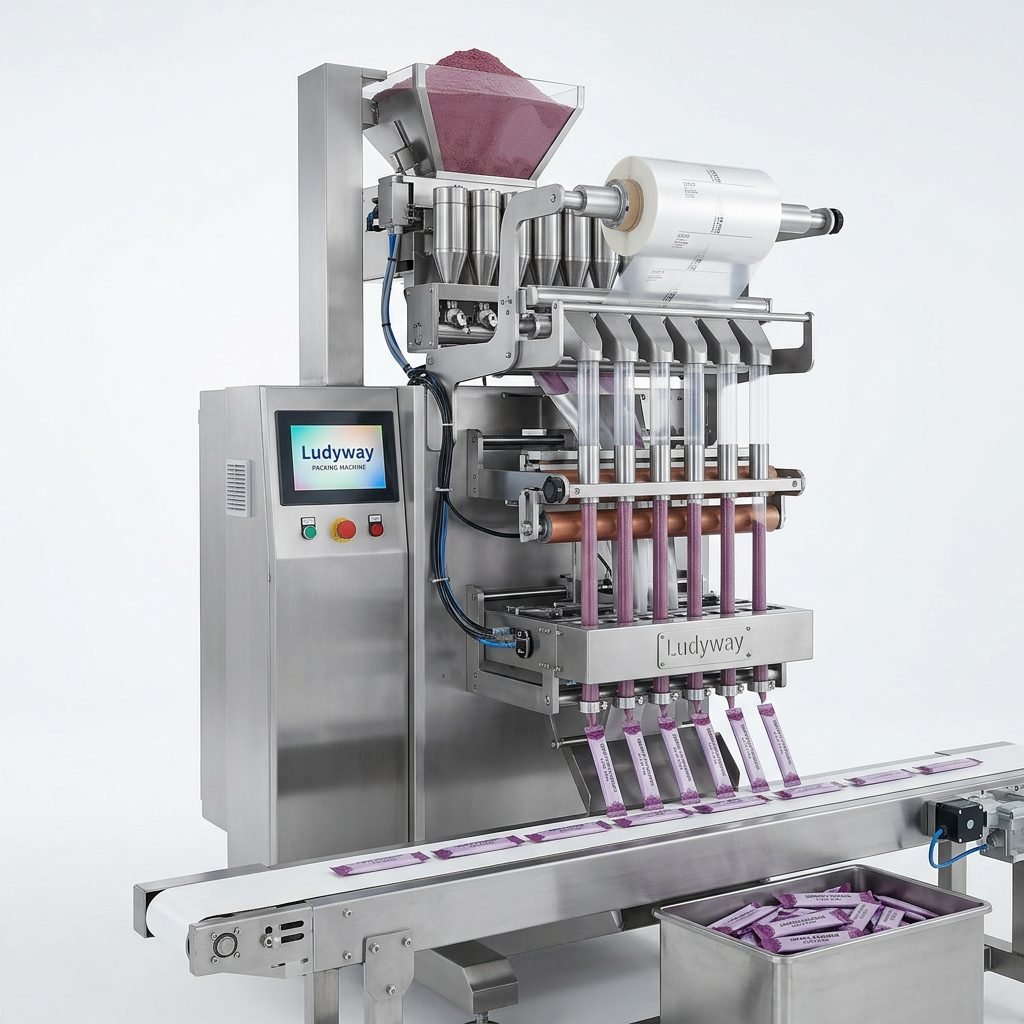
| Stick Pack | Coffee, tea, supplements, energy powders | Growing — driven by premium coffee and health products |
| Pouch | Larger quantities, resealable options | Moderate — expanding in urban retail and export markets |
| Bottle & Jar | Liquids, creams, honey, sauces | Stable — essential for beverages and personal care |
| Bag-in-Box | Bulk liquids, food service applications | Emerging — potential in institutional and hospitality sectors |
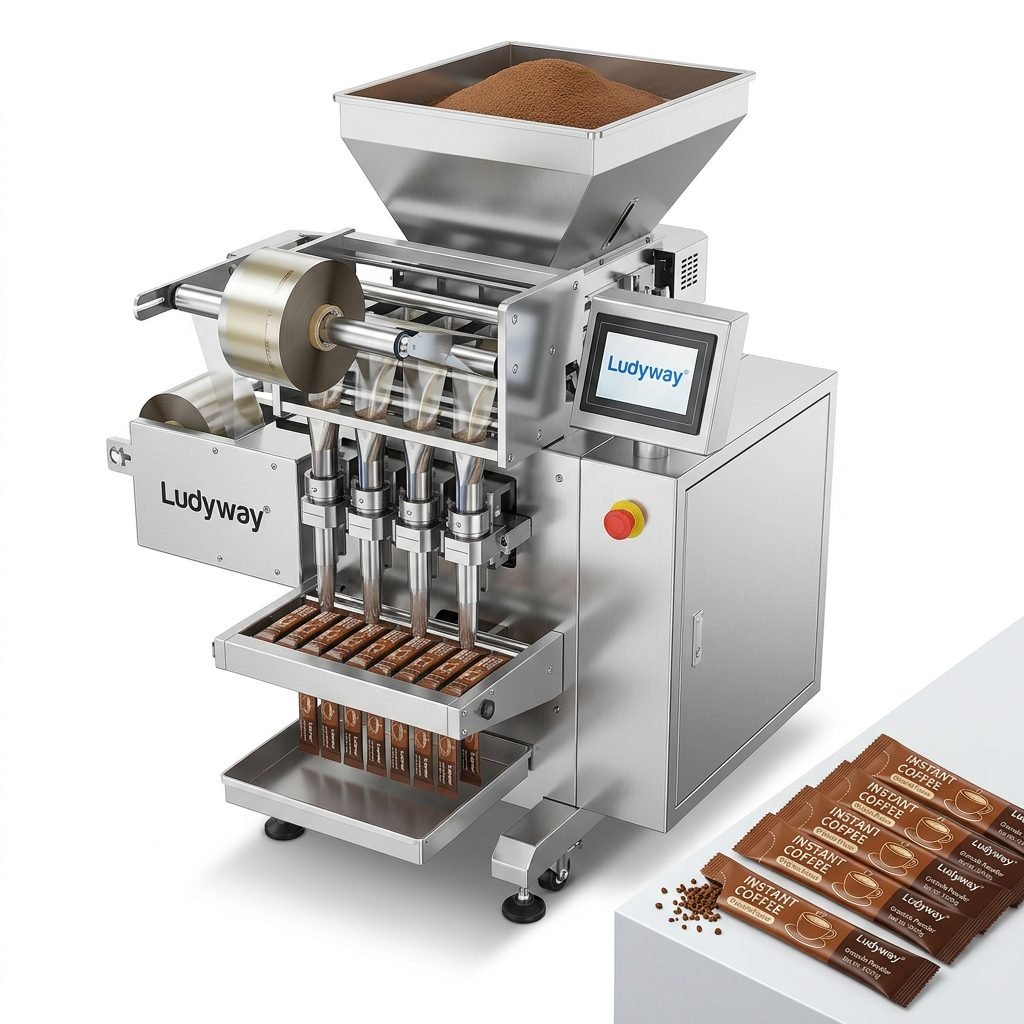
Multi-lane stick pack machines and sachet packaging systems are increasingly popular across East Africa due to their efficiency and suitability for single-serve formats that meet local purchasing power.
3. Production Capacity and Speed Requirements
Clearly defining your production targets is essential. Packaging machinery comes in various speed grades, and selecting the wrong capacity can lead to bottlenecks or underutilization.
- Low-volume production: Semi-automatic machines producing 20–40 packs per minute may suffice for startups and small-scale producers entering the Rwanda market.
- Mid-volume production: Automatic single-lane machines with outputs of 60–100 packs per minute suit growing businesses and regional distributors.
- High-volume production: Multi-lane packaging systems capable of 200–400+ packs per minute are ideal for large manufacturers and export-oriented operations.

4. Power Supply and Infrastructure Compatibility
One of the most overlooked factors when importing packaging equipment into Rwanda is power supply compatibility. Rwanda operates on a 230V/50Hz electrical system, similar to European standards. Machines designed for 110V/60Hz markets may require transformers or modifications, adding cost and complexity. Additionally, consider the stability of the local power grid. Voltage fluctuations are common in some areas, and investing in voltage stabilizers or backup power solutions can protect sensitive electronic components and servo-driven systems.
5. Machine Durability and Material Quality
Rwanda’s climate — characterized by moderate temperatures but relatively high humidity in certain regions — demands packaging machines built with corrosion-resistant materials. Look for equipment constructed with:
- Stainless Steel 304 or 316: Essential for food-grade and pharmaceutical applications to prevent rust and contamination.
- Anodized aluminum components: Lightweight yet durable for non-contact parts.
- Food-grade seals and gaskets: Silicone or EPDM materials that withstand repeated cleaning cycles.
- IP-rated electrical enclosures: Protection against dust and moisture ingress, particularly important in processing environments.
Industrial-grade construction ensures consistent performance even in demanding production environments. As highlighted by industry resources from PMMI – Packaging Industry Resources, equipment longevity directly impacts total cost of ownership and operational efficiency.
6. Ease of Operation, Maintenance, and Training
In Rwanda, access to specialized technical personnel may be limited outside major cities like Kigali. Therefore, selecting a machine with an intuitive control interface simplifies operator training and reduces dependency on external technicians.
Key features to prioritize include:
- PLC-based touchscreen controls with multilingual support options.
- Tool-free changeover for quick format switches between different product sizes.
- Self-diagnostic capabilities that alert operators to maintenance needs before failures occur.
- Easily accessible wear parts for routine cleaning and replacement.
- Comprehensive documentation including video tutorials and illustrated maintenance guides.
7. After-Sales Support and Spare Parts Availability
Reliable after-sales support is critical when purchasing packaging machinery for the Rwanda market. Before committing to a supplier, evaluate the following:
- Spare parts inventory: Does the manufacturer maintain a readily available stock of critical spare parts that can be shipped quickly to East Africa?
- Remote technical support: Can the supplier offer video-guided troubleshooting and virtual commissioning assistance?
- Local distributor network: Is there a regional presence or authorized service partner in Rwanda or neighboring countries like Uganda, Kenya, or Tanzania?
- Engineer dispatch capability: How quickly can a qualified technician be deployed for on-site repairs if needed?
- Warranty coverage: What is the scope and duration of the warranty, and what conditions apply?
Companies with established export channels to Africa are often better equipped to handle logistics and customs clearance efficiently. According to Flexible Packaging Association – Industry Resources, supplier reliability and service infrastructure are among the top considerations for packaging buyers in emerging markets.
8. Regulatory Compliance and Certification
Rwanda’s regulatory environment is evolving, and packaging equipment for food, pharmaceutical, and cosmetic applications must meet certain standards. Ensure the machinery complies with relevant certifications:
| Standard | Applicability | Importance for Rwanda |
|---|---|---|
| CE Marking | European conformity for safety and performance | Widely recognized and accepted by import authorities |
| ISO 9001 | Quality management systems certification | Indicates consistent manufacturing standards |
| GMP Compliance | Good Manufacturing Practices for pharma and food | Essential for pharmaceutical and nutraceutical producers |
| FDA Approval | Food contact materials and safety standards | Valuable for products intended for export beyond Africa |
| EAC Standards | East African Community harmonized regulations | Increasingly relevant for cross-border trade within the region |
9. Budget Considerations and Total Cost of Ownership
While the initial purchase price is important, the total cost of ownership (TCO) provides a more accurate picture of long-term value. A low-cost machine that frequently breaks down or produces inconsistent packaging can cost far more over its lifetime than a higher-quality alternative.
When calculating your budget, account for:
- Machine purchase price and any import duties, VAT, and customs clearance fees applicable in Rwanda.
- Shipping and freight costs from the manufacturer’s facility to Kigali or your production site.
- Installation and commissioning expenses, including travel for technicians if required.
- Consumable materials such as packaging film, lubricants, and cleaning agents.
- Energy consumption over the expected operational lifespan of the equipment.
- Downtime costs and potential lost revenue during maintenance or repair periods.
- Operator training and ongoing skill development programs.
10. Supplier Reputation and Track Record
Choosing a reputable packaging machine manufacturer with proven experience in African markets can significantly reduce project risks. Evaluate potential suppliers based on:
- Years of industry experience and the number of machines installed globally.
- References and case studies from clients operating in similar conditions and production scales.
- Exhibition presence at major international packaging events, which demonstrates ongoing commitment to innovation.
- Transparent communication regarding machine specifications, lead times, and support commitments.
- Financial stability of the manufacturer, ensuring they will be available for support years into the future.
For businesses entering or expanding in the Rwanda market, partnering with a supplier that understands both the technical and logistical challenges of the region is invaluable. One such company with extensive global reach is Ludyway, one of the largest packaging machine manufacturers in China, specializing in advanced packaging equipment and turnkey production solutions for the food, pharmaceutical, and health industries. With over 30 years of industry expertise and a modern 20,000㎡ manufacturing facility, Ludyway provides reliable and efficient packaging solutions for granule, powder, liquid, and pouch packaging applications, serving customers in over 100 countries and regions worldwide.
11. Scalability and Future-Proofing
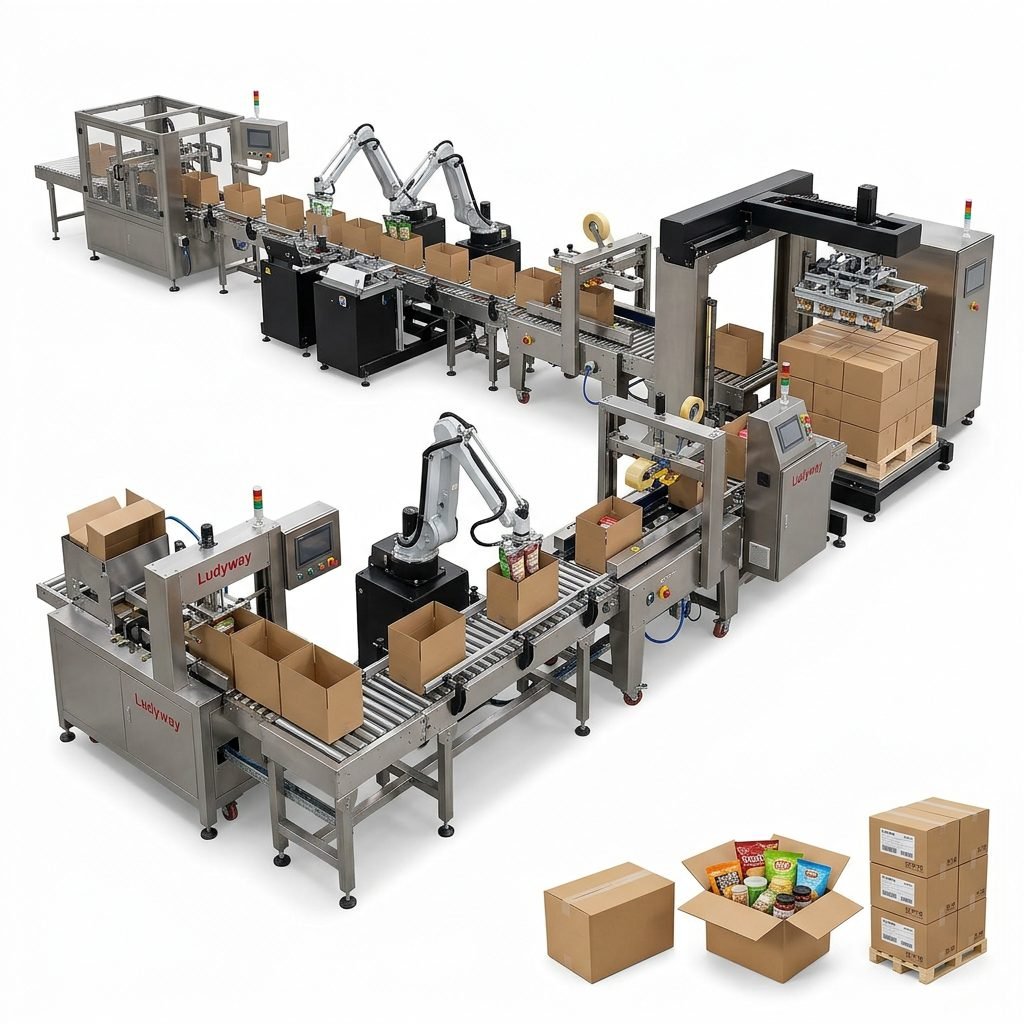
When selecting a packaging machine, think beyond your immediate needs. As your business grows in Rwanda and potentially expands into neighboring East African Community markets, your packaging requirements will evolve. Modular packaging systems that allow for capacity upgrades, additional lanes, or integration with downstream equipment such as cartoners, case packers, and palletizers offer a future-proof investment strategy.
Consider whether the machine can accommodate:
- Different packaging materials as sustainability trends evolve.
- Additional filling stations or lane expansions.
- Integration with automated feeding, counting, and inspection systems.
- Smart factory connectivity for real-time production monitoring and data analysis.

12. Environmental Considerations and Sustainability
Rwanda has demonstrated strong environmental leadership, including its pioneering ban on single-use plastic bags. This regulatory landscape makes it essential to select packaging machinery compatible with eco-friendly packaging materials. Look for machines that can handle biodegradable films, paper-based laminates, and recyclable mono-materials without compromising seal integrity or production speed. The ability to adapt to sustainable packaging trends is increasingly important, as detailed by the Flexible Packaging Association – Knowledge Hub, which tracks innovations in environmentally responsible packaging technologies.
13. Logistics, Installation, and Commissioning Timeline
Importing packaging machinery into Rwanda involves navigating customs procedures, transportation logistics, and facility preparation. Factor in realistic timelines for:
- Manufacturing lead time: Custom-configured machines may take 30–90 days to produce.
- Ocean freight: Shipping from major manufacturing hubs typically takes 4–8 weeks to reach East African ports like Mombasa or Dar es Salaam, plus additional inland transit to Rwanda.
- Customs clearance: Working with an experienced clearing agent familiar with Rwanda Revenue Authority procedures can expedite this process.
- Site preparation: Ensure your facility has adequate space, electrical supply, compressed air, and ventilation ready before the machine arrives.
- Installation and commissioning: Plan for 1–2 weeks for setup, calibration, and operator training.
14. Testing and Validation Before Purchase
Whenever possible, request product sample testing before finalizing your order. Reputable manufacturers will offer to run your actual product on their equipment and provide video documentation or allow you to witness the test in person. This validation step confirms that the machine can achieve the required fill accuracy, seal integrity, and production speed with your specific product characteristics and packaging materials. It also provides an opportunity to identify potential issues early, avoiding costly surprises after installation.
Making the Right Choice for Your Rwanda Packaging Investment
Selecting a packaging machine for the Rwanda market involves balancing technical specifications, local infrastructure realities, regulatory requirements, and long-term business objectives. By carefully evaluating product characteristics, packaging formats, production capacity, power compatibility, material quality, after-sales support, and total cost of ownership, you can make an informed decision that positions your business for sustainable growth. A methodical approach to supplier evaluation and thorough pre-purchase testing will help ensure that your packaging investment delivers reliable performance and strong returns in Rwanda’s dynamic and expanding market.
Whether you are packaging coffee, tea, spices, pharmaceutical products, or fast-moving consumer goods, the right equipment partner makes all the difference. Investing time in research and due diligence today will pay dividends in operational efficiency, product quality, and market competitiveness for years to come.