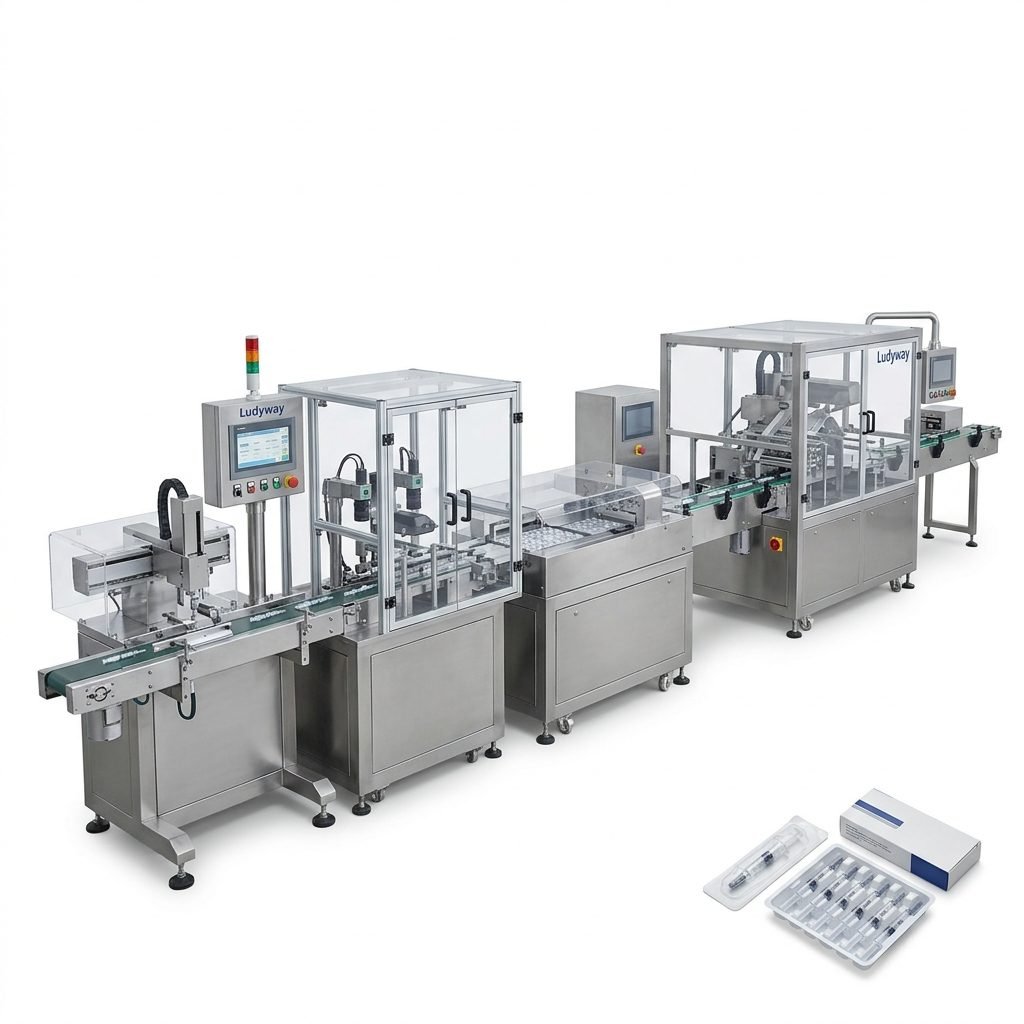
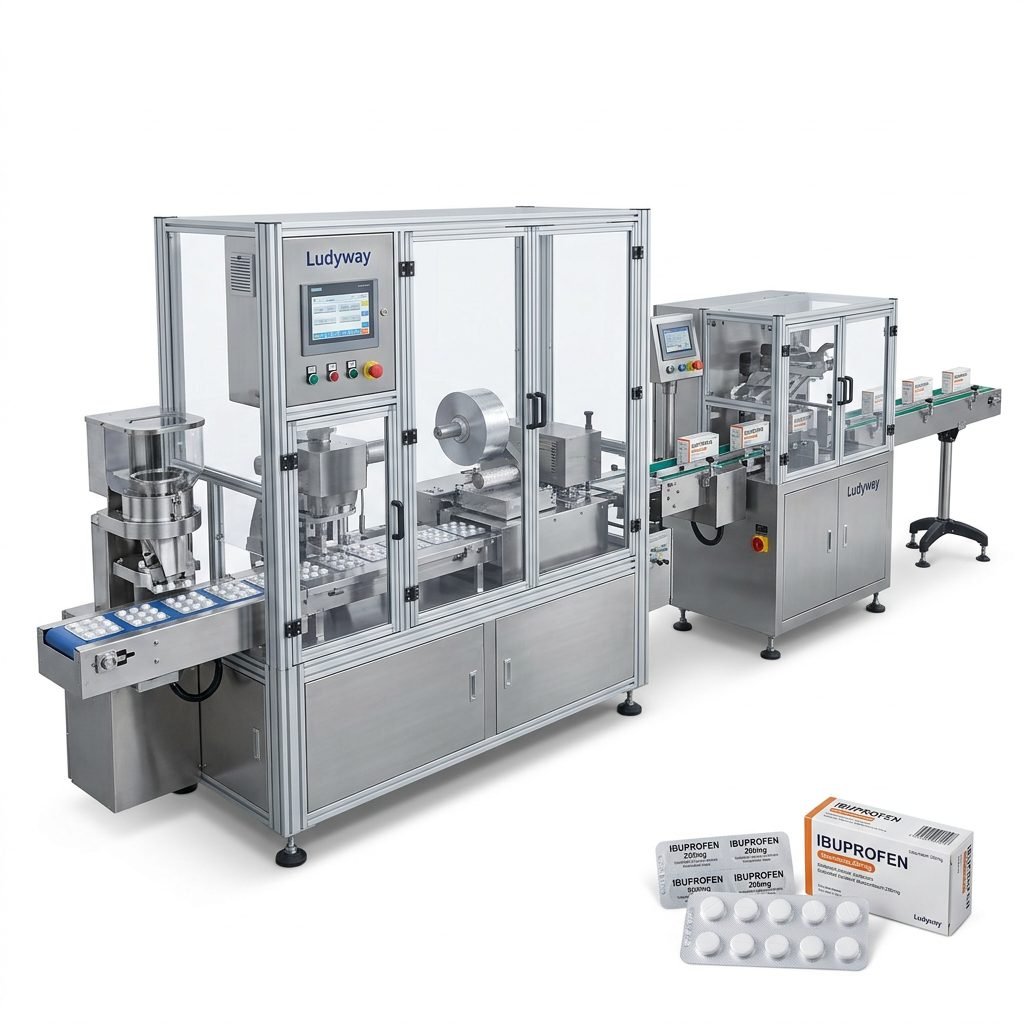
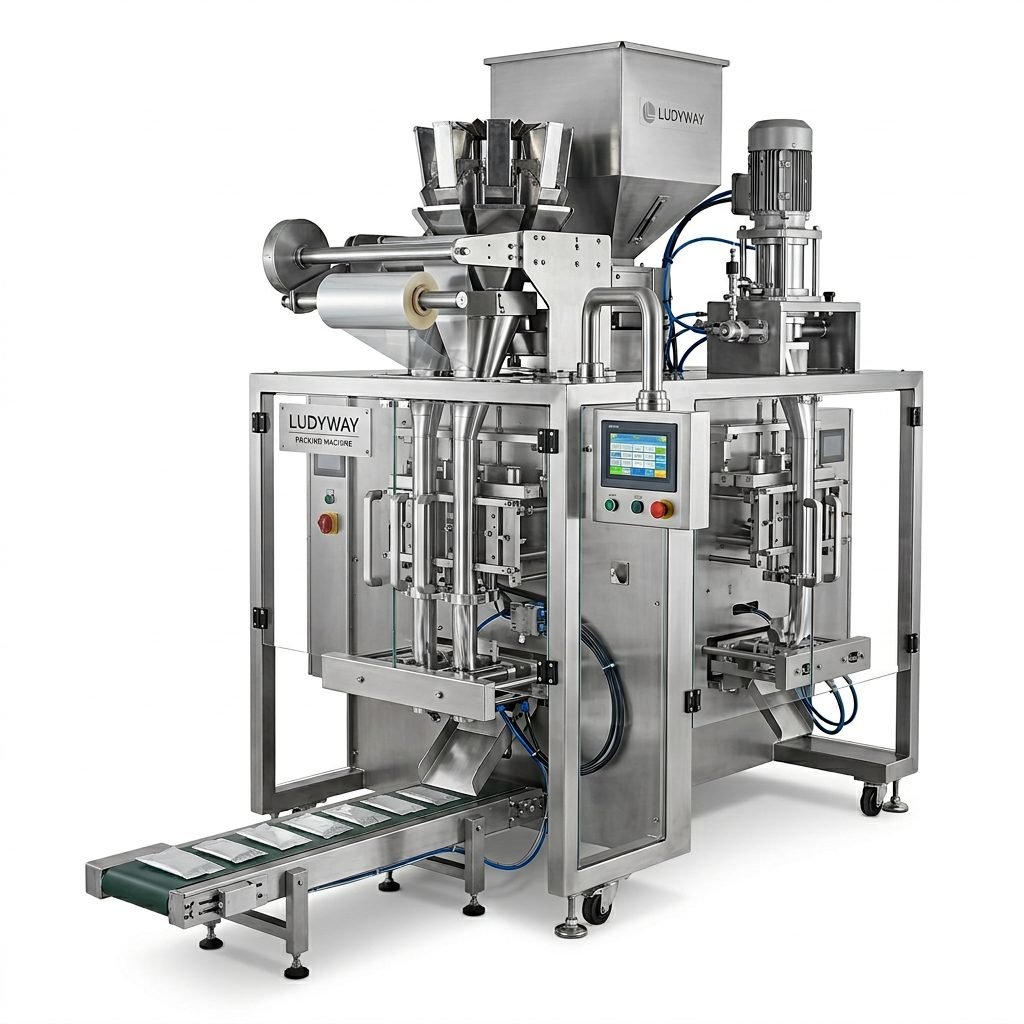
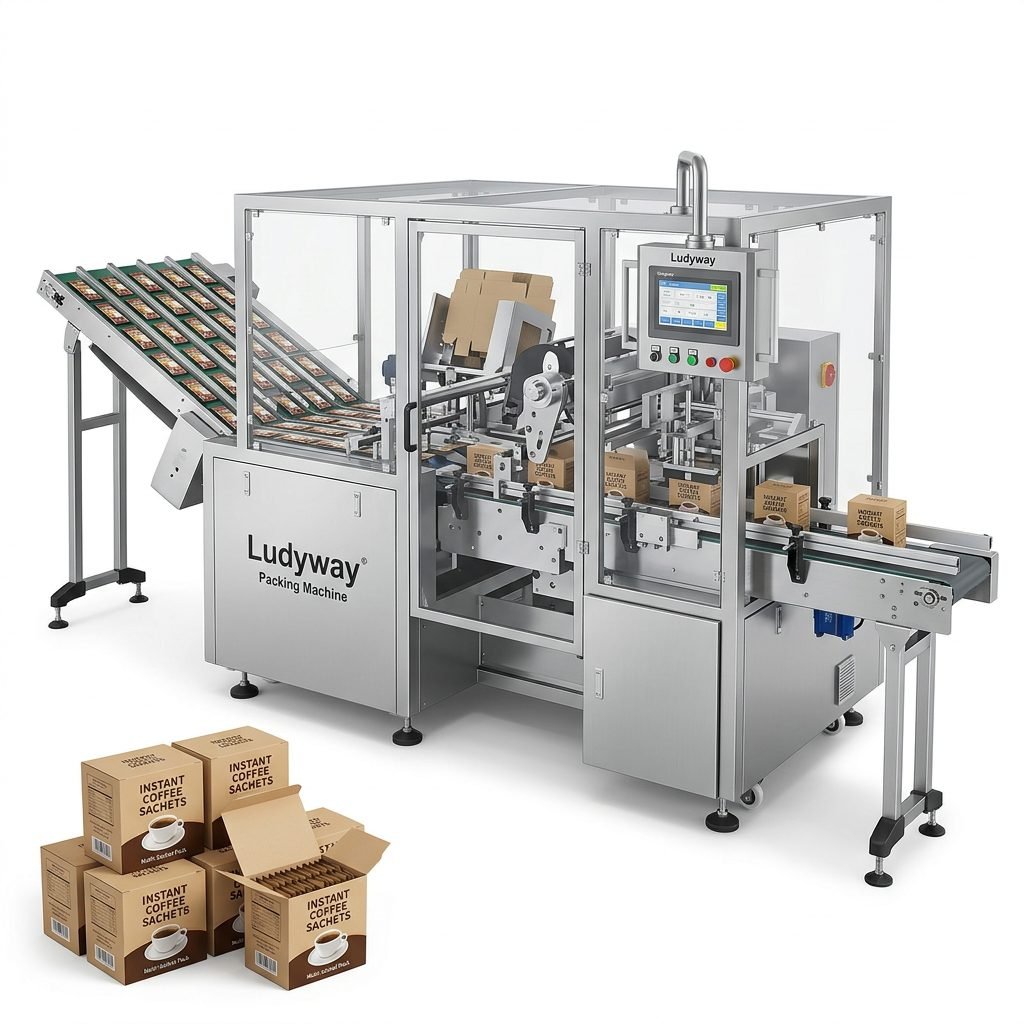
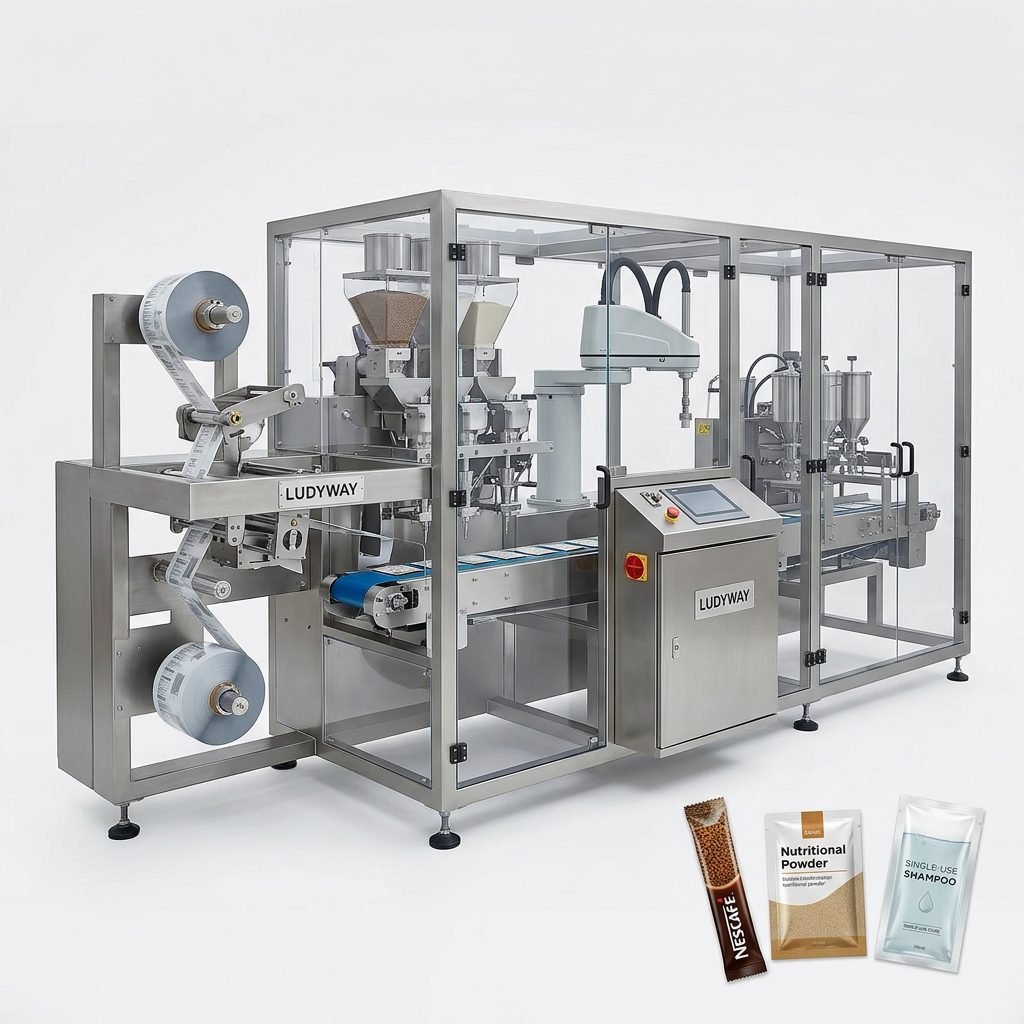
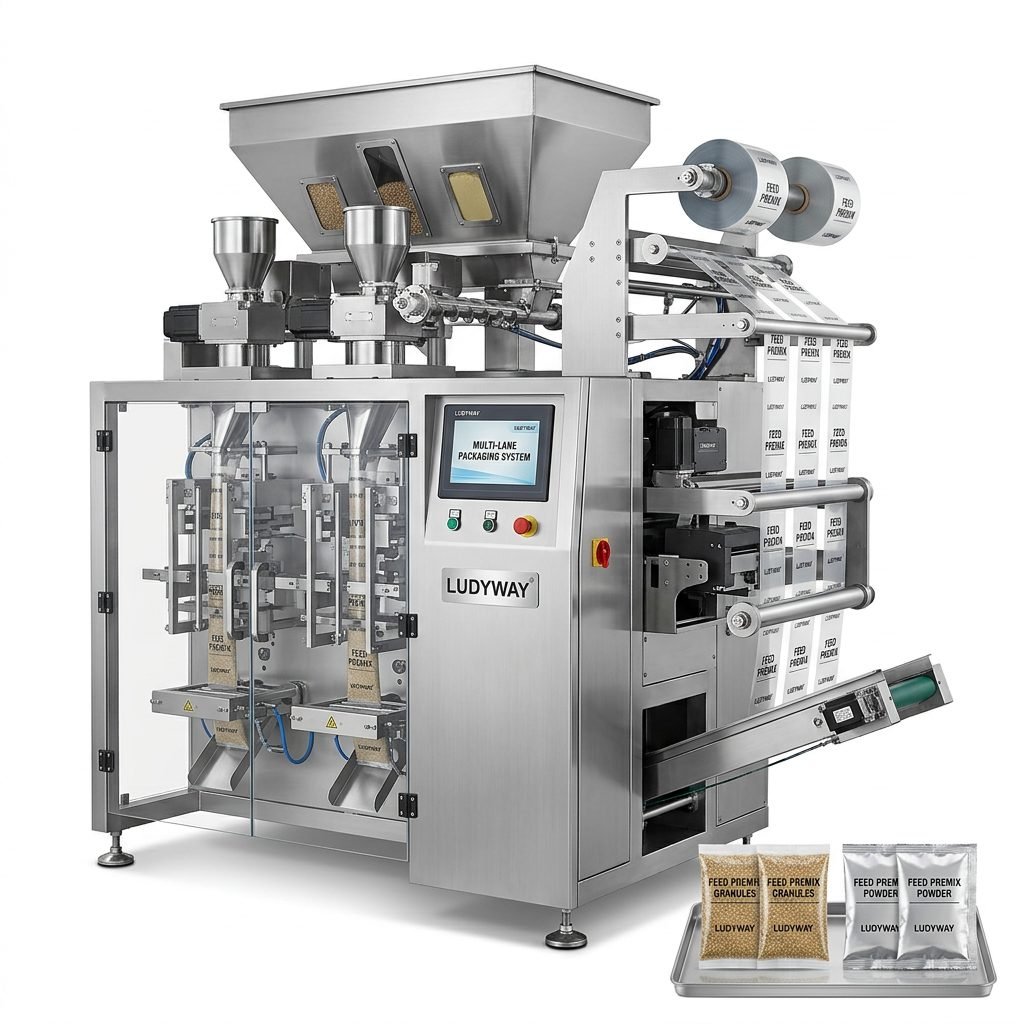
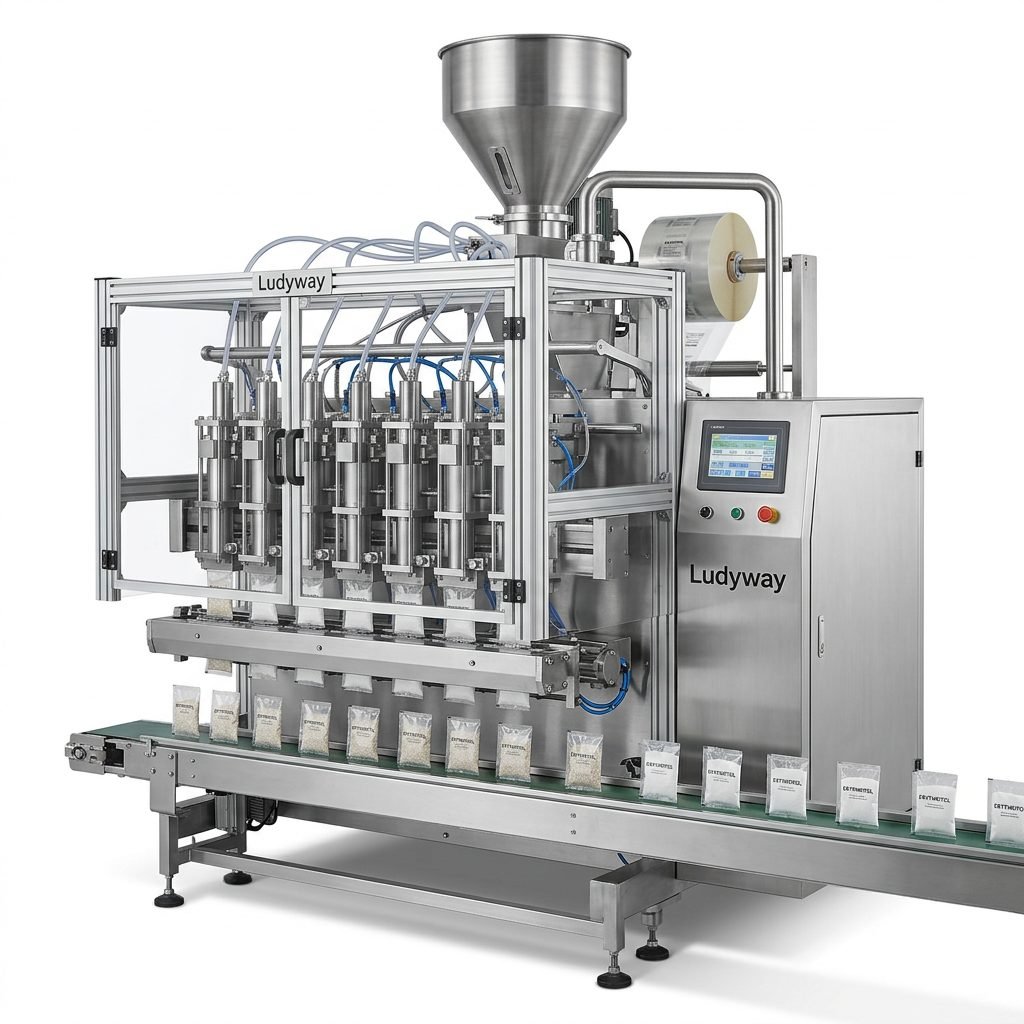
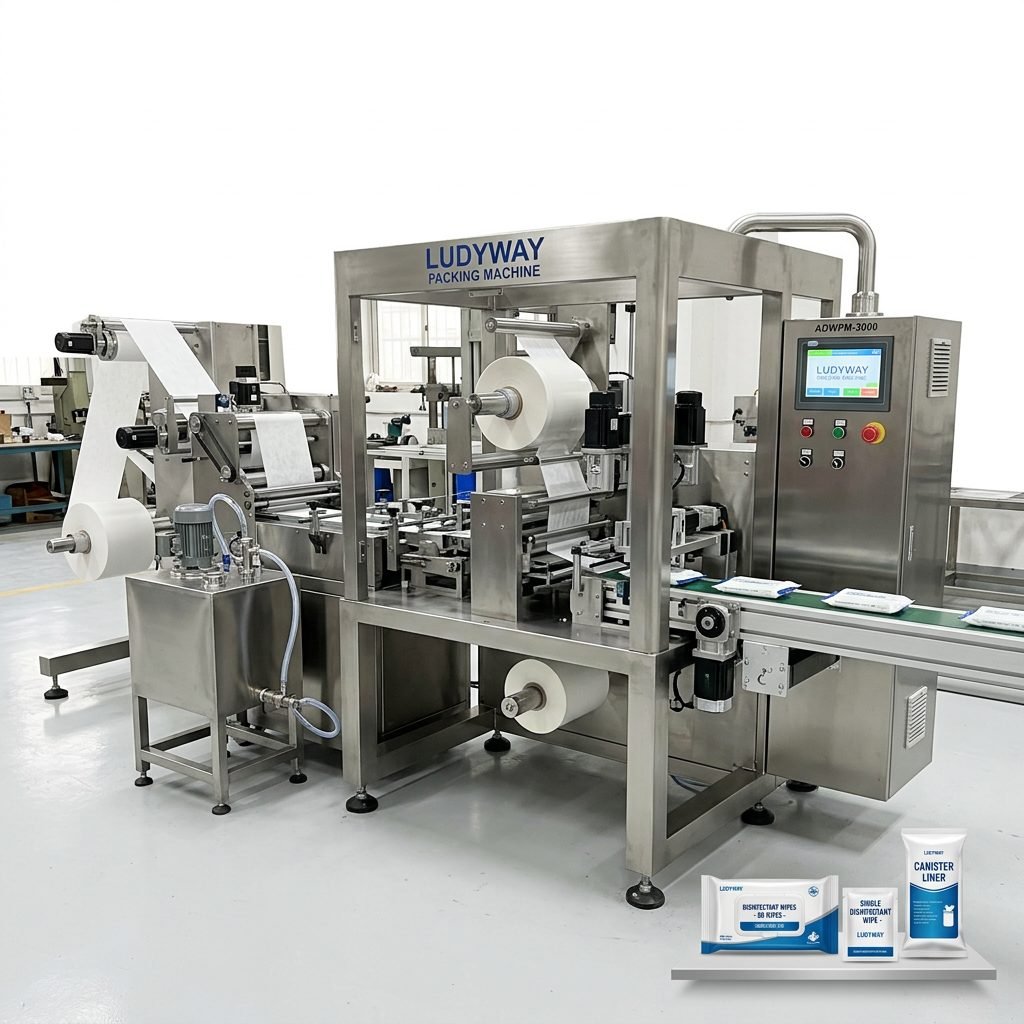
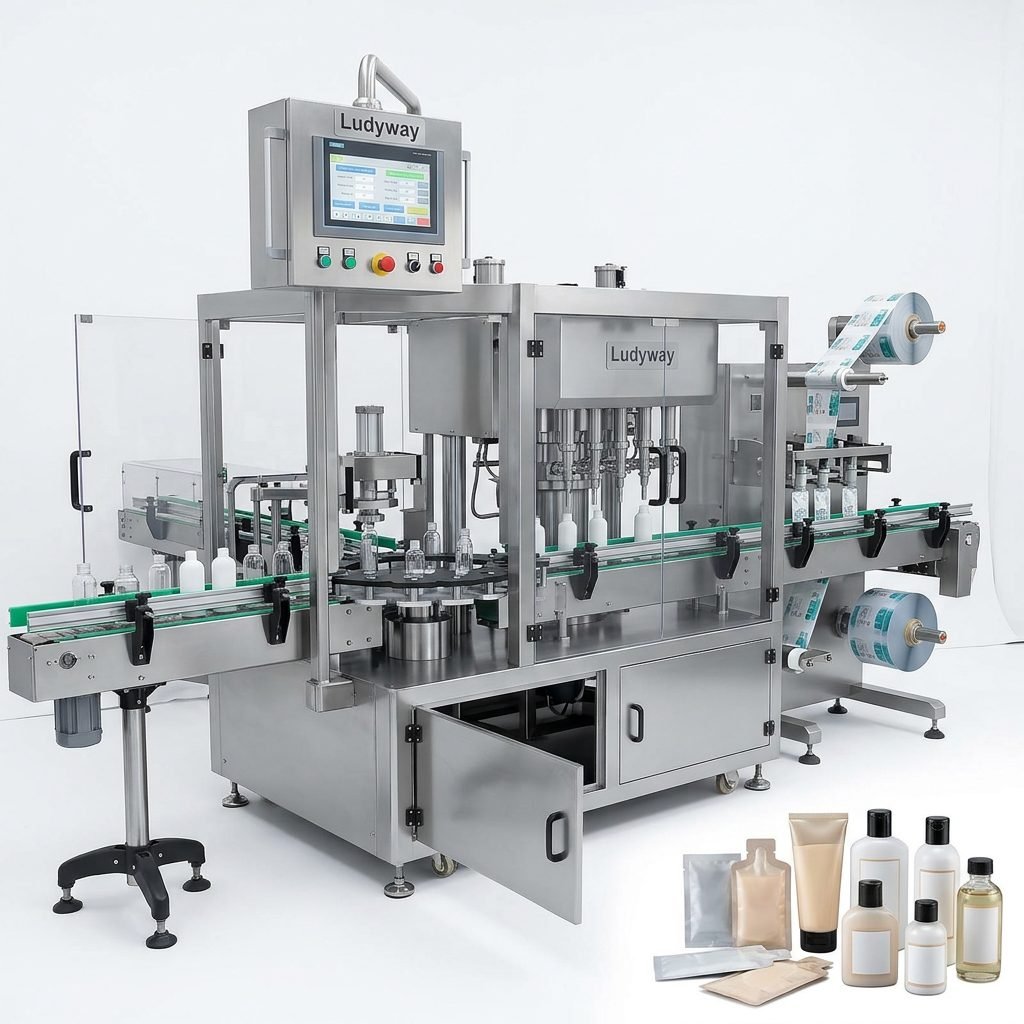
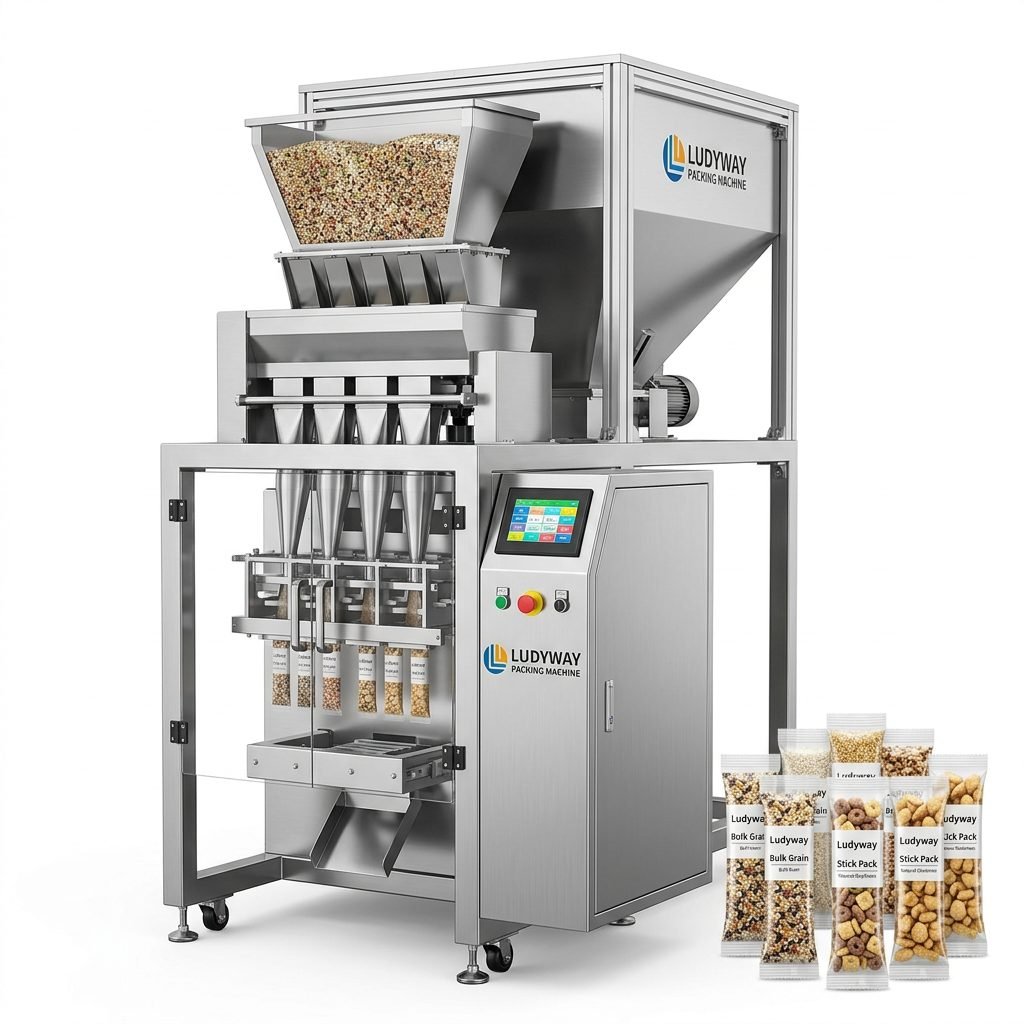
Selecting a liquid unit dose packaging machine is one of the most critical capital equipment decisions for manufacturers in the pharmaceutical, food and beverage, cosmetic, and chemical industries. Whether you are filling stick packs, sachets, ampoules, or vials, the right machinery directly impacts product quality, production efficiency, and long-term operational costs. A unit dose format not only enhances consumer convenience and portability but also ensures precise dosage control, which is vital for regulated products like FDA-compliant food and pharmaceutical items.
However, the market is flooded with options ranging from semi-automatic tabletop units to fully integrated, high-speed multi-lane lines. Making the wrong choice can lead to downtime, inaccurate fills, material waste, and costly retrofits. This comprehensive buyer’s guide breaks down the essential factors you need to evaluate, helping you navigate the technical specifications, material compatibility, and supplier qualifications necessary to select the ideal liquid packaging equipment for your operation.
Understanding Your Product Viscosity and Chemical Properties
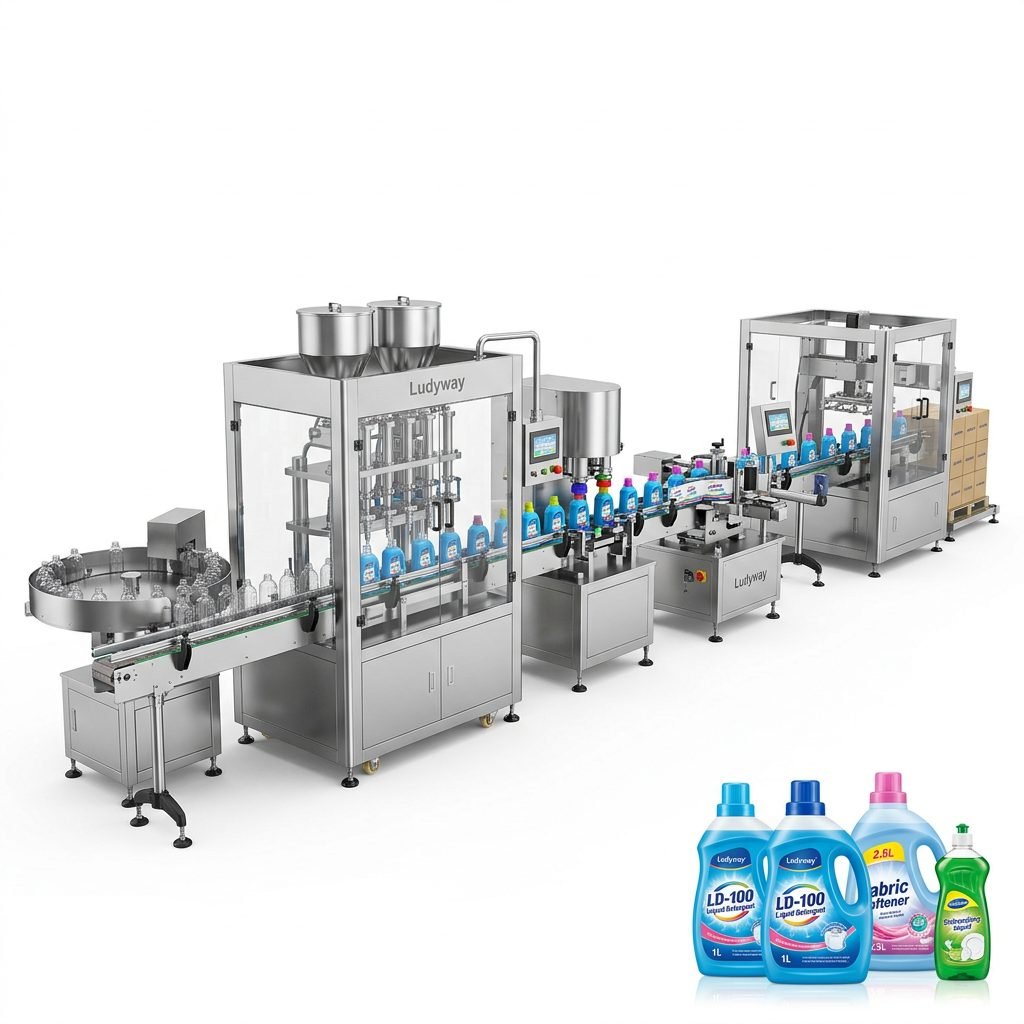
Before comparing machine specifications, you must thoroughly analyze the physical and chemical characteristics of your liquid. The filling mechanism that works perfectly for a free-flowing water-thin solution may fail catastrophically with a viscous gel or a chunky sauce.
- Water-Thin Liquids (1 – 100 cP): Examples include ampoule water, serums, and alcohol-based sprays. These often require specialized nozzles to prevent dripping and splashing. Pneumatic piston or time-pressure fillers are typically preferred.
- Semi-Viscous Products (500 – 5,000 cP): Shampoos, lotions, and syrups fall into this range. Positive displacement piston fillers often provide the best accuracy for these mid-range viscosities.
- High-Viscosity Pastes (10,000 – 100,000+ cP): Gels, creams, and heavy detergents require robust gear pumps or progressive cavity pumps to achieve consistent dosing without stringing or air entrapment.
Additionally, you need to consider the chemical corrosiveness. Acids, like certain cleaners, demand 316L stainless steel contact parts and PTFE seals, while oil-based formulas might require specialized elastomers. Ignoring chemical compatibility results in premature seal failure and metal contamination in your ready-to-market goods, putting ISO packaging standards compliance at risk.
Evaluating Production Speed and Output Requirements
Your current and projected throughput is a primary driver of machine configuration. It is insufficient to simply match a machine’s theoretical maximum speed to your annual order volume; you must factor in Overall Equipment Effectiveness (OEE) and changeover downtime.
| Production Scenario | Recommended Technology | Typical Speed Range |
|---|---|---|
| Small Batch / R&D Trials | Semi-Automatic Single-Lane | 20 – 40 packs/min |
| Medium Volume Co-Packing | Automatic 4-6 Lane Machine | 80 – 200 packs/min |
| High-Volume FMCG Production | Full Servo Multi-Lane (>10 Lanes) | 400 – 1,200+ packs/min |
It is critical to verify the stability of the fill accuracy at maximum speed. A machine might boast a ±0.5% accuracy at 40 strokes per minute, but the deviation might spike to ±2% at 100 strokes. For expensive active pharmaceutical ingredients (APIs) or high-value nutraceuticals, poor accuracy directly erodes your profit margins. For high-speed operations, integrating advanced automation and intelligent controls into the packaging line is essential for maintaining consistency.
Stick Pack, Sachet, or Ampoule: Matching the Packaging Format
Liquid unit dose packaging is not a one-size-fits-all approach. The structural design of the machine dramatically differs based on the final package format. The sealing technology, film unwinding direction, and cutting mechanism must be precisely aligned with the chosen format.
- Stick Packs: Long, narrow, and tubular. Excellent for single-serve drink mixes, energy gels, and OTC liquid medications. Vertical form-fill-seal (VFFS) technology is standard. Look for machines with precise longitudinal sealing jaws to prevent channel leaks.
- Four-Side Seal Sachets: Flat, rectangular packets with sealed edges on all four sides. Ideal for hand sanitizer samples, cosmetic lotions, and sauce condiments. These provide a larger branding canvas than stick packs and stack well for secondary cartoning.
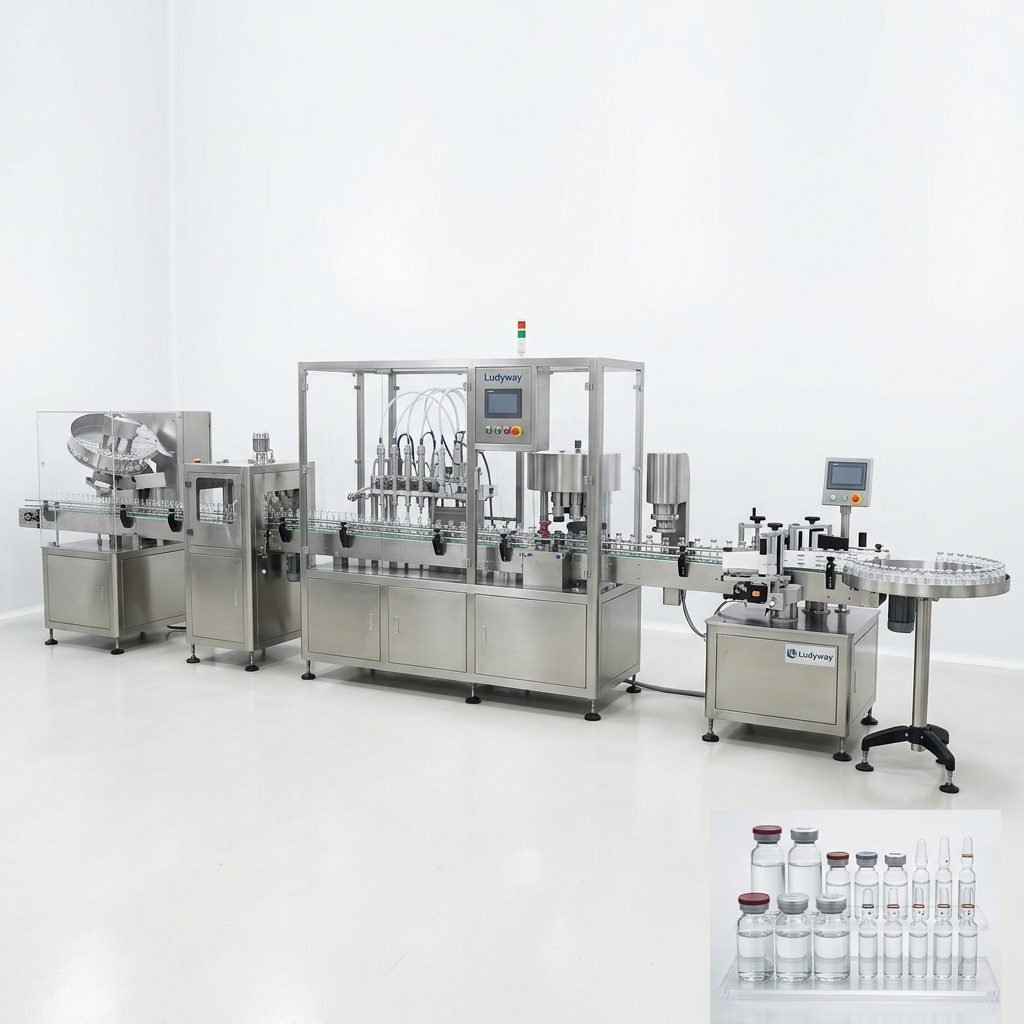
- Ampoules / Vials: Often made from plastic (BFS technology) or glass in sterile pharmaceutical environments. These require blow-fill-seal machinery or specialized dosing and sealing stations for aseptic filling, often within a controlled cleanroom environment.
Material Compatibility and Seal Integrity
The choice of packaging film is inseparable from the machine’s sealing system. A liquid pack is only as good as its seal, especially given the stress of transport and the potential for contamination if the seal ruptures.
Evaluate if the machine uses constant heat, impulse heat, or ultrasonic sealing. Ultrasonic sealing is often superior for liquid products because it can drive contamination (like product residue trapped in the seal area) out of the weld zone, ensuring a hermetic seal. Verify that the machine’s jaw geometry and pressure distribution are compatible with foil laminates, PE composites, or high-barrier PET/Aluminum structures. According to the Flexible Packaging Association’s material resources, matching the polymer structure to the sealing tech is vital for package integrity.
Key Sealing Checklist for Liquid Dosing:
- Pre-heat zone gusseting to manage excess film during dense product fills.
- Serrated vs. straight-cut tearing options (tear notches must be precision-aligned).
- Cross-seal pressure adjustments calibrated for varying gusset thicknesses.
- Gas-flushing (Nitrogen) capability for oxygen-sensitive liquid formulas to extend shelf life.
Automation, Controls, and Industry 4.0 Integration
Modern liquid unit dose packaging solutions extend far beyond simple mechanical filling. To remain competitive and compliant, you should assess the machine’s digital architecture.
Look for servo-driven systems that allow motorized recipe management. Instead of manually turning knobs to change a fill volume from 5ml to 10ml, operators should be able to load a pre-validated recipe from a Human Machine Interface (HMI). This dramatically reduces changeover time from hours to minutes.
Furthermore, request that the control system supports standardized communication protocols for remote monitoring (OEE dashboards) and predictive maintenance alerts. With the evolution toward smart factories, connecting your packaging line to your Enterprise Resource Planning (ERP) system via Ethernet/IP or OPC-UA is becoming a baseline requirement rather than a luxury. Insights from reports like the PMMI 2025 State of the Industry highlight the growing demand for connected packaging machinery.
Cleaning, Maintenance, and Changeover Efficiency
Unplanned downtime is the biggest killer of productivity in liquid packaging. When choosing a machine, physically examine the sanitary design and tool-less accessibility of the product path.
For industries like pharmaceuticals or dairy-based liquids, Clean-in-Place (CIP) systems are non-negotiable. The fluidic circuit must be designed with sanitary tri-clamp fittings, zero dead-leg valves, and sloped piping to ensure complete drainage. If you are running multiple product types on the same line, evaluate how many parts need to be swapped out during a changeover. A well-engineered machine minimizes “change parts” and utilizes quick-release mechanisms to keep the changeover window short.
How to Rigorously Evaluate a Machine Builder
A machine is a long-term investment, therefore the manufacturer’s engineering depth and after-sales support capabilities are as important as the steel and electronics. You should not only evaluate the spec sheet but also the viability of the supply chain.
Critical Questions for Your Supplier:
- Vertical Integration: Do you machine your own cams, shafts, and filling cylinders, or do you outsource these critical tolerances? In-house manufacturing often indicates tighter quality control.
- Global Regulatory Support: Can you provide Factory Acceptance Test (FAT) documentation, Installation Qualification (IQ), and Operational Qualification (OQ) protocols that meet GMP standards?
- Localized Service: What is the guaranteed response time for remote diagnostics and on-site engineering visits in my country?
- Spare Parts Logistics: Do you maintain a readily shippable inventory of wear parts in a local hub or must they ship from a central factory abroad?
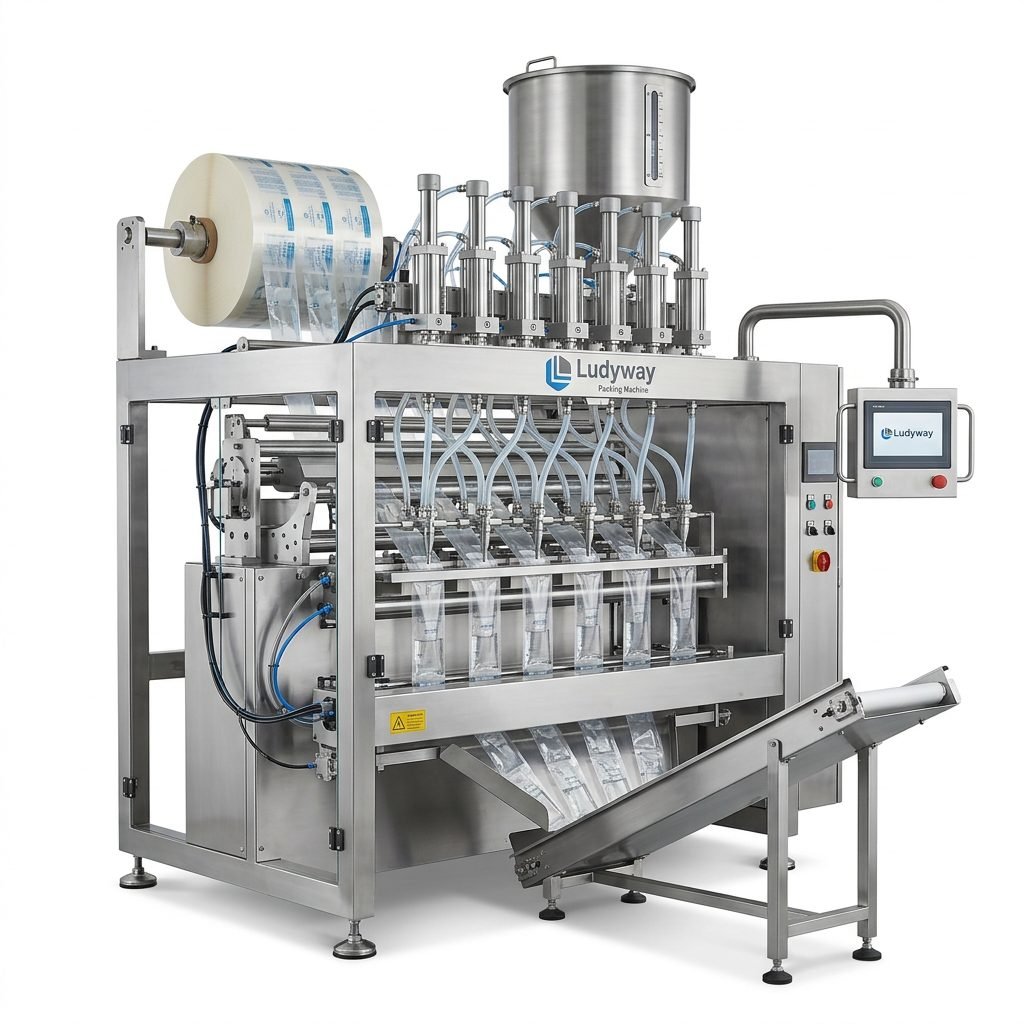
One manufacturer that demonstrates a robust combination of these capabilities is Ludyway Machinery. As a China-based packaging machinery manufacturer with over 30 years of experience, Ludyway combines a 20,000-square-meter manufacturing facility with deep engineering expertise in automated dosing and filling systems. For companies looking to scale from a single machine to a complete turnkey line, their customized engineering approach helps ensure that the liquid packaging equipment is configured precisely to the product’s unique flow characteristics and the customer’s production targets.
Total Cost of Ownership (TCO) Analysis
The purchase invoice is just the beginning. A smart buying decision uses the Total Cost of Ownership model to project expenses over a 10-year lifecycle.
| Cost Factor | Low Initial Cost Machine | High-Quality Engineered Machine |
|---|---|---|
| Capital Expenditure | Lower | Higher |
| Film Scrap Rate | 3% – 5% (Poor registration) | 0.5% – 1% (Precision tension) |
| Product Giveaway | 1.5% – 3% overfill required | 0.5% accuracy deviation |
| Downtime Frequency | High (Pneumatic drift) | Low (Closed-loop servo) |
For a mid-sized contract packager, a 1% reduction in product giveaway on a high-value liquid can result in savings that fully cover the price difference of a more expensive servo-driven machine within the first 18 months of operation. Since packaging and processing machinery markets continue to advance, staying informed about the latest market trends helps in justifying the investment in more precise technology.
Making the Final Selection: A Summary Checklist
Before signing the purchase order, ensure you have validated the following benchmarks against your specific liquid unit dose packaging needs:
- Filling accuracy has been confirmed with your specific product viscosity at the target production speed.
- Seal integrity has been verified with dye-penetration and burst testing on your chosen laminate structure.
- The control system provides full audit trail capabilities for regulatory compliance (FDA 21 CFR Part 11 if applicable).
- Changeover parts are minimized, and the manufacturer demonstrates a rapid recipe change in a live test.
- The supplier has verifiable references for similar liquid packaging applications and a preventive maintenance schedule.
By methodically addressing these criteria—from fluid dynamics to buffer tank configuration, from sterile sealing to digital factory integration—you can confidently invest in a liquid dosing machine that delivers performance, safety, and profitability for decades to come.