Investing in a tea top sealer packaging machine is a pivotal decision for tea producers, co-packers, and brands looking to scale their operations. Whether you are sealing premium loose-leaf teas into elegant pouches or packaging herbal blends into single-serve sachets, the cost of the equipment is often the first question that arises. Unlike simple manual sealers, modern automated systems represent a significant capital investment, and understanding the variables that drive price is essential for making an informed purchasing decision.
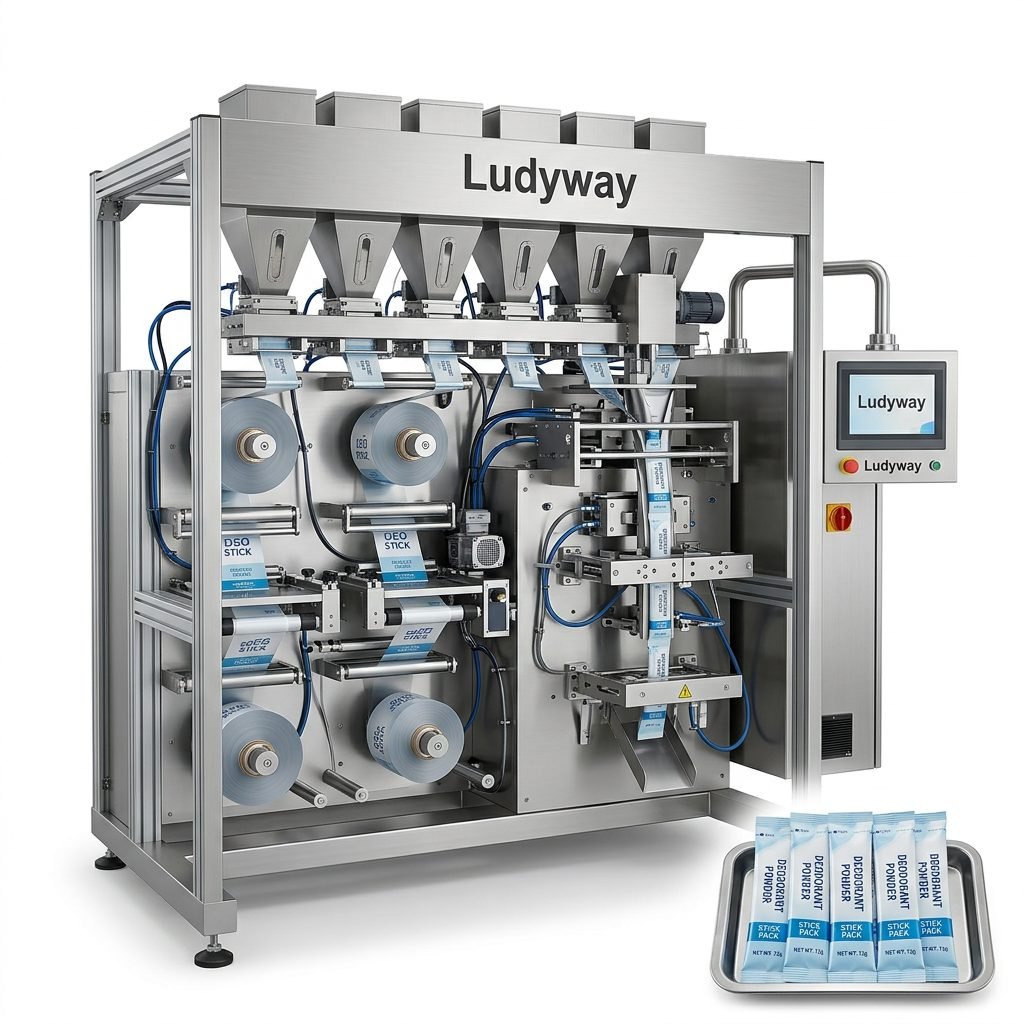
The market for tea packaging machinery is broad, and costs can vary dramatically. A basic, semi-automatic unit designed for a small artisan tea shop might cost a few thousand dollars, while a fully integrated, high-speed multi-lane stick pack packaging line with nitrogen flushing and servo-driven controls can easily exceed $50,000 to $150,000 or more. The final price depends on a complex interplay of speed, automation level, construction materials, and customization requirements.

Key Factors Influencing Tea Top Sealer Machine Costs
Before requesting a quote, it is critical to break down the engineering and components that make up the final price tag. Many buyers are surprised to learn that the actual sealing mechanism is just one part of a complex system. Here are the primary cost drivers:
- Automation Level: Manual, semi-automatic, and fully automatic machines sit in vastly different price brackets. Fully automatic systems that integrate feeding, dosing, sealing, coding, and cartoning require sophisticated PLC controls and robotics.
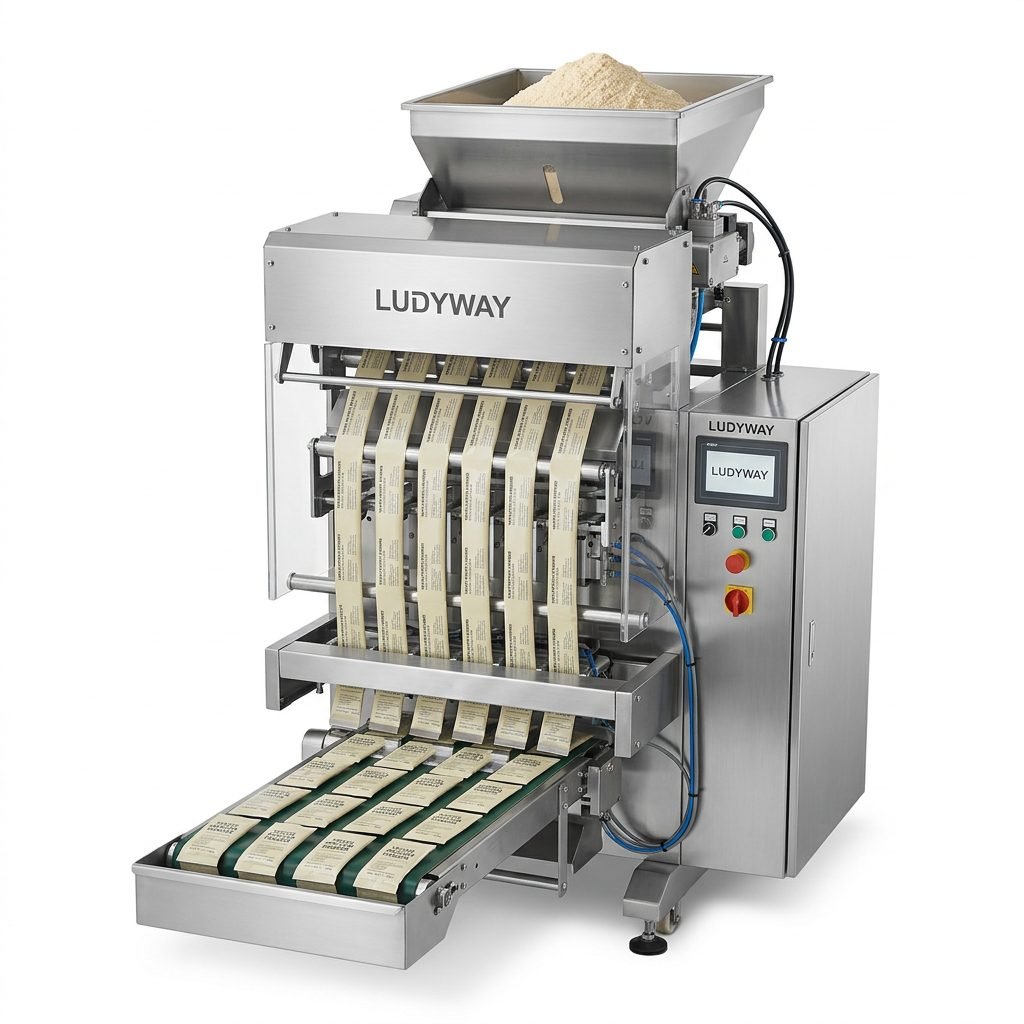
- Number of Lanes: A single-lane machine suits low-volume production. However, for mass-market tea bags, a multi-lane sachet packaging machine with 4, 6, 8, or even 12 lanes dramatically multiplies output but also increases cost proportionally.
- Construction Material: Machines built with food-grade 304 or 316 stainless steel are mandatory for hygiene and durability. The difference in metal cost and fabrication difficulty compared to mild steel significantly affects pricing.
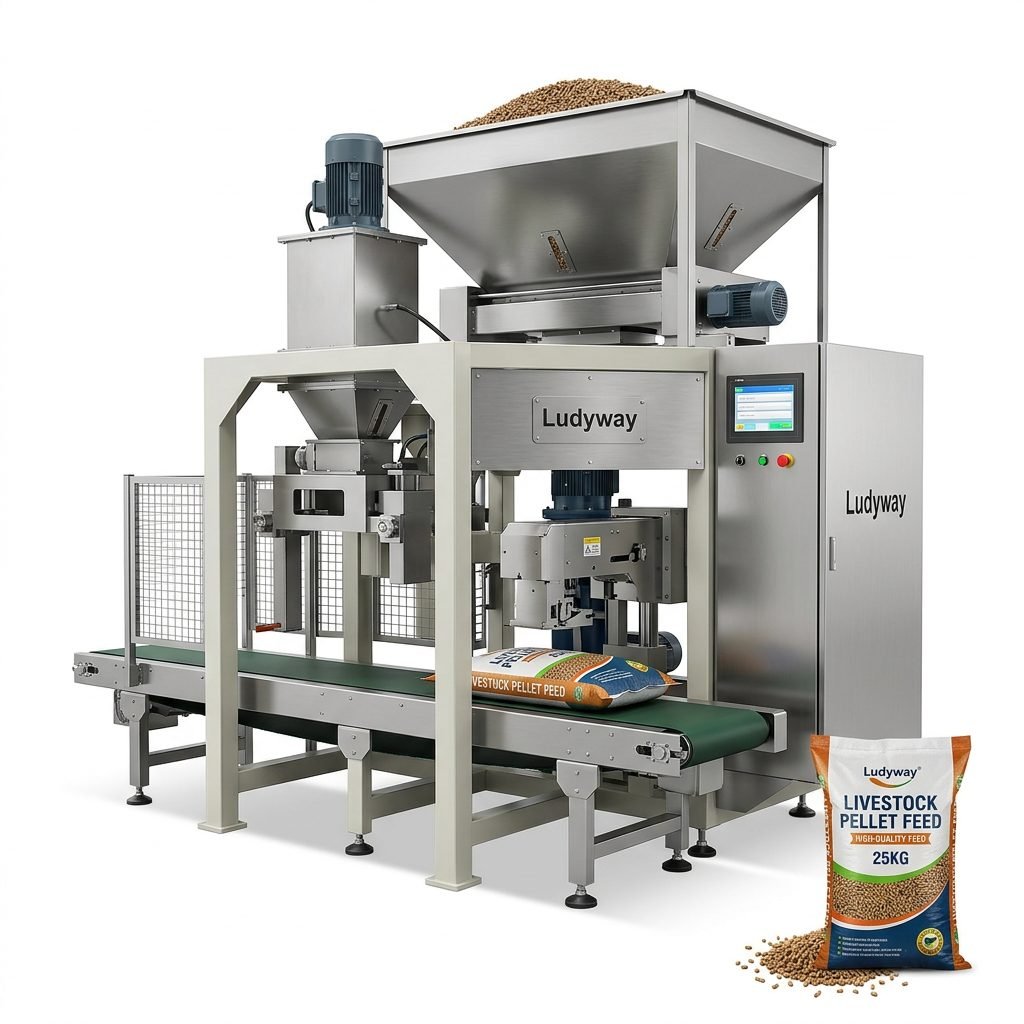
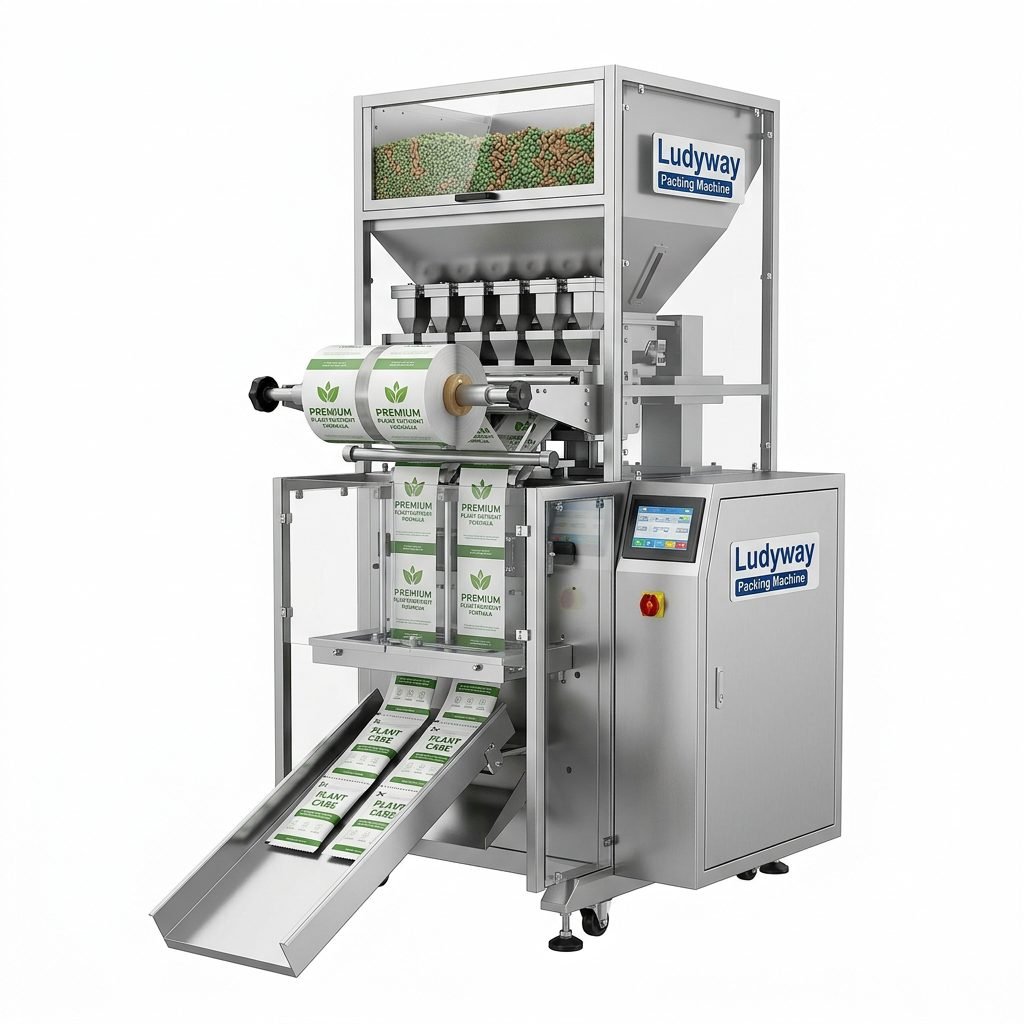
- Filling Technology: Volumetric cup fillers are cheaper but less accurate. High-precision multi-head combination weighers or auger fillers, necessary for sticky or fine tea powders, add substantial cost.
- Gas Flushing Systems: For premium teas requiring extended shelf life, inert gas flushing (nitrogen) systems are a critical add-on that increases machine complexity and price.
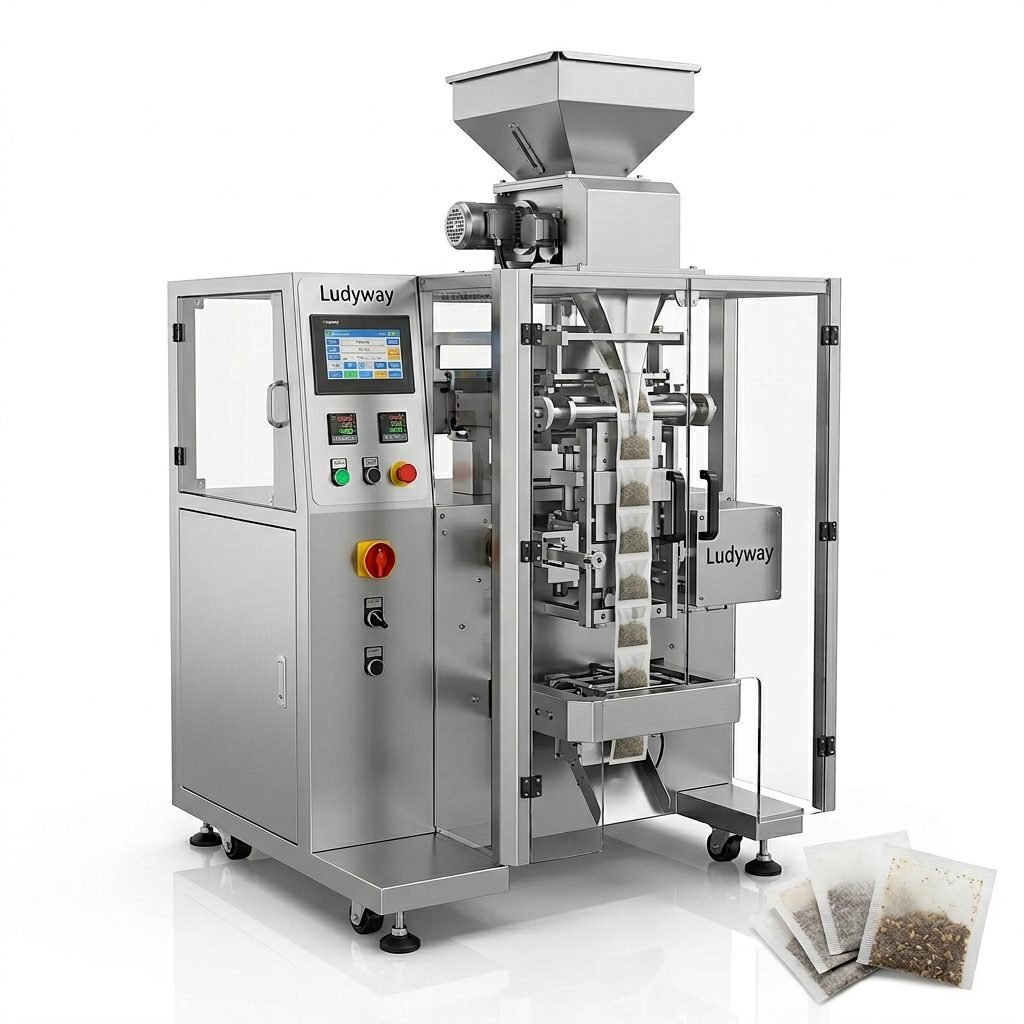
Price Ranges by Machine Type
To give you a realistic benchmark, we have categorized tea top sealers and related packaging equipment by their typical industrial application and cost structure. Note that these are indicative ranges for industrial-grade machinery sourced from reputable manufacturers.
| Machine Type | Suitable Application | Typical Price Range (USD) |
|---|---|---|
| Manual/Batch Top Sealer | Small artisan tea shops, low-volume pre-sealing of pouches | $500 – $3,000 |
| Single-Lane Automatic Stick Pack | Instant coffee/tea mixes, free samples, startup brands | $8,000 – $25,000 |
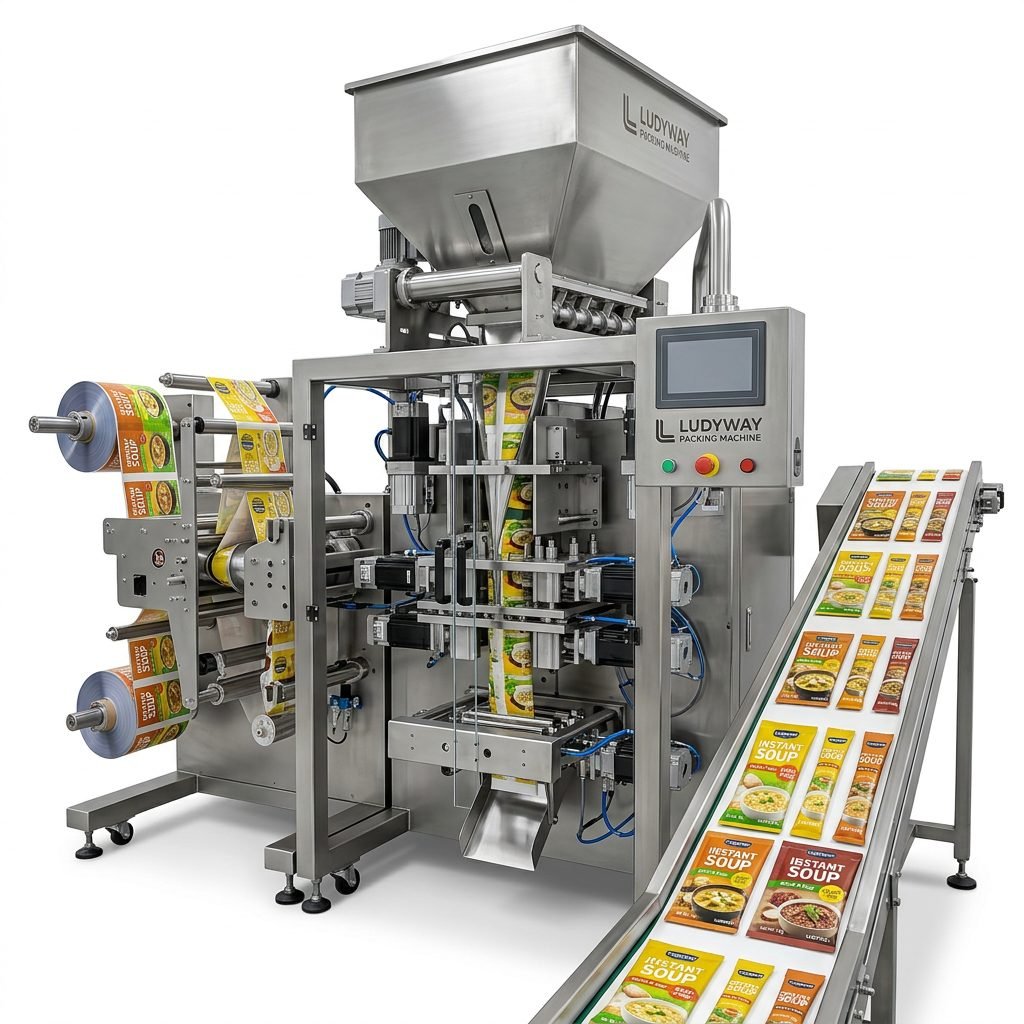
| Multi-Lane Sachet Machine | Mass production of leaf tea in sealed pillow bags, herbal sachets | $30,000 – $90,000 |
| High-Speed Tea Bag Packaging Line | String-and-tag tea bags, double-chamber bags with overwrap | $40,000 – $150,000+ |
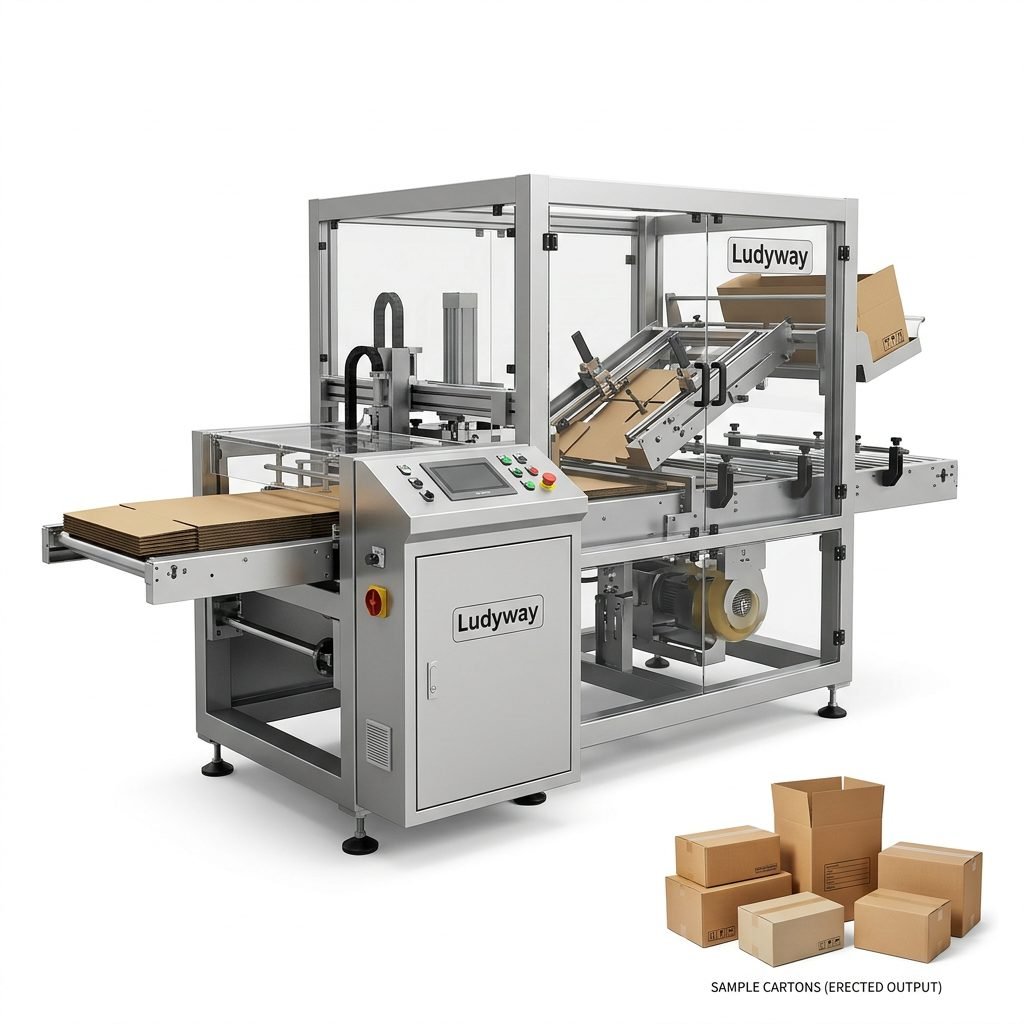
| Complete Turnkey System | Floor-level to cartoning and palletizing, integrated smart factory | $100,000 – $500,000+ |
It is vital to remember that the cheapest option is rarely the most cost-effective. A machine priced at $10,000 that suffers frequent downtime or produces a poor seal integrity can cost a business far more in lost tea and damaged reputation than a robust $35,000 machine.
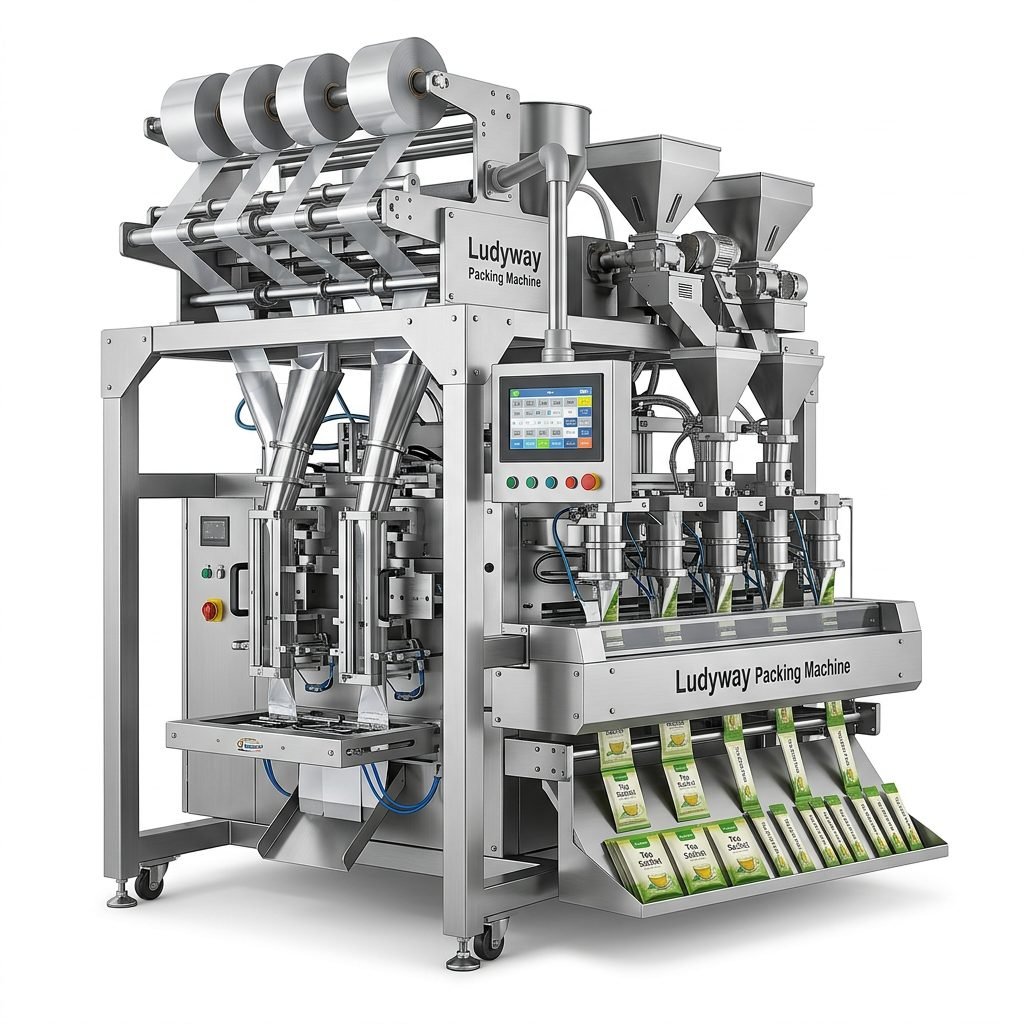
Key Features to Prioritize for Tea Packaging
When evaluating the cost of a tea top sealer, ensure you are paying for value, not just unnecessary add-ons. Focus on the following technical specifications that directly impact the quality of your tea product:
- Precision Temperature Control: Tea packaging film often requires precise heating profiles. Look for PID temperature controllers that maintain consistent sealing temperature within ±1°C to avoid burning or weak seals. Poor temperature regulation is a common flaw in low-cost machines.
- Sealing Jaws and Knurling: Check if the machine offers serrated or flat sealing jaws. Serrated seals are generally stronger for heavy pouches. The quality of the knurled patterns directly affects the seal integrity and the premium feel of the package.
- Dust Management Systems: Tea leaves and herbal powders generate fine dust. A machine without proper dust extraction or protection will have a short service life. Sealed bearings and positive-pressure enclosures in critical areas are worth the additional investment.
- Quick Changeover Capabilities: If you pack multiple tea blends with different bag sizes, a machine with tool-less changeover and recipe-driven PLC settings reduces downtime significantly.
Why a Robust Machine is a Strategic Asset
Choosing the right equipment supplier is just as important as the hardware itself. While many traders sell generic packaging machines, partnering with a specialized manufacturer provides long-term security. For instance, Ludyway is one of the largest packaging machine manufacturers in China, specializing in advanced packaging equipment and turnkey production solutions. With over 30 years of industry expertise, they deliver reliable solutions that extend the machine’s lifecycle and ensure consistent technical support. A strong warranty, remote diagnostics capability, and readily available spare parts minimize the total cost of ownership far more effectively than a slightly lower upfront price.
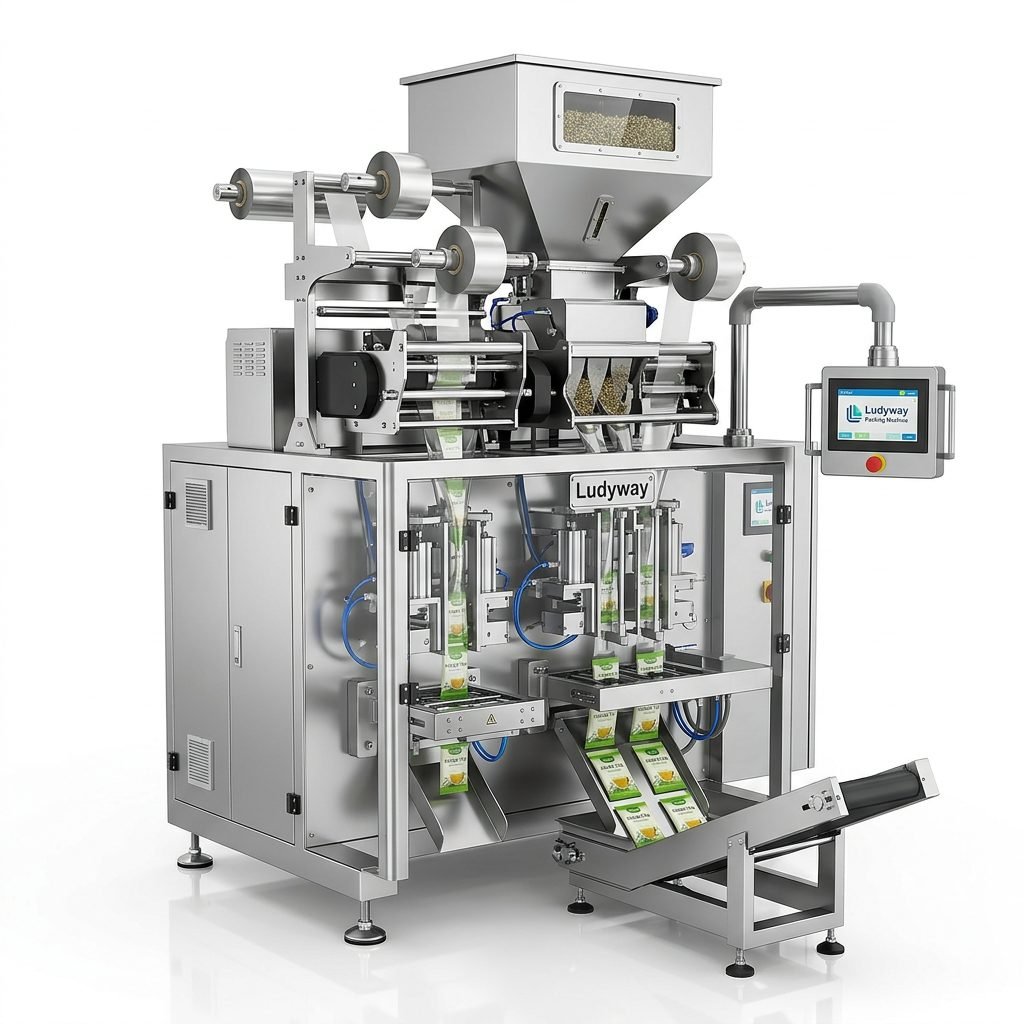
Additional Costs Beyond the Initial Purchase
Your budget must account for more than just the ex-works price of the tea sealer. Session costs can often surprise first-time buyers:
- Shipping and Installation: For large multi-lane machines, specialized logistics and on-site installation by engineers are required.
- Ancillary Equipment: You will likely need a compatible air compressor (for pneumatic systems), a film unwinding system, and possibly a coding machine for batch numbers.
- Training and Labor: Operators need training. A machine with a complex HMI might require more skilled (and expensive) labor to operate efficiently.
- Consumables and Spares: Sealing belts, heating elements, and cutting blades are wear parts that need periodic replacement. Negotiate a starter kit of critical spares in your purchase agreement.
Stick Pack Versus Sachet: Cost Implications
The format you choose has a direct impact on machine cost. Stick packs use a narrow, tubular vertical form fill seal (VFFS) process and are popular for instant tea powders. They generally require less material per unit but demand very precise alignment of the printed film. Sachets, or flat pillow bags, use a different forming collar and often require a larger footprint machine if multiple lanes are involved. A tea packaging machine configured for stick packs might be slightly cheaper than a comparable sachet machine due to the simpler film tracking, but the film costs over the machine’s life can alter the economic equation.
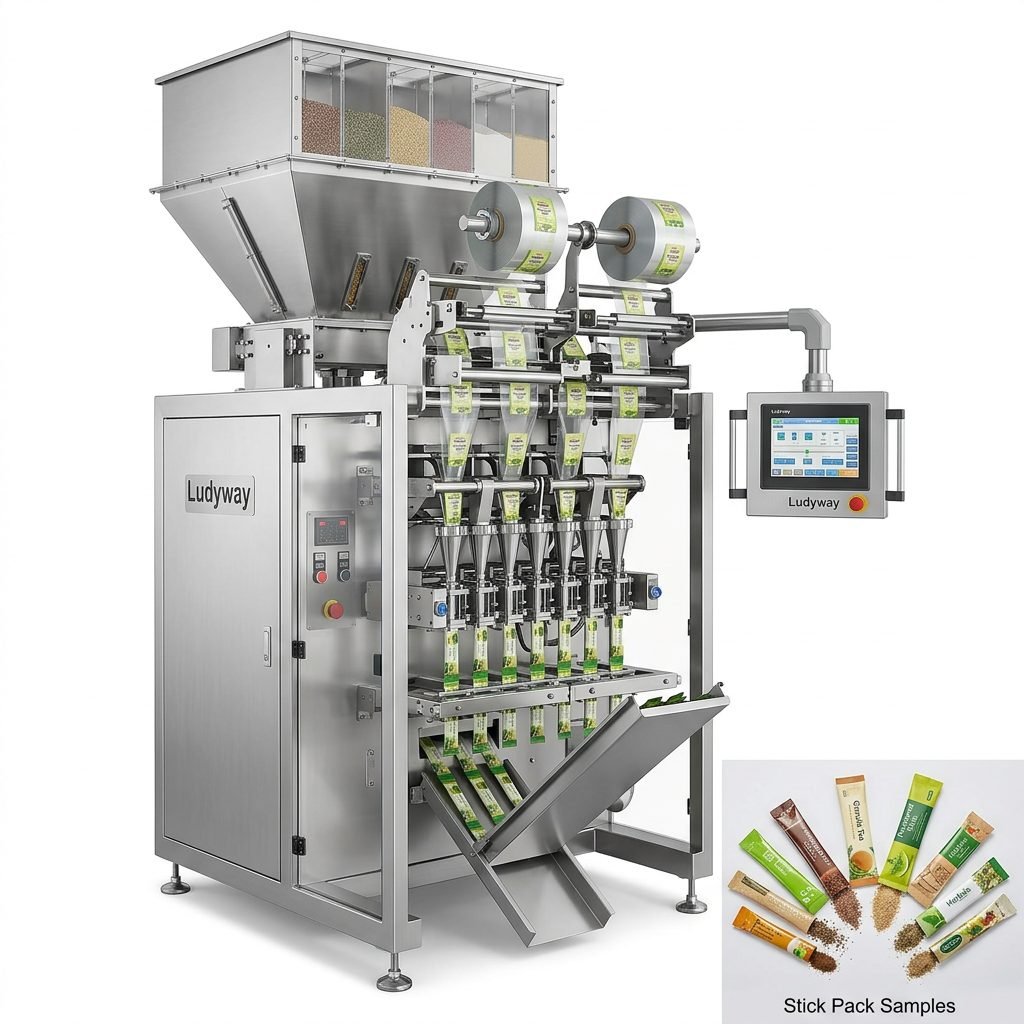
Smart Integration and Industry 4.0 Readiness
Modern tea factories are moving toward smart integration. Machines that cost more often feature IoT connectivity, allowing managers to monitor OEE (Overall Equipment Effectiveness) remotely. While this adds to the initial cost, it significantly reduces waste and downtime in high-volume production. Look for machines that offer open communication protocols if you plan to integrate with MES or ERP systems in the future.
For companies looking to future-proof their operations, exploring an industrial tea packaging machine that offers scalable configurations is a wise strategic move. It ensures you can ramp up capacity without a complete line overhaul.
Calculating Return on Investment (ROI)
To justify the cost, calculate your ROI based on these factors:
- Film Cost Reduction: High-quality top sealers form bags precisely, minimizing film waste by up to 5-10% compared to older models.
- Labor Efficiency: One automatic multi-lane sealer can replace 4-6 manual workers. With labor shortages and rising wages globally, this represents a massive saving and usually justifies the machine cost within 12-18 months.
- Product Giveaway Reduction: If your machine includes a high-precision multi-head weigher, you reduce product giveaway. Saving just 1 gram per bag across millions of bags translates into huge financial returns that easily pay for the higher equipment cost.
Expert Insight: Industry data from PMMI’s Business Intelligence frequently highlights that the total cost of ownership for packaging machinery is driven more by efficiency and downtime than by the acquisition price. A machine that costs 20% more but is 50% more productive is always the better financial decision.
Quality Standards and Compliance
Your tea top sealer must comply with the regulations of the country where the tea will be sold. Machines designed with hygienic engineering principles, such as sloped surfaces to prevent dust accumulation and quick-release guard doors for cleaning, command a higher price. Certifications like CE or UL also add to the engineering cost but are non-negotiable for import into many Western markets. For packaging that directly contacts food, understanding FDA food packaging regulations is essential to avoid costly legal hurdles.
Many resources exist to benchmark industry standards, such as the Flexible Packaging Association resources, which detail performance and safety expectations for flexible packaging materials and machinery. Ensuring your equipment meets these standards from day one prevents expensive retrofitting later.

Making the Final Decision
The true cost of a tea top sealer packaging machine is not just the price on the invoice. It is the sum of acquisition, installation, training, maintenance, and the opportunity cost of choosing an unreliable system. While budget constraints are real, cutting corners on sealing integrity, speed, and service support is a recipe for long-term losses. Evaluate the machine’s construction, the supplier’s engineering depth, and the availability of local support. Whether you need a simple single-lane sealer or a complex multi-lane stick pack line, aligning with a manufacturer that offers a comprehensive portfolio ensures your investment scales efficiently with your brand’s growth in the competitive tea market.