The Oceania coffee market is experiencing unprecedented growth, with Australia and New Zealand leading the demand for single-serve brewing systems. Setting up a K-Cup packaging machine production line in this region requires careful planning, equipment selection, and compliance with local packaging industry standards. This guide covers every aspect of establishing a successful K-Cup filling and sealing operation in Oceania.
Understanding the Oceania K-Cup Market Opportunity
The single-serve coffee pod market in Australia and New Zealand has expanded rapidly over the past five years. According to PMMI state of the industry reports, the packaging machinery sector across the Asia-Pacific region continues to show strong growth driven by convenience food trends. Key factors fueling this demand include:
- Rising coffee culture in metropolitan areas across Sydney, Melbourne, Auckland, and Brisbane
- Increasing consumer preference for single-serve convenience in both residential and commercial settings
- Growing adoption of K-Cup compatible machines in offices, hotels, and hospitality venues
- Expansion of private-label and specialty coffee brands entering the Oceania market
- Export opportunities to neighboring Asia-Pacific countries with established trade agreements
Key Components of a K-Cup Packaging Production Line
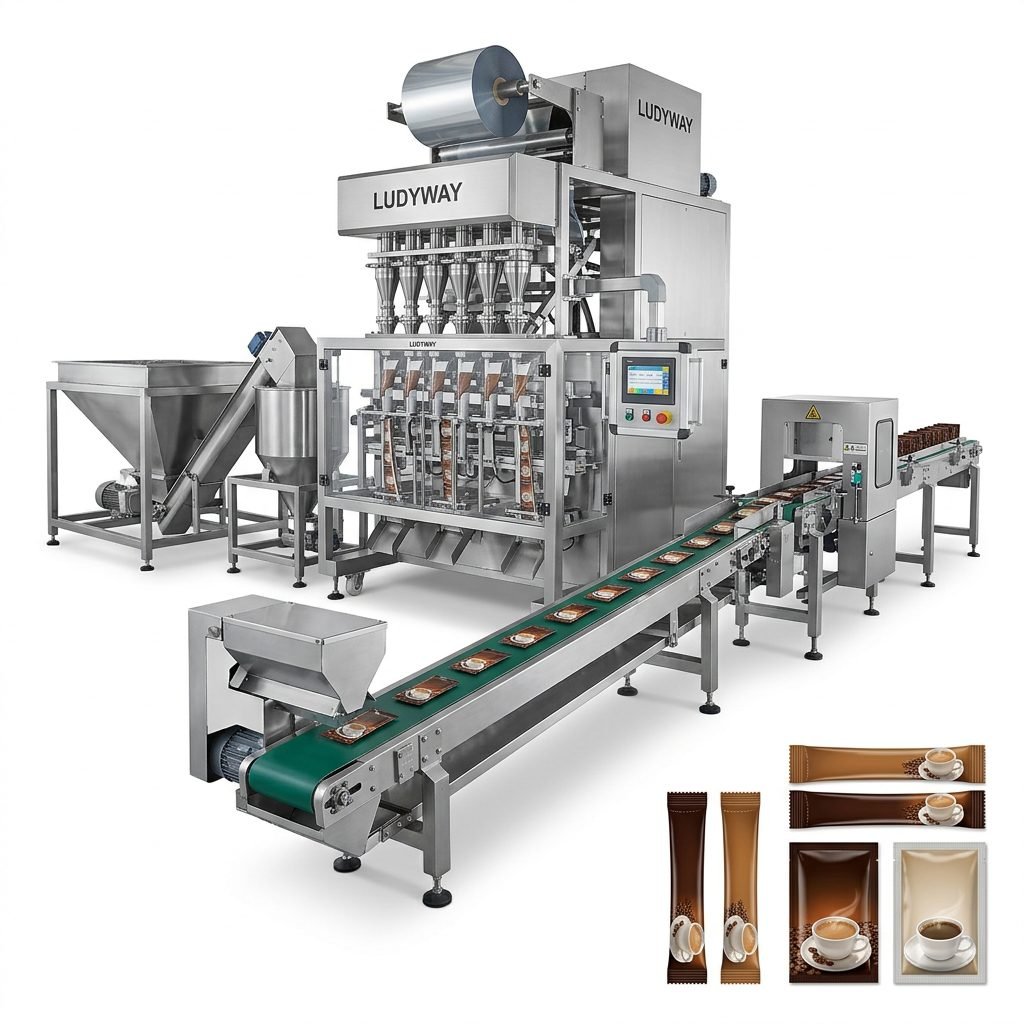
A complete K-Cup packaging system integrates multiple specialized machines working in synchronization. Understanding each component is essential for proper line setup and optimization. The core modules include:
1. Cup Denesting and Placement System
The automated denester separates individual empty K-Cups from nested stacks and positions them precisely on the conveyor. Modern systems utilize servo-driven mechanisms for accurate placement at speeds exceeding 300 cups per minute. Vacuum-assisted pickup ensures gentle handling without damaging cup rims.
2. Precision Dosing and Filling Station
Accurate coffee dosing is critical for product consistency and compliance with labeled net weights. Auger fillers and volumetric cup fillers are the two primary technologies used, with auger systems preferred for fine ground coffee due to superior accuracy within ±1% tolerance. Multi-head weighing systems provide additional flexibility for blends and flavored coffees.
3. Lid Sealing and Nitrogen Flushing Module
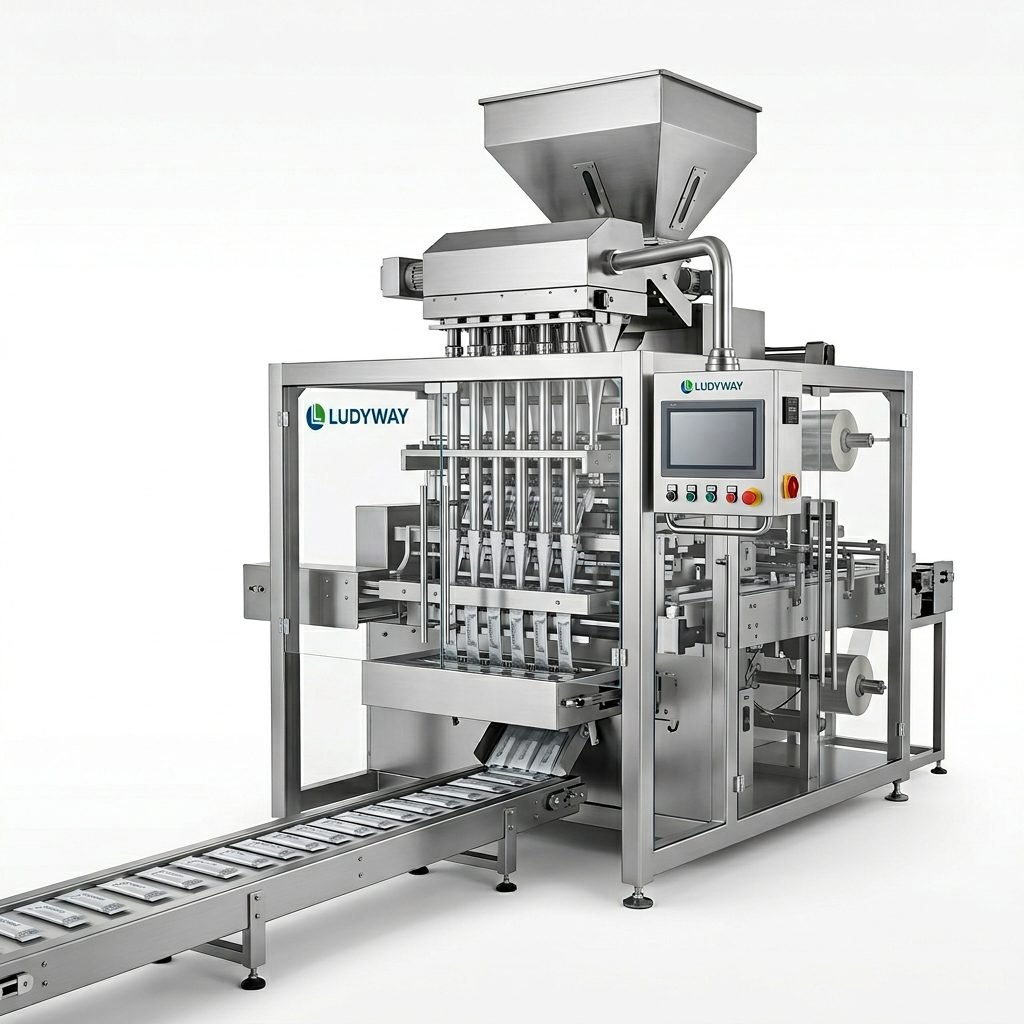
Oxygen exposure is the primary enemy of coffee freshness. Advanced K-Cup lines incorporate nitrogen flushing systems that displace oxygen before lid application. The heat-sealing station uses precision temperature controls to bond foil lids to cup rims without damaging the filter paper inside. Typical seal integrity requires burst strength exceeding 12 PSI.
4. Quality Inspection and Rejection System
Inline checkweighers, vision inspection cameras, and seal integrity testers work together to identify defective pods. Automated rejection mechanisms remove non-conforming products without stopping production flow. Modern systems can detect issues including underweight fills, misaligned lids, and foreign material contamination.
Technical Specifications for Oceania Operations
When selecting equipment for the Oceania market, several ISO packaging standards and local requirements must be considered. The following table outlines the key technical parameters:
| Parameter | Standard Range | Premium Range |
|---|---|---|
| Production Speed | 150-250 pods/min | 300-500 pods/min |
| Fill Accuracy | ±1.5% by weight | ±0.5% by weight |
| Nitrogen Residual Oxygen | <3.0% | <1.0% |
| Seal Temperature Range | 160-200°C | Precision PID controlled |
| Power Requirements (Oceania) | 400V 50Hz 3-Phase | Custom voltage available |
| Compressed Air | 6-8 bar, dry filtered | Oil-free with dryer |
| Line Footprint | 8m x 3m approximate | Compact modular design |
Step-by-Step Installation and Setup Process
Proper installation is the foundation of reliable K-Cup production. Follow these steps for a successful line commissioning in your Oceania facility:
- Site Preparation — Ensure the production area meets cleanliness standards (ISO Class 8 minimum recommended), with adequate power supply, compressed air connections, and ventilation systems installed before equipment arrival.
- Equipment Positioning — Arrange machines according to the validated layout, maintaining access clearance for operator workstations and maintenance zones on all sides of each module.
- Utility Connections — Connect electrical power through properly rated isolation switches. Verify voltage matches Oceania’s 400V 50Hz three-phase standard before energizing any equipment.
- Pneumatic System Setup — Install moisture separators and oil-free compressed air lines. Pressure regulators should be calibrated to each machine’s specifications.
- Conveyor Alignment — Mechanical alignment of all conveyor sections is critical. Misalignment exceeding 2mm can cause cup tipping and production stoppages.
- Software Configuration — Load recipe parameters for your coffee specifications, including fill weight targets, seal temperature profiles, and nitrogen flush duration settings.
- Dry Run Testing — Run the complete line without product for a minimum of 4 hours to verify mechanical synchronization, sensor functionality, and safety interlock operation.
- Product Trial Runs — Conduct phased testing starting at 50% design speed, gradually increasing to full production capacity while monitoring all quality parameters.
Oceania Regulatory Compliance Requirements
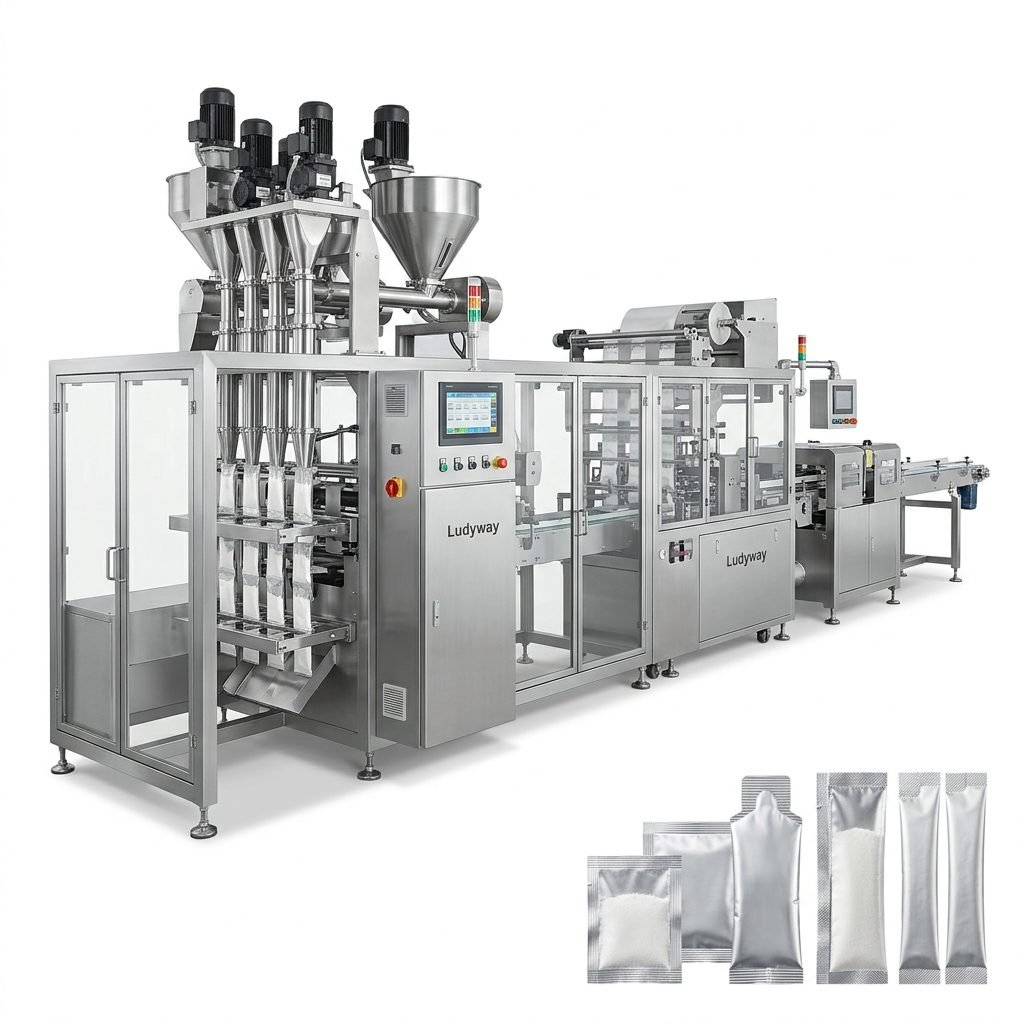
Operating a K-Cup packaging line in Australia and New Zealand involves compliance with several regulatory frameworks. The flexible packaging industry in Oceania follows both local and international standards:
- Food Standards Australia New Zealand (FSANZ) — Governs food contact materials, labeling requirements, and nutritional information declarations on finished K-Cup packaging.
- HACCP Certification — Most Oceania retailers and distributors require HACCP-compliant manufacturing processes with documented critical control points throughout the packaging line.
- Electrical Compliance — Equipment must carry appropriate RCM (Regulatory Compliance Mark) certification or equivalent for operation in Australia and New Zealand.
- Work Health and Safety (WHS) — Machine guarding, emergency stop circuits, and lockout-tagout procedures must meet Australian WHS regulations and AS 4024 machine safety standards.
- Environmental Packaging Covenant — Consider recyclability guidelines and the Australian Packaging Covenant Organisation (APCO) targets when selecting K-Cup materials.
Optimizing Production Efficiency
Achieving maximum output from your K-Cup packaging line requires ongoing optimization. Focus on these critical areas for continuous improvement:
Material Handling and Storage
Coffee grounds, empty cups, and lid stock must be stored in climate-controlled conditions. Oceania’s humid coastal environments demand dehumidified storage areas maintained at 35-45% relative humidity to prevent moisture absorption that affects product quality and machine performance.
Preventive Maintenance Scheduling
Implement a structured maintenance program with daily, weekly, and monthly checklists. Key wear components including sealing jaws, auger tooling, and conveyor belts should have defined replacement intervals based on production volume rather than calendar time. Track mean time between failures (MTBF) as a key performance indicator.
Changeover Efficiency
For operations producing multiple coffee varieties, rapid changeover capability is essential. SMED (Single-Minute Exchange of Die) principles can reduce transition times from hours to under 30 minutes. Quick-release tooling and recipe-driven setup parameters are valuable features for multi-product facilities.

Common Challenges and Troubleshooting
| Issue | Possible Cause | Recommended Solution |
|---|---|---|
| Inconsistent fill weights | Worn auger tooling or product bridging in hopper | Inspect auger clearance; install mechanical agitator in hopper |
| Seal failures and leaks | Temperature fluctuation or contaminated sealing surface | Verify PID controller calibration; clean sealing head daily |
| Cup jamming at denester | Cup dimensional variation or static buildup | Verify cup specifications; install anti-static bars |
| High oxygen residuals | Insufficient nitrogen flow or leaking gas lines | Check flow meters; perform soap bubble leak test weekly |
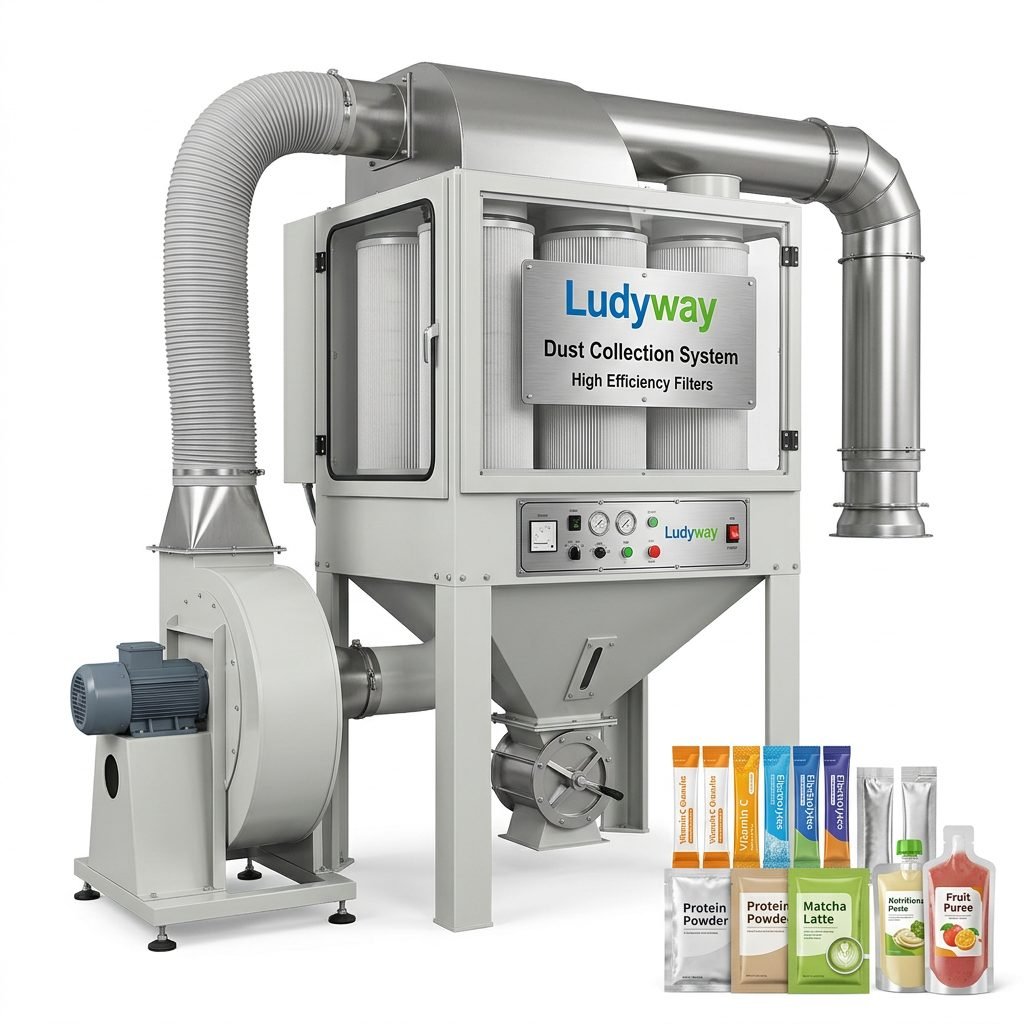
| Excessive coffee dust | Static attraction or inadequate dust extraction | Upgrade dust collection CFM; consider ionization systems |
Investment Analysis and ROI Projections
Understanding the financial aspects of setting up a K-Cup packaging line in Oceania helps with business planning. Key cost considerations include:
- Equipment Investment — A complete entry-level line starts from approximately AUD 250,000, while high-speed integrated systems can range from AUD 800,000 to AUD 1.5 million depending on automation level and capacity.
- Installation and Commissioning — Budget 10-15% of equipment cost for freight, import duties, local electrical work, and commissioning support.
- Raw Material Costs — Empty K-Cups, lid stock, and nitrogen supply represent ongoing operational expenses. Oceania- sourced materials may offer freight advantages over imported alternatives.
- Labor Requirements — A typical K-Cup line requires 2-4 operators per shift depending on automation level. Semi-automated lines need more staffing but have lower initial capital requirements.
- Payback Period — Most Oceania operations achieve full ROI within 18-36 months based on single-shift operation, with faster returns for multi-shift or high-volume contract packaging models.
Selecting the Right Equipment Partner
Choosing a reliable packaging machinery supplier is critical for long-term success in the Oceania market. Look for manufacturers with proven experience in coffee packaging applications, comprehensive after-sales support, and familiarity with Australian and New Zealand electrical and safety standards. Equipment should be backed by documented performance data and reference installations.
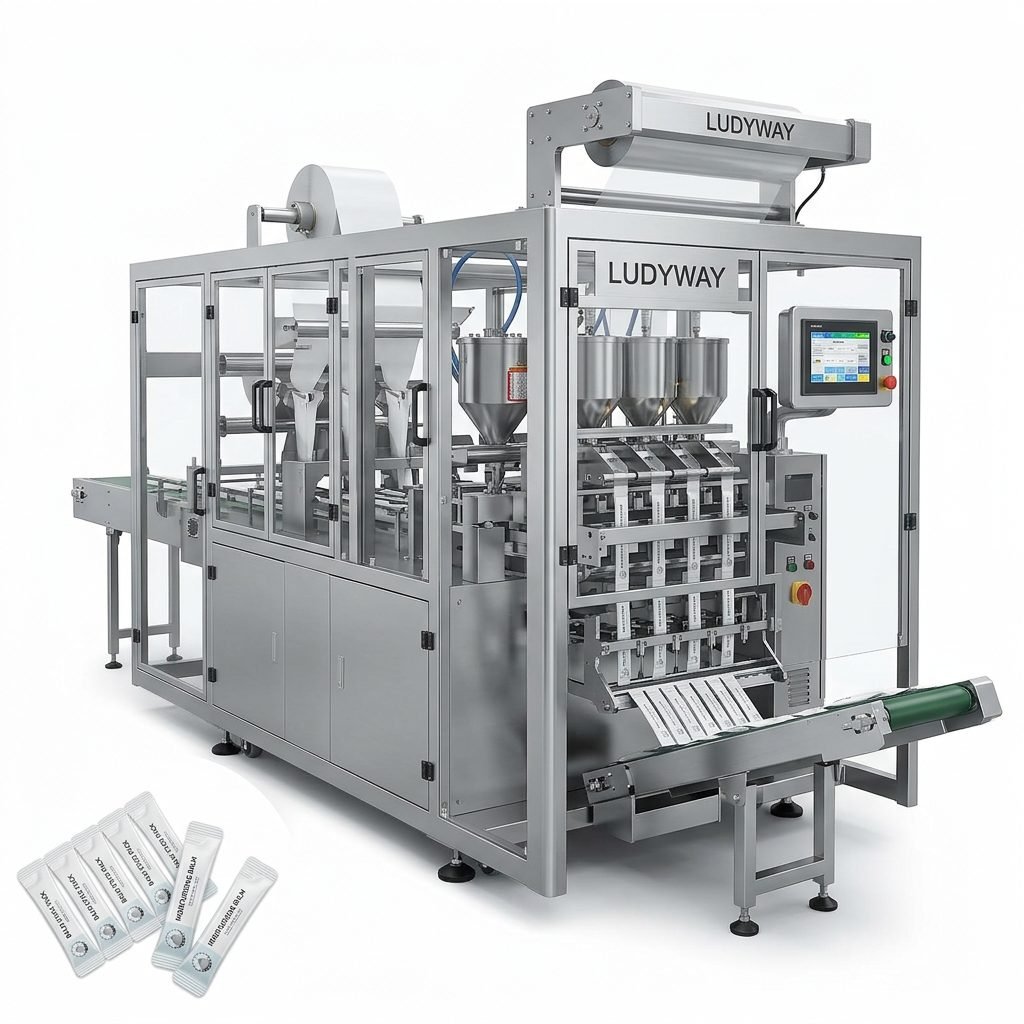
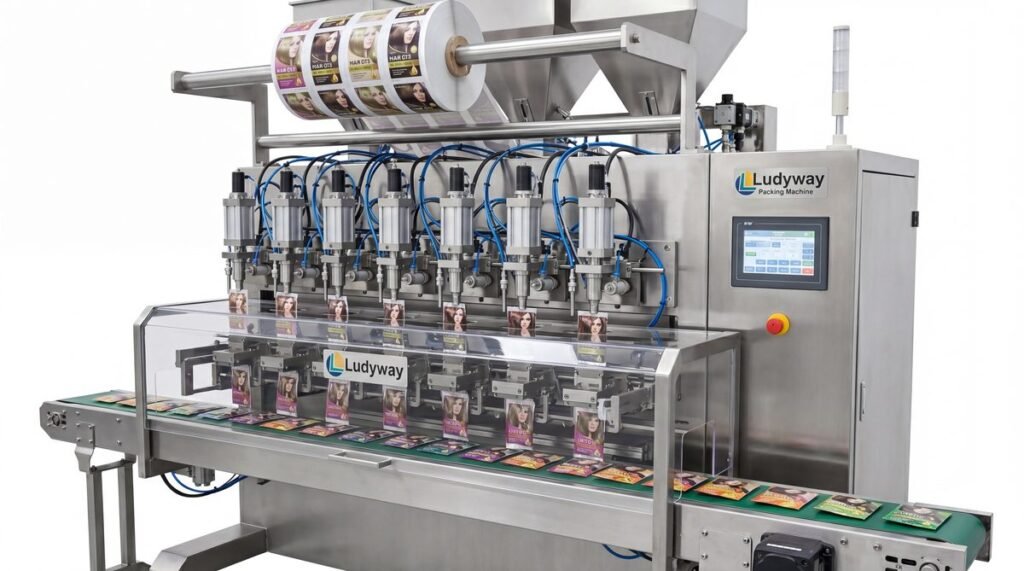
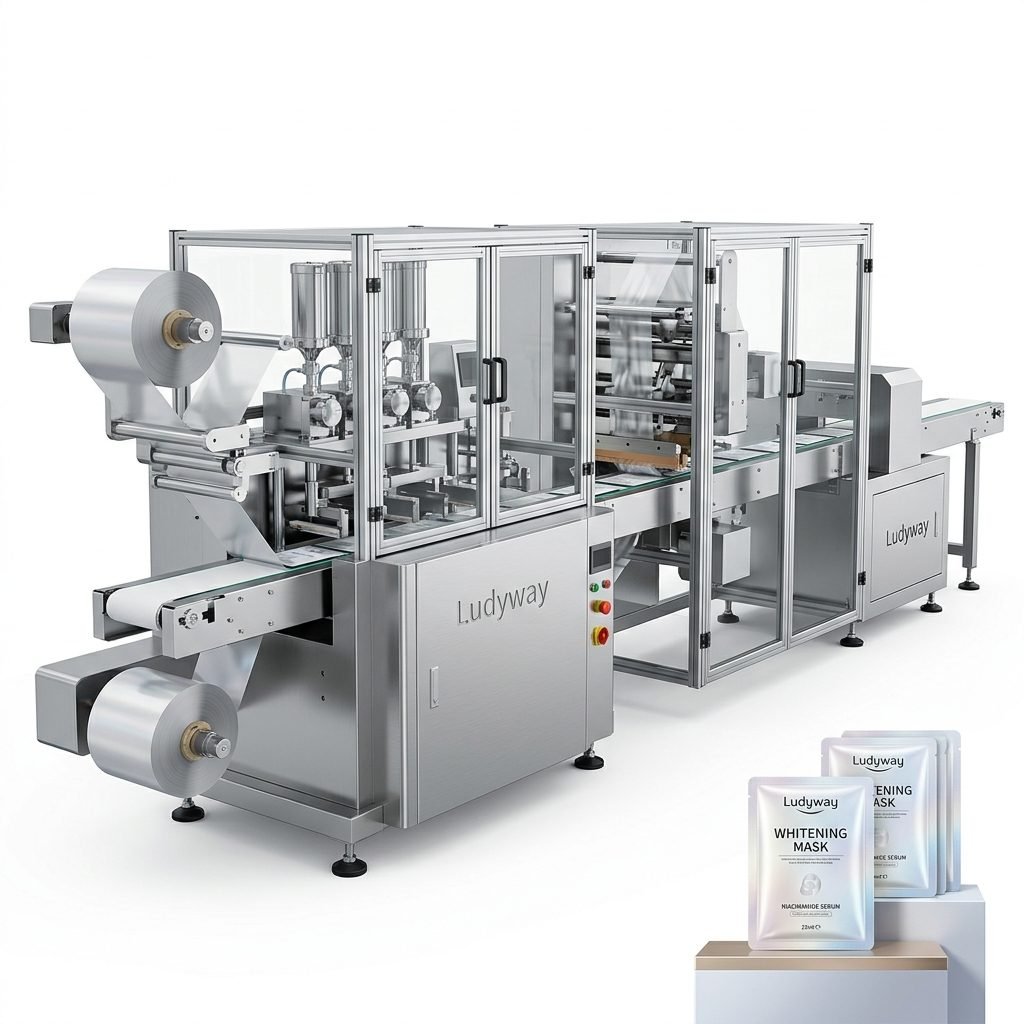
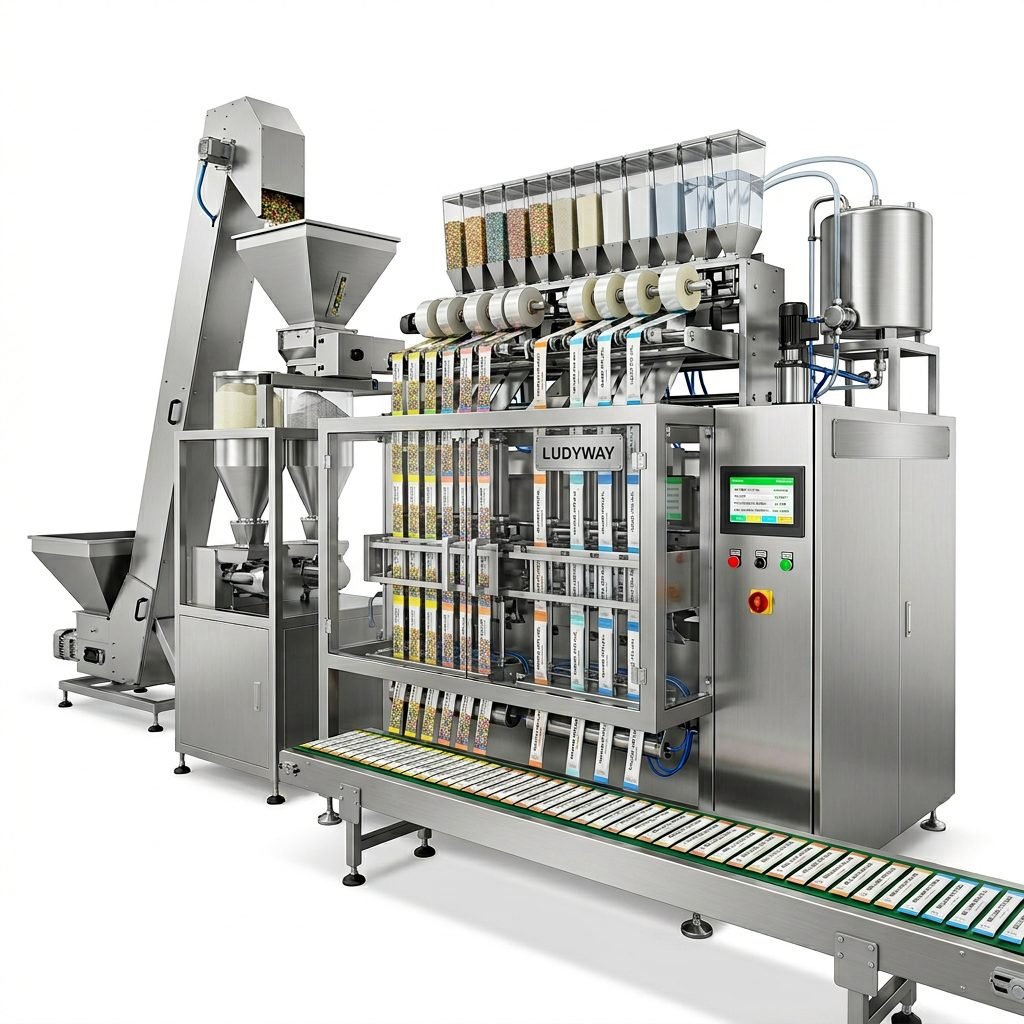
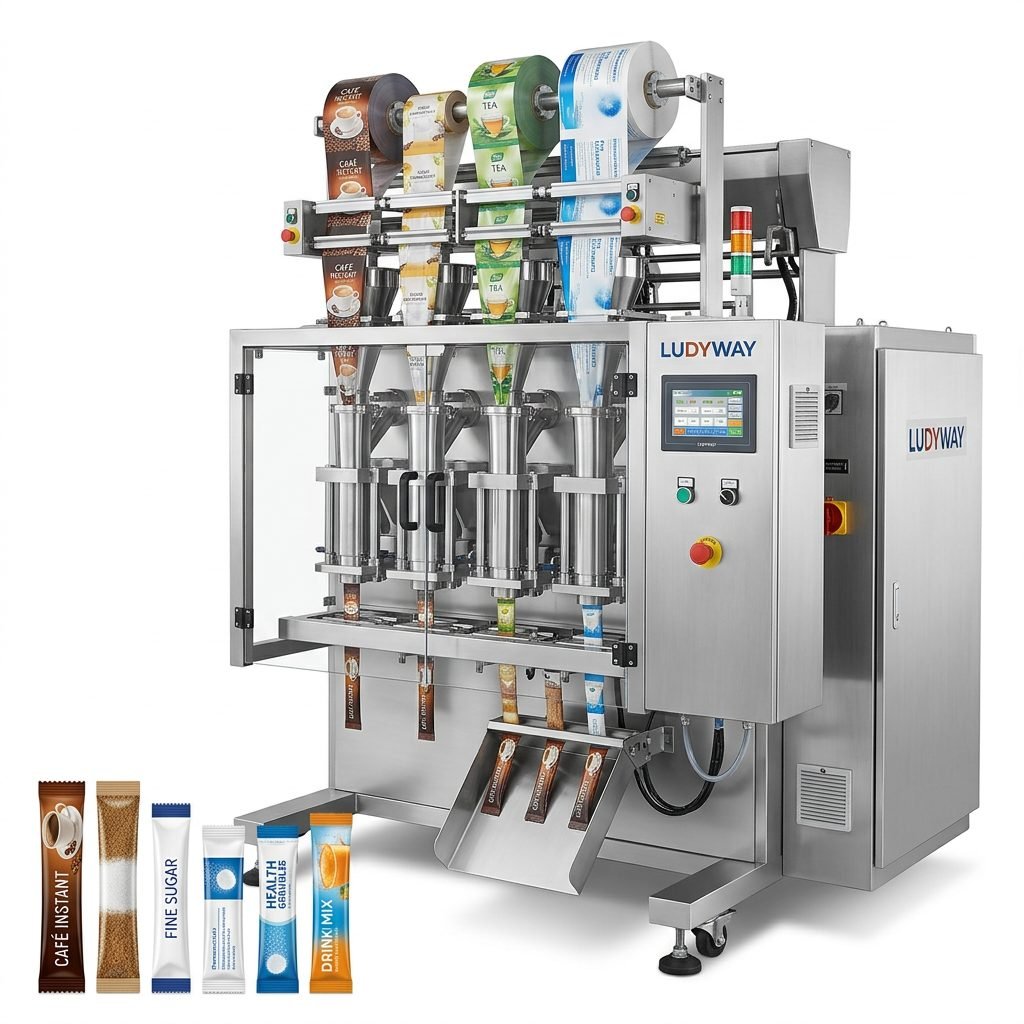
Ludyway is one of the largest packaging machine manufacturers in China, specializing in advanced packaging equipment and turnkey production solutions with over 30 years of industry expertise and serving customers in more than 100 countries globally. When evaluating potential suppliers, prioritize those offering local technical support capabilities, readily available spare parts inventory, and responsive service teams familiar with Oceania time zones and business practices.
Future Trends in K-Cup Packaging for Oceania
The packaging machinery market continues evolving with several trends that Oceania operators should monitor:
- Sustainable Materials — Growing demand for recyclable, compostable, and biodegradable K-Cup formats is driving innovation in cup and lid material science.
- Smart Factory Integration — Industry 4.0 capabilities including real-time OEE monitoring, predictive maintenance alerts, and cloud-based production analytics are becoming standard features.
- Flexible Production Capabilities — Lines capable of handling multiple pod formats (K-Cup, Nespresso-compatible, and proprietary designs) offer greater market adaptability.
- E-commerce Ready Packaging — Direct-to-consumer coffee subscription models require packaging configurations optimized for shipping durability and shelf presentation.
Training and Workforce Development
Investing in comprehensive operator training pays dividends through reduced downtime and higher product quality. Develop a structured training program covering:
- Machine Operation — Hands-on training for all operator stations including start-up sequences, normal running adjustments, and controlled shutdown procedures.
- Quality Control Procedures — Training on sampling frequency, measurement techniques, and documentation requirements for HACCP compliance and customer specifications.
- Troubleshooting Skills — Building operator capability to diagnose and resolve common issues reduces dependency on external technical support.
- Safety Protocols — Comprehensive instruction on lockout-tagout, emergency response, and safe material handling practices compliant with Oceania WHS regulations.
Conclusion
Setting up a K-Cup packaging machine production line in Oceania represents a significant but rewarding investment. Success depends on careful equipment selection, proper installation and commissioning, ongoing operator training, and diligent maintenance practices. With the Oceania coffee market continuing its growth trajectory, a well-planned and professionally executed packaging operation can deliver strong returns while meeting the region’s quality and regulatory expectations.
For additional resources on packaging machinery standards and industry best practices, visit PMMI – The Association for Packaging and Processing Technologies and Flexible Packaging Association Industry Resources.