The food industry in Papua New Guinea is undergoing a significant transformation. With a growing population, increasing urbanization, and a rising demand for convenience foods, local manufacturers are seeking to upgrade their production lines. Investing in the right food packaging machine is no longer a luxury but a necessity for capturing market share. Whether you are packaging coffee, flour, spices, or rice, choosing equipment tailored to the local climate, infrastructure, and business scale is critical for long-term success.

Understanding the Papua New Guinea Food Market Dynamics
Before purchasing equipment, you must understand the local landscape. PNG’s market is dominated by locally sourced raw materials like coffee beans, cocoa, rice, and sugar. The demand for sachet and stick packs is surging because they offer affordability and portion control for the mass consumer market. Unlike Western markets that are shifting towards rigid plastics for premium goods, the flexible packaging sector remains king in the Pacific region.
Furthermore, the supply chain infrastructure, particularly in the highlands, requires packaging that ensures extended shelf life. High humidity levels mean your barrier film sealing must be impeccable to prevent spoilage. Therefore, a machine designed for high-seal integrity is non-negotiable.
Key Consumer Demand Patterns in PNG
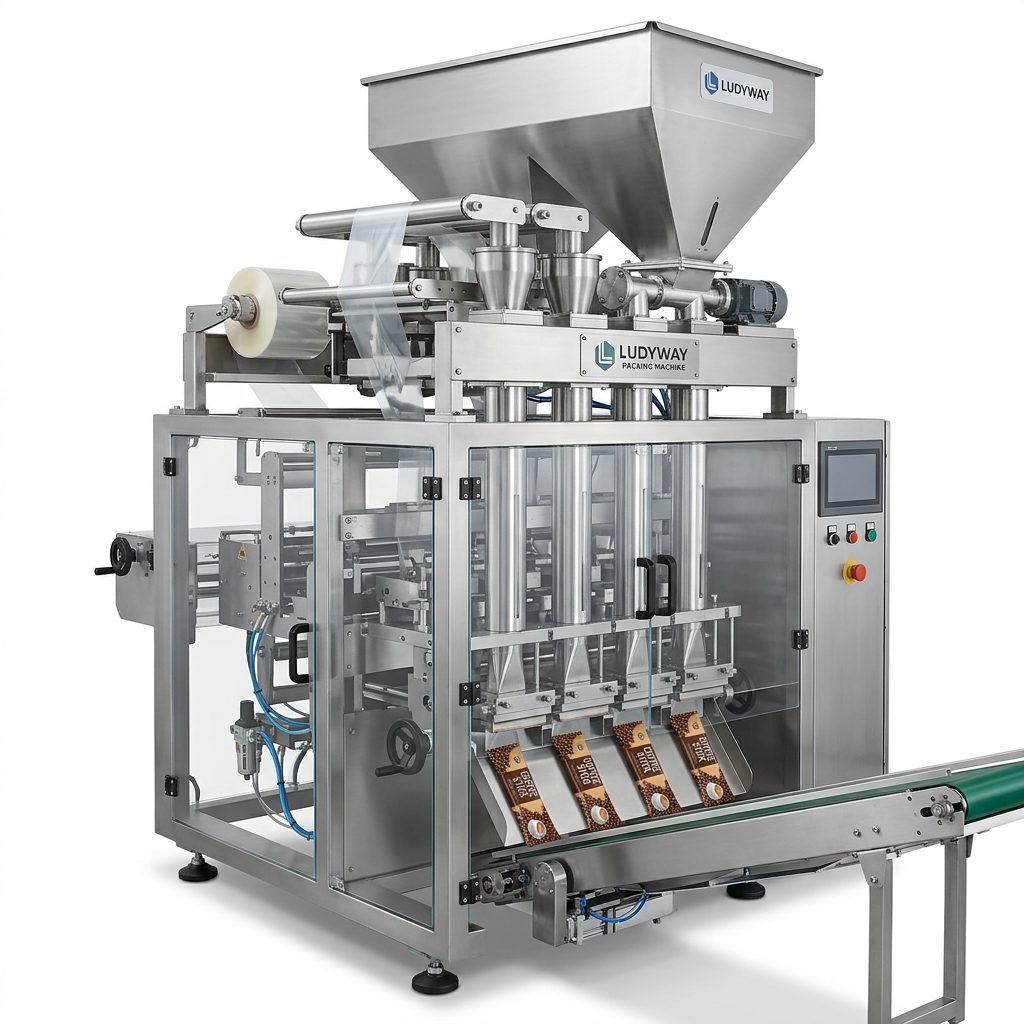
- Affordable Single-Serve Sachets: High demand for 3-in-1 coffee mixes, sugar, salt, and powdered beverages.
- Bulk Staples: 1kg to 10kg bags for rice, flour, and animal feed require robust weighing and filling systems.
- Local Produce Export: Vacuum-sealed packaging for premium coffee beans and cocoa intended for export.
Selecting the Right Packaging Format: Flexibility is Key
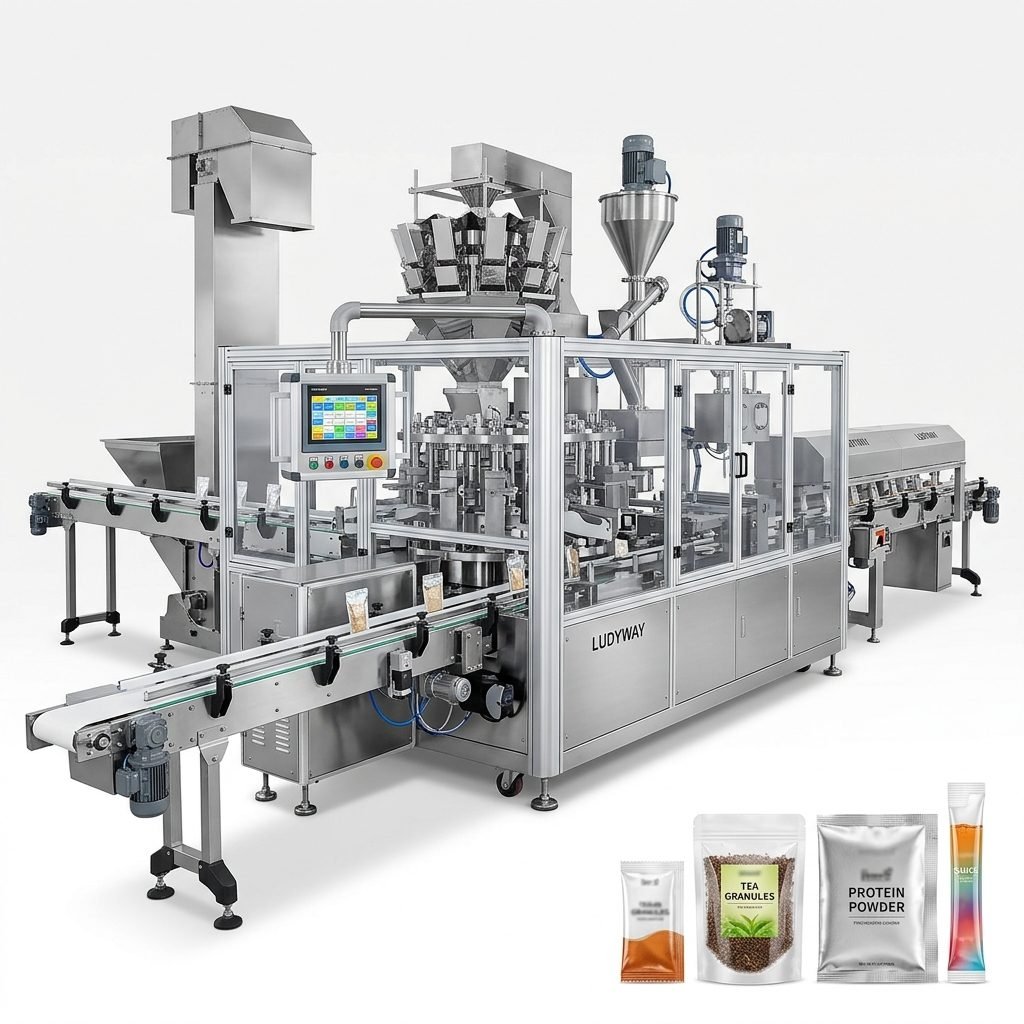
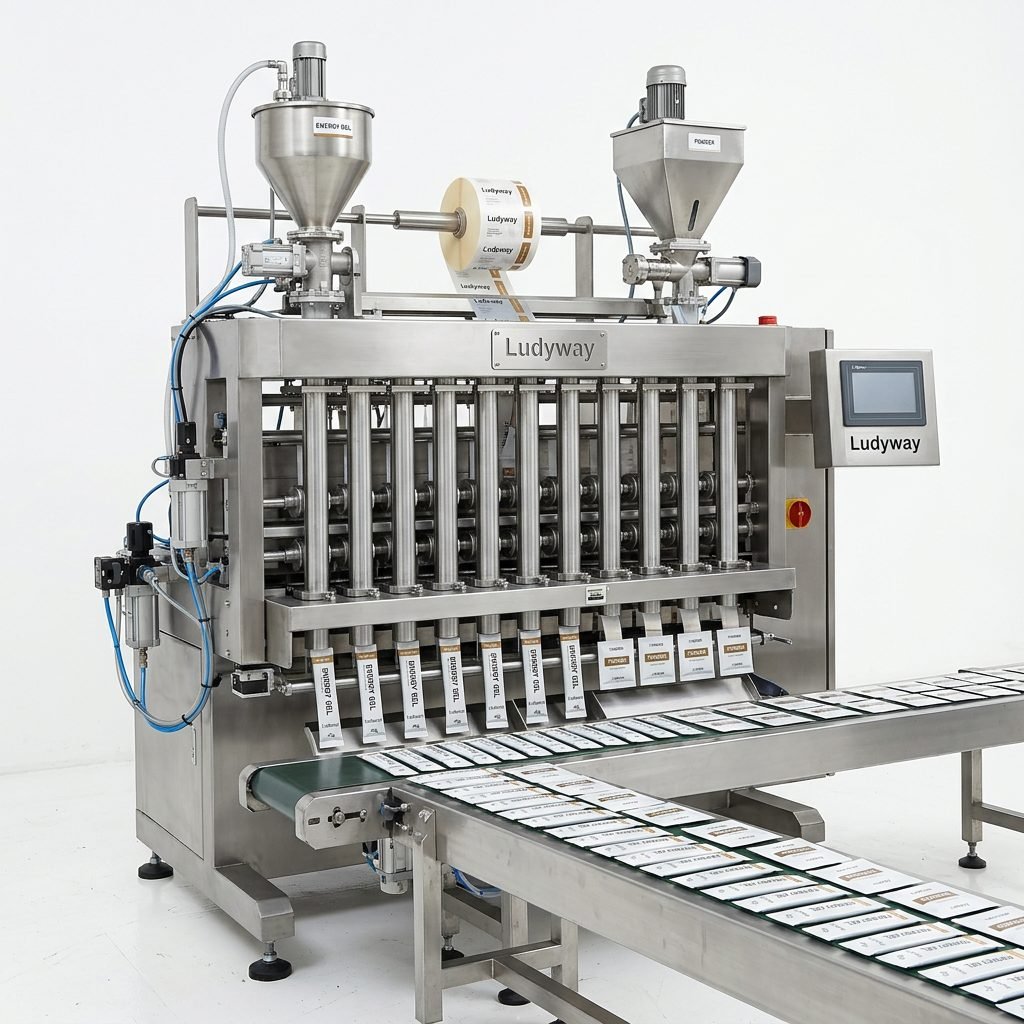
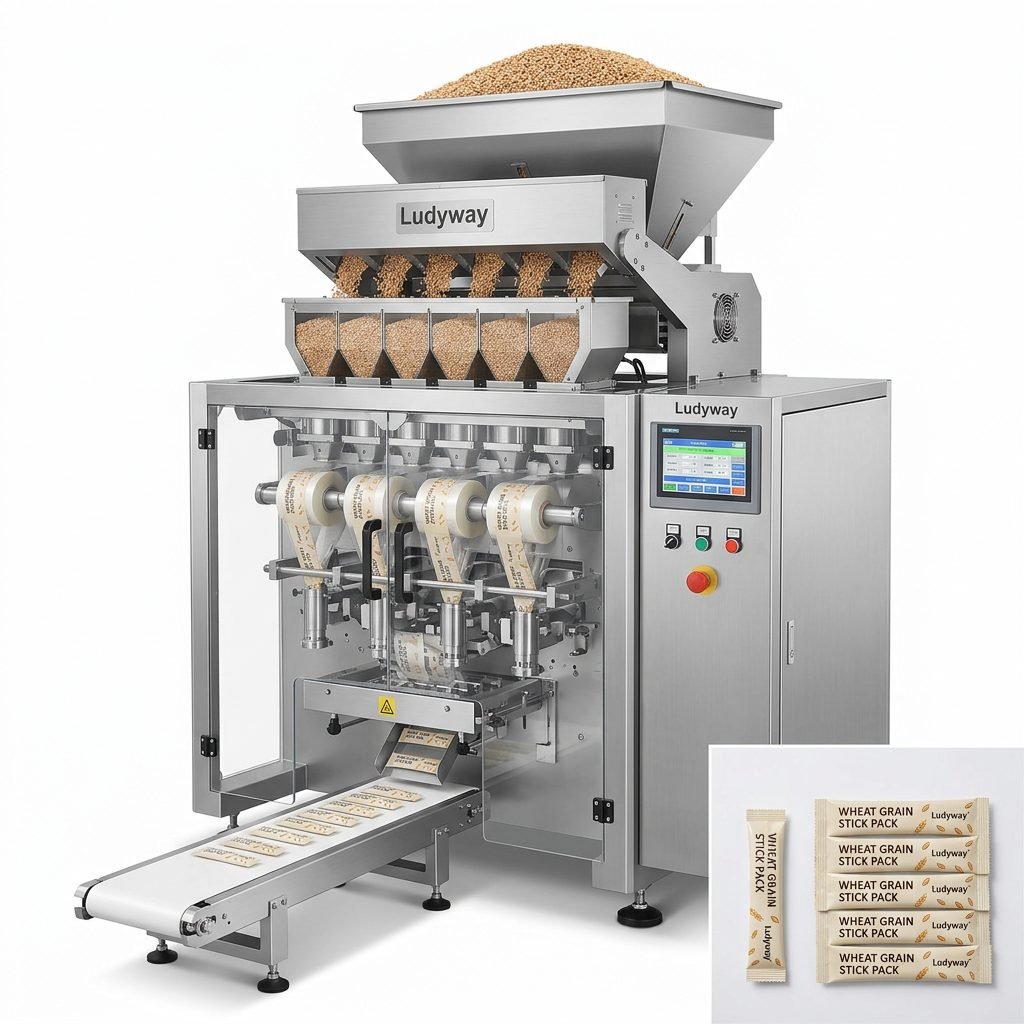
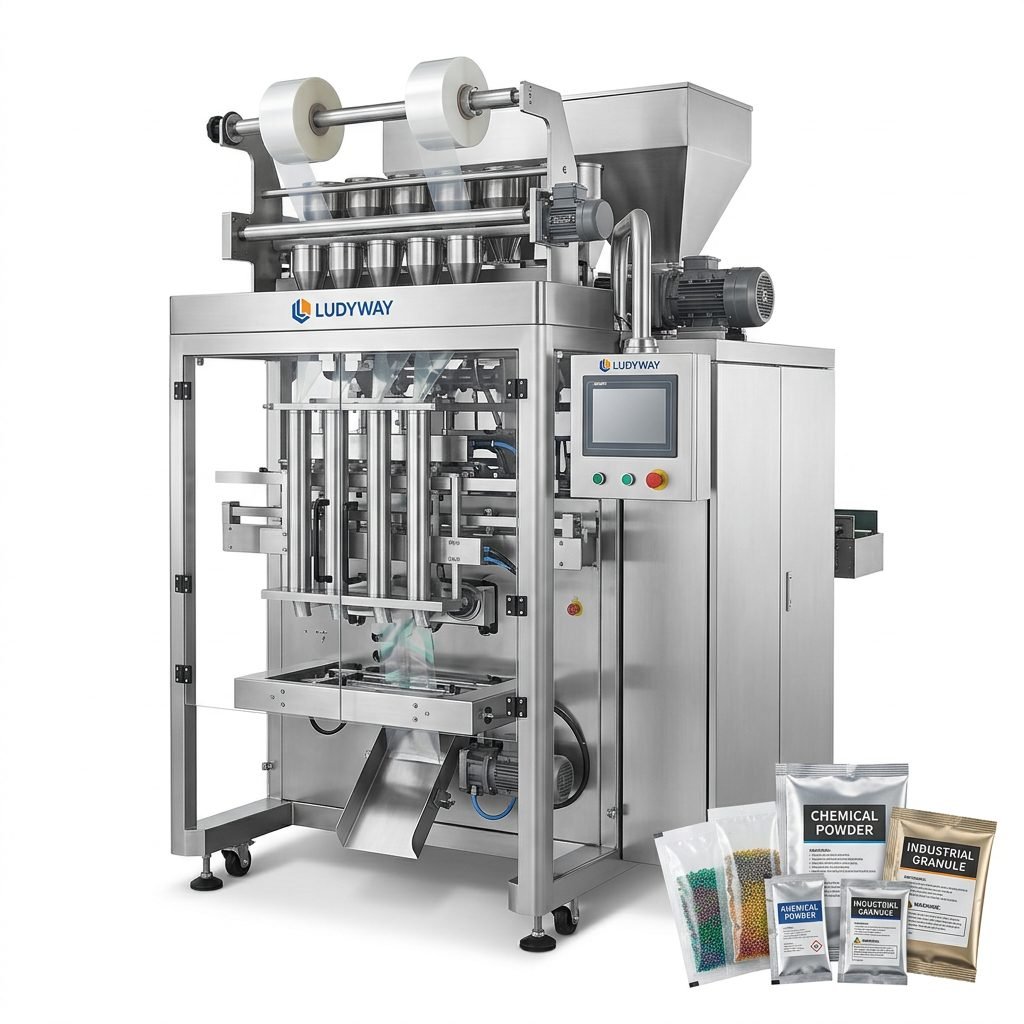
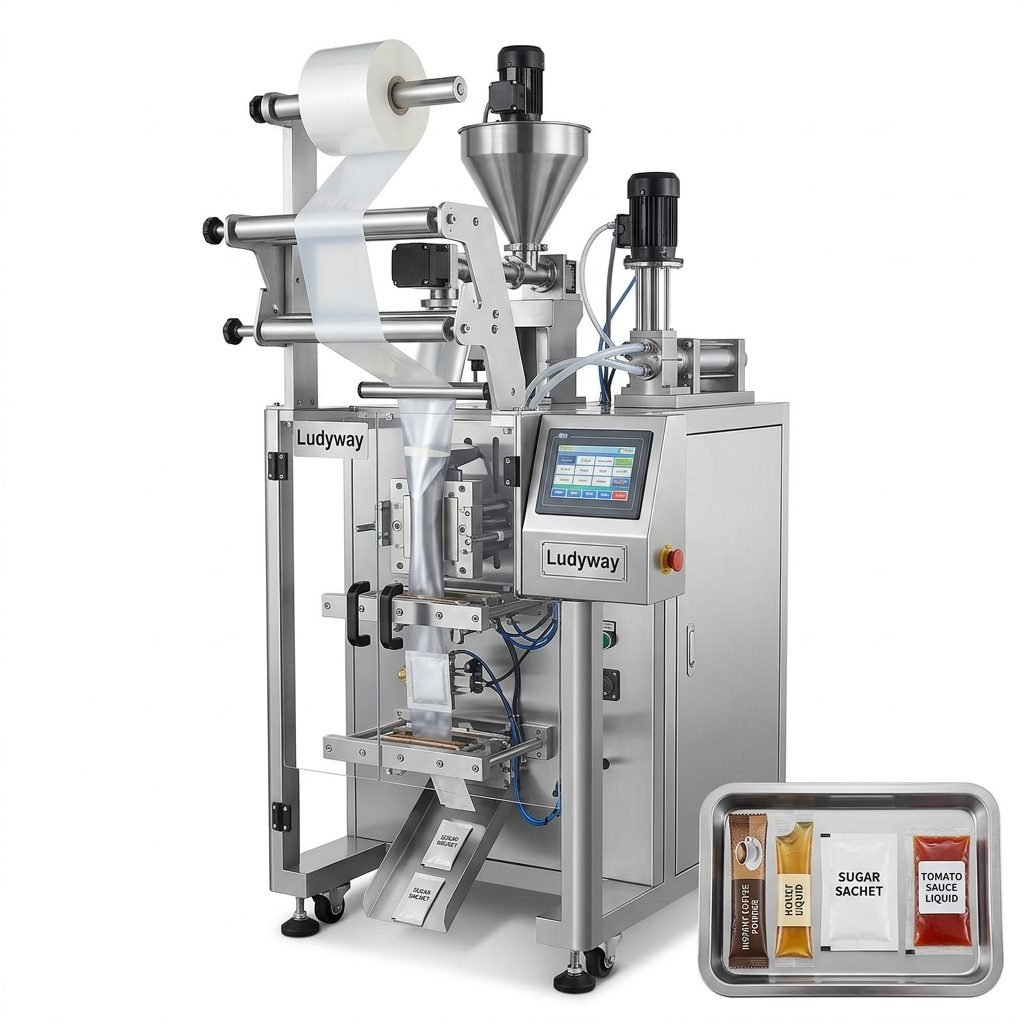
Your choice of machine dictates your brand’s visual identity on the shelf. Multi-lane stick pack machines are incredibly popular for powdered drinks and sugar, offering high-speed efficiency. However, if you are producing a variety of snack foods, spices, or dried soups, a four-side seal sachet machine offers more space for branding.
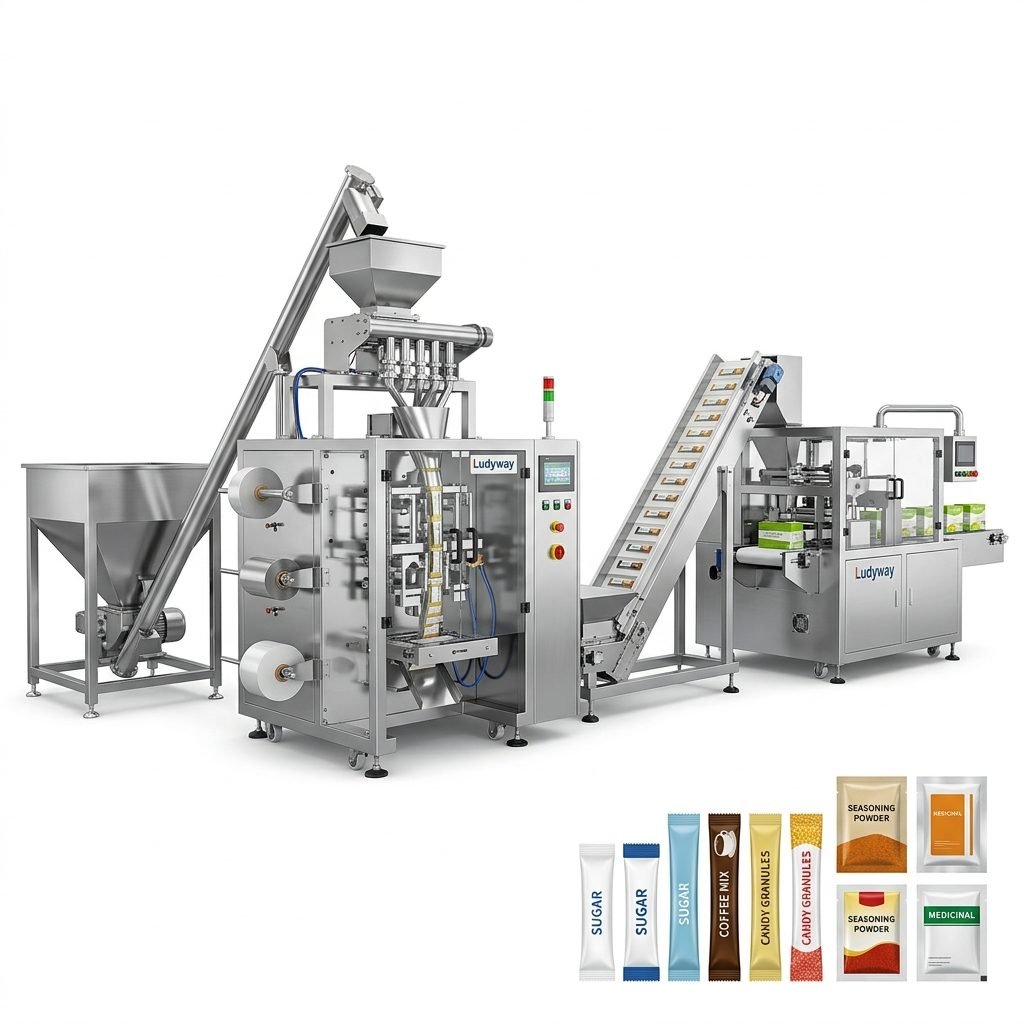
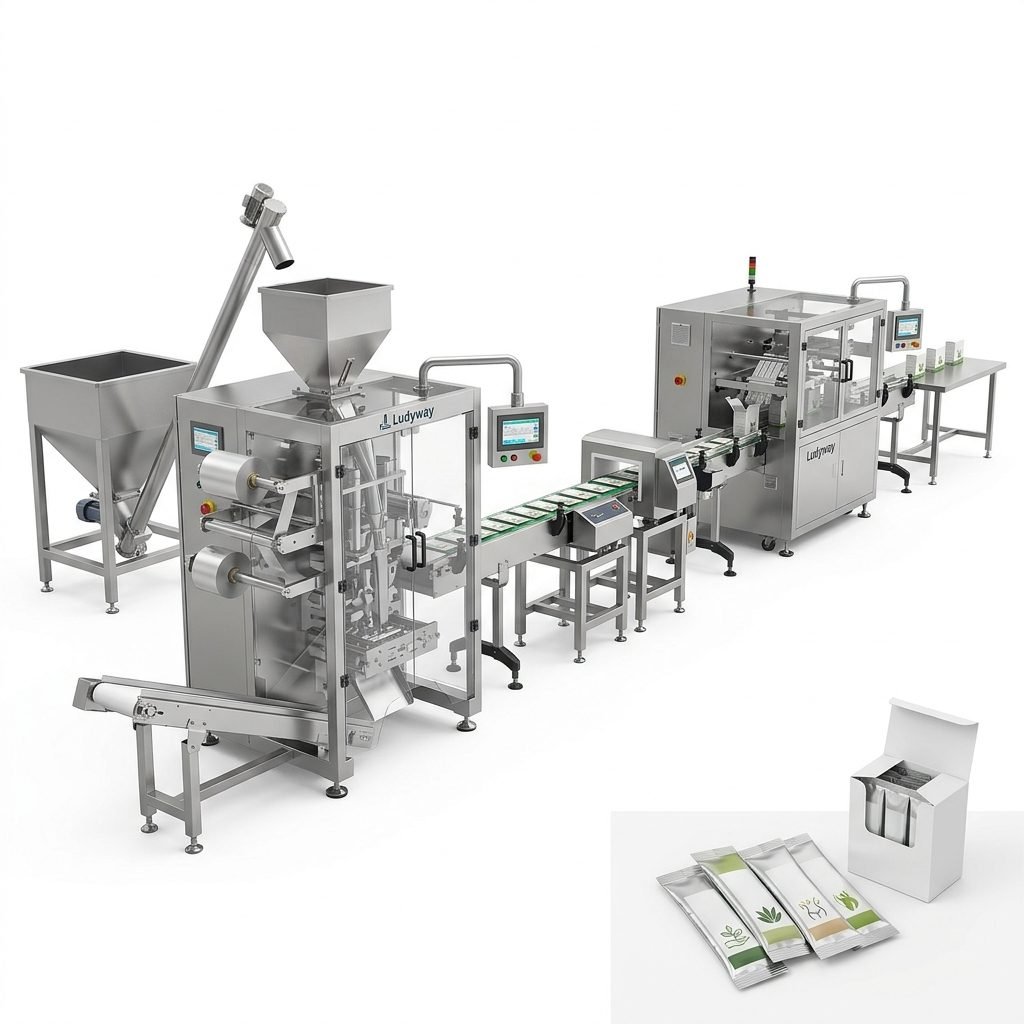
For larger retailers and commercial buyers in Port Moresby or Lae, turnkey systems that handle pouch filling and cartoning in one line are becoming mandatory. You should look for a machine that allows quick changeover between different pouch sizes—for instance, switching from a 50g sachet to a 250g pillow bag without spending hours on re-tooling.
Product Characteristic Considerations
Not all food products behave the same way. The flow characteristics of free-flowing granules like sugar differ vastly from non-free-flowing powders like cocoa or flour. If your PNG production involves sticky materials like brown sugar or powdery spices, a standard volumetric cup filler might fail due to inconsistency and dusting.
| Product Type | Recommended Feeder | Key Machine Feature |
|---|---|---|
| Coffee/Tea (Granule) | Multi-Head Weigher | Nitrogen Flushing for Freshness |
| Flour/Spices (Powder) | Auger Filler | Dust-Controlled Sealing Jaws |
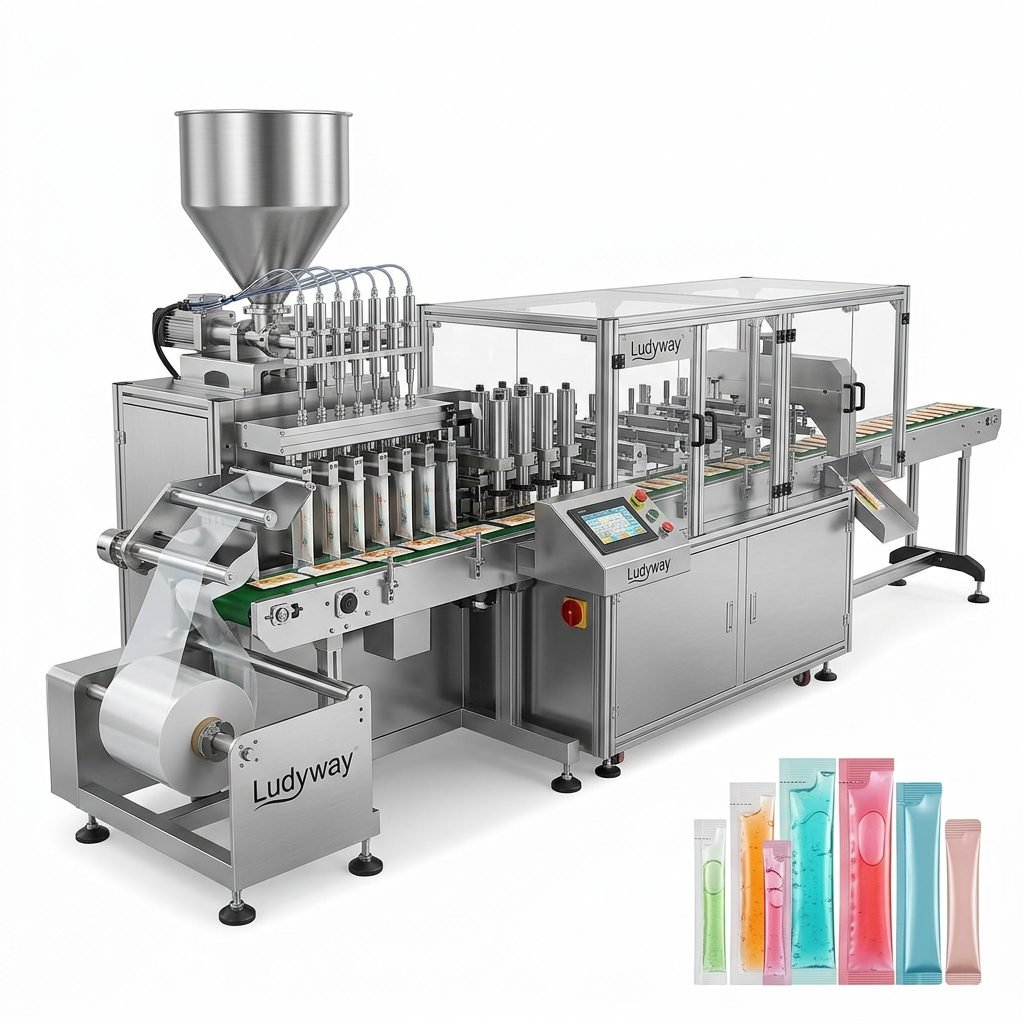
| Cooking Oil (Liquid) | Piston Pump | Leak-Proof Vertical Seal |
| Rice/Pulses (Solid) | Volumetric Cup | Heavy-Duty Film Unwind |
Evaluating Machine Durability in Tropical Climates
The operational environment in Papua New Guinea presents specific challenges. Coastal areas like Port Moresby are humid and saline, while the highlands are cooler but often dusty. Rust and electrical corrosion are the biggest enemies of your investment. You must prioritize machines constructed with 304 stainless steel and preferably with an IP55 or higher protection rating for electrical cabinets.
Moreover, voltage fluctuations are common in remote areas. A machine with a wide voltage tolerance and easy-to-source spare electronic parts will save you significant downtime. It is wise to select a manufacturer, such as Ludyway, which provides global technical support and understands the logistical requirements of shipping durable, well-protected machinery to Oceania.
Critical Machine Specifications to Verify
- Frame Material: Full stainless steel is mandatory for long-term hygiene and rust prevention.
- Sealing Temperature Control: PID-controlled heaters ensure stable sealing even during power dips.
- Membrane Feeding: Ensure the machine has a dancer arm for precise film tension, preventing warping.
- Washdown Capability: For protein powders or sticky sugars, easy-clean designs are vital.
Cost of Ownership vs. Initial Investment
For a growing PNG business, the initial price of a packaging machine is just the tip of the iceberg. The true cost of ownership includes film waste, spare parts inventory, and energy consumption. A cheaper machine that wastes 3-5% of film due to misalignment will cost you much more than a high-precision servo-driven machine over a year of operation.
Look for a machine with film registration accuracy through photoelectric sensors. This ensures that if you are using pre-printed laminated film for your logo, the design is perfectly centered every time. Additionally, modular machines allow you to add a complete turnkey line incrementally—starting with basic filling and sealing, then adding cartoning and case packing as your distribution expands.
After-Sales Support and Spare Parts Strategy
In a country where same-day courier services might not reach remote provinces, your spare parts strategy defines your uptime. You need a supplier with a responsive after-sales team and online troubleshooting capabilities. Standard consumables like thermocouples, heating rods, and jaw seals should be included in your initial purchase to hold you over for at least one year.
According to industry reports from the PMMI Packaging Association, predictive maintenance is a key trend in reducing downtime. Whether you are packaging granules or liquids, a machine with a touch screen HMI that displays error logs and maintenance reminders will empower your local technicians to solve problems without waiting for an overseas engineer.

Compliance and Global Standards
Even for local distribution, aligning with international standards makes your brand export-ready. If you plan to export coffee or cocoa products to Australia or New Zealand, your packaging machinery must facilitate food-grade safety regulations (such as FDA standards for food contact). The European Commission’s guidelines on packaging waste also emphasize the importance of reducing plastic usage, which you can achieve through accurate filling and minimizing material waste.
For producers in the pharmaceutical or health supplement sector within PNG, machines that can handle sterile or hygienic filling are a must. As highlighted by ISO packaging standards, validation of packaging processes is crucial for consumer safety across the food and pharma industries.
Checklist for PNG Market Readiness
- ✓ Voltage Compatibility: Confirm the machine runs on 380V/50Hz industrial supply.
- ✓ Multi-Language HMI: English interface is standard, but graphical icons help operator training.
- ✓ Remote Diagnostic Tools: Ethernet or Wi-Fi connectivity for factory support.
Conclusion: Building a Future-Proof Production Line
Selecting a food packaging machine for the Papua New Guinea market requires a balanced focus on durability, flexibility, and after-sales care. Investing in a high-quality, stainless steel, servo-driven system ensures you can deliver perfectly sealed, high-barrier sachets and pouches that stand up to the tropical climate. By choosing a reliable global supplier like Ludyway, you gain access to over 30 years of industry expertise and a network of service that supports your business growth from the first installation to future line expansions. Remember to start with thorough product testing—sending your actual samples for a trial run is the only way to guarantee seamless packaging performance on your shop floor.
Related External Resources:
For further reading on global packaging standards and industry data, visit the Flexible Packaging Association and the FDA Food Packaging & Contact Substances portal.