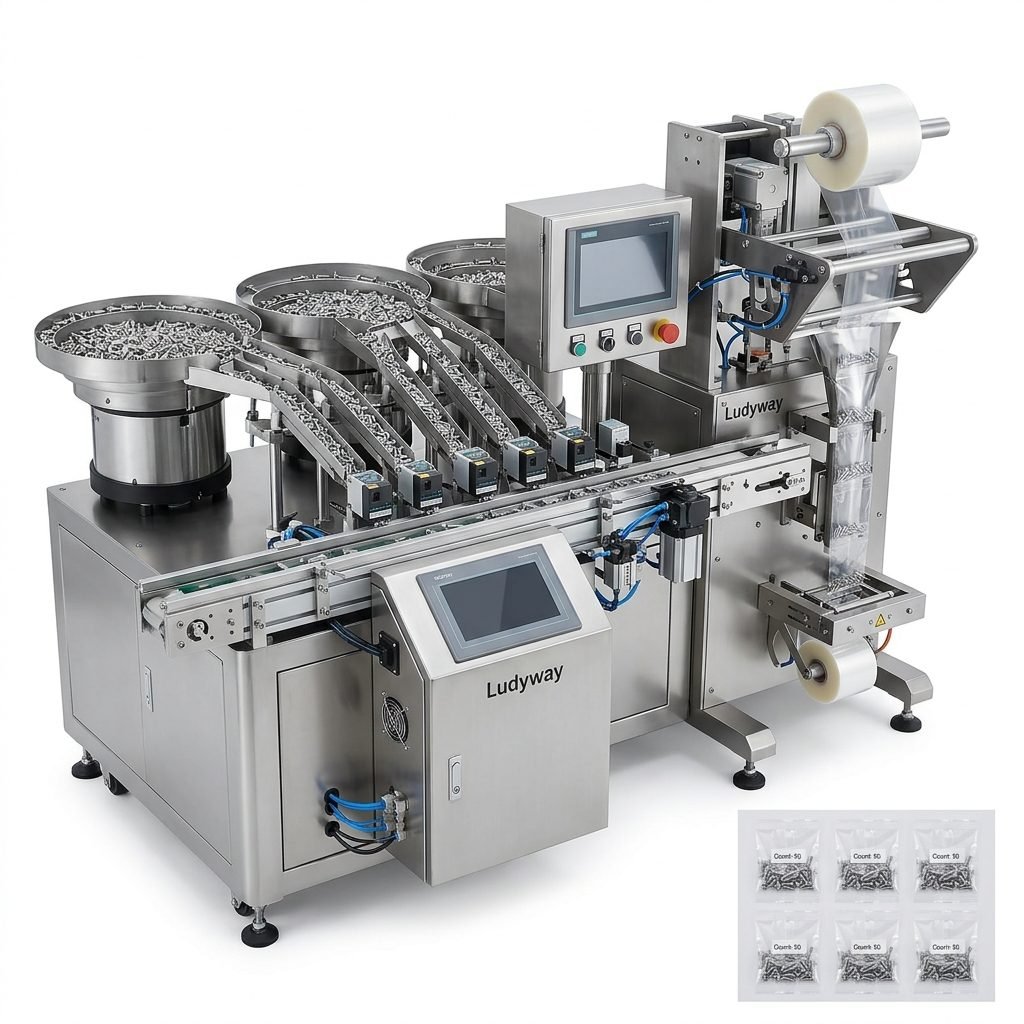
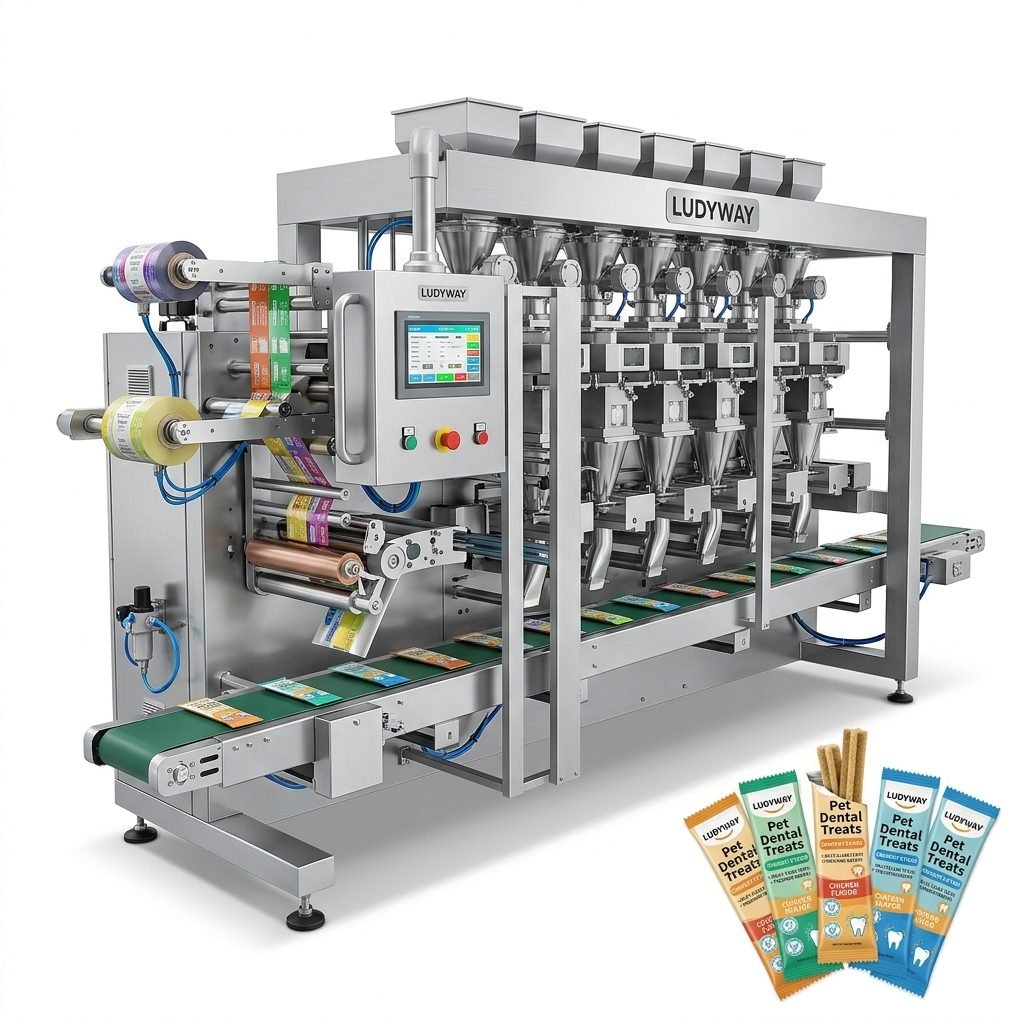
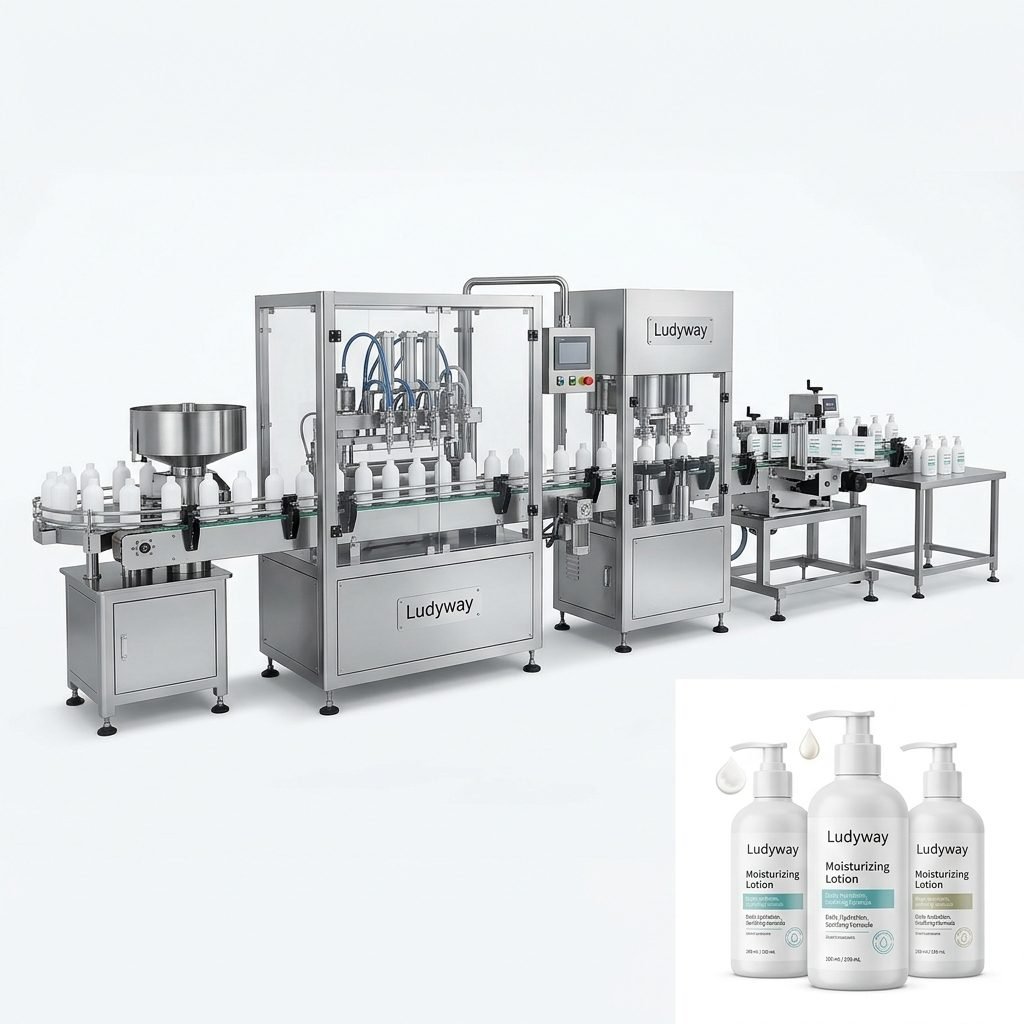
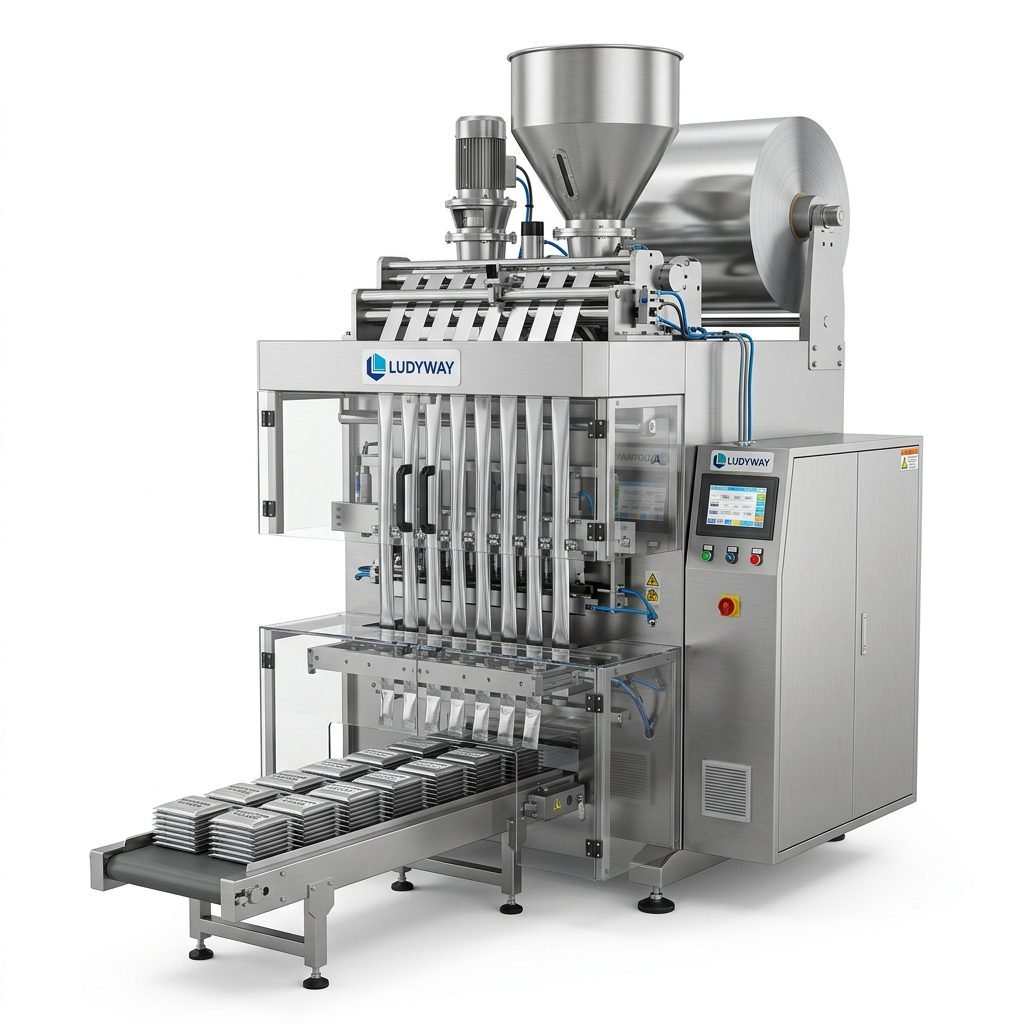
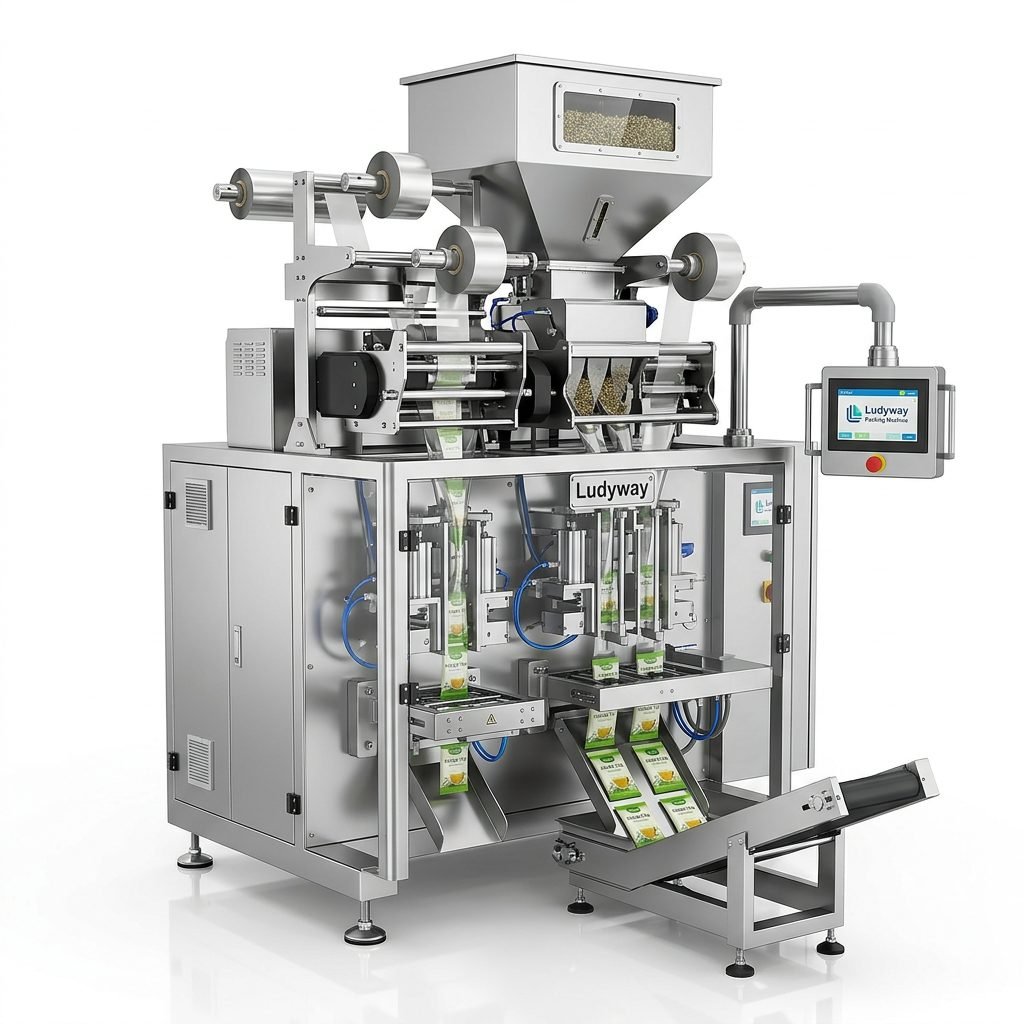
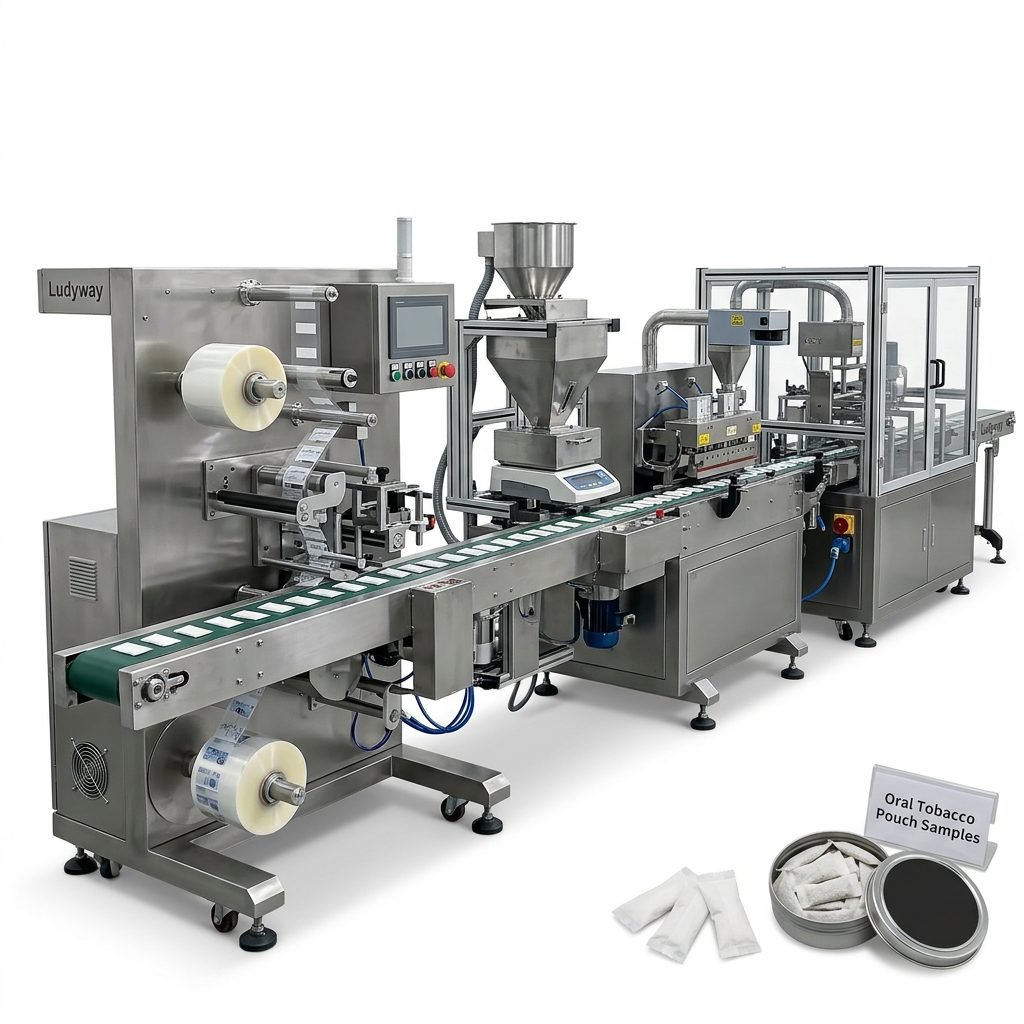
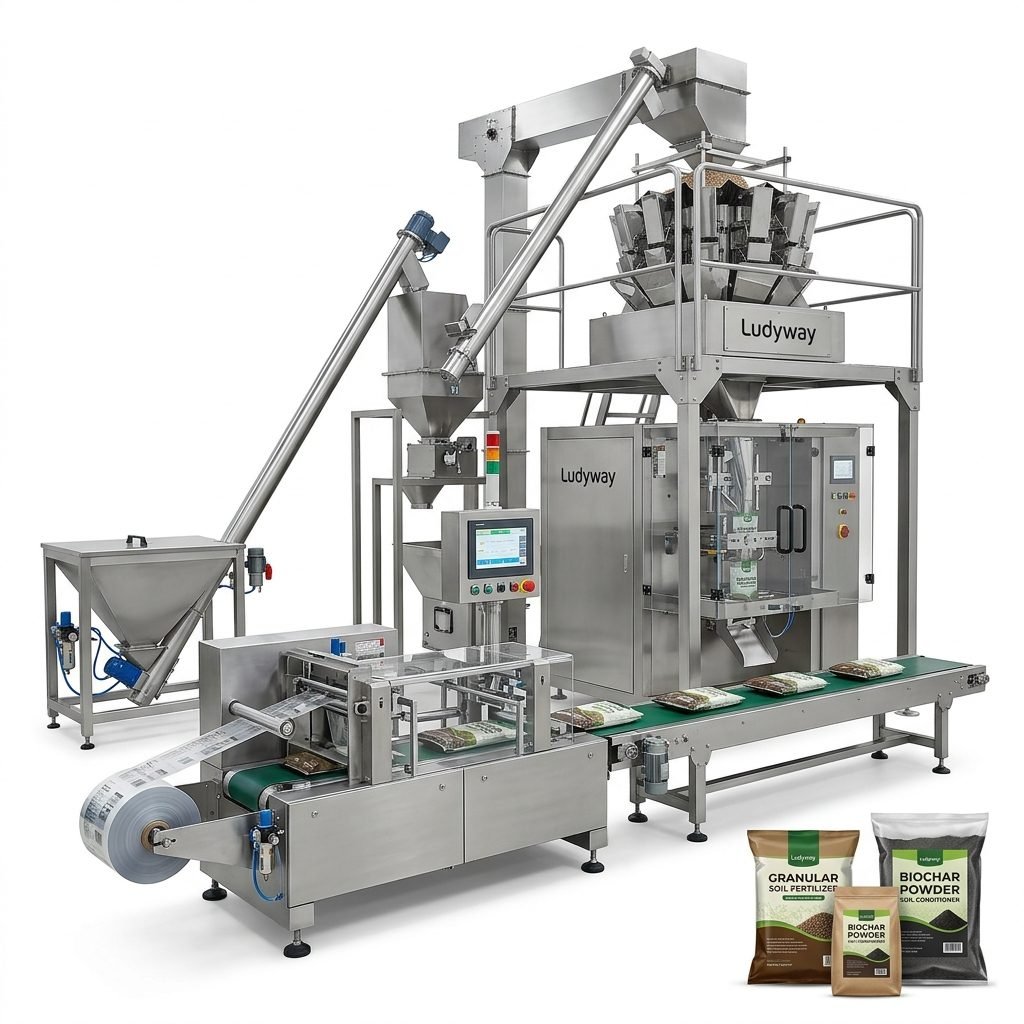
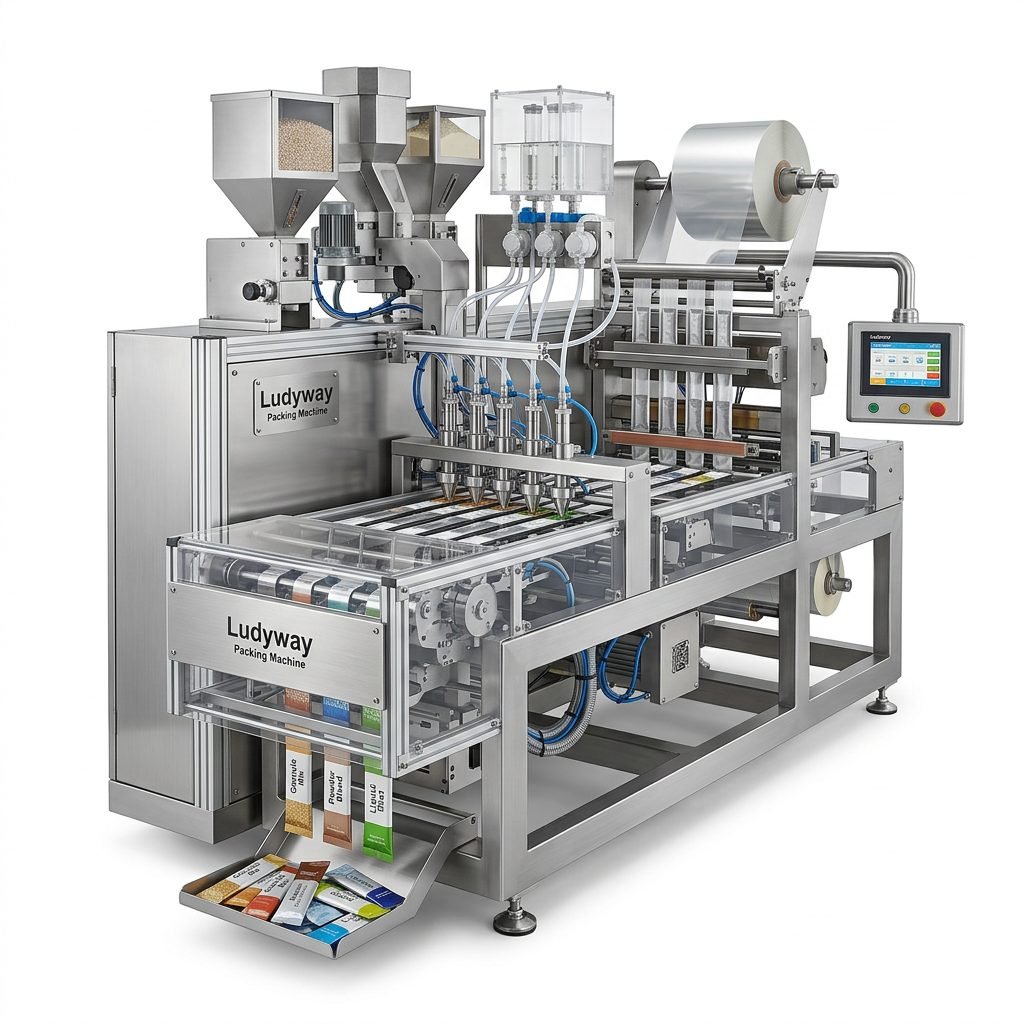
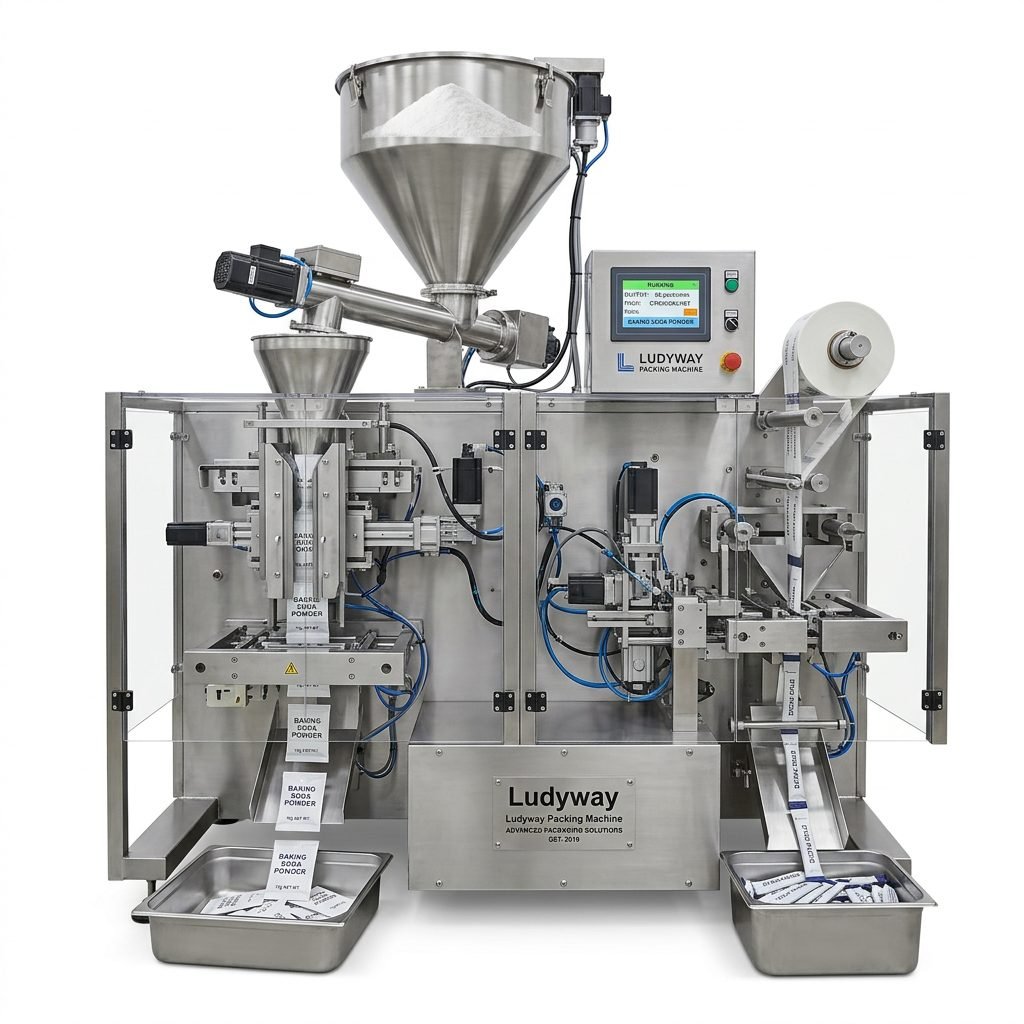
Regular maintenance of a food tray packing machine is critical for ensuring food safety, minimizing downtime, and extending the operational lifespan of your equipment. A proactive maintenance strategy not only protects your investment but also guarantees consistent seal integrity and throughput, which is essential for any food production line.

Why Proactive Maintenance Matters
Skipping routine checks on your packaging machinery can lead to catastrophic failures. A neglected machine often results in poor seal quality, product contamination, and costly unplanned outages. By implementing a structured maintenance plan, you ensure compliance with FDA food packaging regulations and maintain optimal production efficiency.
Daily Cleaning and Sanitation Protocols
Food residue buildup is the number one enemy of a tray sealing machine. Strict daily cleaning prevents cross-contamination and mechanical wear. Focus on removing product debris from the sealing area, film trim waste, and belt surfaces. Use food-grade sanitizers and never use abrasive tools that could scratch sealing platens. Always follow lockout/tagout procedures before reaching into the machine.
Key Daily Inspection Points
- Seal Bars: Check for burnt-on residue. Clean while warm for easier removal.
- Film Path: Ensure the guiding rollers are free of sticky residues.
- Conveyor Belts: Inspect for product spillage and wipe down with a damp cloth.
- Sensors: Clean photoelectric sensors to prevent erratic stops.
Weekly Mechanical Inspections
Weekly check-ups focus on the moving parts that suffer from high-frequency wear. A food tray packing machine operates under constant motion, making lubrication and tension checks vital. Listen for unusual noises; a squeaking chain or a hissing pneumatic leak is often the first sign of an impending breakdown.

| Component | Maintenance Task | Frequency |
|---|---|---|
| Chains & Gears | Lubricate with food-grade grease | Weekly |
| Pneumatic Cylinders | Check for leaks and clean rods | Weekly |
| Vacuum Pump | Inspect oil level and filter | Weekly |
| Film Tension | Adjust brake and clutch settings | Weekly |
Monthly Electrical and Calibration Checks
Electrical systems require a systematic approach. Control cabinets should be vacuumed or blown out with dry compressed air to prevent overheating. It is important to understand the packaging machinery standards that guide these safety checks. Loose wire connections are a common cause of intermittent faults that are hard to diagnose.
Sealing Integrity Verification
The primary function of your line is creating a hermetic seal. Test seals using a burst tester or dye penetration test monthly. If the seal strength is weakening, it might not be just a temperature issue; worn-out sealing gaskets or deformed tray nests can also be the culprit. Keep a logbook of temperature and pressure settings to track trends.
Critical Spare Parts Inventory
Nothing kills productivity faster than waiting for a replacement part. For a standard tray packing line, certain items are consumed regularly. Stocking these is non-negotiable.
- Thermocouples and heating elements
- Sealing gaskets (specific to tray sizes)
- Cutting blades and knife holders
- Drive belts and timing belts
- Pneumatic seals and solenoid valves
When sourcing machinery, choosing a manufacturer with robust engineering support simplifies this process. Ludyway designs its automated packaging systems with modular components, which simplifies access to critical spares and reduces the complexity of routine maintenance procedures, ensuring high-speed production lines remain operational with minimal downtime.
Training Your Operators
Even the best maintenance schedule fails without skilled execution. Operators are the first line of defense. They must be trained not just on operating the machine, but on autonomous maintenance tasks. They should understand the difference between a mechanical jam and an electrical fault to accurately report issues. Encouraging an understanding of ISO packaging standards helps maintain a quality-focused culture.
Common Troubleshooting Scenarios
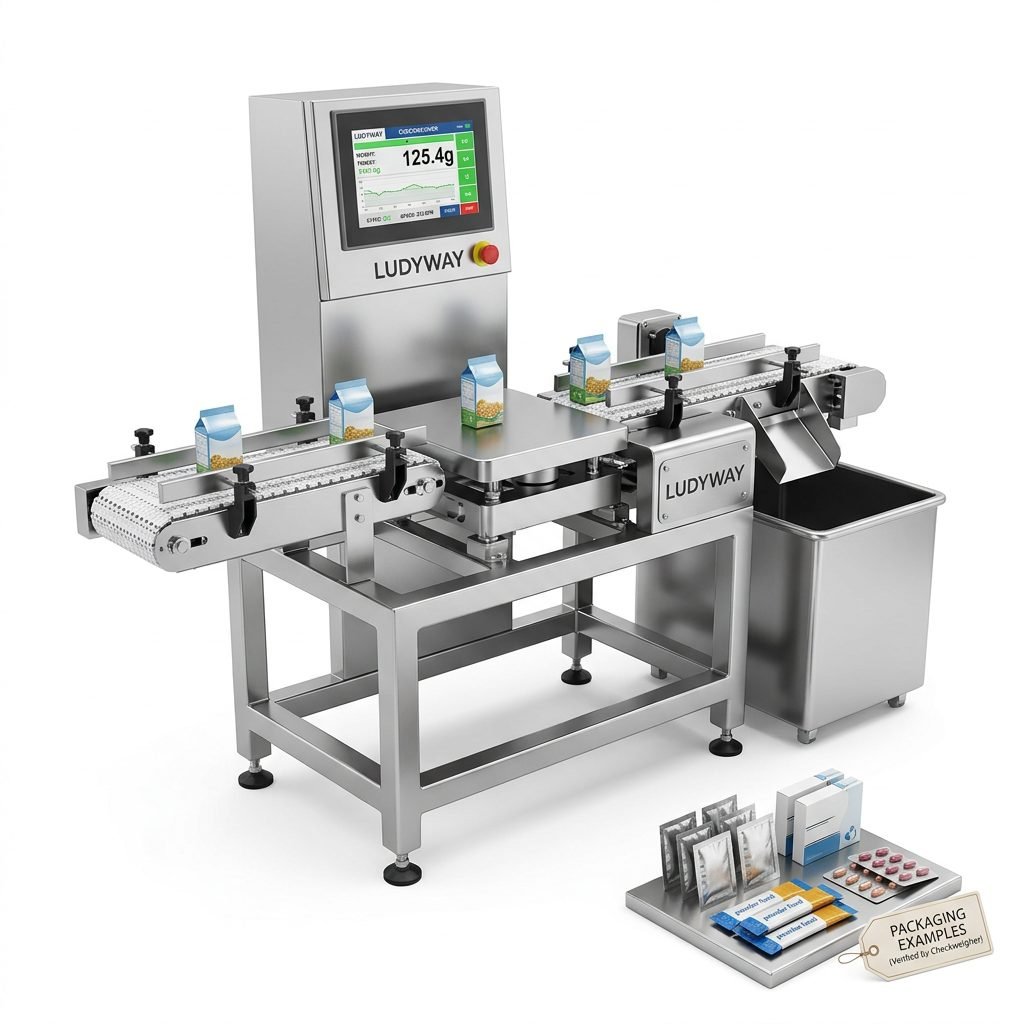
Here is a quick reference for typical issues found in food tray packing operations:
- Wrinkled Seals: Check for misaligned film or insufficient pre-heating.
- Machine Not Cycling: Verify all guards are closed and safety interlocks are engaged.
- Film Sticking to Sealer: Reduce temperature slightly or clean the non-stick coating.
- Inconsistent Tray Positioning: Inspect the timing screw and pocket sensors for debris.
Annual Professional Servicing
While in-house teams handle daily care, an annual deep dive by a certified technician is indispensable. This service should cover comprehensive gearbox oil changes, machine alignment calibration, wear measurement of bushings, and a full safety system audit. This is also the time to assess whether your current equipment keeps pace with flexible packaging industry trends, which might shift consumer demand toward more sustainable materials that behave differently on standard machines.
Staying updated with global exhibitions, like PACK EXPO International, provides valuable opportunities to share insights with peers, discover upgraded maintenance tooling, and learn about the latest advancements in packaging technology that can help optimize the performance and longevity of your production equipment.