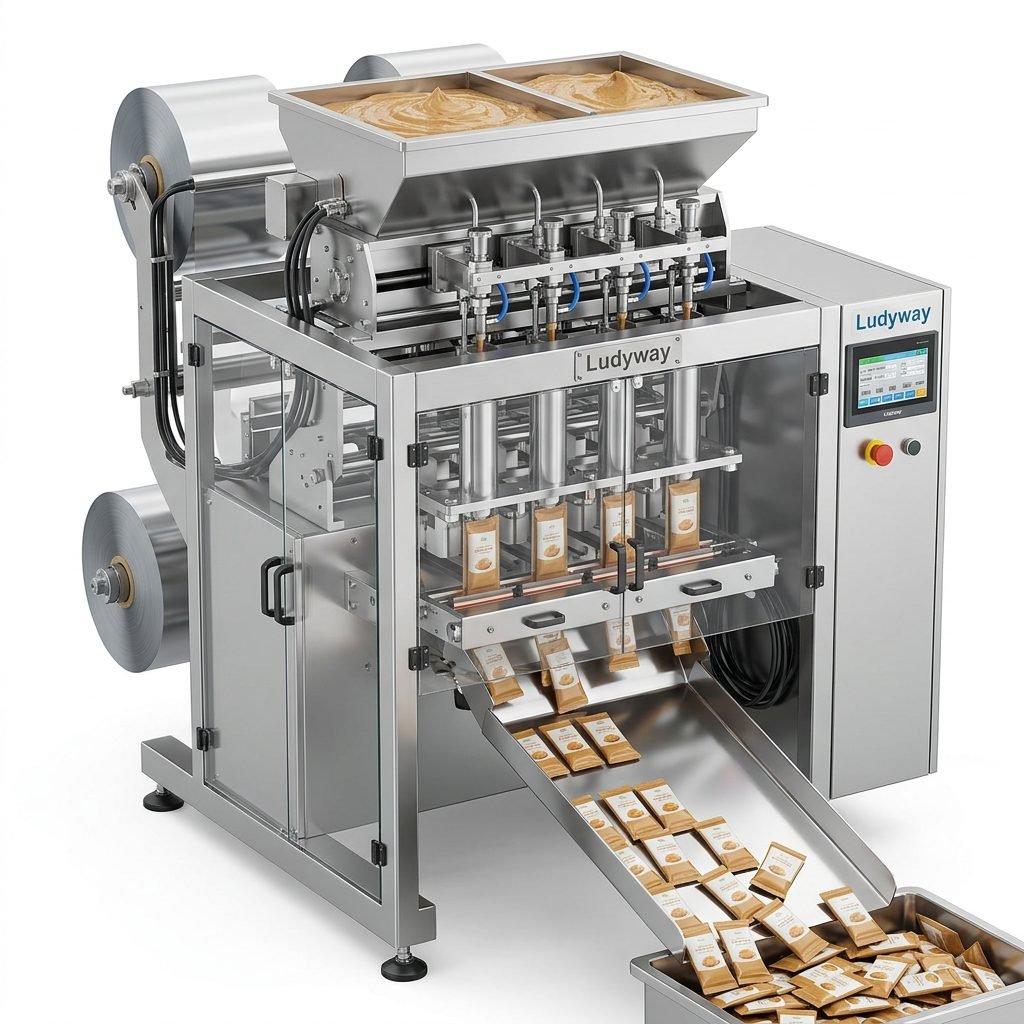
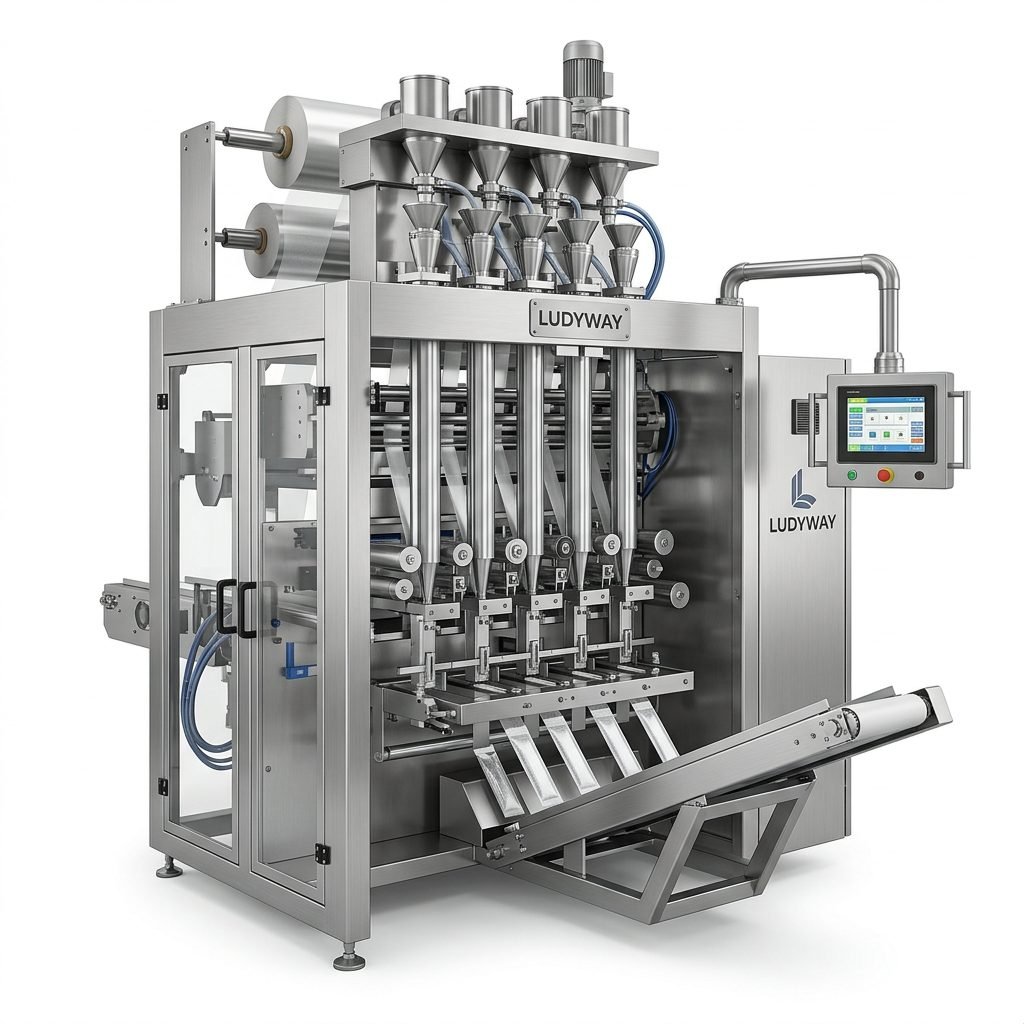
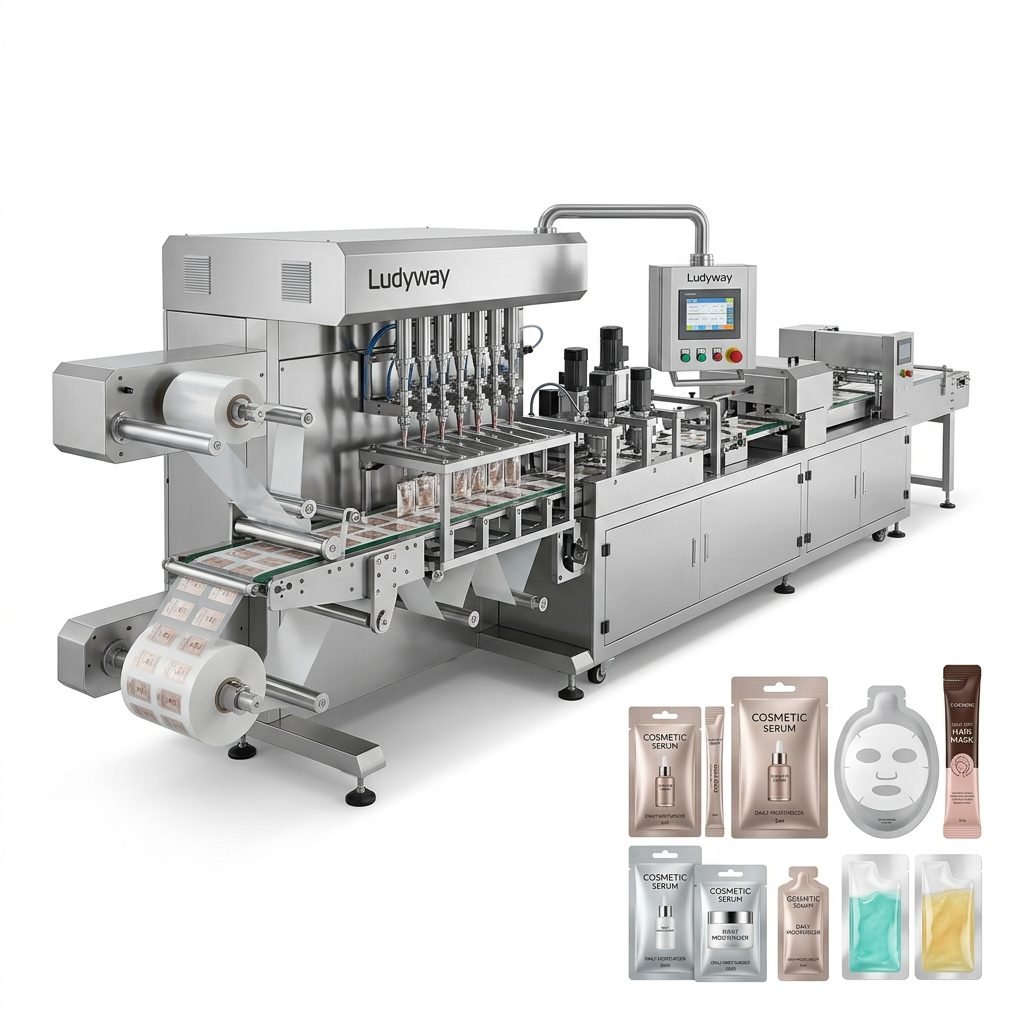
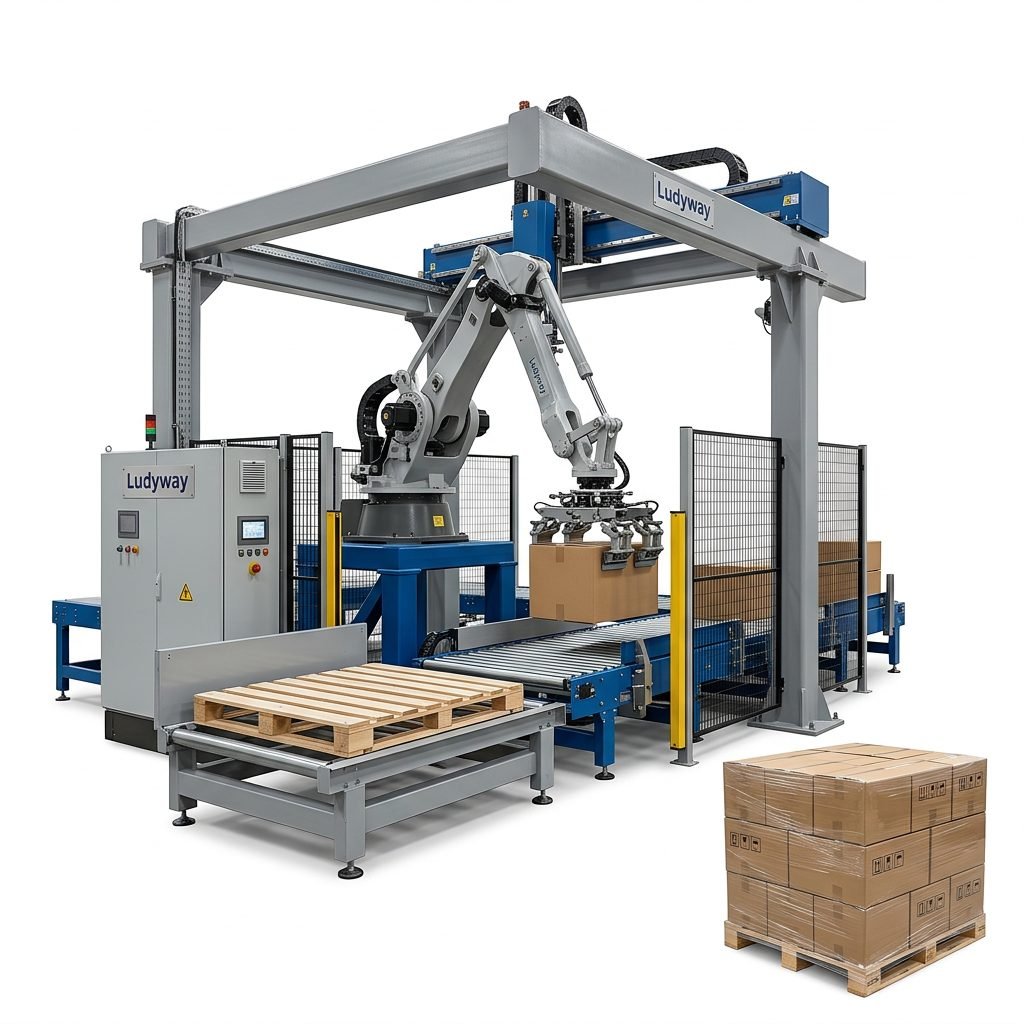
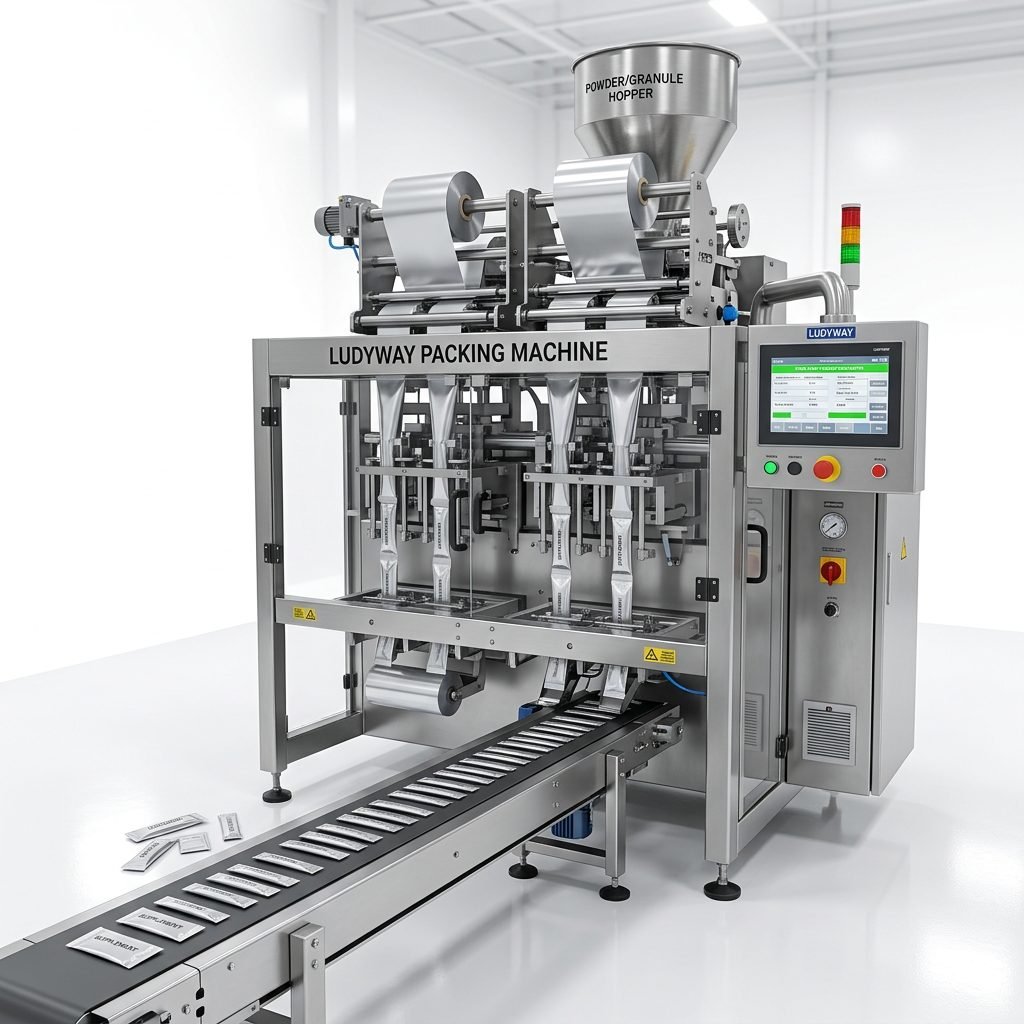
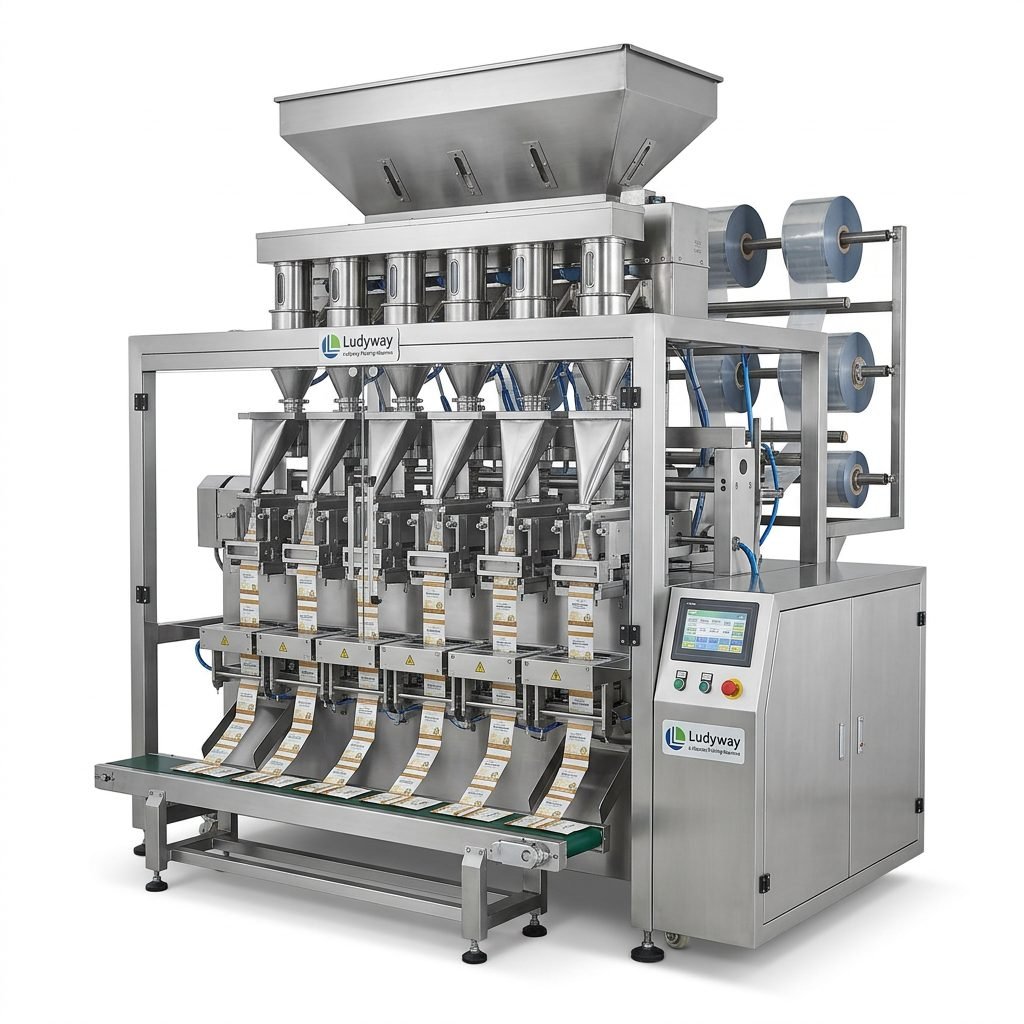
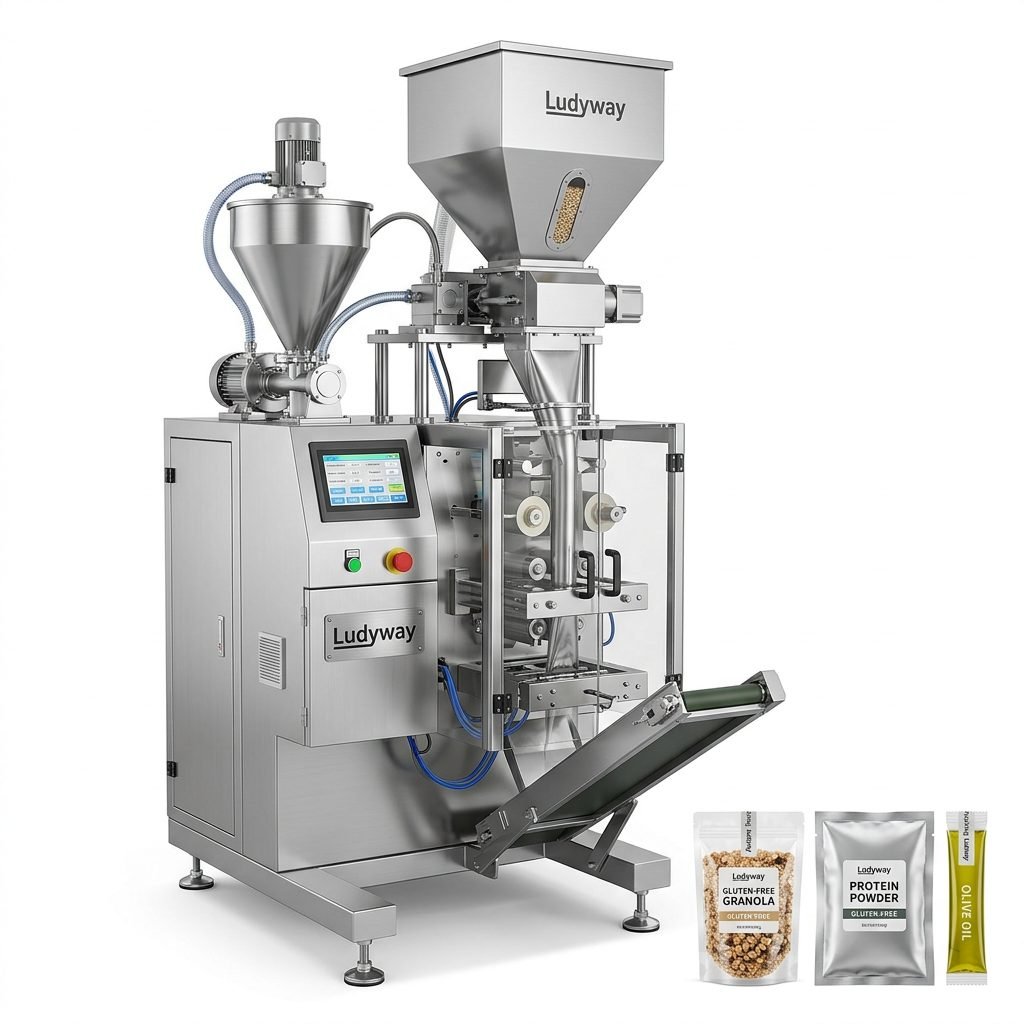
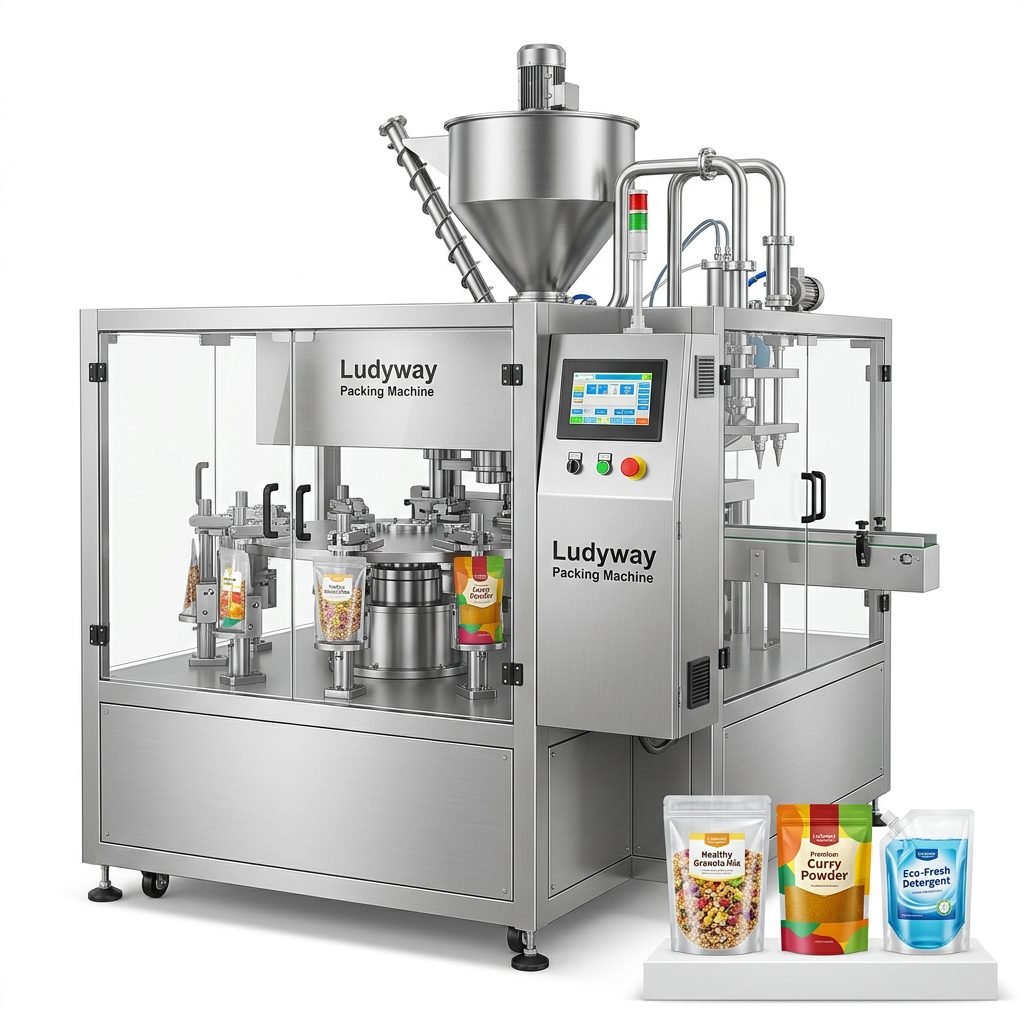
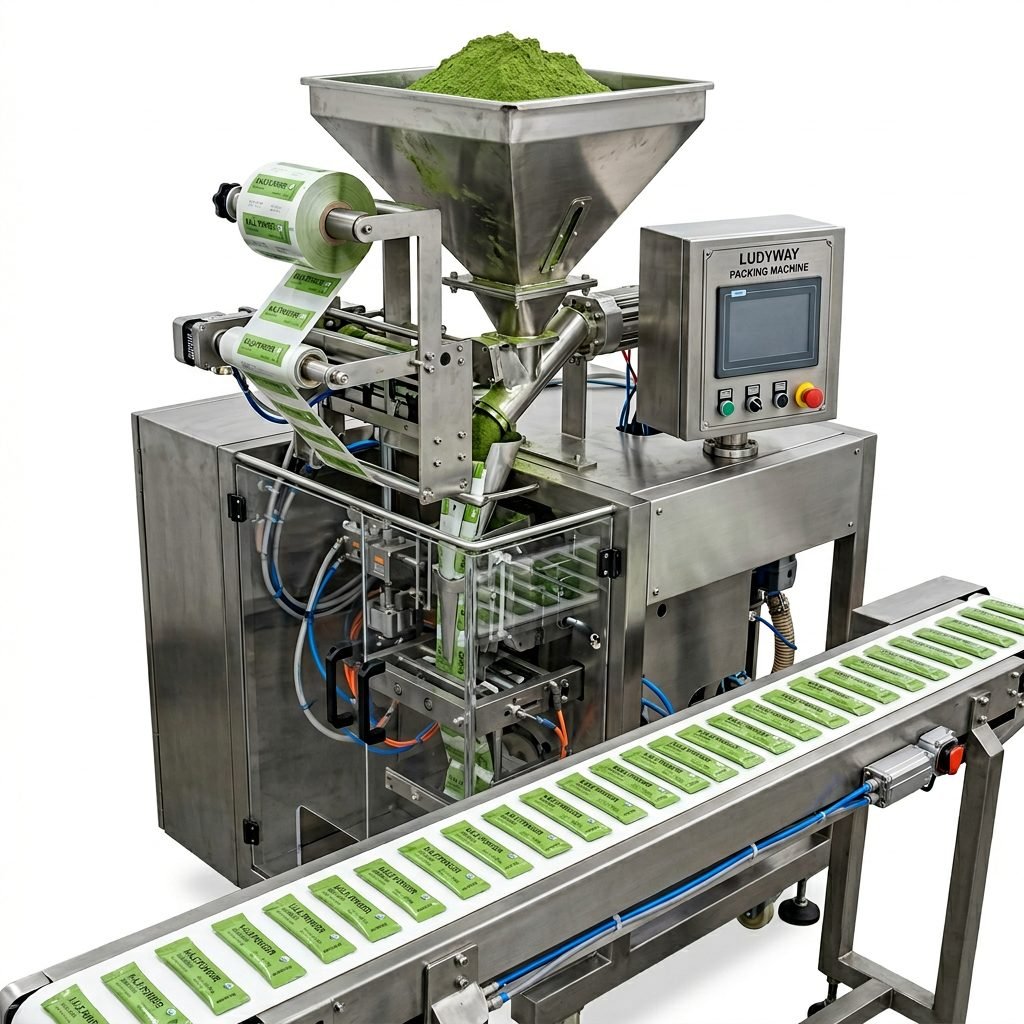
A heat packing machine is widely used to seal, wrap, and protect products by applying controlled heat to packaging materials. It is an essential part of modern production in food, pharmaceutical, cosmetic, chemical, and consumer goods industries because it helps create secure, clean, and consistent packaging at scale.
Whether you are packaging powders, liquids, granules, pastes, sachets, pouches, bottles, or cartons, understanding how heat packing equipment works can help you improve output, reduce waste, and choose the right machine for your business.
What Is a Heat Packing Machine?
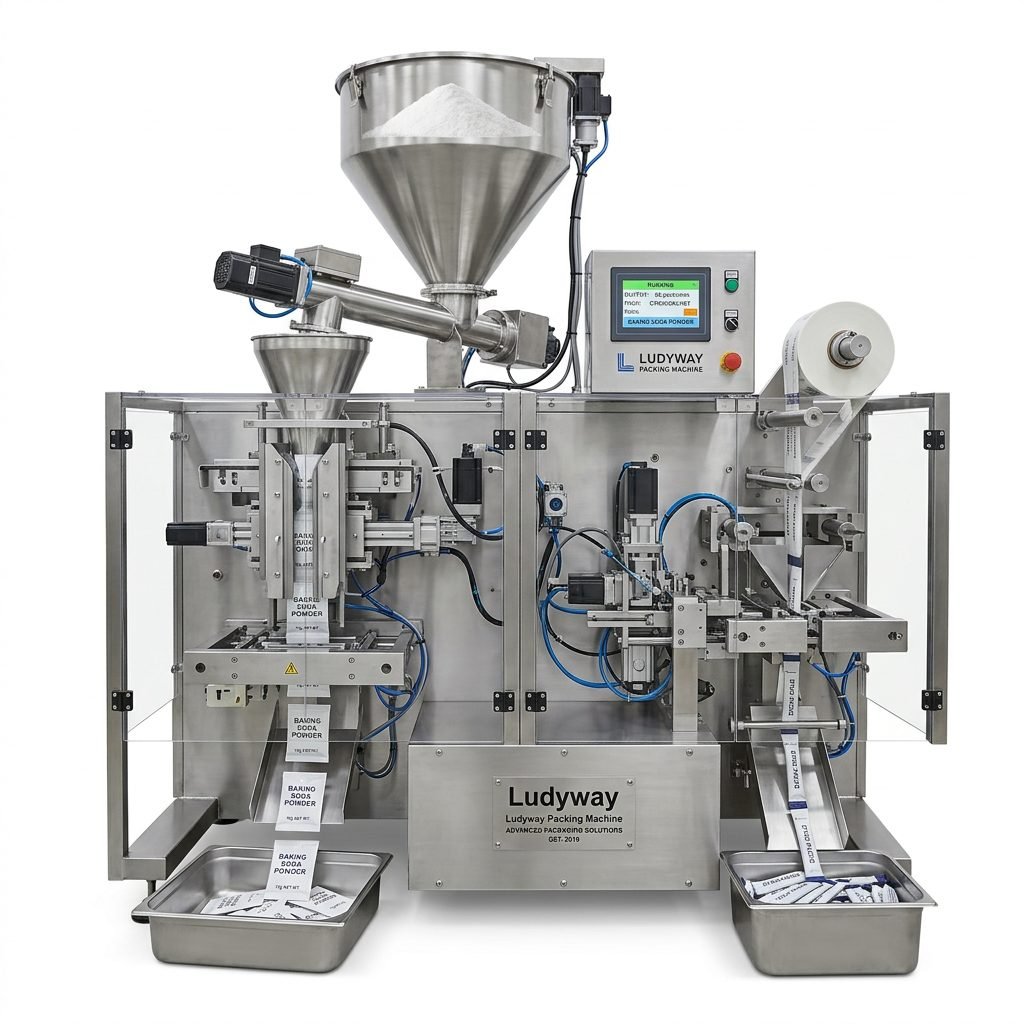
A heat packing machine is packaging equipment that uses heat to seal packaging film, pouches, sachets, or other flexible materials. The heat softens or melts the sealing layer of the package, and pressure joins the surfaces together. After cooling, the seal becomes strong enough to protect the product during storage, transport, and retail display.
These machines can be used in:
- Food packaging for snacks, coffee, sauces, seasonings, powders, and frozen products
- Pharmaceutical packaging for powders, oral liquids, tablets, and medical consumables
- Cosmetic packaging for creams, lotions, serums, gels, and face masks
- Chemical packaging for detergents, additives, cleaners, and industrial powders
How a Heat Packing Machine Works
Although machine structures vary by product and package type, the core process usually follows a simple sequence.
1. Packaging Material Feeding
The machine feeds film, pouches, or preformed packaging materials into the working area. In automatic systems, this step is synchronized with sensors and drive mechanisms for accurate positioning.
2. Product Filling or Loading
The product is placed into the package. Depending on the machine, this may involve auger filling for powders, volumetric filling for granules, piston filling for pastes, or liquid pumps for fluids.
3. Heat Sealing
Heated sealing jaws, bars, or rollers press the packaging material together. The temperature, pressure, and dwell time must be properly controlled to create a reliable seal without damaging the film.
4. Cooling and Form Stabilization
After heat is applied, the sealed area cools and solidifies. This improves seal strength and helps maintain the package shape.
5. Cutting, Discharge, or Secondary Packing
The machine may then cut individual sachets or bags, discharge finished packs, or send them to downstream equipment such as checkweighers, cartoners, case packers, and palletizers.
Key Operating Factors
- Temperature: Must match the packaging material
- Pressure: Ensures proper contact between sealing surfaces
- Time: Controls how long heat is applied
- Film quality: Impacts seal consistency and appearance
Common Types of Heat Packing Machines
Different industries need different sealing and packaging methods. The right type depends on your product form, package style, speed requirement, and production environment.
| Machine Type | Typical Use | Main Advantage |
|---|---|---|
| Band Sealer | Pouches and bags | Continuous sealing for medium to high output |
| Vacuum Heat Sealer | Food, meat, pharma, sensitive products | Extends shelf life and reduces oxidation |
| Vertical Form Fill Seal Machine | Powders, granules, liquids | Forms, fills, and seals automatically |
| Multi-Lane Sachet Machine | Small-dose powders, liquids, health products | High speed and efficient output |
| Shrink Wrapping Machine | Retail bundles and outer packaging | Neat appearance and product protection |
| Tray or Cup Sealer | Ready meals, dairy, sauces | Leak-resistant sealing for rigid containers |
Main Benefits of Using a Heat Packing Machine
Improved Seal Quality
A properly configured machine delivers stable and airtight seals, reducing leakage, contamination, and package failure.
Higher Packaging Efficiency
Automatic heat packaging equipment can process far more units per minute than manual sealing, making it ideal for growing production lines.
Better Product Protection
Strong heat seals help preserve freshness, block moisture, and protect products from dust, tampering, and transport damage.
Labor Savings
Automation reduces dependence on manual labor and supports more consistent production performance.
Professional Package Appearance
Uniform seals and accurate bag forming create cleaner-looking retail packaging that improves brand presentation.
Wide Product Compatibility
Modern machines can often be adjusted for different package sizes, filling ranges, and film materials, giving manufacturers greater flexibility.
Industries That Commonly Use Heat Packing Machines
- Food industry: sugar, coffee, spices, sauces, snacks, flour, protein powder, cereals
- Pharmaceutical industry: oral liquids, granules, powders, tablets, sterile products
- Health supplement industry: collagen, vitamins, electrolytes, probiotics, nutrition powders
- Cosmetic industry: shampoo, lotion, serum, cream, facial mask, cleanser
- Chemical industry: detergent, cleaner, fertilizer, industrial additives, water treatment products
How to Choose the Right Heat Packing Machine
Choosing the best equipment requires more than checking machine speed. You need to match the machine to your product, packaging goals, and factory conditions.
1. Identify Your Product Type
Start with the physical characteristics of the product:
- Powder
- Granule
- Liquid
- Paste
- Solid items
Different materials need different filling and sealing structures.
2. Define the Packaging Format
Consider whether you need:
- Sachets
- Stick packs
- Pouches
- Bottles with sealed caps or liners
- Shrink-wrapped bundles
3. Check Production Speed Requirements
Small businesses may only need a compact semi-automatic machine, while large factories often require high-speed multi-lane or fully integrated packaging lines.
4. Consider Packaging Material Compatibility
The machine should match your selected films, laminates, foil structures, or pouch materials. Incorrect heat settings can weaken the seal or damage the film.
5. Review Accuracy and Consistency
If you package high-value products such as pharmaceuticals or supplements, dosing precision and repeatable sealing quality are especially important.
6. Evaluate Automation Level
Think about whether you need standalone equipment or a complete automatic line with conveyors, feeders, coding, inspection, cartoning, and palletizing.
7. Assess Maintenance and Technical Support
A reliable supplier should offer installation guidance, training, spare parts support, and long-term service.
| Selection Factor | Why It Matters |
|---|---|
| Product type | Determines filling and sealing technology |
| Pack style | Affects machine structure and tooling |
| Output speed | Impacts production efficiency and ROI |
| Material compatibility | Ensures strong, clean, stable sealing |
| Automation level | Supports future expansion and labor reduction |
| After-sales support | Reduces downtime and operating risk |
Features to Look For in a Modern Heat Packing Machine
- Digital temperature control
- PLC and touchscreen operation
- Easy changeover for different sizes
- Stable servo-driven motion
- Automatic film tracking
- Leak-proof and wrinkle-free sealing
- Integration with coding and inspection systems
- Food-grade or GMP-friendly contact parts where needed
Common Applications by Product Category
Powder Products
Milk powder, protein powder, coffee, seasoning, flour, pharmaceutical powder, and health supplements often use heat sealing machines combined with auger fillers.
Granule Products
Sugar, salt, seeds, snacks, pet food, and fertilizer granules are commonly packed with cup fillers, weighers, or counting systems plus heat seal packaging.
Liquid and Paste Products
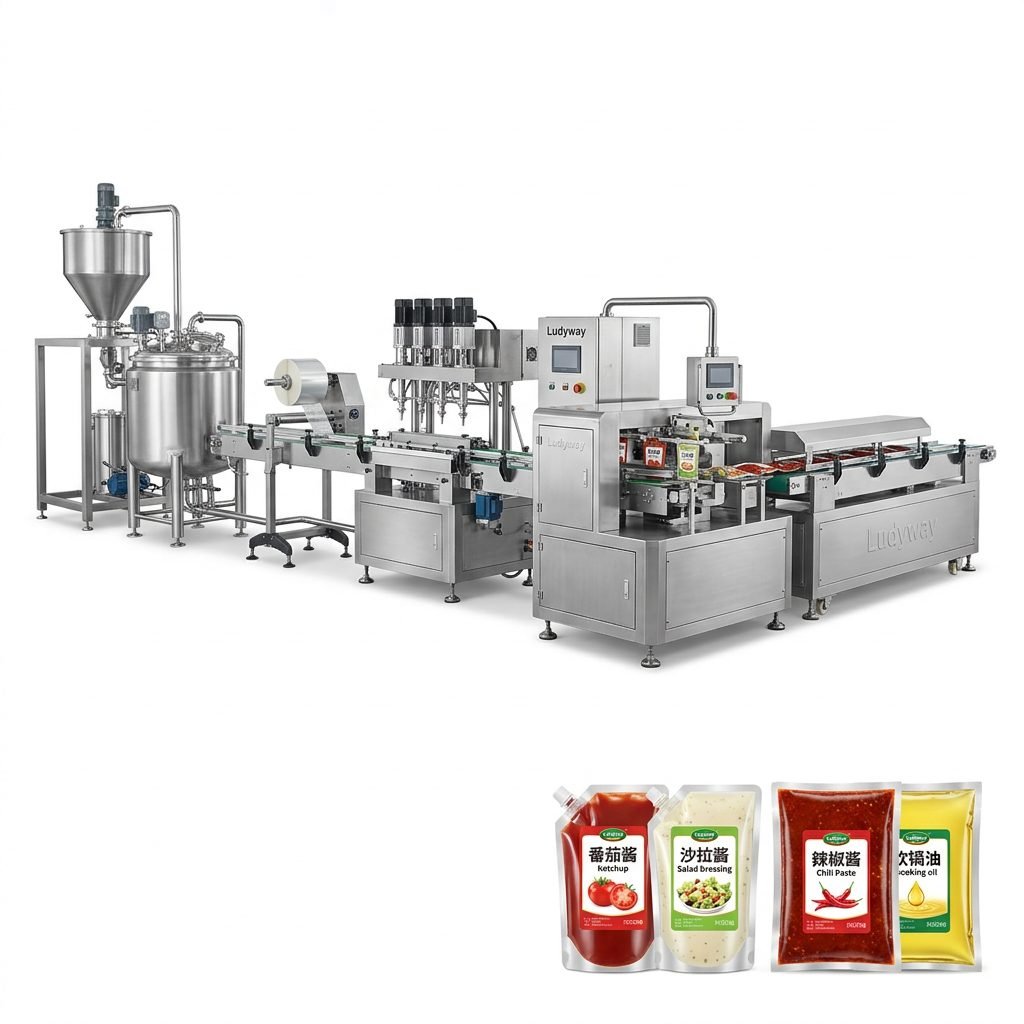
Sauces, oral liquids, shampoo, detergent, lotion, and gels need reliable filling systems with secure heat-sealed pouches or sachets to prevent leakage.
Tips for Better Heat Sealing Performance
- Use packaging materials designed for heat sealing
- Calibrate temperature and pressure regularly
- Keep sealing jaws clean and free of product residue
- Test seal strength when changing film suppliers
- Match machine speed with filling accuracy and cooling time
- Train operators to spot weak seals, wrinkles, and burn marks early
Why Businesses Invest in Advanced Packaging Line Solutions
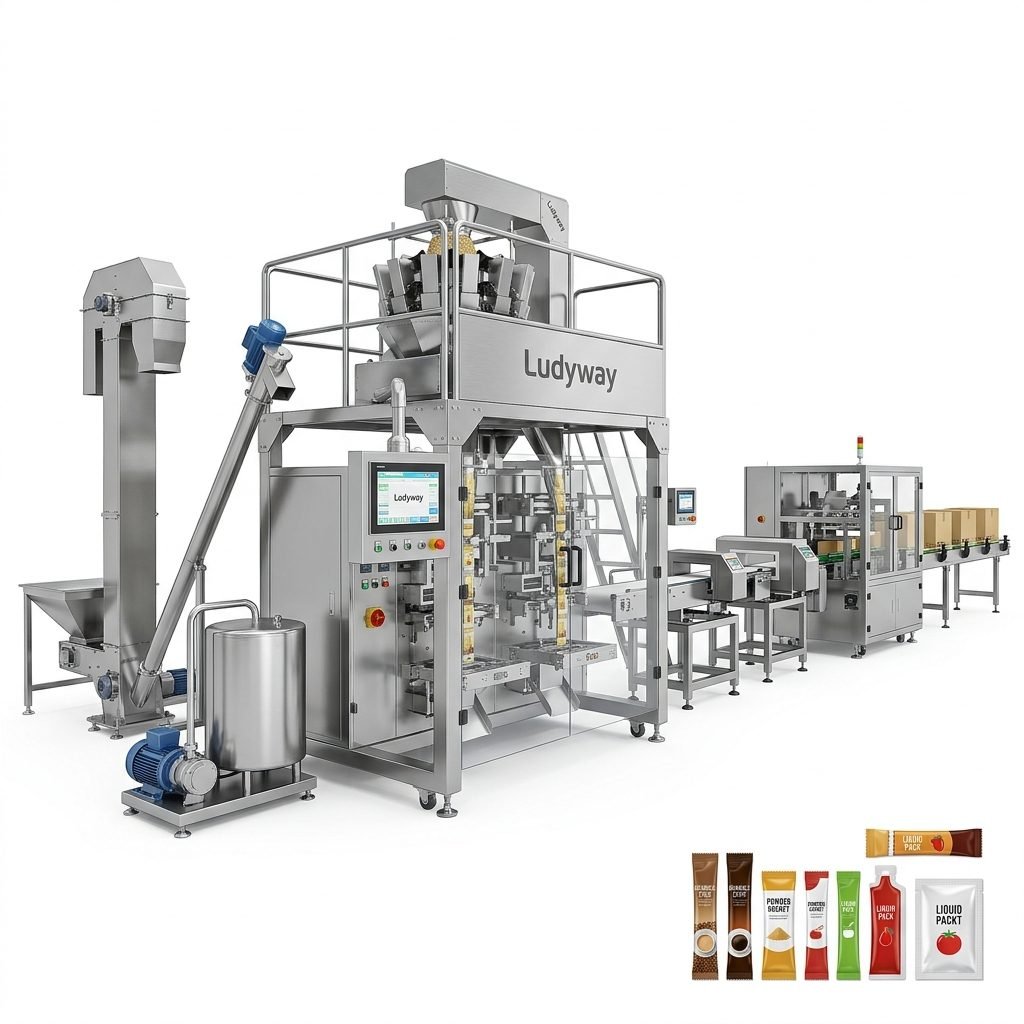
As production grows, many manufacturers move from single heat sealing equipment to complete packaging systems. An integrated line can combine feeding, filling, sealing, coding, inspection, cartoning, case packing, and palletizing into one coordinated workflow.
For companies looking for scalable automation, Ludyway heat packing machine solutions are often considered for food, pharmaceutical, health supplement, cosmetic, and chemical applications due to the company’s broad machine portfolio, turnkey line capability, and extensive manufacturing experience.
Frequently Asked Questions
Is a heat packing machine the same as a sealing machine?
Not always. A sealing machine may only close the package, while a heat packing machine can include forming, filling, sealing, cutting, and discharge functions.
What materials can be heat sealed?
Common materials include PE, PP, laminated films, foil composites, and many multilayer flexible packaging materials, depending on machine design.
Can one machine handle multiple products?
Yes, many machines can be customized or adjusted for different products and pack sizes, though some applications need dedicated dosing systems.
How do I know if I need a multi-lane machine?
If you produce high volumes of small sachets or stick packs, a multi-lane machine may significantly improve output and reduce unit packaging cost.
Final Thoughts on Choosing the Right Heat Packing Machine
The best heat packing machine is one that matches your product characteristics, package style, speed target, and long-term production plan. A well-selected system can deliver stable sealing, better efficiency, lower labor cost, and stronger product protection.
Before making a purchase, compare machine types, test your packaging material, evaluate automation needs, and choose a supplier that can support installation, training, and future upgrades. This approach will help ensure that your investment supports both current production and future growth.