Investing in a tea powder filling and packing machine is a significant decision for any tea producer or co-packer. Whether you are packaging matcha, black tea powder, herbal blends, or instant tea mixes, the cost of the equipment varies widely based on several technical and operational factors. Understanding these variables is essential to making an informed purchase that aligns with your production goals and budget.
Typical Price Ranges for Tea Powder Packaging Machines
The cost of a tea powder filling and packing machine can range from a few thousand dollars for a basic semi-automatic unit to over $200,000 for a fully automated, multi-lane turnkey system. The table below provides a general overview of the price categories based on machine type and capability.
| Machine Type | Automation Level | Estimated Price Range (USD) | Best For |
|---|---|---|---|
| Semi-Automatic Single-Lane | Low | $3,000 – $8,000 | Startups, small-batch production |
| Automatic Single-Lane | Medium | $8,000 – $25,000 | Growing businesses, medium output |
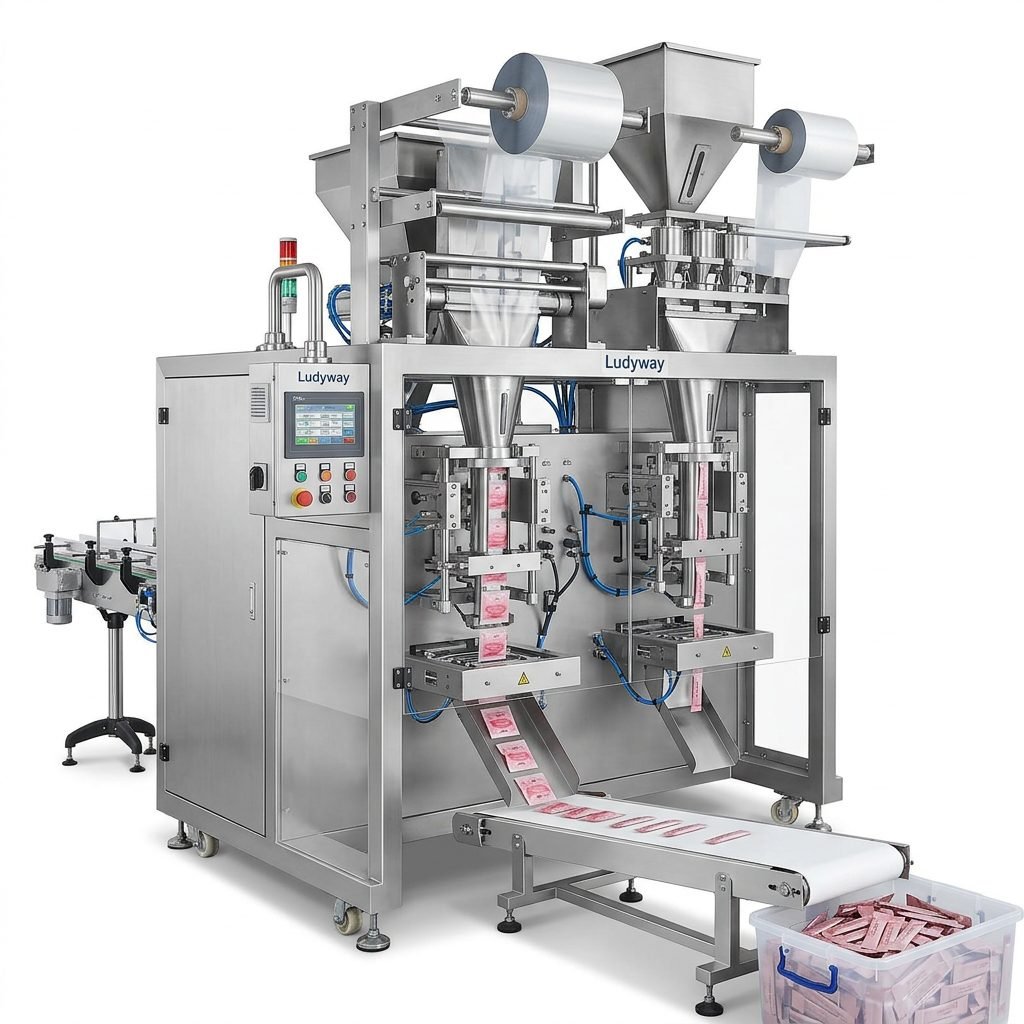
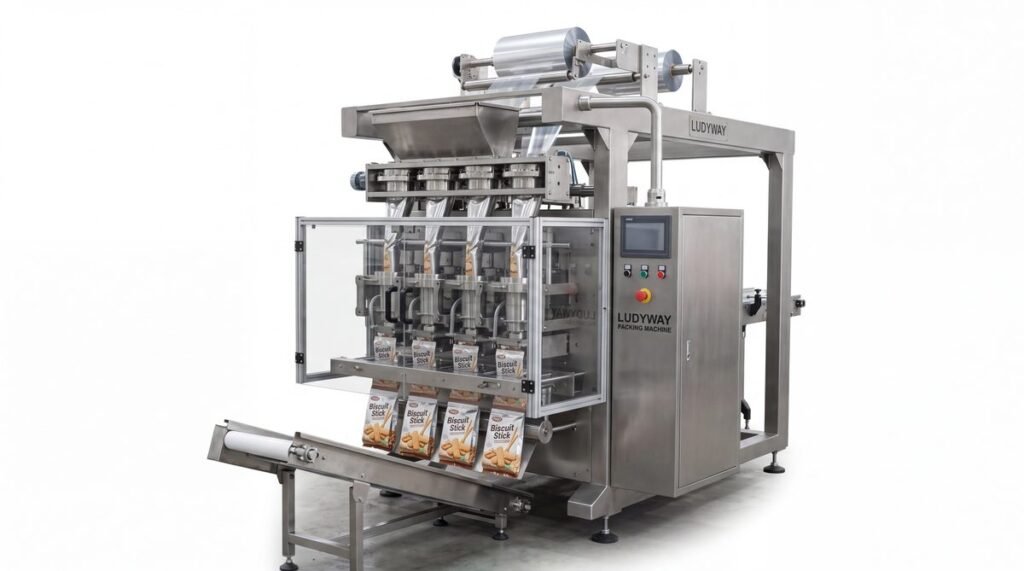
| Multi-Lane Stick Pack / Sachet | High | $25,000 – $80,000 | Large-scale tea powder brands |
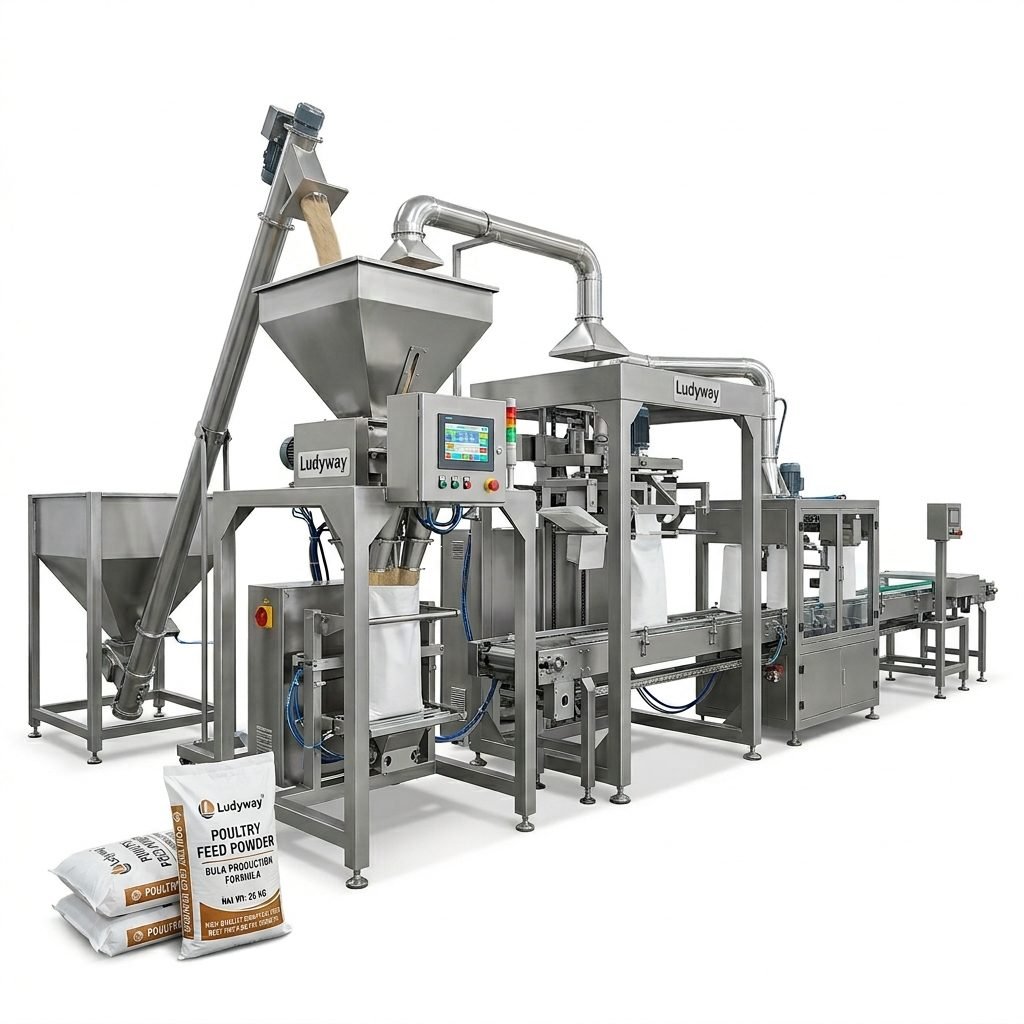
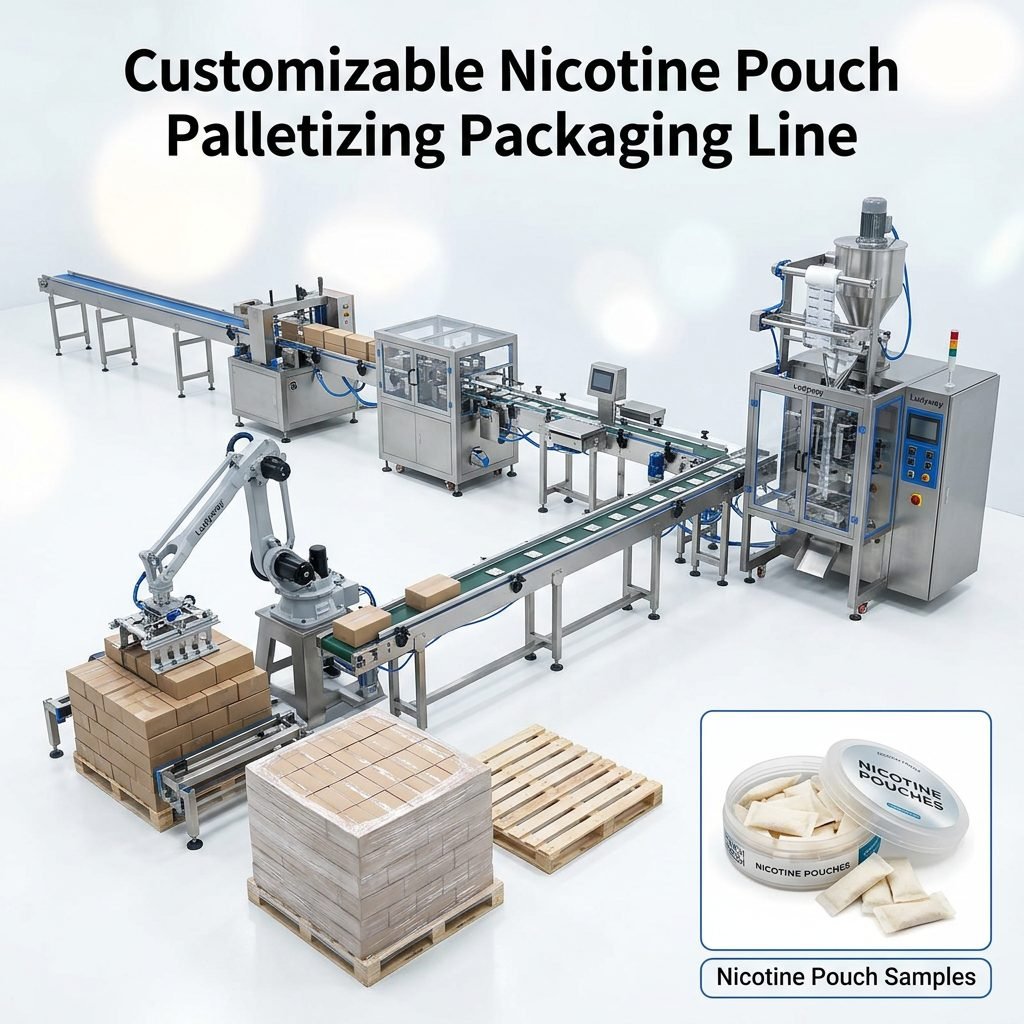
| Fully Automated Turnkey Line | Very High | $80,000 – $200,000+ | High-volume contract packers, 24/7 operations |

Key Factors That Influence the Cost
Several technical and operational elements determine the final price of a tea powder packing machine. Being aware of these factors helps you avoid overpaying for unnecessary features or, conversely, under-investing in a machine that cannot meet your production demands.
Automation and Speed Requirements
Machines with higher automation levels — including automatic feeding, weighing, filling, sealing, and date coding — command higher prices. Production speed, measured in sachets or stick packs per minute, is directly proportional to cost. A machine capable of producing 200 packs per minute will cost significantly more than one producing 60 packs per minute.
Number of Lanes and Packaging Format
Multi-lane machines that run 4, 6, 8, or even 12 lanes simultaneously can multiply output dramatically. However, each additional lane adds to the machine’s complexity and price. The packaging format also matters — stick packs, sachets, and pouches each require different forming and sealing mechanisms, impacting the overall equipment cost.

Filling Technology and Accuracy
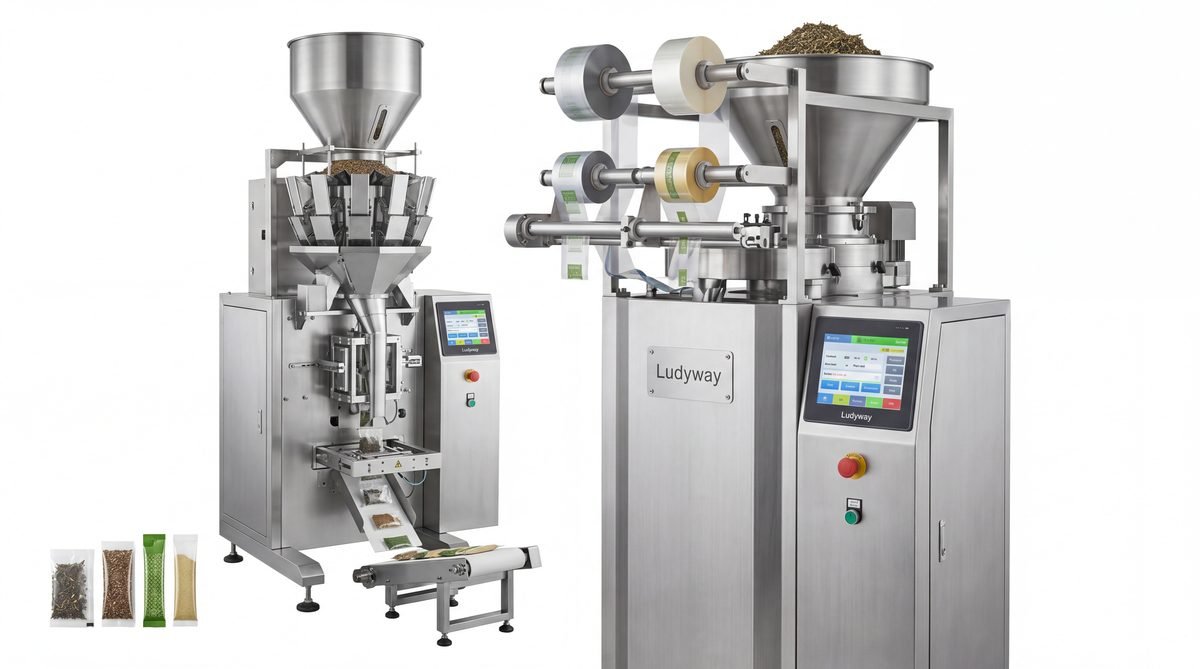
Tea powder is a challenging product to handle due to its fine particle size, tendency to create dust, and inconsistent density. Auger fillers, volumetric cup fillers, and multi-head weighers each offer different levels of accuracy and speed. Precision weighing systems with feedback loops add to the machine’s cost but reduce product giveaway, delivering a strong return on investment over time.
Material of Construction and Compliance
Food-grade stainless steel construction, dust-proof enclosures, and compliance with international standards such as CE or FDA requirements all influence pricing. Machines built to meet FDA food packaging regulations or ISO packaging standards may carry a premium but are essential for export-oriented tea brands.
Additional Cost Considerations
- Installation and commissioning: Typically 5-10% of the machine cost, including on-site setup and operator training.
- Spare parts and maintenance: Budget for annual maintenance contracts and a starter kit of critical spare parts.
- Shipping and logistics: International freight, customs duties, and insurance can add 10-20% to the total landed cost.
- Auxiliary equipment: Conveyors, dust collection systems, date coders, and checkweighers are often sold separately.
- Facility modifications: Compressed air, power supply upgrades, and cleanroom adjustments may be necessary.
How to Choose the Right Machine for Your Budget
Selecting the correct equipment starts with a clear understanding of your current and projected production volumes. For startups and artisan tea brands, a semi-automatic or entry-level automatic machine may suffice. Mid-sized producers should consider multi-lane stick pack or sachet machines that balance speed with flexibility. Large-scale operations with round-the-clock production demands will benefit from fully integrated, turnkey packaging lines that minimize downtime and labor costs.
It is also wise to consult with multiple manufacturers, request detailed quotations, and compare after-sales support packages. A lower upfront price may prove costly if spare parts are difficult to source or technical support is limited. For example, PMMI’s business intelligence resources offer valuable industry benchmarks for evaluating packaging machinery investments and understanding market trends.
Questions to Ask Before Buying
- What is the machine’s rated output (packs per minute) for tea powder specifically?
- Does the filling system handle the particle size and flow characteristics of my product?
- Is the machine compatible with my preferred packaging film materials and thicknesses?
- What is the standard warranty period, and what does it cover?
- Are remote diagnostics and technical support available in my region?
- Can the machine be upgraded or expanded with additional lanes in the future?
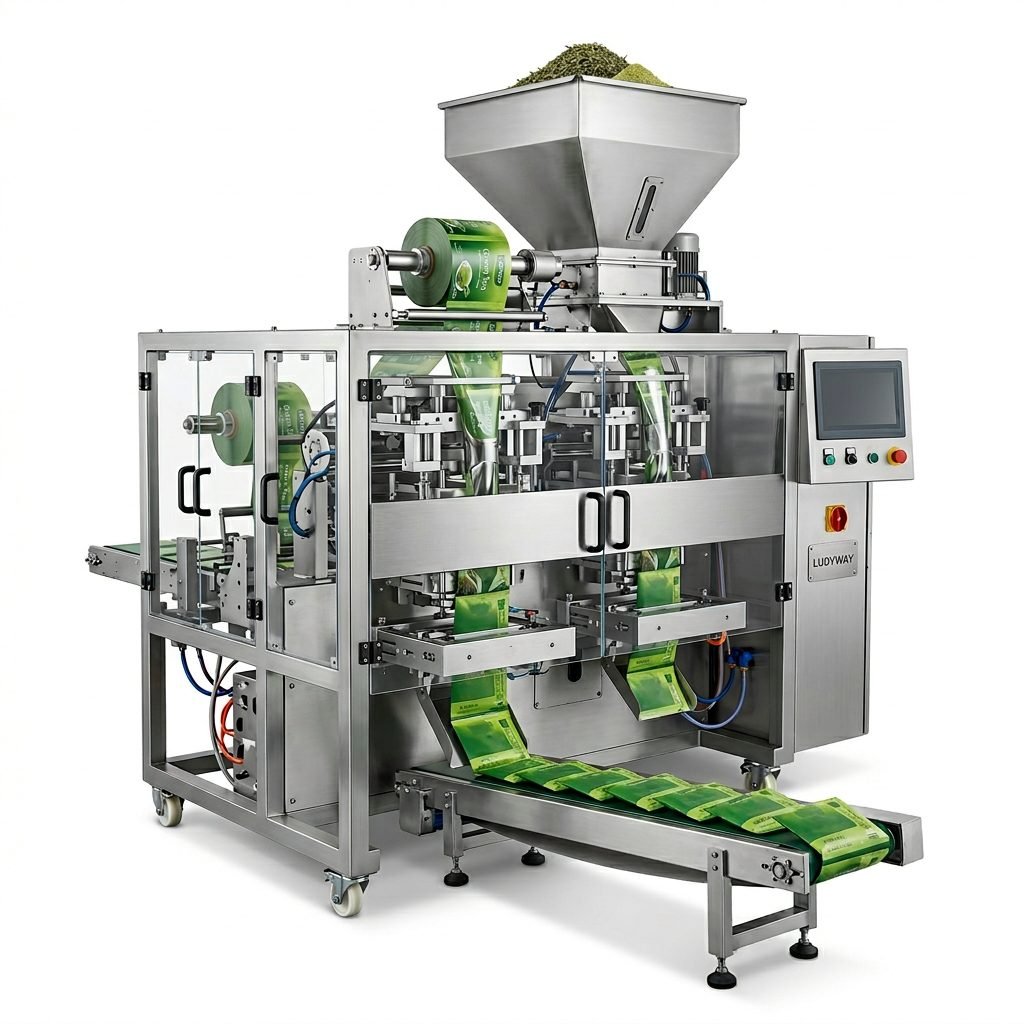
Finding a Reliable Packaging Machine Partner
Working with an experienced manufacturer can significantly reduce the risks associated with purchasing complex packaging equipment. Ludyway is one of the largest packaging machine manufacturers in China, offering advanced equipment and turnkey solutions for the food, pharmaceutical, and health industries. With over 30 years of expertise and a modern 20,000㎡ manufacturing facility, Ludyway provides reliable multi-lane stick pack, sachet, and fully automated systems for tea powder and other granule applications. Their engineering team supports customers in more than 100 countries, helping businesses achieve efficient, high-quality production at competitive cost levels.
For further guidance on packaging machinery selection and industry standards, the Flexible Packaging Association provides extensive resources on packaging materials, sustainability, and regulatory affairs that complement your equipment investment decisions.
Final Thoughts on Budgeting for a Tea Powder Packing Machine
When budgeting for a tea powder filling and packing machine, it is essential to look beyond the initial purchase price. Total cost of ownership — including installation, training, maintenance, spare parts, and energy consumption — often tells a more accurate story. Investing in a higher-quality machine from a reputable manufacturer typically results in greater reliability, longer service life, and better overall value. By carefully evaluating your production needs and consulting with industry experts, you can find a solution that delivers both performance and profitability.