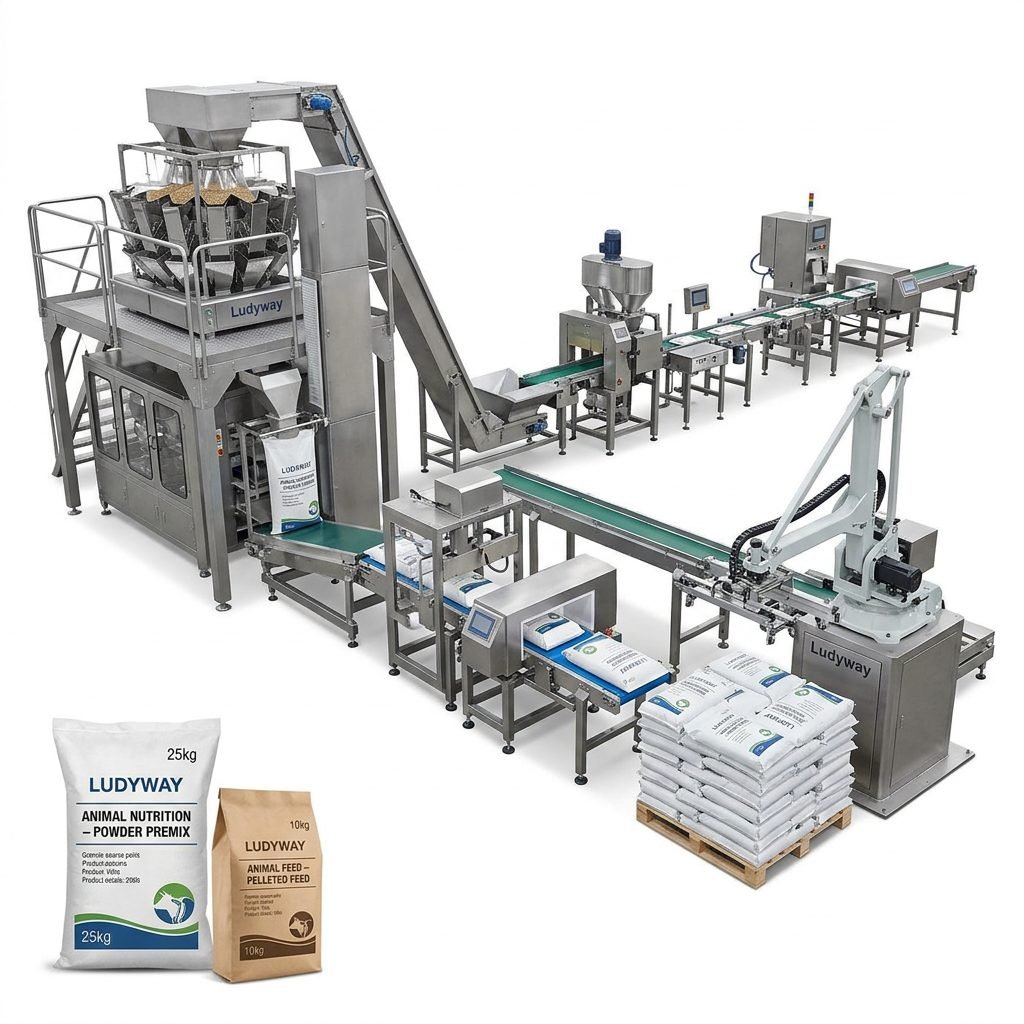
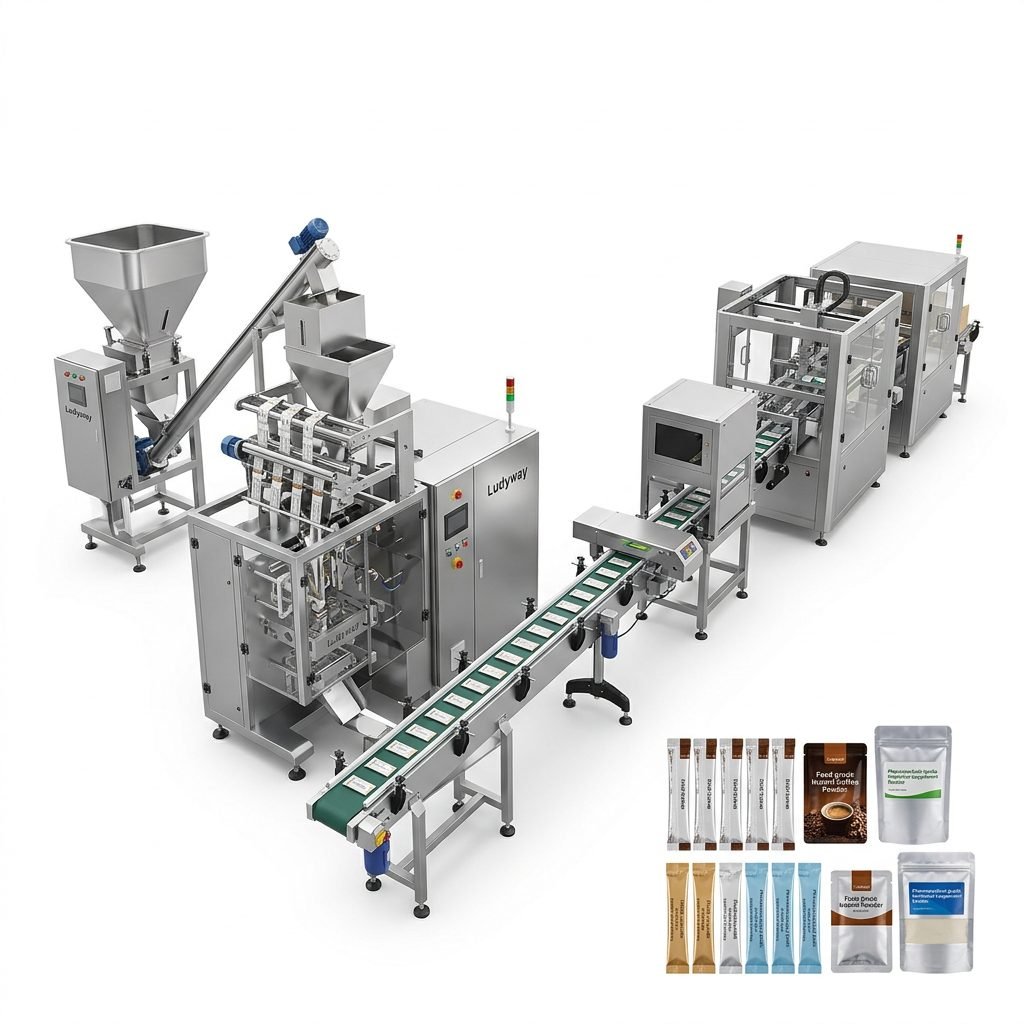
The Polish food and beverage sector is one of the most dynamic in Central and Eastern Europe, presenting vast opportunities for manufacturers who can combine efficiency with compliance. To successfully navigate this market, selecting the right food packaging machine goes beyond mere transport and containment. It requires a deep dive into local EU regulations, specific product consistencies, and the growing consumer demand for convenience. Here are the essential factors to evaluate before making your investment.
1. Navigating Polish and EU Packaging Compliance
Compliance is the foundational requirement for any machinery operating in Poland. All equipment must bear the CE marking, confirming adherence to EU health, safety, and environmental protection standards. Additionally, Poland strictly follows the EU Framework Regulation on food contact materials. You must ensure your packaging machine can handle approved, food-safe films that prevent contamination. For further guidance, the latest European Commission directives on Packaging and Packaging Waste are indispensable resources for sustainable planning.

2. Adapting to Product Characteristics and Popular Formats
Polish consumers favor convenient, single-serve formats, making multi-lane systems extremely profitable. Your specific product state—whether it’s free-flowing powder, sticky liquid, or delicate granules—dictates the engineering of the filler.
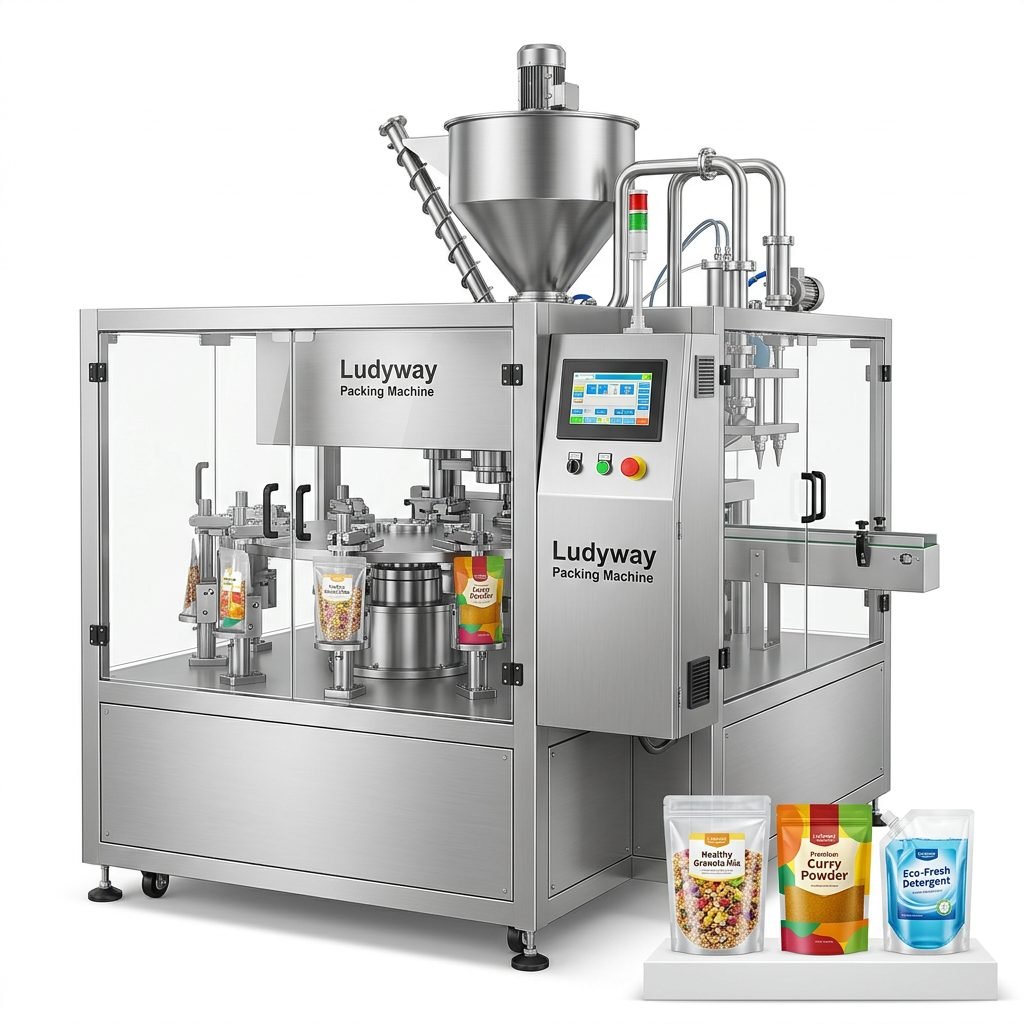
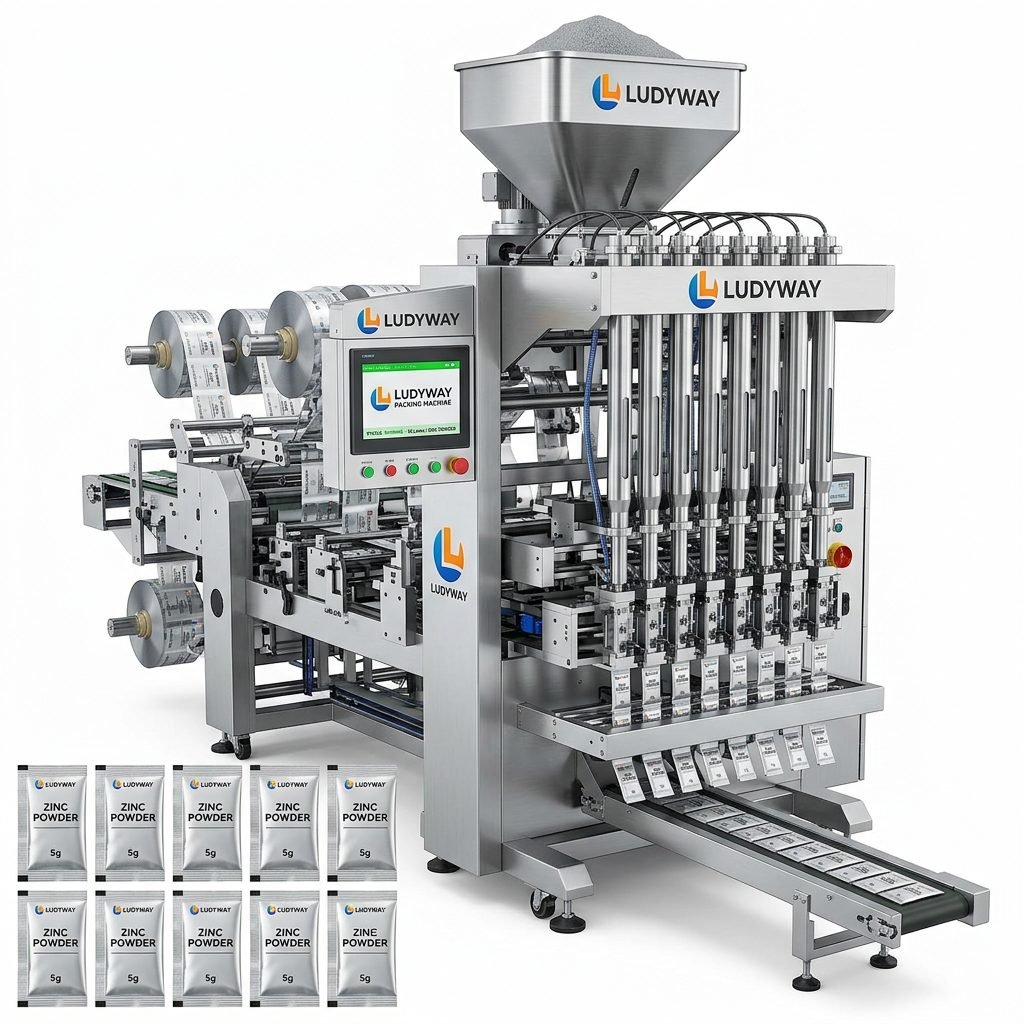
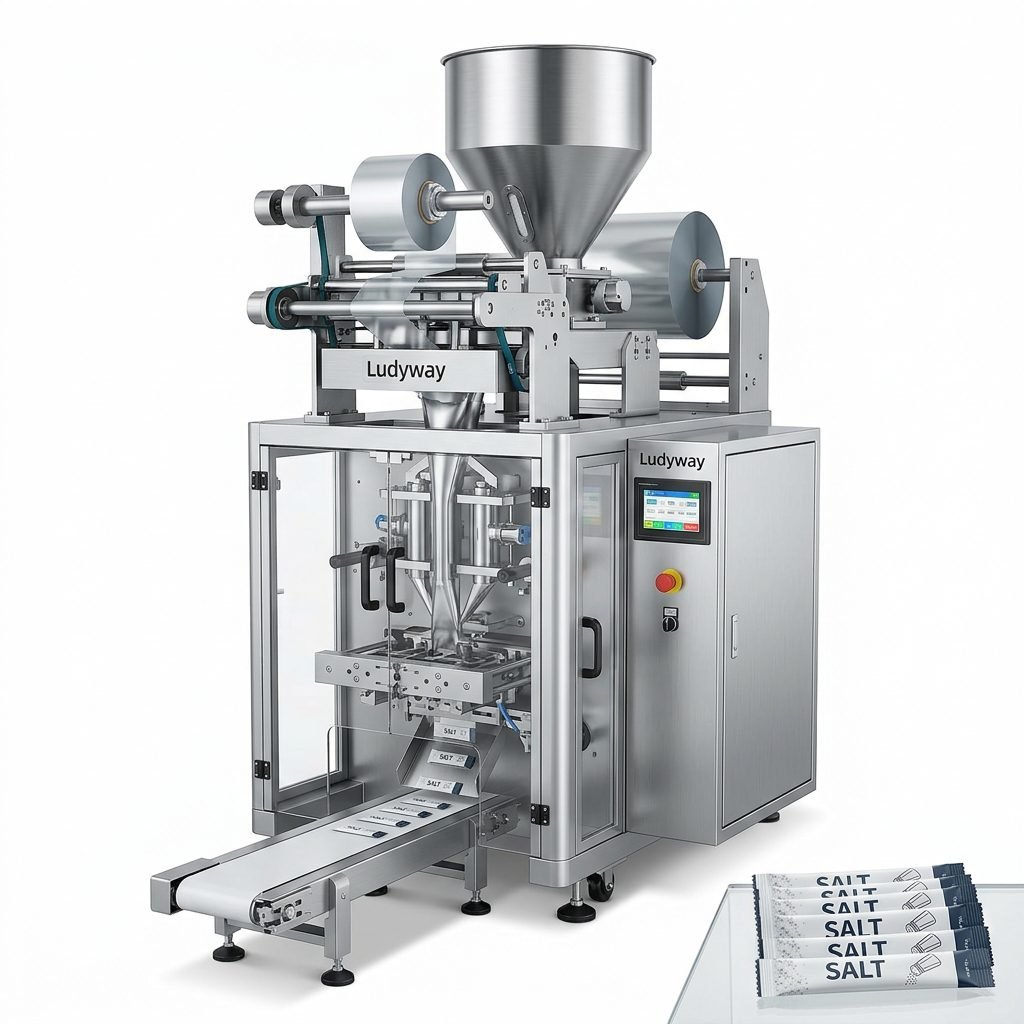
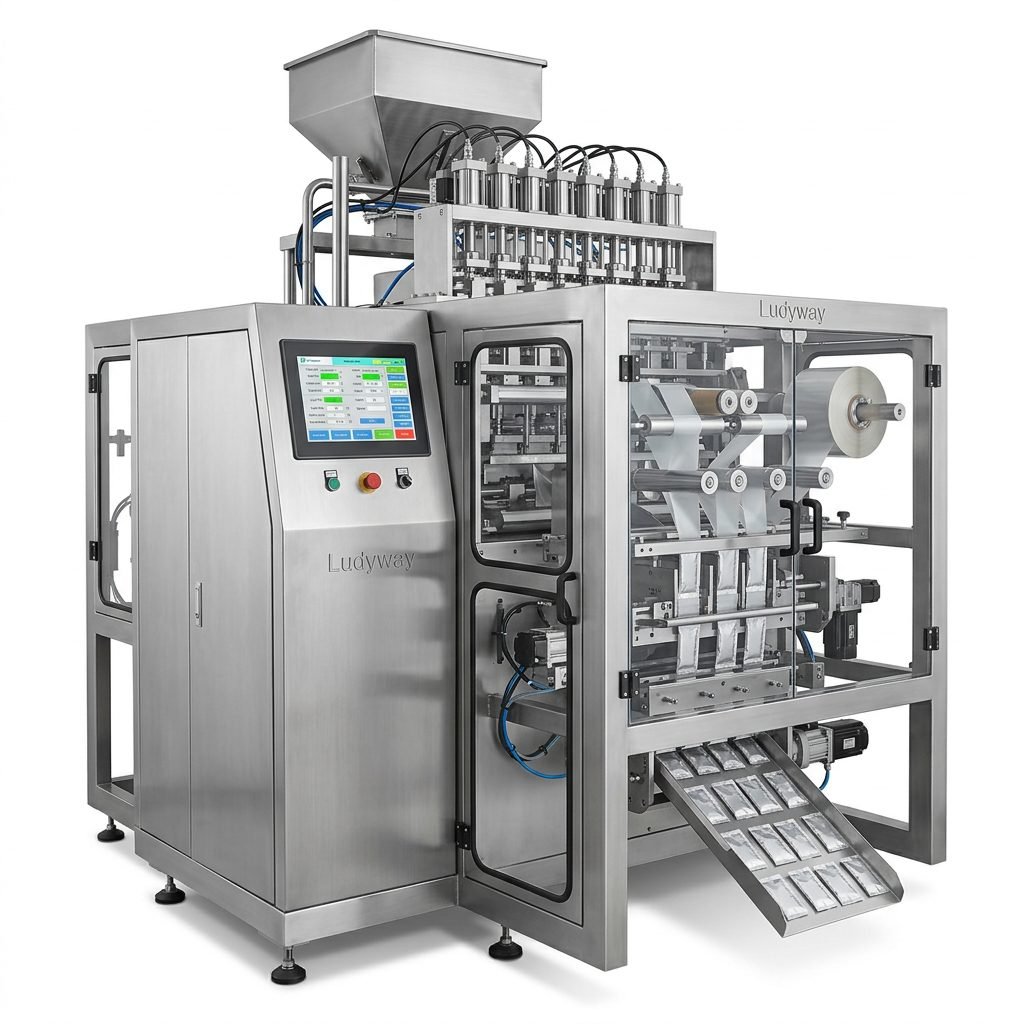
- Stick Pack Machines: Essential for sugar, instant coffee, and salty snacks. The multi-lane stick pack design maximizes speed for lightweight powder products.
- Liquid Sachet Systems: Required for condiments, sauces, and dairy products, demanding high-accuracy piston or servo pumps.
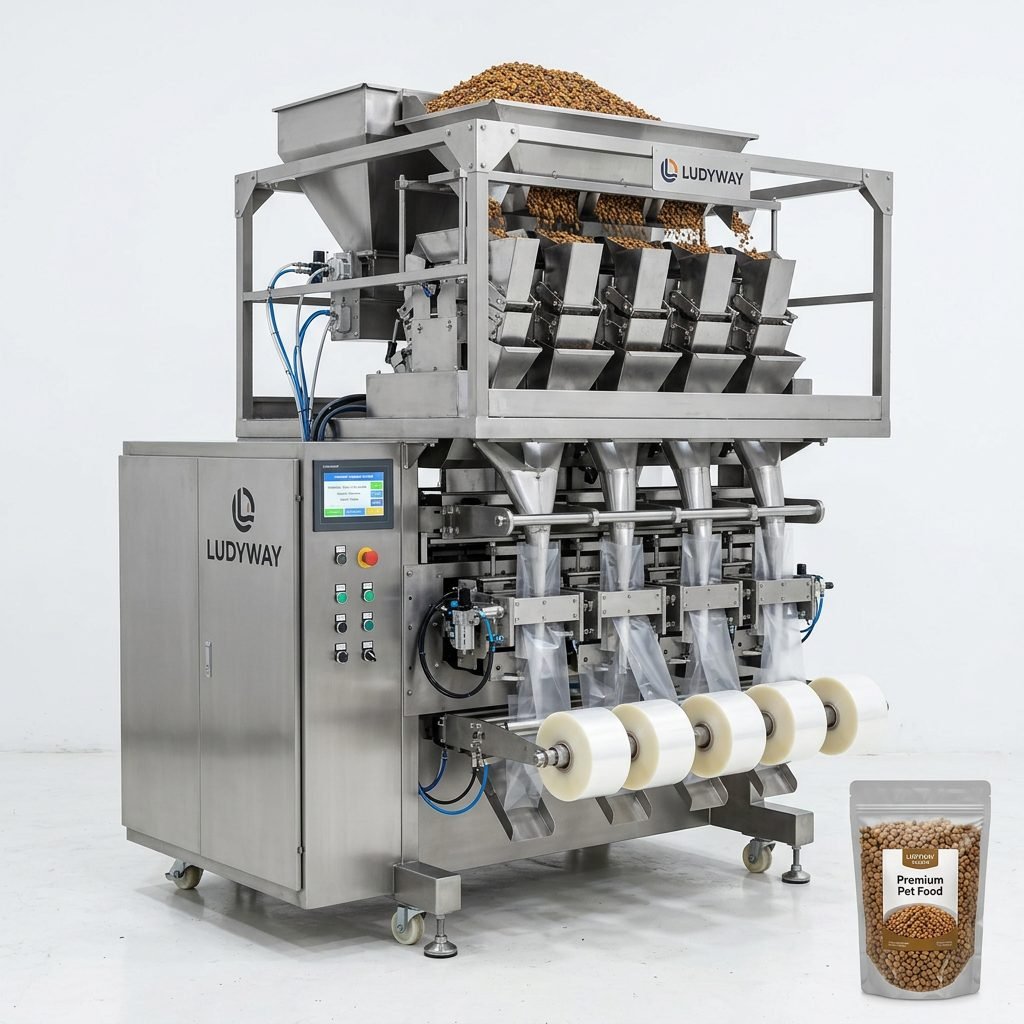
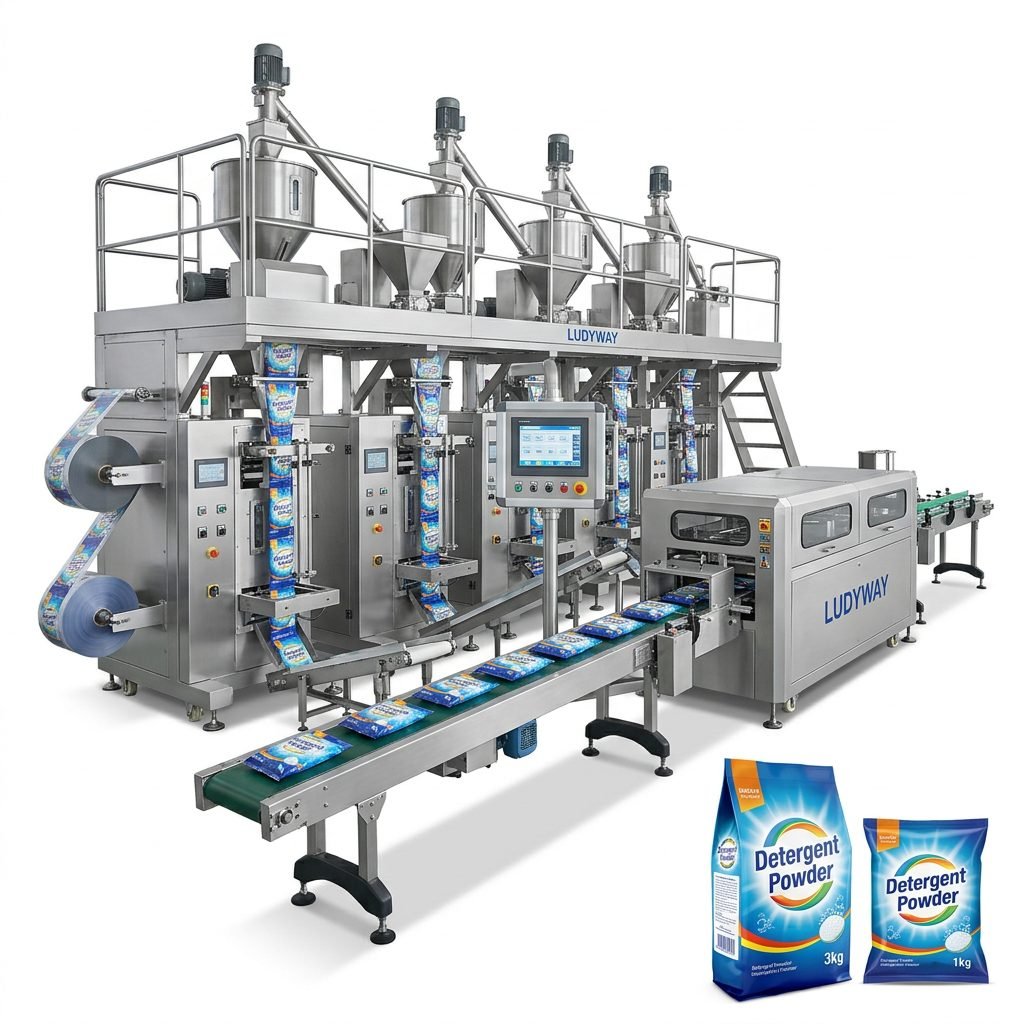
- Granule Packaging Lines: Often used for pet food, nuts, and agricultural seeds, requiring robust volumetric or multi-head weighers.
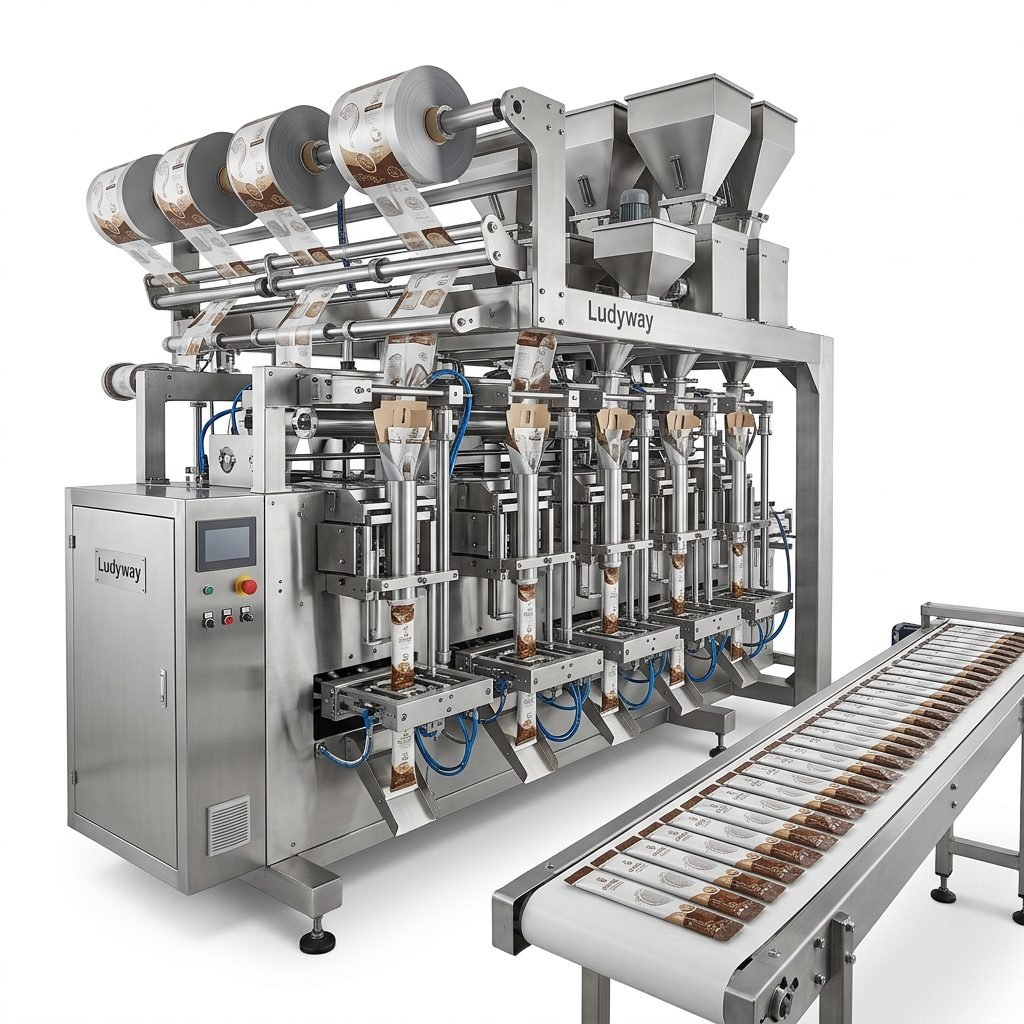
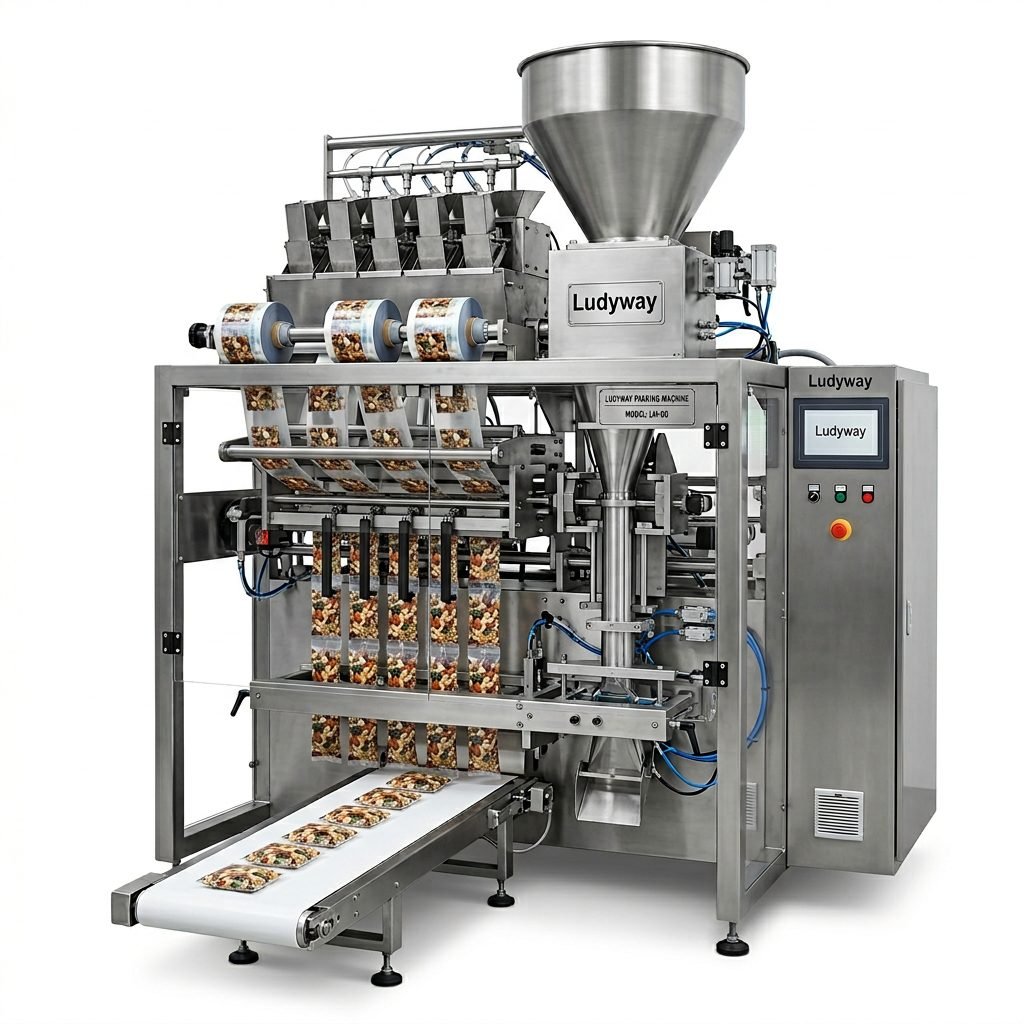
3. Evaluating Automation Levels Against Rising Labor Costs
With the Polish labor market tightening and minimum wage costs increasing steadily, automating your end-of-line processes is crucial for maintaining margins. Choosing between a semi-automatic and a fully automatic line drastically impacts your long-term return on investment.
| Feature | Semi-Automatic Machine | Fully Automatic Production Line |
|---|---|---|
| Labor Requirement | 2-4 Operators | 0-1 Operator (Supervision only) |
| Output (Packs/Min) | 20 – 50 | 80 – 200+ |
| Waste Reduction | Moderate | High (Servo-Driven Precision) |
| Suitable for Polish Market | Startups / Short Runs | Export-Oriented / High-Volume |
4. Technical Specifications for Polish Factories
Before signing a contract, verify the electrical design. Polish industrial power runs on 400V/50Hz (three-phase). Ensure the machine integrates seamlessly with existing upstream and downstream equipment. Look for stainless steel construction (AISI 304 or 316) for any parts interacting with food products, especially in the dairy and meat sectors, which are prominent in Poland.
5. The Importance of After-Sales Support in Central Europe
Downtime is the enemy of profitability in the fast-paced FMCG sector. When selecting a partner, prioritize suppliers who offer comprehensive technical support, remote monitoring, and quick access to spare parts within the EU. As one of the leading packaging machine manufacturers, Ludyway supports over 100 countries globally with a 30-year track record, highlighting the importance of reliability and engineering excellence when scaling production for the European market.
6. Sustainability: A Must-Have for the Polish Consumer
Poland has rapidly adopted the EU green agenda. Consumers are actively choosing recyclable packaging. Your machine must be compatible with eco-friendly films, including bio-materials and thin-gauge recyclable mono-structures, without sacrificing seal integrity. Refer to the Flexible Packaging Association’s resources to stay updated on material innovations that your machine vendor must support.
7. Budgeting: Total Cost of Ownership vs. Purchase Price
Smart buyers in the Polish market look beyond the initial Capex. A “cheap” machine that wastes film or breaks down frequently will destroy your competitive edge. Calculate the total cost of ownership over 5 years, factoring in energy consumption, air pneumatics, and film yield. Premium machinery with high-efficiency servo motors often pays for itself within the first two years through material savings alone. For industry-standard benchmarks, review the PMMI State of the Industry reports.
Key Decision Checklist
- Does the machine carry the necessary CE certifications?
- Can it switch between recyclable films easily?
- What is the supplier’s average response time for technical support in Poland?
- Is the filling system optimized for your specific viscosity or granule size?