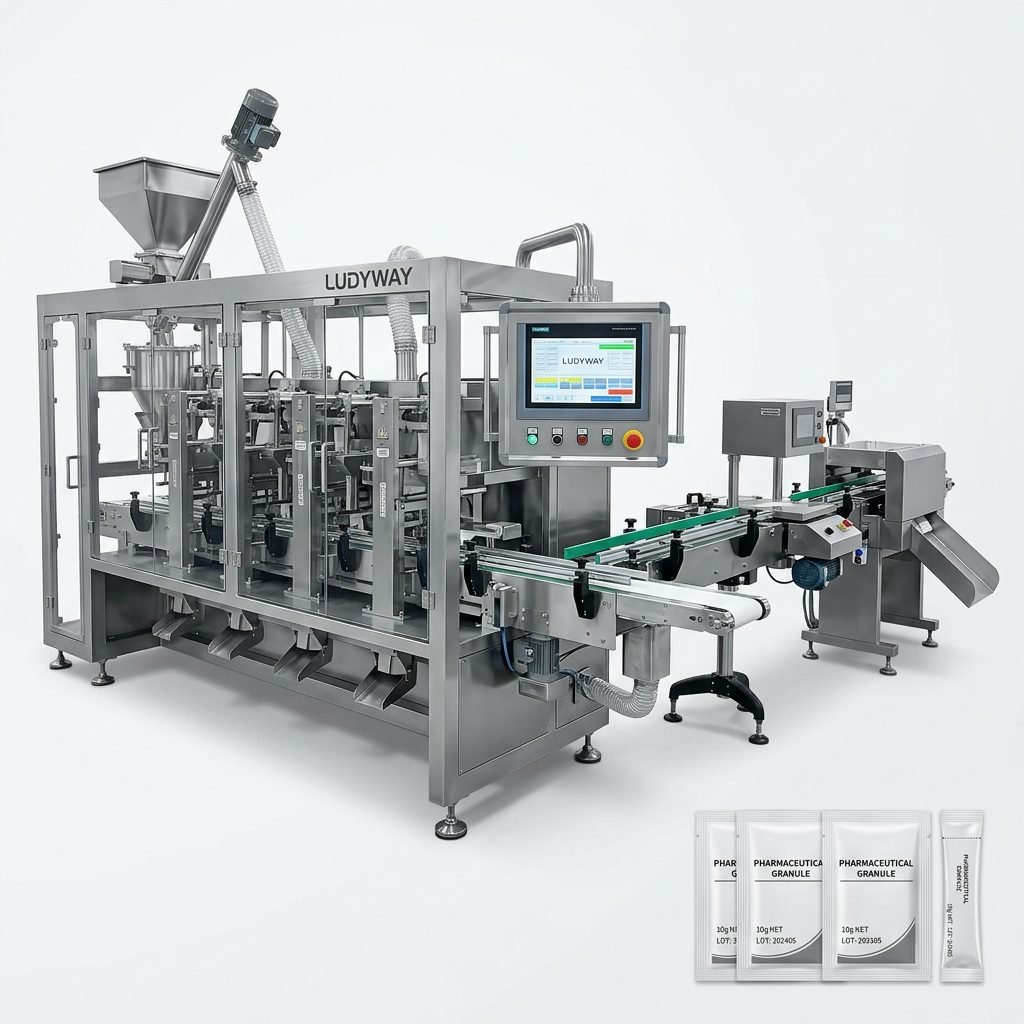
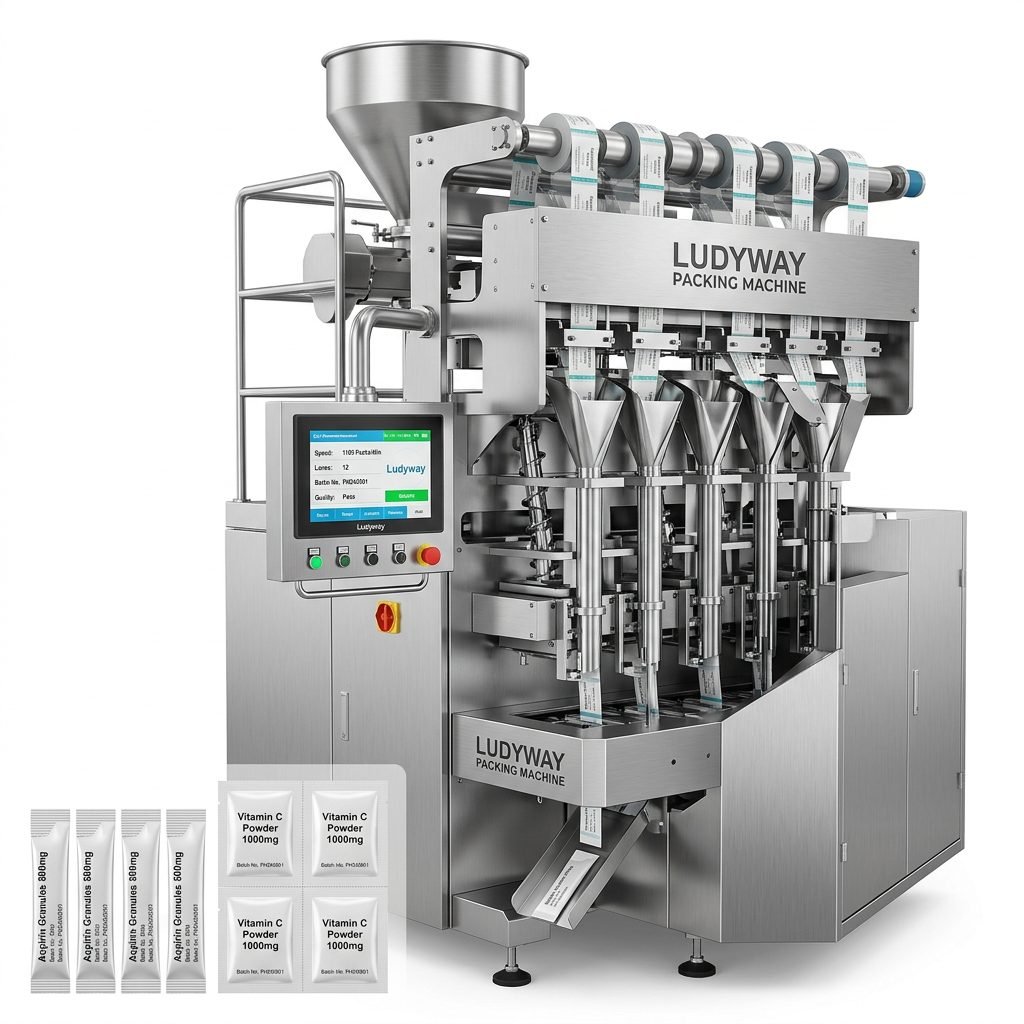
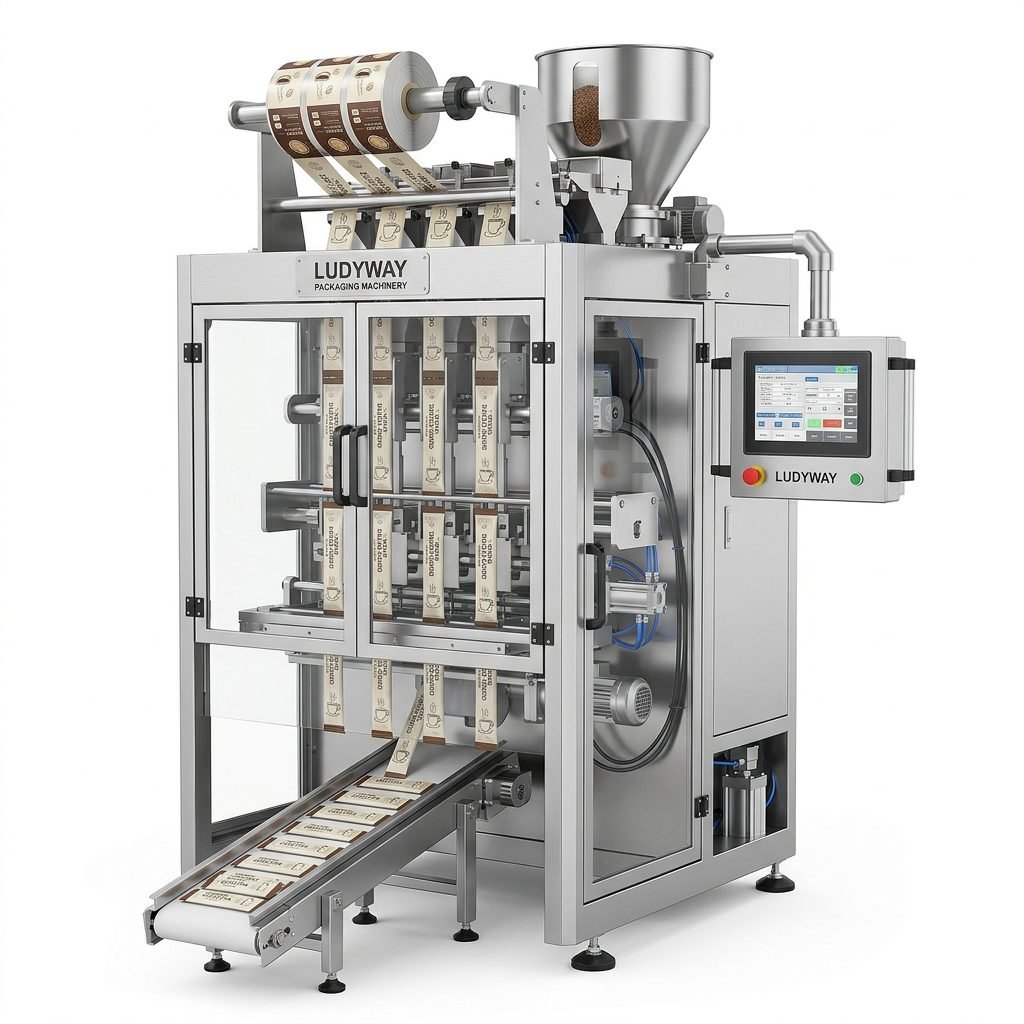
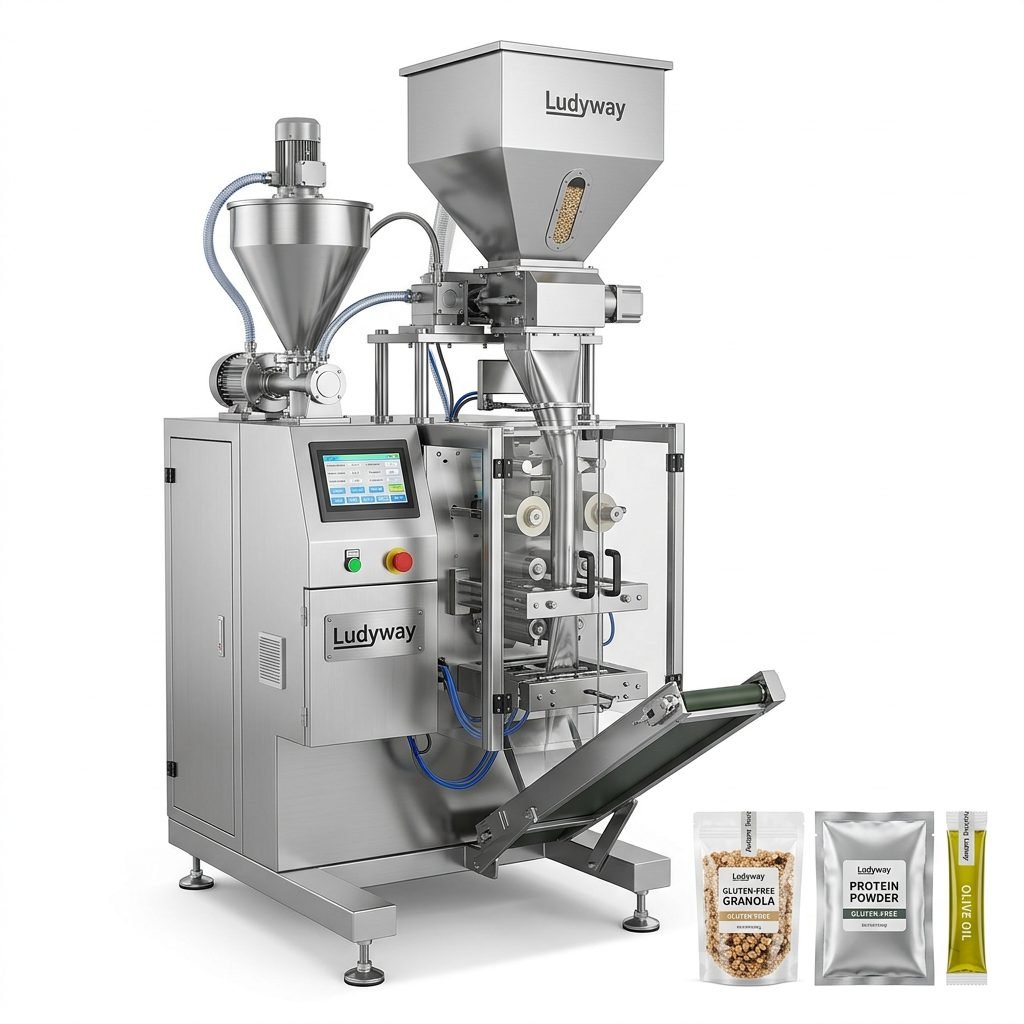
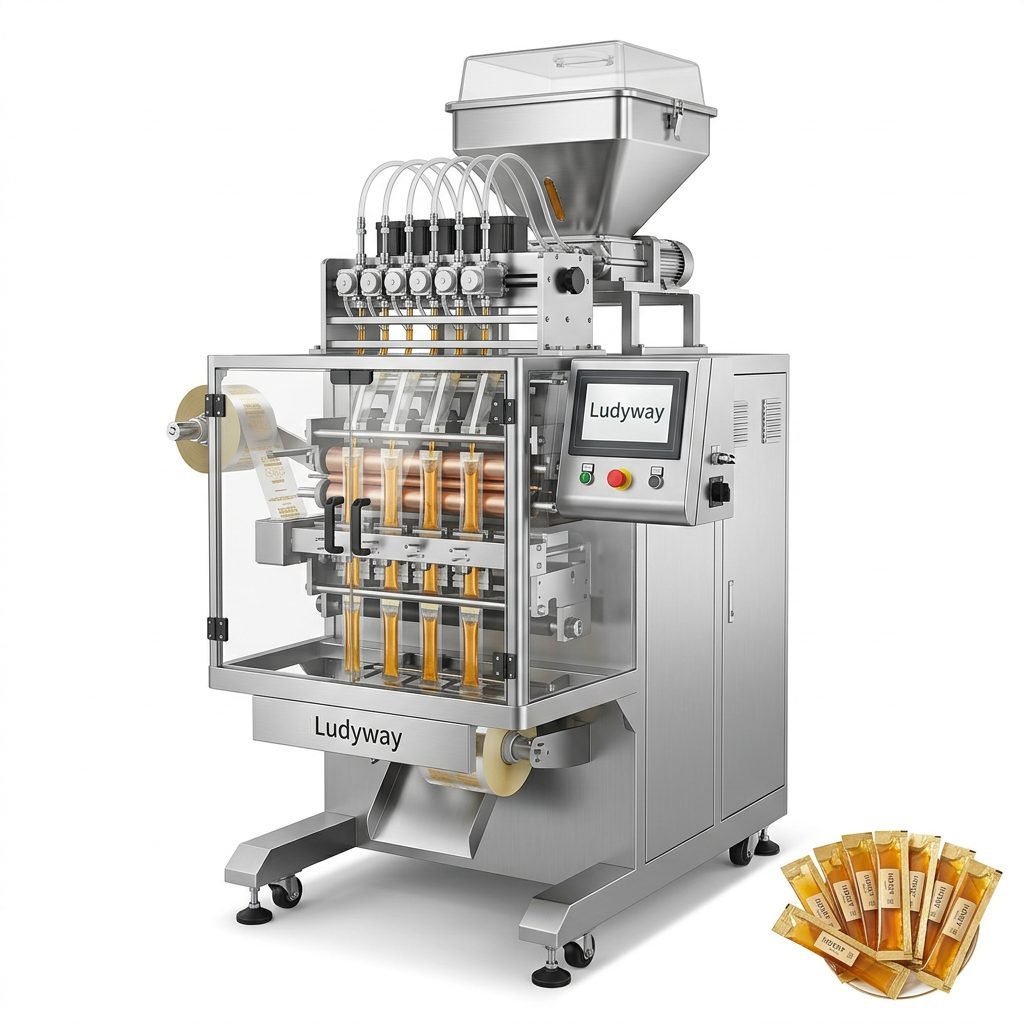
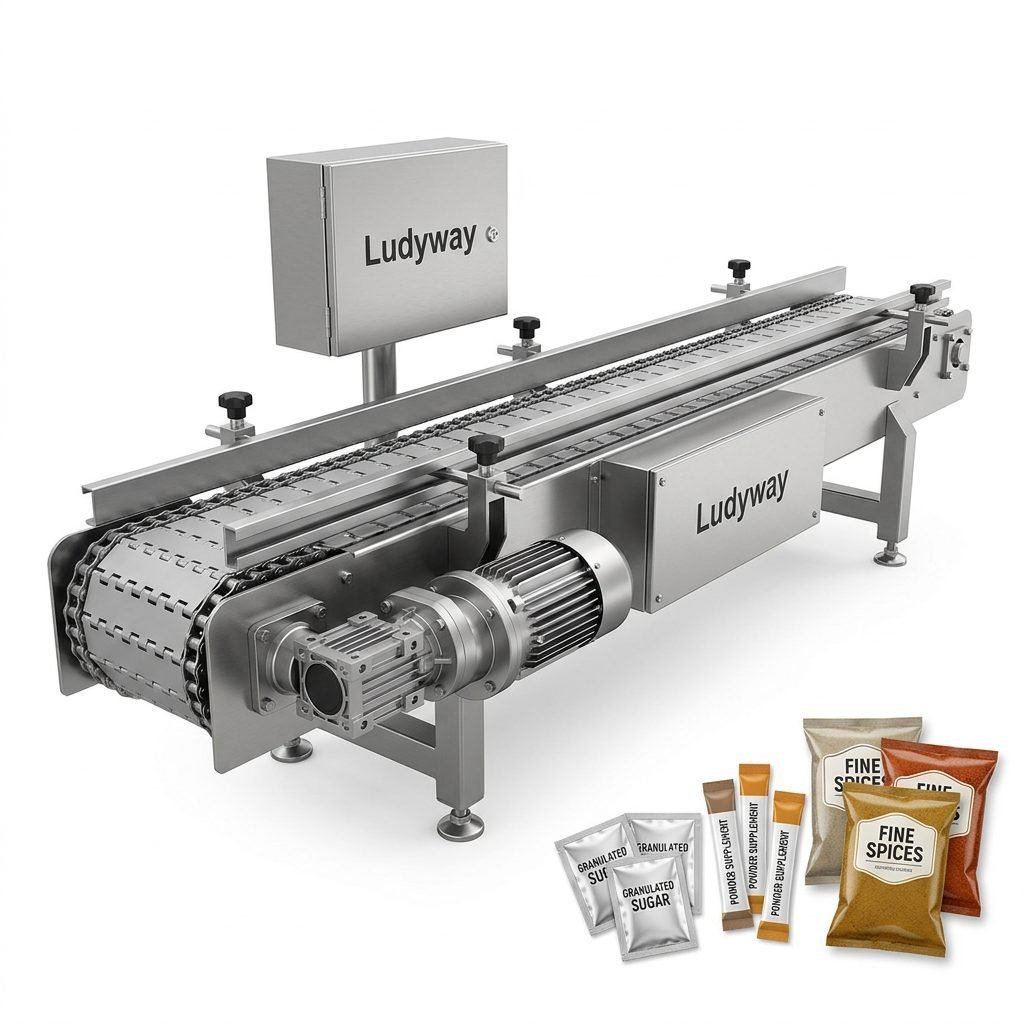
Investing in a tea powder spiral packaging machine is a significant step for tea producers, herbal supplement manufacturers, and instant beverage brands looking to scale operations. A common question among business owners is: how much does a tea powder spiral packaging machine cost? The answer isn’t a single figure, as the price varies widely based on technology, capacity, and configuration. Understanding the key cost drivers will help you budget effectively and choose the right equipment for your production line.
Key Factors Influencing Machine Price
Several variables determine the final investment for your equipment. Here are the primary specifications that impact the price point:
1. Level of Automation
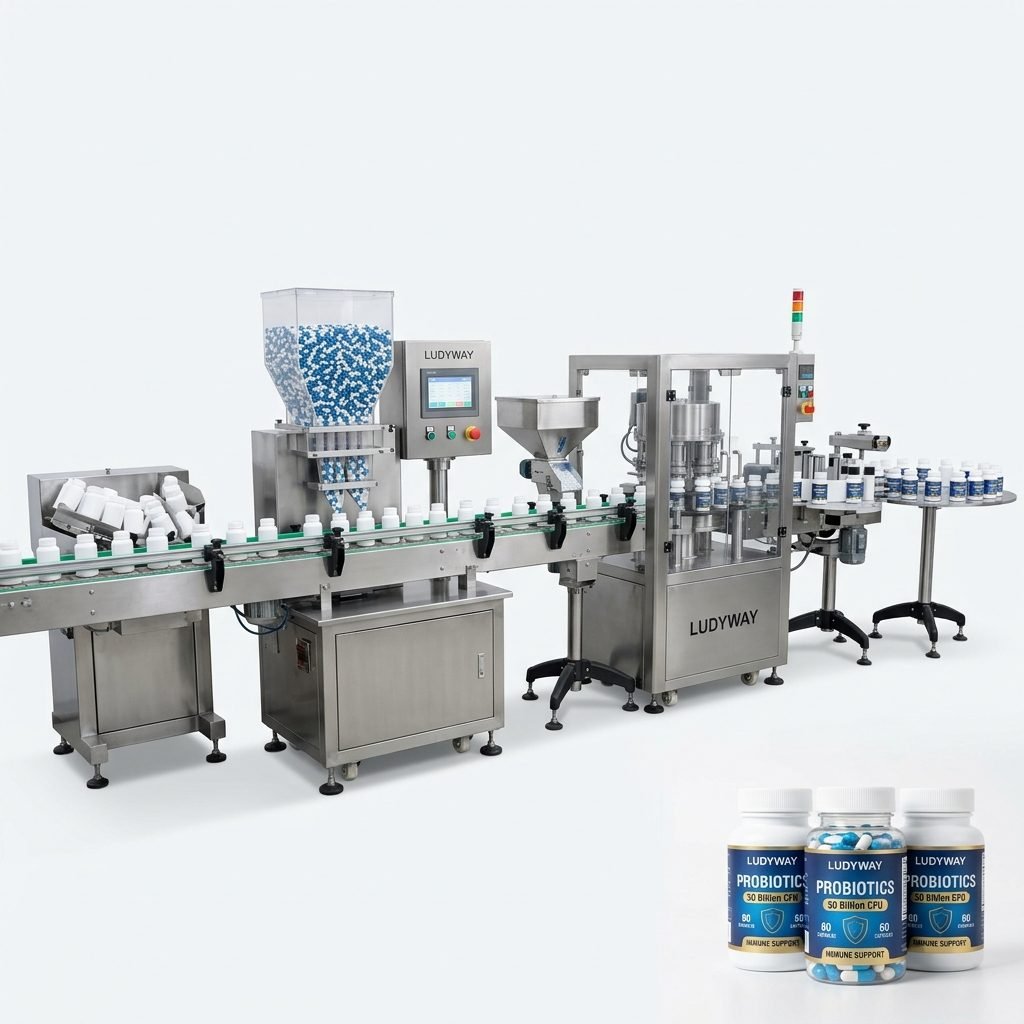
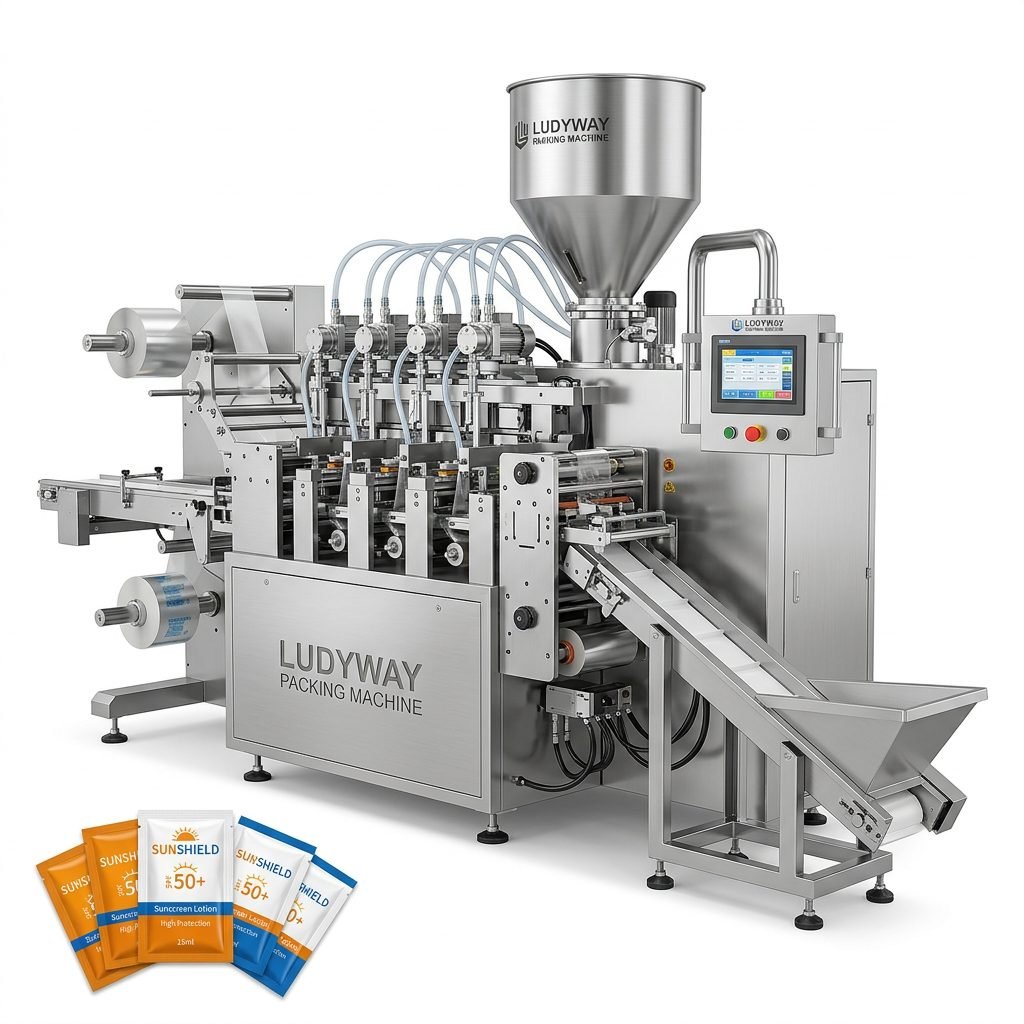
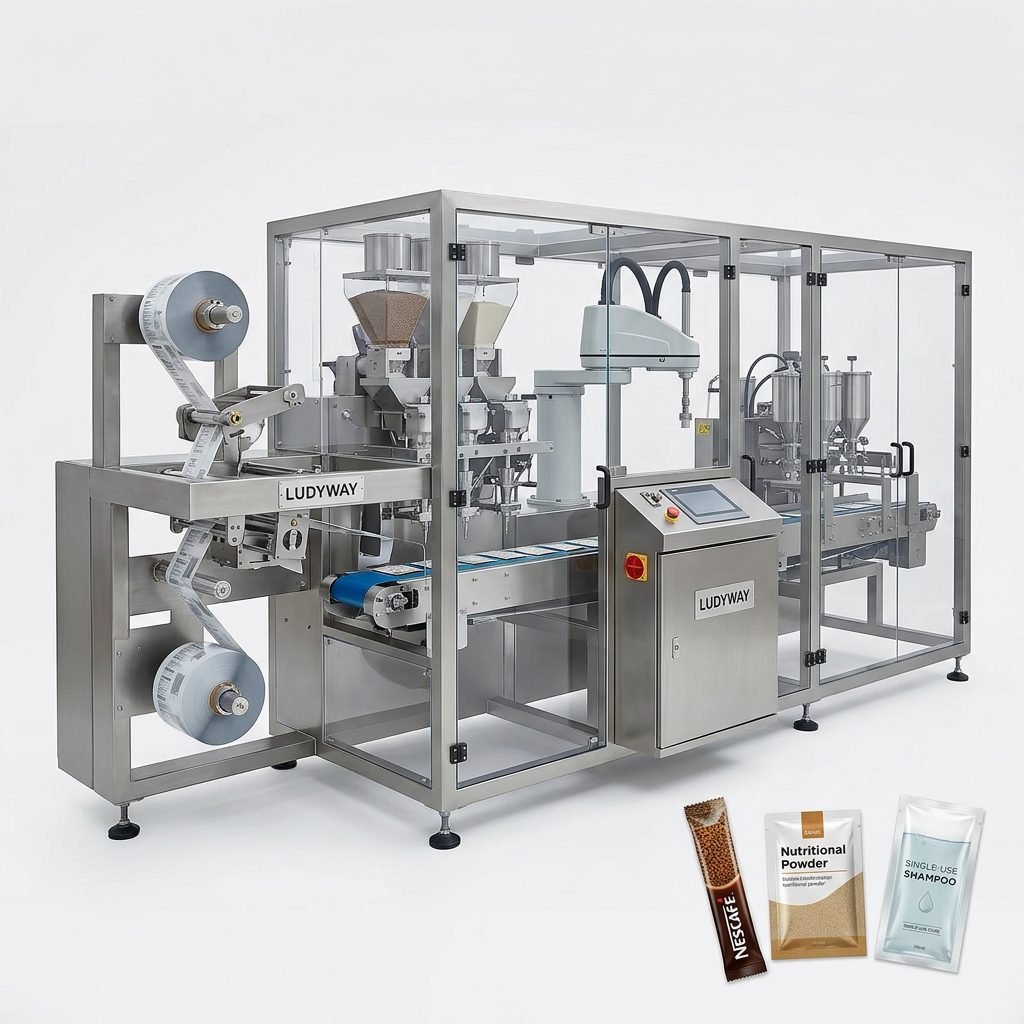
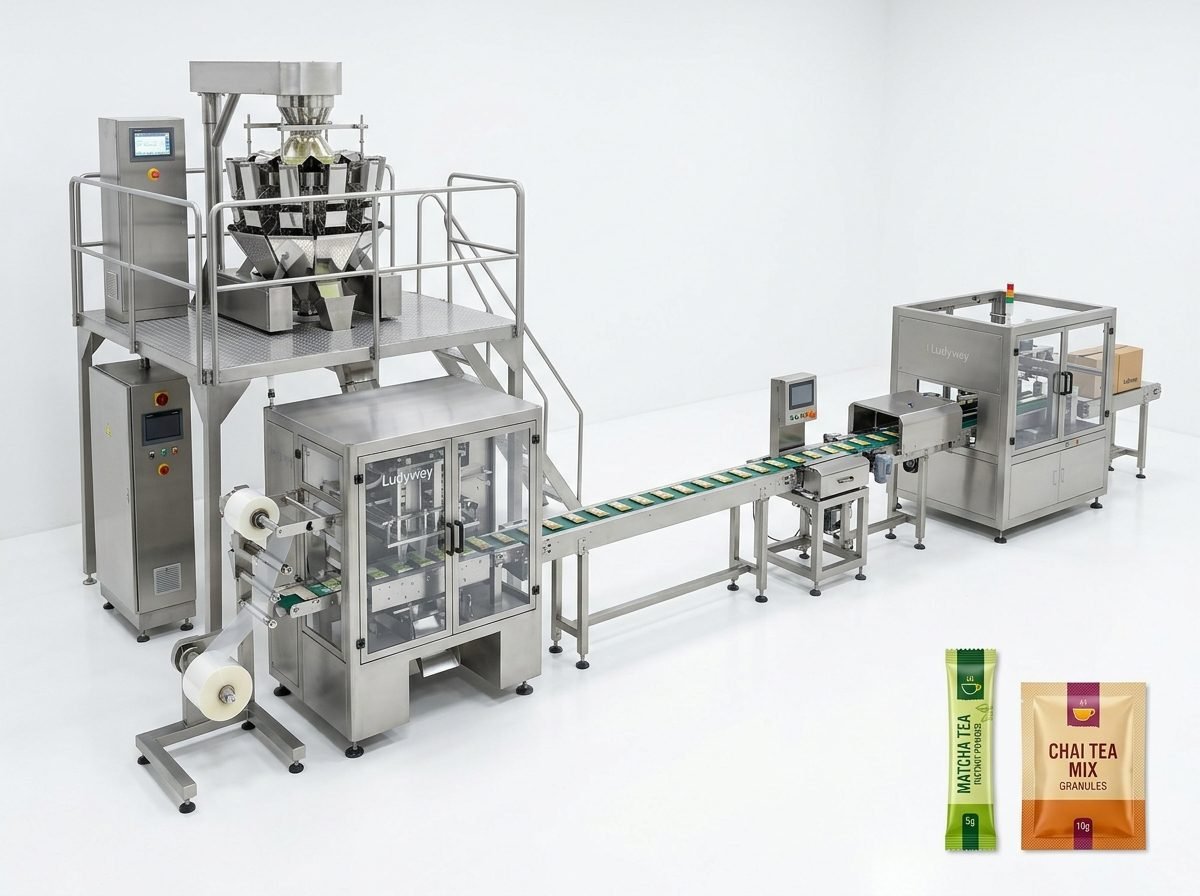
Automation is the biggest cost differentiator. A basic semi-automatic tea powder filling machine requires manual intervention for loading and packaging, while a fully automatic spiral packaging machine integrates conveying, metering, filling, sealing, and even cartoning seamlessly.
- Semi-Automatic Systems: Lower upfront cost, ideal for small-batch production.
- Fully Automated Lines: Higher investment but significantly reduces labor costs and increases output, ensuring a strong return on investment.
2. Speed and Output Capacity
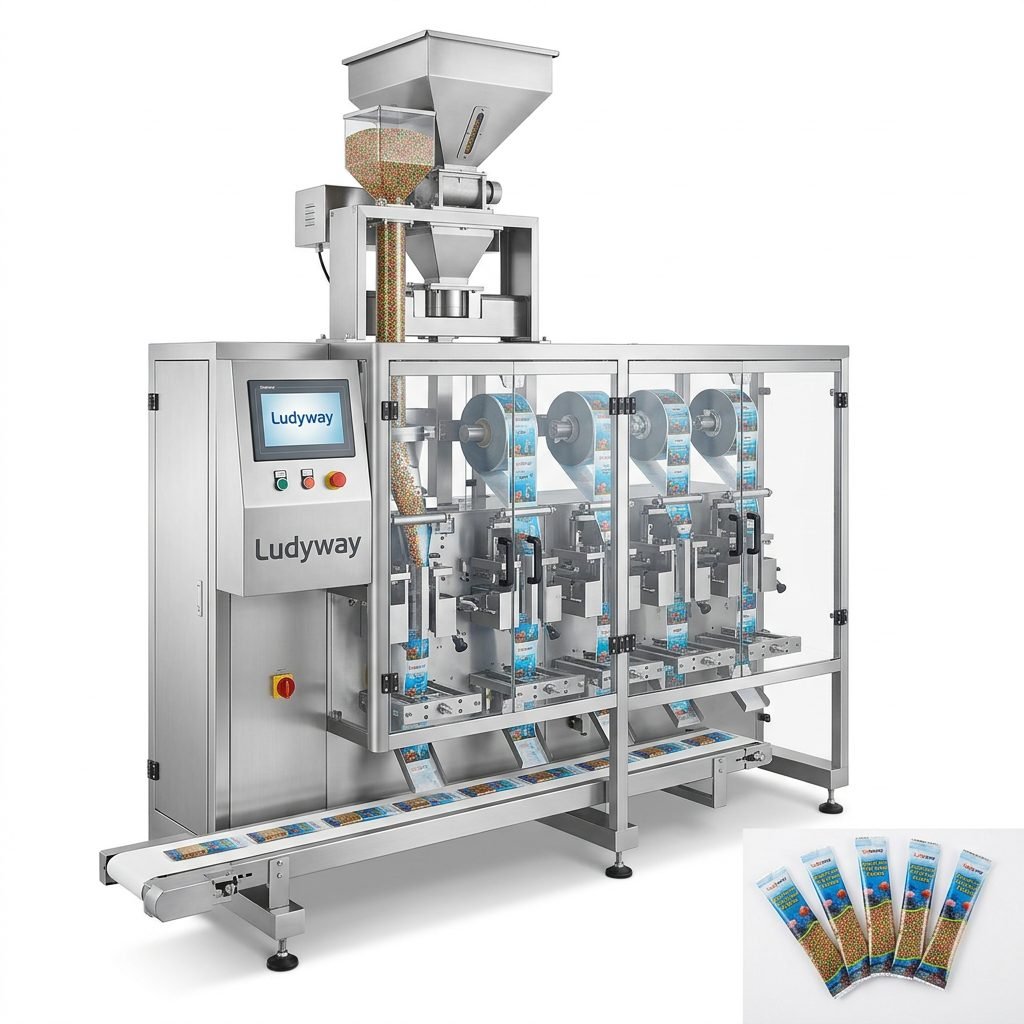
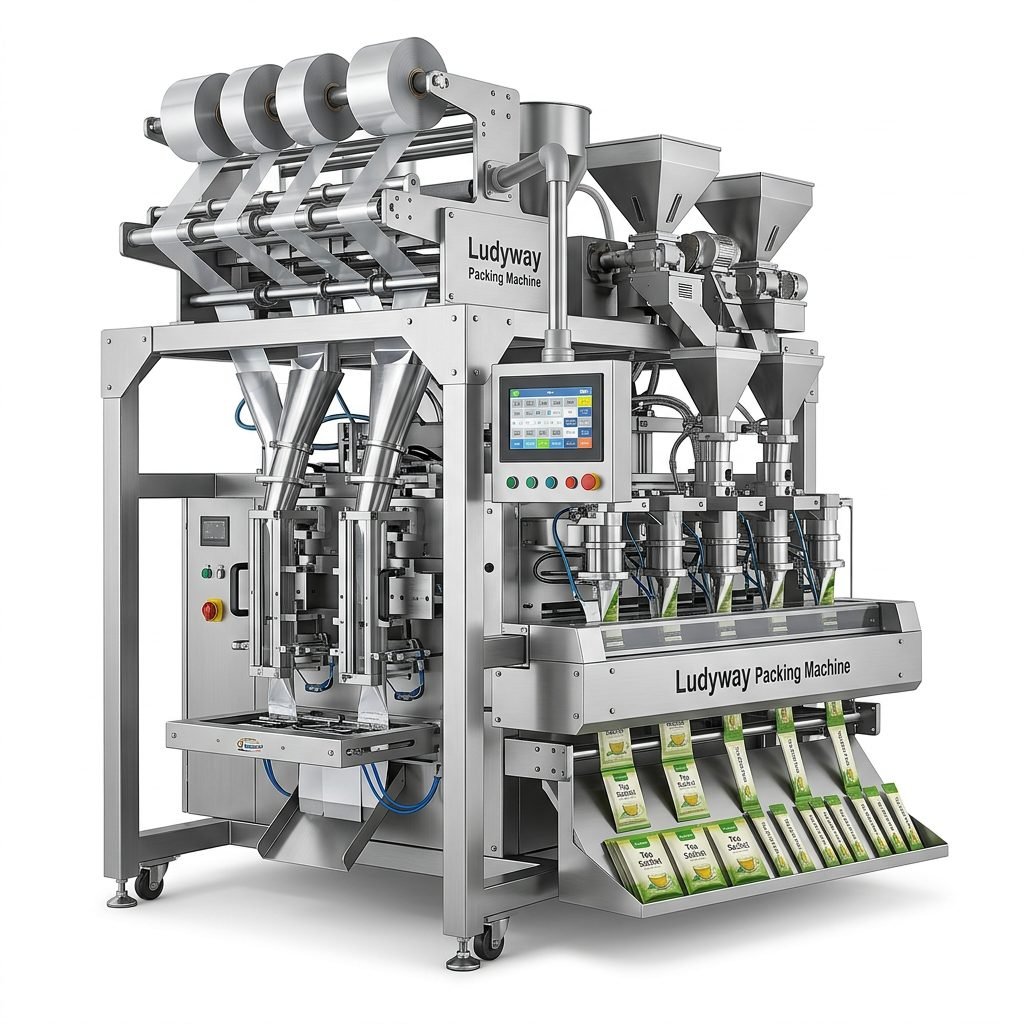
Machines are typically priced based on output, measured in packs per minute (ppm). A standard 4-lane machine might cost significantly less than a high-speed 12-lane or multi-lane stick pack system capable of producing 400-600 bags per minute.
3. Build Material and Standards
Tea powder requires strict hygiene standards. Machines constructed with SS 316 stainless steel (ideal for food-grade applications) will cost more than standard SS 304. Additionally, compliance with ISO packaging standards or FDA regulations for food contact surfaces adds essential value to the equipment.
Price Breakdown: What to Expect at Different Levels
To give you a clearer picture, we have categorized the tea powder spiral packaging machine price range based on standard market configurations. Please note these are estimated price brackets subject to customization.
| Machine Category | Key Features | Estimated Price Range (USD) | Best Suited For |
|---|---|---|---|
| Entry-Level / Semi-Auto | 1-3 lanes, basic PLC control, single filling function | $5,000 – $15,000 | Startups and small tea shops |
| Mid-Range / Standard | 4-8 lanes, servo motor driven, high accuracy auger filler, exhaust device | $15,000 – $50,000 | Growing mid-size manufacturing facilities |
| High-End / Fully Automated | 10-16 lanes, CIP (Clean-in-Place) system, nitrogen flushing, turnkey solutions | $50,000 – $150,000+ | Large-scale 24/7 industrial production |
According to recent reports from the Flexible Packaging Association, investing in advanced high-speed machinery is critical for reducing operational waste and meeting the growing global demand for convenience beverages.
Essential Features for Tea Powder Handling
Tea powder and herbal granule packaging present unique challenges due to dust, density, and moisture sensitivity. When exploring costs, ensure your budget covers these critical engineering features:
- Dust-Proof Design: Auger fillers must be completely sealed to prevent fine tea powder from escaping and damaging the machine’s bearings.
- Precision Servo Motors: Unlike clutch-brake systems, servo-driven spirals guarantee a weight accuracy of ±0.5-1g, crucial for premium tea products.
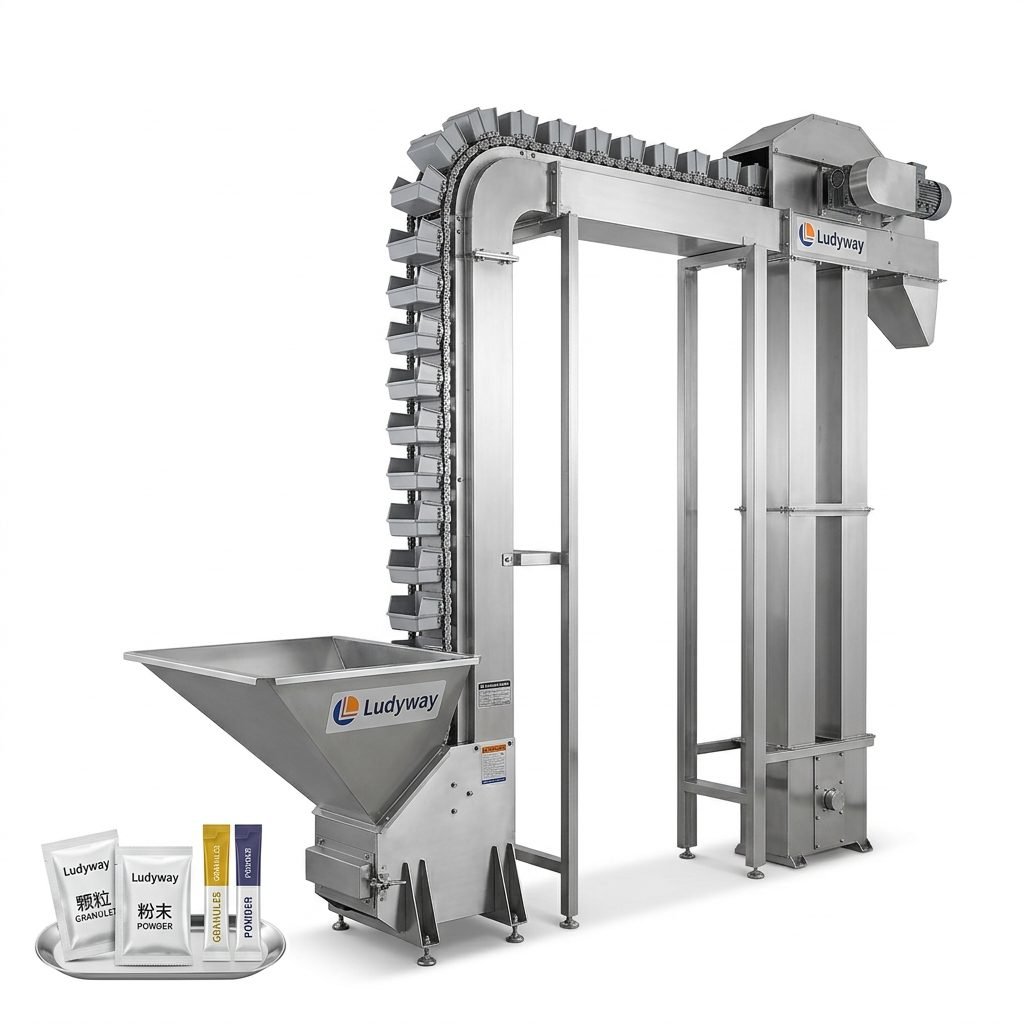
- Vertical Spiral Conveying: A reliable feeding mechanism like a Z-type bucket elevator or vacuum feeder ensures consistent material flow without bridging or clogging.
Maximizing Long-Term Value
While the initial purchase price is important, the total cost of ownership (TCO) is what truly affects your bottom line. A cheap machine might result in frequent downtime, expensive spare parts, and inconsistent bag weights, leading to product giveaway and profit loss.
Partnering with an established manufacturer ensures you receive not just hardware but a comprehensive solution. Ludyway, one of the largest packaging machine manufacturers in China, specializes in advanced spiral packaging equipment and turnkey production lines. With over 30 years of experience, a 20,000㎡ modern factory, and a global export network serving over 100 countries, they provide the engineering support necessary to navigate the strict requirements of the food and pharmaceutical industries efficiently.
Industry Trends Driving Packaging Costs
The push for sustainability and lightweight packaging is reshaping the industry. Recent data suggests that advanced packaging solutions reduce material waste significantly. To stay competitive, manufacturers must invest in equipment that supports biodegradable films and thinner laminates without compromising seal integrity, a feature often found in higher-bracket machines. For detailed industry standards, refer to the PMMI Packaging Industry Resources page.
Conclusion
Ultimately, the cost of a tea powder spiral packaging machine is directly proportional to its capability, durability, and efficiency. By carefully analyzing your production needs—from desired pack styles to future scaling plans—you can select a machine that offers the best value. Whether you need an entry-level sachet solution or a complex multi-lane stick pack system, prioritizing quality engineering over the lowest sticker price will deliver superior returns for your business.