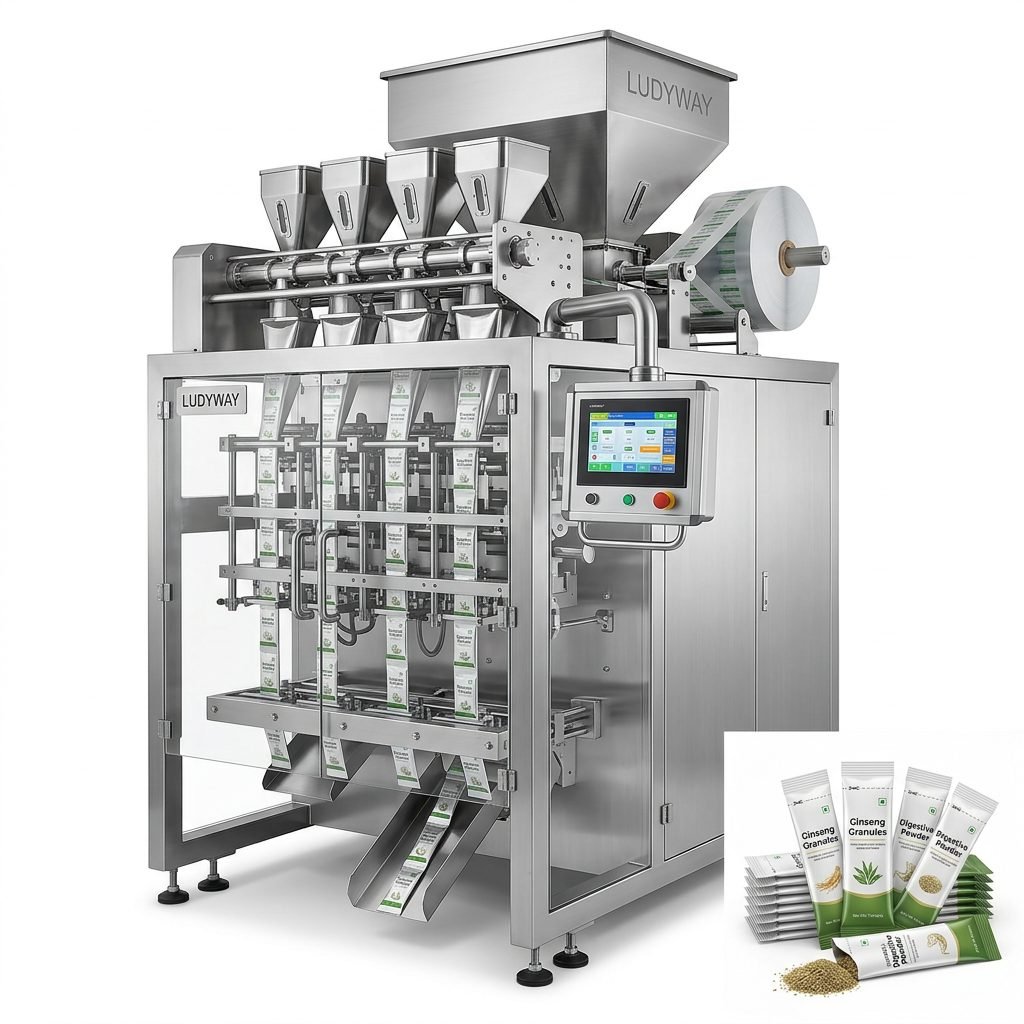
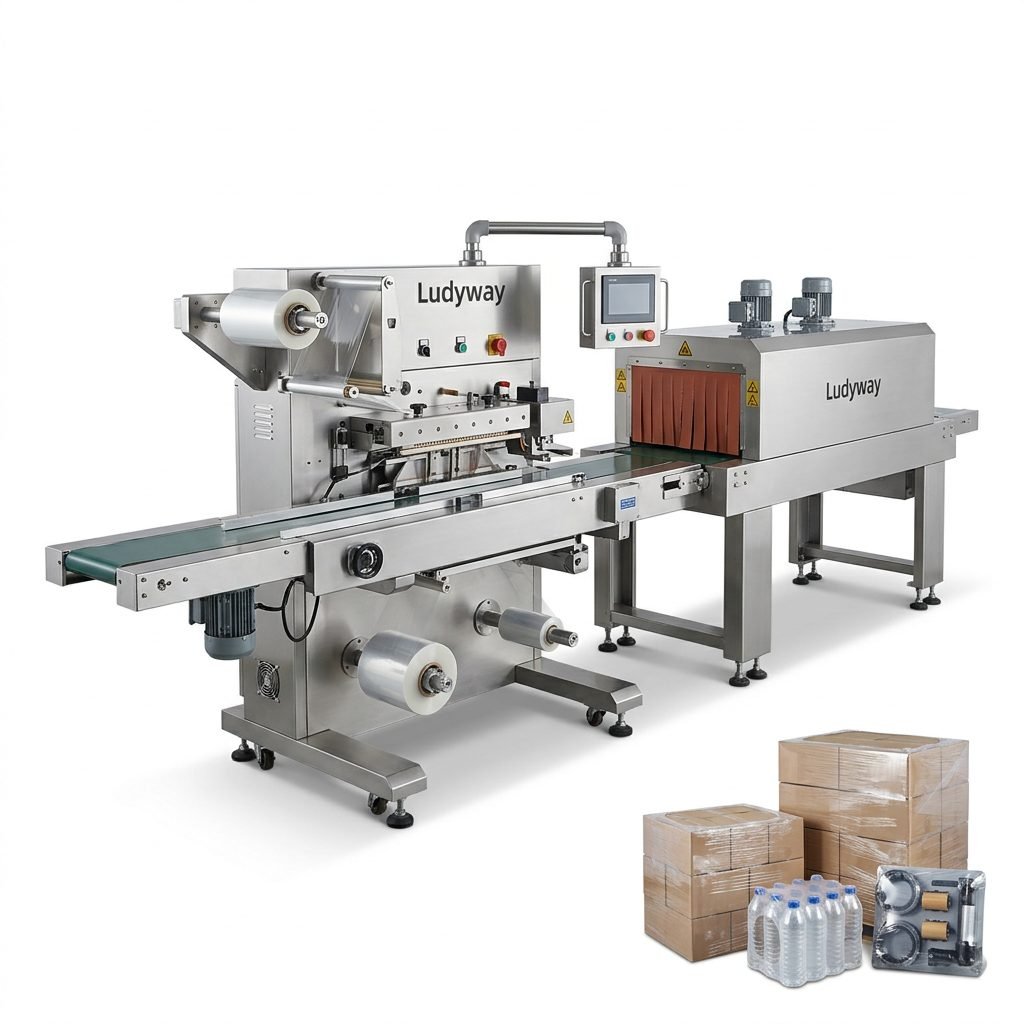
Investing in a tea sanitary pad packaging machine requires a clear understanding of market pricing, technical specifications, and long-term operational value. Whether you are launching a new feminine hygiene product line infused with tea extracts or scaling up existing production, the cost of automated packaging equipment represents a significant capital decision. This guide breaks down the price ranges, key cost drivers, and essential factors to consider before making a purchase.
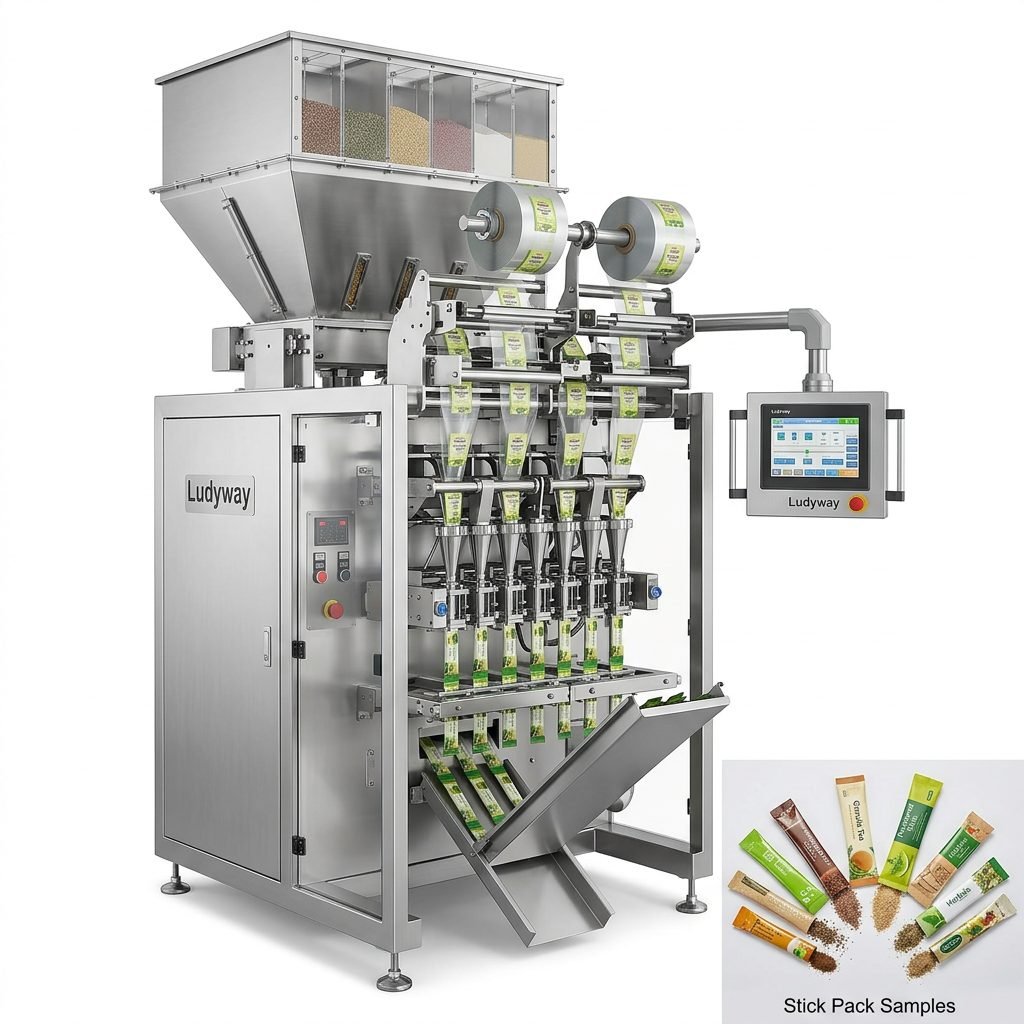
What Is a Tea Sanitary Pad Packaging Machine?
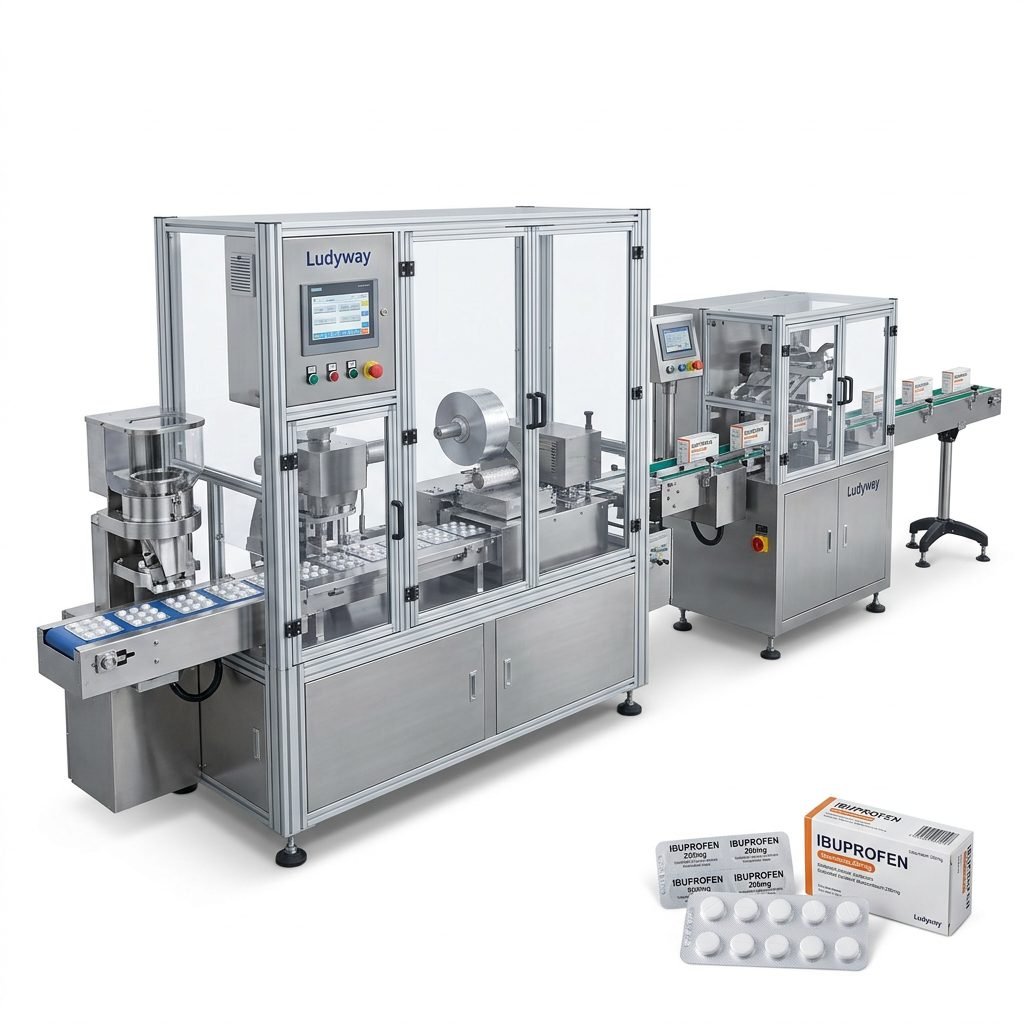
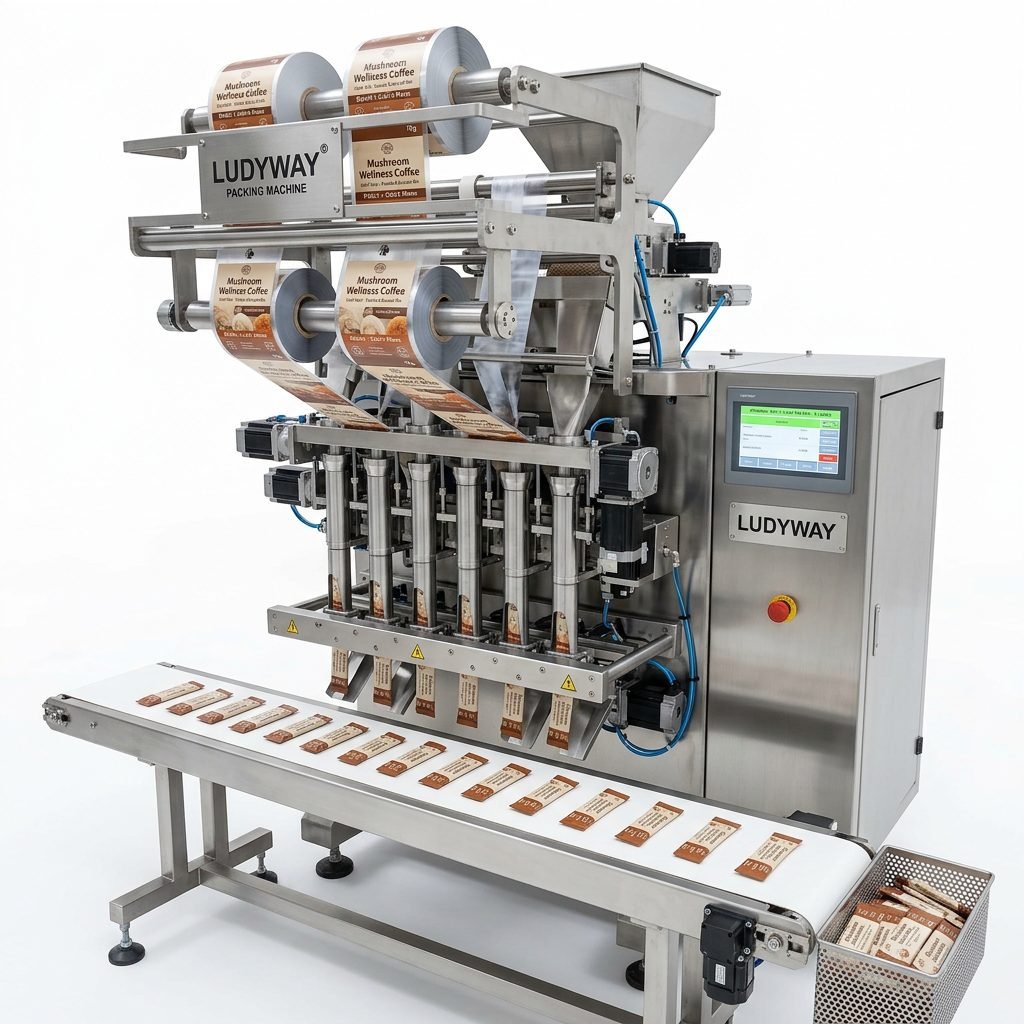
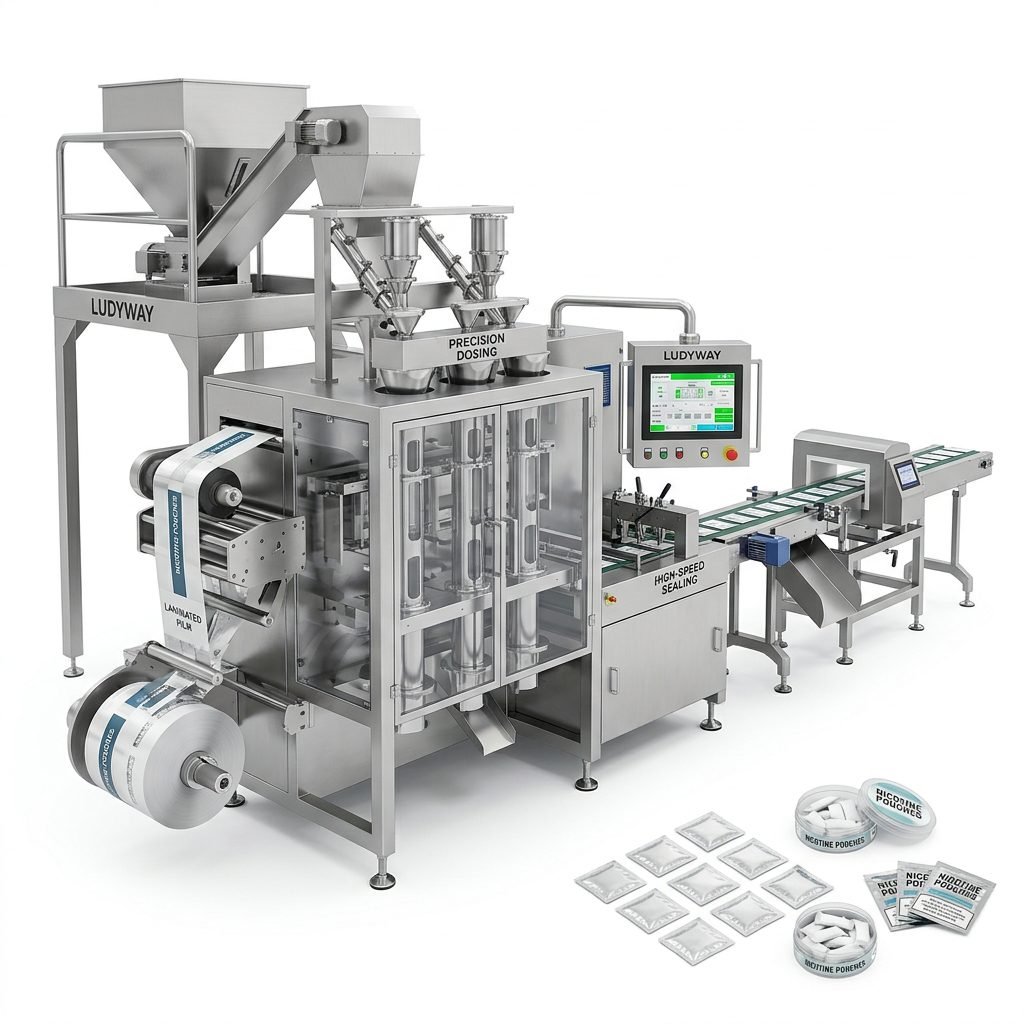
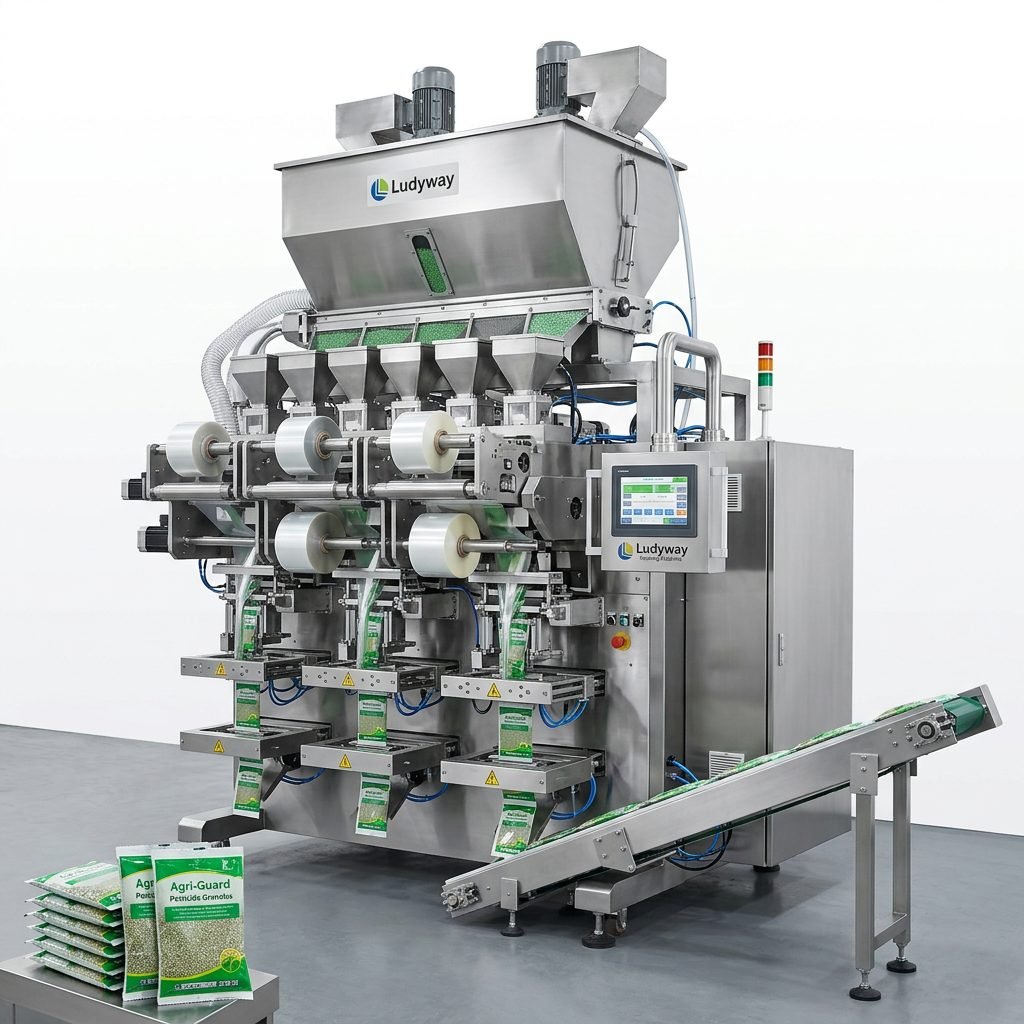
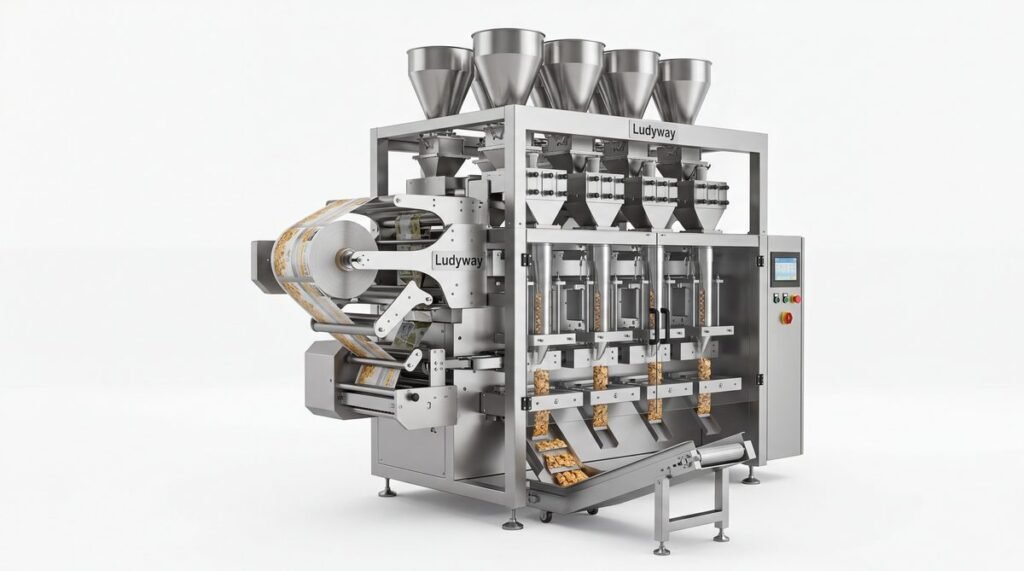
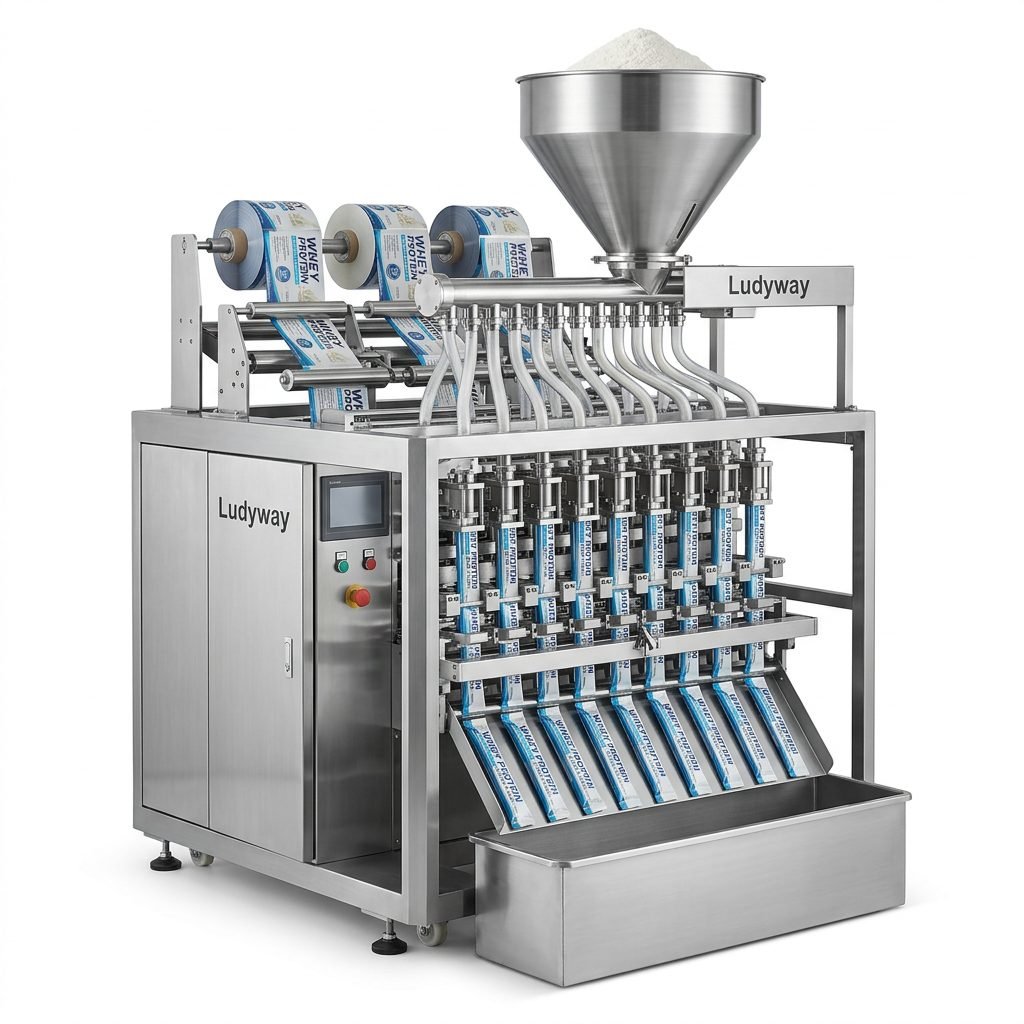
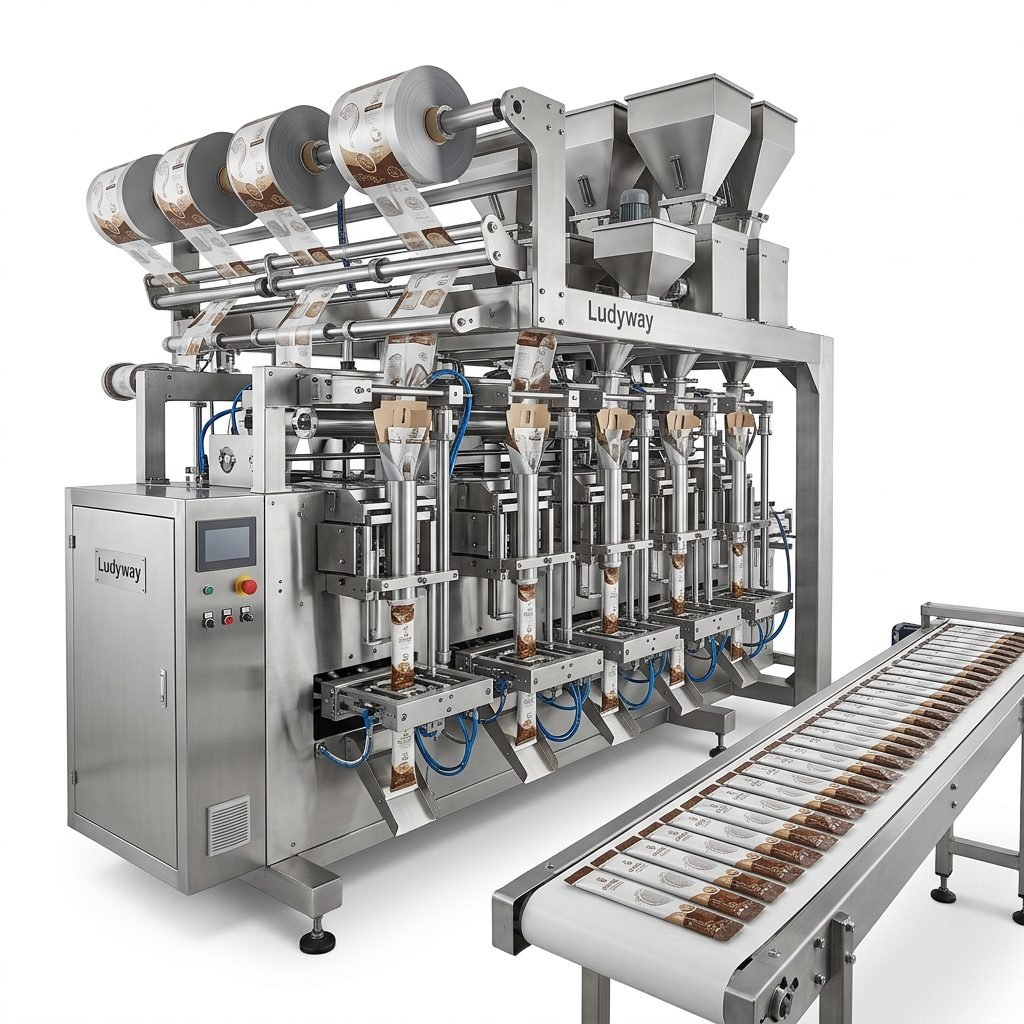
A tea sanitary pad packaging machine is a specialized form-fill-seal (FFS) system designed to package individual sanitary pads—often infused with tea extracts, herbal ingredients, or natural compounds—into sealed sachets, stick packs, or flow-wrapped pouches. These machines handle the delicate nature of the product while maintaining hygienic sealing integrity, precise dosing of any accompanying powders or creams, and high-speed output for commercial distribution.
Unlike generic packaging equipment, machines built for tea-infused feminine care products must meet strict sanitary standards, often incorporating stainless steel construction, dust-free enclosures, and validated sealing parameters to protect product freshness and consumer safety.
Tea Sanitary Pad Packaging Machine Price Range
The cost of a tea sanitary pad packaging machine varies significantly based on automation level, production capacity, and customization requirements. Below is a comprehensive pricing overview based on current market data:
| Machine Category | Speed Range | Estimated Price (USD) | Best Suited For |
|---|---|---|---|
| Semi-Automatic Single-Lane | 30-60 packs/min | $15,000 – $35,000 | Startups, low-volume production |
| Automatic Multi-Lane (4-6 lanes) | 120-300 packs/min | $45,000 – $85,000 | Mid-scale manufacturers |
| High-Speed Multi-Lane (8-12 lanes) | 400-800+ packs/min | $90,000 – $180,000 | Large-scale industrial production |
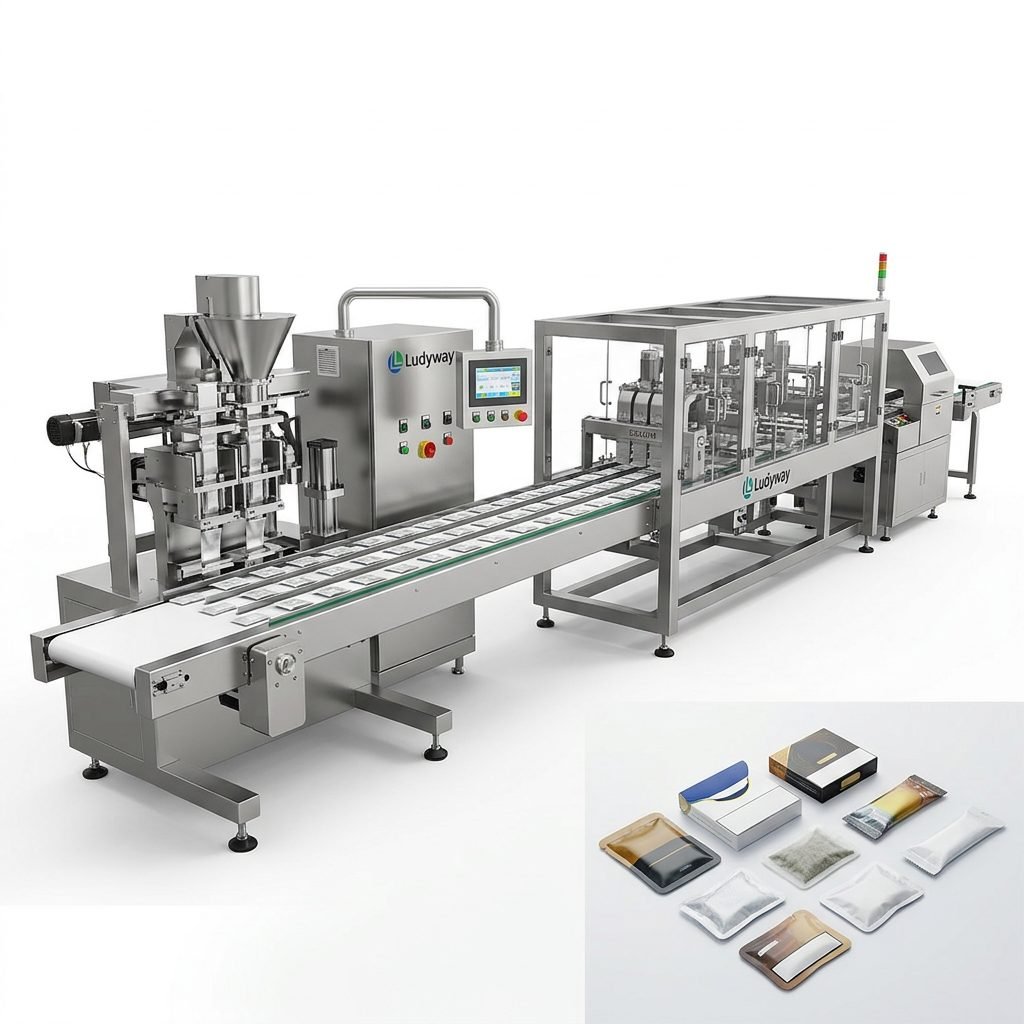
| Full Turnkey Production Line | Custom configured | $200,000 – $500,000+ | End-to-end automated factories |
Note: Prices are indicative and vary based on manufacturer, region, customization, and included accessories such as cartoning systems, checkweighers, and vision inspection modules.
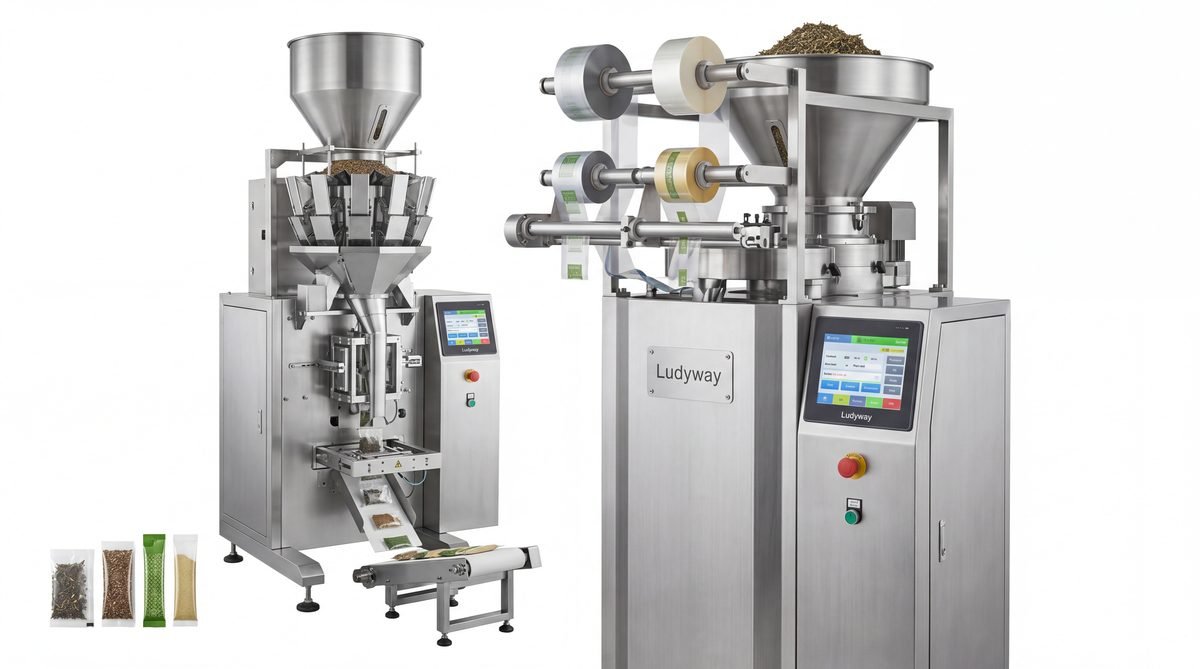
Key Factors That Influence the Price
Understanding what drives the cost of a tea sanitary pad packaging machine helps buyers negotiate better and avoid overspending on unnecessary features. Here are the primary cost determinants:
1. Number of Packaging Lanes
Multi-lane machines significantly increase throughput. A 4-lane machine might produce 200 packs per minute, while an 8-lane system can double that output. Each additional lane adds to the mechanical complexity and cost, but the per-unit packaging cost decreases substantially at higher volumes.
2. Automation and Integration Level
Standalone packaging units cost less than fully integrated lines. Adding automatic feeding systems, cartoning machines, palletizers, and quality inspection modules increases the total investment but delivers long-term labor savings and consistency. A complete turnkey packaging line often provides the best ROI for high-volume producers.
3. Material Compatibility
Tea sanitary pads often use specialized film materials—biodegradable, compostable, or multi-layer barrier films. Machines equipped with adjustable heat sealing and tension control for delicate eco-materials typically command a premium. Verify that the machine supports your specific packaging substrate before purchasing.
4. Cleanroom and Hygiene Features
Feminine hygiene products require ISO-certified cleanroom compatibility. Machines with stainless steel 304 or 316L construction, HEPA-filtered enclosures, and CIP (clean-in-place) capabilities are more expensive but essential for regulatory compliance in most markets.
5. After-Sales Support and Warranty
A lower upfront price may not reflect the total cost of ownership. Evaluate warranty terms, availability of spare parts, remote diagnostic capabilities, and local technical support. A machine with comprehensive after-sales service can prevent costly downtime over its operational life.
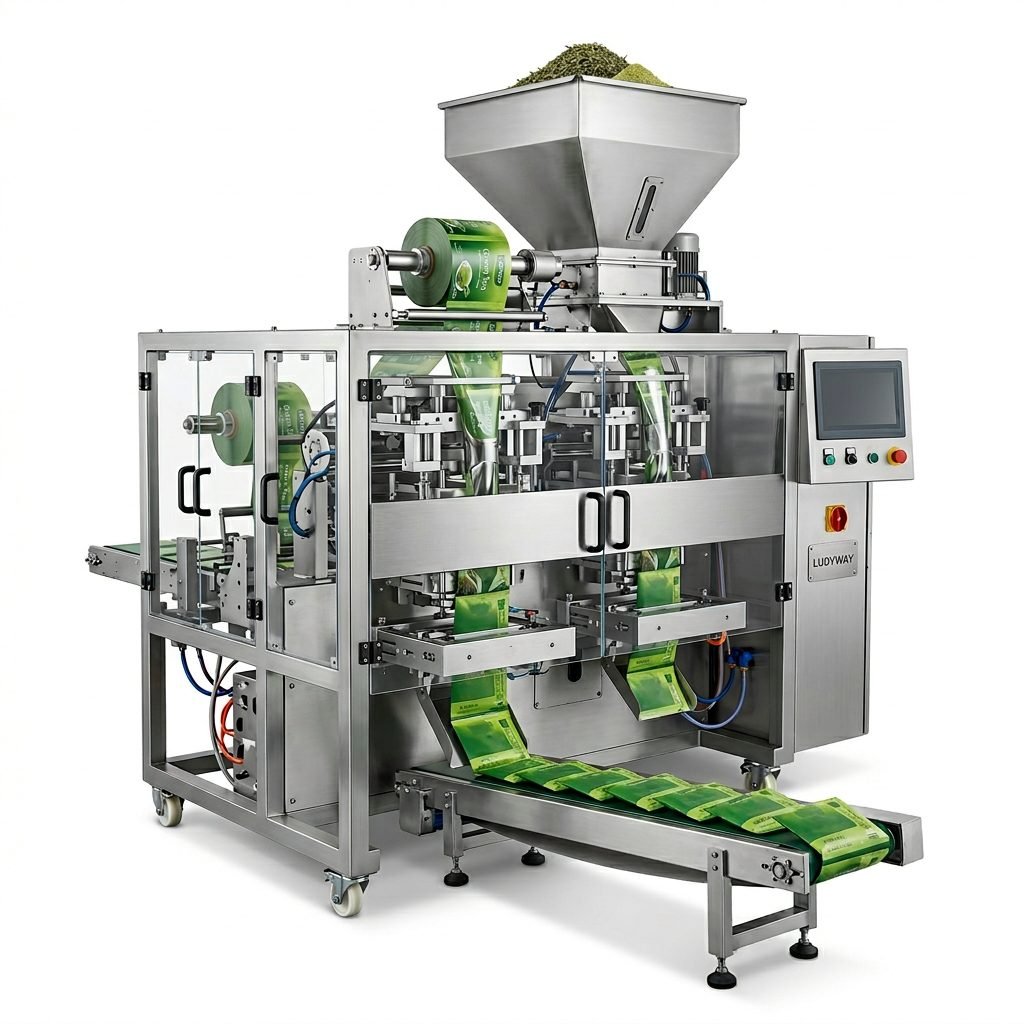
Tea Sanitary Pad Packaging: Technical Specifications to Compare
When evaluating different models, use the following specification checklist to make an apples-to-apples comparison:
- Packaging format: Three-side seal, four-side seal, gusseted pouch, or flow wrap
- Film width range: Typically 80mm – 320mm per lane
- Pack length: Adjustable from 50mm to 250mm
- Sealing temperature control: PID-controlled with ±1°C accuracy
- Machine frame: Full stainless steel with sanitary design
- Power requirements: 220V/380V, 50/60Hz, 3-phase
- Air consumption: 0.6-0.8 MPa compressed air
- Control system: PLC with touchscreen HMI, recipe storage
Buying Guide: How to Choose the Right Machine
Selecting the optimal tea sanitary pad packaging machine involves balancing your production goals, budget constraints, and regulatory requirements. Follow this step-by-step approach:
Step 1: Define Your Production Targets
Calculate your required output in packs per minute and packs per day. Factor in future growth projections for at least 3-5 years. A machine that meets today’s demand may become a bottleneck within 18 months if your brand gains market traction.
Step 2: Assess Your Facility
Measure available floor space, ceiling height, power supply capacity, and compressed air availability. Multi-lane machines can be substantial in size—a 10-lane system may require over 8 meters of linear floor space including infeeds and outfeeds.
Step 3: Verify Regulatory Compliance
Tea sanitary pads fall under medical device or cosmetic regulations in many jurisdictions. Ensure the machine manufacturer can provide documentation supporting GMP, ISO 13485, or relevant standards. Reference resources from FDA packaging regulations and ISO packaging standards to validate requirements.
Step 4: Request a Factory Acceptance Test (FAT)
Before finalizing a purchase, visit the manufacturer’s facility or request a video demonstration. Run your actual materials through the machine to verify seal integrity, speed, and overall performance. Never rely solely on brochure specifications.
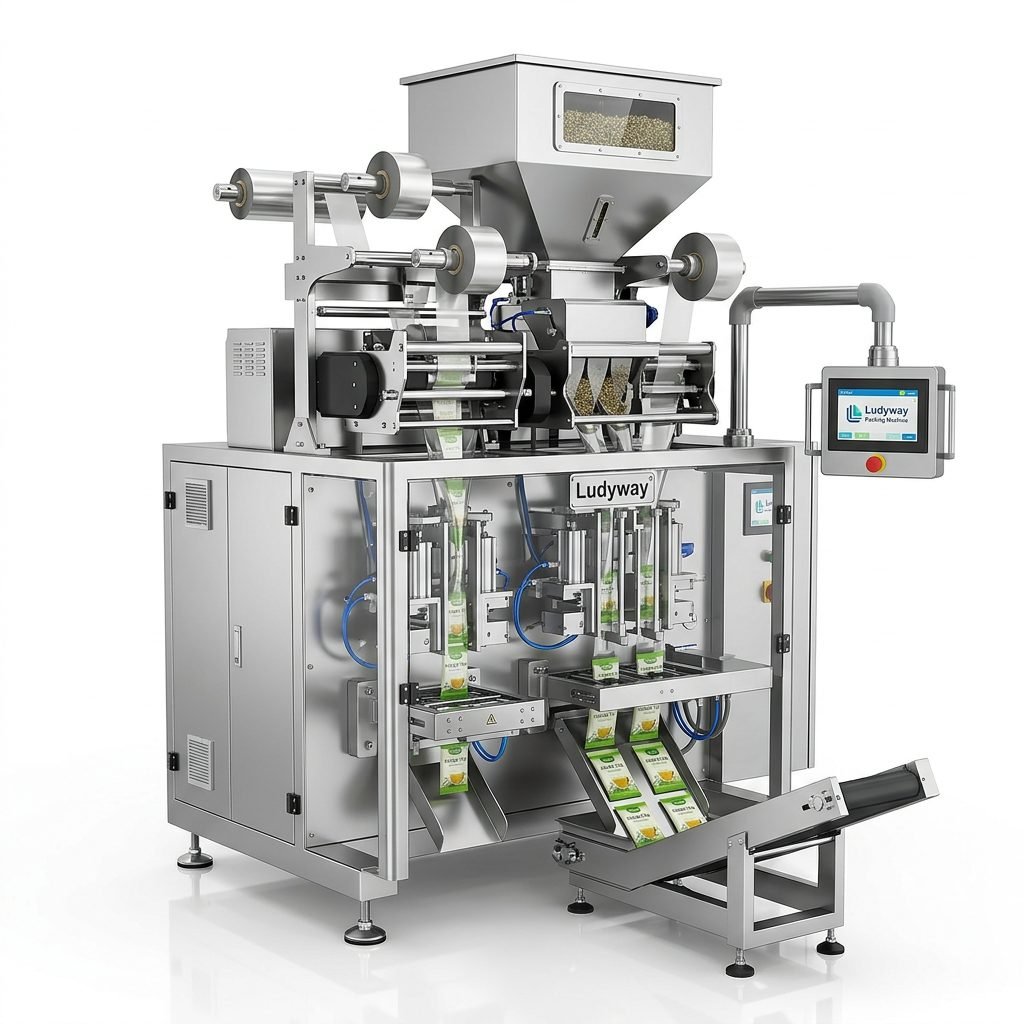
Additional Cost Considerations
Beyond the machine purchase price, budget for these often-overlooked expenses:
- Installation and commissioning: $2,000 – $8,000 depending on complexity
- Operator training: Essential for maximizing machine efficiency
- Spare parts inventory: Budget 3-5% of machine cost annually
- Packaging material waste: 2-5% during setup and changeovers
- Annual maintenance contracts: $3,000 – $12,000 per year
- Shipping and logistics: 5-10% of machine value for international freight
Why Multi-Lane Technology Matters for Tea Sanitary Pads
Multi-lane stick pack and sachet machines have become the industry standard for single-use feminine hygiene products. The technology allows simultaneous filling and sealing across multiple parallel lanes, dramatically increasing output without proportionally increasing floor space or operator requirements. For tea-infused sanitary pads, these machines maintain consistent seal quality across all lanes—critical for product shelf life and consumer trust.
Industry Resources and Standards
Staying informed about packaging regulations and trends is essential for long-term success. Explore these authoritative resources:
- PMMI – The Association for Packaging and Processing Technologies
- Flexible Packaging Association – Industry Resources
- FDA – Packaging and Food Contact Substances
- European Commission – Packaging and Packaging Waste Regulation
- ISO 11607 – Packaging for Terminally Sterilized Medical Devices

Frequently Asked Questions
What is the typical delivery time for a tea sanitary pad packaging machine?
Standard machines ship within 45-90 days. Highly customized or large turnkey lines may require 120-180 days from order confirmation to delivery. Always confirm lead times with your supplier and factor in shipping and installation time.
Can one machine package multiple product variants?
Yes, modern machines feature quick-changeover designs with recipe-based settings. Changeover between different pad sizes or film types typically takes 15-30 minutes on well-engineered equipment.
Is financing available for packaging machinery?
Many manufacturers and third-party leasing companies offer equipment financing with terms ranging from 12 to 60 months. Leasing can preserve working capital while still acquiring high-quality equipment.
About the Manufacturer
Ludyway is one of the largest packaging machine manufacturers in China, specializing in advanced packaging equipment and turnkey production solutions for the food, pharmaceutical, and health industries. With over 30 years of industry expertise and a modern 20,000㎡ manufacturing facility, the company offers more than 50 intelligent packaging machine models—including multi-lane stick pack, sachet, and fully automated systems—serving customers in over 100 countries and regions. For inquiries about tea sanitary pad packaging solutions, contact info@ludyway.com or reach out via WhatsApp at +8613129592456.