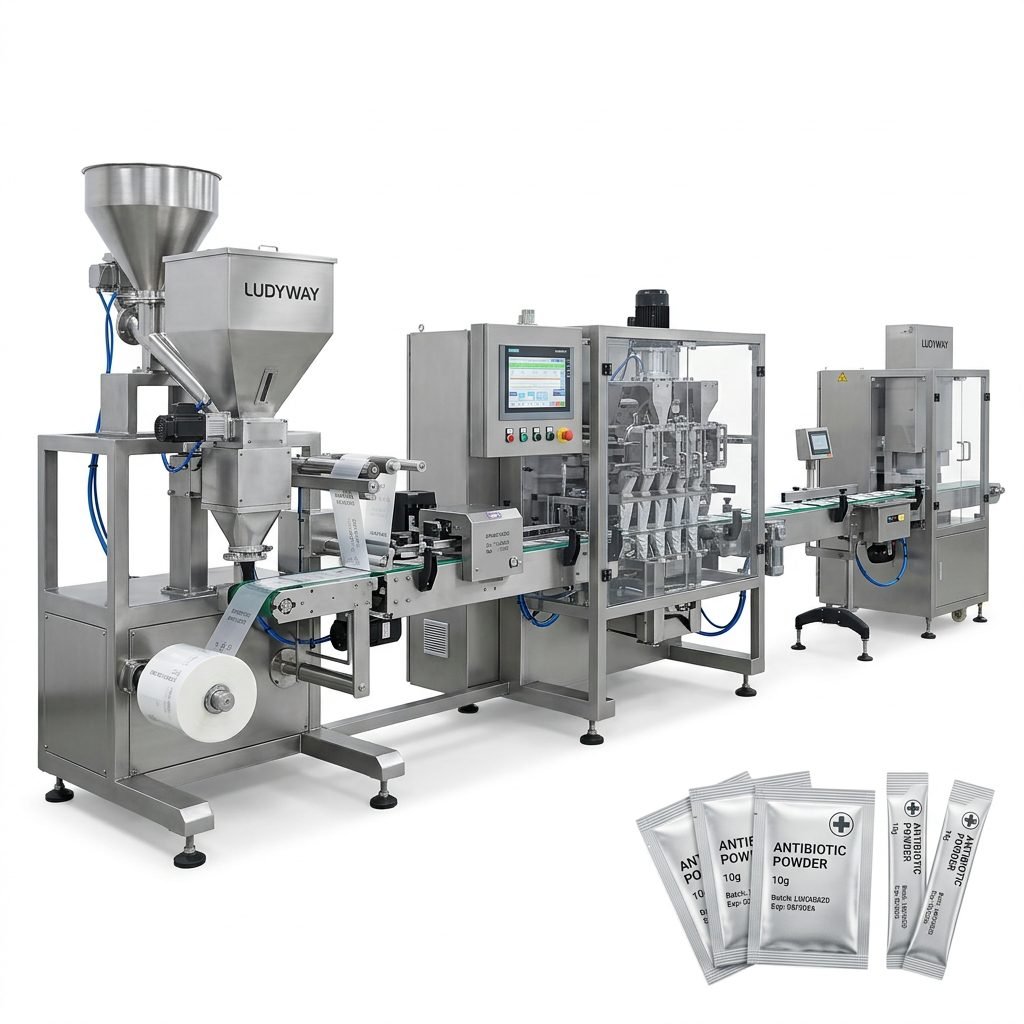
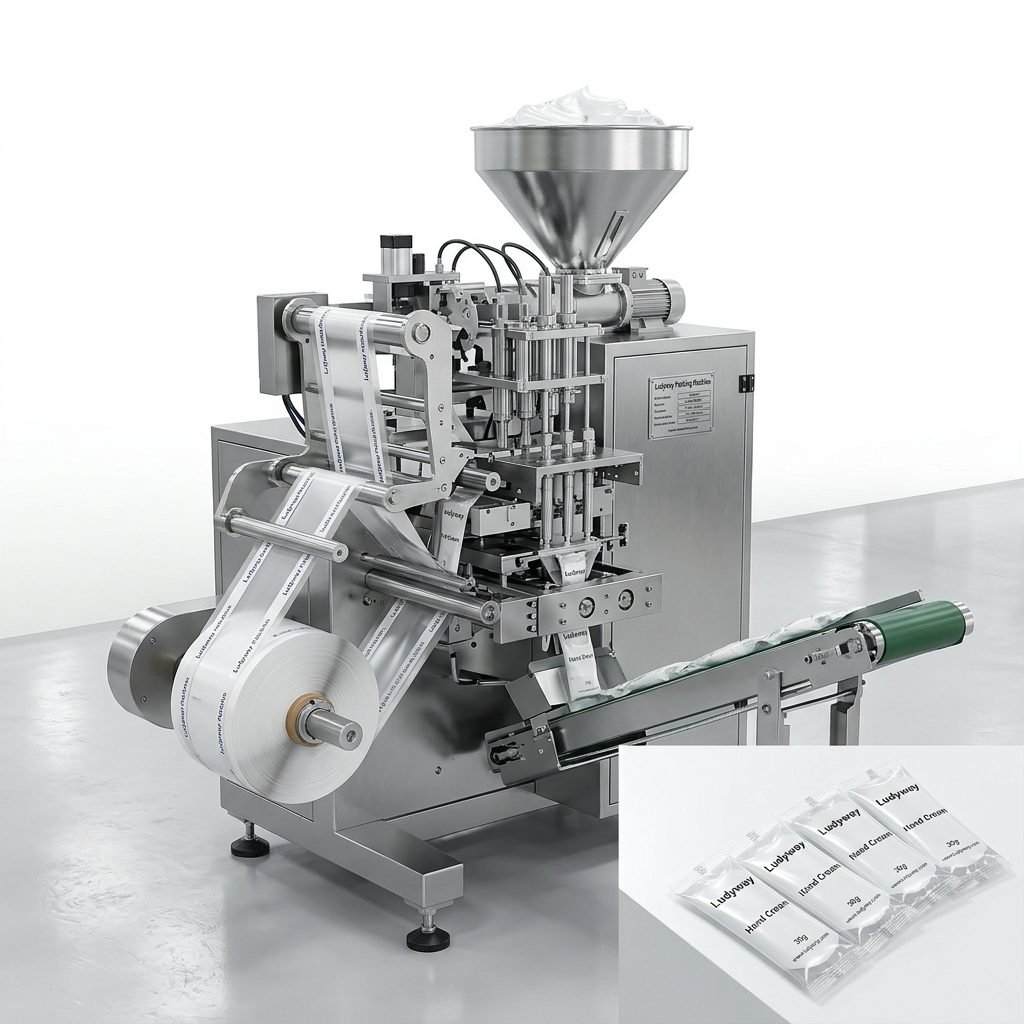
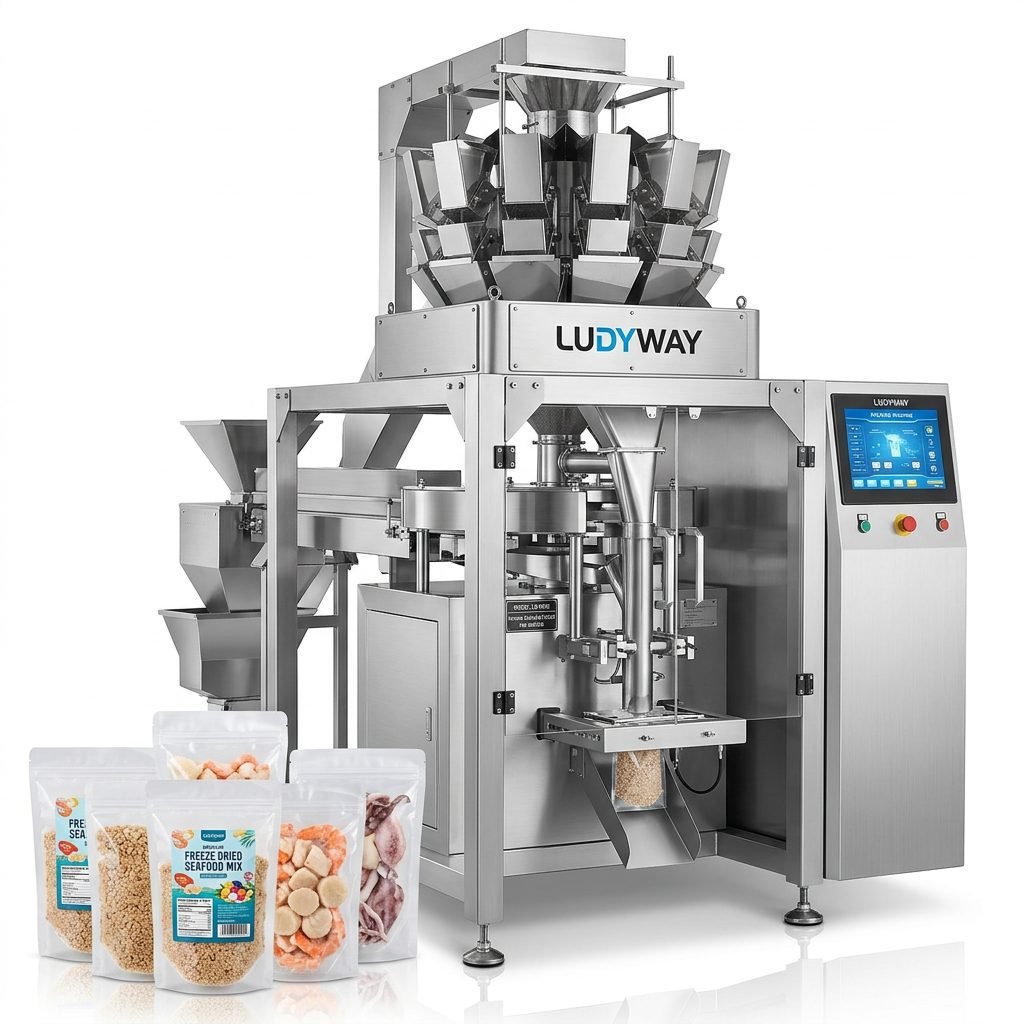
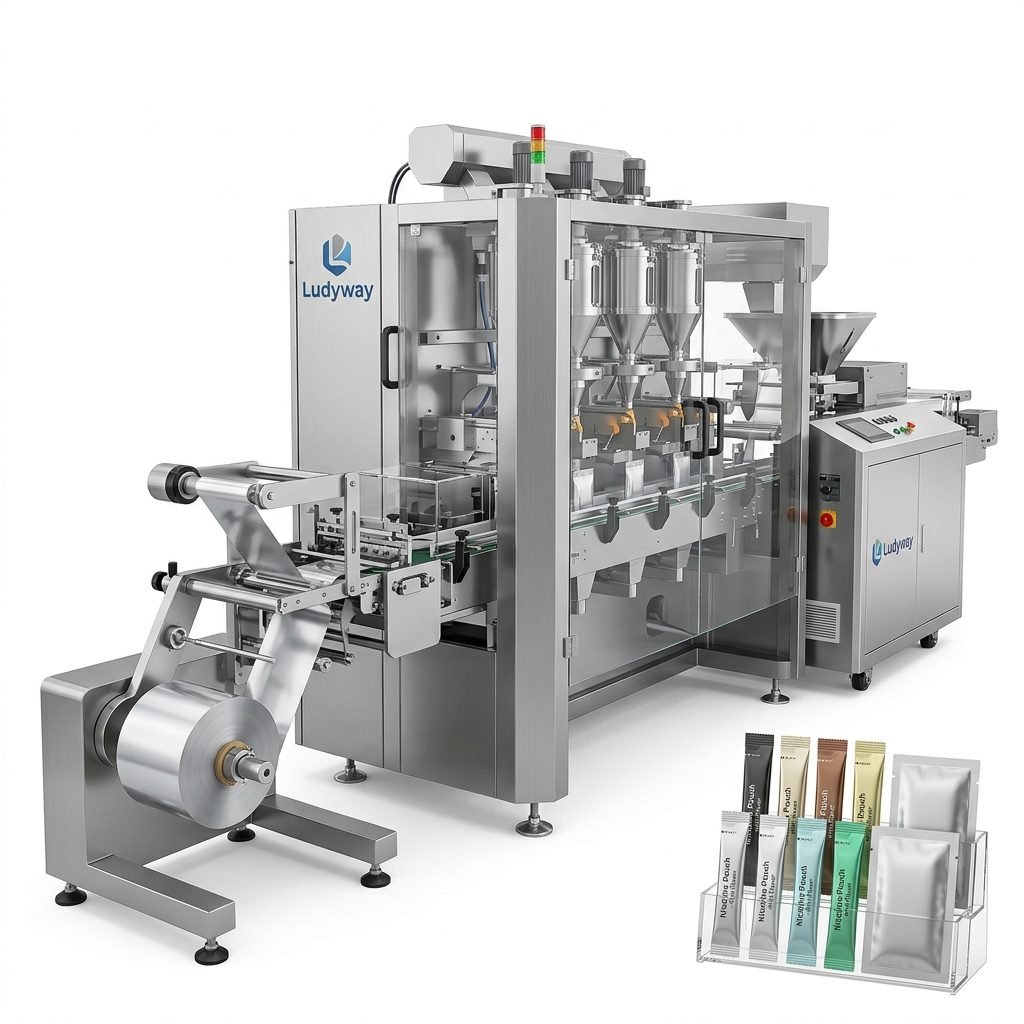
Investing in a food packaging machine is a critical decision for manufacturers in El Salvador. Whether you are producing coffee, spices, dried fruits, sauces, or nutritional supplements, the right equipment directly impacts productivity, shelf life, and brand reputation. With the country’s growing food processing sector and increasing export opportunities to North American and regional markets, selecting a machine that balances speed, precision, and compliance has never been more important.
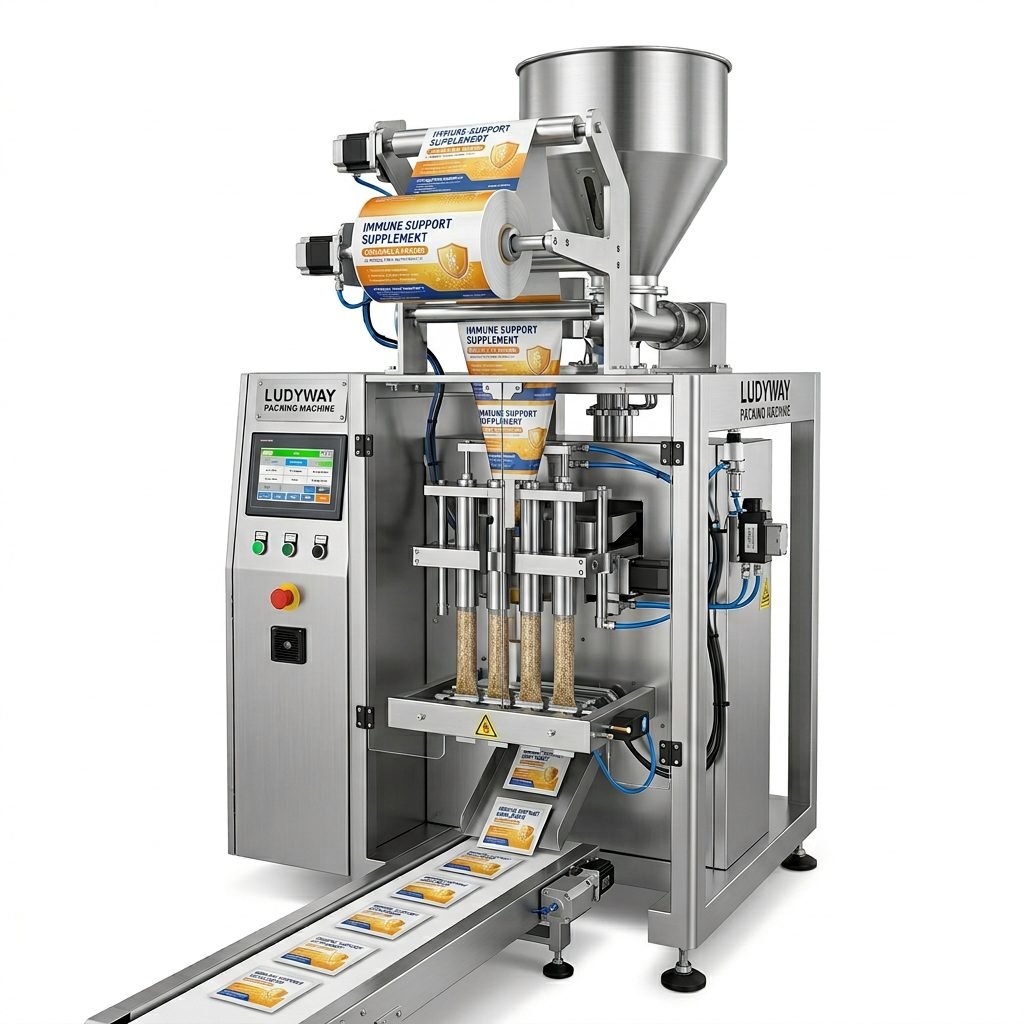
Understanding Your Product Characteristics
Before evaluating specific machine models, you must thoroughly analyze your product. Packaging equipment is designed differently for:
- Free-flowing granules – such as sugar, salt, or instant coffee
- Fine powders – like flour, spices, or protein supplements
- Liquids and pastes – including sauces, oils, and gels
- Fragile or irregular products – such as tea leaves, dried fruits, or nuts
Each category requires specific filling mechanisms — auger fillers for powders, volumetric cup fillers for granules, and piston pumps for liquids. Misunderstanding your product’s flow characteristics can lead to inaccurate fills, product waste, and costly downtime. According to PMMI business intelligence, proper machine-product matching is the single most important factor in packaging line efficiency.
Choosing the Right Packaging Format
In El Salvador, consumer preferences and retail distribution channels heavily influence packaging format decisions. The most common options include:
| Packaging Type | Best For | Key Advantage |
|---|---|---|
| Stick Packs | Single-serve coffee, sugar, supplements | Portability and portion control |
| Sachets | Sauces, shampoos, cosmetic samples | Cost-effective for small volumes |
| Pillow Pouches | Snacks, dried foods, powders | Versatile and affordable |
| Stand-up Pouches | Premium coffee, nuts, pet food | Shelf appeal and resealability |
| Bottles & Jars | Liquid sauces, oils, supplements | Reusability and brand perception |
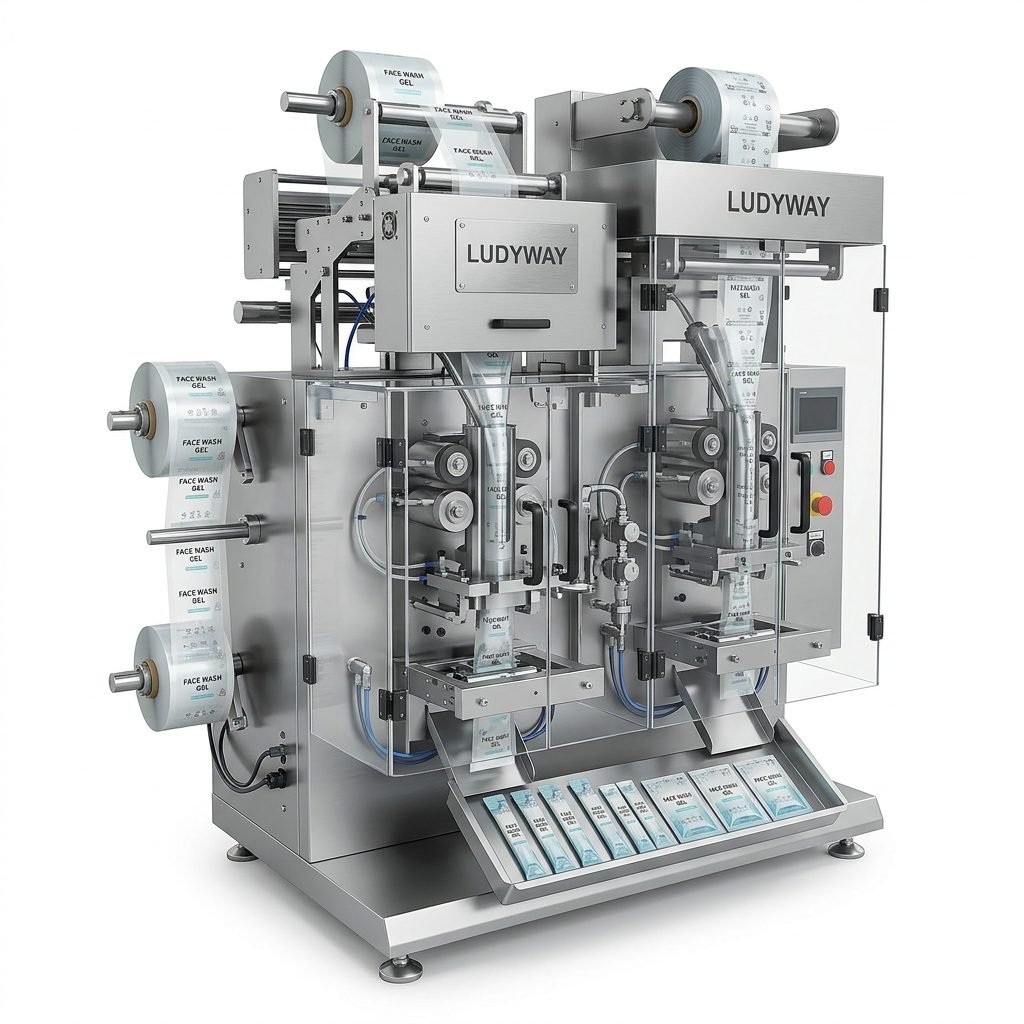
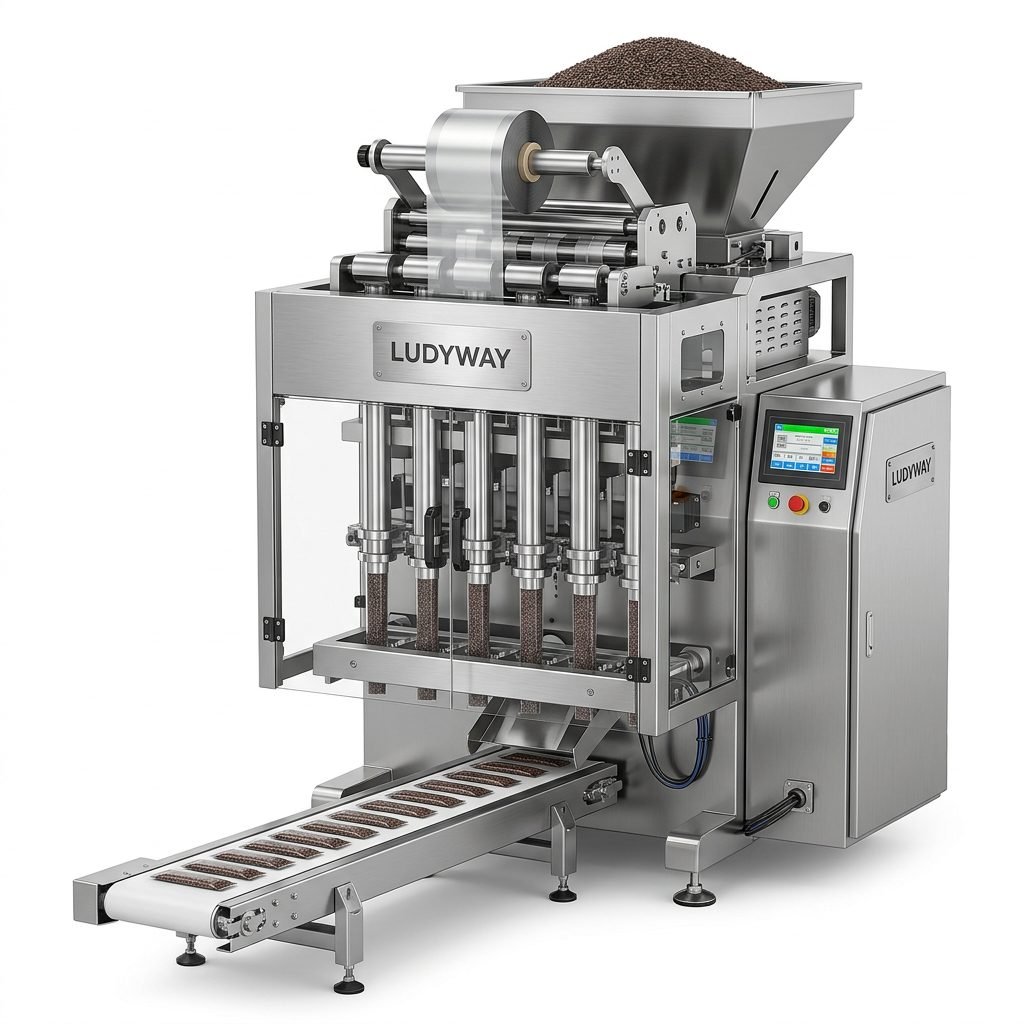
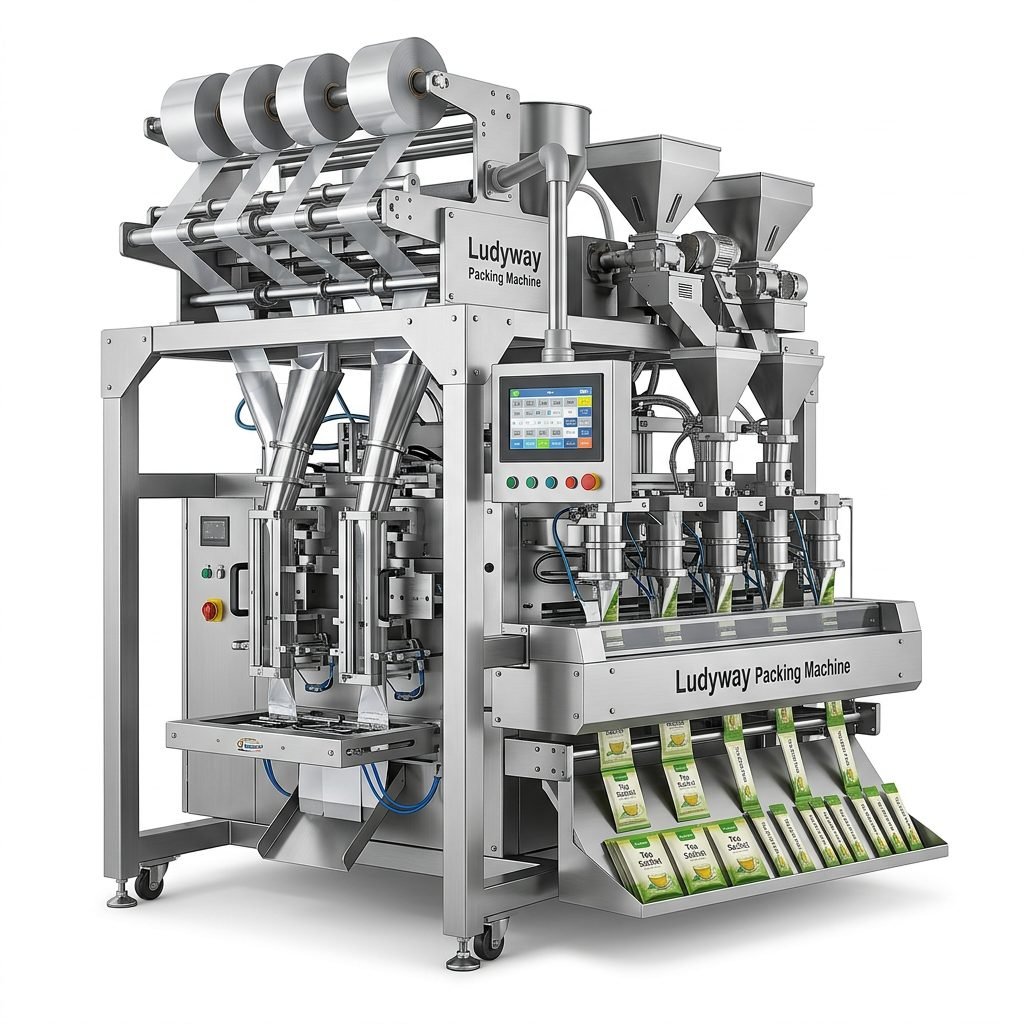
Multi-lane stick pack and sachet machines are increasingly popular in the region due to their high output and material efficiency. The Flexible Packaging Association reports that flexible formats continue to gain market share across Central America because of lower shipping costs and extended shelf life.
Speed and Capacity Requirements
Your production volume dictates the automation level and lane configuration. Small artisanal producers may require 20-40 packs per minute, while mid-sized exporters often need 100-300 packs per minute from multi-lane systems. Key considerations include:
- Current daily output versus projected growth over 3-5 years
- Seasonal demand fluctuations common in Salvadoran agricultural products
- Labor availability and the desire to reduce manual operations
Overinvesting in speed you don’t need wastes capital; underinvesting creates bottlenecks that limit business growth. Refer to PMMI’s State of the Industry report for benchmarking data on packaging machinery productivity across different sectors.
Material Compatibility and Film Selection
Not all packaging machines handle every film type equally well. In El Salvador’s climate, moisture barrier properties are especially important. Your machine must be compatible with:
- Laminated films (PET/AL/PE) for moisture-sensitive products
- Biodegradable or recyclable films for eco-conscious brands
- High-barrier materials for extended shelf life in humid conditions
Verify that the machine’s sealing temperature range, jaw pressure, and dwell time can be adjusted to match your film specifications. Machines from reputable manufacturers typically support a wide range of materials without requiring major modifications.
Budget and Total Cost of Ownership
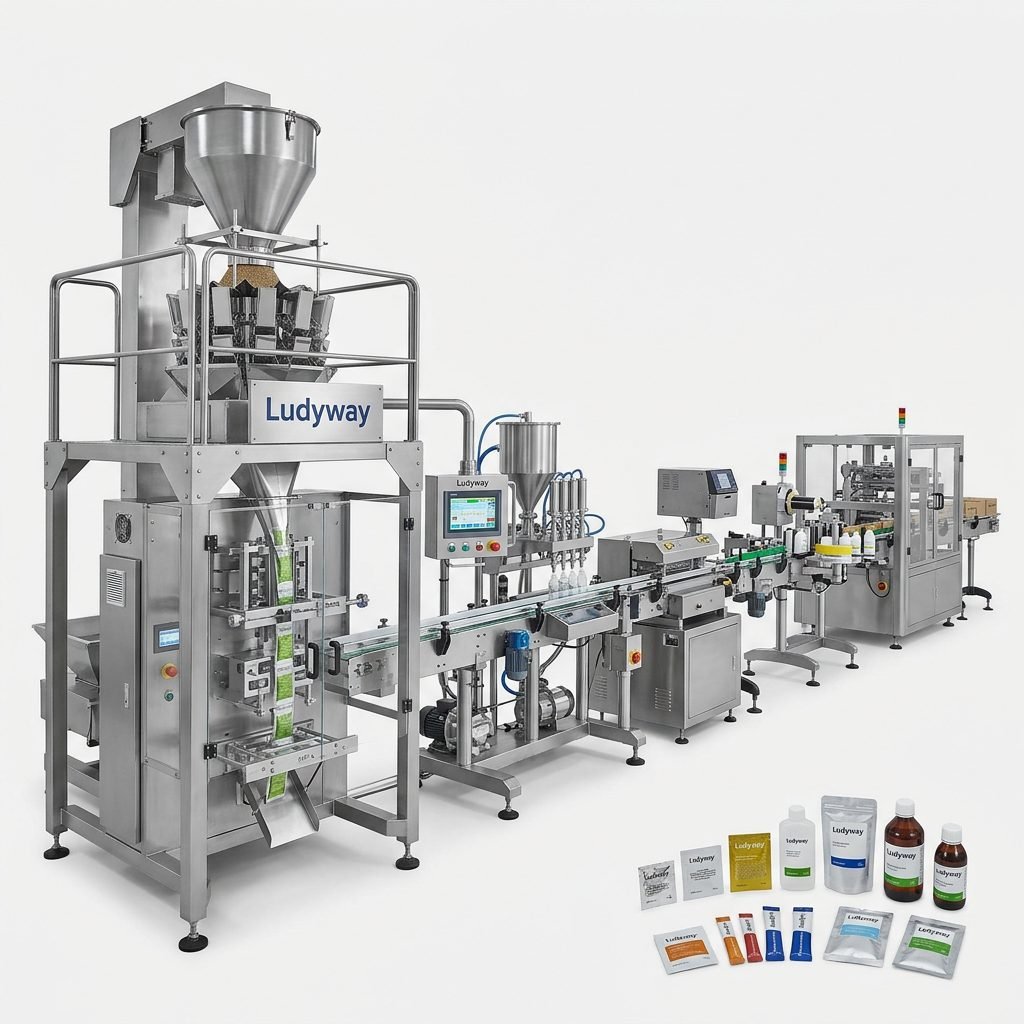
Beyond the initial purchase price, calculate the total cost of ownership over the machine’s expected lifespan. This includes:
- Spare parts availability – critical for minimizing downtime in El Salvador
- Energy consumption – an increasing cost factor in Central America
- Film waste rates – even 1% improvement saves thousands annually
- Technical support and training – local versus remote service options
Entry-level semi-automatic machines may cost $5,000-$20,000, while fully automated multi-lane lines can range from $50,000 to $250,000+ depending on configuration and output. The FDA’s food packaging guidelines provide additional context on compliance requirements that may influence equipment specifications if you plan to export.
Regulatory Compliance for El Salvador and Export Markets
Food packaging machinery must meet relevant safety and hygiene standards. For El Salvador-based producers, key regulations include:
- CODEX Alimentarius guidelines for food contact materials
- FDA 21 CFR requirements for exporters to the United States
- EU Regulations for products destined for European markets
- Salvadoran Ministerio de Salud food safety standards
Machines constructed with stainless steel (preferably SUS304 or SUS316L), featuring easy-clean designs with minimal crevices, significantly simplify compliance audits. Verify that the equipment meets ISO packaging standards and can be validated for your specific application.
Evaluating Machine Suppliers
Selecting the right supplier is as important as selecting the right machine. Evaluate potential partners based on:
- Industry experience – years in business and specialization in your product category
- Installation and training support – essential for smooth commissioning in El Salvador
- After-sales service – response time, remote diagnostics, and spare parts logistics
- Customer references – particularly from Central American or similar climate markets
- Customization capability – ability to tailor machines to unique product requirements
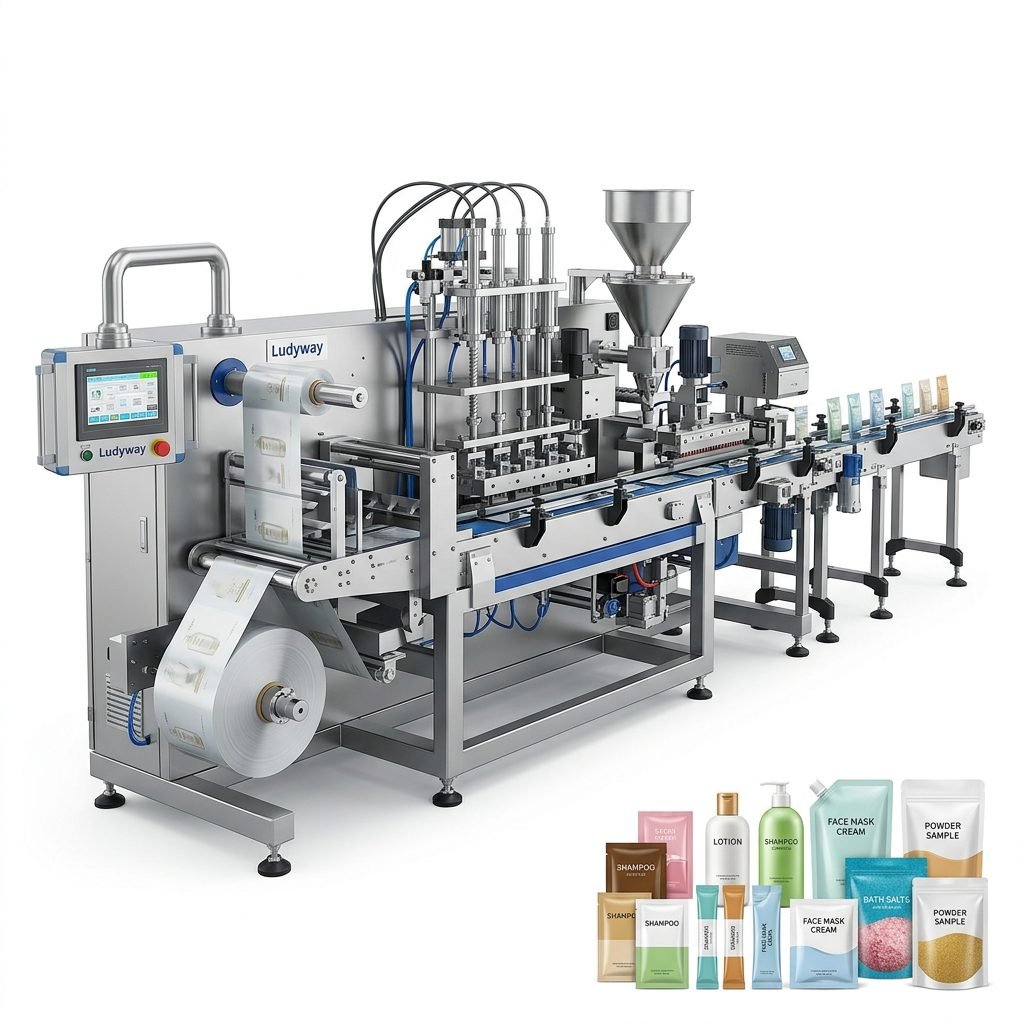
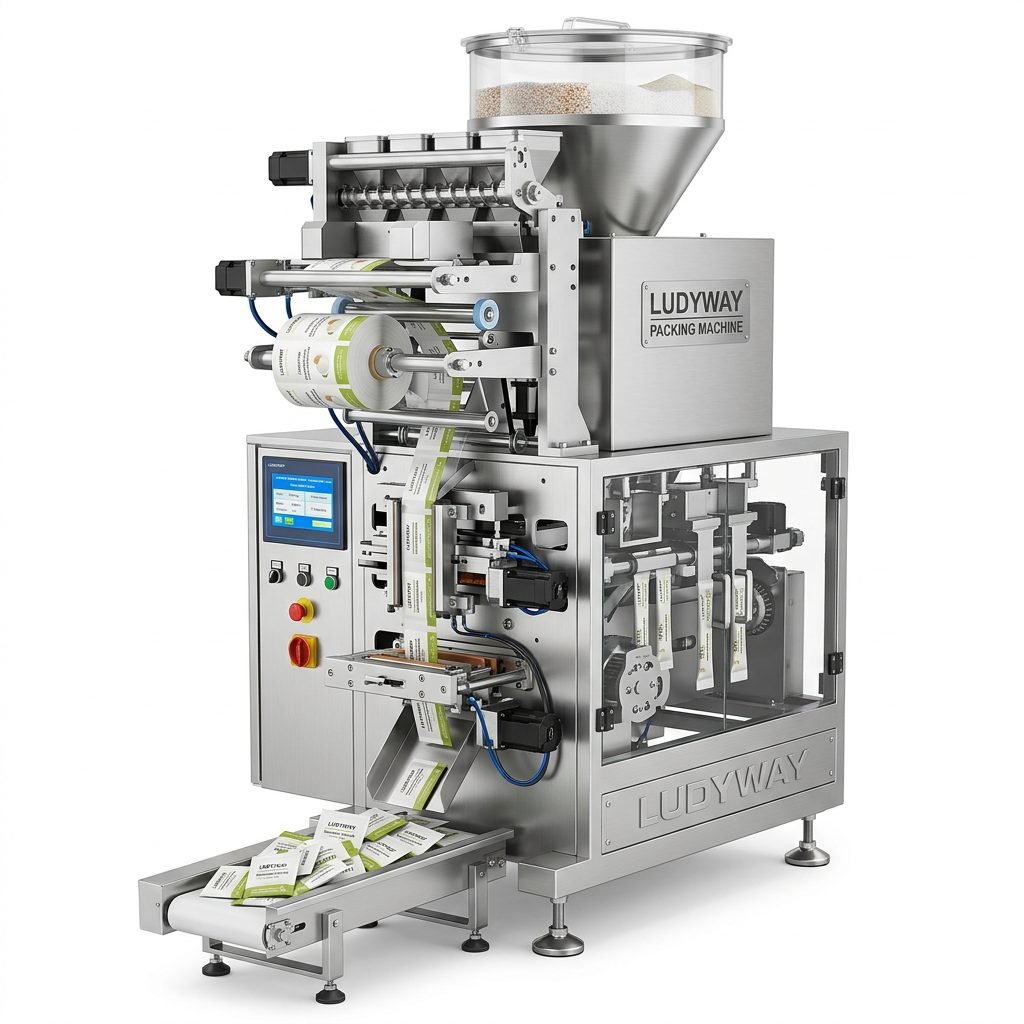
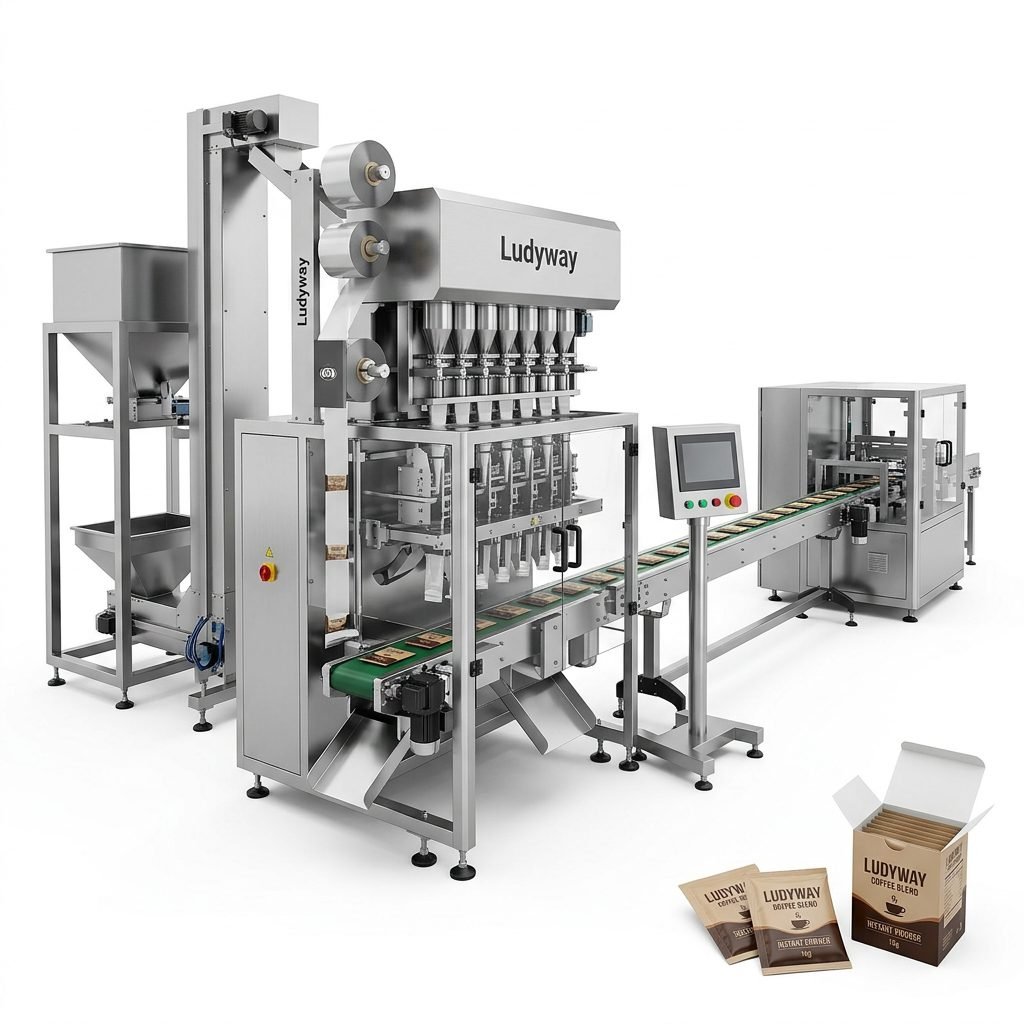
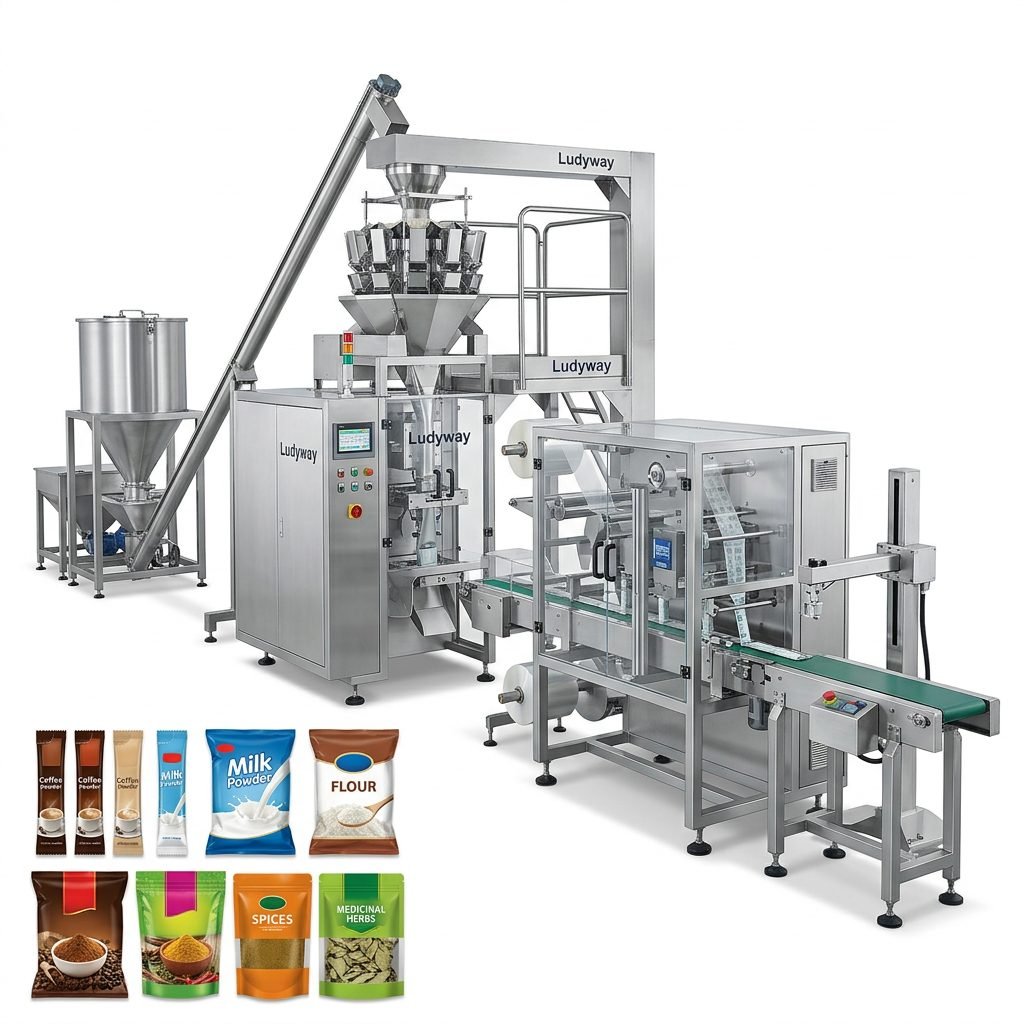
Leading global manufacturers like Ludyway, one of the largest packaging machine manufacturers in China with over 30 years of industry expertise and a modern 20,000m² manufacturing facility, offer comprehensive turnkey solutions spanning granule, powder, liquid, and pouch packaging applications across more than 100 countries.
Automation and Integration Capabilities
Modern packaging lines increasingly incorporate smart features that improve efficiency and traceability. Consider whether your operation would benefit from:
- Automated weighing and filling with ±0.5% accuracy
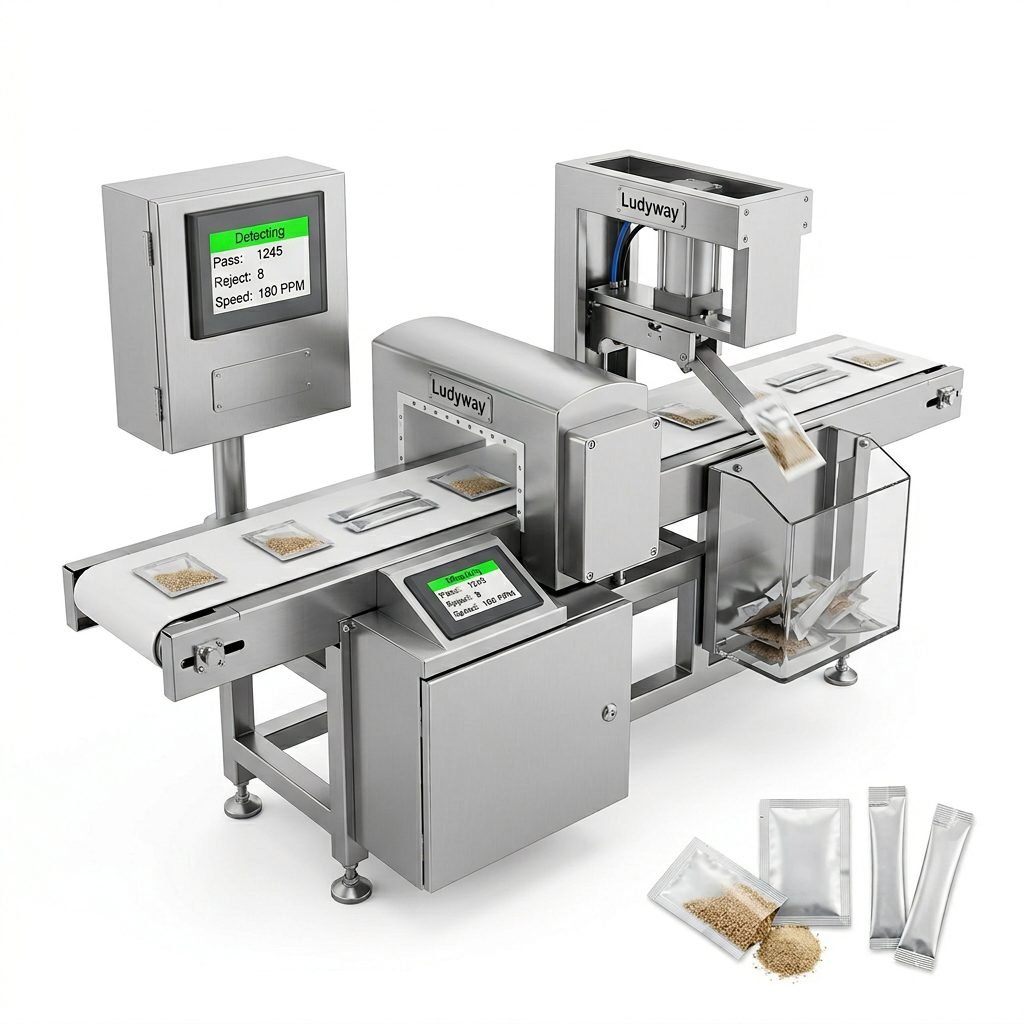
- Inline checkweighing and metal detection systems
- Date coding and serialization for track-and-trace compliance
- Integration with upstream and downstream equipment
- Data collection for OEE (Overall Equipment Effectiveness) monitoring
Even if you start with a basic configuration, ensure the machine architecture supports future upgrades. Retrofitting automation features later can be more expensive than specifying them upfront. The PMMI packaging industry resources offer valuable guidance on automation trends and technology adoption.
Making the Final Decision
After narrowing your options, take these practical steps before finalizing your purchase:
- Request a product trial – send samples to the supplier for test runs using your actual product and film
- Visit the factory or arrange a video inspection – evaluate build quality and manufacturing standards
- Negotiate warranty terms – aim for at least 12 months with clear coverage definitions
- Confirm shipping and installation logistics – understand lead times, import duties, and local setup requirements for El Salvador
- Plan operator training – ensure your team receives comprehensive hands-on instruction
Investing time in due diligence upfront prevents expensive surprises after installation and helps establish a foundation for long-term production success.
Conclusion
Choosing the right food packaging machine for your products in El Salvador requires balancing technical specifications, budget realities, regulatory requirements, and supplier reliability. By thoroughly understanding your product characteristics, selecting the appropriate packaging format, evaluating total cost of ownership, and partnering with an experienced manufacturer, you position your business for sustainable growth in domestic and export markets. The Central American food processing sector continues to expand, and producers who invest in efficient, compliant packaging equipment today will be best positioned to capture tomorrow’s opportunities.