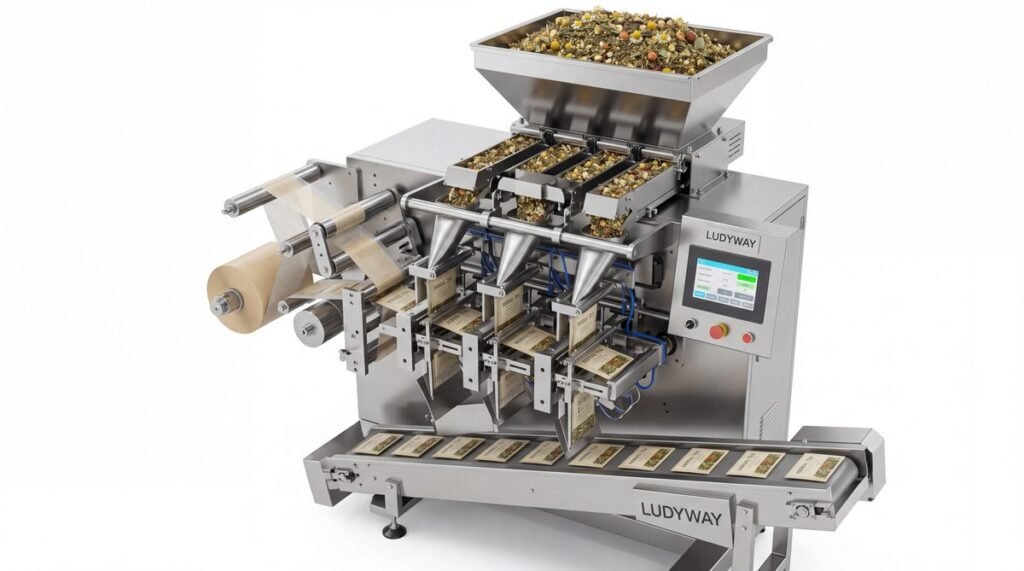
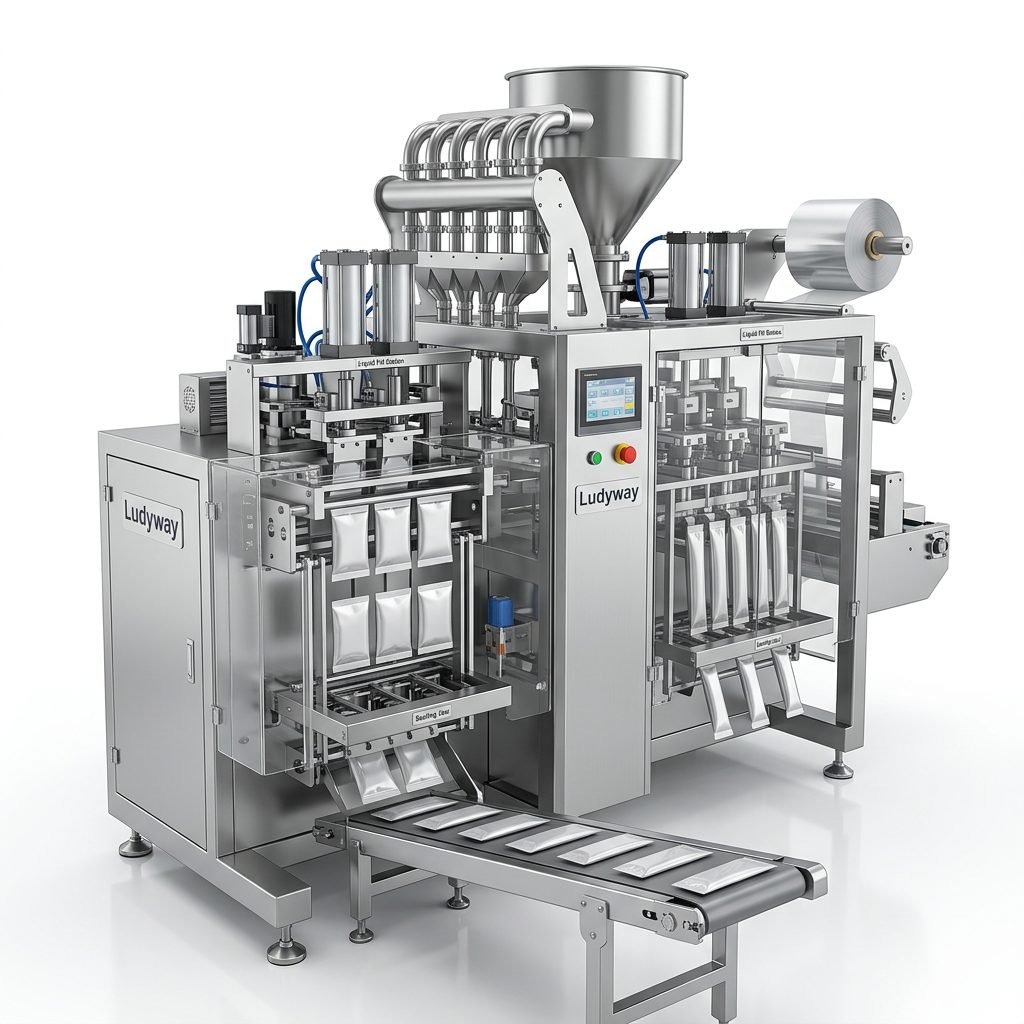
Investing in a sugar packaging machine is a strategic decision for businesses aiming to scale production, ensure hygiene, and capture market share in the competitive food sector. Whether you are packaging granulated white sugar, brown sugar, or powdered sugar, the right automated system transforms your operational efficiency. This guide covers critical specifications, machine types, and procurement strategies for global buyers.
Understanding the Global Demand for Automated Sugar Packaging
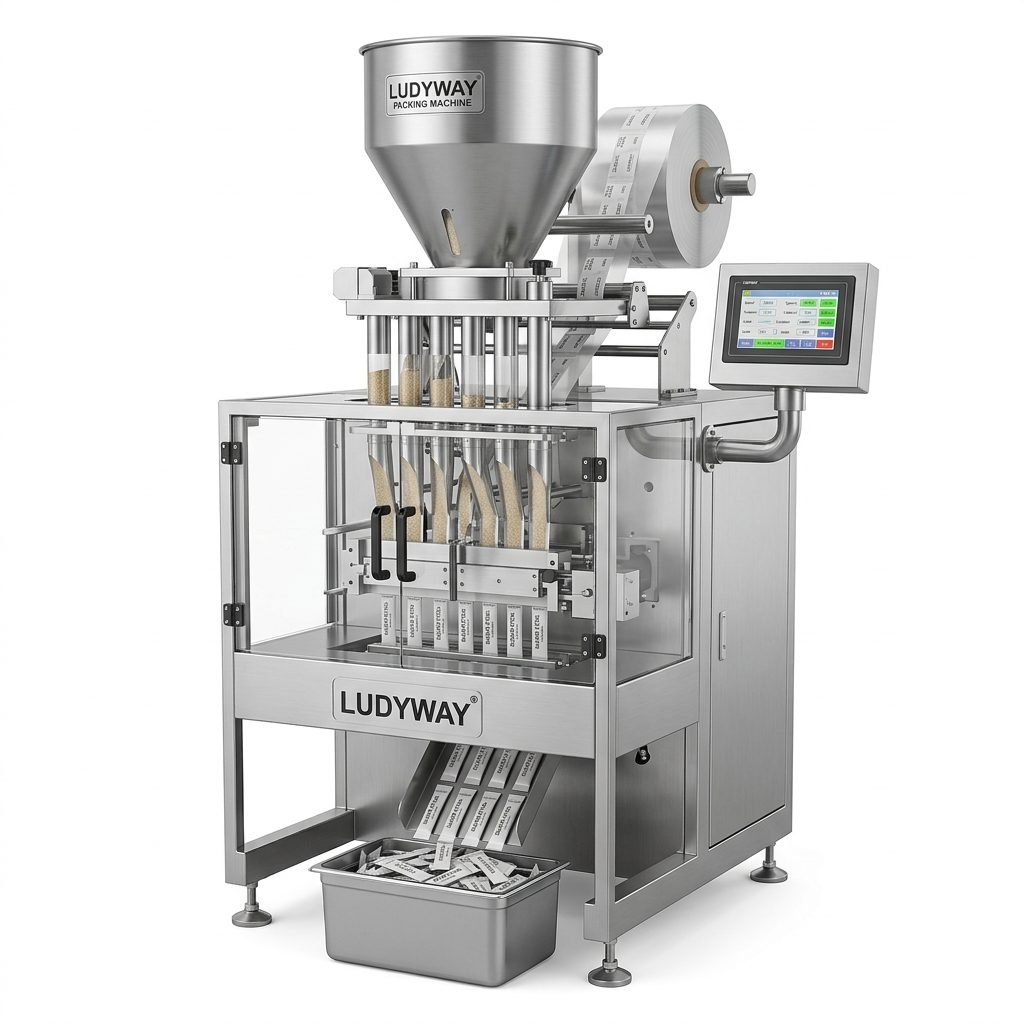
The global sugar market is projected to grow steadily, necessitating high-speed packaging machinery that complies with international food safety standards. Manual packing is no longer viable for companies exporting to regions with strict regulations like the EU or North America. An industry report on packaging trends highlights the shift toward automation to meet labor shortages and hygiene demands. A modern sugar stick pack machine or sachet system ensures consistent weight accuracy, tamper-evident seals, and extended shelf life.
Types of Sugar Packaging Machines
Choosing the correct configuration depends on your target portion size, packaging material, and production speed. Below is a breakdown of the most popular systems for sugar packaging:
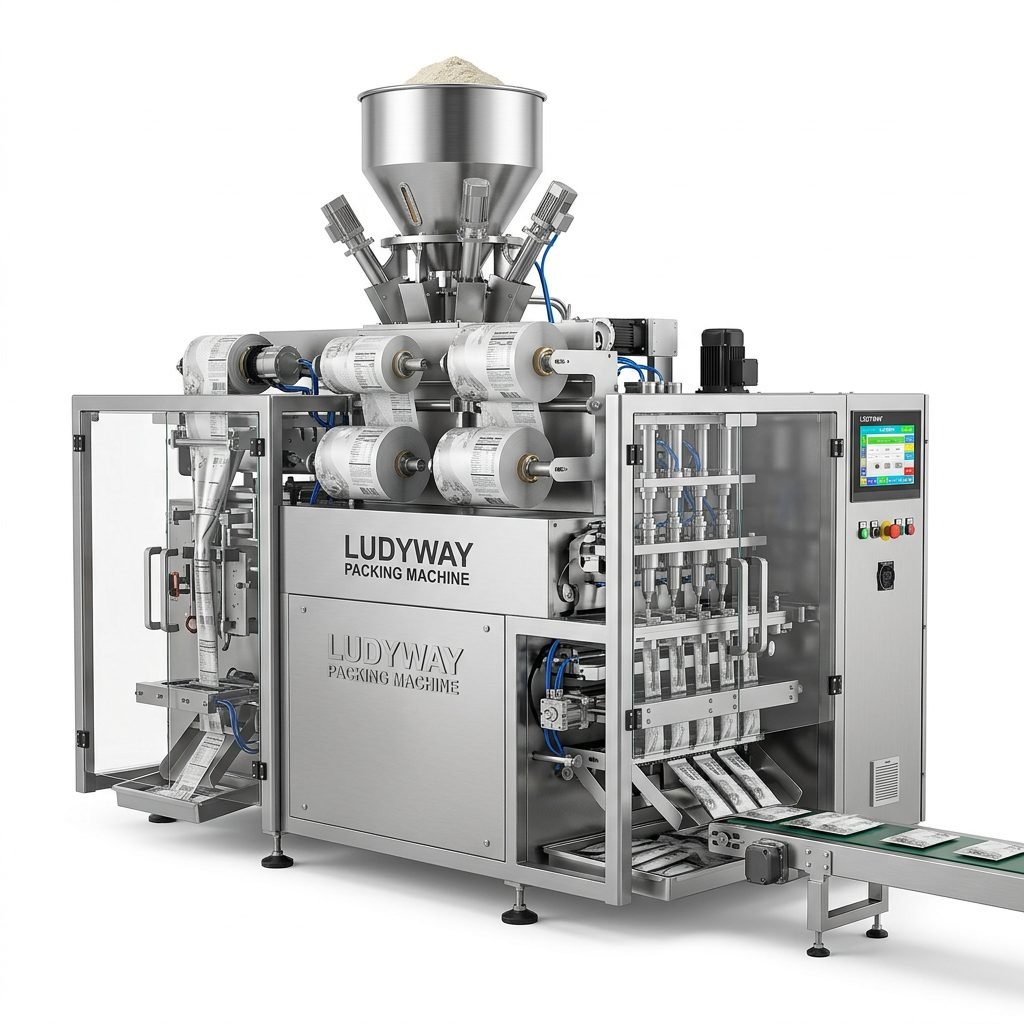
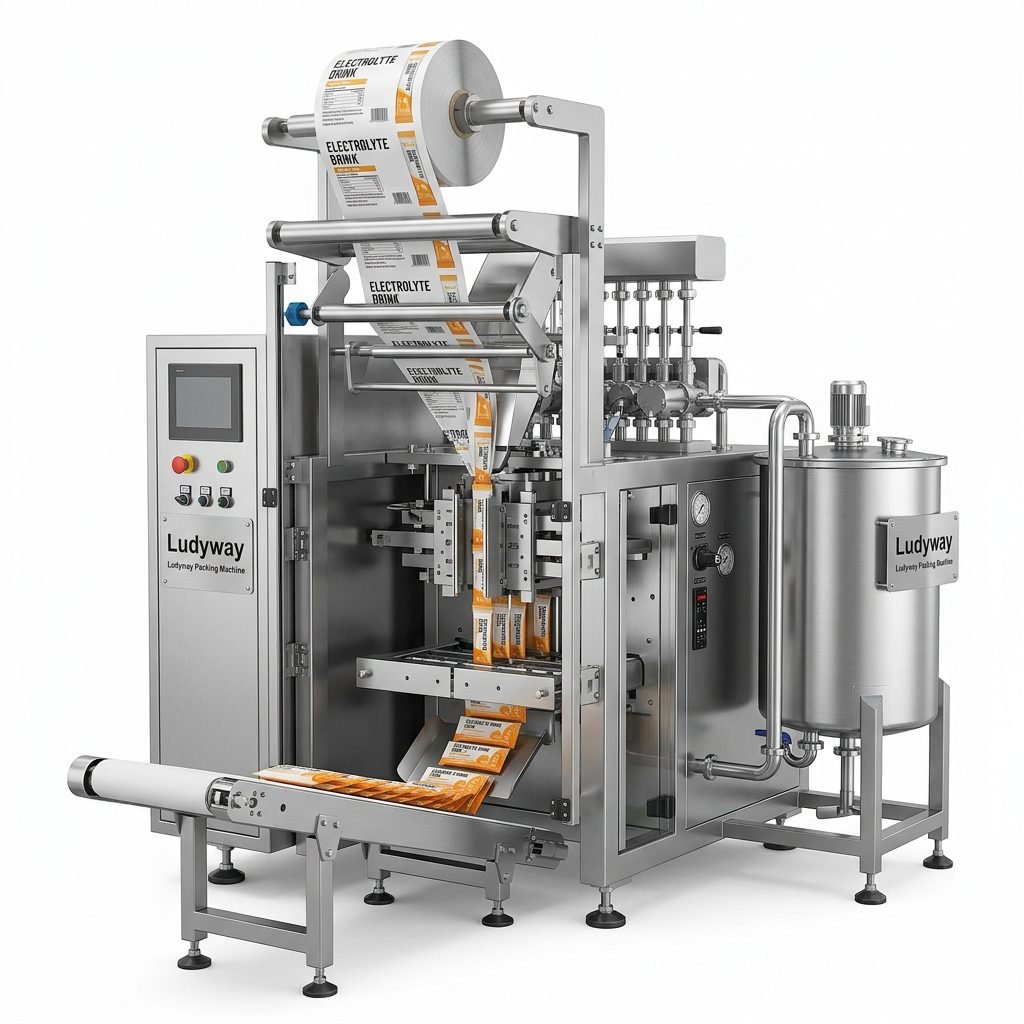
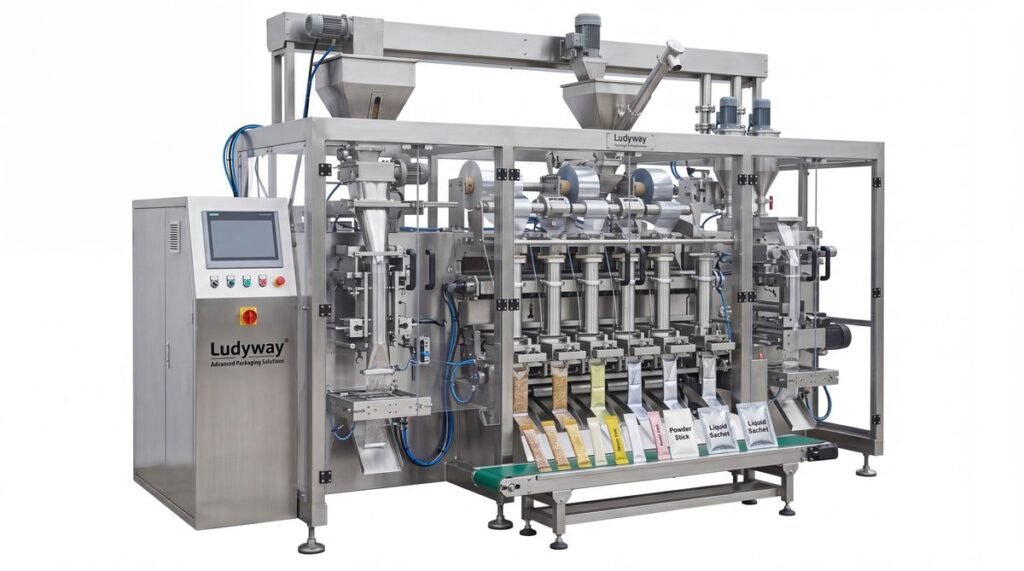
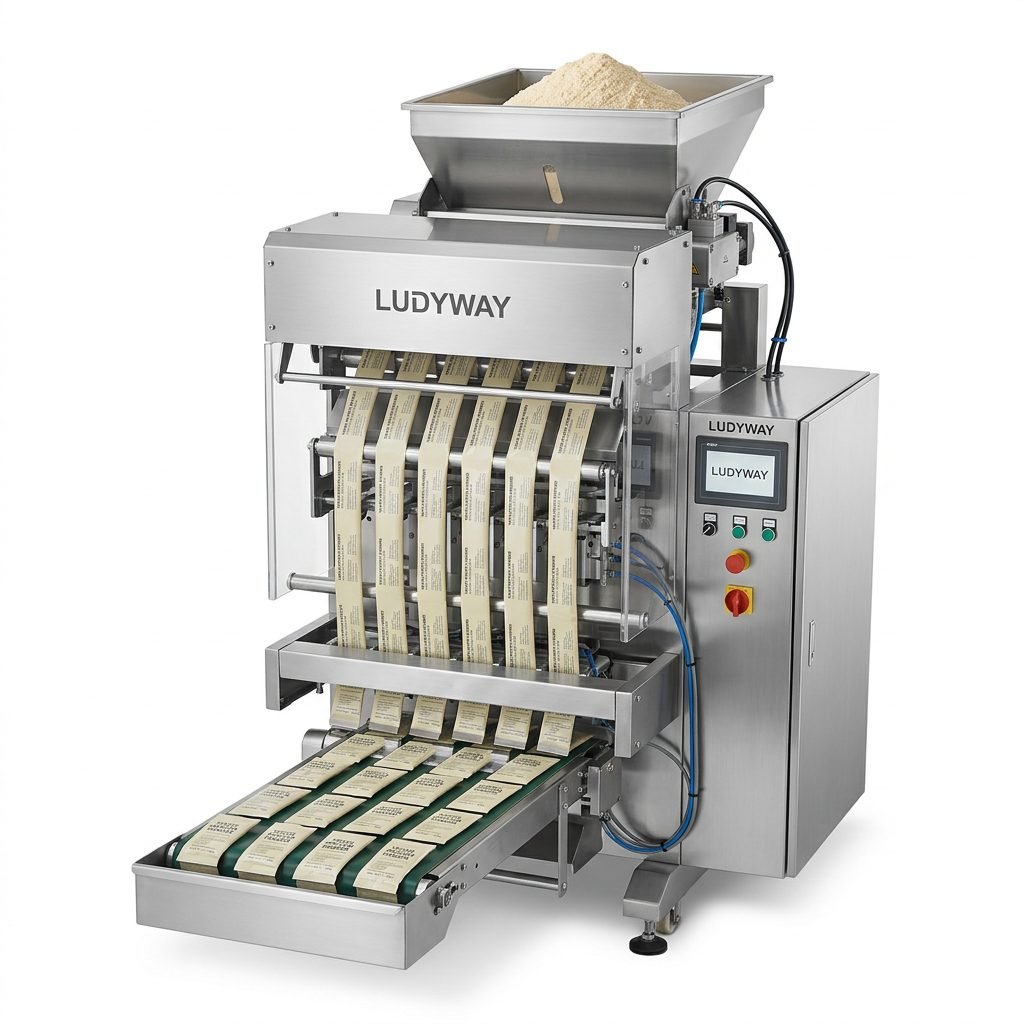
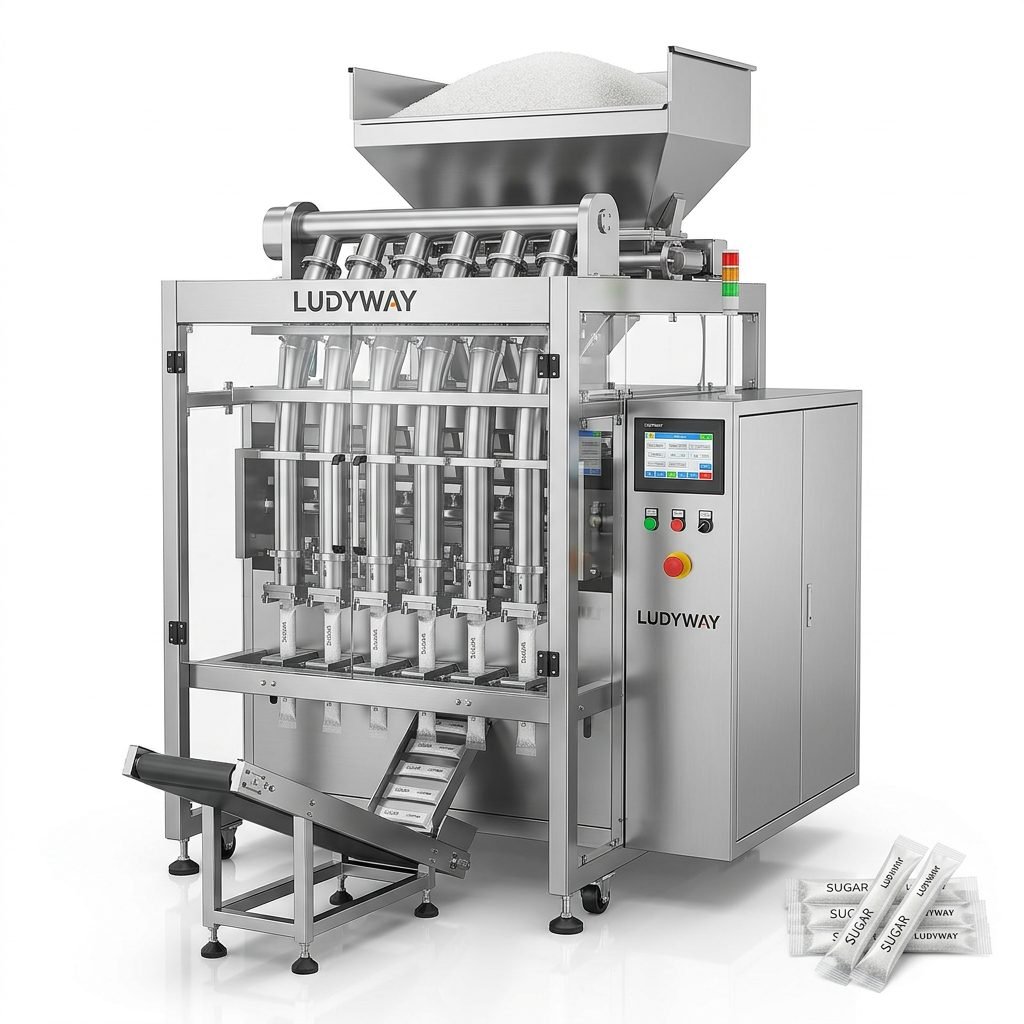
- Stick Pack Machines: Ideal for single-serve portions (3g to 15g) commonly used in cafés and airlines. These machines run at very high speeds, often utilizing multi-lane technology to maximize output.
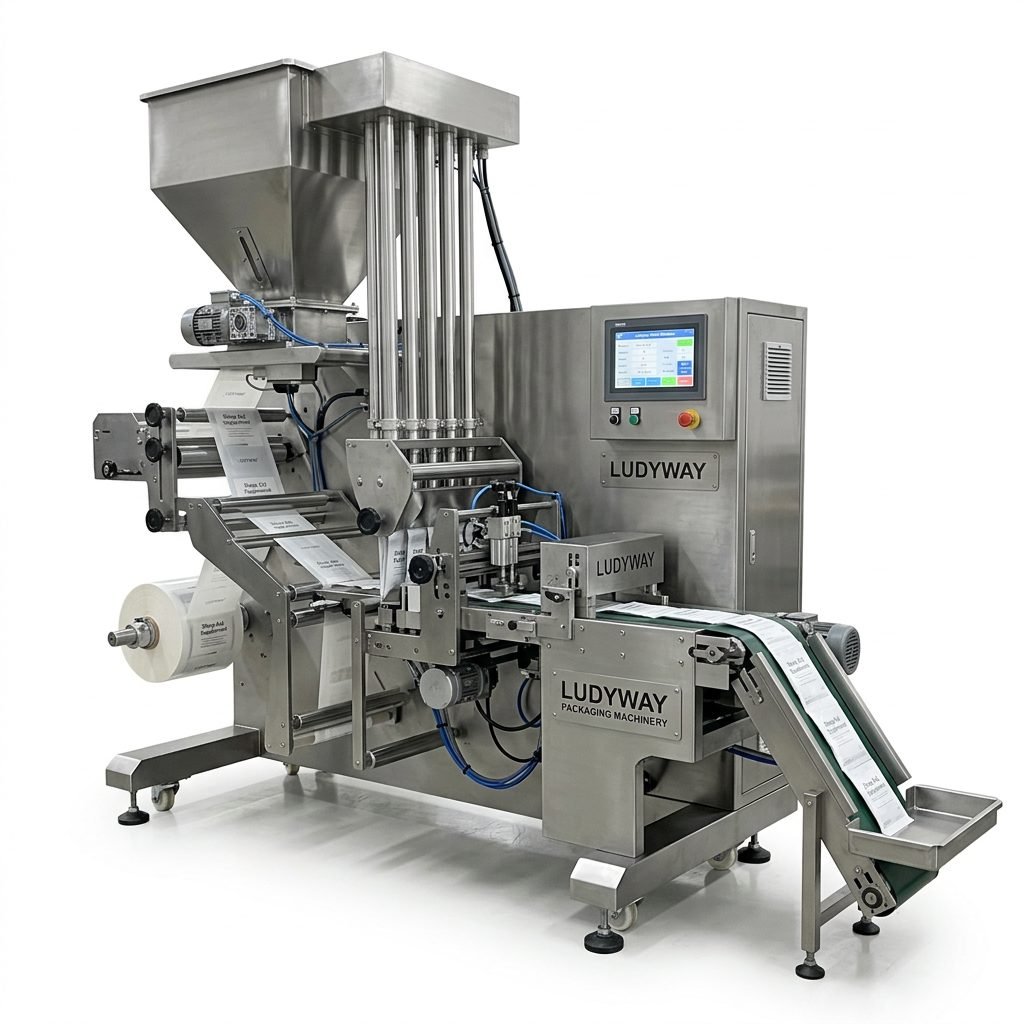
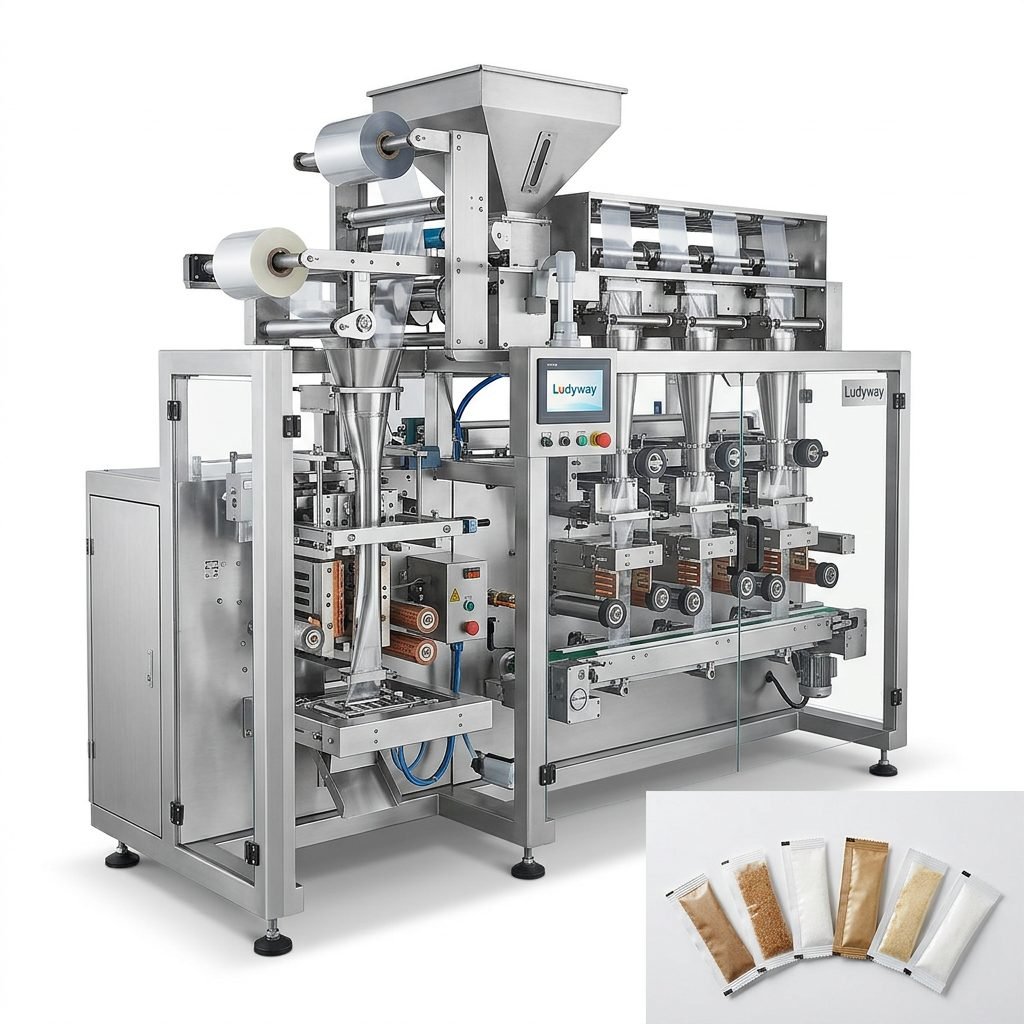
- Sachet/Pillow Pack Machines: Suitable for medium volumes (20g to 1kg). These are robust and can handle various film laminates to protect against moisture.
- Premade Pouch Rotary Machines: Perfect for retail-ready stand-up pouches (500g to 2kg) with zippers or resealable features, enhancing brand visibility on shelves.
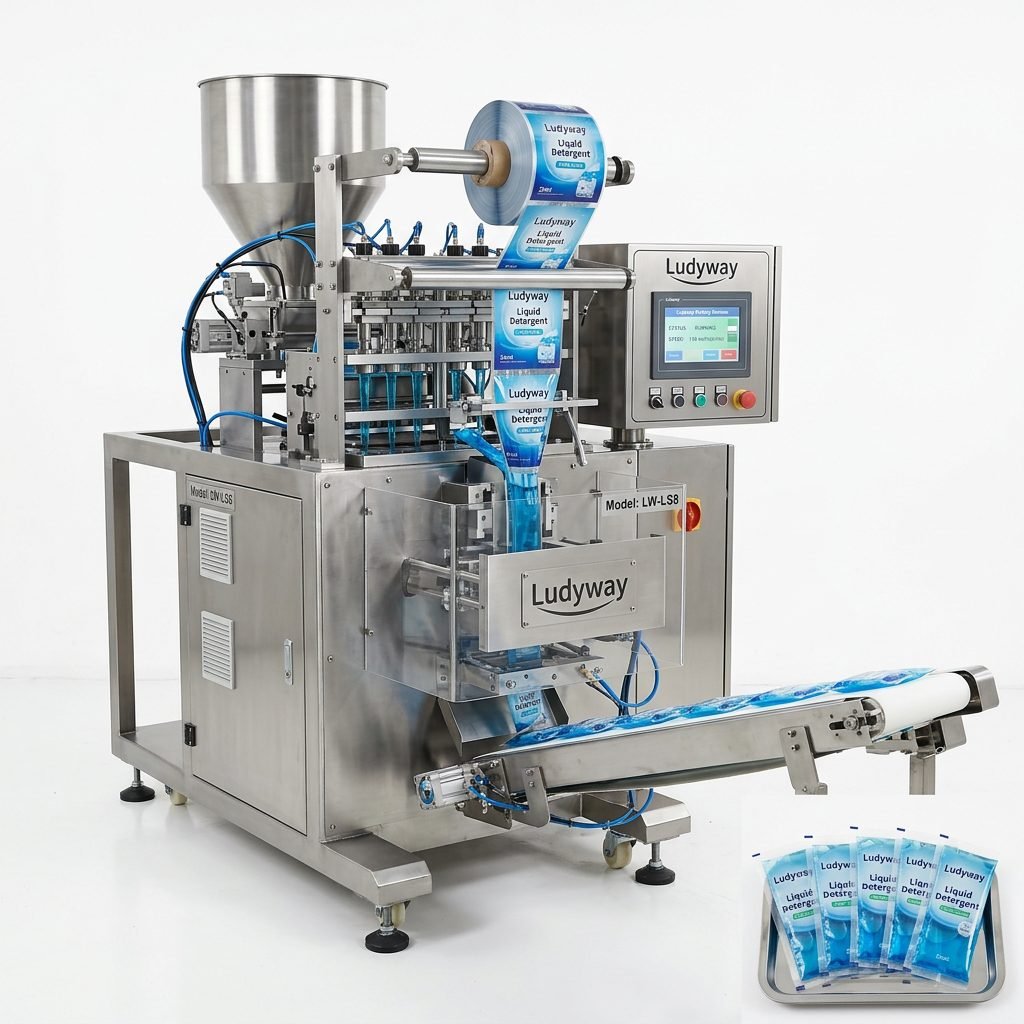
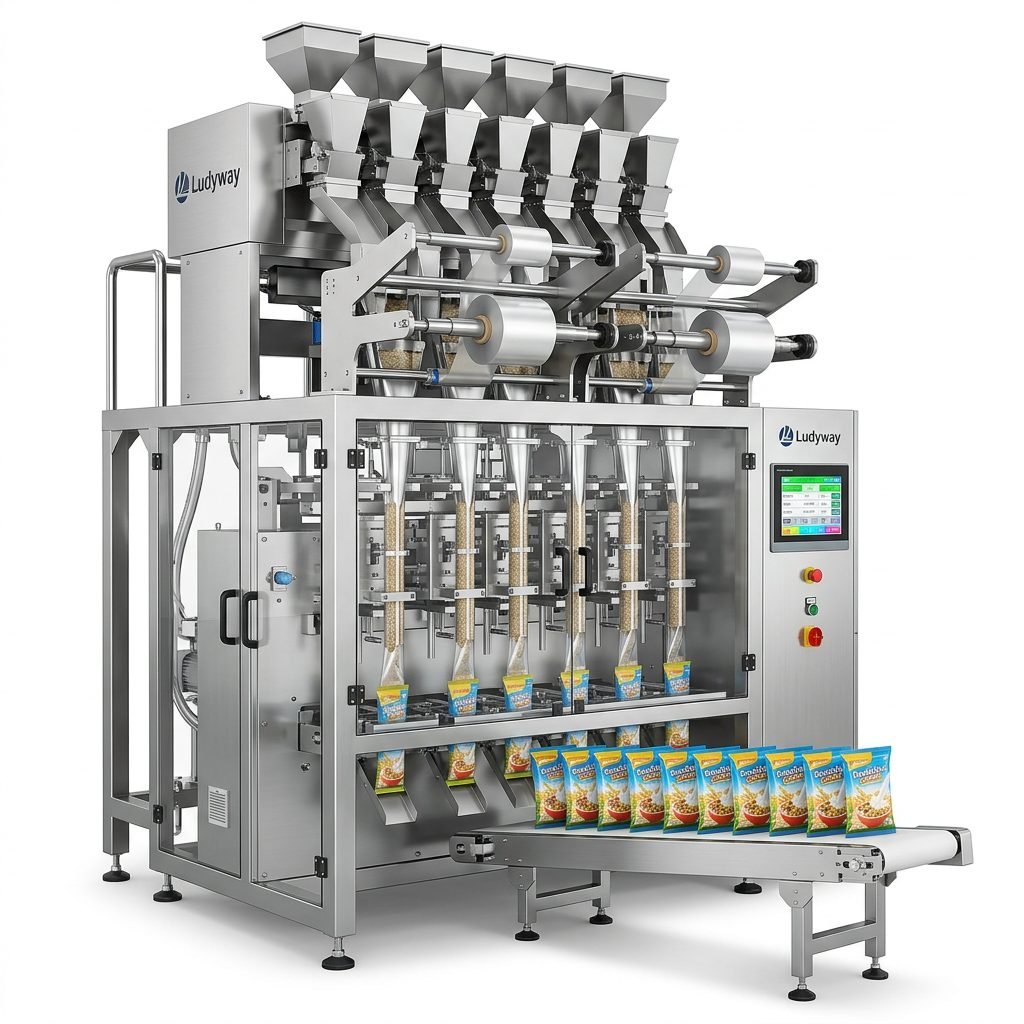
- Vertical Form Fill Seal (VFFS) Machines: A versatile option for high-volume granulated sugar packaging, capable of handling pillow bags and gusseted bags.
Key Technical Specifications to Evaluate
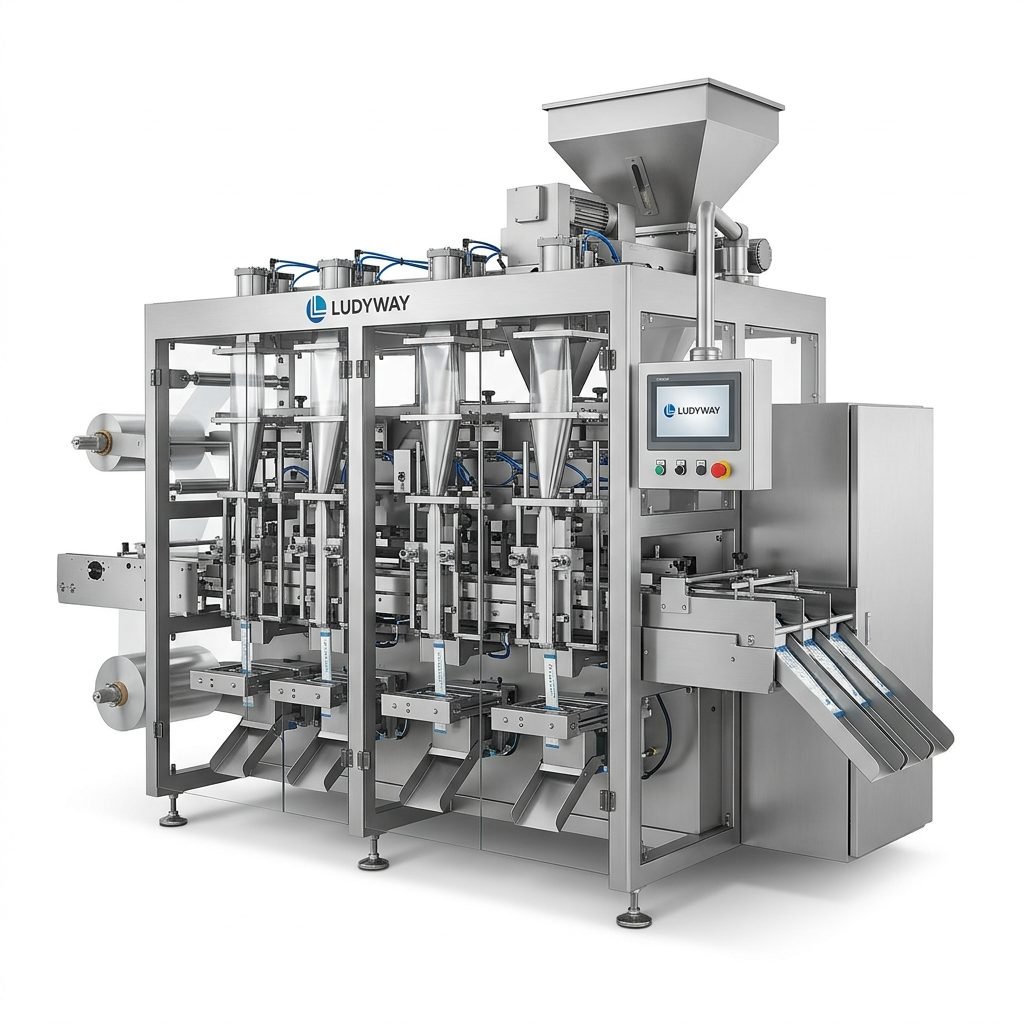
When reviewing a sugar packaging line, you must look beyond the price tag. The machine’s engineering dictates maintenance costs and uptime. Focus on the following components:
- Weighing System: Multi-head weighers or auger fillers must deliver high precision (±0.5g or better) to prevent product giveaway.
- Film Handling: The machine should support standard laminates like BOPP/CPP or PET/PE, with precise temperature control for hermetic sealing.
- Construction Material: Food-grade 304 or 316 stainless steel is mandatory for product contact parts to resist corrosion and prevent contamination.
Multi-Lane vs. Single-Lane Configuration
For high-demand global businesses, a multi-lane stick pack machine is often the optimal investment. A 10-lane machine running at 50 cycles per minute can produce 500 packs per minute, dramatically reducing labor requirements compared to manual filling stations.
Essential Features for Precise Sugar Filling
Sugar is hygroscopic and can be dusty, creating specific engineering challenges for packaging machinery:
| Challenge | Machine Feature | Benefit |
|---|---|---|
| Dust Generation | Dust extraction hood or vacuum system | Protects sealing jaws and electronics |
| Moisture Absorption | Hermetic seal with nitrogen flushing capability | Extends shelf life in tropical climates |
| Granule Breakage | Gentle volumetric cups or linear weighers | Maintains crystal integrity |
| Static Adhesion | Anti-static film treatment and grounding | Prevents granules sticking to seals |
Integrated Automation Options
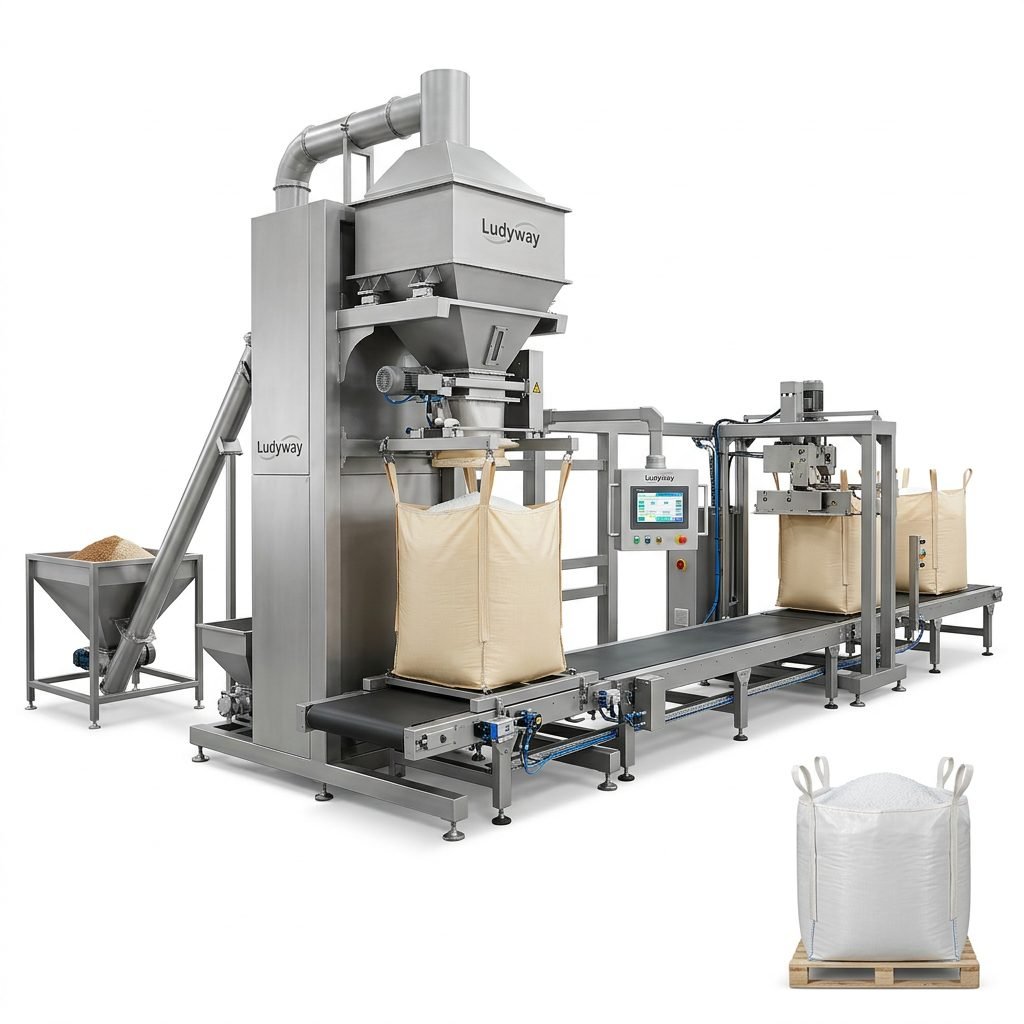
To future-proof your factory, consider a complete turnkey packaging solution. This integrates feeding conveyors, the primary packaging machine, checkweighers, and cartoning machines. A fully automated line minimizes human touchpoints, crucial for GMP-compliant sugar packaging.
Compliance and Global Standards for Food Packaging
Exporting businesses must ensure their equipment meets destination market regulations. Packaging machinery must facilitate compliance with FDA standards for food contact surfaces and EU directives on packaging waste. Leading manufacturers design machines that support easy cleaning and validation protocols. Adhering to ISO packaging standards ensures your product qualifies for international distribution.
Sustainability in Sugar Packaging
The shift toward eco-friendly materials is accelerating. Modern sugar sachet packing machines must be engineered to run recyclable mono-materials or paper-based laminates without tearing or misalignment, a feature that significantly reduces plastic tax liabilities in regions like the UK and EU.
Calculating ROI for Your Packaging Investment
The initial cost of a high-speed packaging machine is offset by long-term savings. Compare the following key performance indicators:
- Output Rate: Machines capable of 40-80 bags per minute per lane.
- Film Waste: Advanced registration sensors keep waste below 0.5%.
- Energy Consumption: Modern servo-driven systems consume significantly less power than pneumatic counterparts.
- Labor Reduction: One automated line typically replaces 4-6 manual packing workers.
Selecting the Right Manufacturer for Sugar Equipment
Evaluating the manufacturer is as important as evaluating the machine. Look for suppliers with extensive testing facilities and the ability to customize lanes, dosing ranges, and bag formats. Ludyway is one of the largest packaging machine manufacturers in China, specializing in advanced packaging equipment with over 50 intelligent models, including multi-lane stick pack and fully automated packaging systems. A reliable partner should provide factory acceptance testing (FAT) and installation support.
Maintenance and After-Sales Support
Global businesses often face downtime due to lack of local support. When sourcing a sugar packaging machine, prioritize vendors offering remote diagnostic capabilities and readily available spare parts. Ensure the user interface (HMI) is intuitive, preferably with multi-language support, to simplify operator training on the factory floor.
Emerging Trends: Smart Packaging and IoT Integration
The future of sugar packaging lies in Industry 4.0. Modern machines now feature Ethernet/IP or Profinet connectivity, allowing real-time data logging on seal temperature, vibration analysis, and throughput. This predictive maintenance capability prevents catastrophic failures and ensures consistent output quality.
Common Pitfalls to Avoid When Buying
Even experienced procurement managers can make costly mistakes. Ensure you do not overlook these critical steps:
- Ignoring Film Compatibility: Always test your specific film structures on the machine before purchase.
- Under-specifying Speed: Calculate the theoretical speed minus a 15-20% efficiency loss to find the true sustainable rate.
- Neglecting Infrastructure: Verify that your facility can supply the required clean, dry compressed air and stable power supply for the machine.
Final Checklist for Global Procurement
Before finalizing your order for a sugar packaging system, verify the following points:
- Confirmation of CE or UL certification for electrical safety.
- Validation of the film tracking system’s accuracy with your chosen laminate.
- Inclusion of a comprehensive spare parts kit for the first year of operation.
- Clear warranty terms covering servo motors and PLC systems.
By carefully aligning your production needs with the right technology, you can secure a robust packaging line that delivers precision, speed, and compliance for years to come.
For further reading on industry standards, visit FDA Food Packaging Resources or explore PMMI State of the Industry Reports.
For insights on global packaging machinery growth, see this Ludyway Global Growth Report.