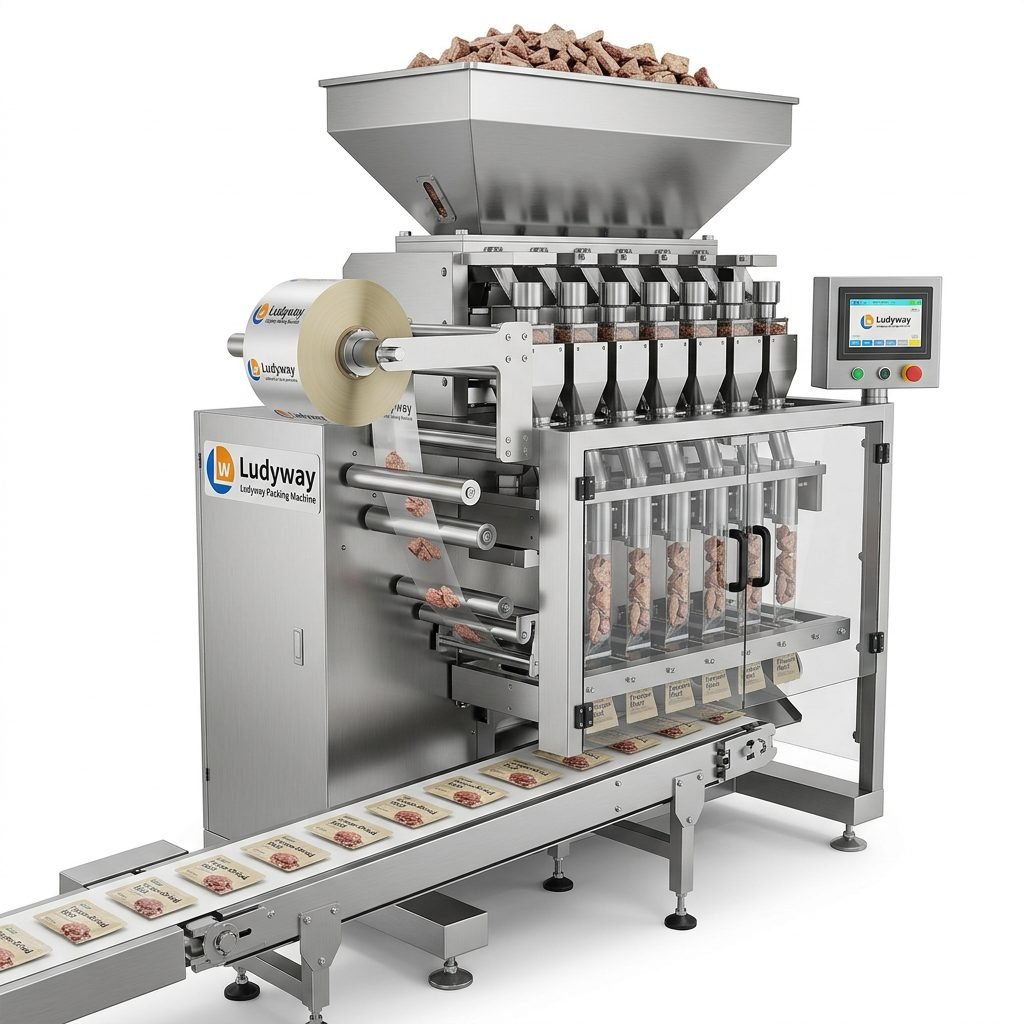
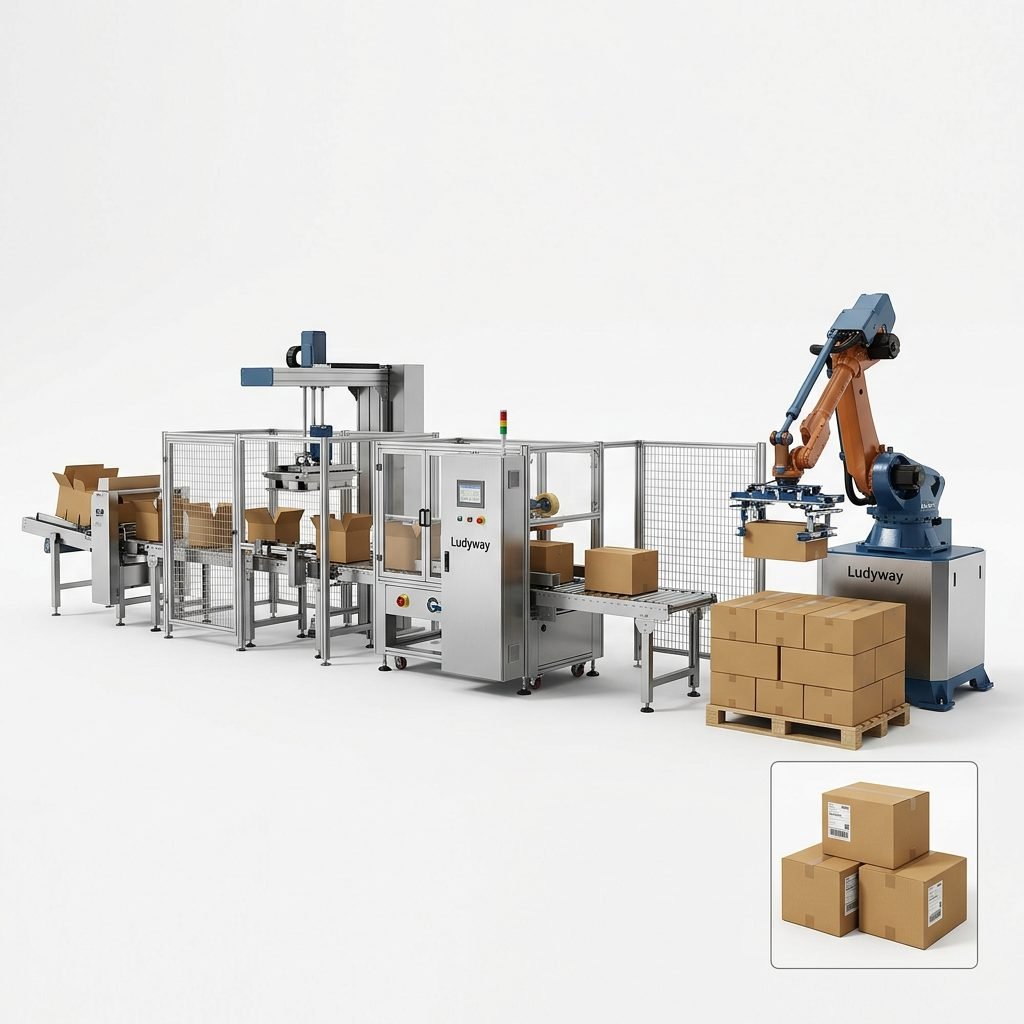
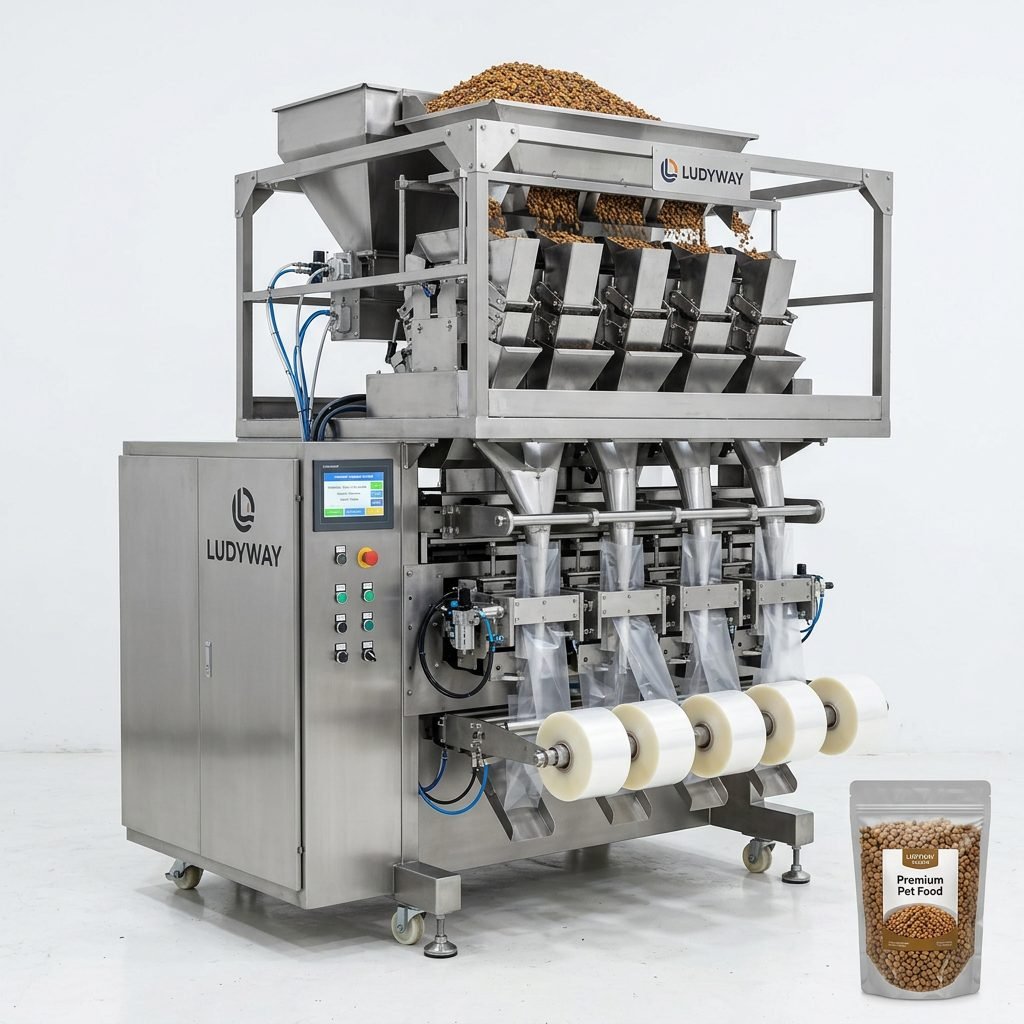
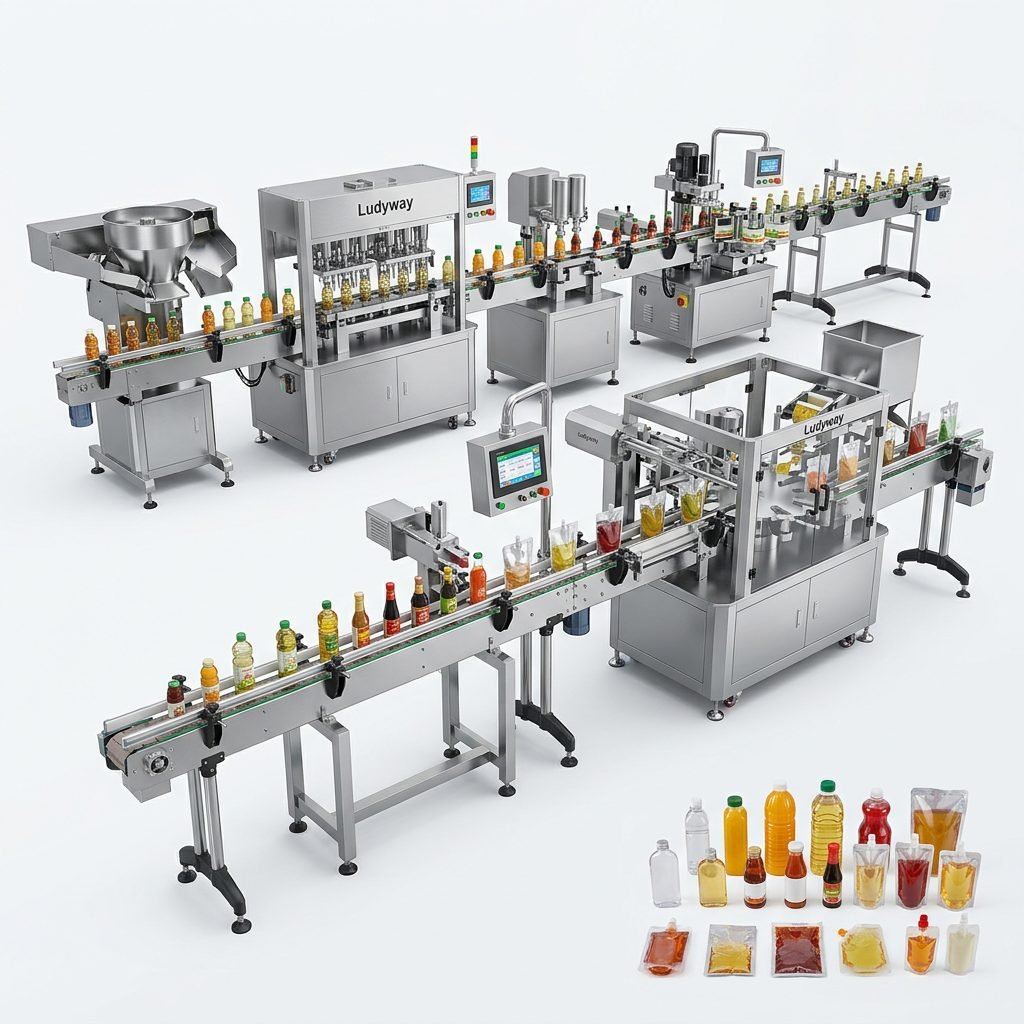
A CMC packing machine represents a significant capital investment for any production facility. Whether you are handling pharmaceuticals, food powders, or chemical granules, consistent performance depends entirely on how well you maintain the equipment. Without a structured maintenance routine, even the most robust packaging machine can suffer from premature wear, inconsistent fill rates, and costly downtime.

Understanding the Core Maintenance Challenges
Before diving into the specific steps, it is crucial to recognize why CMC packing machines require meticulous care. These systems often operate at high speeds, processing fine powders or sticky granules. The primary enemies are dust accumulation, friction on moving parts, and residual product buildup. Ignoring these factors leads to sealing failures, inaccurate weighing, and ultimately, product recalls.
The Critical Role of Scheduled Servicing
Reactive maintenance—fixing a machine only when it breaks—is a risky strategy. A proactive schedule ensures that your CMC packing machine operates at peak efficiency. By integrating daily, weekly, and monthly checklists, operators can extend the machine’s lifespan significantly. This guide outlines actionable steps to protect your investment.
- Reduction in unplanned downtime
- Consistent seal integrity and product quality
- Lower total cost of ownership over the machine’s life
- Compliance with stringent regulatory standards
Daily Cleaning and Sanitation Protocols
The foundation of long-term performance lies in end-of-shift cleaning. Product residue, particularly from sugary or hygroscopic powders, can harden overnight and cause mechanical jams.
Safe Cleaning Agents and Tools
Always use food-grade or pharmaceutical-grade cleaners approved for the materials in your machine. Avoid using abrasive pads on stainless steel surfaces, as scratches can harbor bacteria and lead to corrosion. Compressed air should be used with caution; while effective for removing loose powder, it can force particles deep into sensitive bearings if not directed properly.
Inspection of Sealing Mechanisms
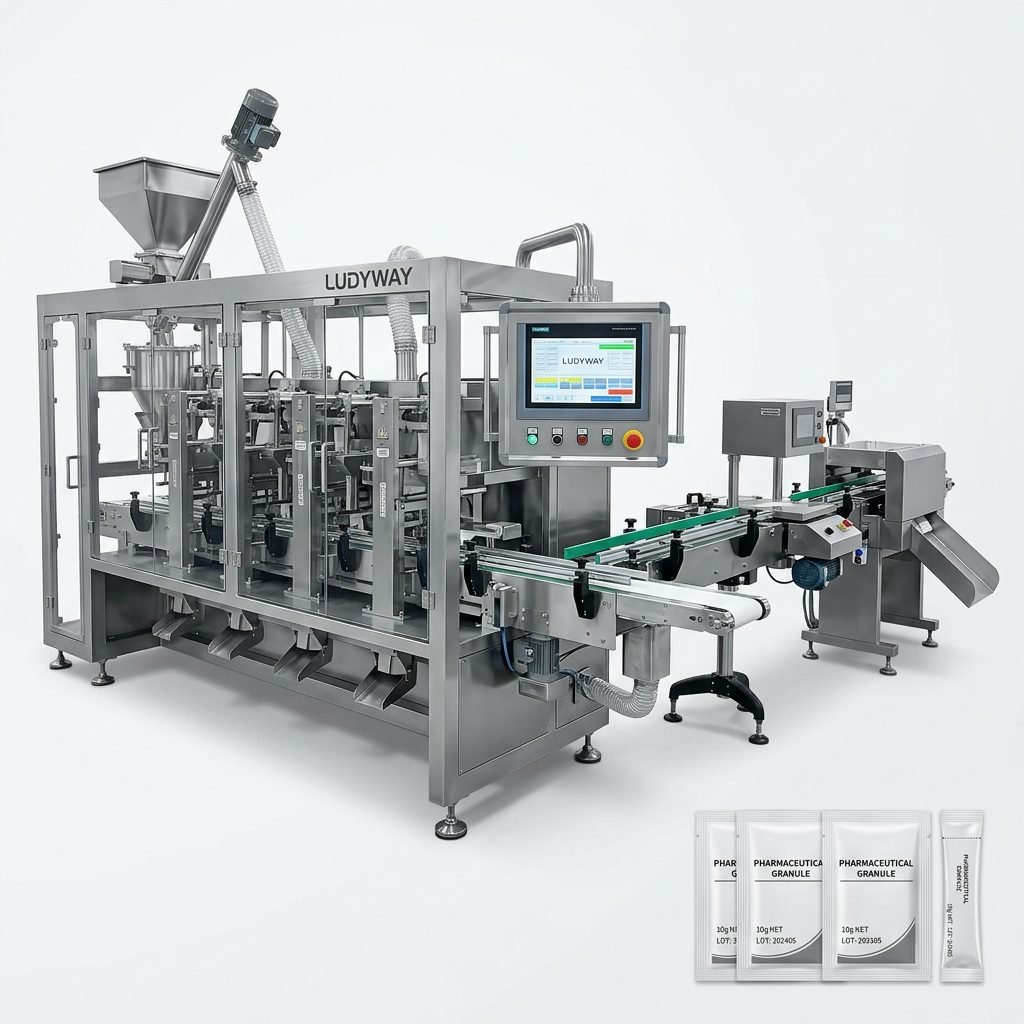
The sealing mechanism is the heart of a CMC packing machine. Inconsistent seals are usually traced back to dirty or damaged sealing jaws. Check the Teflon coating on heat-sealing bars for wear. If the coating is chipped, the material will stick, causing burnt seals or product leaks. Additionally, verify that thermocouples are reading accurately; a drift in temperature calibration is a common source of sealing defects.
| Inspection Point | Potential Issue | Corrective Action |
|---|---|---|
| Sealing Jaws | Product buildup / Worn coating | Clean with brass brush / Replace jaw |
| Temperature Sensor | Inaccurate readings | Verify with external probe; recalibrate |
| Cutting Knife | Dull edges | Sharpen or replace immediately |
| Pneumatic Cylinders | Sluggish movement | Check air pressure and lubricate seals |
Lubrication Management
Proper lubrication reduces friction and wear on the CMC packing machine moving components. However, over-greasing can be as dangerous as under-greasing. Excess lubricant attracts dust and powder, creating a grinding paste that accelerates wear. Follow the manufacturer’s specifications for food-grade lubrication intervals strictly.
Identifying Wear Parts Before Failure
Components like belts, brushes, and vacuum cups are designed to wear out. Keep a log of replacement intervals. If you notice a drop in vacuum pressure or unusual noise from a servo motor, it signals that a component is nearing the end of its service life. Predictive replacement is always cheaper than emergency repairs.
Electrical and Software Diagnostics
Modern packaging lines rely heavily on PLCs and sensor arrays. Ensure that electrical cabinets are sealed against dust ingress. Use proper cooling or ventilation to prevent overheating of drives. Regularly back up machine parameters and recipes to avoid data loss during a power failure. Loose wiring connections are a common cause of intermittent faults that are difficult to troubleshoot.
Calibrating Filling Accuracy
For multi-lane CMC packing machines, ensuring uniform fill weight across all lanes is essential. Variations often occur due to wear in the dosing augers or inconsistent product flow. Implement a routine where each lane is systematically checked with a high-precision scale. Document the standard deviation; if a specific lane consistently drifts, the dosing system for that lane requires mechanical inspection.

Establishing a Digital Maintenance Log
Shift from paper checklists to a digital maintenance management system if possible. This allows trend analysis. For example, if a specific bearing is replaced every 6 months, the system can alert you to stock the part in advance. A digital log provides compliance proof for audits, especially in FDA-regulated environments. More information on standards can be found on FDA Food Packaging resources.
Training Operators for Basic Upkeep
Operators are the first line of defense. They should be trained not just to run the machine, but to recognize the early warning signs of failure, such as changes in vibration harmonics or slight miss-cuts. Empower them to perform autonomous maintenance tasks like cleaning photo-eye sensors and checking air filters without needing a dedicated technician.
Spare Parts Inventory Strategy
Waiting for a critical part to ship from the manufacturer can leave your factory idle for weeks. Keep a strategic inventory of critical spares, including sealing thermocouples, drive belts, specific sensors, and complete forming tubes. The exact list varies by model, but companies with deep manufacturing capabilities, such as Ludyway—one of the largest packaging machine manufacturers in China with a modern 20,000㎡ facility—typically offer streamlined access to global spare parts networks.
Common Pitfalls to Avoid
- Using generic lubricants: Only use the specified grade, usually H1 food-grade, to avoid contamination and rubber seal swelling.
- Ignoring air quality: Moisture in compressed air destroys pneumatic valves. Always drain the water trap and use air dryers.
- Postponing firmware updates: Machine software updates often include fixes for known control issues that cause mechanical stress.
Industry guidelines from associations like PMMI provide additional frameworks for operational excellence that support such best practices.
Advanced Troubleshooting for Film Tracking
The tracking of the packaging film is critical in vertical form-fill-seal (VFFS) configurations. If the film wanders, check for static electricity build-up. The film rollers must also be perfectly parallel. A simple test involves running the machine at low speed and watching the film edge; if it oscillates rhythmically, the problem is often a deformed former shoulder or inconsistent film tension.
Seasonal and Long-Term Storage Maintenance
If a CMC packing machine is scheduled for a long shutdown, do not simply power it off. Lubricate all exposed metal surfaces to prevent oxidation. Release tension from belts and film rollers. Cover the machine to prevent dust accumulation, but ensure airflow to prevent condensation. When restarting, manually cycle the machine to verify free movement before engaging automatic mode.
Leveraging Remote Support
Many modern machines support remote diagnostics. Having an expert review error logs online can resolve issues without waiting for an on-site visit. This significantly reduces the Mean Time To Repair (MTTR) and keeps your packaging line operational. Always ensure your network security protocols are intact when enabling remote access.

Conclusion: Consistency is Key
The secret to maintaining a CMC packing machine is not found in a single grand gesture, but in the accumulation of small, consistent actions. A clean machine is a reliable machine. By integrating these essential maintenance tips into your daily operations, you ensure long-term performance, superior pack quality, and a maximized return on investment. Ultimately, good maintenance culture separates high-efficiency factories from the pack. Further insights into global packaging trends can be explored through resources like the Flexible Packaging Association.
| Maintenance Checklist | Daily | Weekly | Monthly |
|---|---|---|---|
| Clean product contact surfaces | ✅ | ||
| Inspect seals and film | ✅ | ||
| Check air filter / regulator | ✅ | ||
| Lubricate bearings | ✅ | ||
| Inspect electrical connections | ✅ | ||
| Calibrate load cells | ✅ | ||
| Backup machine parameters | ✅ |