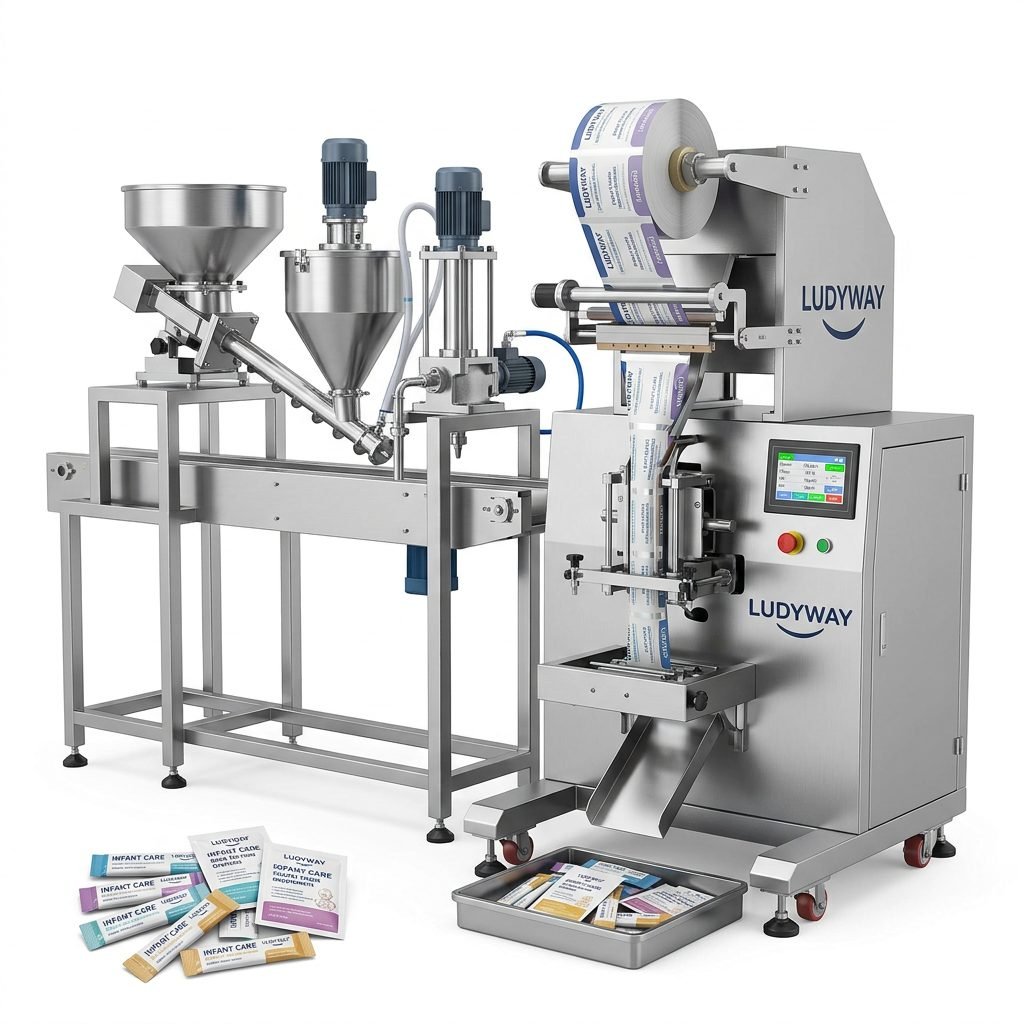
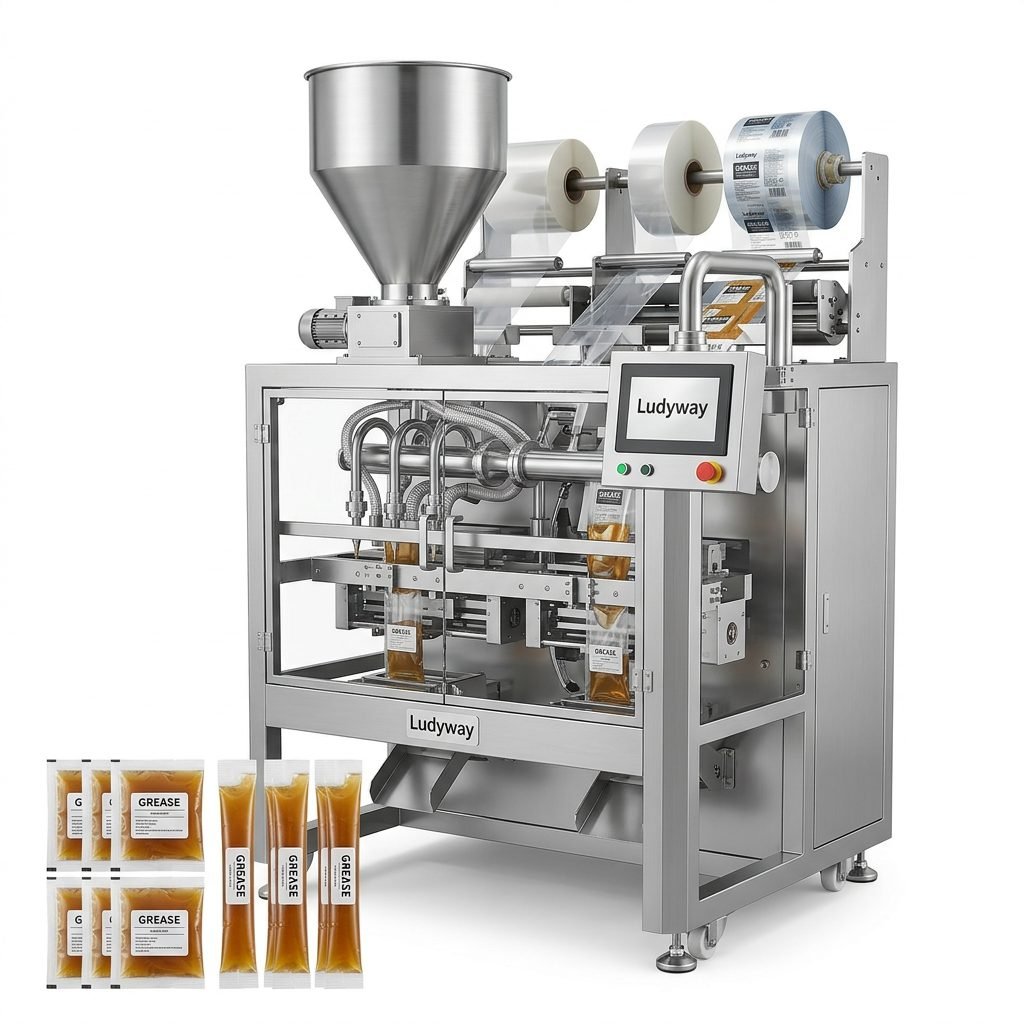
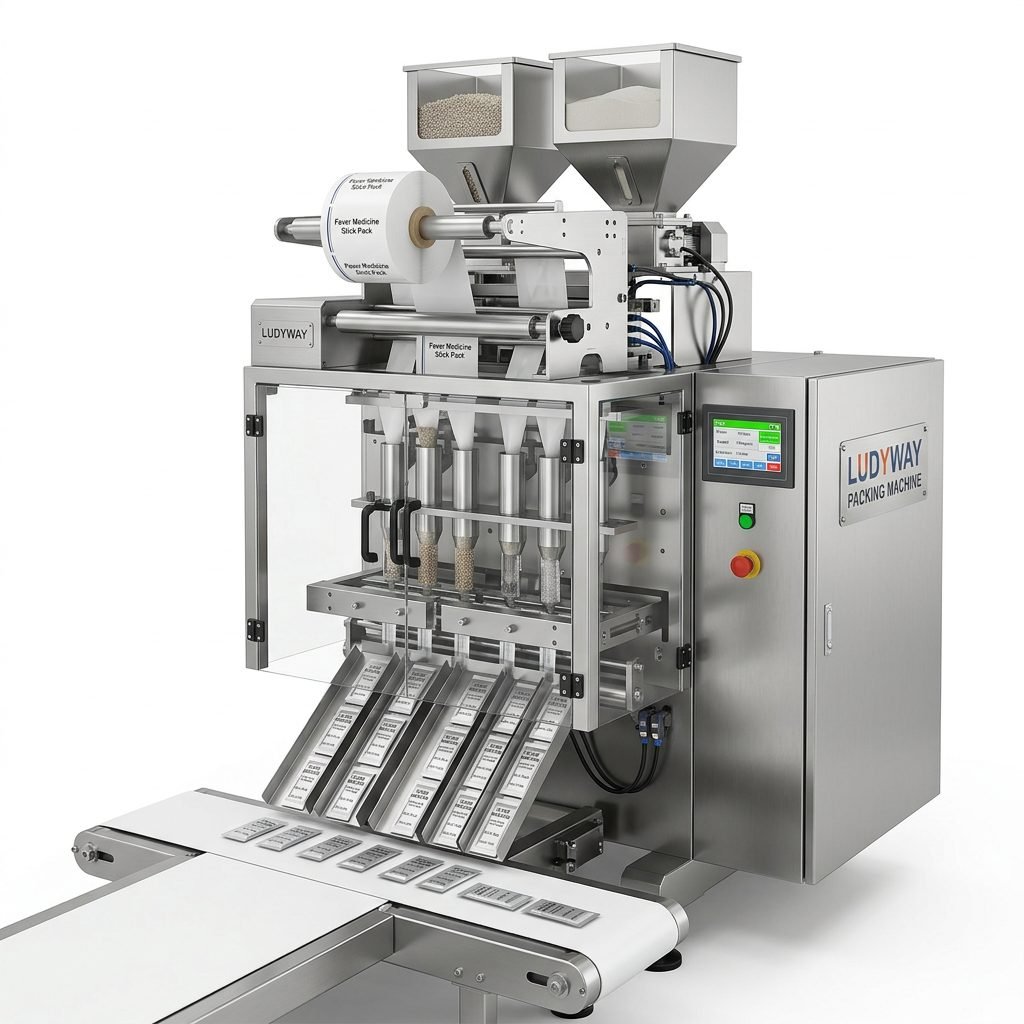
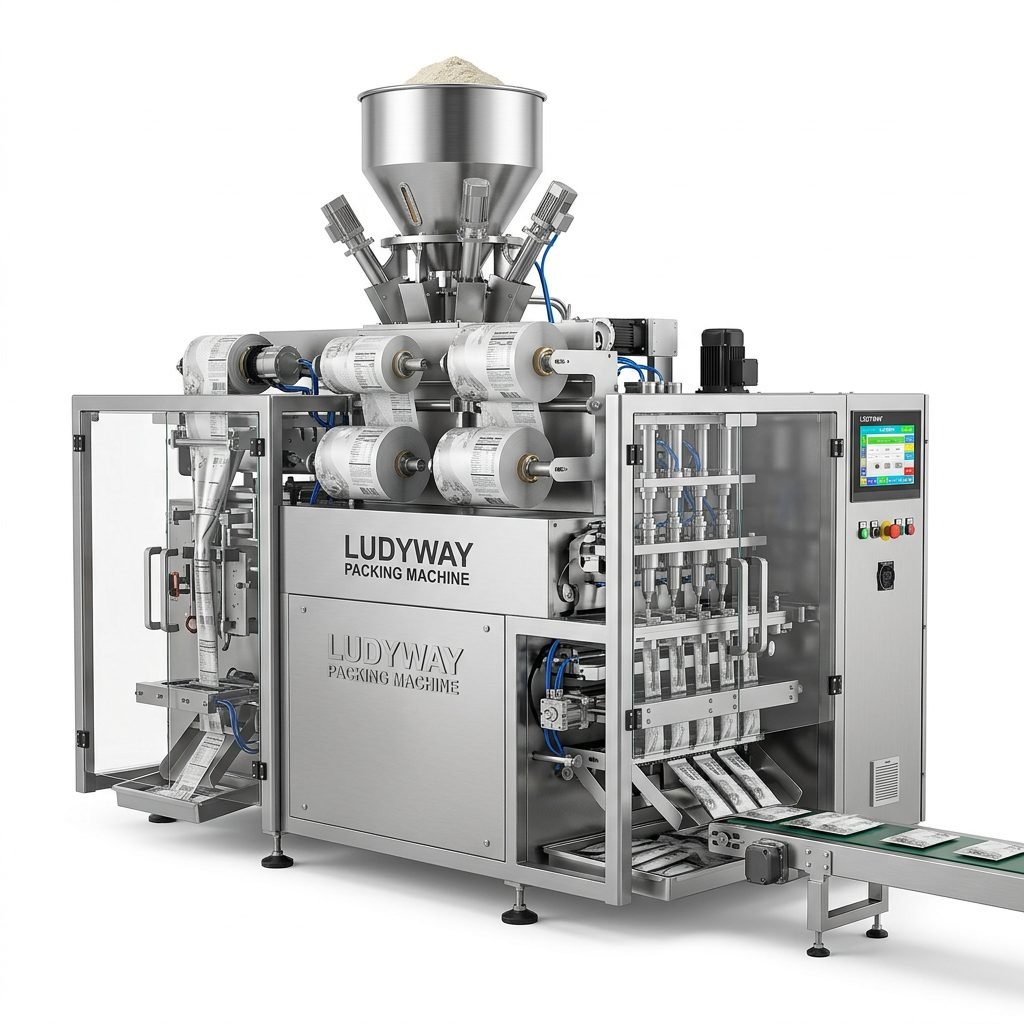
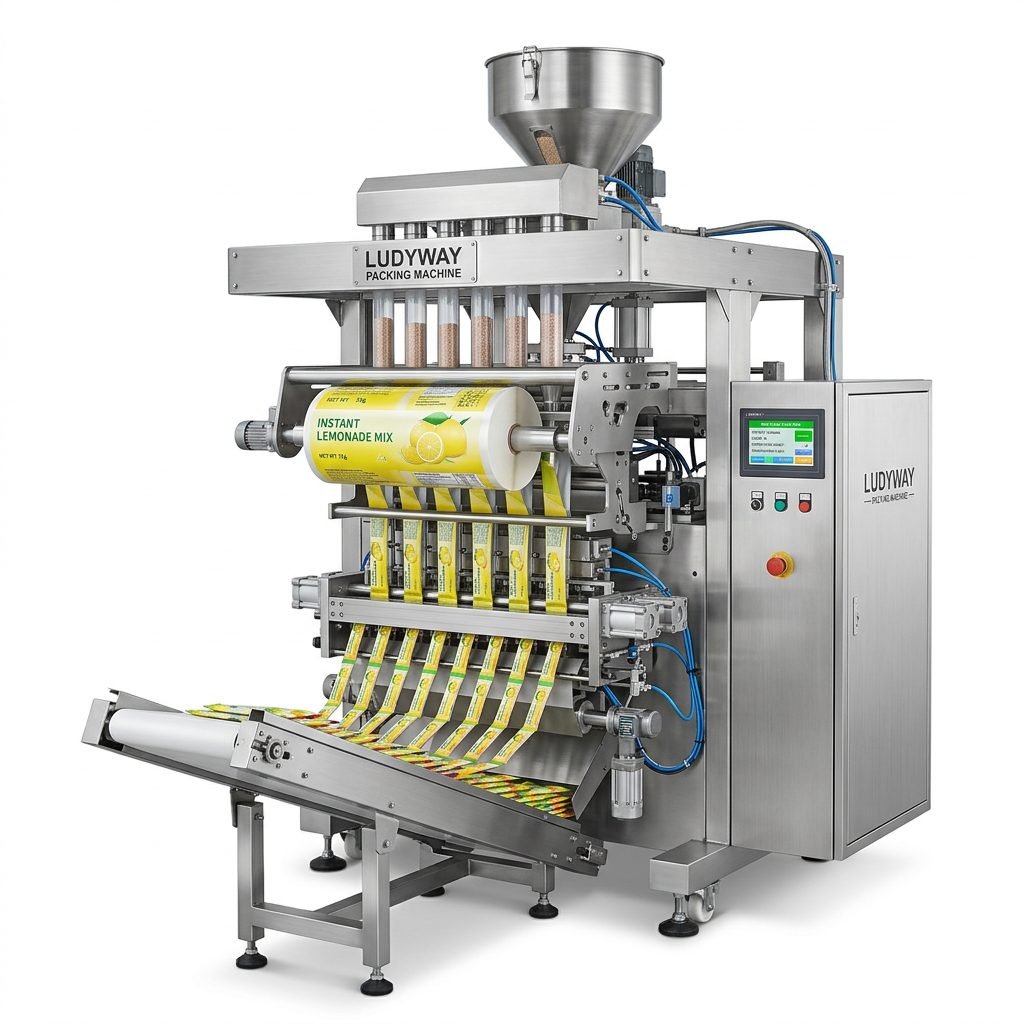
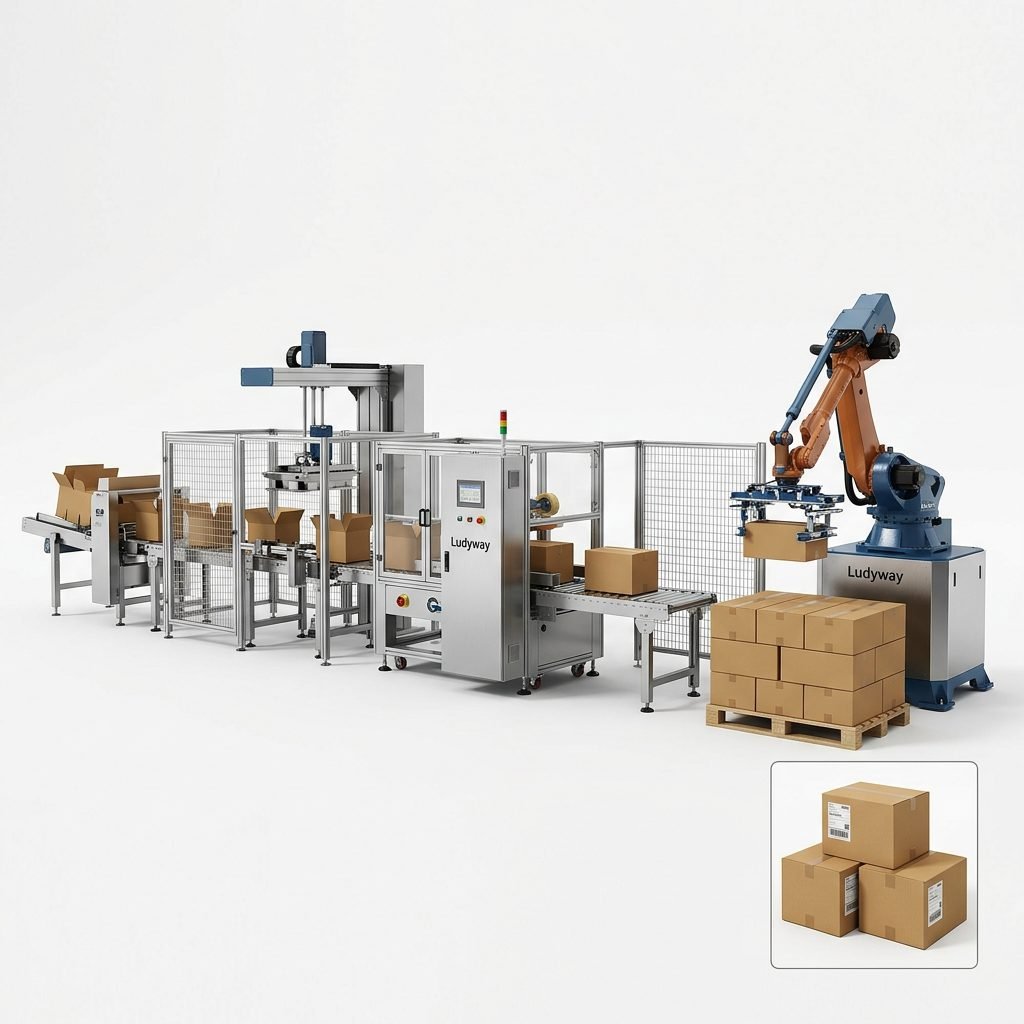
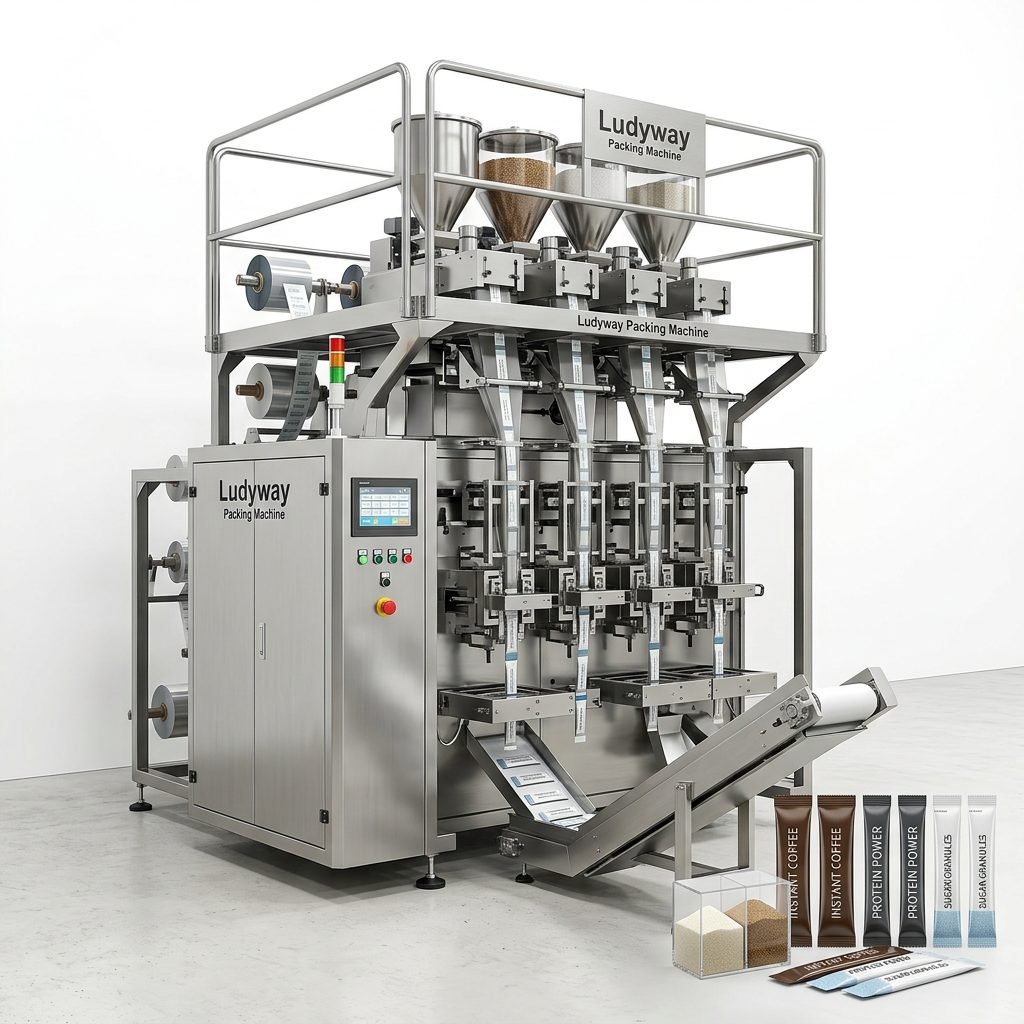
When your business in the Solomon Islands begins to scale, one of the most critical decisions you will face is selecting the right packaging machine manufacturer. The Solomon Islands, with its growing small‑to‑medium food processing, agricultural, and fisheries sectors, requires packaging solutions that can handle diverse products—from dried coconut chips and fish snacks to powdered spices and liquid sauces. Yet the remote geography, limited local technical support, and variable power supply make the choice even more challenging. This article walks you through the key factors and practical tips to help you choose a manufacturer that delivers reliable, efficient, and locally adaptable packaging machinery.
1. Industry Experience and Manufacturing Heritage
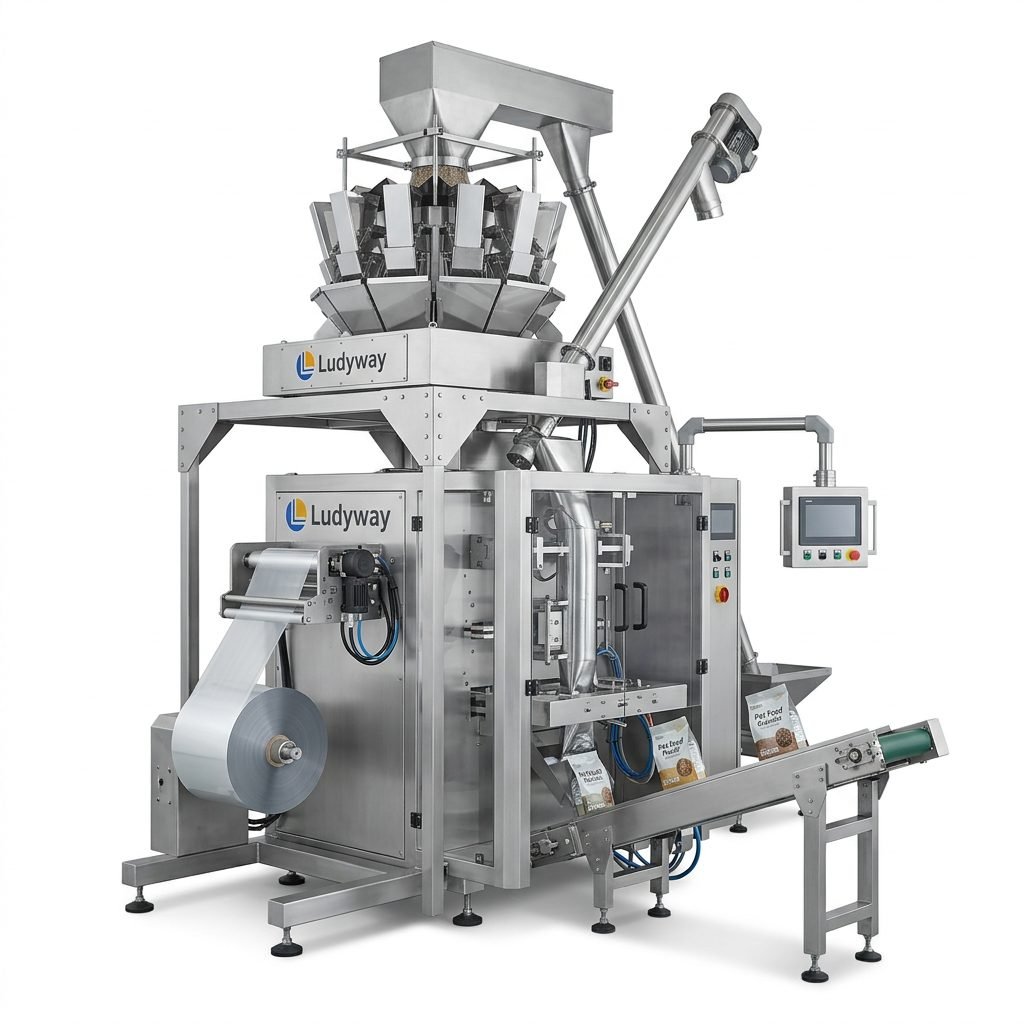
A manufacturer’s track record directly impacts machine reliability and long‑term support. Companies with more than 20 years of experience, such as Ludyway (founded in 1993) and Packmate Machinery, have refined their engineering processes and built extensive spare‑parts libraries. In the Solomon Islands, where a breakdown can cause significant production delays, this maturity ensures you get robust equipment that can withstand continuous operation. Look for manufacturers who have exported to similar tropical climates and who understand the importance of corrosion‑resistant materials and stable electronics.
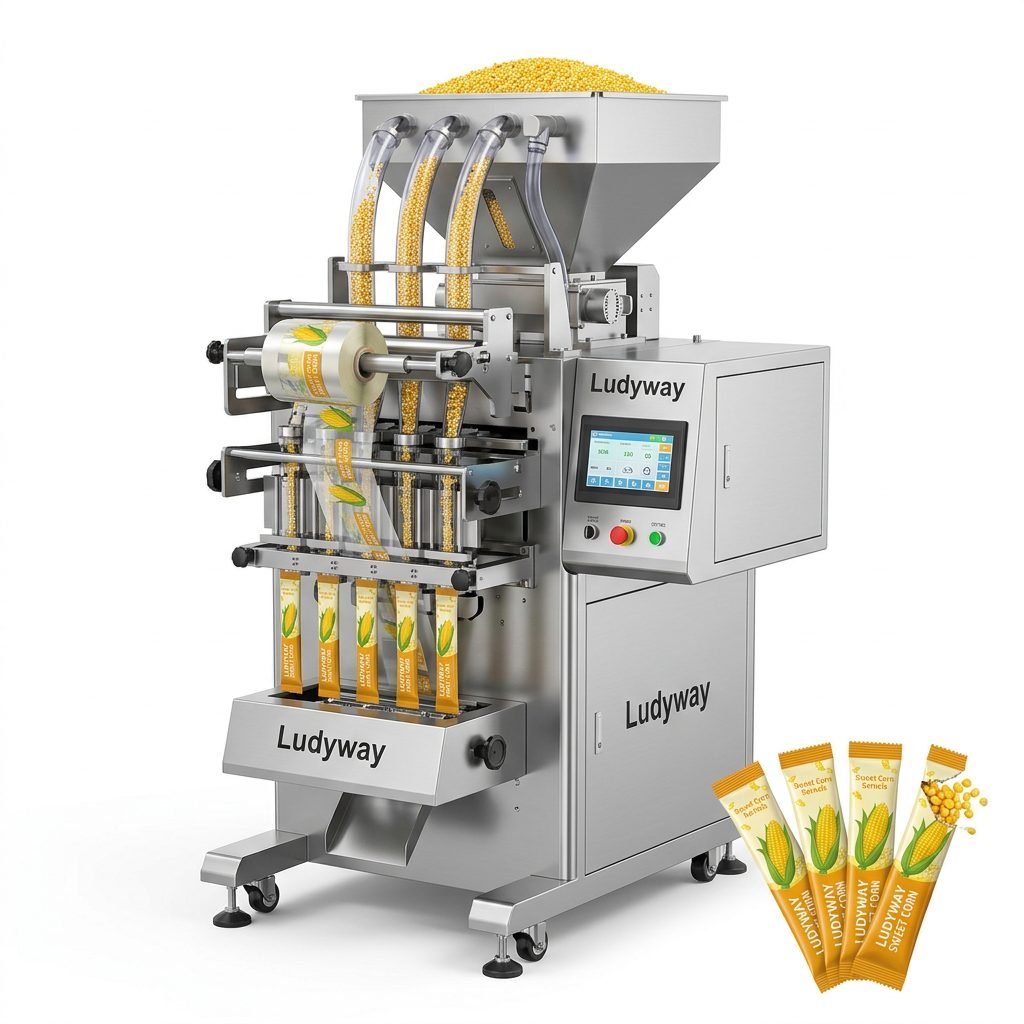
For example, Ludyway operates a 20,000‑m² factory and serves over 100 countries, while Packmate Machinery offers more than 80 machine models. These numbers reflect a capacity to handle both standard and custom orders, which is essential for businesses in the Solomon Islands that may need unique bag sizes or filling speeds.
2. Product Range and Turnkey Capability
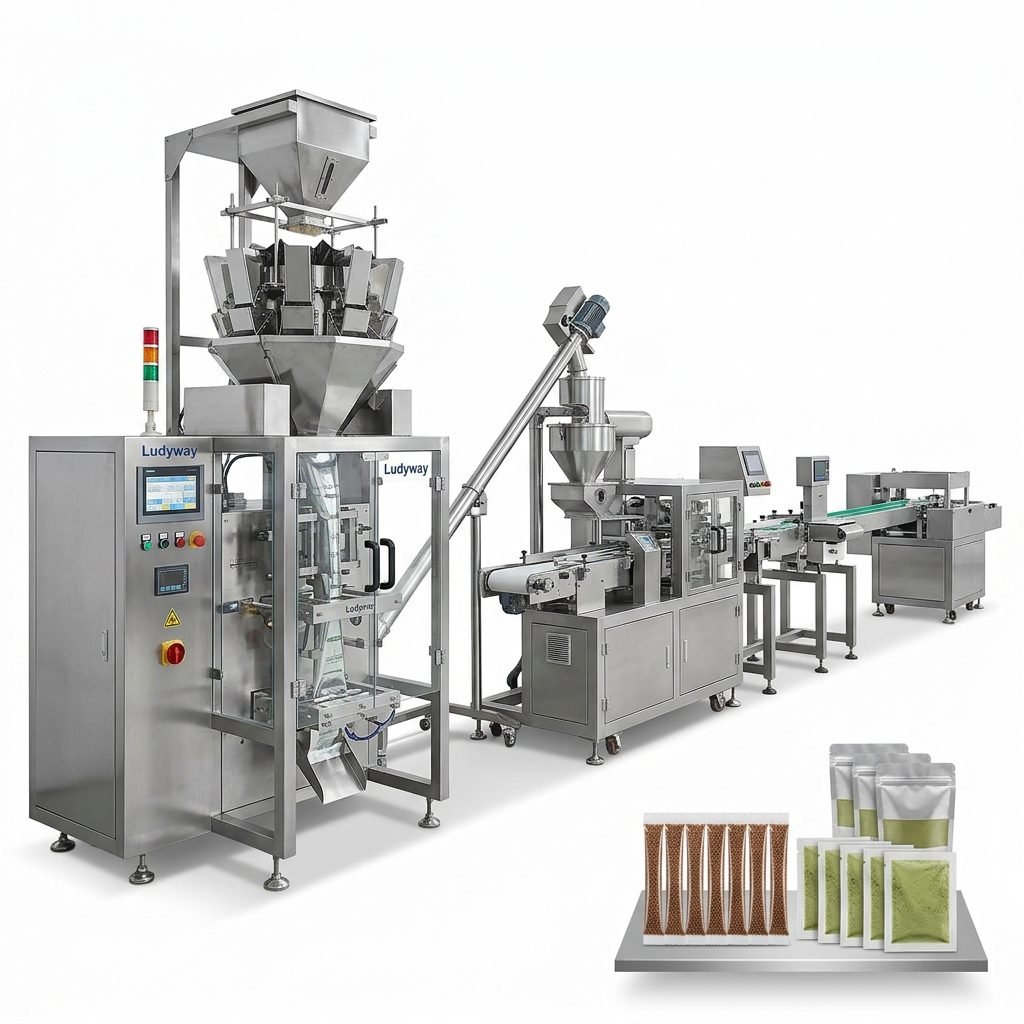
Not all packaging machines are created equal. Your choice should align with your product type—granules, powders, liquids, or pastes—and your production volume. Many businesses in the Solomon Islands start with a single machine but soon need a complete line: from feeding and weighing to filling, sealing, coding, and case packing. Manufacturers like PacklineOEM focus on turnkey integration, which can simplify procurement and reduce compatibility issues. Others, like PackingMachineOEM, excel in non‑standard customization, perfect for unique local products such as sachets of coconut oil or pouches of fish sauce.
| Manufacturer | Main Specialization | Machine Models | Export Markets |
|---|---|---|---|
| Ludyway | Turnkey lines for food, pharma, health | 100+ | Europe, Americas, Africa, Asia |
| Packmate Machinery | Standalone & lines for granules, powders, liquids | 80+ | Europe, Middle East, Australia |
| PacklineOEM | Complete turnkey production lines | 50+ | Europe, Americas, Middle East |
| PackingMachineOEM | Non‑standard & OEM customized machines | 50+ | Europe, Middle East, Australia |
| SnusMachinery | Nicotine pouch & specialty pouch equipment | 50+ | Europe, Americas, Africa |
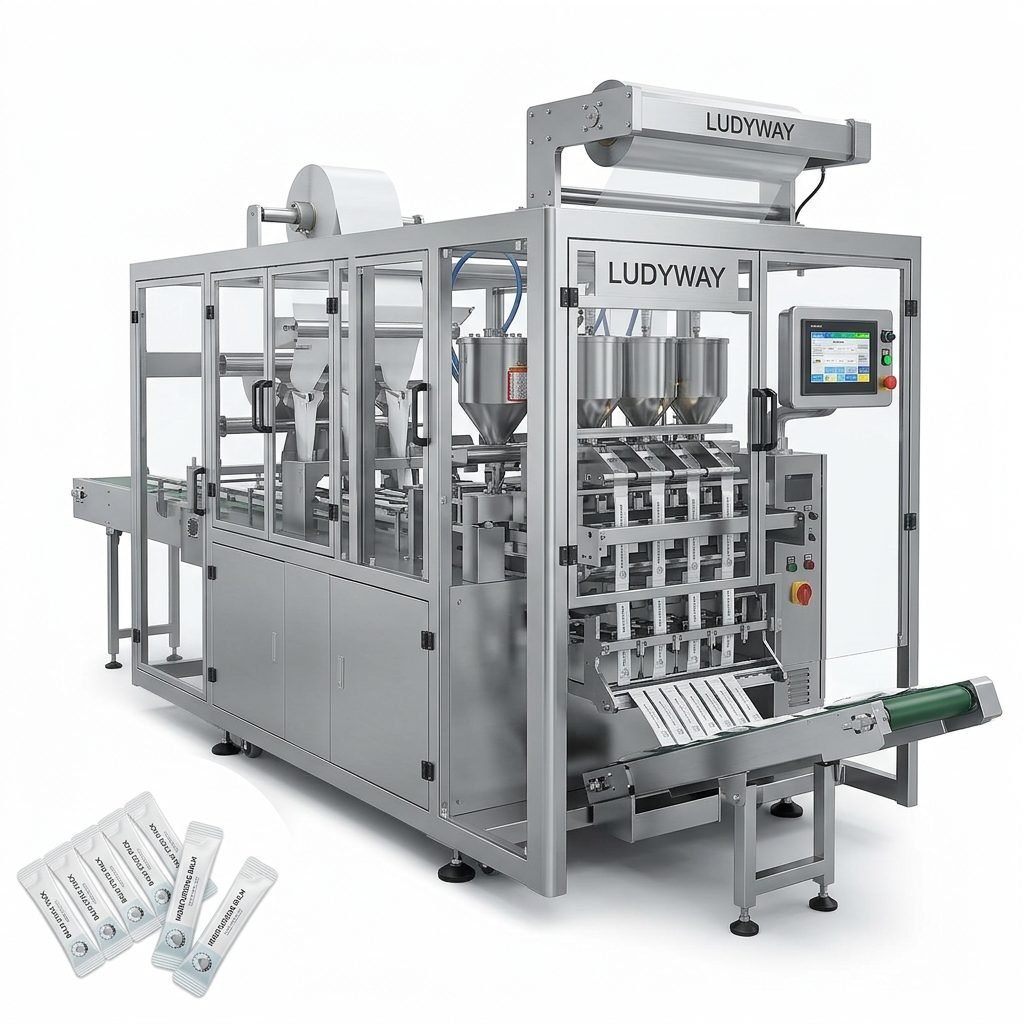
The table above highlights the main differentiators. If you require a full automated line for coconut‑milk powder sachets, a turnkey specialist like PacklineOEM may be ideal. If you need a flexible multi‑lane stick pack machine for various spice blends, Ludyway or Packmate offer broader model choices.
3. Export Experience and Local Adaptability
Solomon Islands importers face higher logistics costs and longer lead times. Choosing a manufacturer with a strong export track record—especially to remote islands or developing nations—ensures they understand these challenges. Ludyway has exported to more than 100 countries, while SnusMachinery serves niche markets in Africa and the Middle East. Such experience often translates into better packaging for sea freight, more detailed user manuals, and remote commissioning support. Ask potential suppliers about their experience with island nations or similar environments; a manufacturer who has dealt with high humidity and unstable voltage is preferable.
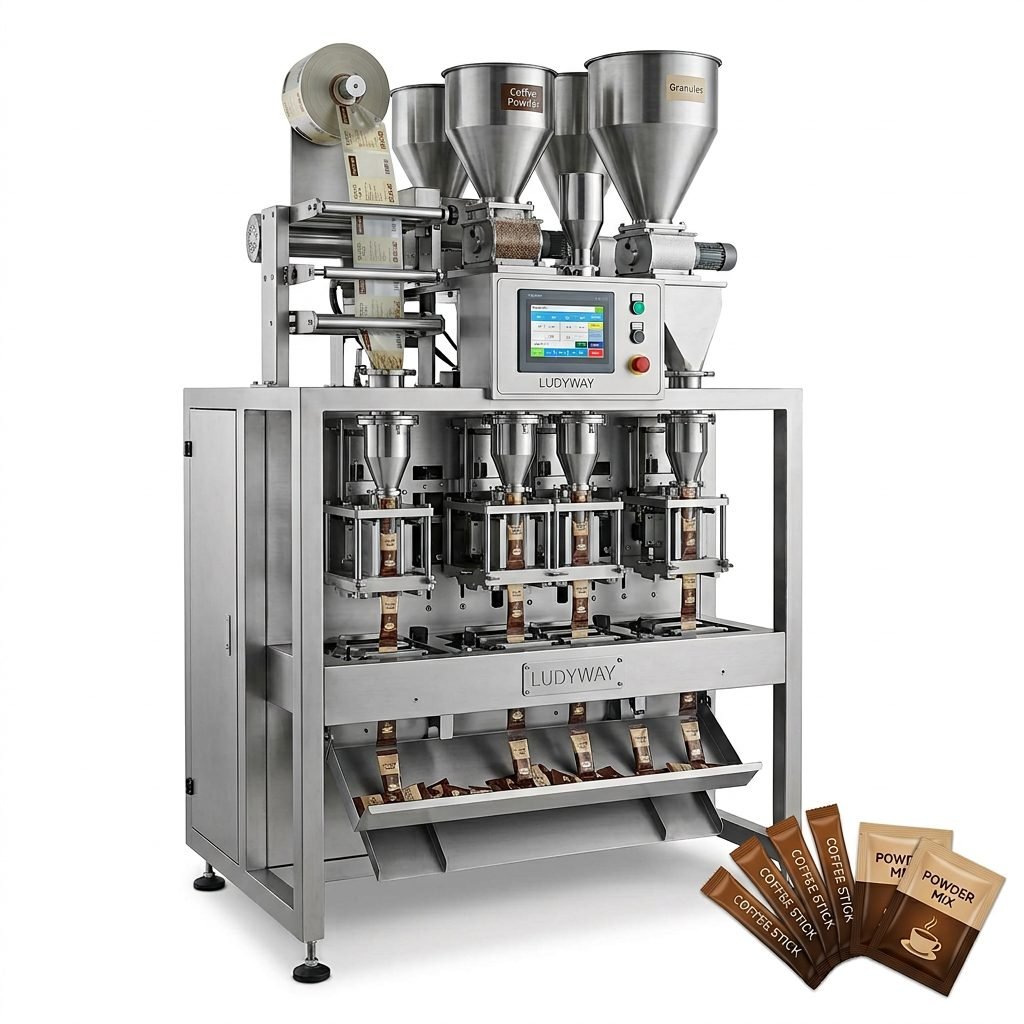
Moreover, after‑sales service is critical. Since local technicians may not be readily available, look for suppliers who provide online video support, stock of common spare parts, and training for your operators. Some manufacturers even offer a “ship‑and‑train” program where an engineer visits the site for one week after installation—an invaluable service when your team is first operating the equipment.
4. Cost vs. Value: Beyond the Initial Price
The cheapest machine often leads to higher long‑term costs due to breakdowns, low efficiency, and expensive spare parts. For Solomon Islands businesses, total cost of ownership includes shipping (often bulky), customs duties, installation, and ongoing support. Ludyway and Packmate Machinery both offer competitive pricing but invest in durable construction—stainless steel frames, servo motors, and PLC controls from reputable brands. Request a detailed quote that includes spare parts kit, tooling, and warranty terms. A 2‑year warranty with quick response times can save you from costly downtime.
Additionally, consider energy efficiency. With fluctuating electricity costs in the Pacific, machines with servomotor‑driven systems (like those from PackingMachineOEM) consume less power compared to pneumatic systems, reducing your operational expenses over time.
5. Customization for Local Products and Regulations
The Solomon Islands is home to unique food items such as kava powder, taro chips, and organic honey. Standard machines may not handle these well—powders can be sticky, granules may be irregular. Manufacturers like PackingMachineOEM and SnusMachinery specialize in non‑standard and custom designs. They can modify feeding systems, sealing temperatures, and bag format sizes to suit your specific product. For example, a machine designed for nicotine pouches can be reconfigured for herbal tea bags with minimal change parts. Ensure the supplier is willing to adjust the machine based on samples you send—this is a strong indicator of their customization capability.
Regulatory compliance is another layer. If you export your products to Australia or New Zealand, packaging machines must meet food‑grade standards. Leading manufacturers like Ludyway and Packmate have CE certification and can provide relevant documentation, which simplifies your export certification process.
6. Practical Tips for Final Selection
- Request a Factory Audit or Video Tour: Since visiting China might be costly, ask for a live video walkthrough of their production line. Look for organized workplaces, quality control points, and testing facilities.
- Check References from Similar Markets: Ask for contact details of customers in Southeast Asia or the Pacific. Hearing about their experience with installation and support can reveal potential issues.
- Evaluate the Spare Parts Availability: In the Solomon Islands, you cannot quickly order a small sensor. Ensure the supplier provides a recommended spare parts list and that those parts can be shipped via express freight.
- Confirm Lead Time and Shipping Terms: Production may take 30–60 days. Use a reliable freight forwarder who specializes in shipping to Honiara or Noro ports. Ensure the machine is packed in a fumigated wooden case to comply with ISPM‑15 regulations.
- Understand the Warranty and Service Level: A typical warranty covers 12 months or 2000 operating hours. Clarify whether technical support is available via WeChat, WhatsApp, or email, and whether they offer remote diagnostics.
Applying these tips will help you avoid vendors who cannot deliver on promises. Remember that a reliable manufacturer is a long‑term partner, not just a one‑time supplier.
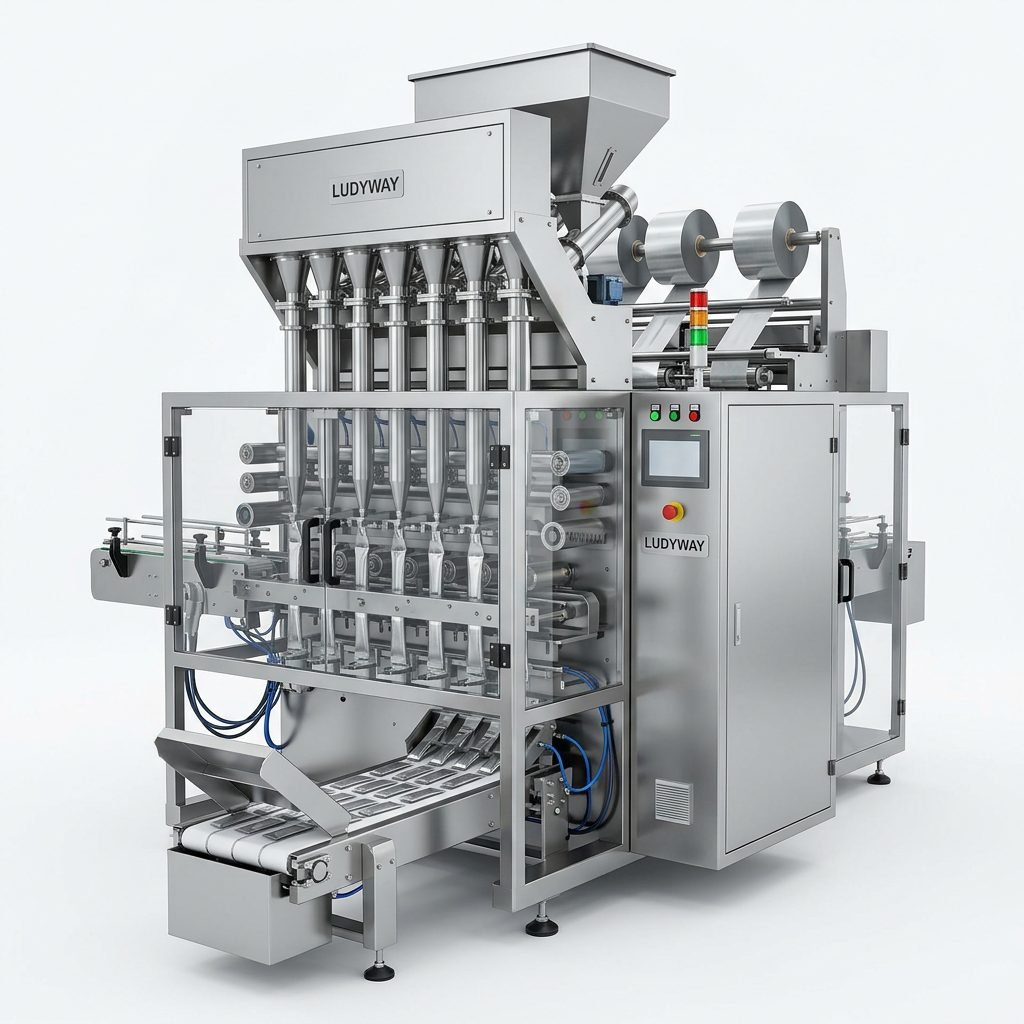
In the Solomon Islands, where business growth depends on consistent product quality and export readiness, investing in the right packaging machine is a strategic move. By focusing on manufacturers with proven export experience, broad product range, and a willingness to customize, you can build a packaging operation that meets both local and international standards.
Frequently Asked Questions
Q1: How can I verify the reliability of a Chinese packaging machine manufacturer without traveling?
A: Request a live video tour of their factory and ask for customer references, especially from other island or developing countries. Check for certifications like CE, ISO 9001, and look for online reviews on platforms like Made‑in‑China or Alibaba.
Q2: Which type of packaging machine is best for my small coconut oil sachet business?
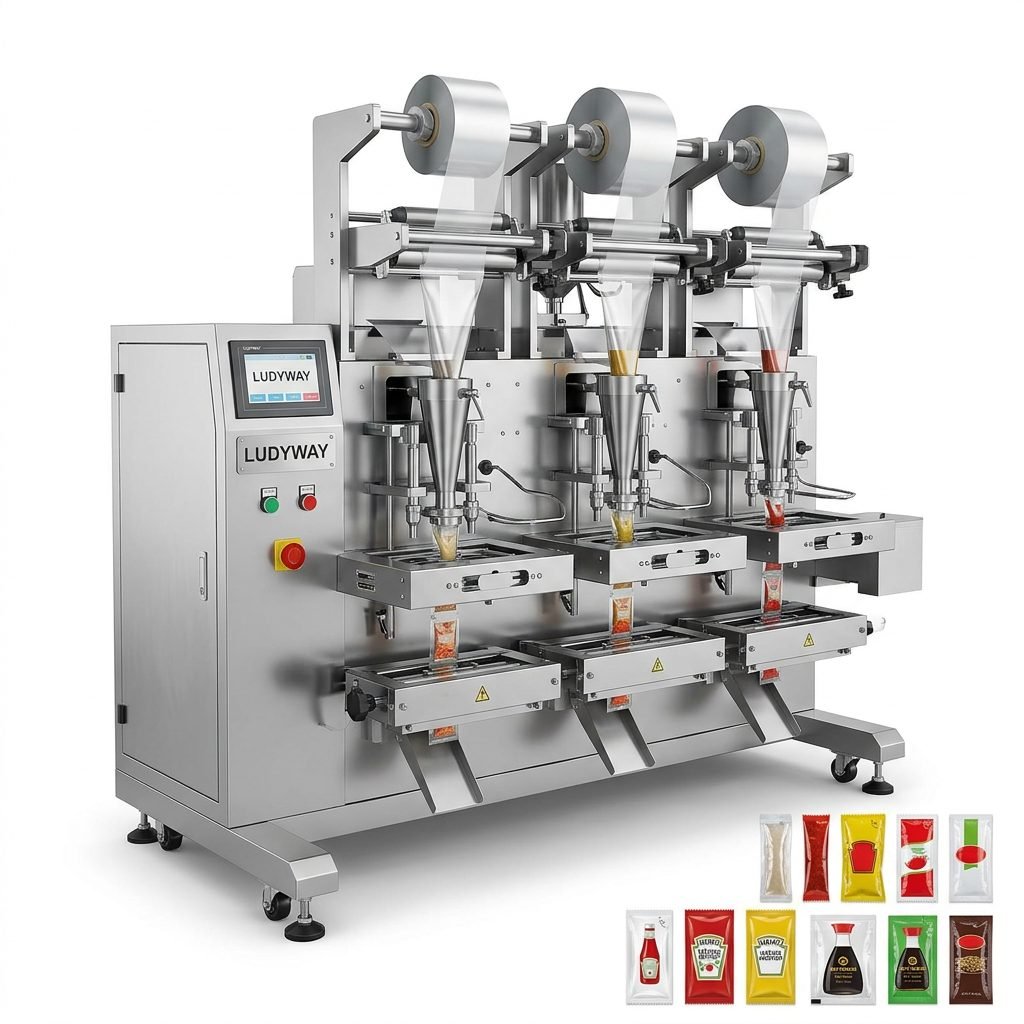
A: For liquid sachets, a multi‑lane stick pack or sachet filling and sealing machine from manufacturers like Ludyway or Packmate works well. They can handle 1‑20 ml volumes with high precision. Make sure the machine has food‑grade stainless steel contact parts.
Q3: What should I do if the machine breaks down and there is no local technician?
A: Choose a supplier that offers remote diagnostic support (via video call) and stocks spare parts that can be shipped within 3‑5 days. Also, train at least two of your staff on basic troubleshooting during installation.
Q4: How long does it take to receive a custom machine for my fish snack packaging?
A: Typically 45‑60 days from order confirmation, including design, manufacturing, and testing. Ask the manufacturer to accelerate the process by sending your product sample and packaging film early.
Q5: Is it better to buy a single machine or a turnkey packaging line?
A: If you plan to expand production within 1‑2 years, a complete turnkey line from companies like PacklineOEM will save you integration headaches. For a startup, start with a reliable standalone machine and add modules later; manufacturers like Ludyway offer modular upgrades.