In the pharmaceutical industry, choosing the right packaging machine is never just about speed. It is about compliance, precision, sterility, traceability, product stability, and long-term production efficiency. The best packaging machine depends on what you produce—tablets, capsules, powders, liquids, granules, medical devices, or sterile consumables—and how strictly your packaging process must align with GMP, FDA, EU, and other regulatory standards.
For most pharmaceutical manufacturers, the ideal solution is a machine or integrated line that balances accuracy, hygienic design, reliable sealing, serialization readiness, and flexible format handling. In practice, there is no single “best” machine for every pharmaceutical application. Instead, the best choice is the one that fits your dosage form, packaging format, cleanroom requirement, validation process, and output target.
Why Packaging Machines Matter So Much in Pharma
Pharmaceutical packaging does more than contain a product. It protects drug integrity, prevents contamination, supports dosage accuracy, extends shelf life, and helps patients use medicine safely. A poor machine choice can lead to sealing defects, filling inconsistency, rejected batches, downtime, or regulatory risk.
- Product protection: barriers against moisture, oxygen, light, and contamination
- Dosing precision: critical for powders, granules, liquids, and unit-dose packs
- Compliance: machine design must support GMP and validation requirements
- Traceability: coding, printing, inspection, and serialization integration
- Patient convenience: easy-open, unit-dose, child-resistant, and travel-friendly formats
- Production efficiency: reduced labor, improved output, and lower waste
Best Packaging Machines by Pharmaceutical Product Type
The most effective way to choose a pharmaceutical packaging machine is to start with the product and packaging format. Different drug forms require very different filling, sealing, feeding, and inspection technologies.
| Product Type | Recommended Machine | Why It Fits |
|---|---|---|
| Tablets & Capsules | Blister packaging machine / bottle counting line | Protects unit doses and supports counting, sealing, coding, and inspection |
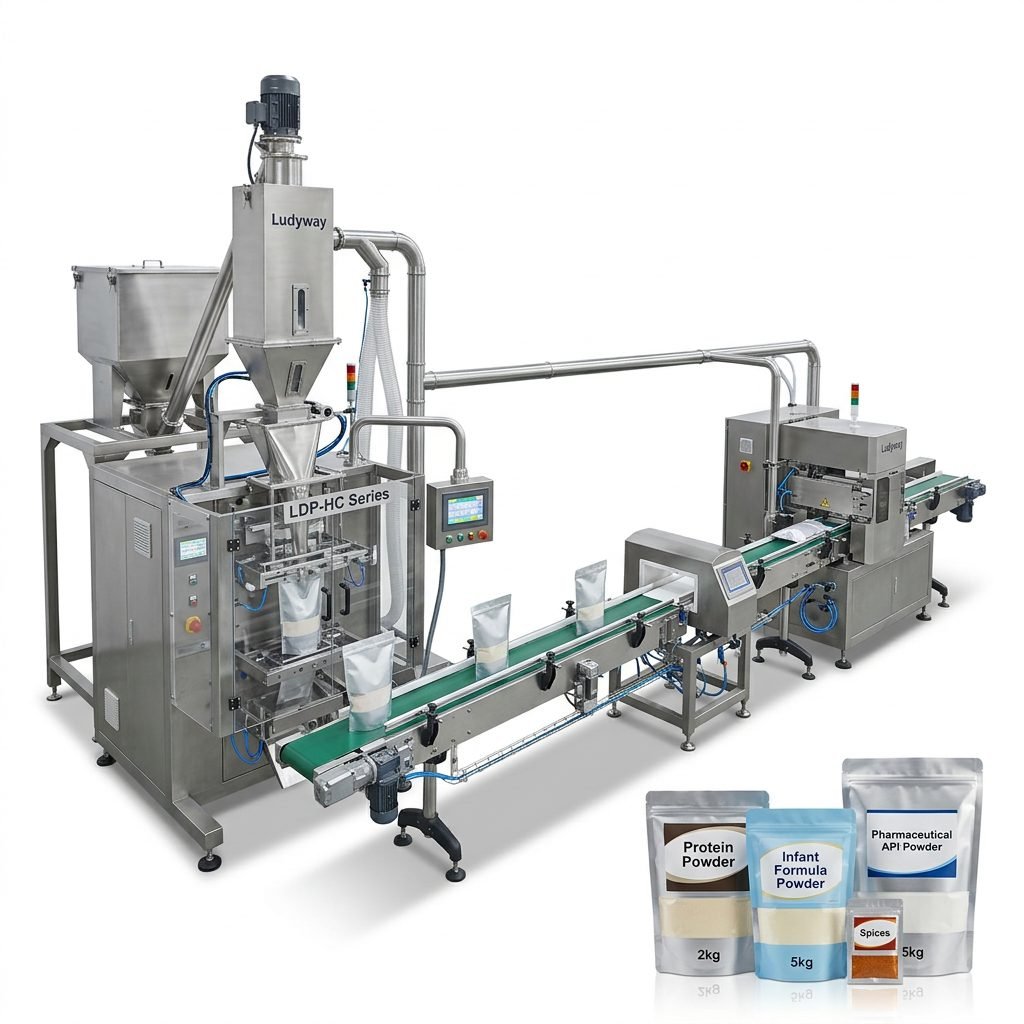
| Powders | Sachet or stick pack powder packaging machine | Enables precise dosing for unit-dose or multi-dose powder applications |
| Granules | Granule sachet/stick pack machine | Ideal for oral granules, rehydration salts, and herbal formulations |
| Liquids & Syrups | Liquid filling and sealing machine / vial or bottle line | Handles controlled filling, leak-proof sealing, and hygienic transfer |
| Sterile Medical Supplies | Medical pouch packaging line | Supports sterile barrier packaging and validation-critical sealing |
| Diagnostic & Single-Use Products | Automated pouch/tray packaging line | Suitable for controlled packing, labeling, and batch traceability |
Top Machine Types Used in the Pharmaceutical Industry
1. Blister Packaging Machines
Blister machines are often considered one of the best choices for tablets, capsules, and softgels. They provide excellent unit-dose protection and help reduce contamination risk during patient use. They are widely used for OTC and prescription products because they support clear product presentation, tamper evidence, and accurate cavity control.
Best for: tablets, capsules, pills, softgels
2. Bottle Filling, Counting, and Capping Lines
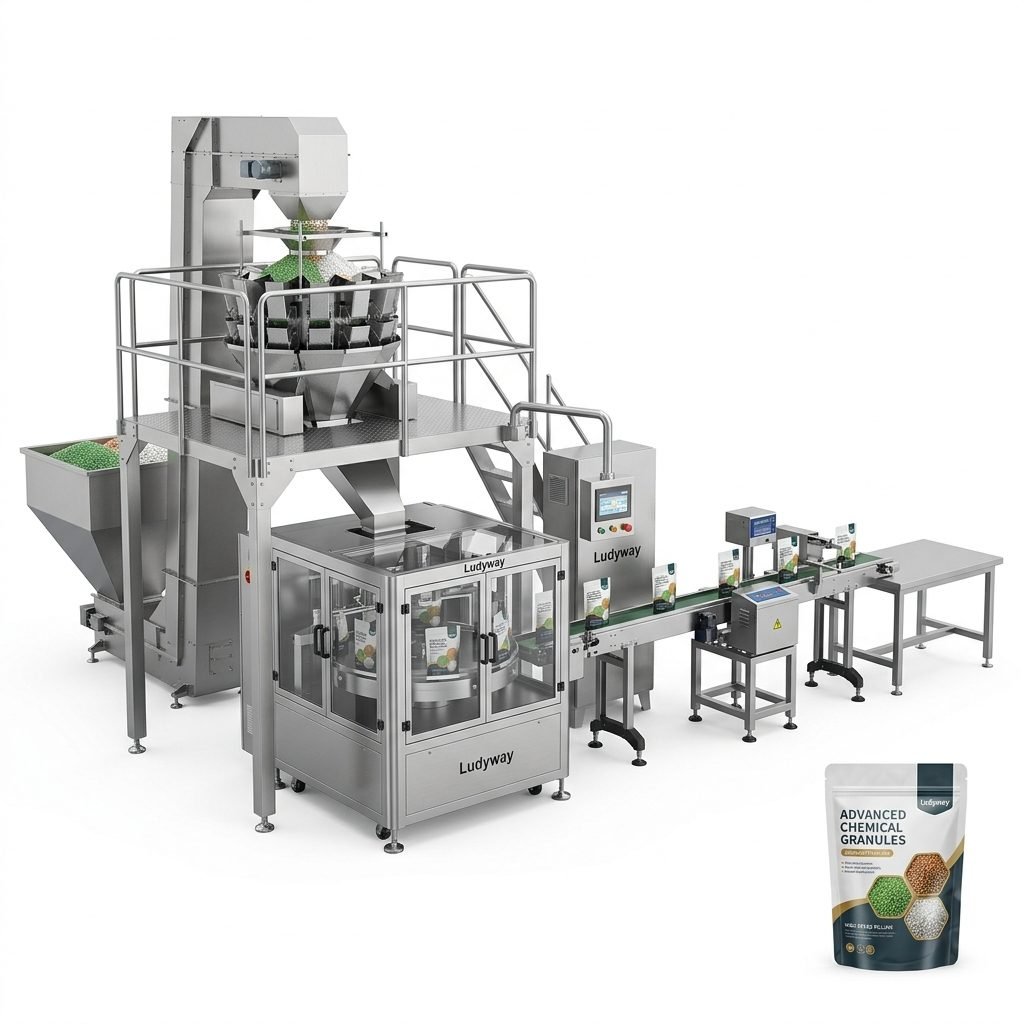
If your pharmaceutical business packages tablets, capsules, gummies, or supplements in bottles, a complete bottle line may be the most efficient option. These systems can include unscrambling, counting, desiccant insertion, cotton insertion, capping, sealing, labeling, and cartoning.
They are especially useful for medium- to high-volume operations that need repeatable counting accuracy and smooth downstream integration.
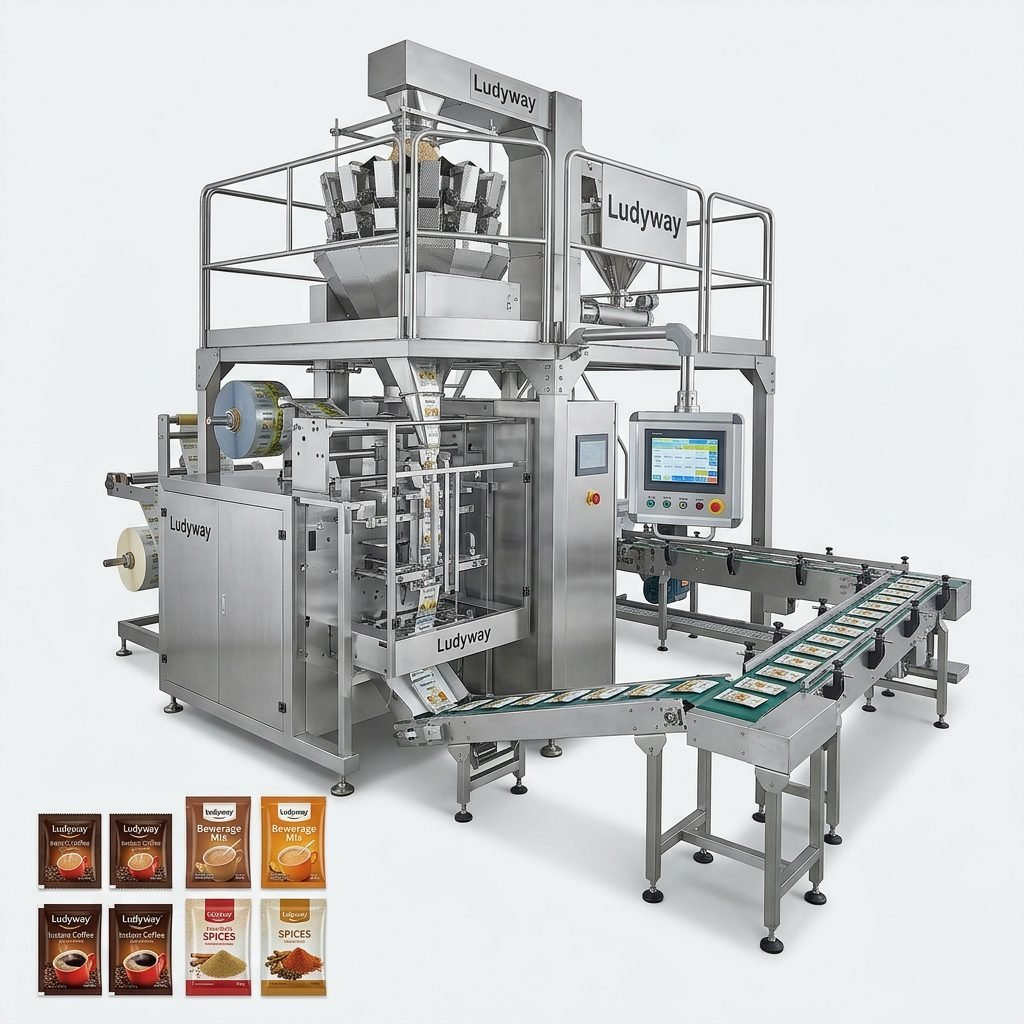
3. Sachet Packaging Machines
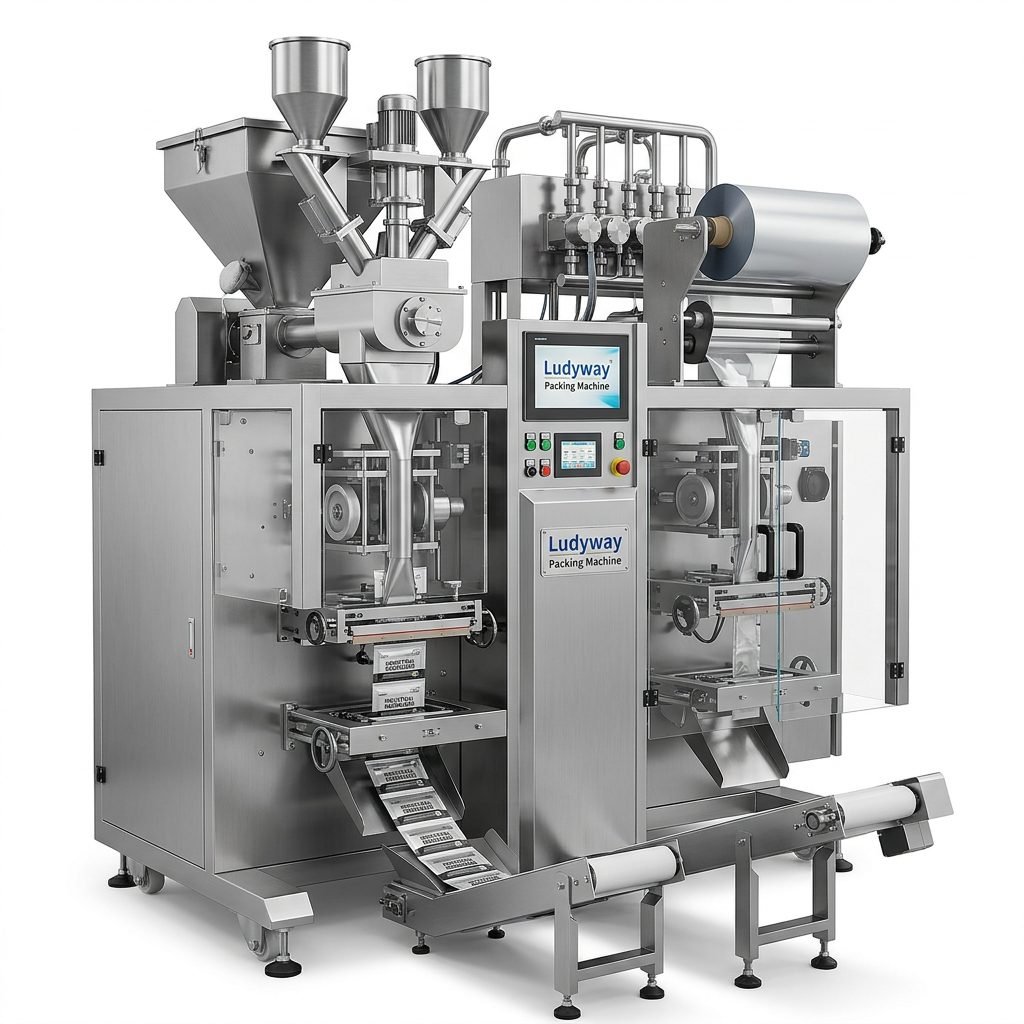
Sachet machines are ideal for pharmaceutical powders, granules, oral rehydration salts, sample packs, and some liquid or gel products. They work well when brands need compact, single-dose, easy-to-distribute packaging. Pharmaceutical sachets are commonly used for hospital dispensing, travel medicine, pediatric doses, and nutraceutical crossover products.
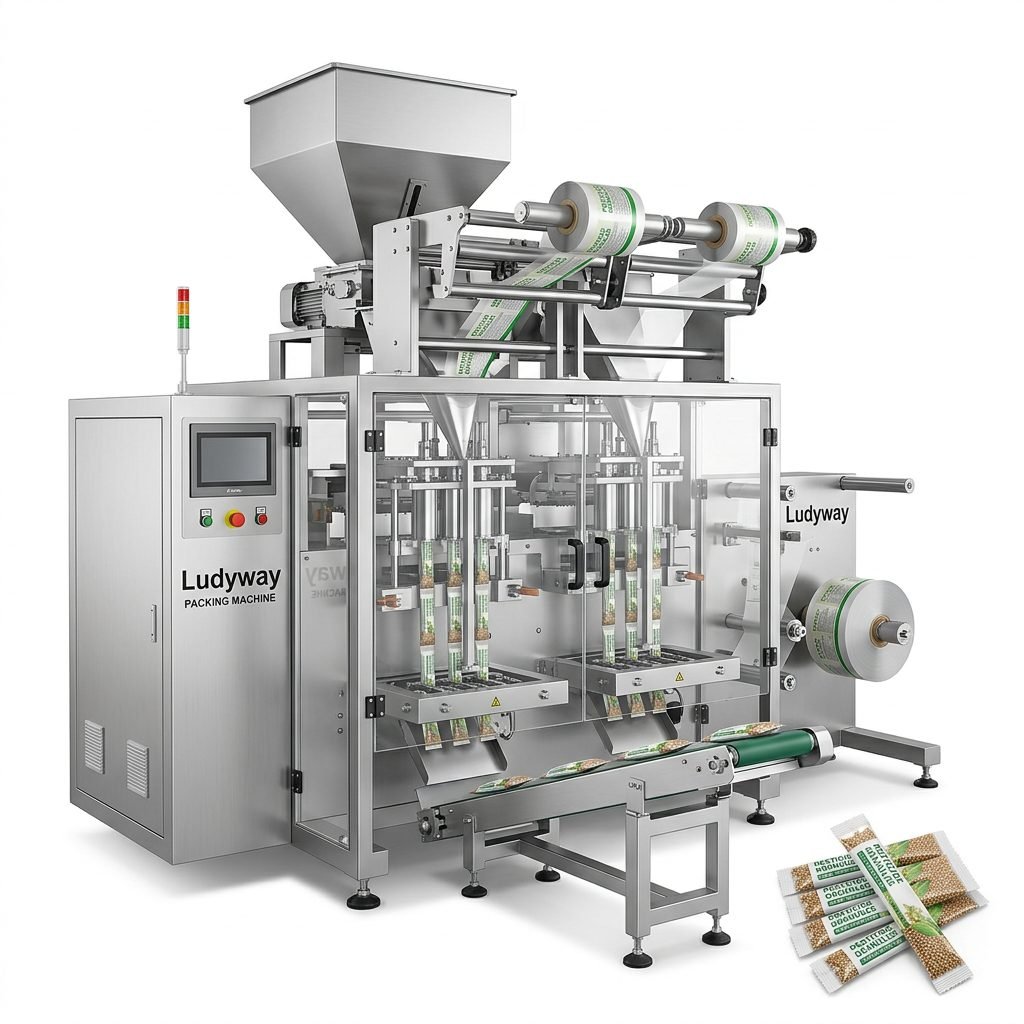
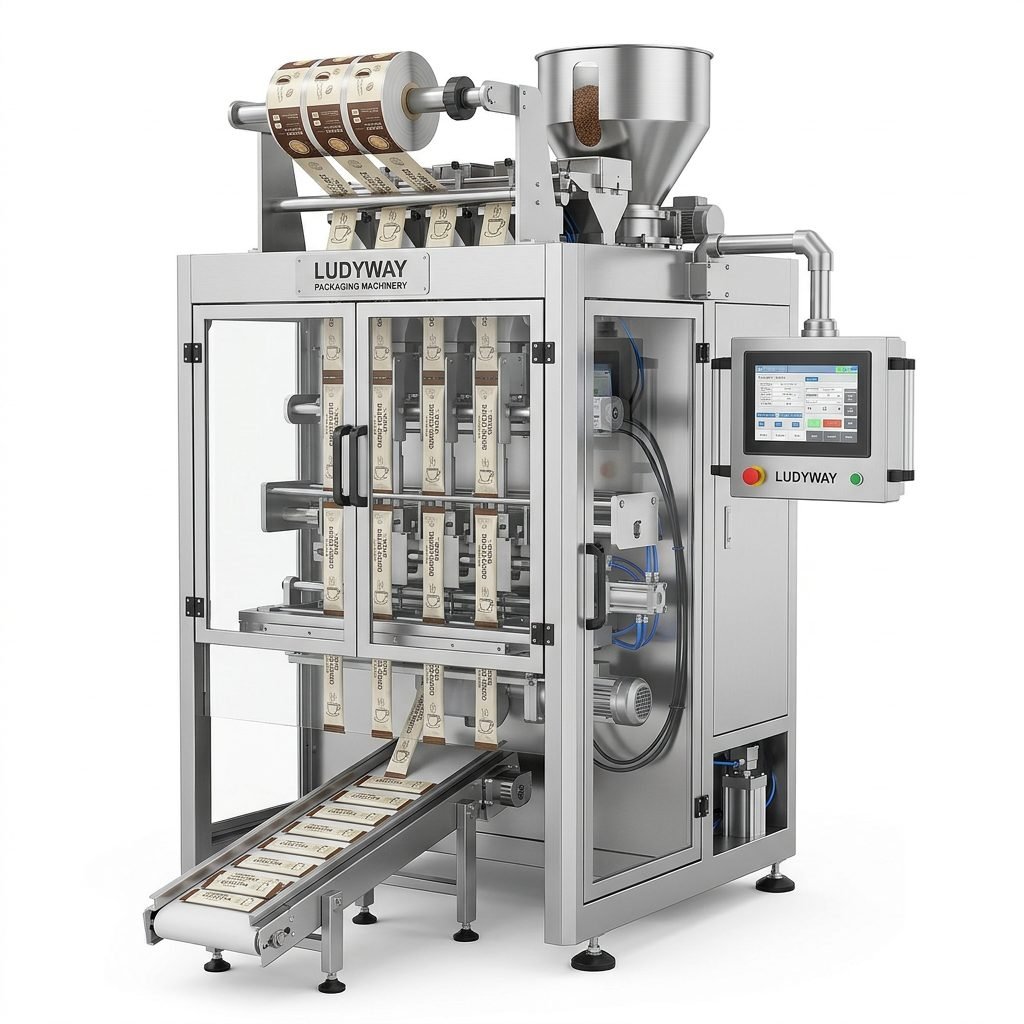
4. Stick Pack Packaging Machines
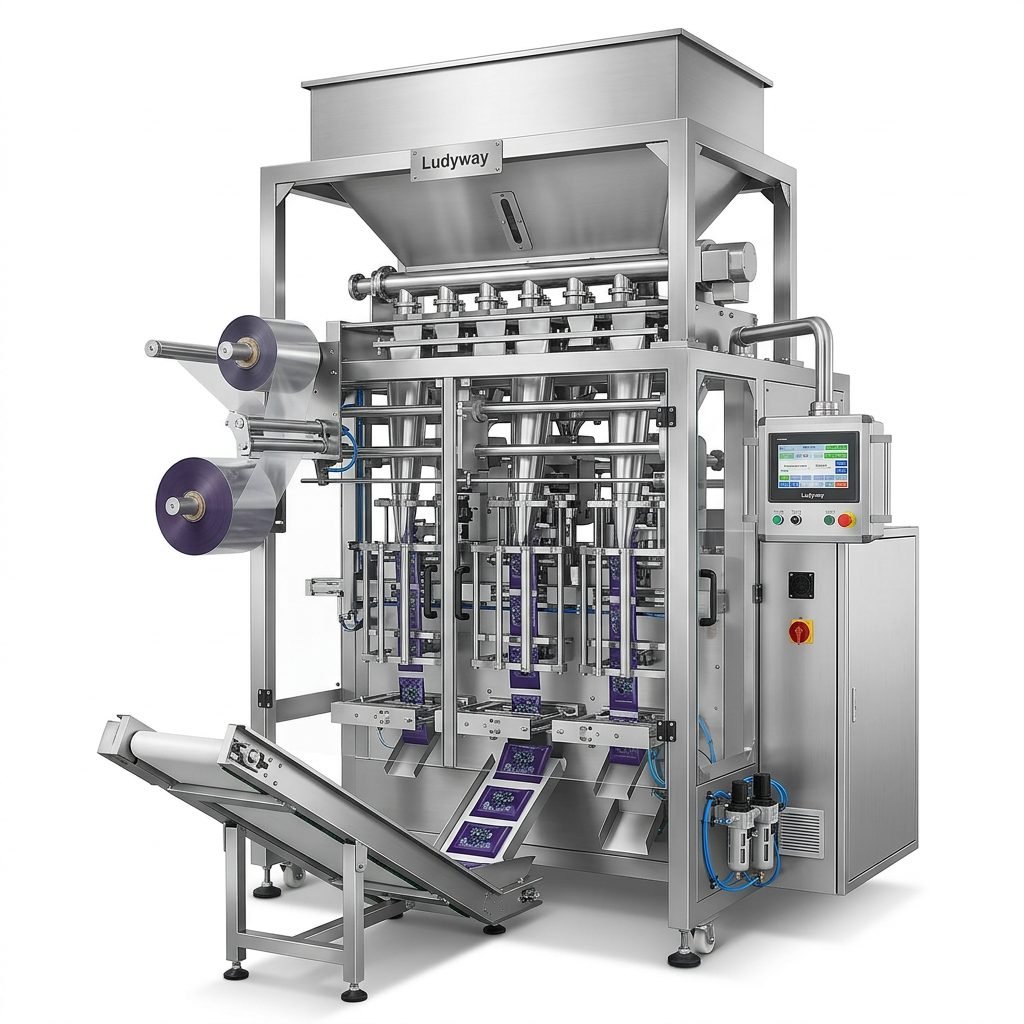
Stick pack machines are one of the best options for unit-dose powder and granule products when portability and dosing convenience matter. They are compact, cost-efficient in material usage, and well suited for high-output pharmaceutical production.
Stick packs are highly popular for products such as electrolyte powders, herbal medicines, probiotics, and oral granules because they offer clean dispensing and precise portion control.
5. Liquid Filling and Sealing Machines
Liquid pharmaceuticals require high filling precision and dependable sealing. These machines are suitable for oral liquids, syrups, medicinal gels, and some topical products. Depending on the format, the system may package products into bottles, vials, ampoules, sachets, or stick packs.
Important factors include anti-drip performance, CIP/SIP compatibility where needed, corrosion resistance, and easy cleaning between product changes.
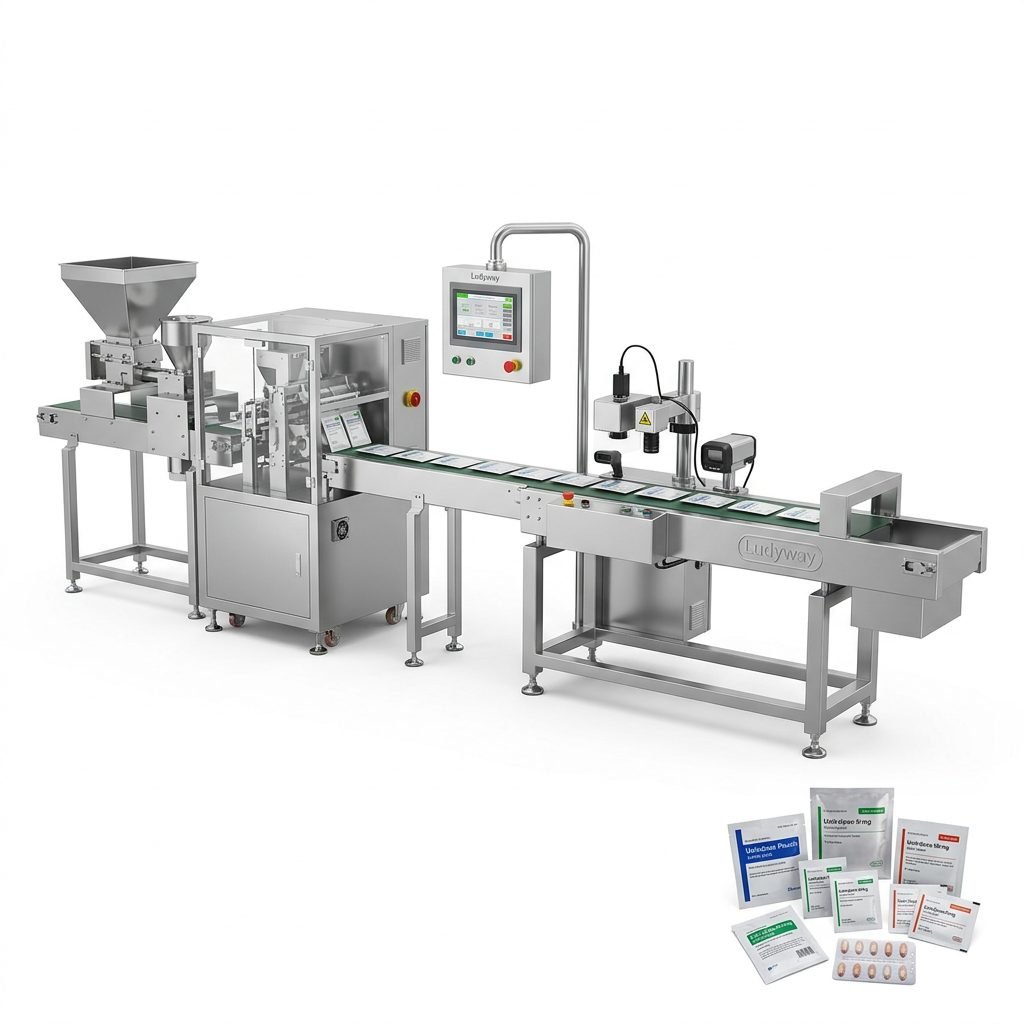
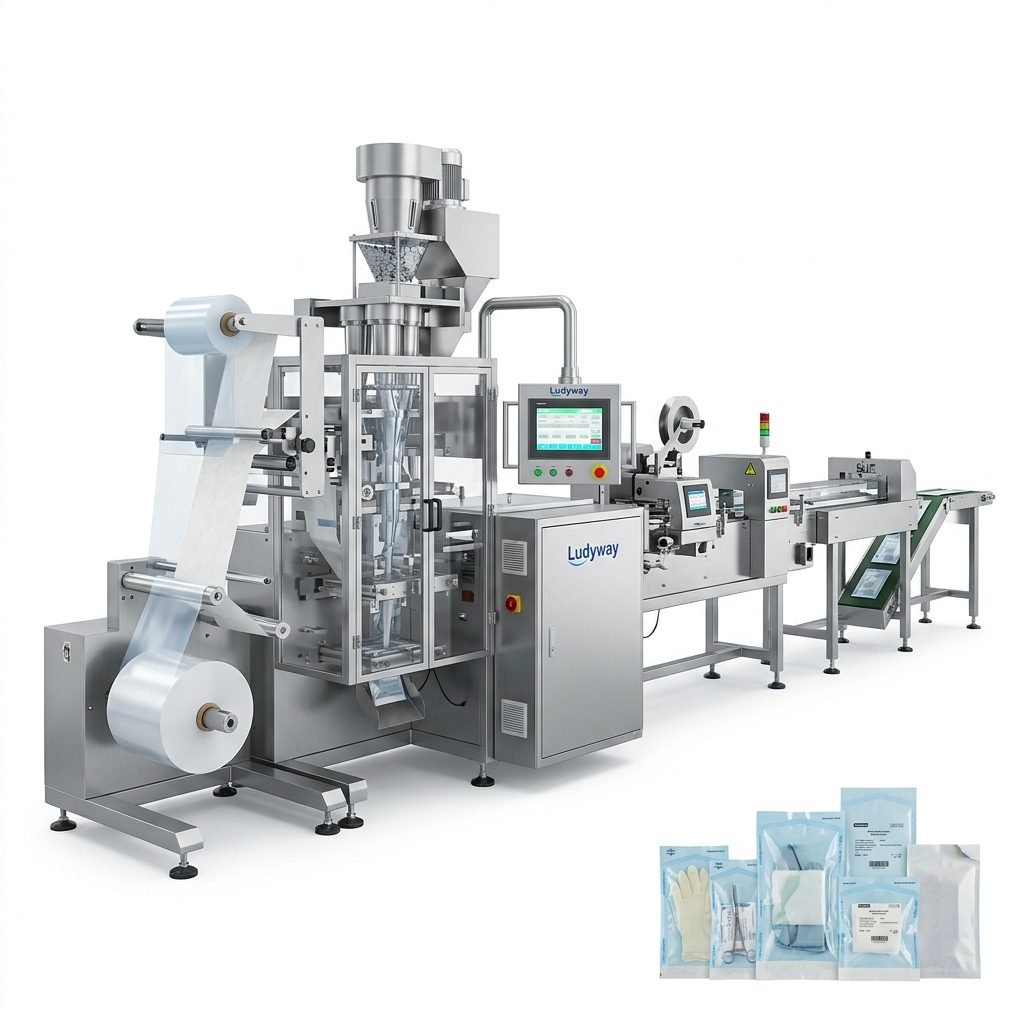
6. Sterile Pouch and Medical Device Packaging Lines
For sterile consumables, surgical products, and medical devices, specialized pouch packaging equipment is often the best choice. These systems must support seal integrity, consistent packaging materials, traceability, and validation protocols. In these sectors, sealing quality can be just as important as filling performance.
What Makes a Packaging Machine “Best” for Pharma?
The best machine is not necessarily the fastest or most expensive. It is the one that can consistently meet your technical and regulatory requirements over many years of operation.
- Accuracy: stable fill weight, count precision, and low deviation
- Hygienic design: easy cleaning, contact-part quality, and contamination control
- Machine stability: low downtime and reliable long-shift operation
- Sealing quality: essential for moisture-sensitive and sterile products
- Validation support: IQ/OQ/PQ readiness and documentation capability
- Traceability integration: batch coding, printing, vision inspection, reject systems
- Flexible changeover: easier adaptation for different SKUs and pack sizes
- Scalability: ability to expand from a standalone machine to a full turnkey line
Key Features to Look for Before Buying
| Feature | Why It Matters in Pharma |
|---|---|
| Stainless steel construction | Improves hygiene, durability, and cleaning performance |
| Servo-driven controls | Enhances dosing precision and packaging consistency |
| Dust control or extraction support | Critical for powder packaging environments |
| Vision inspection | Helps detect coding, sealing, or pack integrity issues |
| Reject system | Removes non-conforming packs automatically |
| Data recording & HMI | Useful for batch management and operator control |
| Quick format change parts | Reduces downtime when changing SKUs |
Single Machine or Complete Turnkey Packaging Line?
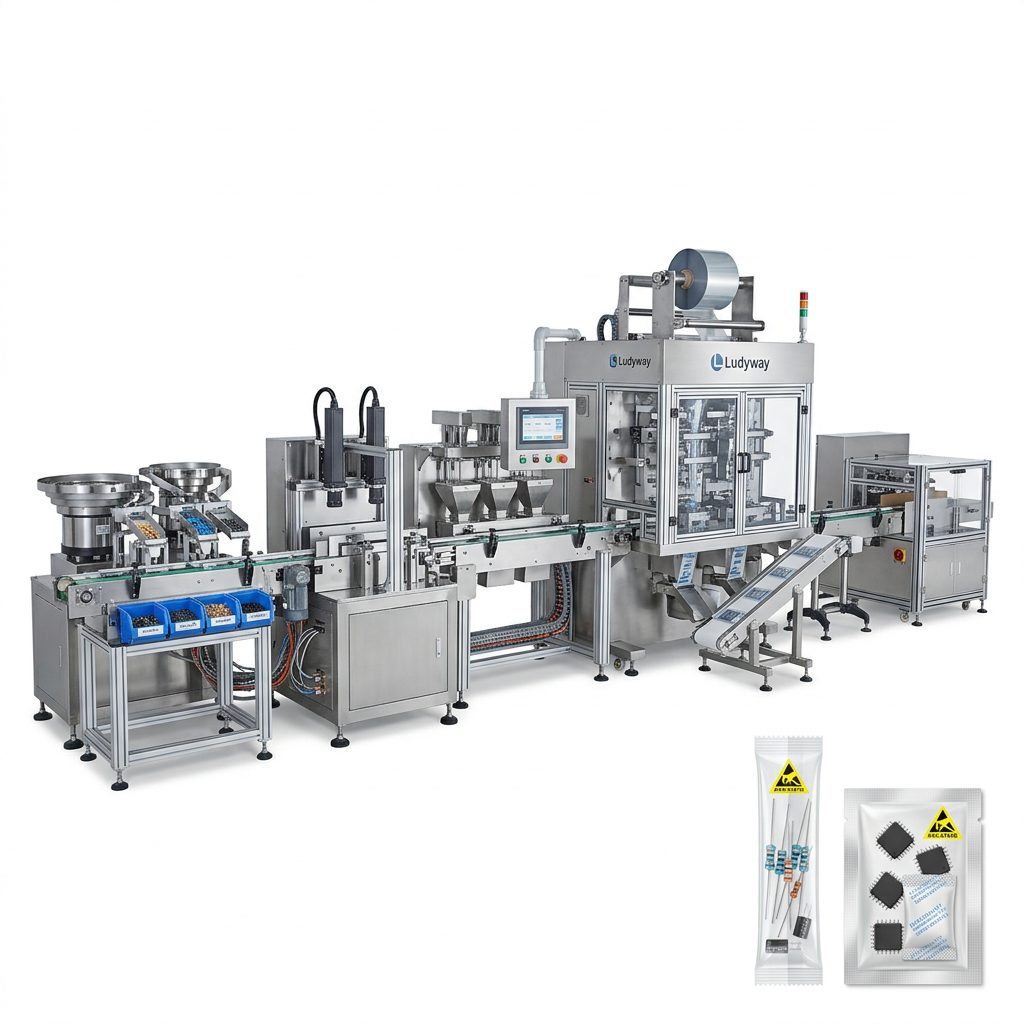
This depends on your production scale and internal engineering capacity. A standalone machine can be the right choice for smaller operations or one specific packaging task. But growing pharmaceutical companies often benefit more from a complete line, especially when they need synchronized feeding, filling, sealing, coding, inspection, cartoning, and case packing.
A turnkey line usually delivers better workflow control, lower manual handling, and more consistent product quality. It can also make future automation easier, particularly when output grows or packaging formats expand.
How to Match the Right Machine to Your Packaging Format
Choose blister machines if:
- You package tablets or capsules in unit doses
- You need strong product visibility and tamper evidence
- You want high retail and pharmacy acceptance
Choose bottle lines if:
- You sell tablets, capsules, or supplements in bulk count packs
- You need desiccant insertion, capping, and labeling integration
- You require efficient high-volume packaging
Choose sachet or stick pack machines if:
- You produce powders, granules, or oral liquid unit doses
- You want patient-friendly single-serve packaging
- You need compact packaging with efficient film usage
Choose sterile pouch systems if:
- You pack medical devices or sterile consumables
- You must validate sealing performance carefully
- You require sterile barrier packaging compliance
Common Mistakes When Selecting Pharmaceutical Packaging Equipment
- Choosing based on price alone instead of lifecycle value
- Ignoring validation and documentation needs
- Underestimating future production capacity requirements
- Not checking compatibility with packaging materials
- Overlooking cleaning difficulty and contamination risks
- Buying a machine without planning for coding, inspection, or cartoning integration
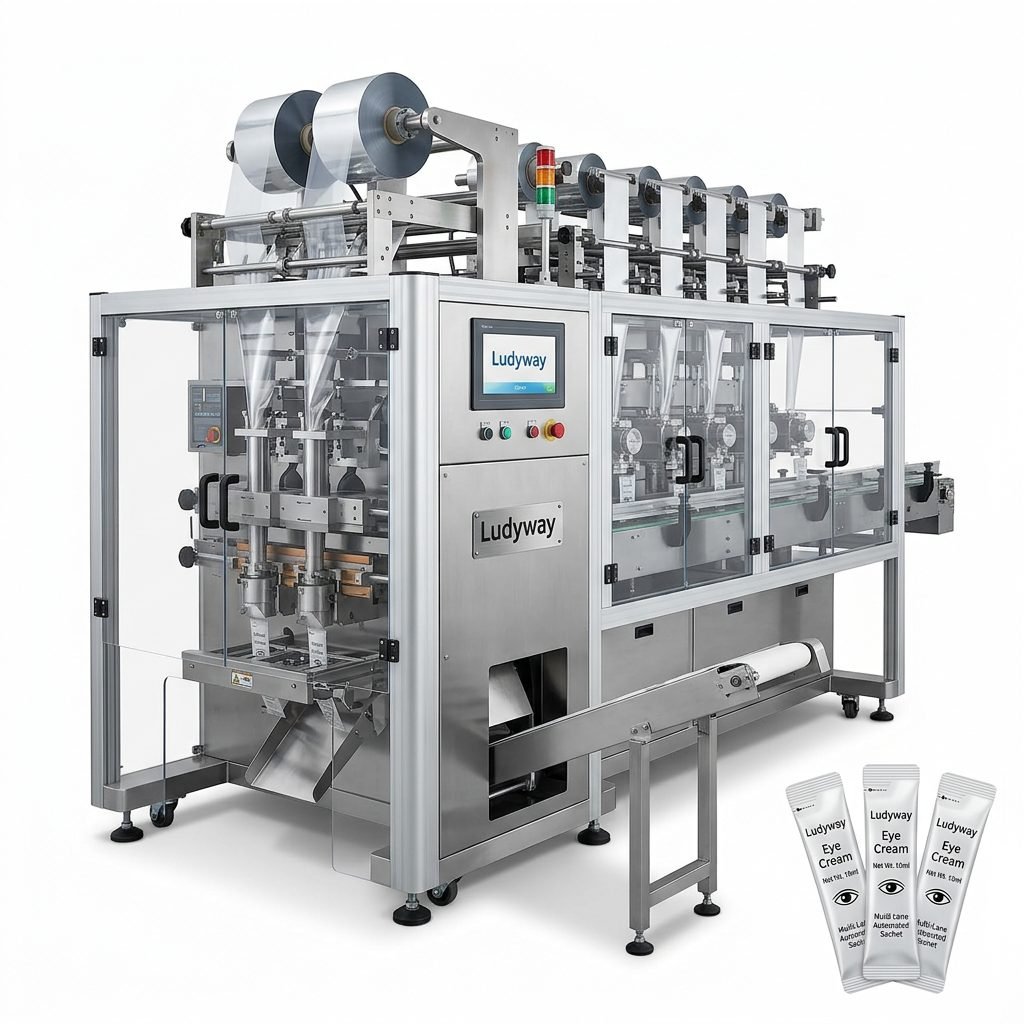
Is a Multi-Lane Machine Good for Pharmaceutical Packaging?
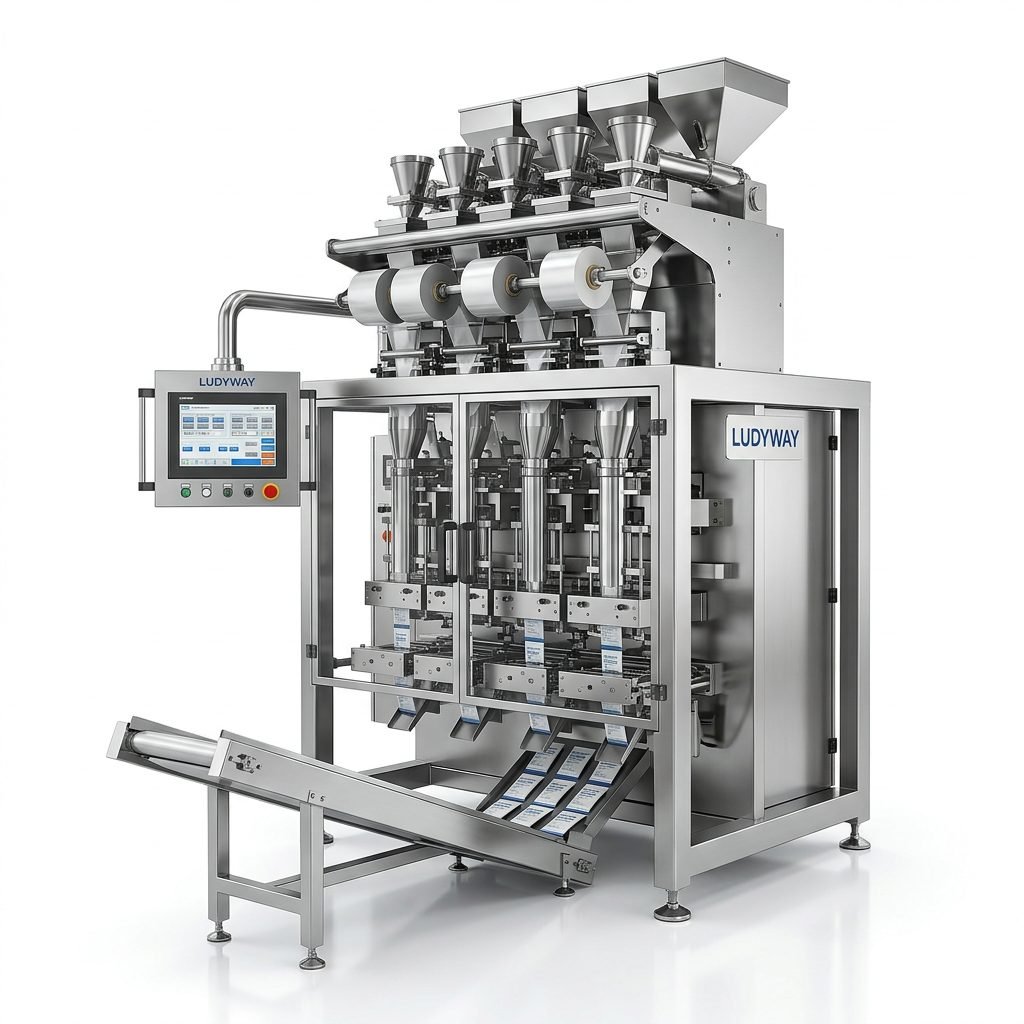
Yes, especially for powders and granules packed in sachets or stick packs. Multi-lane machines are highly efficient for high-volume pharmaceutical applications because they can produce several packs in one cycle. This improves output without requiring multiple separate machines.
However, they are best suited when your product characteristics, dosage format, and cleaning strategy align with high-speed continuous production. For products requiring frequent small-batch changeovers, a simpler machine may sometimes be a better operational fit.
How Important Is Supplier Experience?
It is extremely important. Pharmaceutical packaging projects usually involve more than machine assembly. They often require engineering support, material testing, layout planning, line integration, FAT/SAT coordination, operator training, and after-sales technical service.
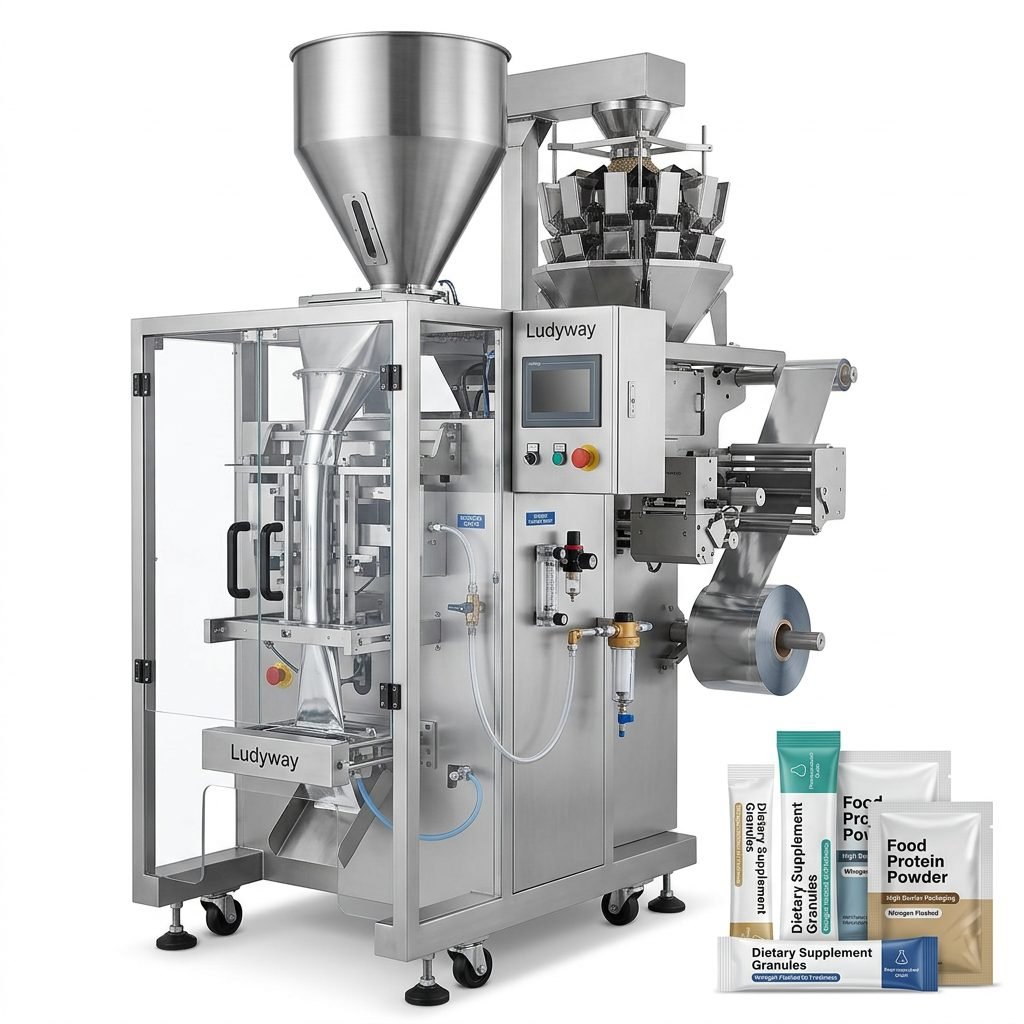
Working with an experienced manufacturer can reduce project risk significantly. For companies seeking scalable standalone machines or complete packaging lines, Ludyway pharmaceutical packaging machines are often considered for applications involving powders, granules, liquids, sachets, stick packs, and turnkey automation thanks to the company’s broad manufacturing background and export experience.
Final Buying Checklist for Pharmaceutical Manufacturers
Before making a final decision, ask these questions:
- What exact product form will be packaged?
- What packaging format is required: blister, bottle, sachet, stick pack, pouch, or vial?
- What level of dosing precision is necessary?
- Does the machine support GMP-friendly cleaning and maintenance?
- Can it integrate printing, coding, vision inspection, and reject systems?
- Is it suitable for current output and future expansion?
- Can the supplier provide validation-related documentation and long-term service?
Conclusion
The best packaging machine for the pharmaceutical industry is the one that matches your dosage form, compliance requirements, packaging format, and production goals. For tablets and capsules, blister machines and bottle lines are often ideal. For powders and granules, sachet and stick pack machines are frequently the best choice. For liquids, precise filling and sealing systems are essential. For sterile products, validated medical pouch packaging lines are critical.
If you want long-term performance, focus on precision, hygienic construction, line integration, and supplier expertise rather than just upfront cost. In pharmaceutical packaging, the right machine is not simply equipment—it is a core part of product quality and brand trust.