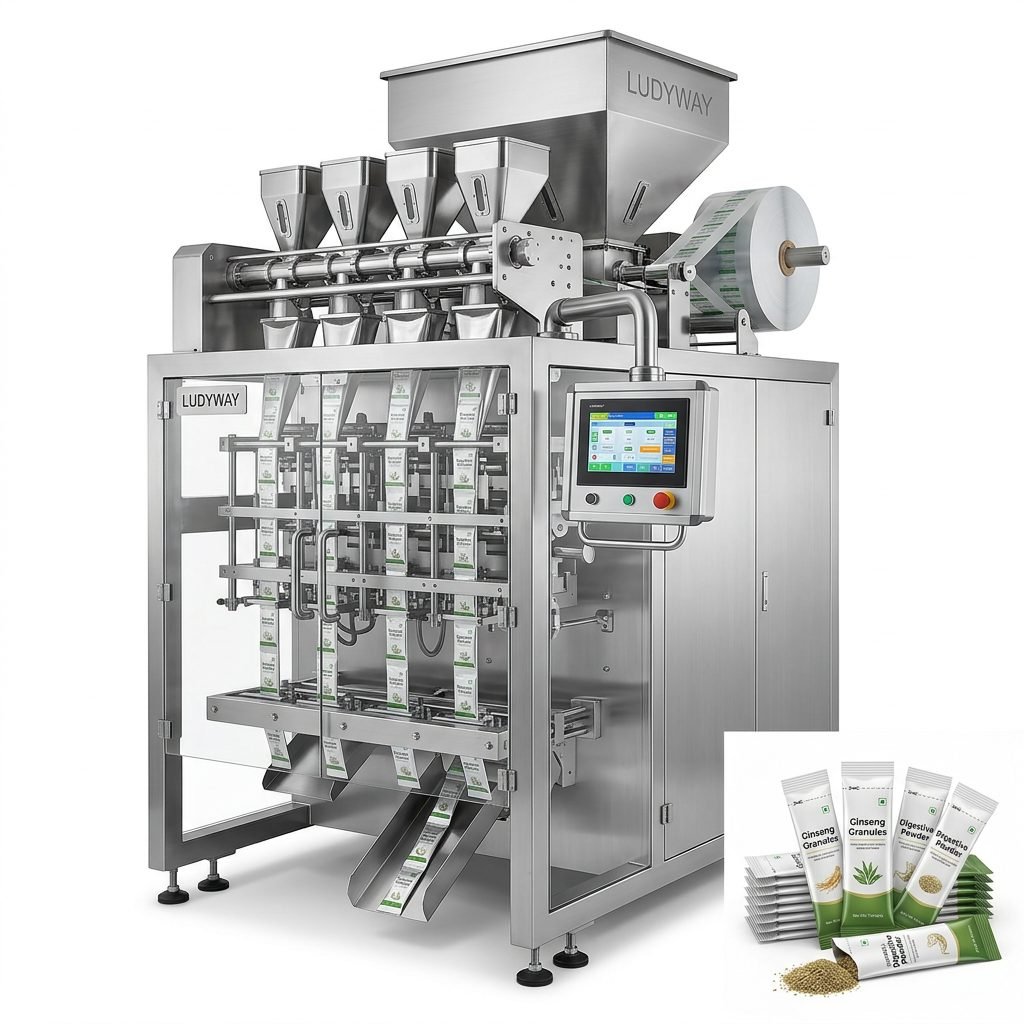
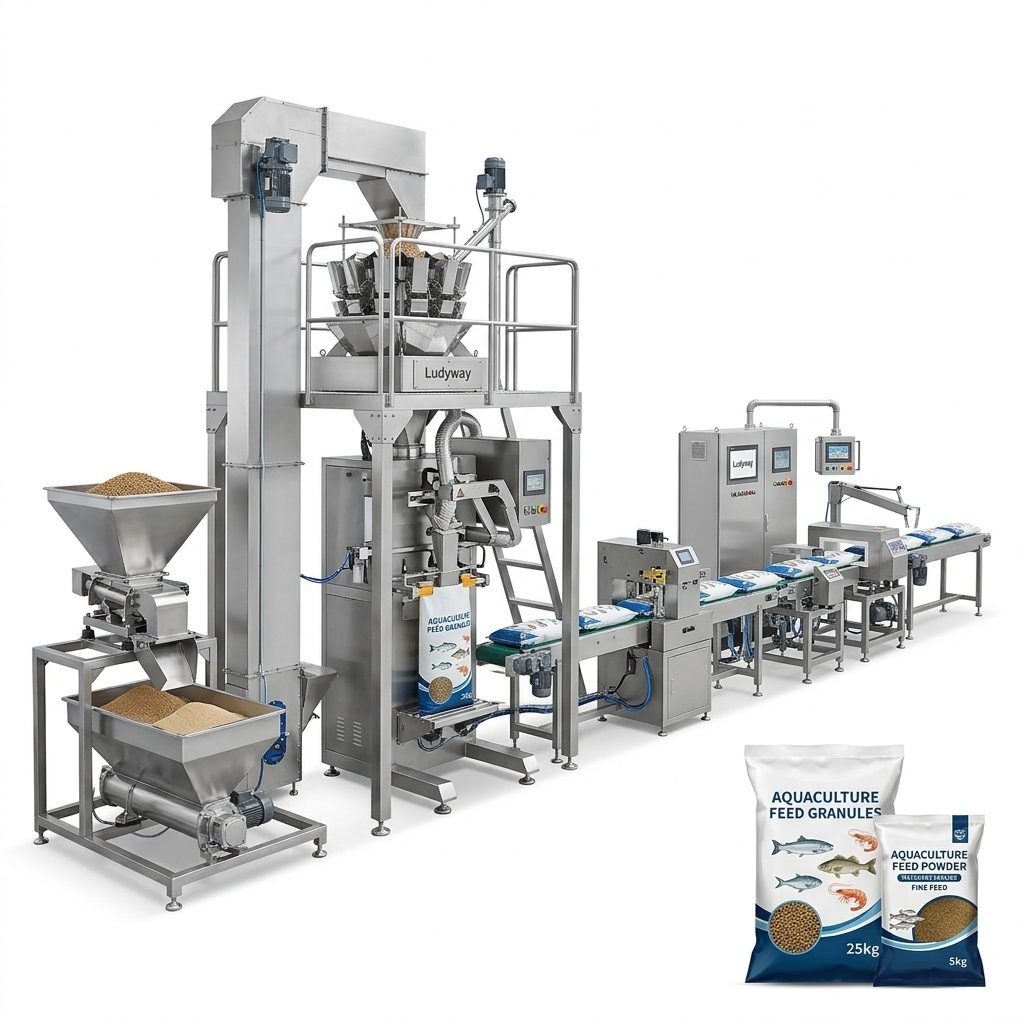
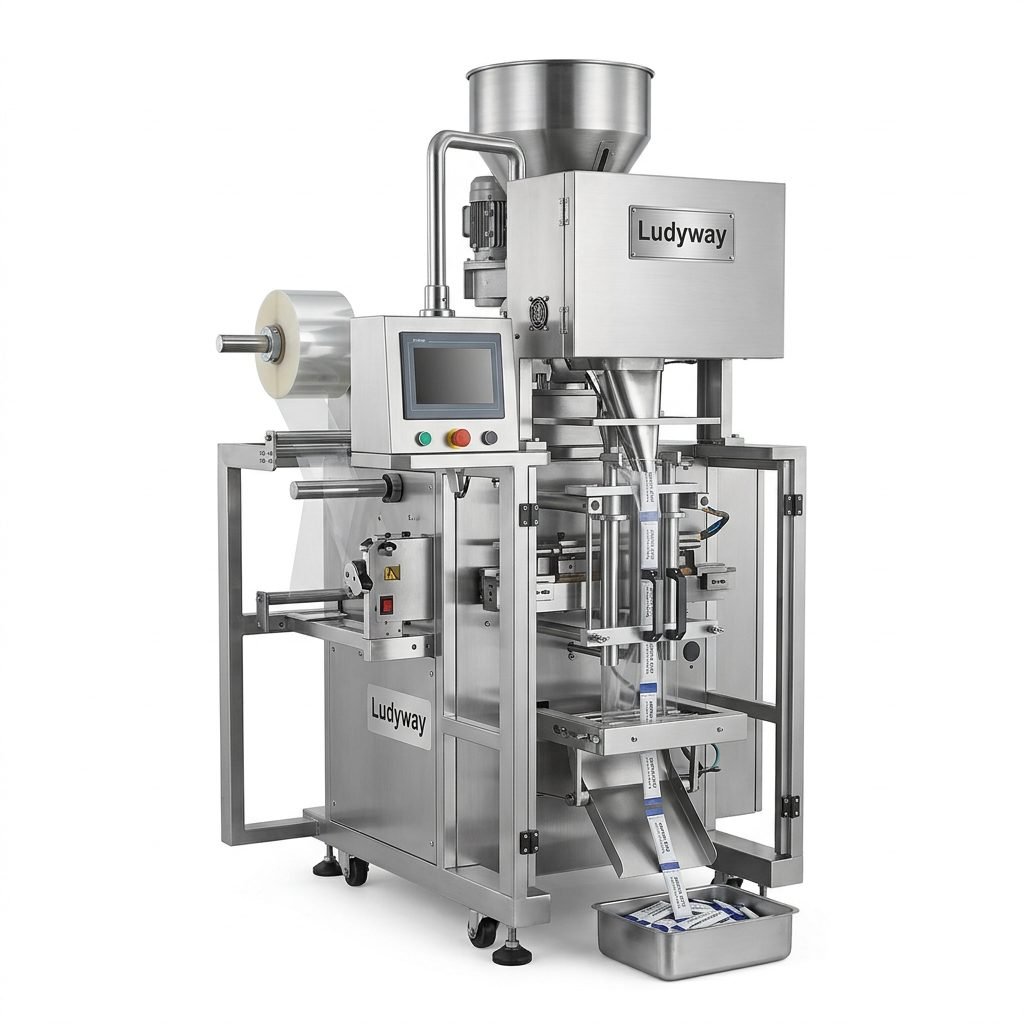
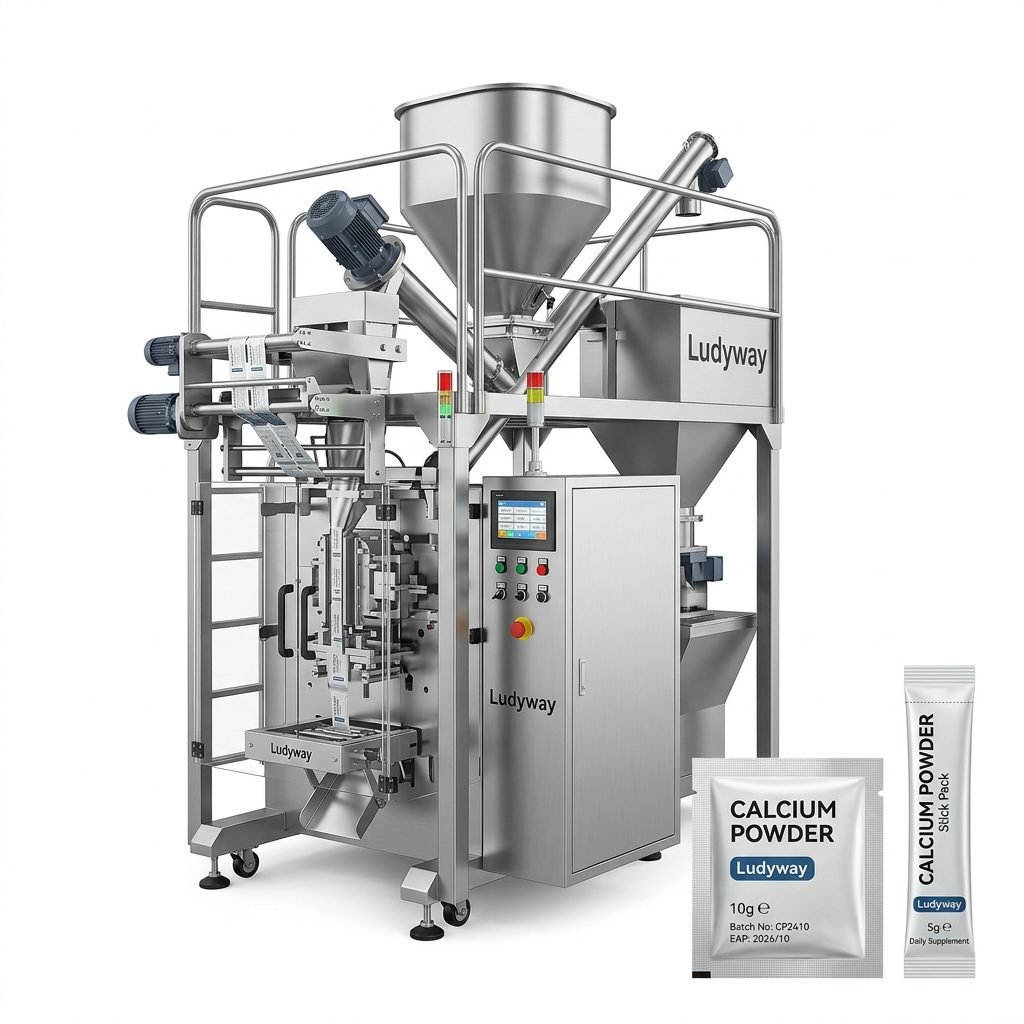
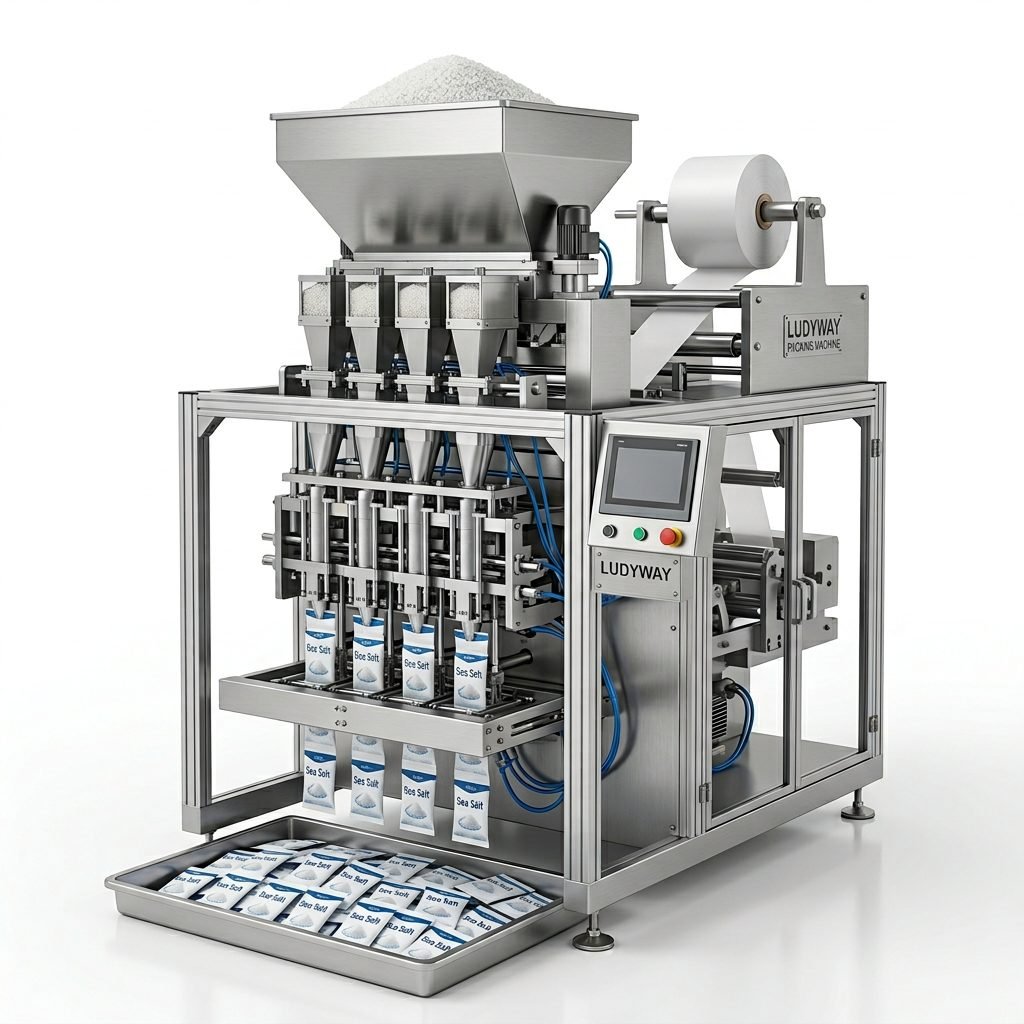
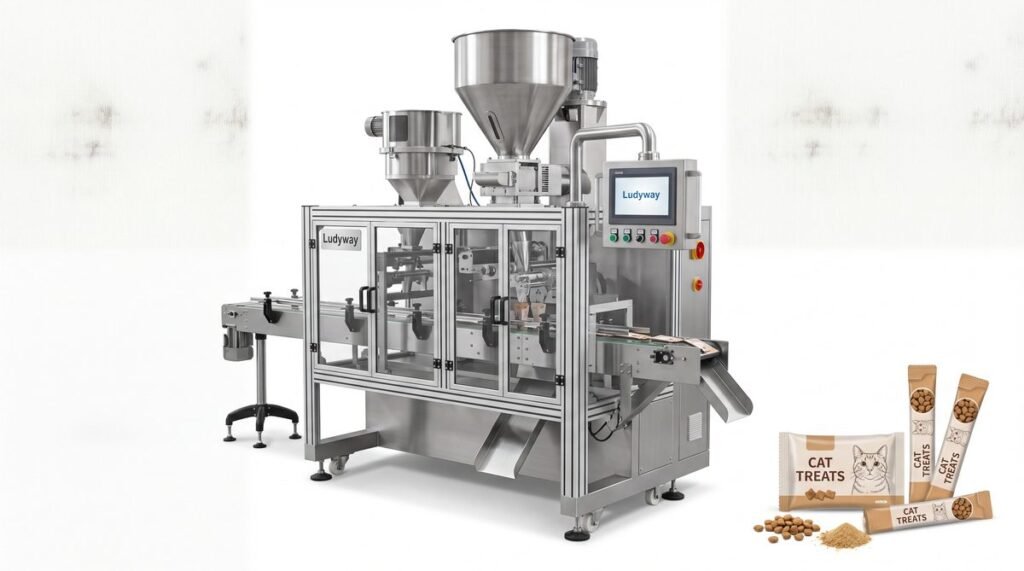
Commercial packaging equipment plays a critical role in modern manufacturing. Whether you produce food, pharmaceuticals, cosmetics, chemicals, or health supplements, the right machinery can help you package products faster, more accurately, and more safely while reducing labor pressure and operating costs.
For growing manufacturers, the challenge is not simply buying a machine—it is choosing a solution that fits product characteristics, output goals, compliance requirements, and future expansion plans. A well-matched system improves throughput and consistency; the wrong one can create downtime, waste, and quality risks.
Why Commercial Packaging Equipment Matters
In competitive industries, packaging is no longer just the final production step. It directly affects product protection, shelf appeal, batch traceability, worker safety, and delivery efficiency. Commercial packaging equipment helps manufacturers achieve:
- Higher production speed for large-volume orders
- Consistent fill accuracy and seal quality
- Better hygiene and contamination control
- Reduced manual handling and labor dependency
- Improved packaging appearance for retail and export markets
- Easier compliance with food, pharma, and industrial standards
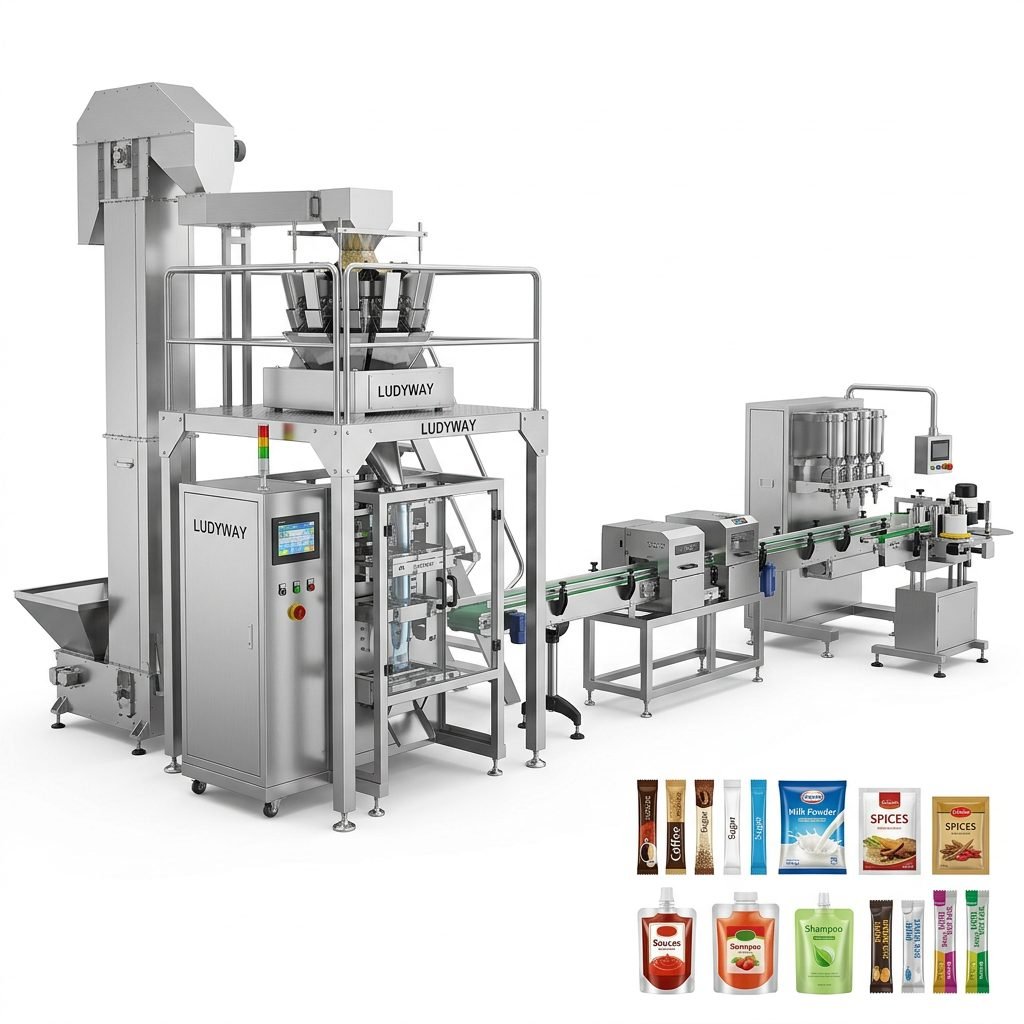
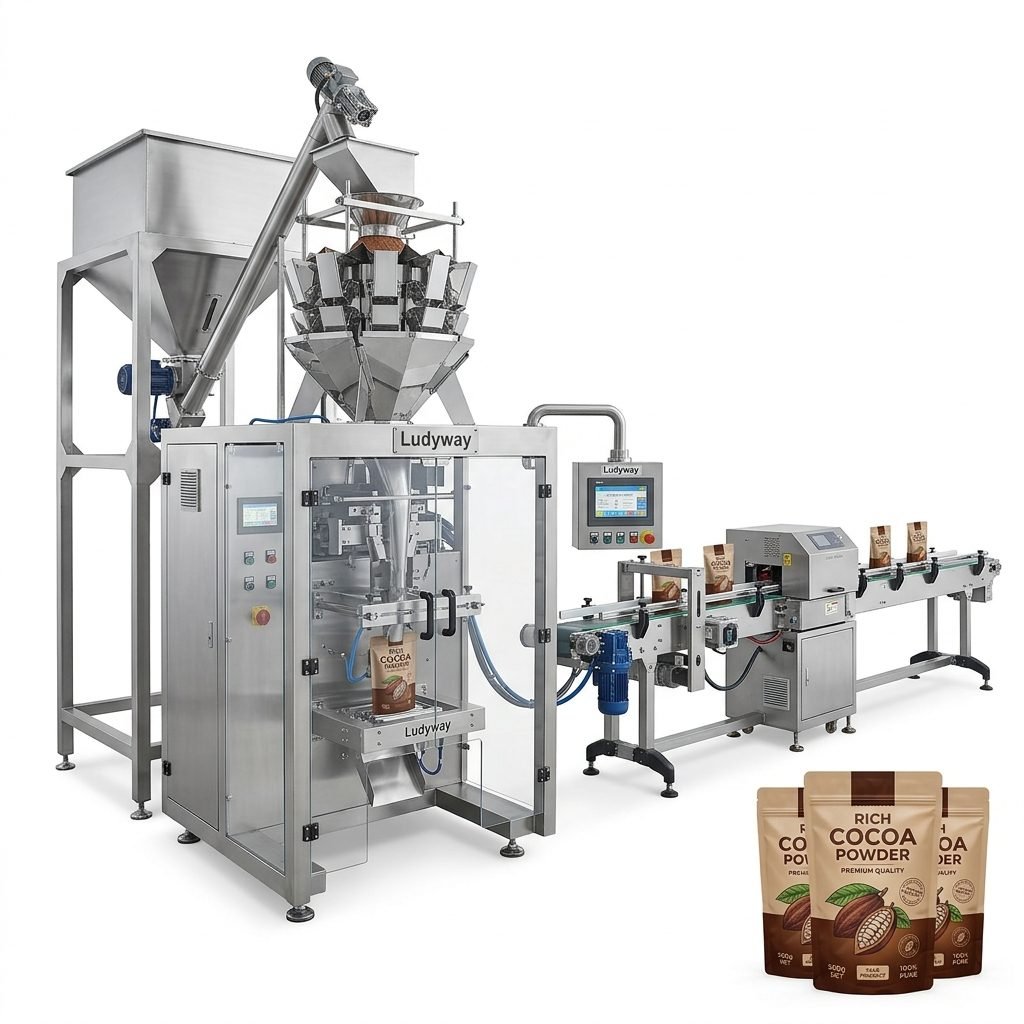
As product portfolios expand, many businesses move from standalone machines to integrated lines that include feeding, dosing, filling, sealing, coding, inspection, cartoning, and palletizing. This shift supports scalable growth and lowers bottlenecks across the entire workflow.
Main Types of Commercial Packaging Equipment
The best packaging setup depends on what you pack and how you sell it. Different industries require different machine structures, dosing systems, and packaging formats.
| Equipment Type | Best For | Typical Packaging Formats |
|---|---|---|
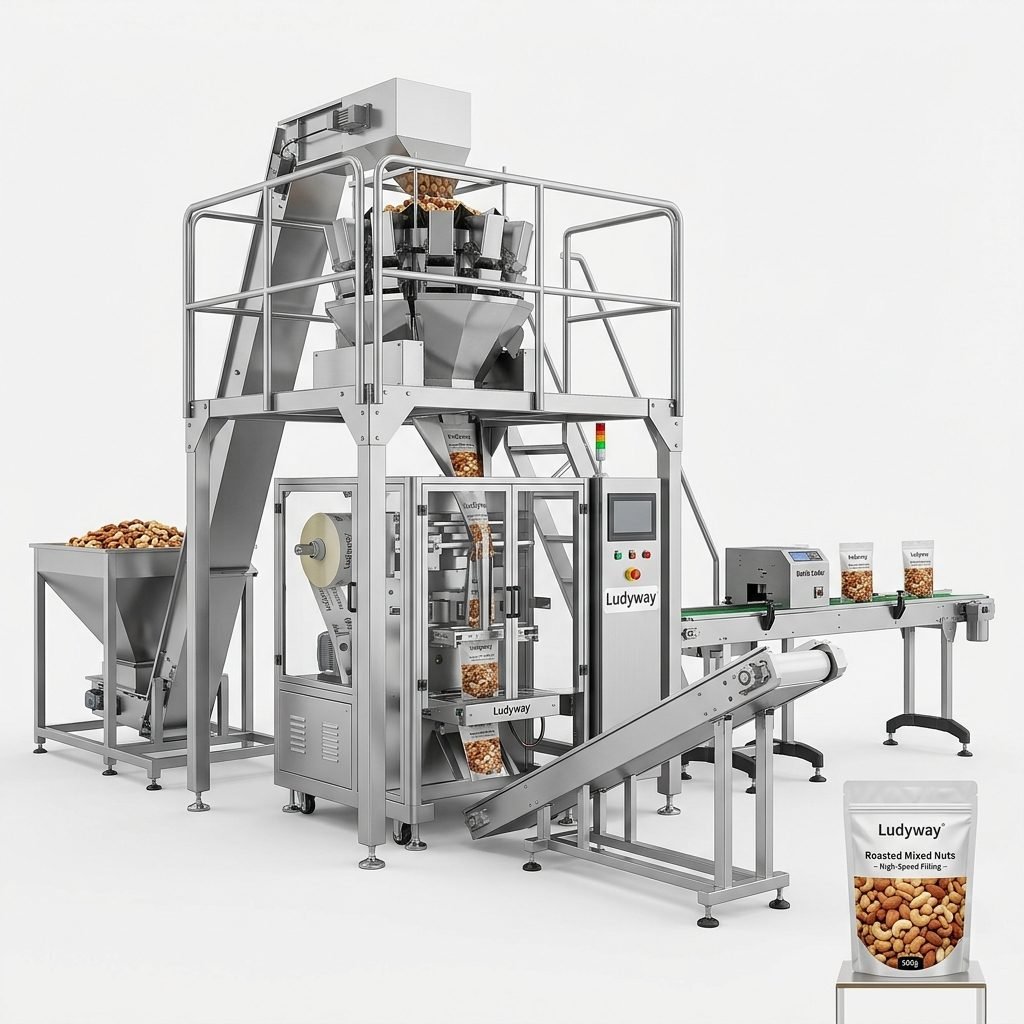
| Vertical form fill seal machines | Granules, powders, snacks, seeds | Pouches, pillow bags, gusset bags |
| Sachet packaging machines | Single-dose powders, liquids, creams | 3-side or 4-side seal sachets |
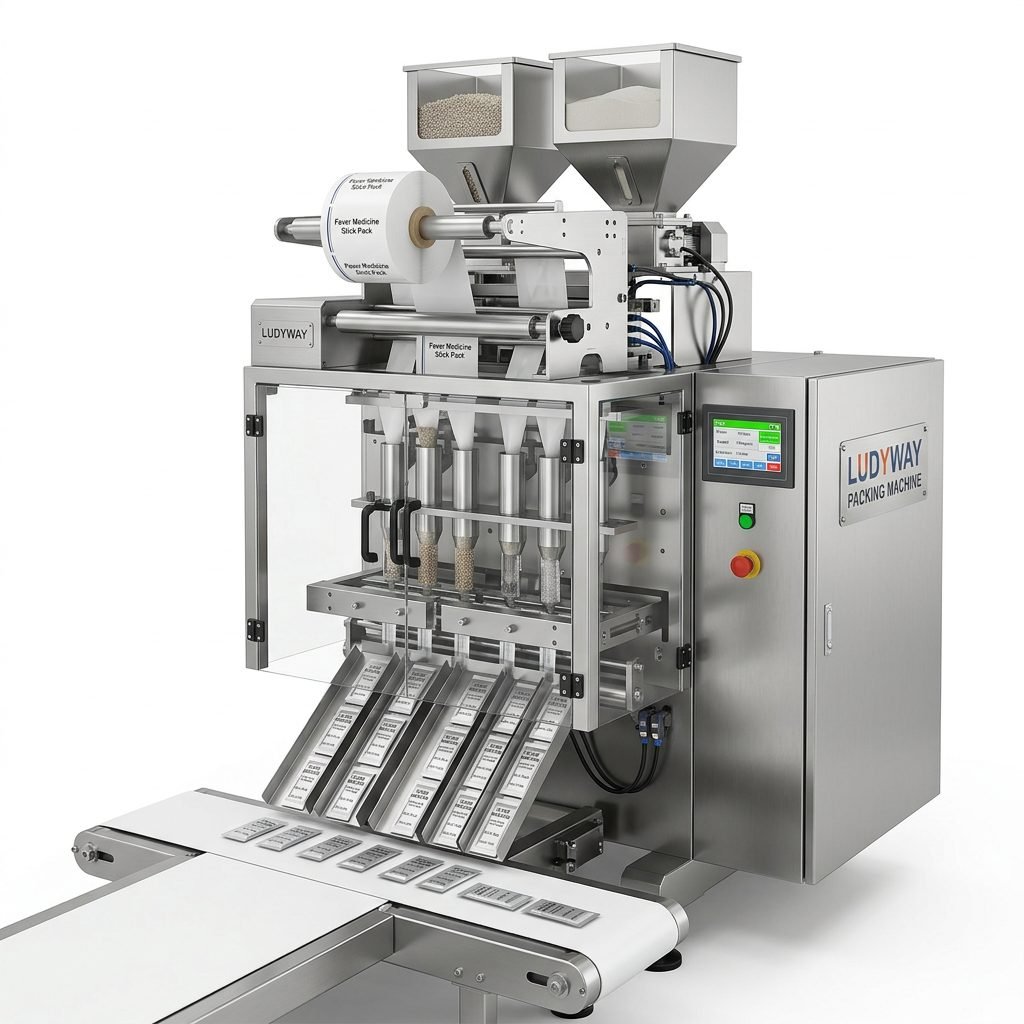
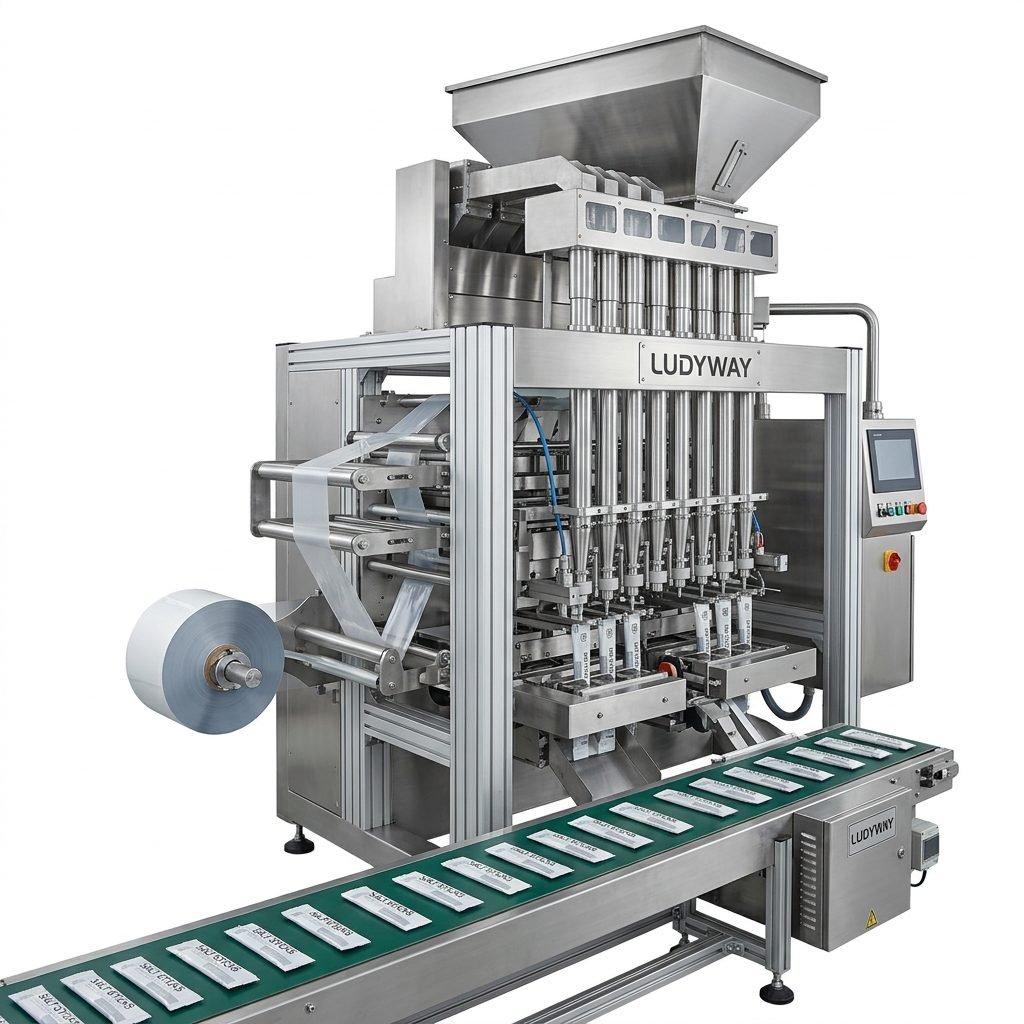
| Stick pack machines | Nutritional powders, drink mixes, pharma granules | Slim stick packs, multi-lane formats |
| Liquid and paste filling systems | Sauces, detergents, serums, gels | Sachets, pouches, bottles, tubes |
| Premade pouch packing machines | Retail-ready products with premium presentation | Stand-up pouches, zipper pouches |
| Cartoning and case packing systems | Secondary packaging automation | Cartons, cases, bundles |
How to Choose the Right Packaging Solution
Choosing commercial packaging equipment should start with application analysis, not machine price alone. A lower-cost machine may become more expensive over time if it causes material waste, rejects, or production interruptions.
1. Understand Your Product Characteristics
Different products behave very differently during filling and sealing. Consider:
- Free-flowing vs. non-free-flowing powders
- Fragile vs. hard granules
- Low-viscosity vs. high-viscosity liquids
- Sterile, hygienic, or dust-sensitive requirements
- Foaming, corrosive, or sticky properties
For example, protein powder, seasoning, syrup, hand cream, and cleaning chemicals all require different dosing and material-contact designs.
2. Match the Required Output Speed
Production targets should define machine configuration. A small business may only need a compact semi-automatic system, while a large contract manufacturer may require high-speed multi-lane equipment integrated with conveying, coding, inspection, and final packing modules.
3. Consider Packaging Format and Brand Positioning
Your packaging format affects machine type, production cost, and customer experience. Sachets and stick packs are ideal for single-use convenience, while premade pouches may better support premium retail products.
4. Focus on Safety and Compliance
Food and pharmaceutical applications usually require stronger attention to hygienic design, cleanability, stable sealing, precise dosing, and traceability. Packaging systems should support safe operation and help minimize contamination risks.

5. Evaluate Expandability
Packaging demand often grows faster than expected. Equipment with modular design makes it easier to add auxiliary systems such as:
- Conveyors and feeders
- Checkweighers
- Metal detectors or X-ray inspection
- Date coding and labeling units
- Cartoners and case packers
- Palletizing systems
Faster Production: What Features Really Improve Efficiency?
When buyers look for “faster” packaging, the answer is not only speed on paper. True efficiency comes from a combination of machine design, automation level, and production stability.
- Accurate feeding systems reduce fill variation and rework.
- Servo-driven controls improve precision and repeatability.
- Multi-lane packaging structures multiply output without needing separate standalone machines.
- Quick changeover design shortens downtime between SKUs.
- Integrated inspection and rejection systems help maintain continuous output.
- Turnkey line coordination prevents one machine from slowing the whole line.
A packaging line should be assessed by overall equipment effectiveness, not simply theoretical maximum cycles per minute. In practice, reliable operation and low downtime often matter more than headline speed.
Safer Production: Key Considerations for Modern Factories
Safety includes both product safety and worker safety. This is especially important in food, pharmaceutical, personal care, and chemical manufacturing.
| Safety Area | Why It Matters | What to Look For |
|---|---|---|
| Material contact hygiene | Protects product quality | Food-grade materials, easy cleaning access |
| Seal integrity | Prevents leakage and spoilage | Stable temperature and pressure control |
| Operator protection | Reduces injury risk | Guards, emergency stops, safe access points |
| Dust and spill control | Improves cleanliness and reliability | Sealed dosing, extraction support, anti-drip systems |
| Traceability | Supports compliance and recall management | Coding, labeling, batch recording integration |
Standalone Machines vs. Turnkey Packaging Lines
Some manufacturers only need a single machine. Others benefit more from a complete packaging line. The right choice depends on production complexity and long-term plans.
Standalone Machines Are Best When:
- You are introducing one product SKU
- Your production volume is moderate
- You already have upstream or downstream equipment
- You want lower initial investment
Turnkey Lines Are Best When:
- You need continuous, large-scale production
- You want to reduce manual transfers between stages
- You operate in hygiene-sensitive industries
- You need synchronized control from feeding to final packing
- You want easier scaling for export and contract manufacturing
Many modern buyers now prefer complete solutions because line integration improves efficiency, simplifies supplier coordination, and creates a more predictable production environment.
Practical tip: If your line includes multiple package sizes, seasonal SKUs, or several product formulas, prioritize flexibility and changeover efficiency before choosing the highest-speed model.
Common Mistakes Buyers Should Avoid
- Choosing equipment based only on price
- Ignoring actual product flowability or viscosity
- Underestimating future production growth
- Forgetting about downstream packing needs
- Overlooking cleaning and maintenance accessibility
- Not confirming local technical support and spare parts planning
A machine that seems suitable in a brochure may not perform well with your exact product, packaging film, or plant conditions. That is why application testing and supplier communication are so important.
Industries That Benefit Most from Advanced Packaging Equipment
Commercial packaging equipment is widely used across sectors that demand speed, safety, and consistent presentation. High-growth applications include:
- Food powders, seasonings, sauces, snacks, and beverages
- Pharmaceutical granules, powders, tablets, and liquids
- Health supplements and sports nutrition products
- Cosmetics such as creams, serums, and sachet products
- Household cleaning products and detergents
- Chemical and agricultural materials requiring controlled filling
- Pet food and animal nutrition packaging
What to Ask a Packaging Equipment Supplier Before Buying
Before making a final decision, ask suppliers detailed questions that go beyond general specifications:
- What products and packaging formats is the machine proven to handle?
- What output range is realistic under normal factory conditions?
- How accurate is the filling system?
- How long does changeover take between sizes or materials?
- What auxiliary equipment is recommended?
- Can the solution be customized for future upgrades?
- What training, technical support, and spare parts service are available?
Working with an experienced manufacturer can reduce project risk significantly, especially when your packaging line requires custom engineering or multi-machine integration.
Choosing a Reliable Manufacturing Partner
Beyond equipment performance, supplier capability matters. Manufacturers with long industry experience, broad export exposure, and full-line engineering strength are often better prepared to support customized projects, compliance expectations, and after-sales service.
For buyers seeking scalable automation, Ludyway commercial packaging equipment solutions are backed by more than 30 years of manufacturing experience, a facility of over 20,000 square meters, and a broad portfolio covering food, pharmaceutical, health supplement, cosmetic, chemical, and turnkey packaging line applications.
Final Buying Checklist
| Checklist Item | Priority |
|---|---|
| Product type and material behavior confirmed | High |
| Required speed and daily output defined | High |
| Packaging format and dimensions finalized | High |
| Safety, hygiene, and compliance needs reviewed | High |
| Future expansion and integration considered | Medium to High |
| After-sales support and spare parts plan confirmed | High |
The right commercial packaging equipment should do more than automate filling and sealing. It should help your business build a production system that is efficient, safe, scalable, and ready for long-term growth. When your machinery matches your products and operational goals, packaging becomes a competitive advantage rather than a bottleneck.