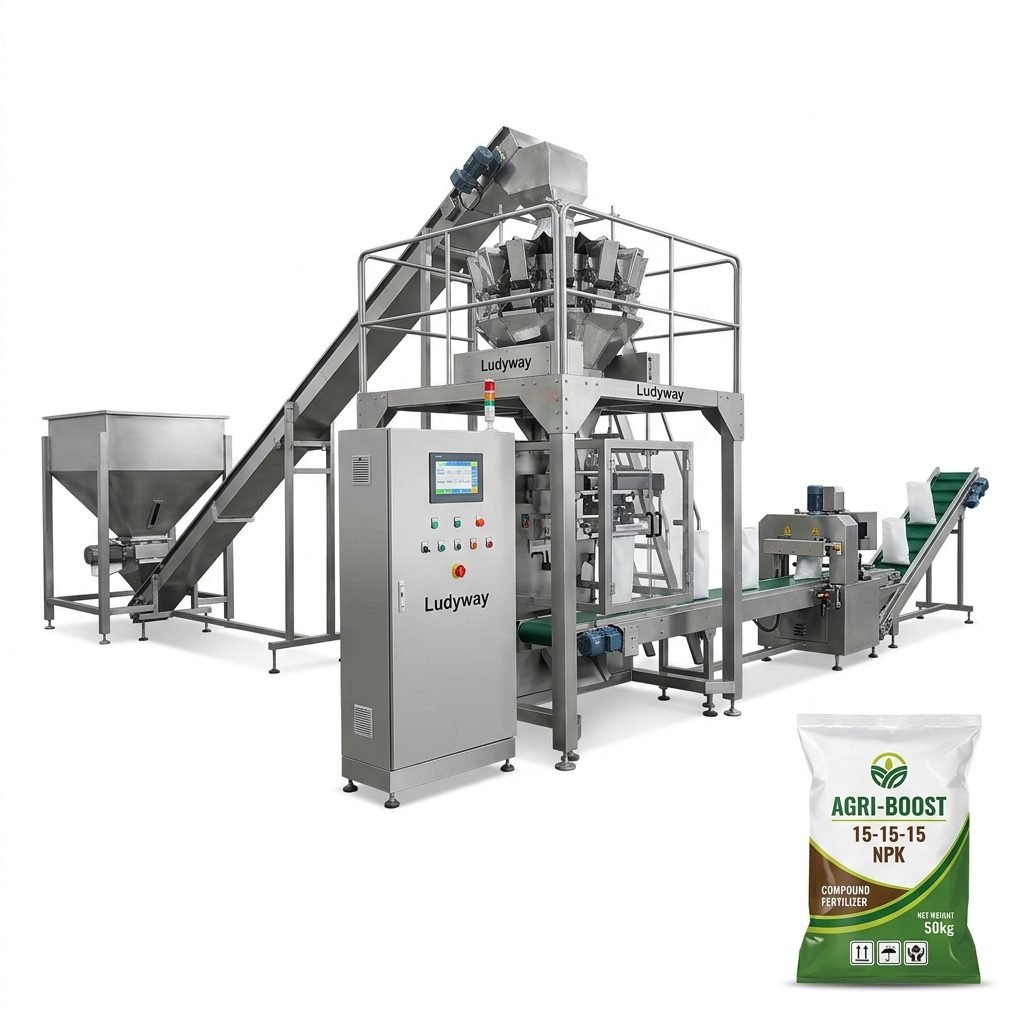
Optimizing a packaging production line layout is one of the fastest ways to improve throughput, labor efficiency, safety, and product consistency. A well-planned layout reduces unnecessary motion, shortens material travel distance, minimizes downtime, and creates a smoother flow from raw material feeding to final packing and palletizing.
Whether you operate in food, pharmaceutical, health supplement, cosmetic, or chemical packaging, layout design directly affects how much output you can achieve with your current floor space, equipment, and workforce.
Why Production Line Layout Matters
A packaging line is more than a group of machines placed in sequence. It is a connected system where every station influences the next one. If one area is poorly positioned, the entire line can suffer from bottlenecks, waiting time, excess handling, and quality risks.
- Less material handling means lower labor cost and lower product damage risk.
- Better equipment spacing improves maintenance access and operator safety.
- Balanced workstation flow helps reduce idle time between machines.
- Smarter zoning supports hygiene control, especially in food and pharma environments.
- Future-ready design makes expansion easier as production demand grows.
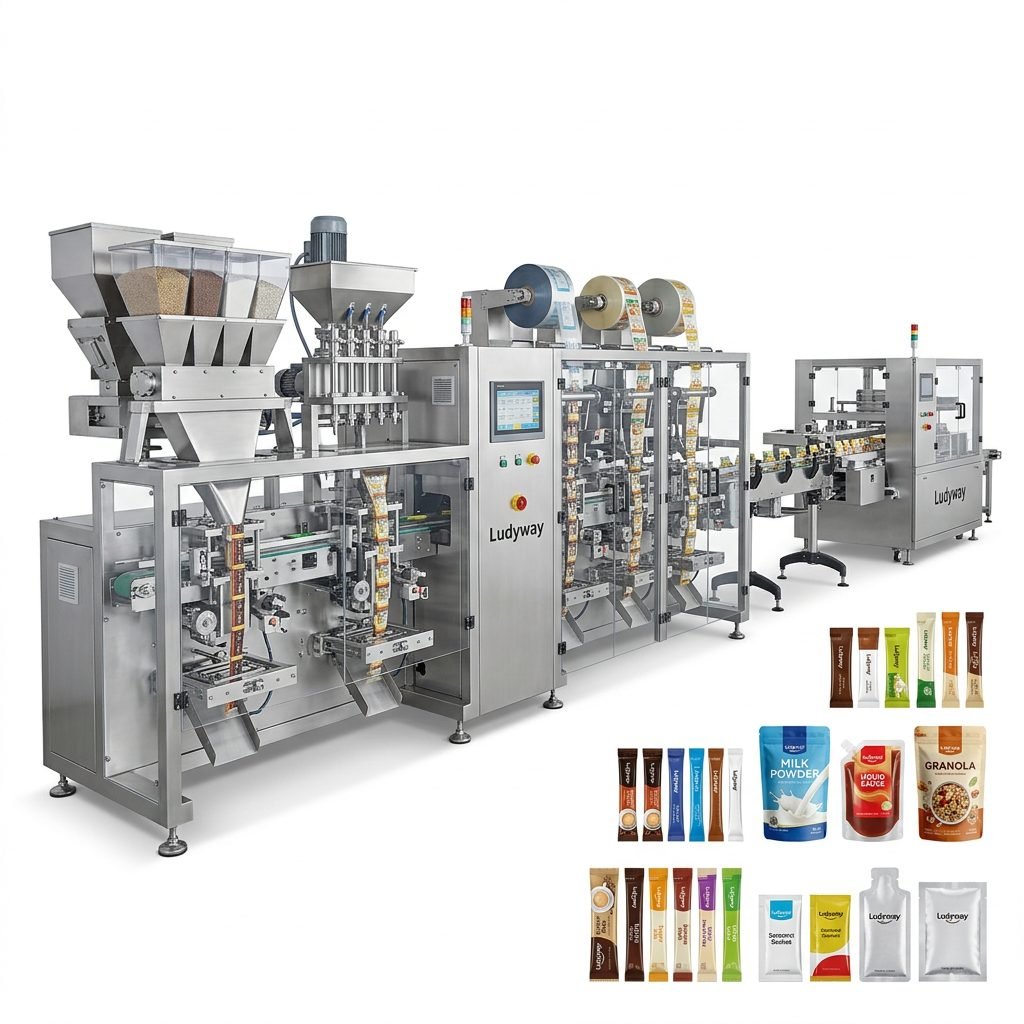
Start with a Full Process Mapping
Before moving any machine, map the complete packaging workflow. Many factories focus only on the main packing machine, but the real efficiency gains often come from upstream and downstream improvements.
Include Every Step in the Mapping
- Raw material receiving and storage
- Material conveying and feeding
- Weighing, dosing, or filling
- Bagging, sachet packing, stick pack packing, bottling, or pouch filling
- Sealing, coding, inspection, and rejection
- Cartoning, case packing, and palletizing
- Finished goods staging and warehouse transfer
By visualizing the full line, you can identify wasted motion, cross-traffic, overstaffed points, and machine mismatch.
Design Around Product Flow, Not Just Available Space
One of the most common mistakes is placing machines wherever there is open floor area. Instead, layout planning should prioritize straightforward and logical product flow.
Best-Practice Flow Principles
- Move products in one main direction whenever possible.
- Avoid backtracking of materials, operators, or finished packs.
- Separate incoming raw materials from outgoing finished products.
- Reduce crossings between forklifts, operators, and maintenance routes.
- Keep high-frequency tasks close to the operator’s natural work area.
For example, a granule sachet line should ideally move from bulk material feeding to dosing, forming, sealing, checkweighing, cartoning, and palletizing in a clean sequence without repeated turns or intermediate staging delays.
Identify and Remove Bottlenecks
Layout optimization is often about finding what slows the line down. A production line can only run as fast as its weakest point. In many packaging lines, bottlenecks appear in feeding, sealing, coding, manual packing, or case handling.
| Common Bottleneck Area | Typical Cause | Layout Optimization Idea |
|---|---|---|
| Material feeding | Long refill distance or poor feeder position | Place buffer hoppers and conveyors closer to the filler |
| Primary packaging | Mismatch between feeder speed and packaging speed | Balance machine capacities and line pacing |
| Inspection/coding | Machines installed too close with no buffer zone | Add short conveyor accumulation sections |
| Cartoning/case packing | Manual transfer between line sections | Use integrated transfer systems and ergonomic packing stations |
| Palletizing | Insufficient end-of-line space | Create a dedicated finished goods handling zone |
Use a Linear, U-Shaped, or Modular Layout Based on Production Goals
There is no single “perfect” layout for every packaging factory. The best option depends on product type, output target, sanitation requirements, labor strategy, and expansion plans.
Linear Layout
Best for high-volume production and simple product flow. It is easy to understand, easier to automate, and ideal when floor length is available.
U-Shaped Layout
Useful when space is limited and you want operators to manage multiple stations with shorter walking distances. This can be effective for semi-automatic lines.
Modular Layout
Best for manufacturers planning future line expansion, product changeovers, or mixed-format packaging. Modular systems allow easier upgrades and reconfiguration.
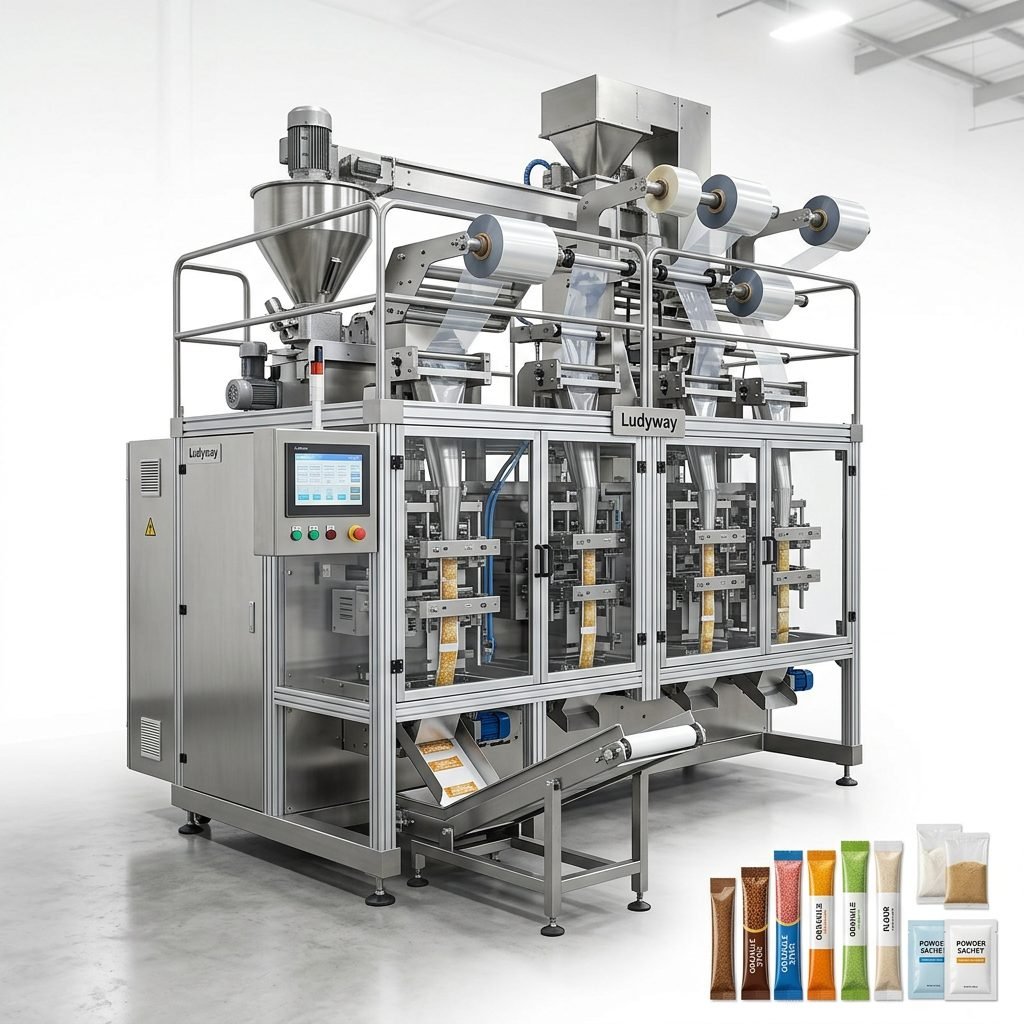
Reduce Operator Movement and Improve Ergonomics
Operator travel time is often underestimated. In a poorly designed line, workers waste minutes every hour walking to fetch packaging film, refill materials, clear jams, move boxes, or inspect output. Over a shift, that becomes a major productivity loss.
Practical Ergonomic Improvements
- Store frequently used materials near the point of use
- Position control panels where operators can monitor multiple stations
- Provide easy access for roll changes, cleaning, and maintenance
- Set conveyor and worktable heights for comfortable handling
- Minimize lifting, twisting, and repeated reaching motions
Good ergonomics improves both efficiency and workforce stability, especially in lines that still rely on manual assistance for secondary packaging or final packing.
Allocate Space for Maintenance and Sanitation
Machines placed too closely may save floor space at first, but they often create larger long-term problems. Without proper clearance, technicians struggle to service equipment, clean product contact parts, or resolve breakdowns quickly.
Plan Clearance Around:
- Electrical cabinets and access doors
- Changeover areas
- Feeding and hopper refill points
- Dust extraction or ventilation systems
- Cleaning access for food and pharma compliance
This is particularly important in powder packaging lines, where dust control and cleaning efficiency strongly affect uptime and product quality.
Balance Upstream and Downstream Equipment Capacity
A high-speed packaging machine will not deliver real output if upstream feeding is too slow or downstream cartoning cannot keep up. Layout optimization should always include capacity matching.
| Line Section | What to Check | Optimization Result |
|---|---|---|
| Feeding system | Can it supply material continuously at target speed? | Less waiting and fewer refill interruptions |
| Main packaging machine | Is speed aligned with actual downstream output? | Stable line rhythm and lower stop-start stress |
| Inspection and coding | Can these units process every pack without backlog? | Better traceability and less congestion |
| Secondary packaging | Is manual or automated packing creating delay? | Higher final output and lower labor pressure |
Create Smart Buffer Zones
Many lines fail because every machine is forced to run in direct dependence on the previous one. A small stop in one area then shuts down the entire line. Smart buffer zones help absorb short interruptions.
Buffer conveyors, staging tables, or accumulation sections can be added between:
- Primary packaging and checkweighing
- Checkweighing and cartoning
- Cartoning and case packing
- Case packing and palletizing
These buffers should be planned carefully, not oversized. The goal is resilience, not clutter.
Separate Material, Personnel, and Waste Routes
Efficient factories reduce crossing paths. If operators, raw materials, finished goods, maintenance tools, and waste bins all move through the same path, production becomes slower and less safe.
Recommended Route Planning
- Raw material route: receiving to staging to feeding
- Finished product route: discharge to boxing to palletizing to warehouse
- Waste route: reject collection and scrap removal away from clean product areas
- Personnel route: safe walking lanes with minimal interference to machine operation
This is especially valuable in regulated sectors where hygiene and contamination control are essential.
Consider Utility Access Early
Compressed air, power supply, dust extraction, ventilation, drainage, and network connections all affect layout efficiency. A line may look good on paper but perform poorly if utility connections require long, exposed, or hard-to-maintain routing.
Early planning prevents:
- Trip hazards from cables and hoses
- Pressure loss in long pneumatic lines
- Cleaning issues around exposed utilities
- Delays during equipment installation or relocation
Use Data to Support Layout Decisions
The best layout decisions come from actual production data, not assumptions. Review machine downtime, operator walking paths, rejected products, line stoppage frequency, and output by shift.
Key Metrics to Analyze
- Overall equipment effectiveness (OEE)
- Units per hour and shift output
- Changeover time
- Downtime by station
- Labor per finished unit
- Scrap and rework rate
When layout improvements are linked to measurable KPIs, it becomes easier to justify investment and track real gains.
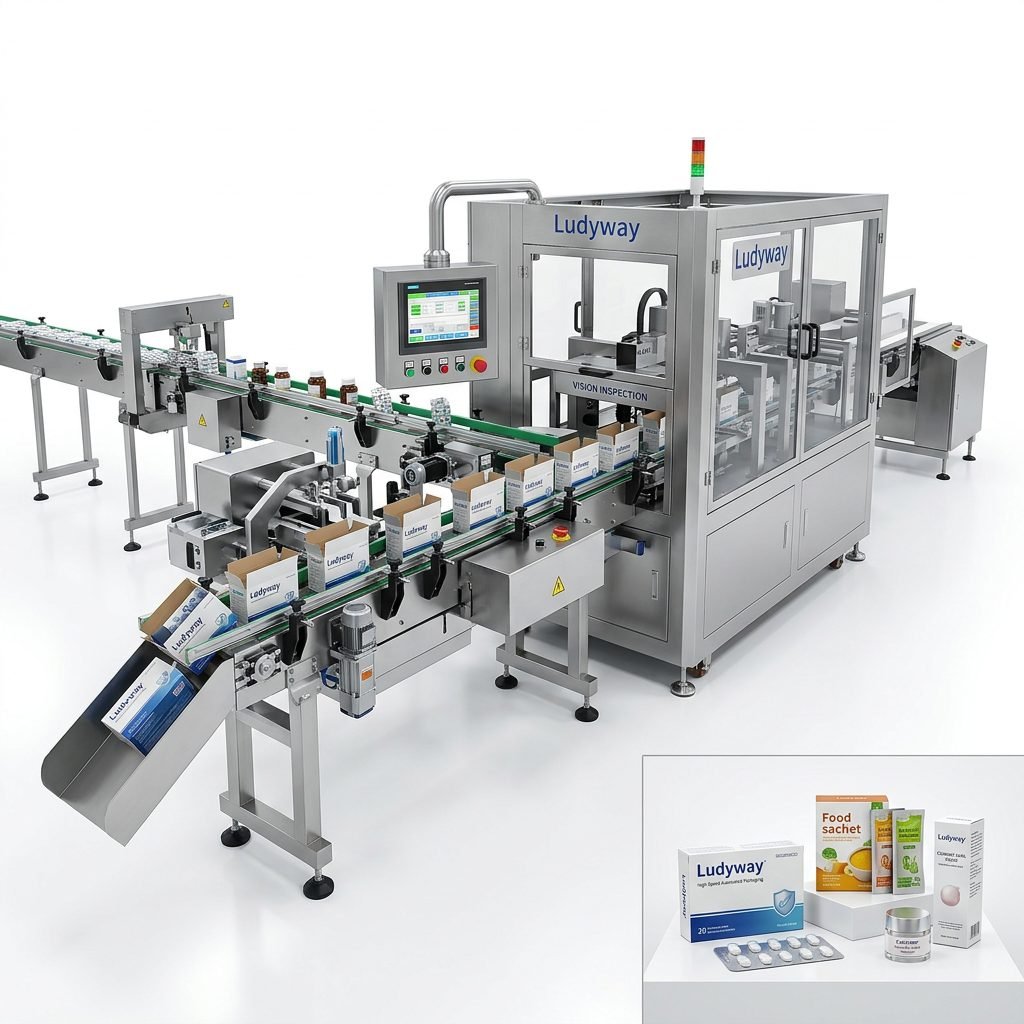
Plan for Changeovers and Product Variety
If your line handles multiple SKUs, sizes, or packaging formats, layout flexibility becomes just as important as speed. A rigid layout may work for one product but become inefficient when changeovers are frequent.
Layout Features That Support Flexibility
- Quick-access machine adjustments
- Clearly marked staging areas for different materials
- Tool storage near changeover points
- Modular conveyors and transfer systems
- Extra room for future machine additions
Flexible layouts are ideal for growing manufacturers serving different sectors and packaging formats.
Do Not Ignore End-of-Line Automation
Many factories optimize the filling and sealing section but leave secondary packing and palletizing as labor-heavy bottlenecks. End-of-line automation often delivers major productivity gains with relatively fast payback.
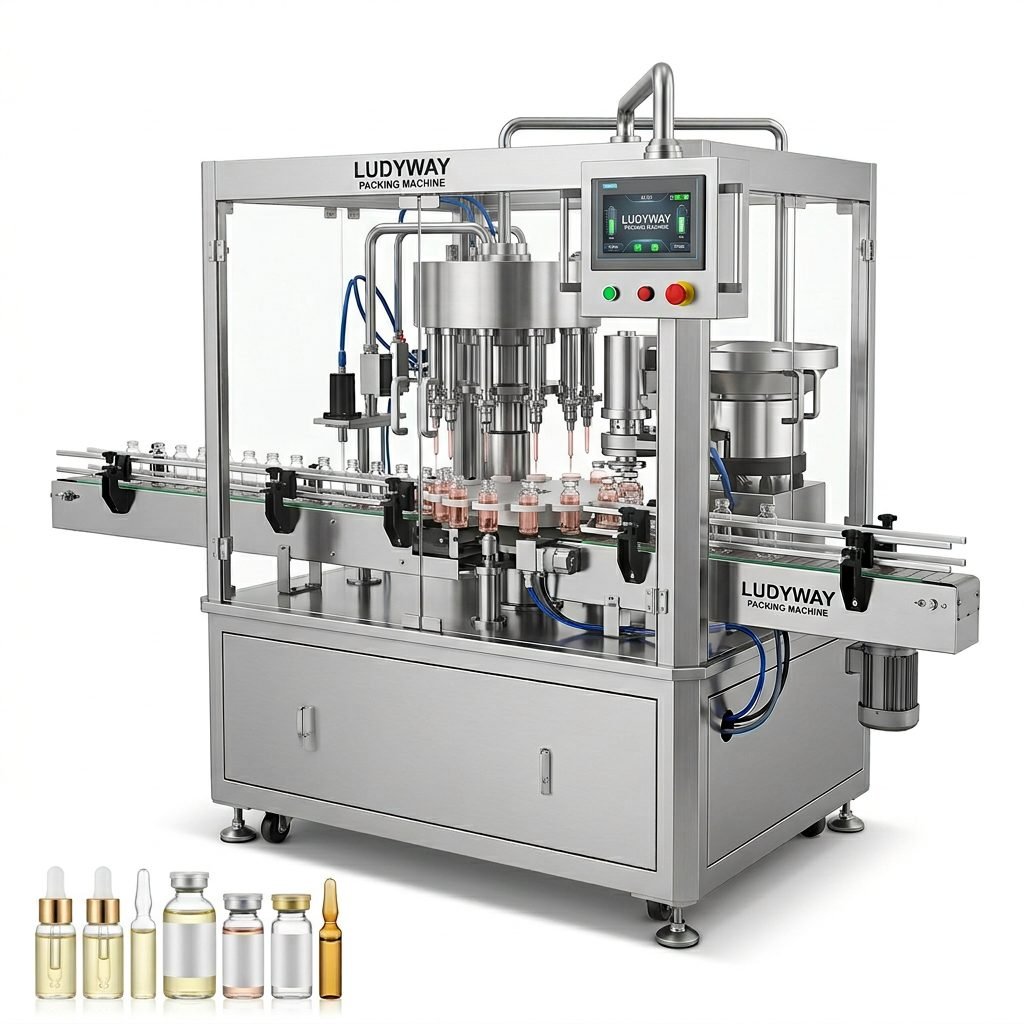
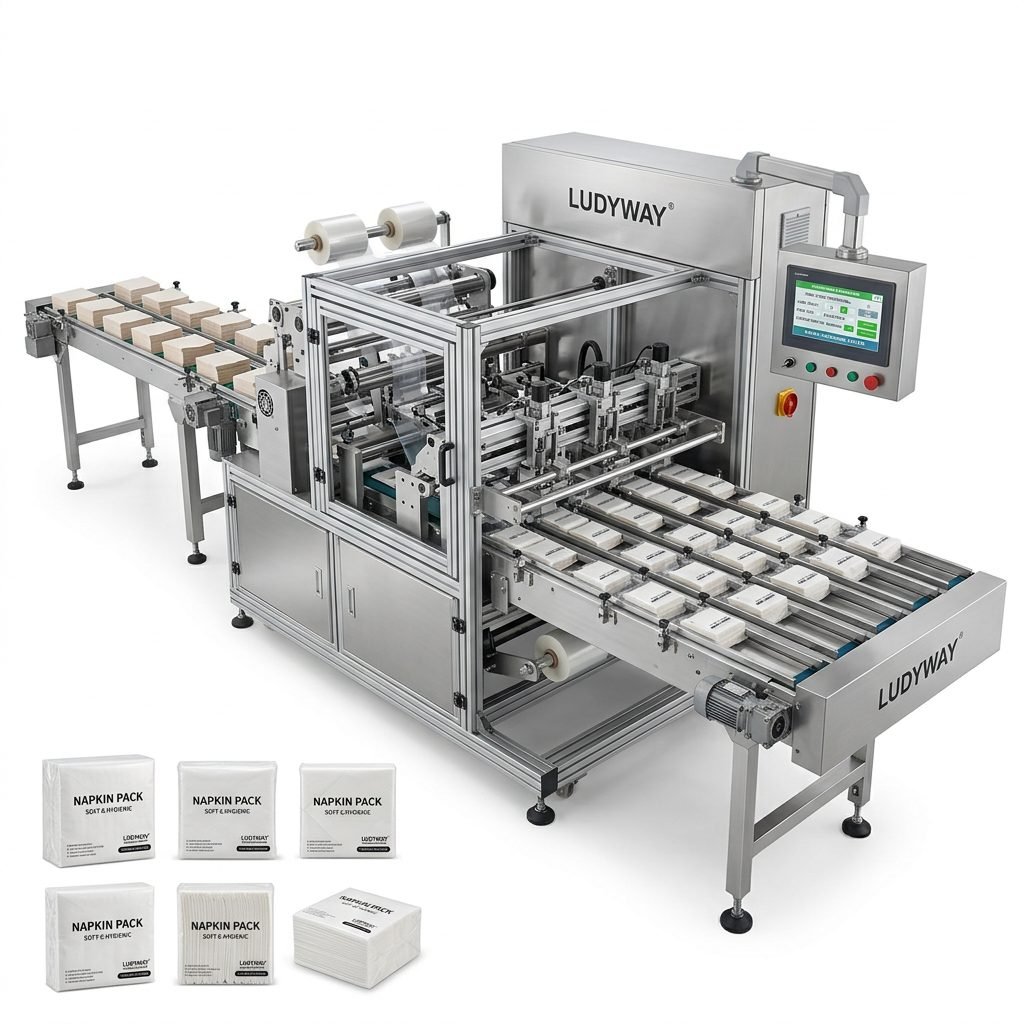
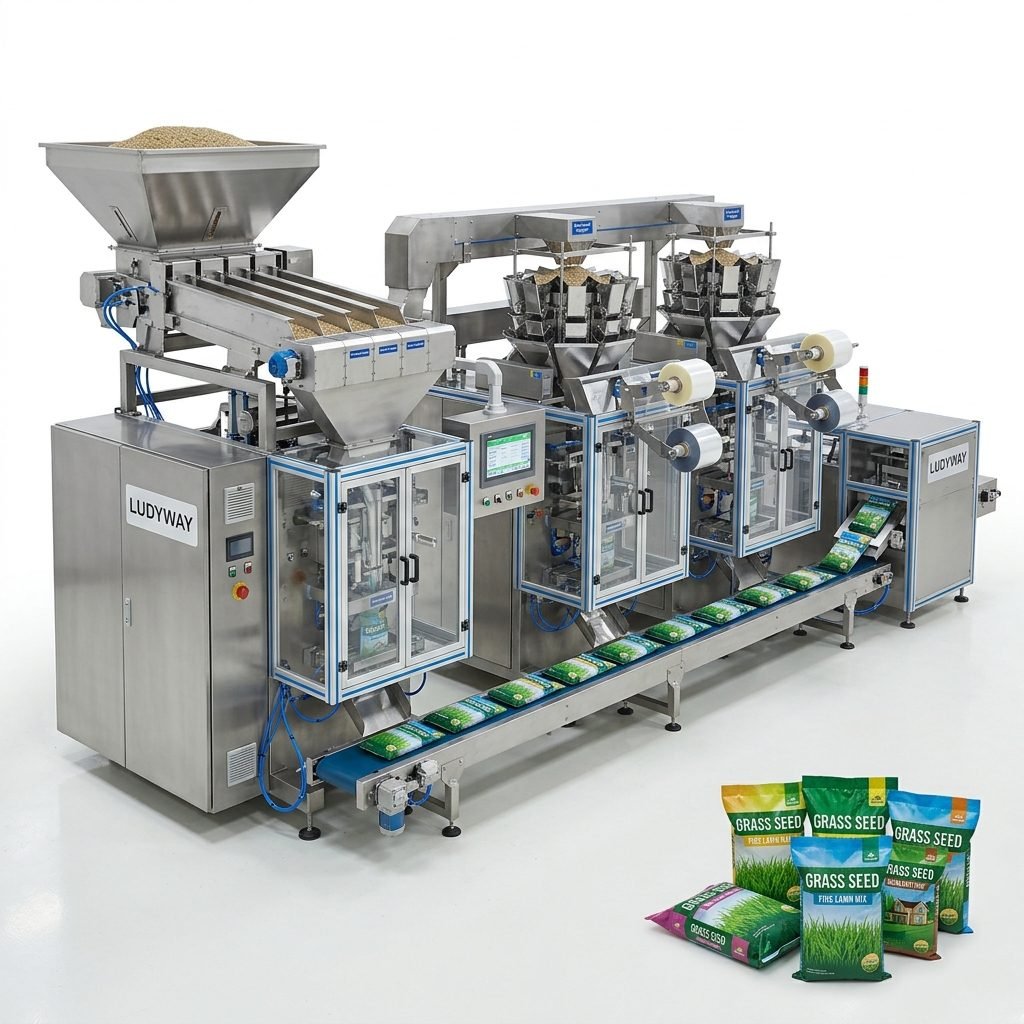
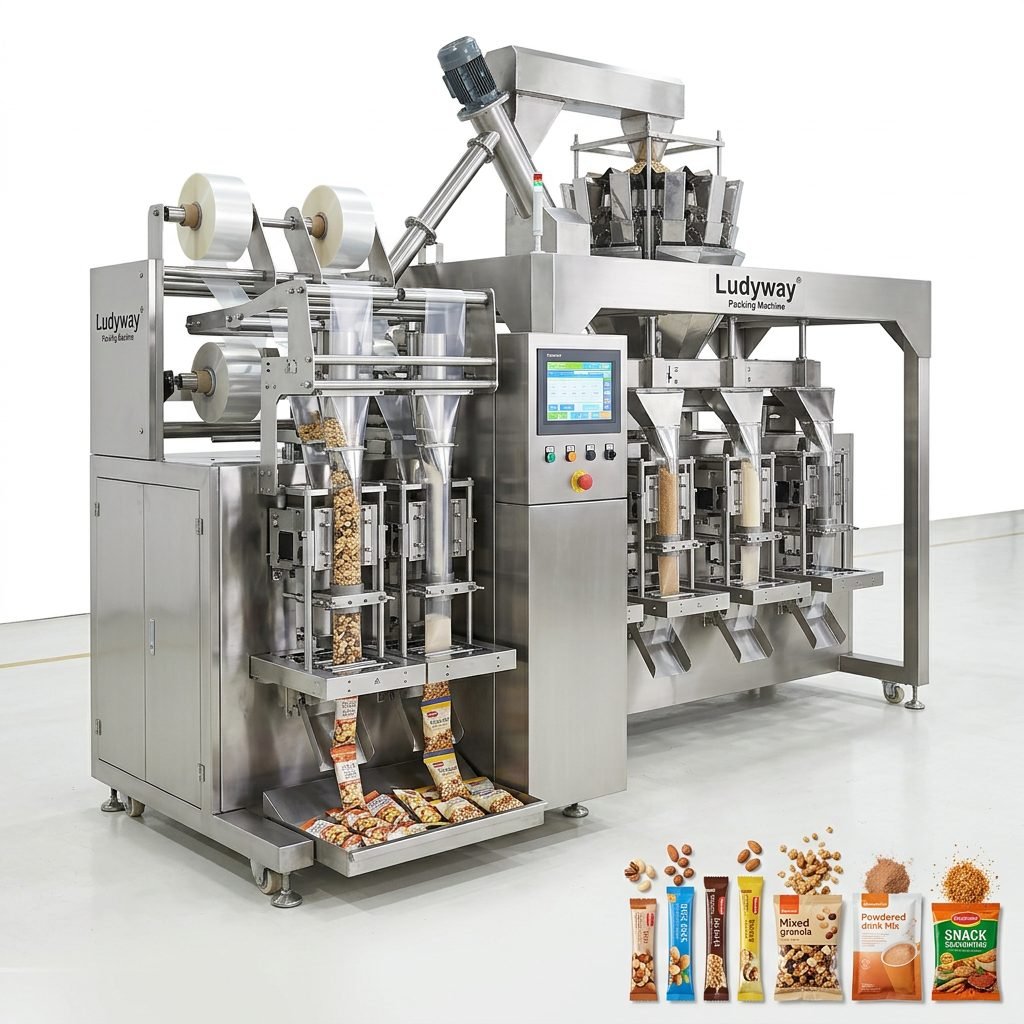
Adding cartoning, case packing, conveying, coding, inspection, and palletizing in the correct sequence can transform total line efficiency. Businesses looking for scalable and customized turnkey solutions often work with experienced suppliers such as Ludyway packaging production line manufacturer when planning integrated layouts for food, pharmaceutical, supplement, and other automated packaging applications.
Common Layout Mistakes to Avoid
- Installing machines too close together to save floor space
- Ignoring refill, cleaning, and maintenance access
- Allowing material and personnel paths to cross repeatedly
- Choosing machine speed without balancing the whole line
- Leaving no room for future expansion
- Overusing manual transfer points between stations
- Failing to create buffer capacity between critical processes
A Simple Step-by-Step Layout Optimization Method
- Map the full current production flow.
- Measure downtime, labor motion, and bottleneck points.
- Redesign for one-direction material flow.
- Match upstream and downstream equipment speed.
- Add ergonomic operator access and maintenance clearance.
- Separate material, waste, and personnel routes.
- Build in small buffer zones where needed.
- Reserve space for future automation or output expansion.
- Test the revised layout against actual production KPIs.
Final Thoughts on Improving Packaging Line Efficiency
An optimized packaging production line layout can increase output without necessarily adding more labor or floor area. The biggest gains usually come from better flow, fewer interruptions, smarter machine placement, and tighter integration between line sections.
If you want better productivity, start by asking a practical question: does every movement in the line create value? If the answer is no, your layout likely has room for improvement. By redesigning around process flow, operator efficiency, and long-term scalability, manufacturers can build packaging lines that are faster, cleaner, safer, and more profitable.