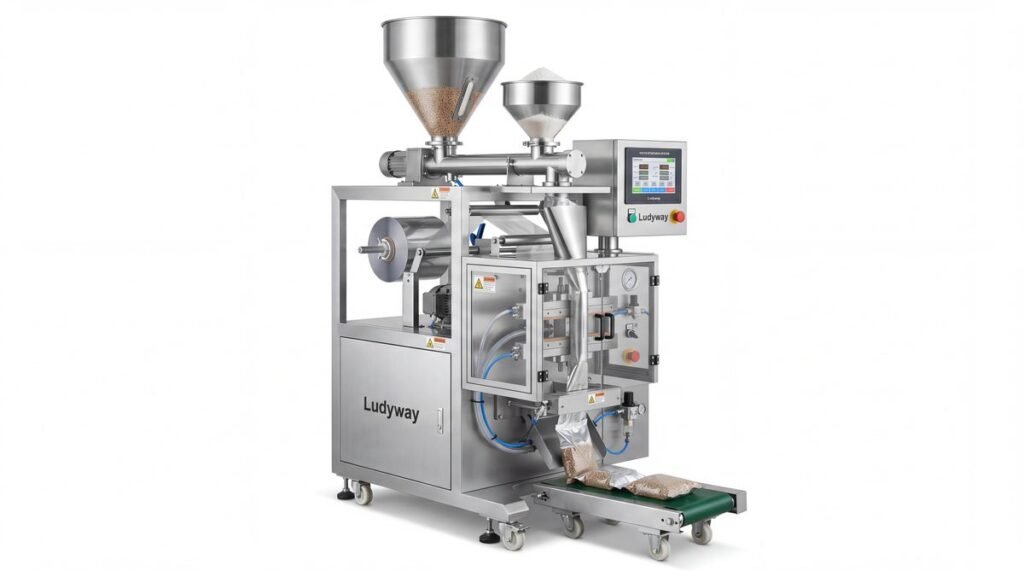
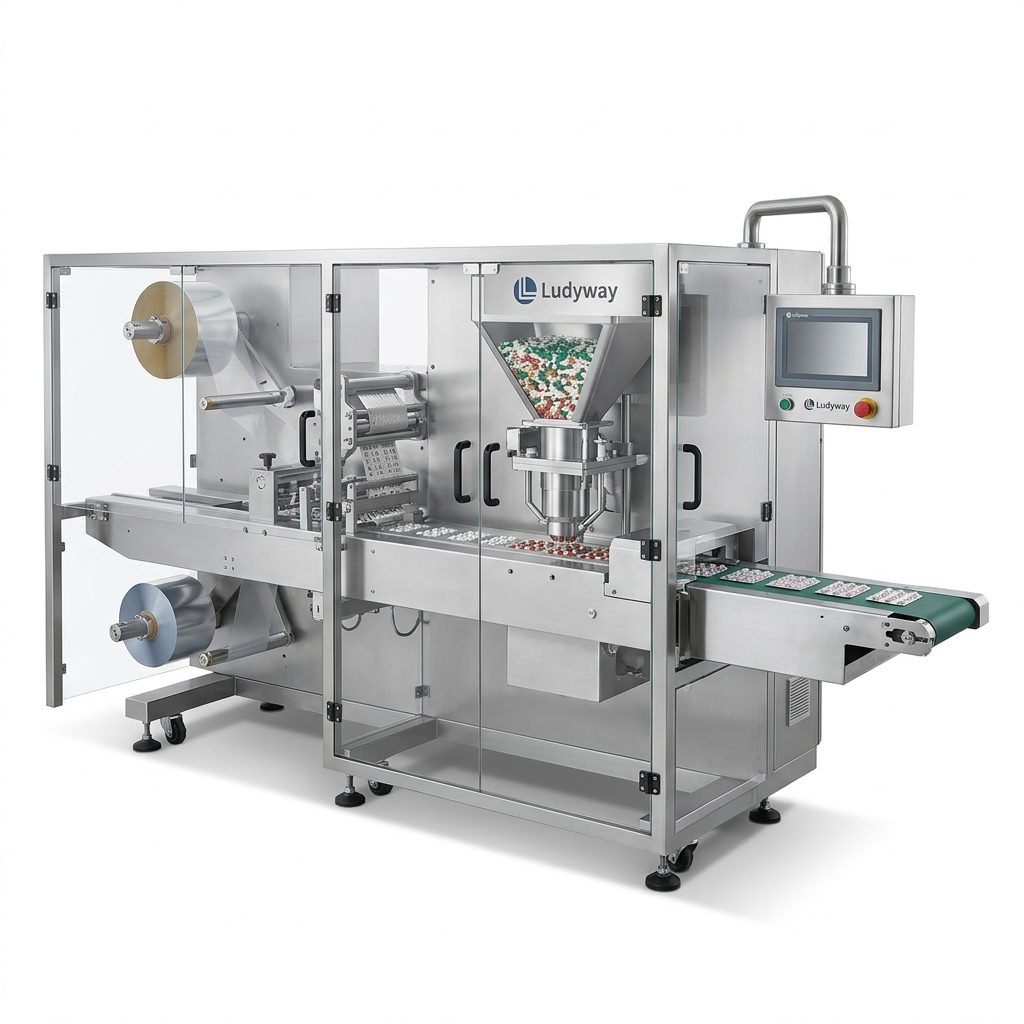
Automatic granule packing machines are transforming how manufacturers package bulk granules with greater speed, cleaner operation, and tighter weight control. Whether you produce food ingredients, pharmaceutical granules, chemical materials, feed additives, seeds, or health supplement products, choosing the right packaging system can directly improve output, reduce giveaway, and strengthen product consistency.
In high-volume production environments, businesses are looking for equipment that can handle continuous operation, support different bag or sachet formats, and maintain stable sealing quality. A modern automatic granule packing machine is designed to meet exactly those needs.
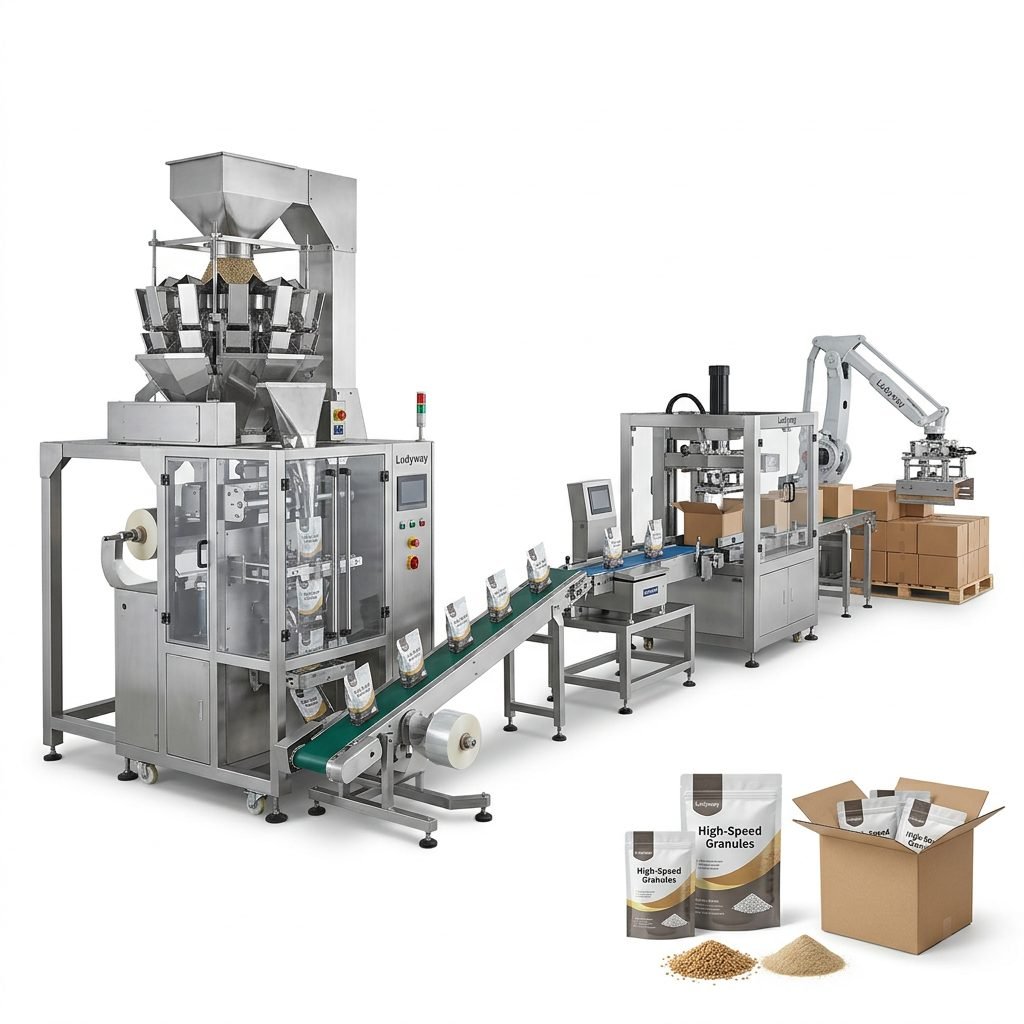
What Is an Automatic Granule Packing Machine?
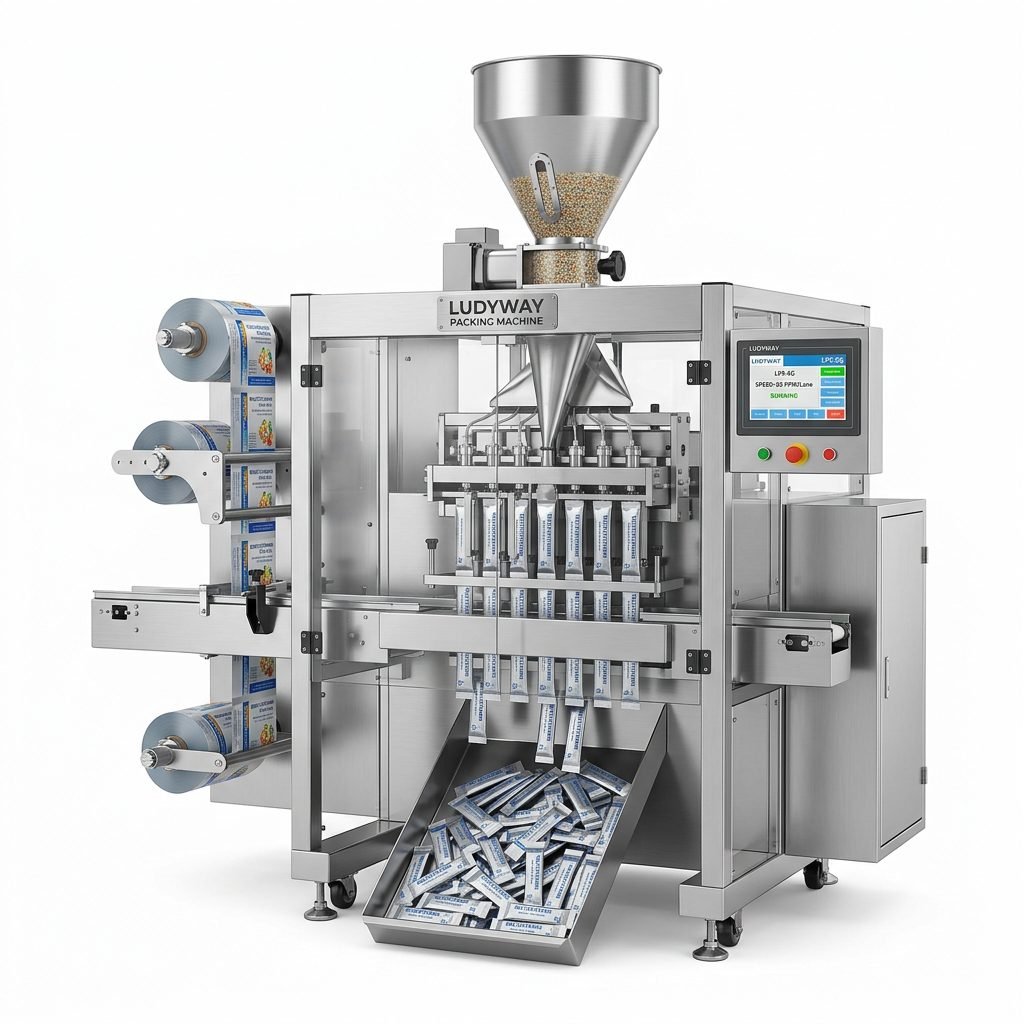
An automatic granule packing machine is specialized equipment used to weigh, fill, form, seal, and discharge packaged granule products automatically. It is commonly applied to free-flowing or semi-free-flowing materials such as:
- Salt, sugar, coffee granules, seasoning mixes
- Seeds, grains, rice, nuts, cereal, snack particles
- Pharmaceutical granules and oral solid preparations
- Fertilizer granules, detergent granules, resin pellets
- Pet food granules and feed additives
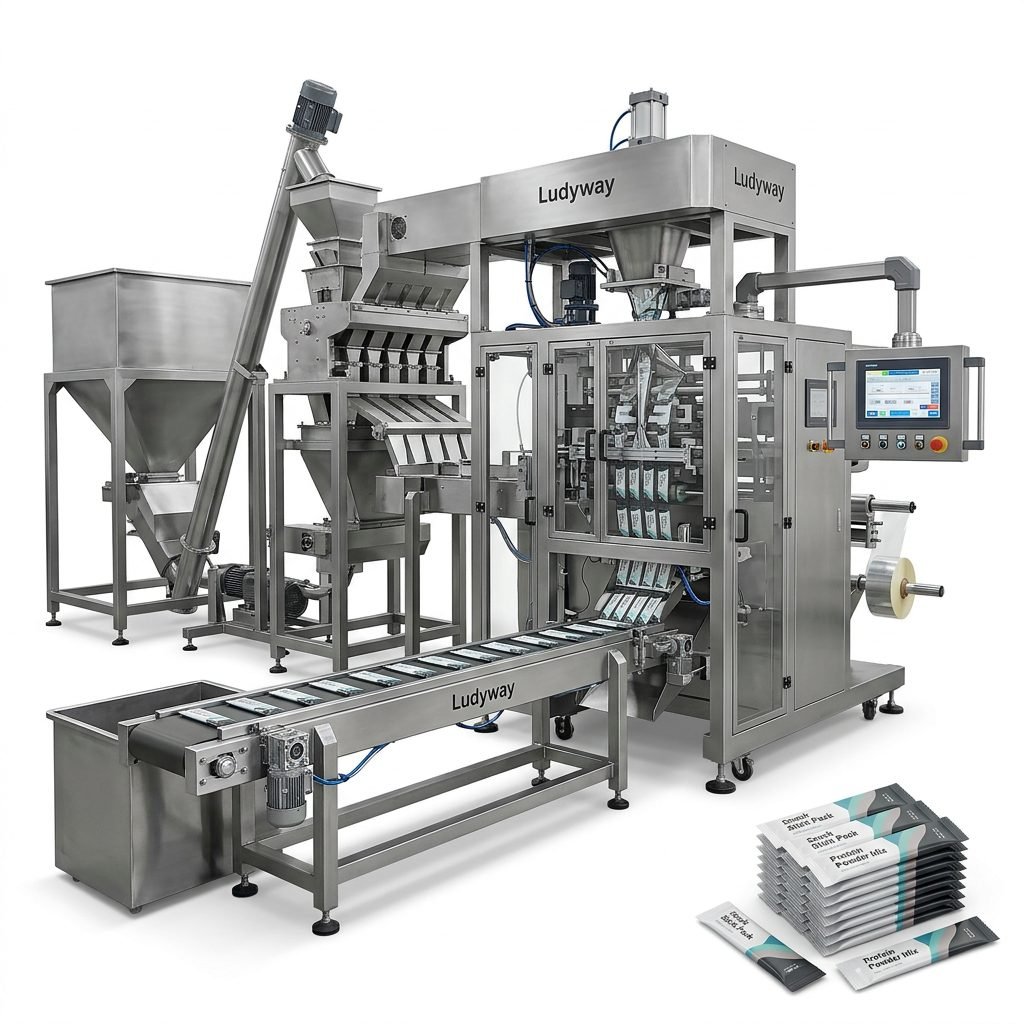
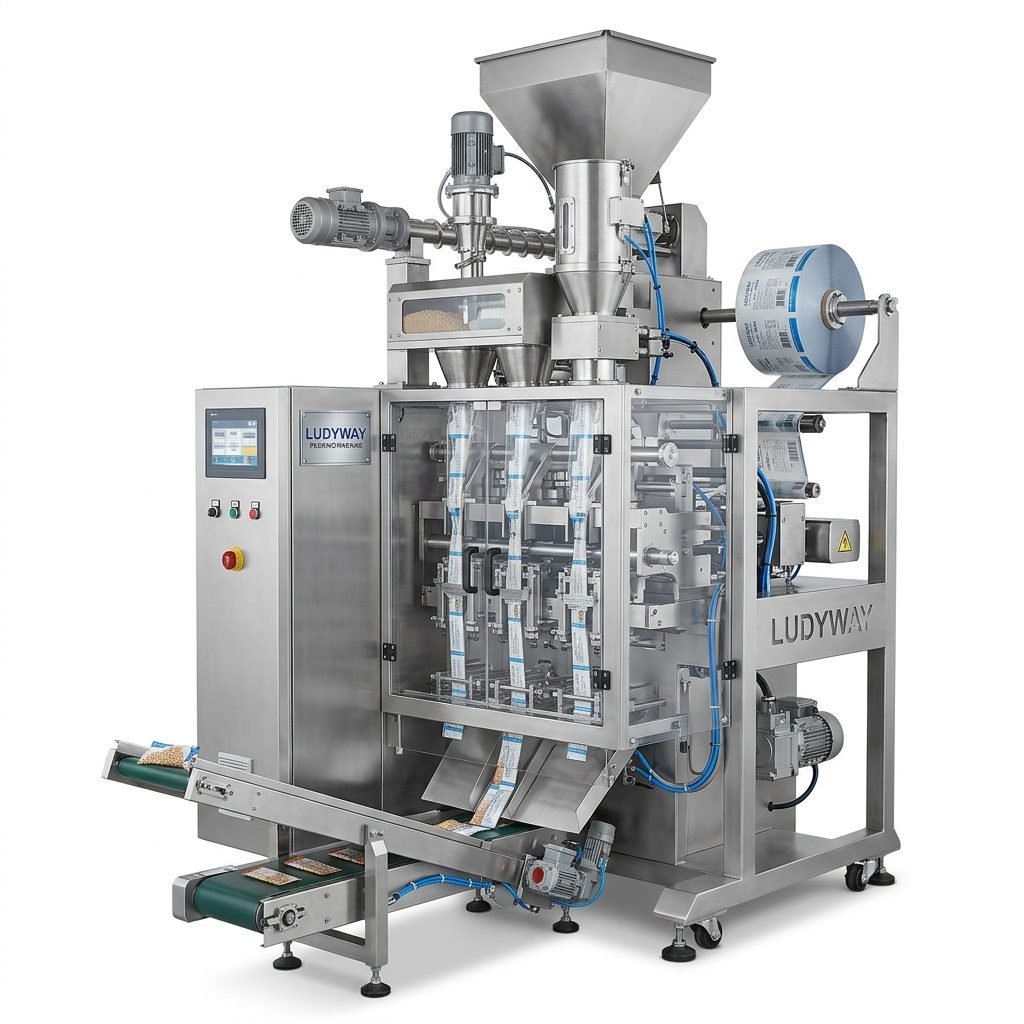
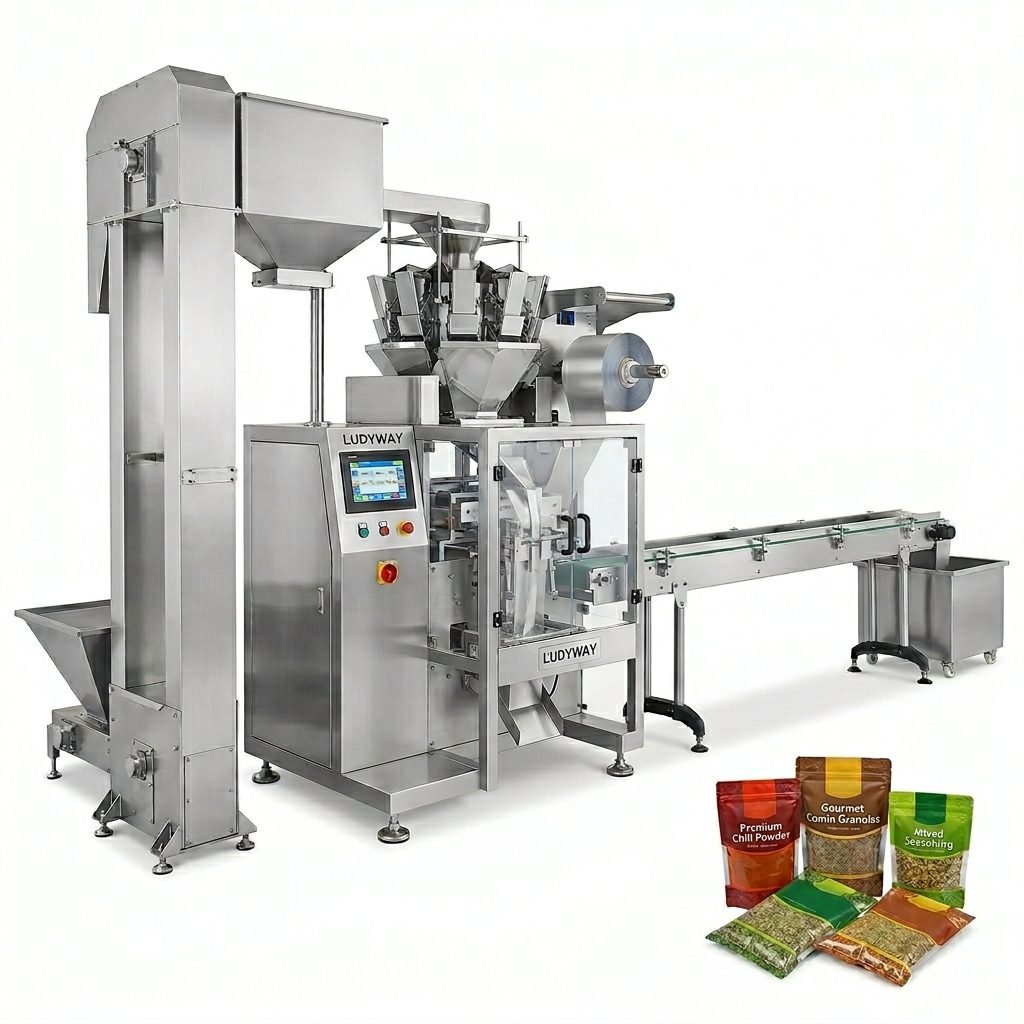
Depending on the product and pack style, these machines may integrate cup dosing, linear weighing, multi-head weighing, auger-assisted feeding, vibration feeding, vertical form fill seal structures, or premade pouch systems.
Why High-Speed Granule Packaging Matters
For bulk granule manufacturers, packaging is more than the final step. It affects labor cost, shipping efficiency, shelf appeal, traceability, and production uptime. High-speed automation helps companies move from manual or semi-automatic packing to a more reliable and scalable process.
- Higher output: More packs per minute with less manual intervention
- Improved accuracy: Better weight consistency and reduced material loss
- Cleaner production: Reduced dust, spillage, and contamination risk
- Lower labor dependence: Easier operation with fewer manual steps
- Stronger product presentation: Stable sealing and consistent package appearance
Key Features of a Modern Granule Packing Solution
When comparing machines, buyers should focus on operational stability, dosing precision, compatibility with product characteristics, and future production expansion. A high-performance granule packing machine typically includes the following capabilities:
1. Accurate Weighing and Filling
Granule products vary widely in size, density, and flowability. Precision dosing systems help maintain pack weight while minimizing waste. Machines can be configured with volumetric cup fillers, linear weighers, or multi-head weighers based on the application.
2. High-Speed Automation
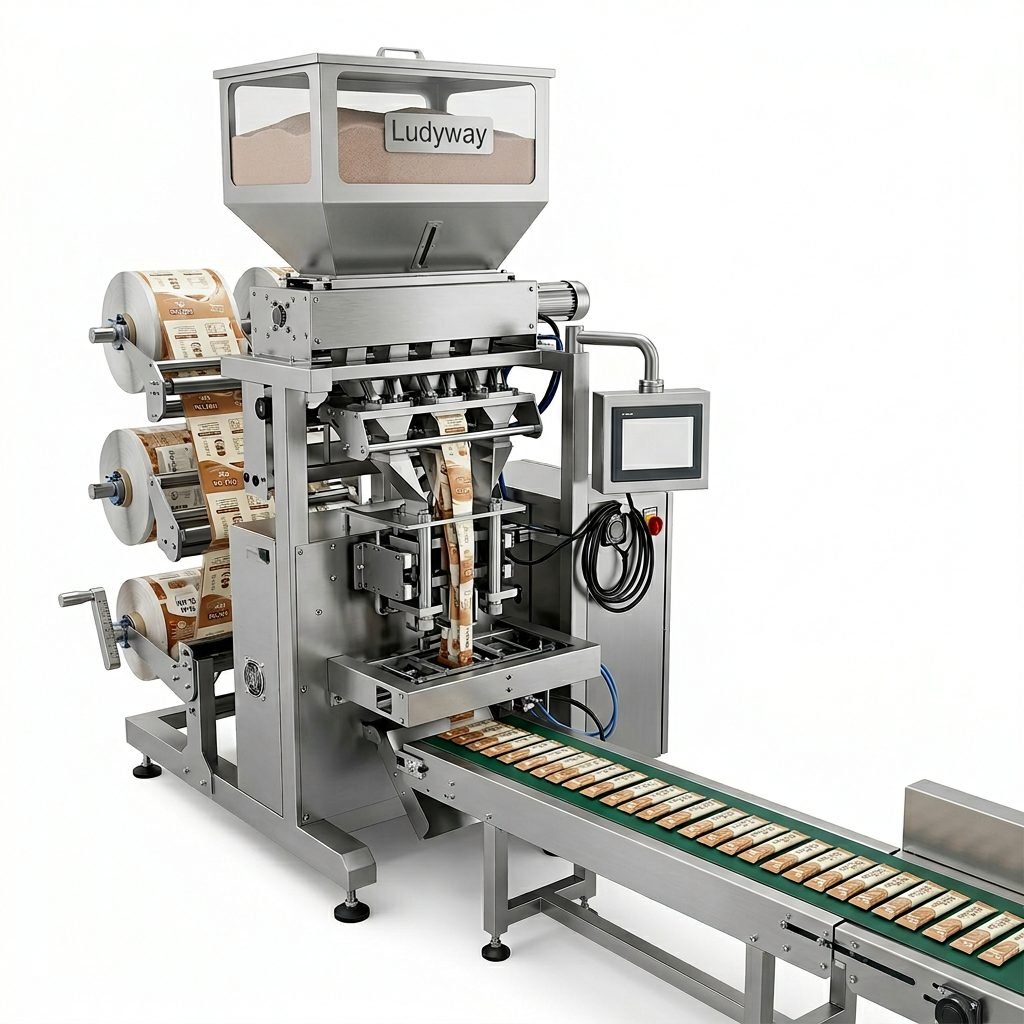
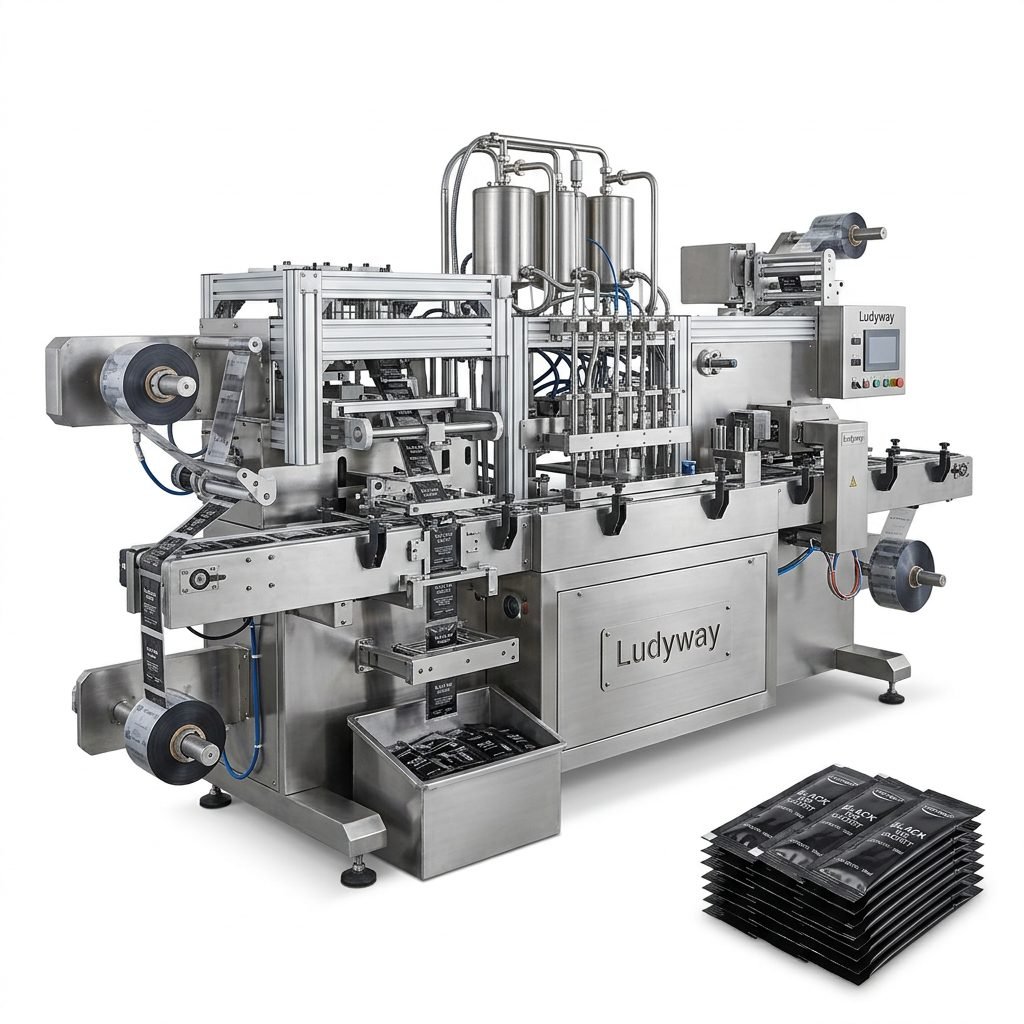
Automated feeding, bag forming, sealing, coding, counting, and discharge allow the entire line to run continuously. This is especially valuable for large-scale operations producing single-dose sachets, stick packs, or pillow bags.
3. Flexible Packaging Formats
One machine platform can often support multiple formats, including:
- Sachets
- Stick packs
- Pillow bags
- Back-seal and three-side-seal packs
- Premade pouches
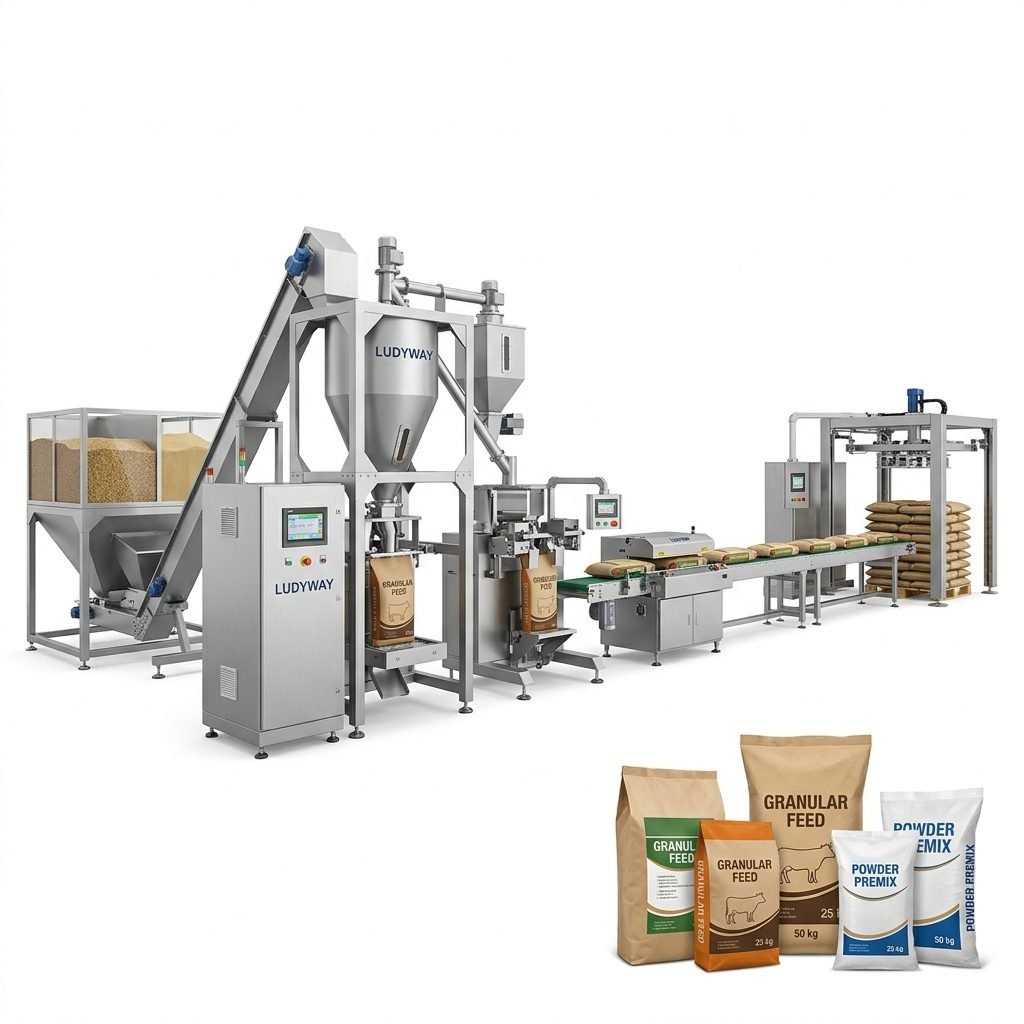
- Larger bulk bags for industrial applications
4. Stable Sealing Quality
Good sealing performance protects granules from moisture, leakage, and transport damage. This is essential for food freshness, pharmaceutical compliance, and product shelf life.
5. Integration with Turnkey Lines
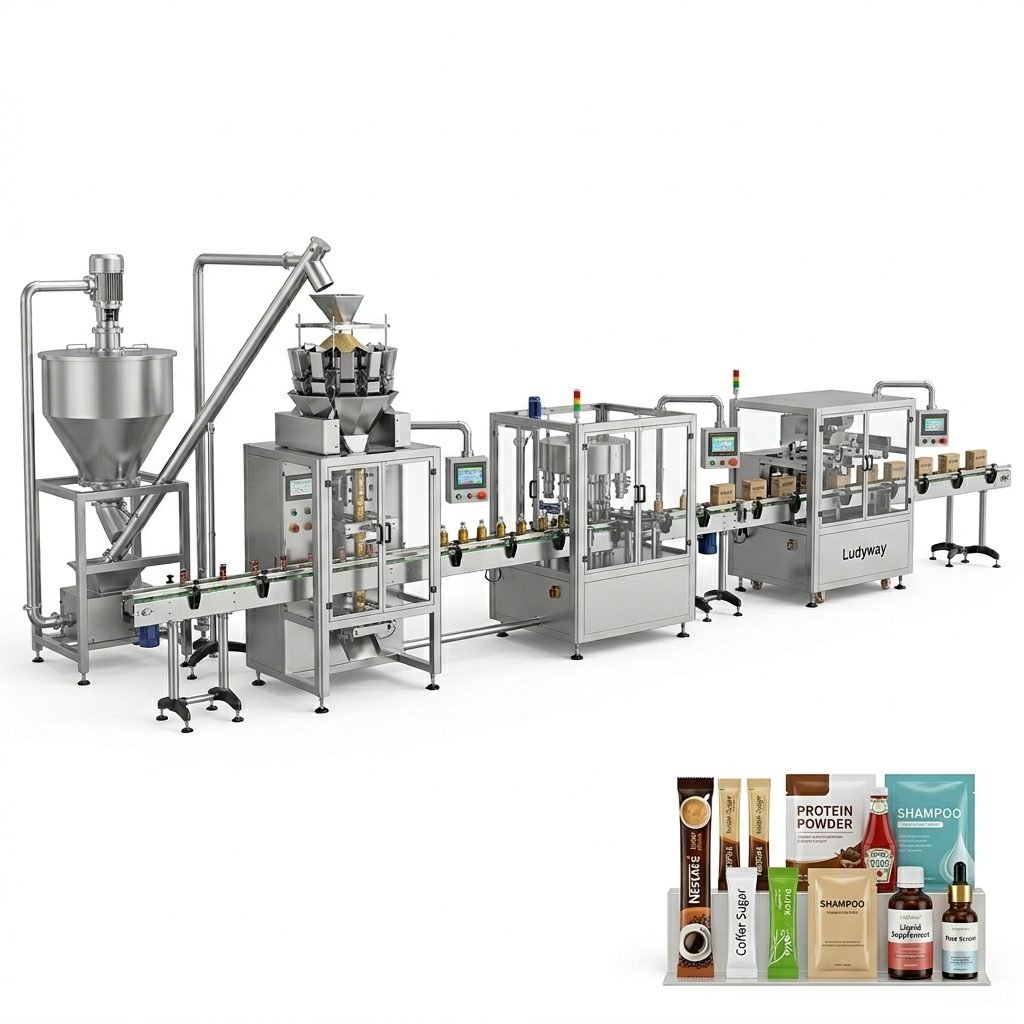
A packaging machine can also be integrated with upstream and downstream equipment such as elevators, conveyors, inspection systems, coding units, cartoners, case packers, and palletizing systems for a complete automatic line.
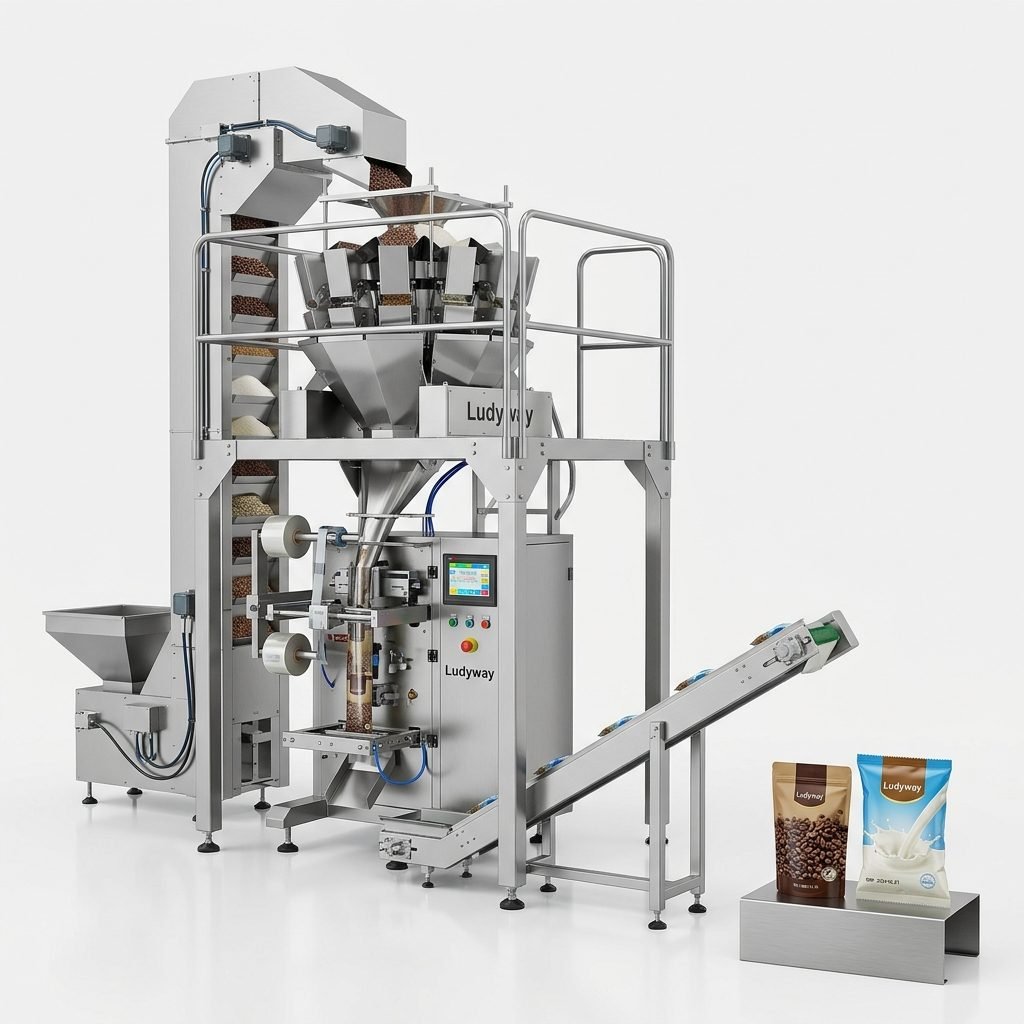
Common Industries Using Automatic Granule Packing Machines
| Industry | Typical Products | Packaging Demand |
|---|---|---|
| Food | Sugar, salt, coffee granules, snacks, grains, cereals, seasonings | Fast packing, attractive sealing, hygiene |
| Pharmaceutical | Oral granules, electrolyte products, medical sachets | Accuracy, clean design, traceability |
| Health Supplement | Probiotics, collagen granules, nutrition mixes | Portion consistency, flexible pack sizes |
| Chemical | Detergent granules, resin, additives, water treatment chemicals | Durability, dust control, corrosion-aware design |
| Agriculture & Feed | Seeds, pellets, feed premix, animal nutrition granules | Bulk handling, strong packaging, continuous running |
How to Choose the Right Granule Packing Machine
Selecting the right model requires a close look at your product and production goals. A machine that works perfectly for sugar may not be ideal for fragile granules, irregular snack particles, or dusty chemical materials.
Important Selection Factors
- Product characteristics: particle size, flowability, moisture level, fragility, and dust generation
- Target output: packs per minute or bags per hour
- Pack size range: from single-dose sachets to large industrial bags
- Packaging material: laminated film, PE, composite roll film, premade pouches
- Required accuracy: tolerance control and acceptable giveaway limits
- Automation level: standalone machine or complete line integration
- Compliance needs: food-grade, pharma-oriented, or chemical-resistant structure requirements
Questions Buyers Should Ask
- What type of dosing system is best for my granule product?
- Can the machine handle multiple bag sizes and formats?
- What is the actual stable speed under production conditions?
- How easy is cleaning, maintenance, and changeover?
- Can the machine connect to conveyors, checkweighers, printers, or cartoning systems?
Bulk Granule Packing: Speed vs. Accuracy
Many buyers assume they must choose between speed and precision. In reality, the best automatic systems are engineered to balance both. The correct feeder design, weighing method, and control logic can help maintain throughput without causing unstable fill weights.
For example, free-flowing granules may run efficiently with volumetric filling at high speed, while more value-sensitive products may benefit from weighing systems that provide tighter control. The final choice should always align with your cost structure, margin sensitivity, and packaging standards.
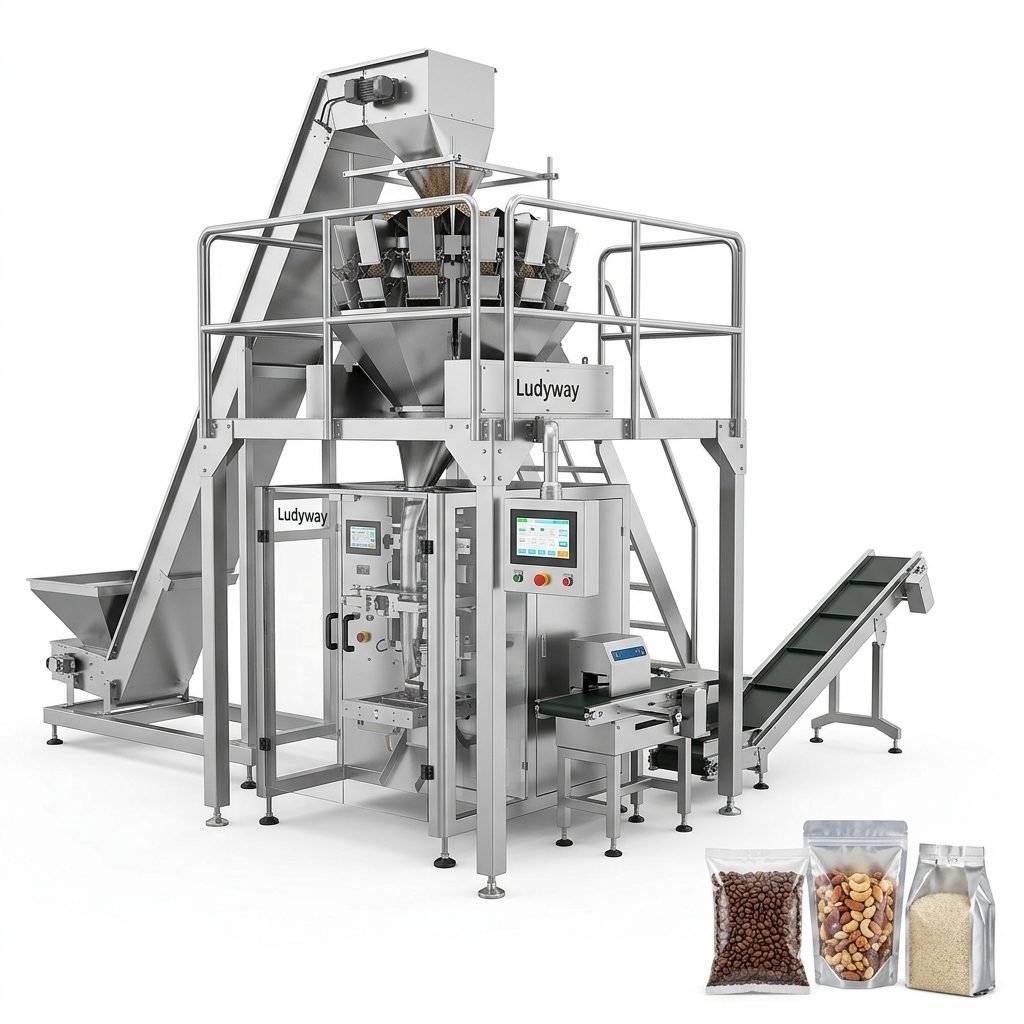
Benefits of Turnkey Packaging Line Integration
Many fast-growing manufacturers no longer purchase only one packaging machine. Instead, they invest in integrated lines that connect product feeding, filling, sealing, quality inspection, coding, cartoning, and end-of-line handling into one coordinated system.
This approach delivers several practical advantages:
- Reduced manual transfer between production stages
- More consistent product flow and less bottleneck risk
- Centralized operation and easier production management
- Improved compatibility between upstream and downstream equipment
- Better scalability for future output expansion
For buyers looking for scalable automation, Ludyway automatic granule packing machine solutions can support both standalone machines and turnkey packaging line projects across food, pharmaceutical, health supplement, chemical, and feed applications.
Maintenance and Operational Tips
Even the best machine performs better when matched with good operation and preventive maintenance. To maintain packaging accuracy and long-term stability, manufacturers should focus on the following:
- Keep feeding systems clean to prevent buildup and bridging
- Check sealing temperature and pressure regularly
- Calibrate weighing systems based on product changes
- Inspect moving parts, belts, cutters, and sensors routinely
- Use suitable packaging film and monitor sealing compatibility
- Train operators for product changeover and troubleshooting
Signs It’s Time to Upgrade Your Current Packing Equipment
If your existing line struggles with unstable output or frequent operator intervention, it may already be limiting your business growth. Typical upgrade signals include:
- Frequent underweight or overweight packs
- Excessive spillage and material waste
- Slow output during peak production periods
- Long changeover time between SKUs
- Inconsistent seals or unattractive finished packs
- High labor requirements for feeding and packing
Future Trends in Granule Packaging Automation
The granule packaging sector is moving toward smarter and more connected systems. Buyers increasingly want equipment that supports production data visibility, fast parameter adjustment, and flexible multi-product handling. Important trends include:
- Intelligent control systems with recipe memory
- More precise servo-driven motion control
- Integrated inspection and reject systems
- Energy-efficient operation and compact layouts
- Modular turnkey design for easier expansion
Final Buying Perspective
A high-quality automatic granule packing machine is not just a packaging device; it is a productivity investment. The right system helps manufacturers achieve high-speed operation, reliable accuracy, lower waste, and stronger packaging consistency. For businesses handling bulk granules in competitive markets, upgrading to automated packing is often one of the most direct ways to improve production efficiency and long-term profitability.
If your operation requires stable weighing, dependable sealing, and the flexibility to support future line integration, investing in a modern automatic granule packing solution is a practical step toward smarter manufacturing.