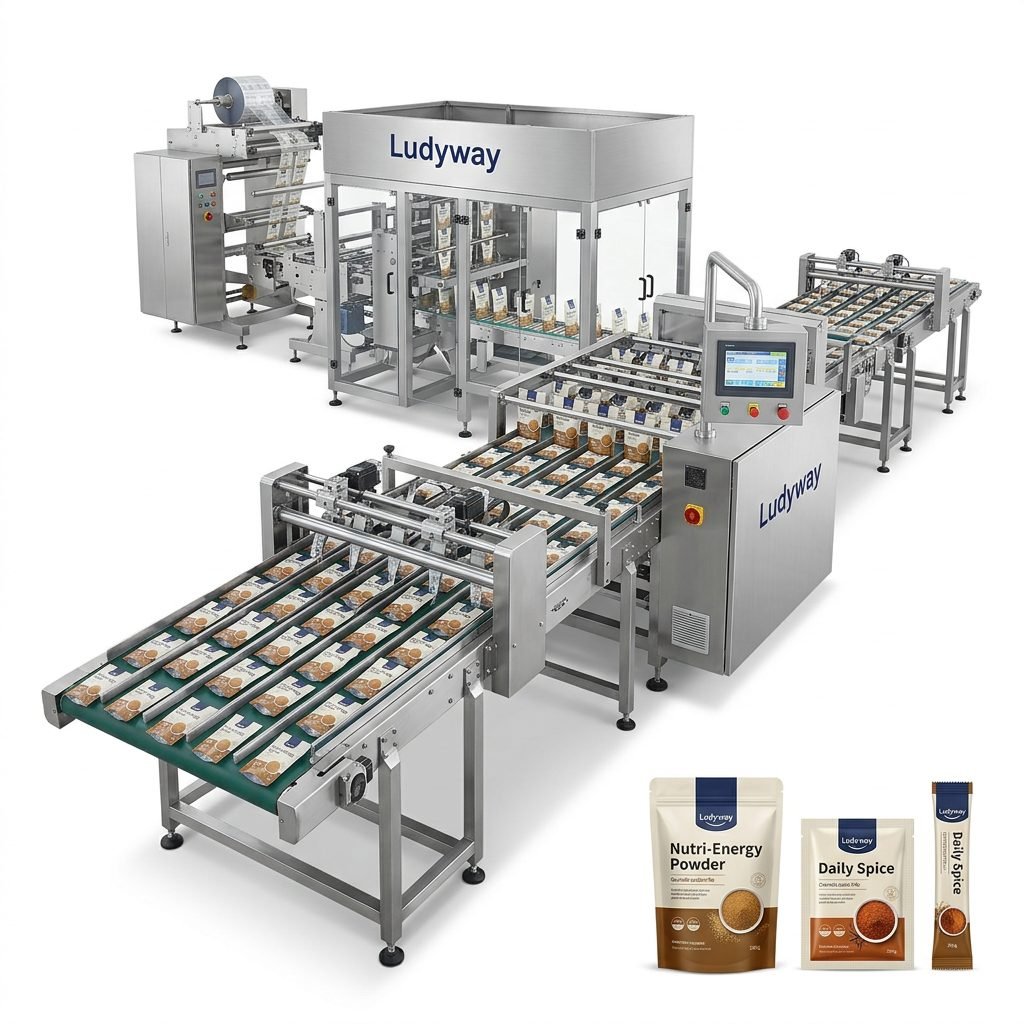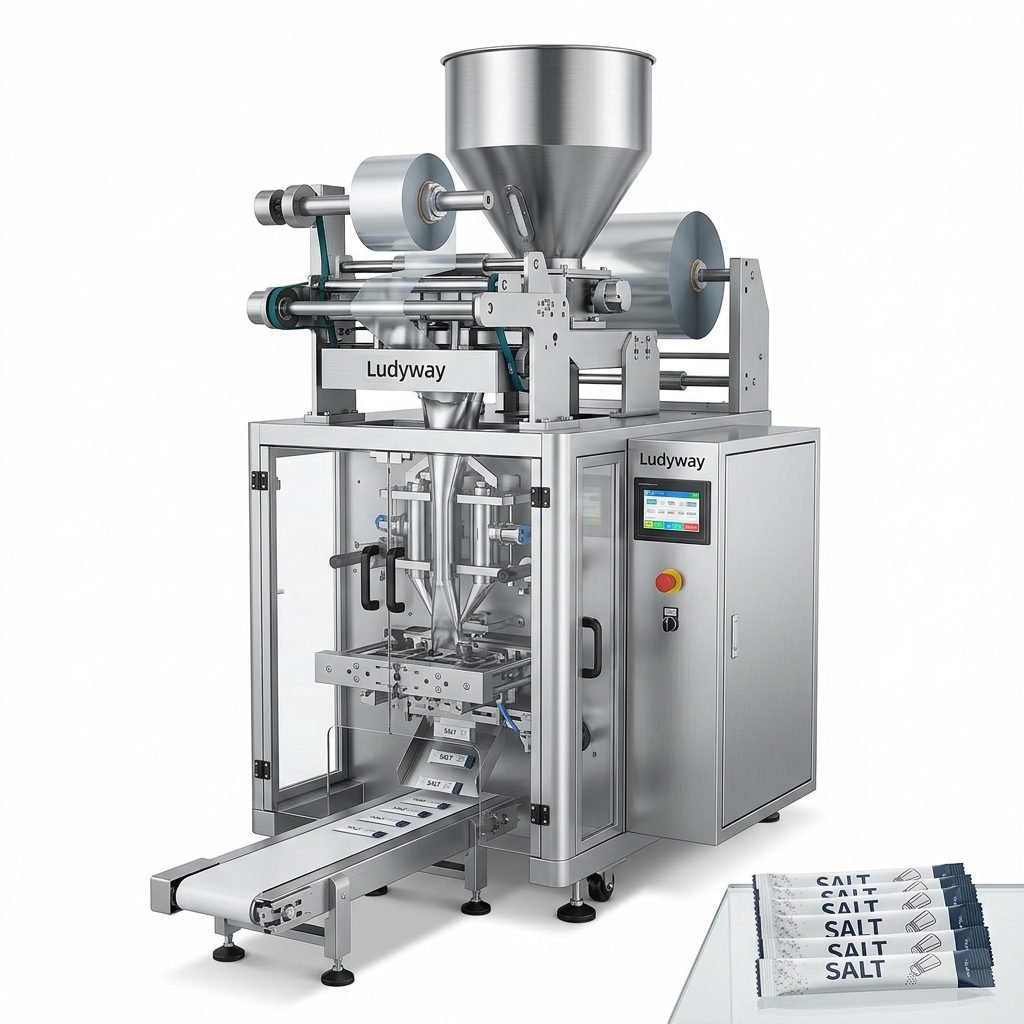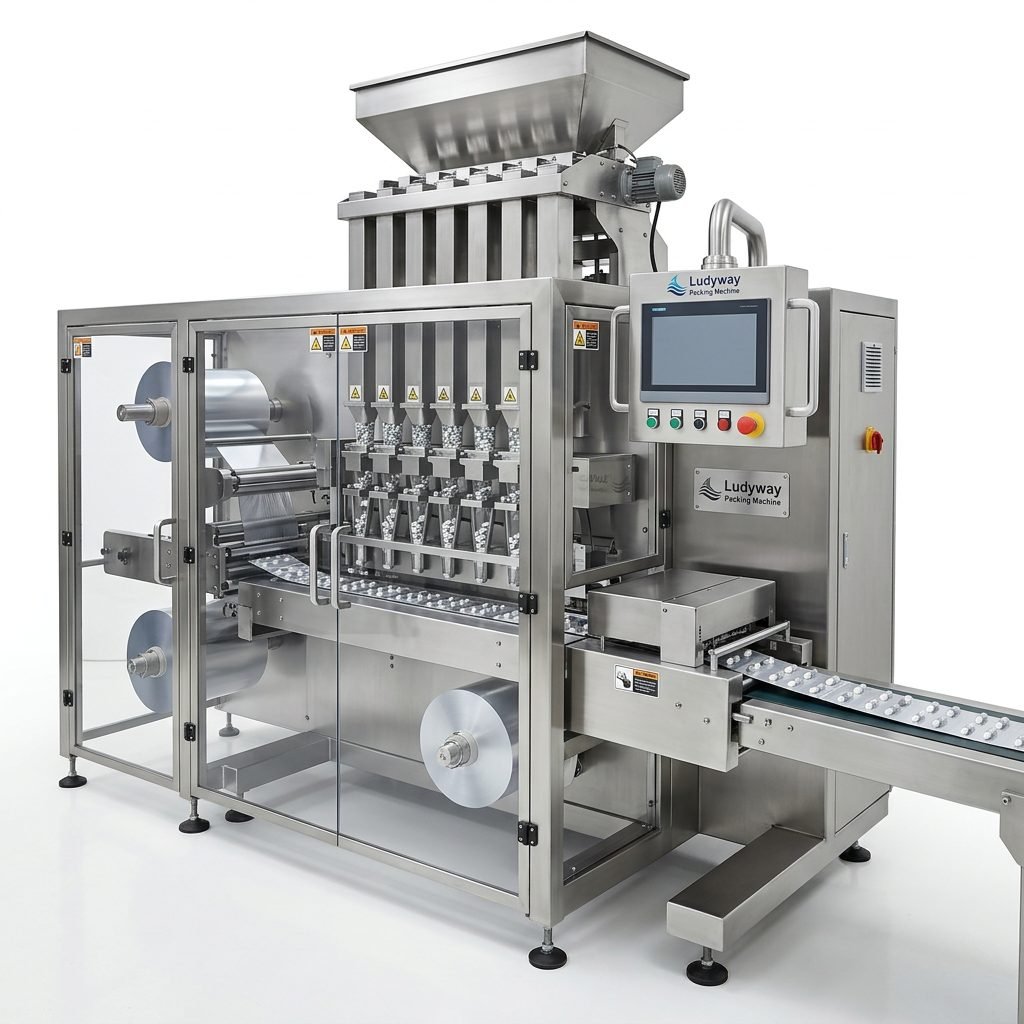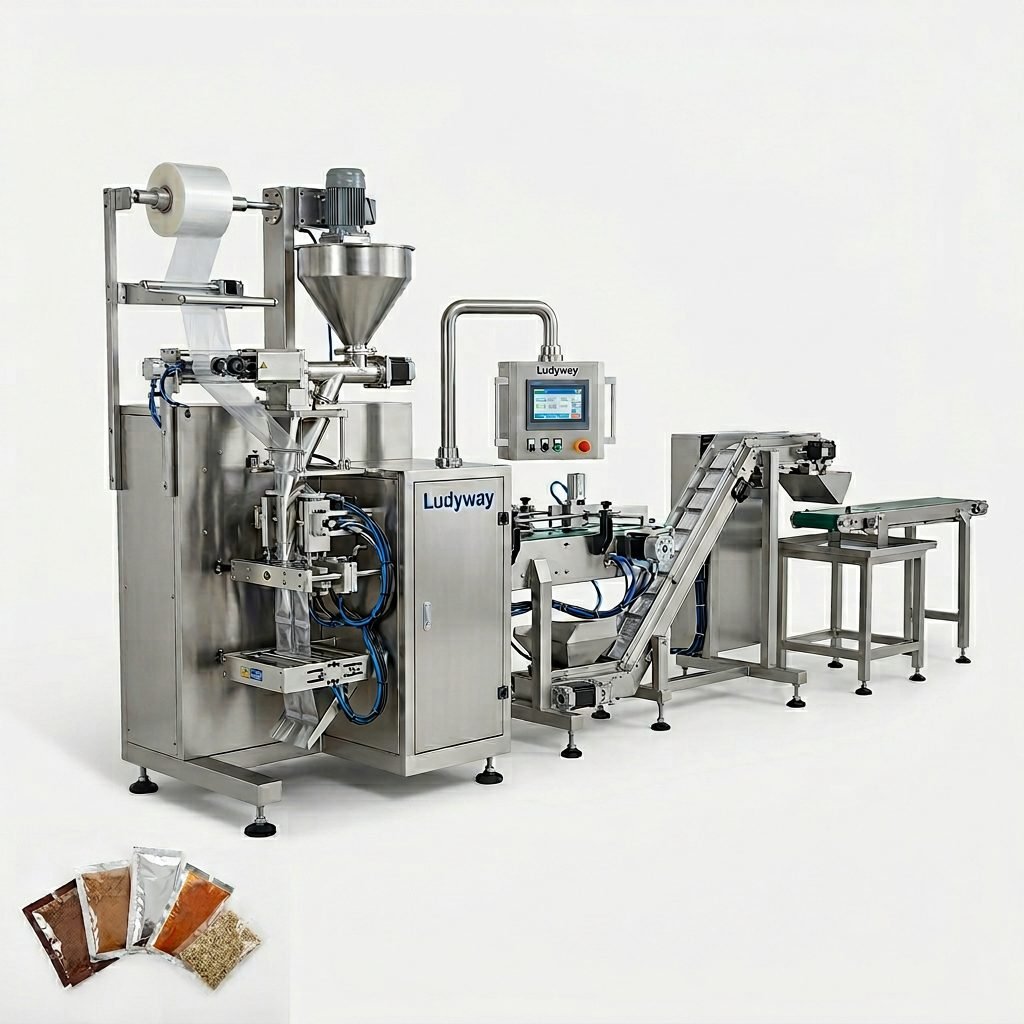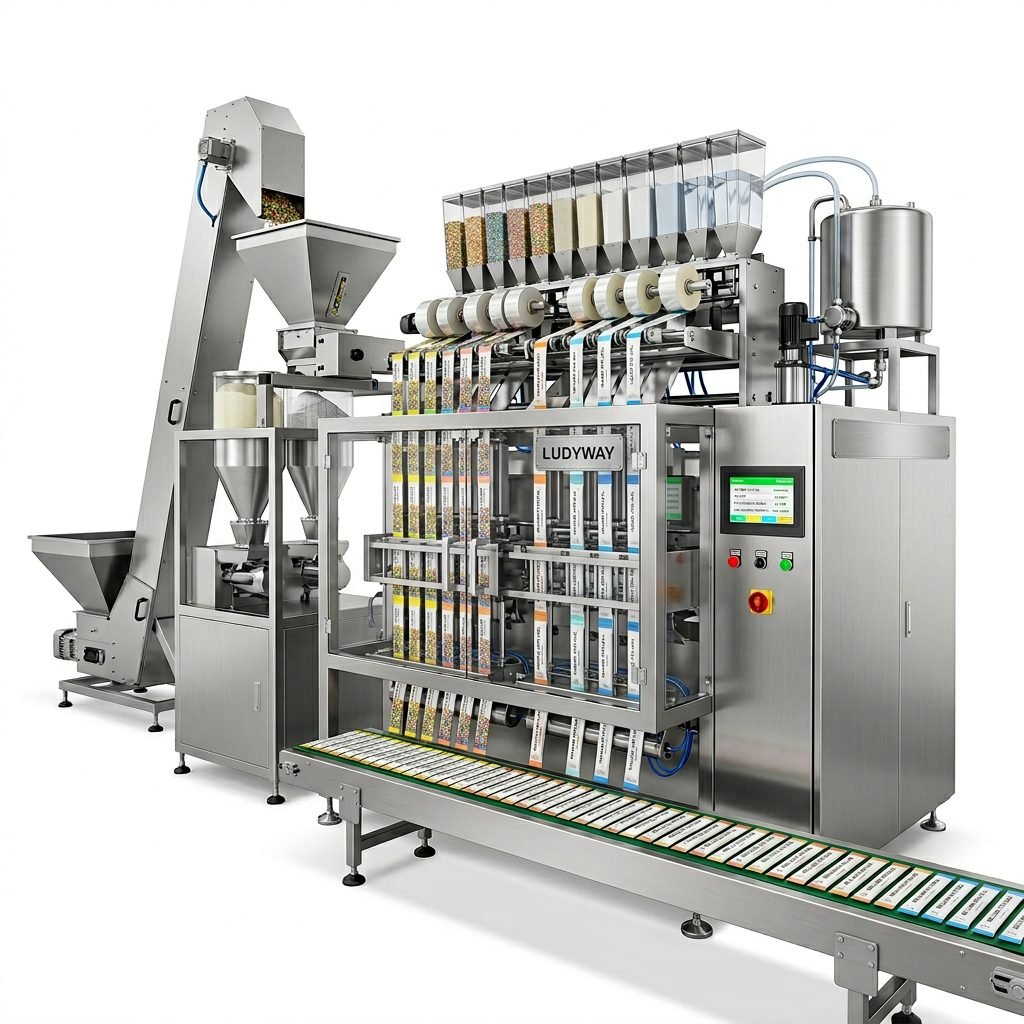
Investing in a mattress vacuum packing machine is a significant decision for any bedding manufacturer, furniture distributor, or e-commerce fulfillment operation. The right machine can dramatically reduce shipping costs by up to 60% by compressing bulky mattresses into compact, roll-packed formats. However, with numerous configurations, automation levels, and technical specifications available, making the wrong choice can lead to production bottlenecks, inconsistent packaging quality, and poor return on investment. This comprehensive guide walks you through every critical factor to evaluate before purchasing a mattress compression packaging system.
Understanding Mattress Vacuum Packaging Technology
Mattress vacuum packing machines operate on a straightforward yet highly engineered principle. The process involves placing a mattress inside a durable packaging film, extracting the air using industrial-grade vacuum pumps, and then heat-sealing the package to maintain compression. Advanced systems also incorporate rolling and folding mechanisms that transform the compressed mattress into a compact cylindrical or rectangular shape suitable for retail display and efficient shipping. According to industry data from the PMMI 2026 State of the Industry report, flexible packaging equipment — including vacuum compression systems — continues to see strong demand growth driven by e-commerce expansion and the shift toward direct-to-consumer mattress delivery models.
Modern mattress vacuum packaging lines can be configured as standalone units or integrated into complete flexible packaging production systems. The technology has evolved significantly, with today’s machines offering precise control over compression ratios, automated film feeding, multi-stage vacuum cycles, and intelligent quality monitoring systems that ensure every mattress meets exact packaging specifications.
Key Factors to Consider When Choosing a Mattress Vacuum Packing Machine
1. Compression Ratio and Vacuum Performance
The compression ratio — how much the mattress volume is reduced — is arguably the most critical performance metric. High-quality industrial machines achieve compression ratios between 3:1 and 8:1 depending on mattress construction and materials. Memory foam mattresses typically compress more readily than innerspring or hybrid designs. When evaluating vacuum performance, consider both the ultimate vacuum level (measured in Pa or mbar) and the pump-down time — how quickly the system reaches target vacuum. Faster cycle times directly impact daily production throughput.
2. Machine Dimensions and Mattress Size Compatibility
Your vacuum packing machine must accommodate your full range of mattress sizes — from twin and single mattresses all the way to king, super king, and California king dimensions. Pay close attention to the maximum working chamber dimensions, including length, width, and the thickness of uncompressed mattresses the machine can handle. Some manufacturers produce modular systems with adjustable chamber sizes or interchangeable tooling that allows a single machine to process multiple mattress formats efficiently.
- Chamber length and width — must exceed your largest mattress dimensions
- Maximum product thickness — ensure compatibility with your thickest mattress models
- Sealing bar length — determines the maximum packaging film width usable
- Floor space requirements — factor in operator working areas and material handling zones
3. Automation Level and Production Capacity
Mattress vacuum packing machines are available across a spectrum of automation levels. Semi-automatic machines require operators to manually position mattresses and initiate cycles, typically achieving 10-25 mattresses per hour. Fully automatic systems integrate conveyor feeding, automatic film wrapping, vacuum compression, heat sealing, and roll-packing into a continuous workflow, with capacities exceeding 60-120 mattresses per hour. The packaging machinery market research from PMMI indicates that automation adoption in mattress packaging is accelerating as manufacturers seek to reduce labor dependency and improve output consistency.
4. Film Compatibility and Sealing Quality
The packaging film is as important as the machine itself. Most mattress vacuum packing applications use multi-layer polyethylene (PE) or polyamide/polyethylene (PA/PE) composite films that provide excellent barrier properties, puncture resistance, and heat-sealability. Your machine should be compatible with the film types and thicknesses you intend to use. Sealing quality directly affects package integrity during transit — compromised seals lead to air leakage, mattress re-expansion, and customer dissatisfaction. Look for machines with adjustable sealing temperature, pressure, and dwell time controls to optimize seal quality across different film specifications.
5. Energy Efficiency and Operational Costs
Energy consumption represents a significant ongoing operational expense. Modern vacuum packing machines with variable-speed vacuum pumps and intelligent energy management systems can reduce electricity usage by 25-40% compared to older fixed-speed designs. Evaluate the total cost of ownership, including power consumption per cycle, consumable parts replacement frequency, and preventative maintenance requirements. Machines utilizing oil-lubricated rotary vane vacuum pumps typically offer longer service intervals than oil-free alternatives in high-duty-cycle applications, though they require regular oil changes.
Types of Mattress Vacuum Packing Machines: A Comparative Overview
Understanding the different machine categories helps narrow your options based on production volume, budget, and operational requirements. The table below summarizes the key characteristics of each type.
| Machine Type | Production Capacity | Automation Level | Best Suited For | Typical Investment Range |
|---|---|---|---|---|
| Manual/Semi-Automatic | 10-25 units/hour | Low | Small manufacturers, startups | $15,000 – $50,000 |
| Automatic Single-Station | 25-50 units/hour | Medium | Mid-size bedding companies | $50,000 – $120,000 |
| Fully Automatic Inline System | 60-120+ units/hour | High | Large-scale manufacturers | $120,000 – $350,000+ |
| Custom/Turnkey Packaging Line | Tailored to requirements | Full | High-volume operations with unique needs | $200,000 – $1,000,000+ |
Technical Specifications to Evaluate
Beyond the broad categories, specific technical parameters determine whether a machine will perform reliably in your production environment. Here are the specifications that matter most:
- Vacuum pump capacity — typically ranging from 40 m³/h to 300+ m³/h for industrial mattress applications
- Ultimate vacuum level — look for machines achieving ≤1-5 mbar absolute pressure for optimal compression
- Sealing bar temperature range — adjustable from 100°C to 250°C to accommodate different film types
- Cycle time — total time from loading to sealed package ejection, ideally under 2-4 minutes per mattress
- Compressed air requirements — typically 6-8 bar supply pressure for pneumatic actuators and valves
- Control system interface — PLC-based systems with touchscreen HMIs offering recipe storage and diagnostic capabilities
- Noise level — important for operator comfort; quality machines operate below 75-80 dB(A)

Industry Standards and Regulatory Compliance
Mattress packaging equipment should comply with applicable ISO packaging standards, particularly those related to machinery safety, electrical systems, and operational reliability. Additionally, if your mattresses are exported to markets such as the European Union or North America, the packaging materials and processes may need to meet specific regulatory requirements. The Flexible Packaging Association’s regulatory affairs resources provide valuable guidance on compliance with international packaging regulations. Key certifications to verify include:
- CE marking — required for machinery sold in the European Economic Area
- ISO 9001 — quality management system certification for the manufacturer
- UL/CSA certification — electrical safety compliance for North American markets
- Occupational safety standards — guarding, emergency stops, and safe access design
Evaluating Total Cost of Ownership
The purchase price is only one component of the total investment. A comprehensive cost analysis should account for the following factors over the expected service life of the equipment — typically 10-15 years for well-maintained industrial machinery:
- Initial capital expenditure — machine cost, shipping, import duties, and installation
- Consumables — packaging film, vacuum pump oil, sealing elements, and filters
- Energy costs — electricity consumption per operating hour multiplied by annual running hours
- Maintenance and spare parts — scheduled service, wear items, and unexpected repairs
- Labor costs — number of operators required per shift and associated training expenses
- Downtime costs — production losses during maintenance or unexpected breakdowns
Choosing the Right Supplier and After-Sales Support
Selecting a reliable equipment supplier is as important as choosing the right machine specifications. Look for manufacturers with a proven track record in mattress packaging applications, responsive technical support teams, and readily available spare parts inventories. Experienced suppliers should offer comprehensive after-sales services including installation and commissioning, operator training, troubleshooting assistance, and ongoing maintenance support. Companies like Ludyway Machinery, with extensive experience in packaging machinery manufacturing and global service capabilities, exemplify the type of partner that can support your packaging operations throughout the entire equipment lifecycle. Key questions to ask potential suppliers include:
- How many mattress vacuum packing installations have you completed in our region?
- What is the typical lead time for critical spare parts?
- Do you offer remote diagnostic support and troubleshooting?
- Can you provide references from customers with similar production requirements?
- What training programs do you offer for our operators and maintenance staff?
The Future of Mattress Vacuum Packaging: Trends to Watch
The mattress packaging equipment market continues to evolve, driven by sustainability concerns, automation advances, and changing consumer expectations. Emerging trends include recyclable mono-material packaging films that replace traditional multi-layer laminates, AI-powered quality inspection systems that detect seal defects in real time, and IoT-enabled predictive maintenance capabilities that minimize unplanned downtime. The packaging machinery global growth trend reflects broader industry shifts toward more efficient, automated, and sustainable packaging solutions. Forward-thinking manufacturers are investing in machines that can adapt to these evolving requirements without requiring complete replacement.
Conclusion: Making an Informed Purchase Decision
Choosing the right mattress vacuum packing machine requires a methodical evaluation of your production needs, budget constraints, and long-term growth plans. Start by clearly defining your throughput requirements, mattress size range, and desired automation level. Then evaluate machines based on their technical specifications, build quality, energy efficiency, and total cost of ownership. Finally, partner with a supplier who offers the engineering expertise, customization capabilities, and responsive support services needed to ensure a successful installation and years of reliable operation. A well-chosen mattress vacuum packing machine is not merely a production asset — it is a strategic investment that enhances logistics efficiency, reduces operational costs, and strengthens your competitive position in the growing compressed mattress market.