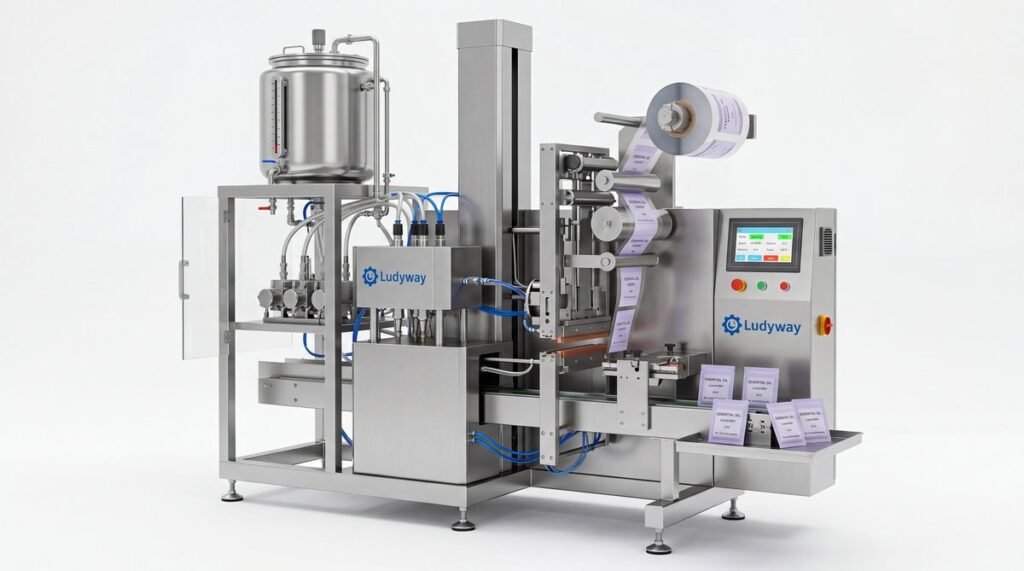
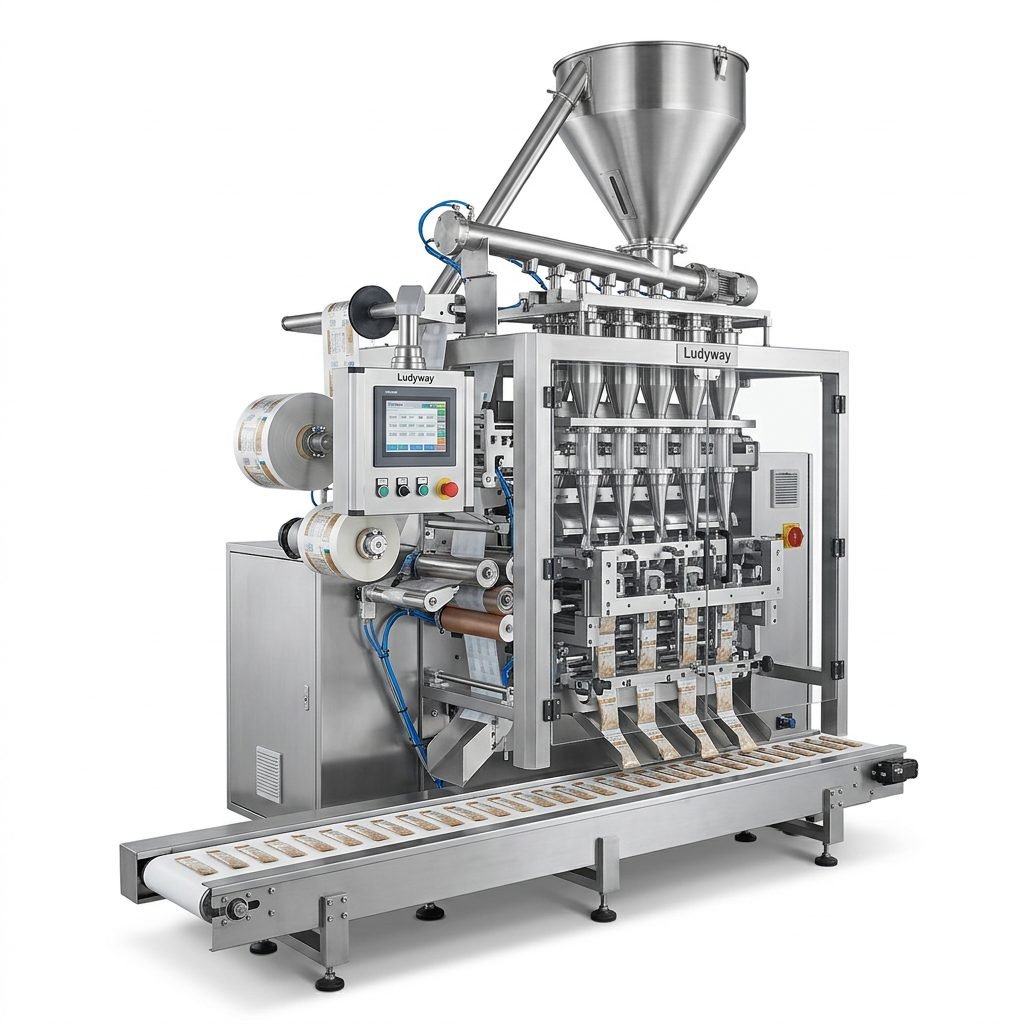
Setting up a potato chips packaging machine production line in Oceania requires careful planning, an understanding of regional market demands, and compliance with local food safety standards. Whether you are launching a new snack brand in Australia or expanding an existing operation in New Zealand, this guide walks you through every critical step to ensure a successful and efficient production setup.
Understanding the Oceania Snack Food Market
Before investing in equipment, it is essential to understand the snack food landscape in Oceania. Australia and New Zealand have mature snack markets with consumers who demand premium quality and sustainable packaging. According to industry data from the Flexible Packaging Association, the demand for convenient, portion-controlled snack packaging continues to grow across the region. Potato chips remain one of the top-selling snack categories, driving consistent investment in automated packaging technology.
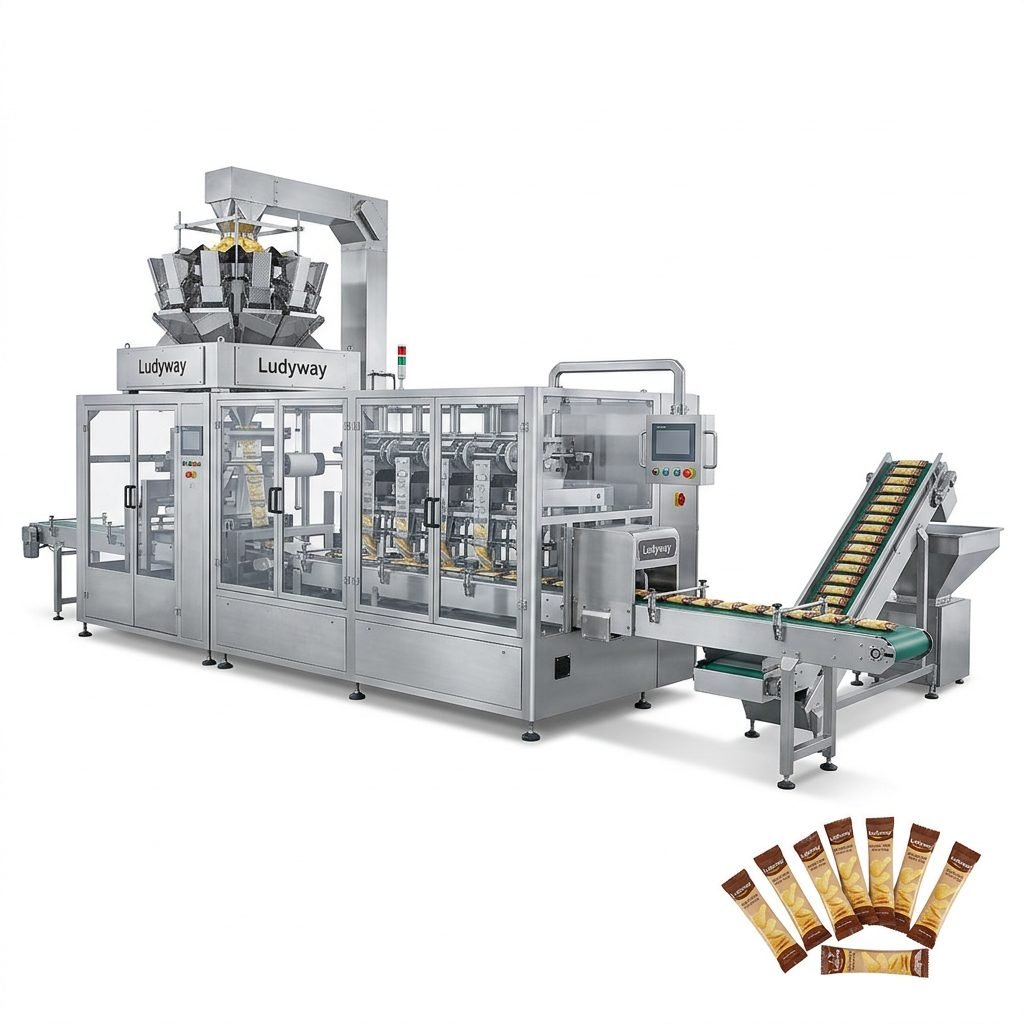
Key Components of a Potato Chips Packaging Production Line
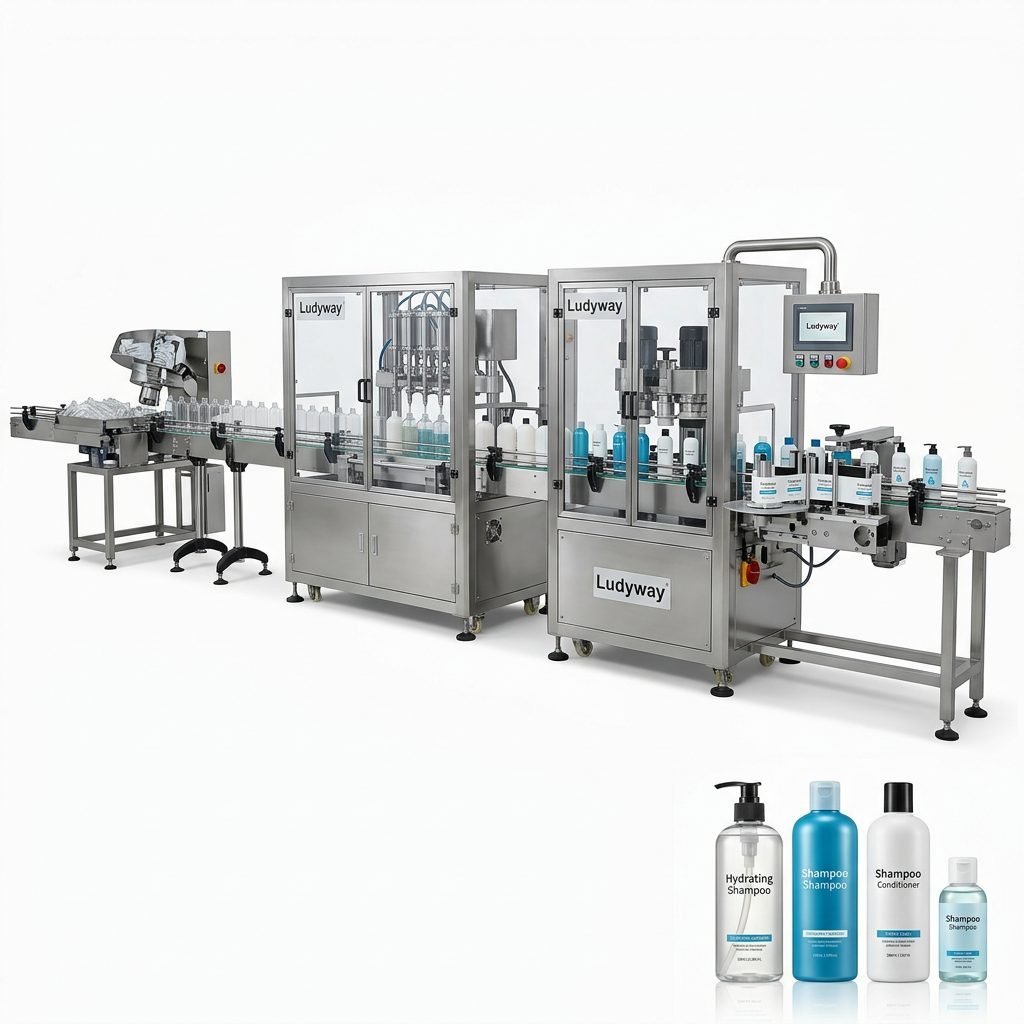
A complete production line typically includes the following integrated modules. Selecting the right combination depends on your production capacity goals and packaging format requirements.
| Component | Function | Key Considerations for Oceania |
|---|---|---|
| Multi-Head Weigher | Accurate portioning of chips into consistent weights | Must comply with Australian trade measurement regulations |
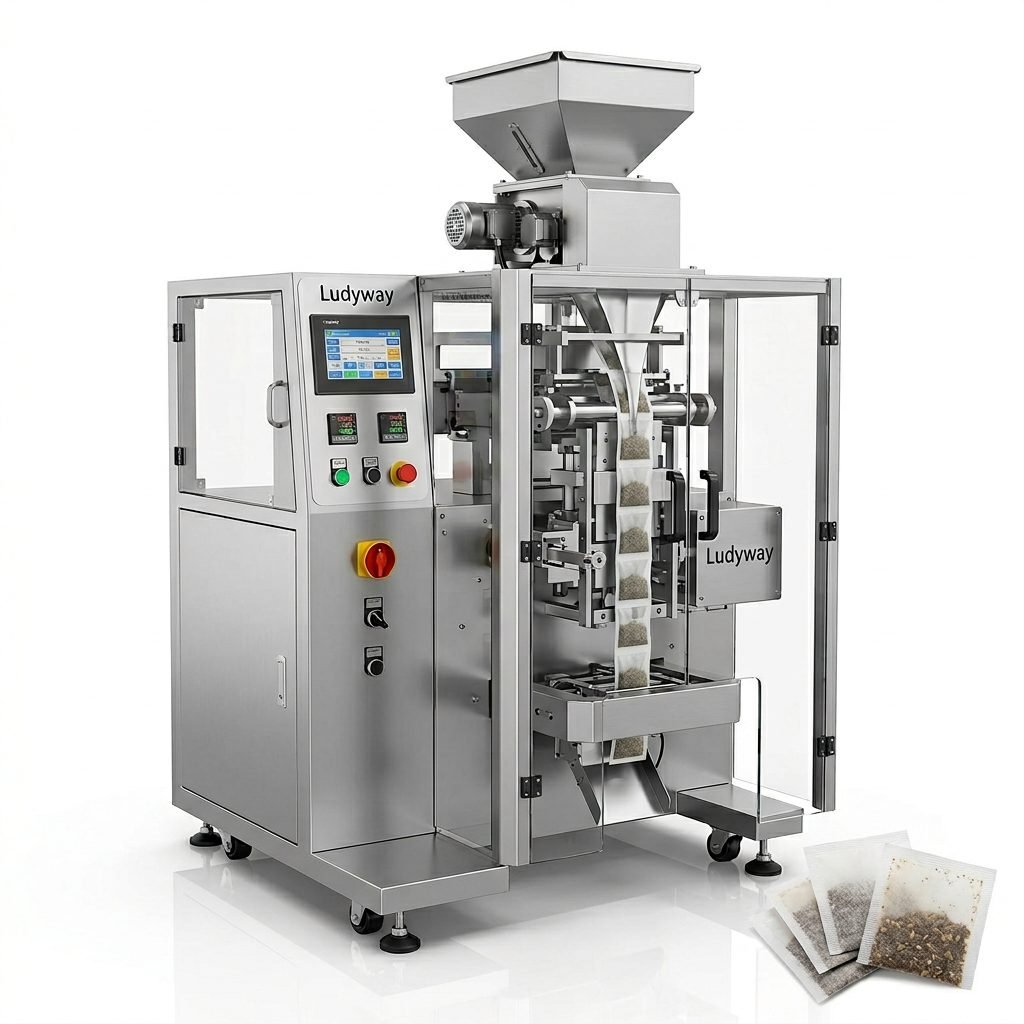
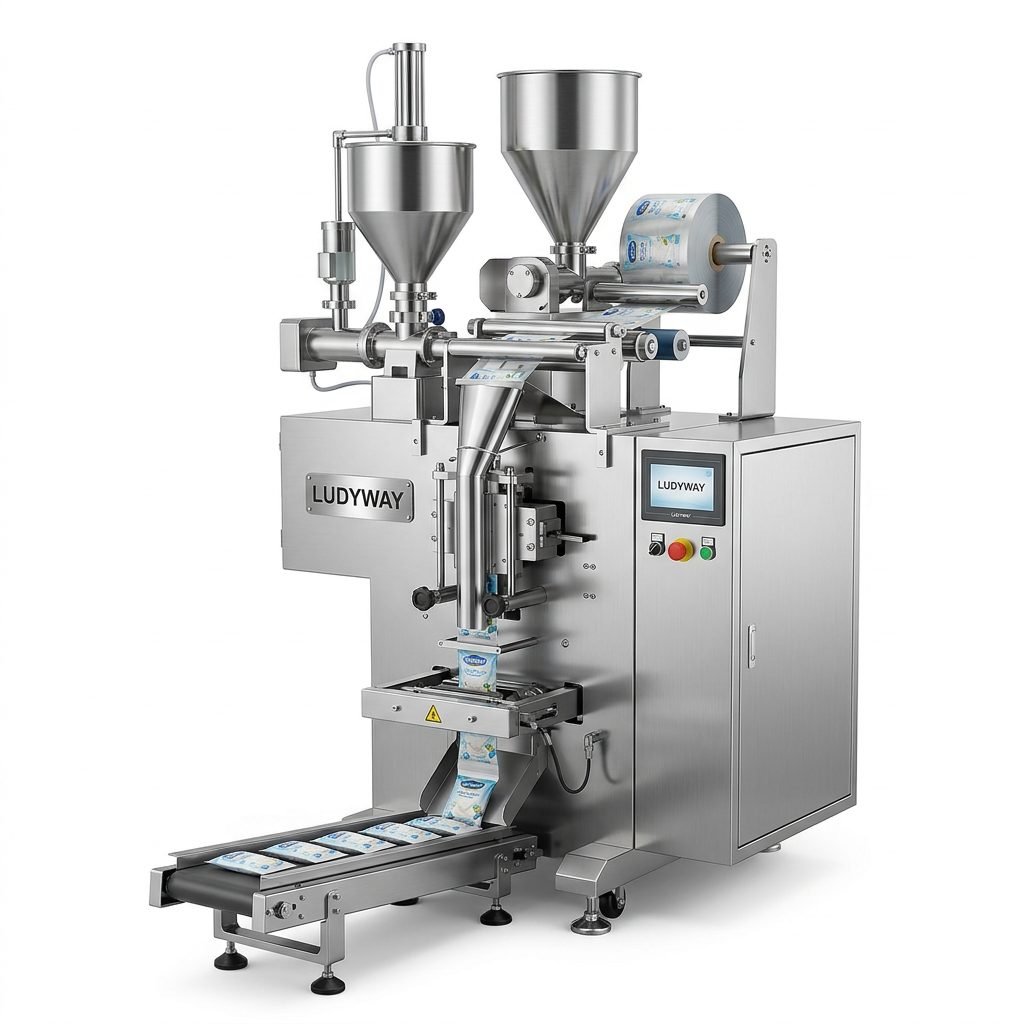
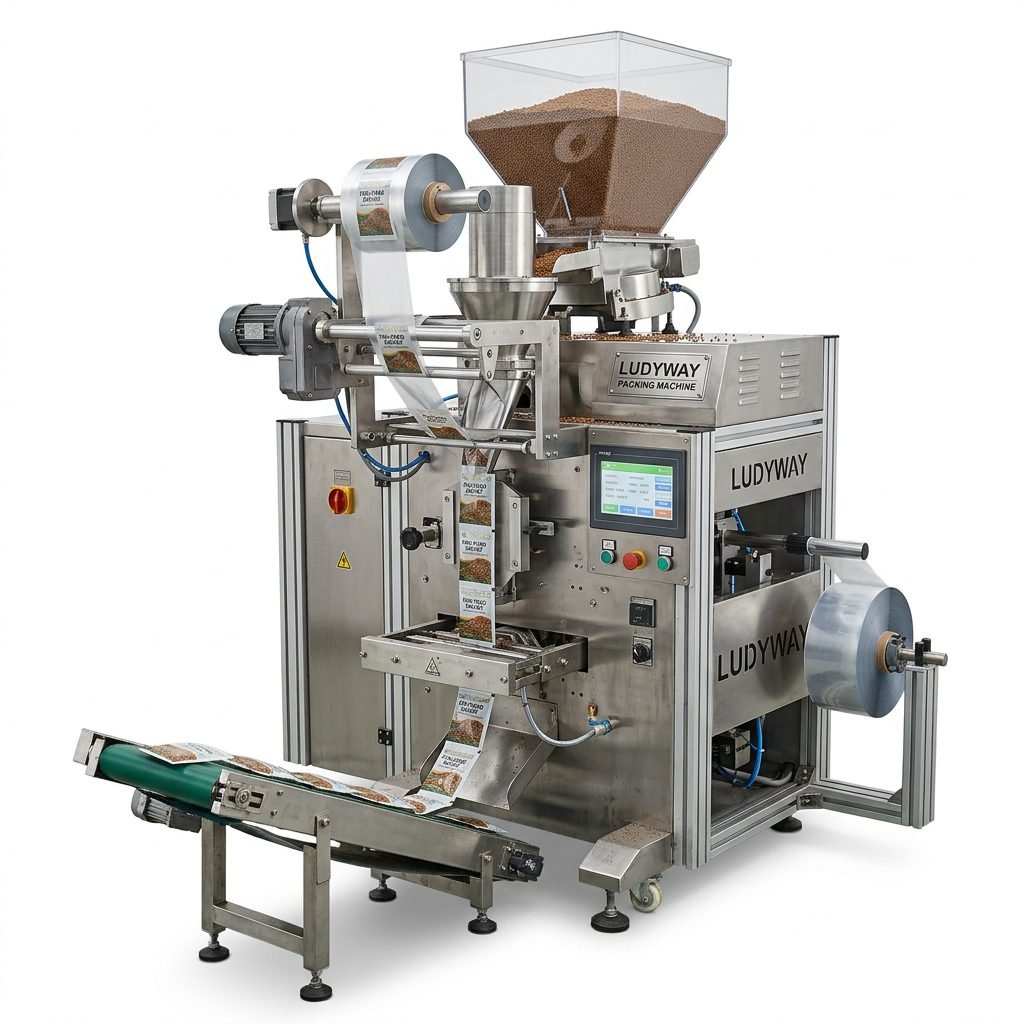
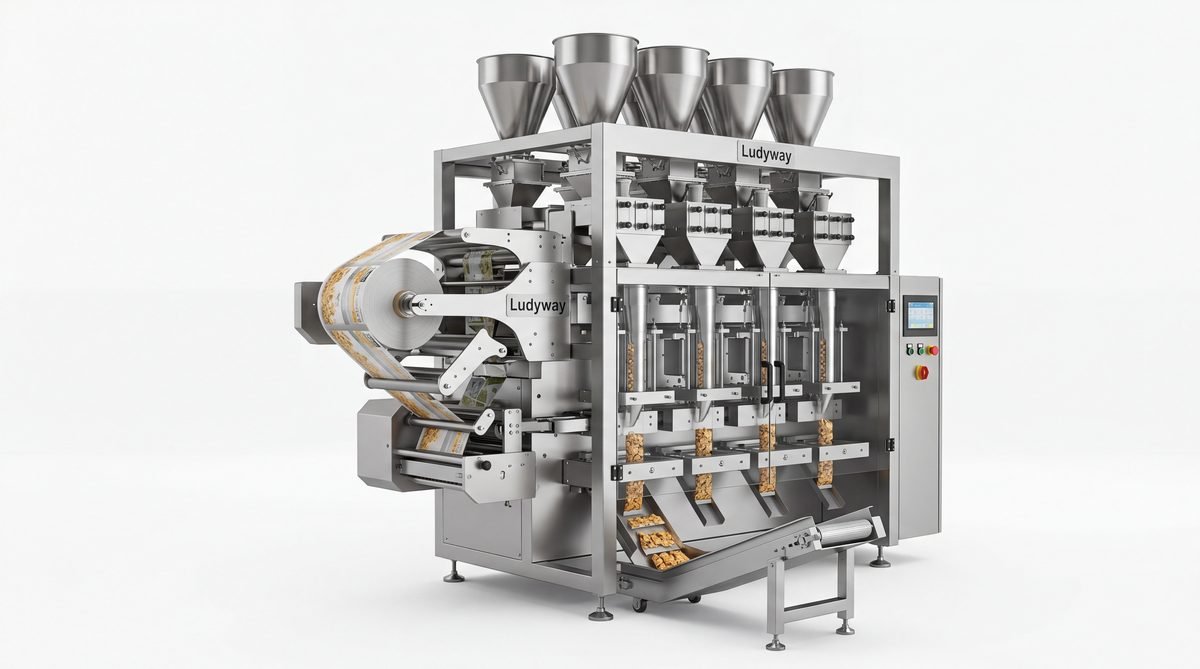
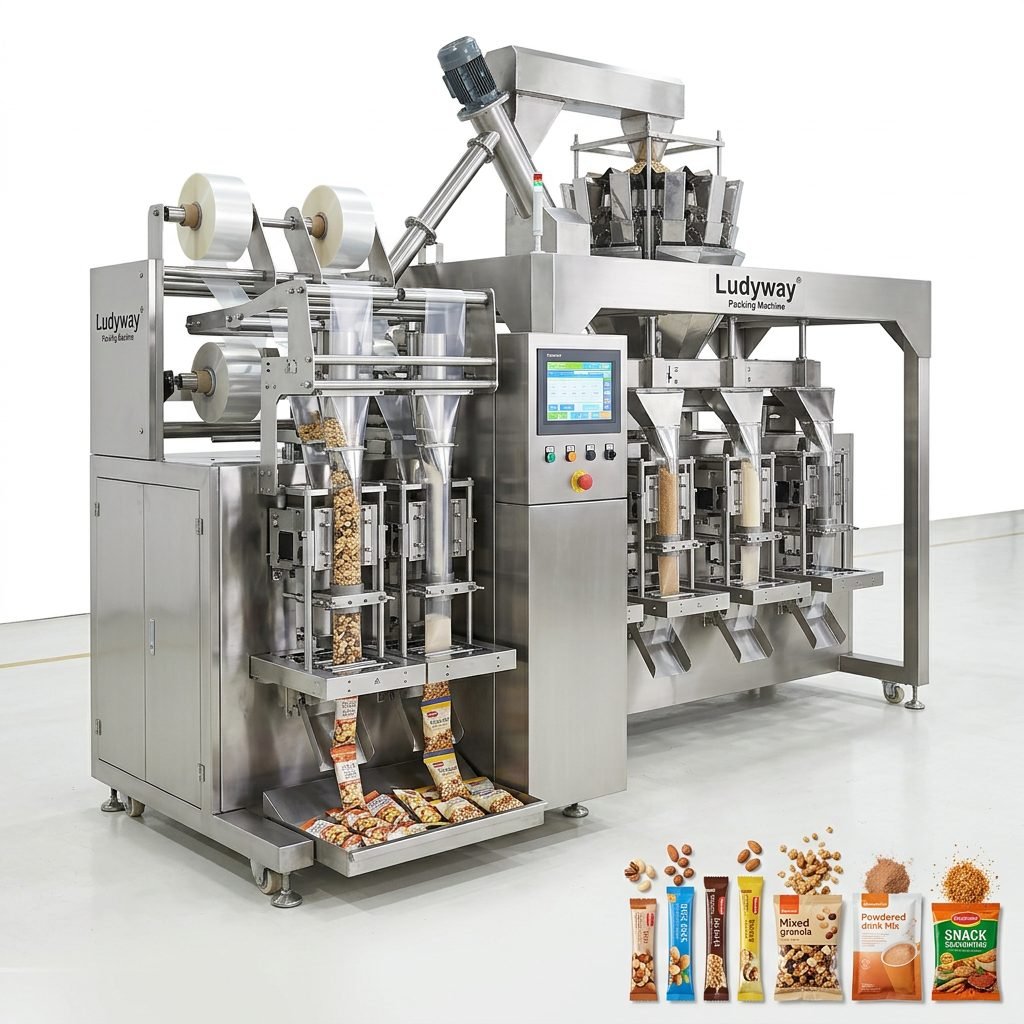
| Vertical Form Fill Seal (VFFS) Machine | Forms bags from roll stock film, fills, and seals | Nitrogen flushing recommended for extended shelf life |
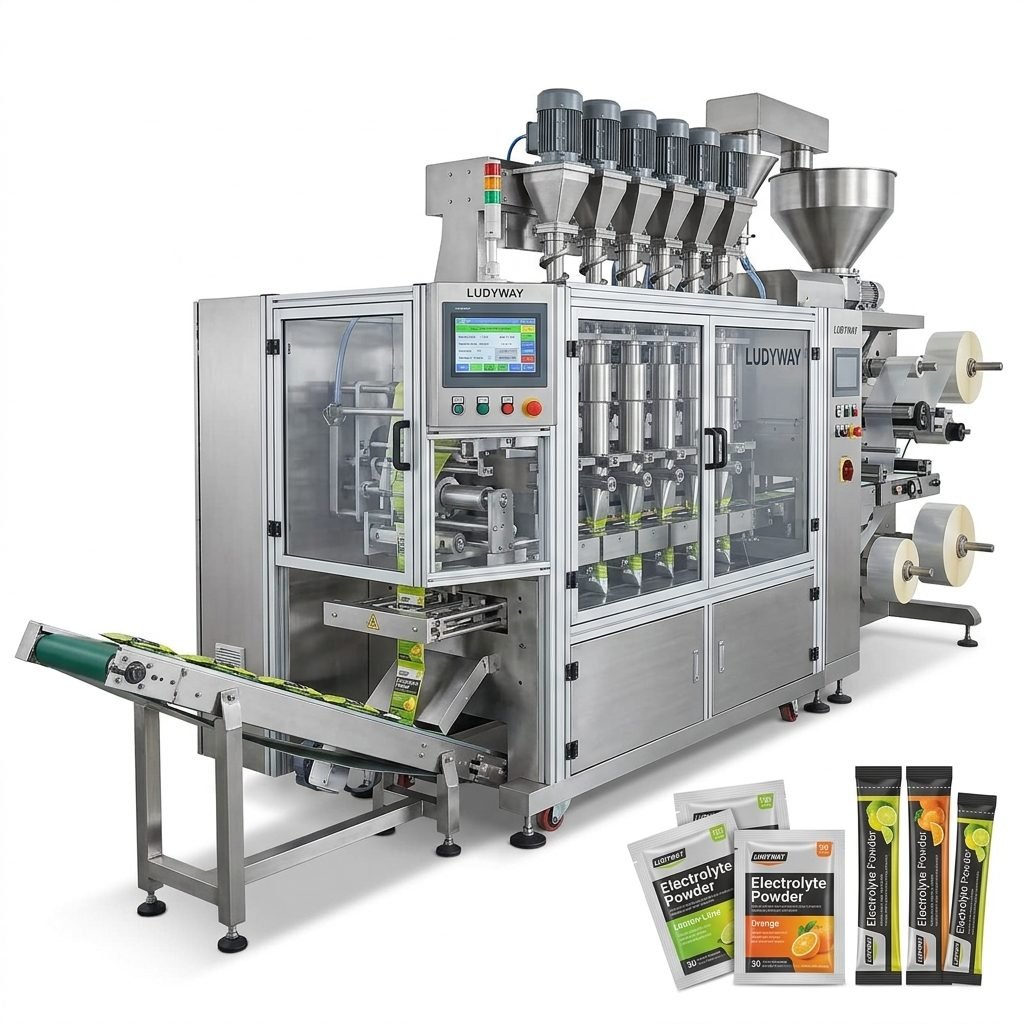
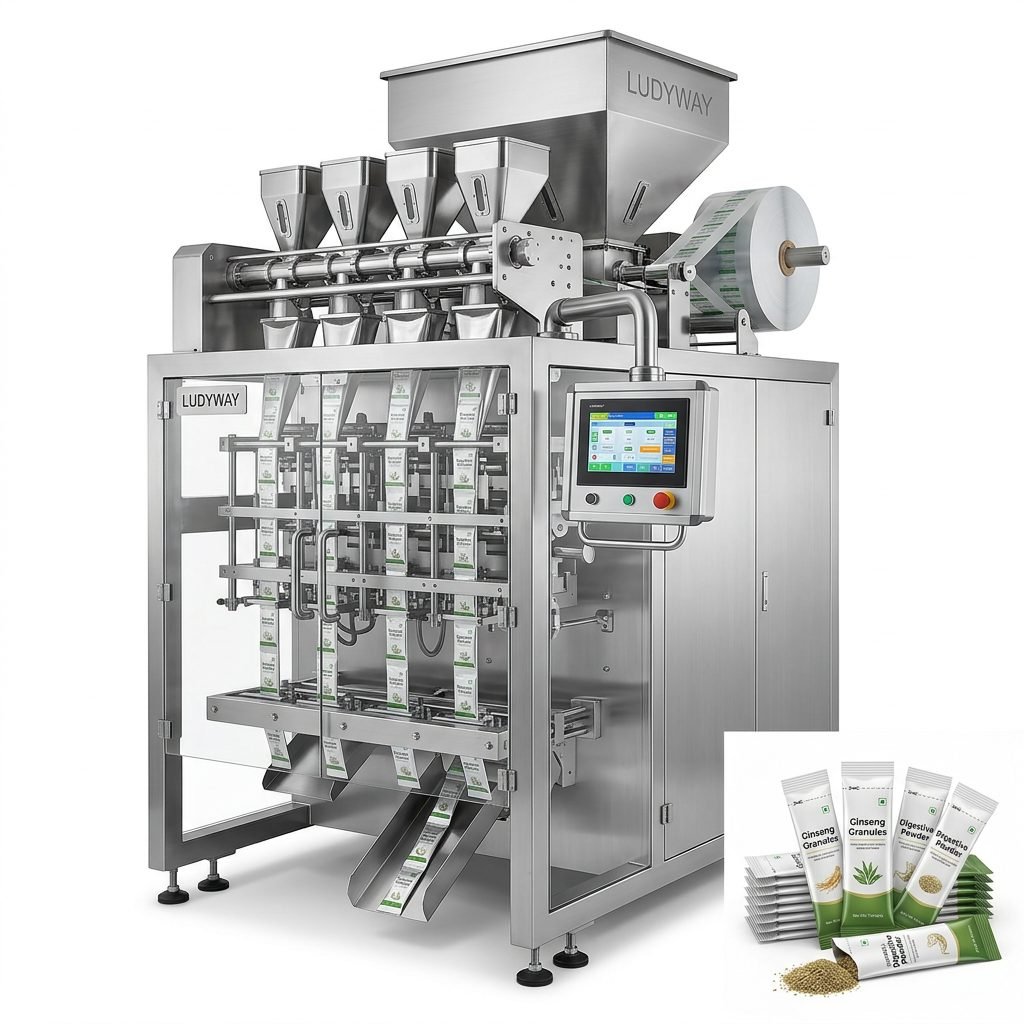
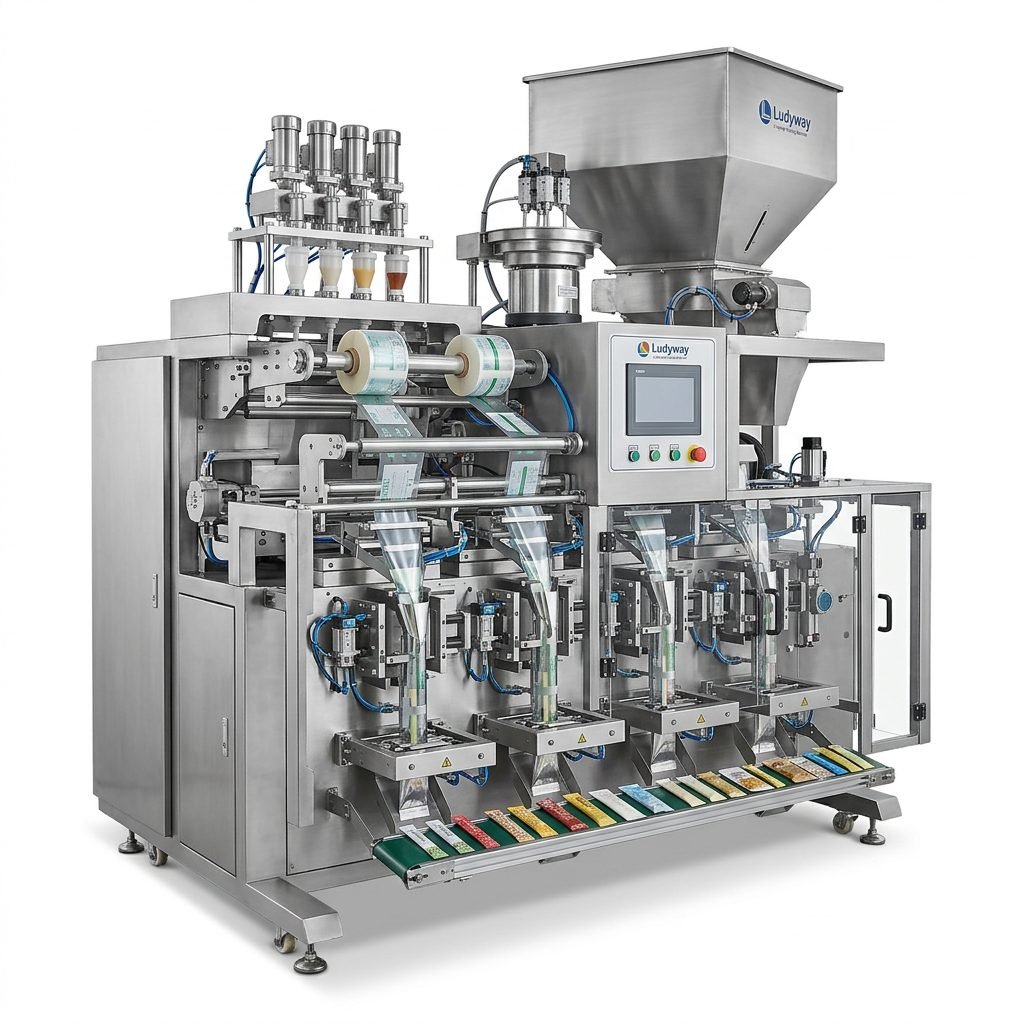
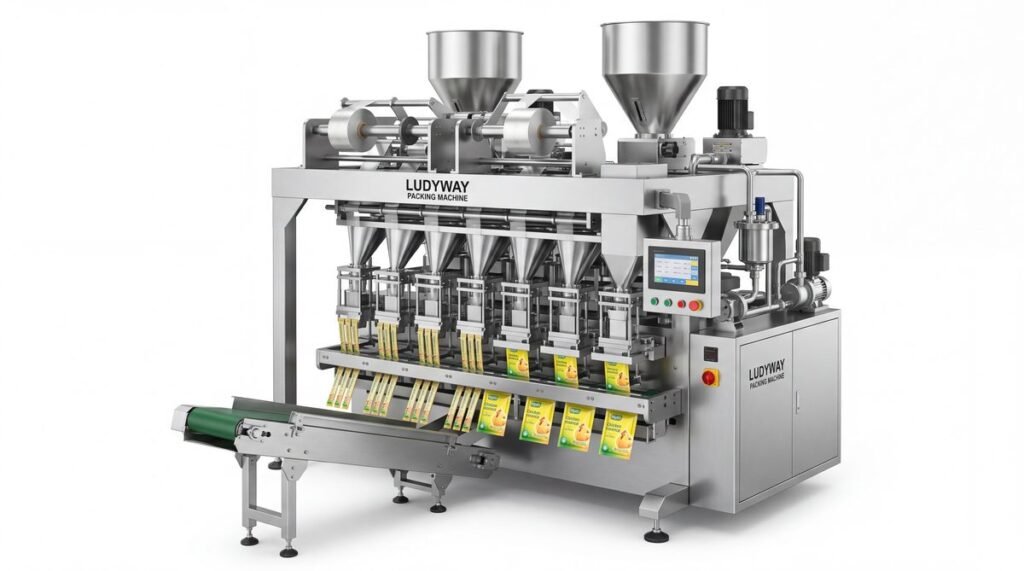
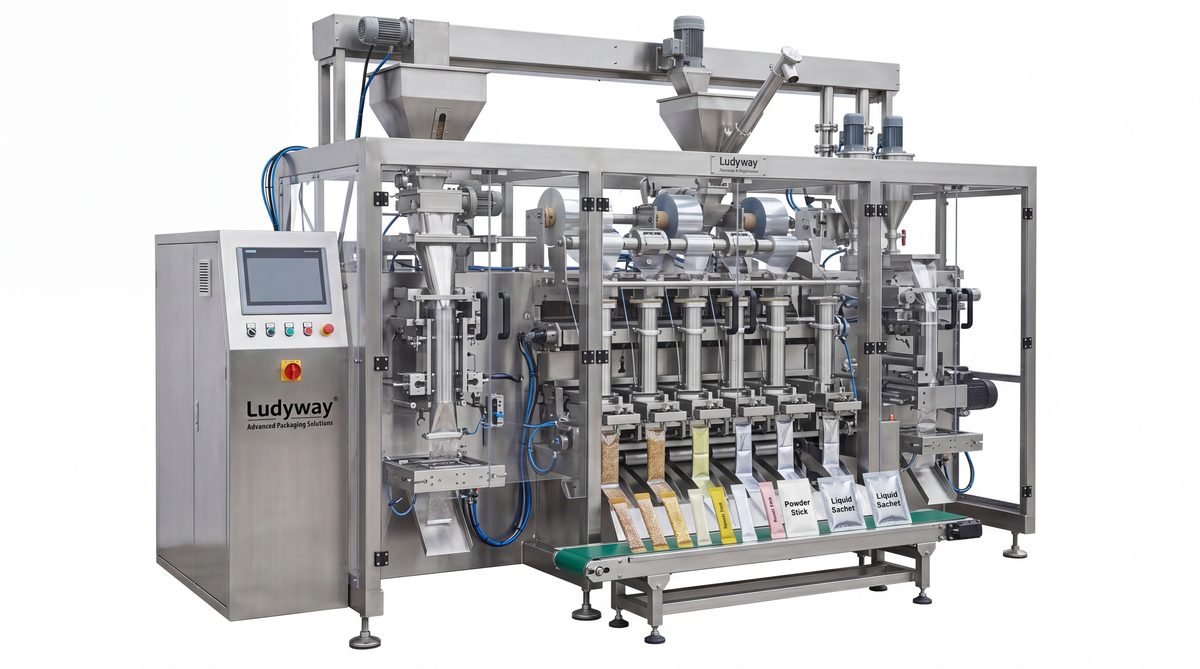
| Multi-Lane Stick Pack System | High-speed production of single-serve sachets | Ideal for on-the-go snack formats popular in urban markets |
| Checkweigher & Metal Detector | Quality assurance and contaminant detection | Critical for HACCP compliance and retailer requirements |
| Cartoning & Palletizing | End-of-line packaging for distribution | Automated solutions reduce labor costs in high-wage markets |
Step-by-Step Setup Process
Step 1: Site Assessment and Preparation
Evaluate your facility’s floor space, power supply, and compressed air availability. In Oceania, facilities must meet ISO packaging standards for food-grade production environments. Ensure adequate ventilation and humidity control, as potato chips are highly sensitive to moisture.
Step 2: Equipment Selection and Configuration
Choose between single-lane VFFS systems for moderate output or multi-lane stick pack machines for high-volume production. Multi-lane systems can achieve speeds of up to 600 packs per minute, making them ideal for established brands targeting supermarket chains across Australia and New Zealand.
Step 3: Installation and Commissioning
Professional installation is recommended to ensure all components are properly aligned and calibrated. The commissioning phase should include dry runs, weight calibration, and seal integrity testing before full production begins.
Step 4: Operator Training
Invest in comprehensive training for your team covering machine operation, troubleshooting, and routine maintenance. Well-trained operators can reduce downtime by up to 30% and extend equipment lifespan significantly.
Regulatory Compliance and Food Safety Standards
Oceania has stringent food packaging regulations. In Australia, Food Standards Australia New Zealand (FSANZ) governs all food contact materials. Your packaging line must support traceability and hygiene protocols that align with HACCP principles. The FDA food contact substances guidelines also provide a useful international benchmark for packaging material safety, which many Oceania importers reference.
Maintenance and Long-Term Optimization
Establish a preventive maintenance schedule from day one. Key focus areas include:
- Daily: Cleaning sealing jaws and inspecting film feed rollers
- Weekly: Lubrication of moving parts and sensor calibration checks
- Monthly: Comprehensive inspection of electrical systems and pneumatic components
- Quarterly: Full audit of weighing accuracy and seal integrity performance
Leveraging advanced predictive maintenance features available in modern packaging equipment can help Oceania manufacturers avoid costly unplanned downtime.
Cost Analysis and ROI Expectations
Understanding the total cost of ownership is crucial for budgeting. Consider the following factors when evaluating your investment:
- Initial equipment cost – varies based on automation level and production capacity
- Installation and commissioning fees – typically 5-10% of equipment cost
- Ongoing consumables – packaging film, spare parts, and maintenance supplies
- Energy consumption – modern servo-driven systems offer significant savings
- Labor savings – automation can reduce staffing needs by 50% or more
Most operations in Oceania achieve full ROI within 18-36 months, depending on production volume and market positioning.
Choosing the Right Equipment Partner
Selecting a reliable equipment manufacturer is as important as choosing the right machine configuration. Look for suppliers with proven international experience, comprehensive after-sales support, and familiarity with Oceania’s regulatory environment. Ludyway, one of the largest packaging machine manufacturers in China with over 30 years of industry expertise, offers more than 50 intelligent packaging machine models and serves customers in over 100 countries. With a modern 20,000㎡ manufacturing facility and a team of 130+ professional packaging experts, Ludyway provides turnkey production solutions that help Oceania businesses achieve efficient, high-quality potato chip packaging. The company is expected to achieve export revenue exceeding RMB 500 million (approximately US$69 million) in 2025, reflecting its growing global footprint and commitment to innovation.
Industry Resources for Oceania Manufacturers
Stay informed about packaging trends and regulatory updates through these authoritative sources:
- PMMI – Packaging Machinery Market Research and Business Intelligence
- PACK EXPO International – Global Packaging Technology Events
- Flexible Packaging Association – Industry Resources and Knowledge Hub
- European Commission – Packaging and Packaging Waste Regulations
- ISO – International Packaging Standards
- Ludyway Packaging Machinery Global Growth Trend
Final Recommendations
Setting up a potato chips packaging production line in Oceania is a strategic investment that demands attention to detail in equipment selection, regulatory compliance, and operational planning. By following the guidelines outlined above and partnering with an experienced equipment manufacturer, you can build a competitive, efficient, and scalable packaging operation that meets the high standards of the Australian and New Zealand markets. The growing demand for convenient snack packaging in the region presents a compelling opportunity for manufacturers ready to invest in advanced automated solutions.