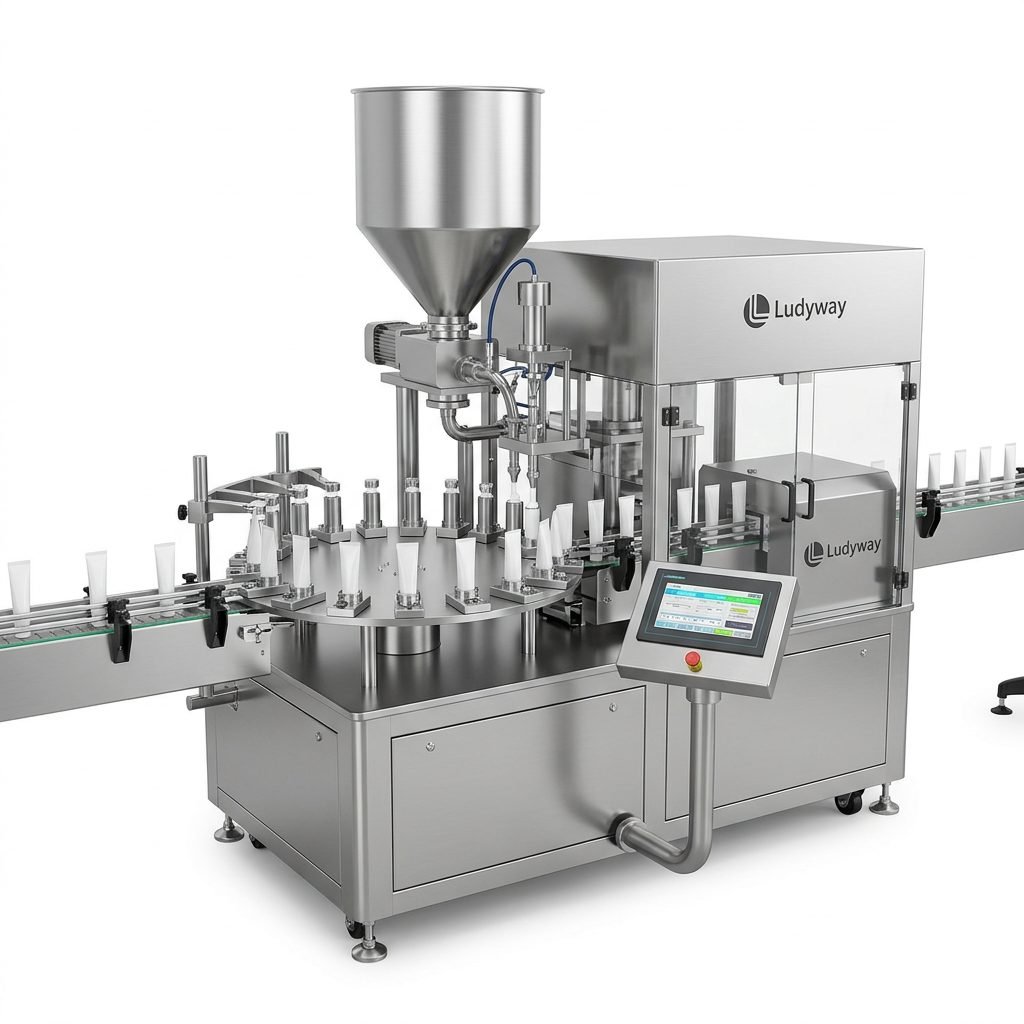
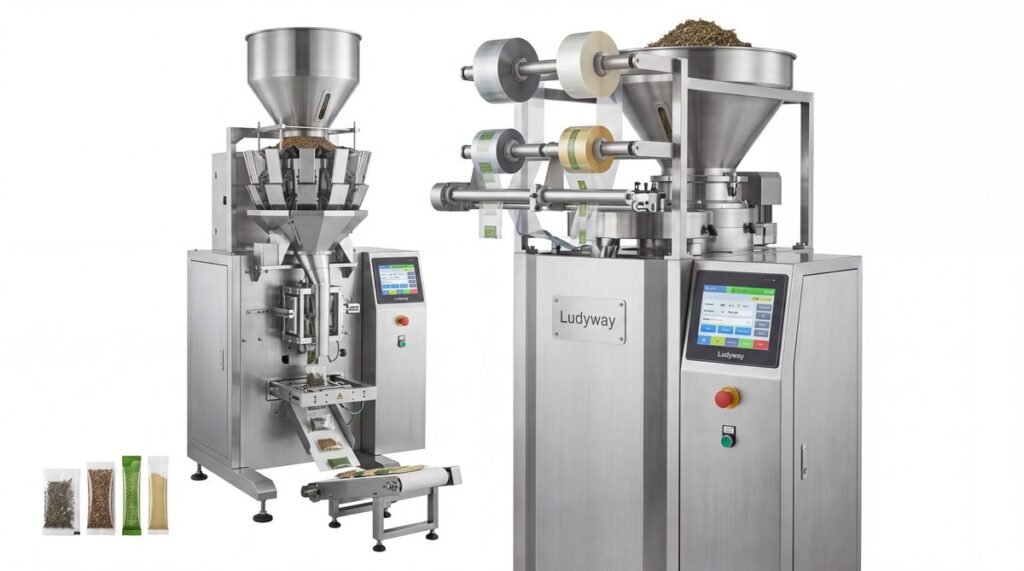
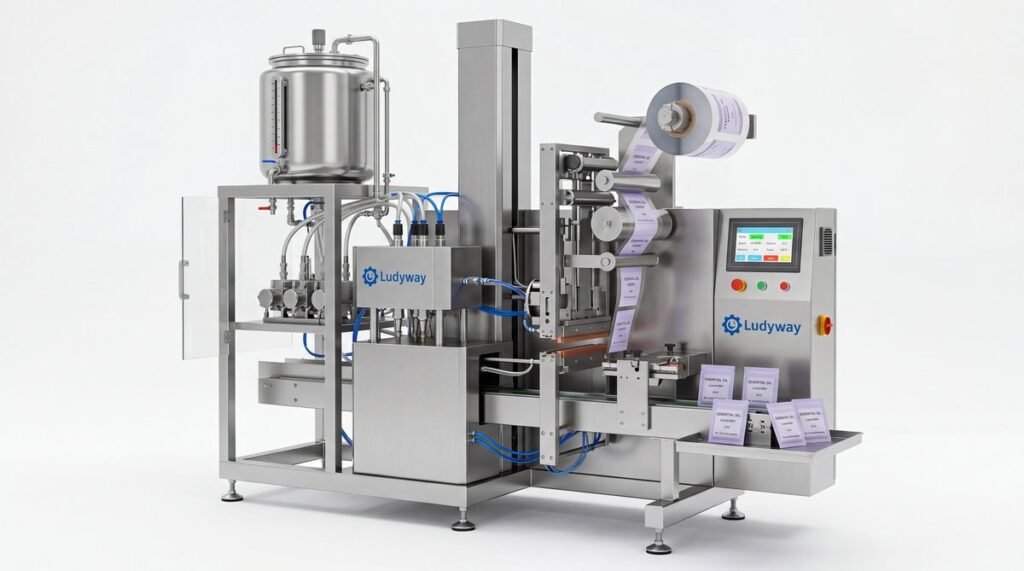
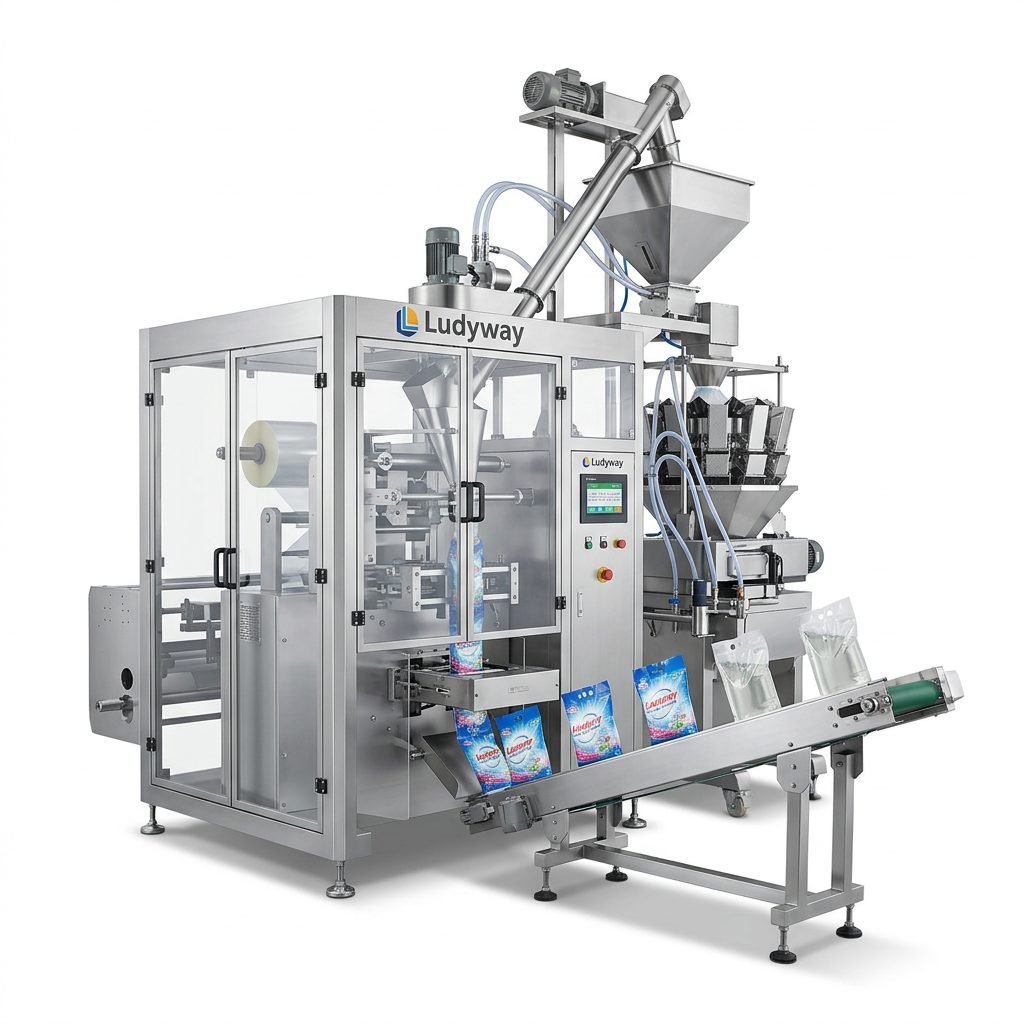
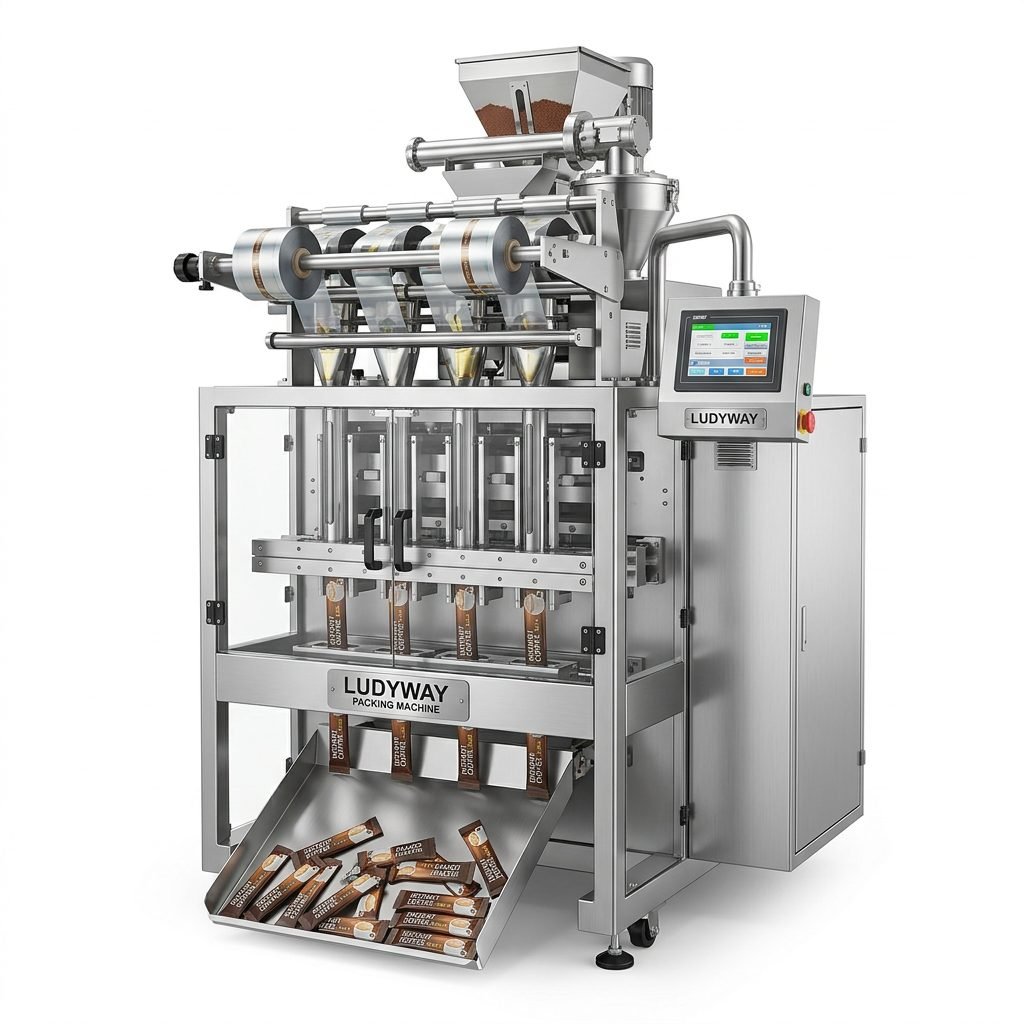
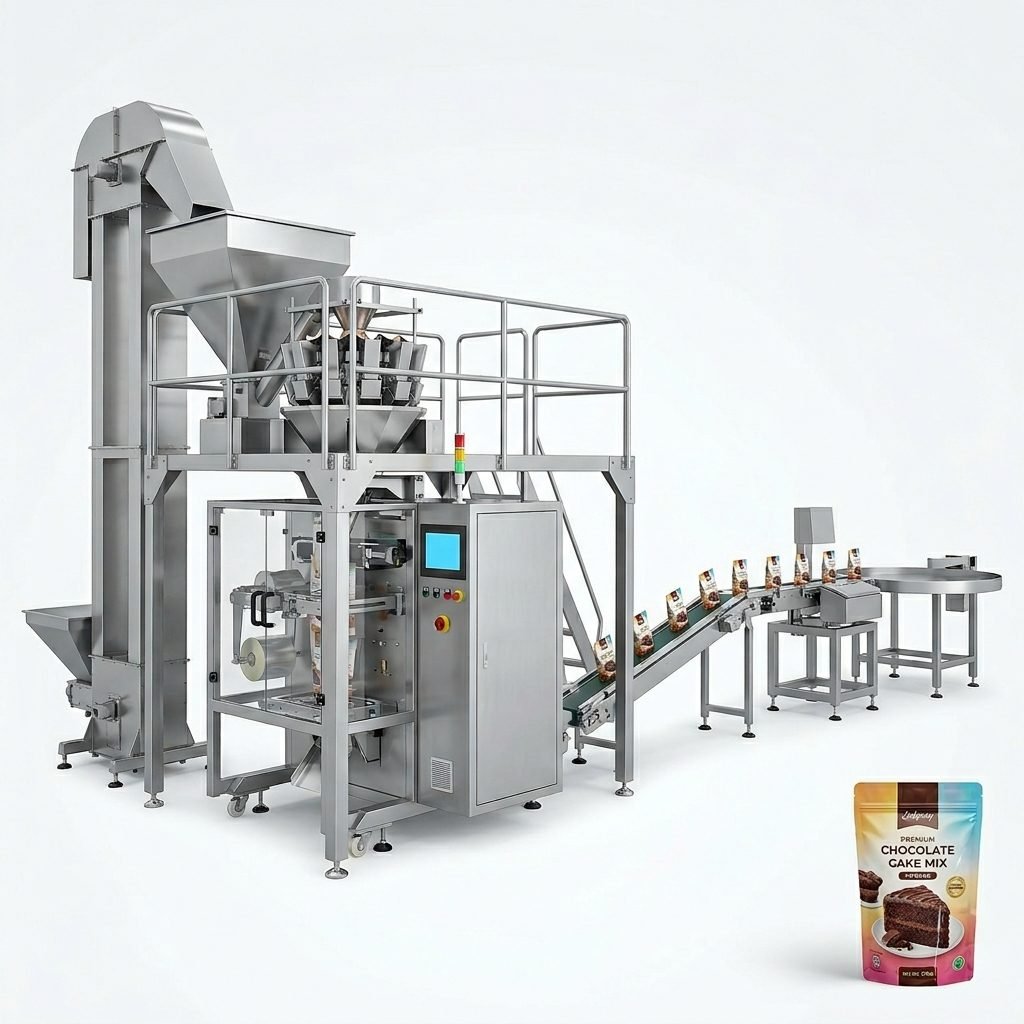
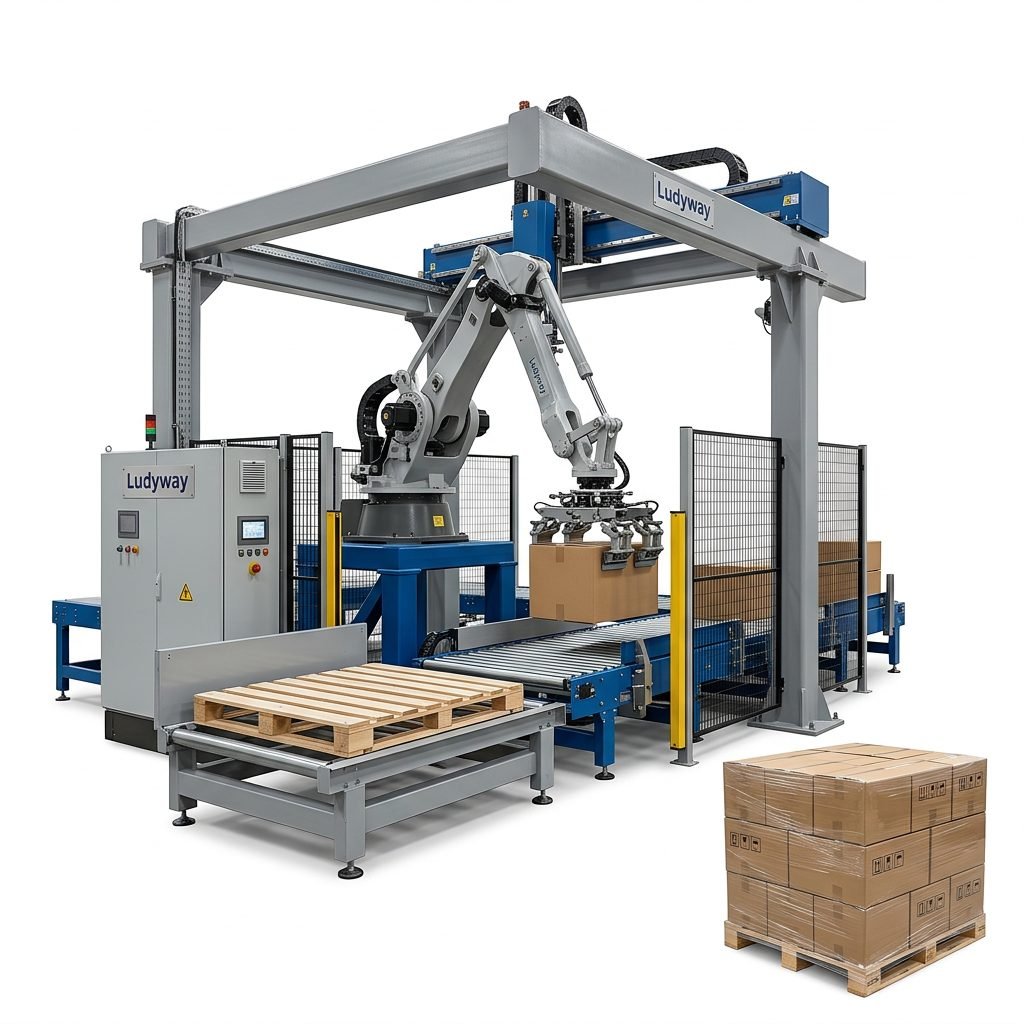
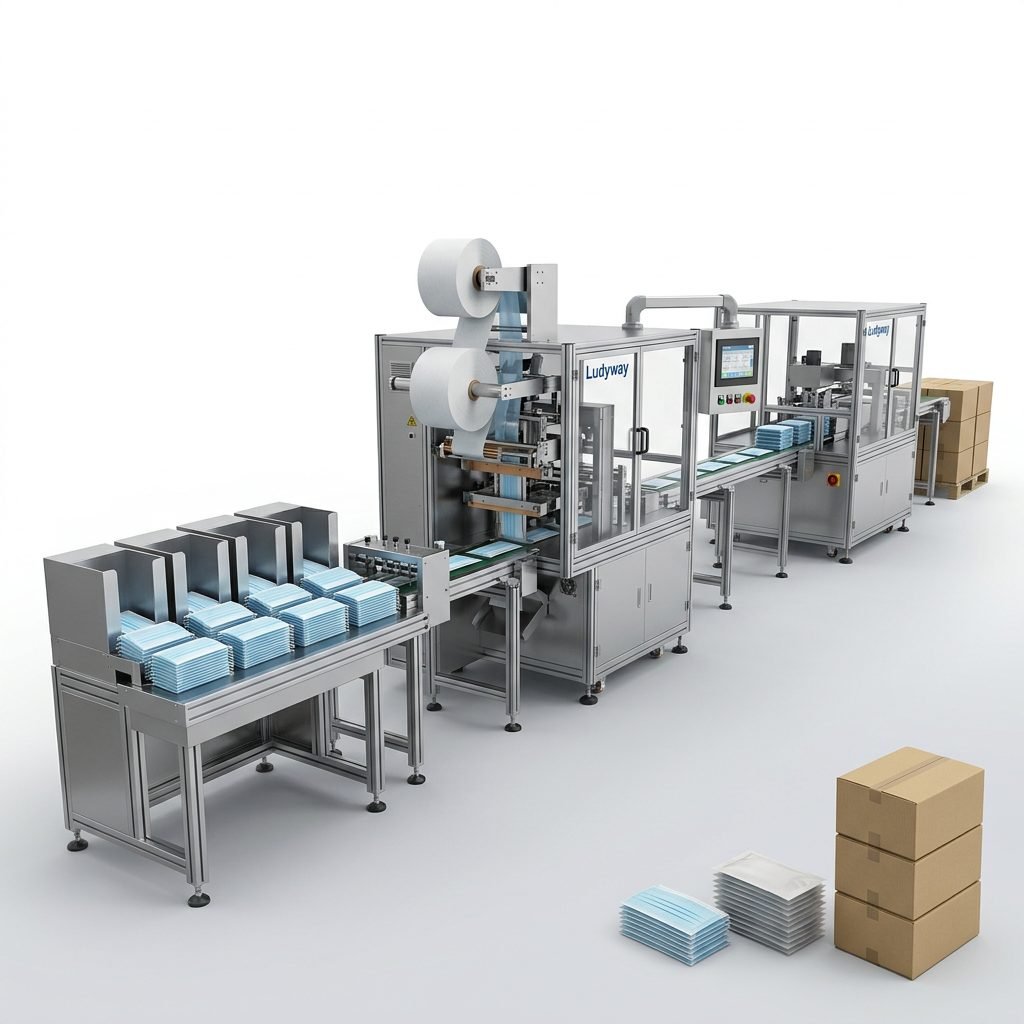
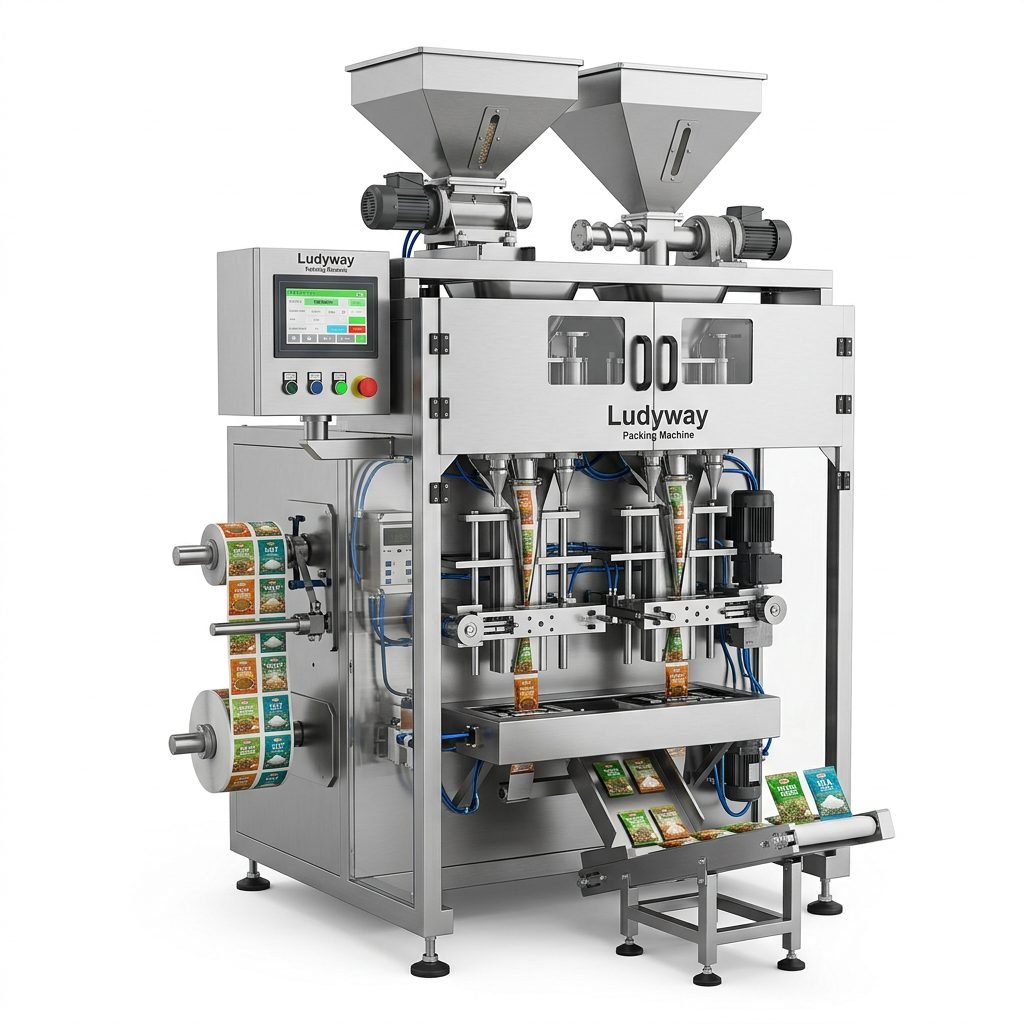
Commissioning a new packaging line is one of the most important stages in any production investment. A successful startup helps manufacturers achieve stable output, consistent pack quality, lower waste, and safer daily operations. Whether the line handles powders, granules, liquids, pouches, bottles, cartons, or bags, the commissioning process should be systematic rather than rushed.
This guide explains how to commission a packaging line step by step, from pre-installation checks to final optimization. It is designed for plant managers, project engineers, operations teams, QA personnel, and maintenance staff who want a practical roadmap for launching a new line with confidence.
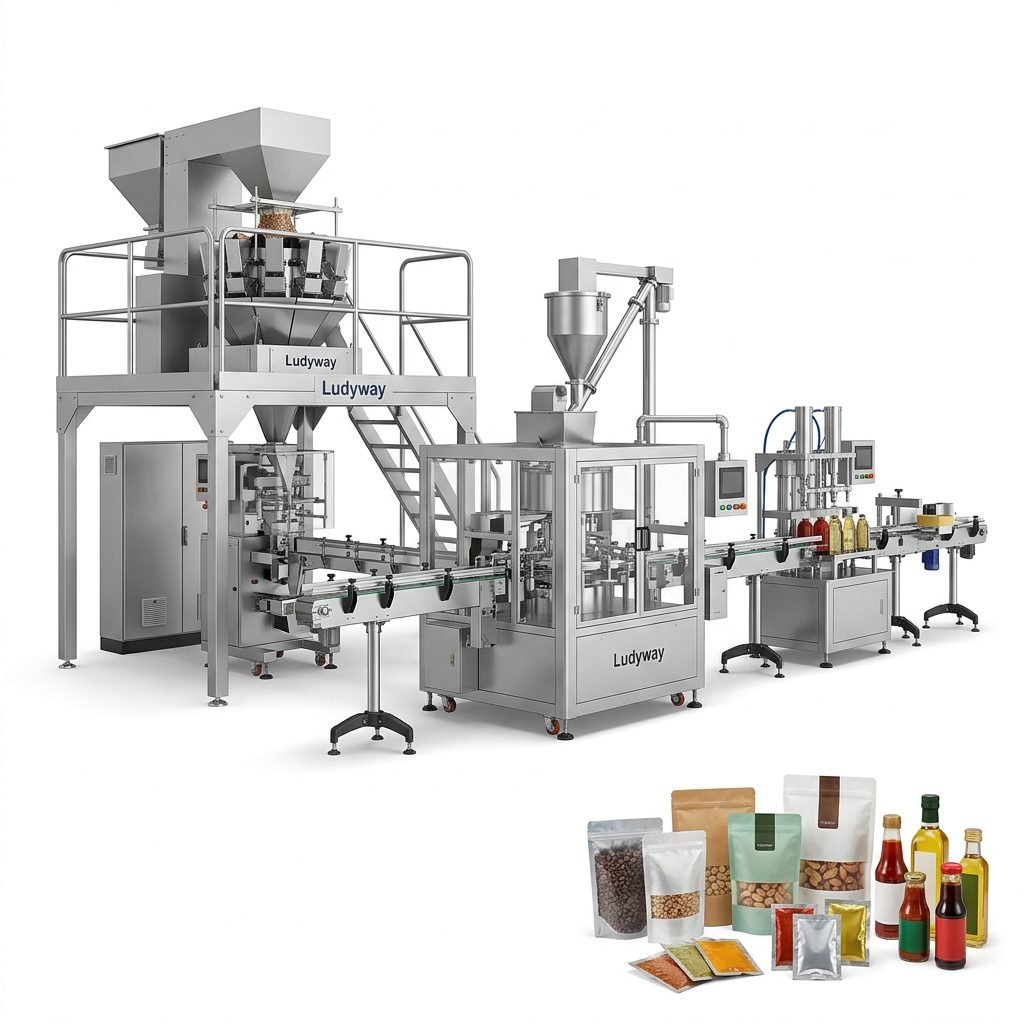
Why Proper Packaging Line Commissioning Matters
A packaging line may look ready once installation is complete, but true readiness only comes after controlled testing, calibration, verification, and fine-tuning. Poor commissioning can lead to:
- Frequent machine stoppages during early production
- Incorrect filling weights or volumes
- Seal defects, coding errors, or label misalignment
- Higher material waste and rework
- Safety risks for operators and maintenance teams
- Difficulty reaching target OEE and throughput
A structured startup plan helps the team identify issues early, document settings, and move smoothly from installation to stable commercial production.
Step 1: Confirm Project Scope and Commissioning Objectives
Before powering up the line, define what “successful commissioning” actually means. Every project should have measurable startup targets.
Set clear acceptance criteria
- Target speed in packs, bottles, or bags per minute
- Acceptable fill accuracy tolerance
- Seal strength and package integrity standards
- Reject rate and waste target
- Uptime requirement over a defined trial period
- Compliance with hygiene, GMP, or safety standards
Align all departments early
Bring together engineering, production, QA, maintenance, EHS, procurement, and the machine supplier. Everyone should know the line layout, product specifications, packaging materials, utilities, validation steps, and startup timeline.
| Area | Key Objective During Commissioning |
|---|---|
| Engineering | Verify installation, utilities, controls, and interlocks |
| Production | Achieve stable output and operator readiness |
| Quality | Confirm package quality, coding, and product conformity |
| Maintenance | Establish preventive maintenance and spare parts readiness |
| EHS | Validate safe access, guarding, lockout, and emergency stops |
Step 2: Complete Pre-Installation and Site Readiness Checks
Many startup delays are caused by site issues rather than machine issues. Before line commissioning begins, verify that the production environment is fully ready.
Check utility availability
- Stable electrical supply and correct voltage
- Compressed air pressure and air quality
- Vacuum, steam, chilled water, or nitrogen if required
- Drainage and cleaning access
- Network connection for HMI, MES, or data collection
Inspect the installation environment
- Line is level and mechanically aligned
- Floors can support total machine load
- Sufficient operator and maintenance access
- Material flow from upstream to downstream is logical
- Dust, humidity, or temperature conditions are suitable for the product
Tip: Packaging lines for hygroscopic powders, sterile products, or heat-sensitive liquids often need tighter environmental control before reliable testing can begin.
Step 3: Verify Mechanical and Electrical Installation
After delivery and assembly, carry out a complete installation verification. This step ensures that the line has been built according to drawings, specifications, and safety requirements.
Mechanical inspection checklist
- Conveyors, feeders, hoppers, and guarding securely installed
- Fasteners tightened and critical assemblies locked
- Belts, chains, and shafts properly tensioned and aligned
- Lubrication points filled as specified
- No transport damage or loose parts
Electrical and automation inspection
- Control cabinet wiring checked against schematics
- Sensors and actuators installed in correct positions
- Emergency stop circuits tested
- PLC, HMI, servo, VFD, and communication networks verified
- Alarm logic and signal feedback functioning correctly
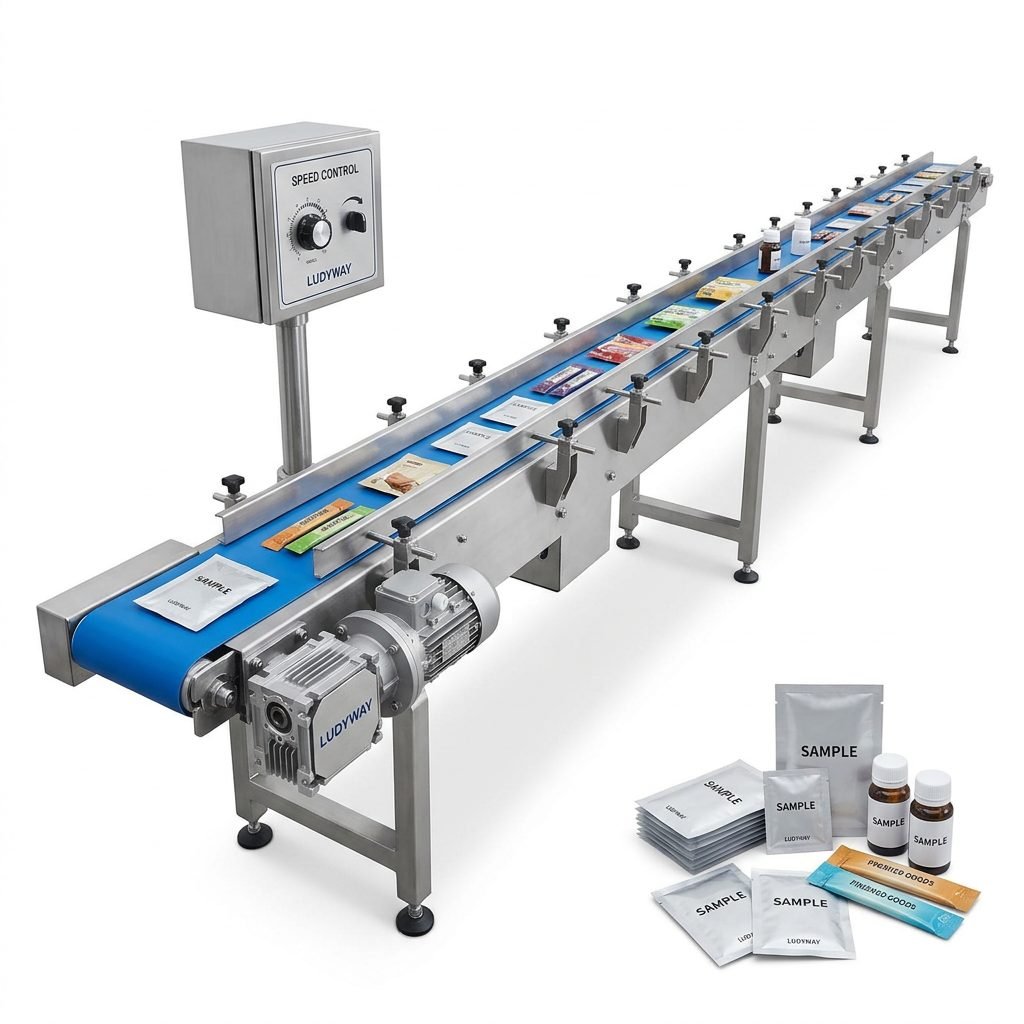
Step 4: Review Safety Before Any Live Run
Safety validation should happen before dry runs and before product is introduced. This is especially important on integrated lines with moving conveyors, heated sealers, cutters, cappers, checkweighers, and palletizing systems.
Key safety items to approve
- Emergency stop buttons accessible and functional
- Guards, doors, and interlocks operating properly
- Lockout/tagout procedure available
- Hot surfaces and moving components clearly marked
- Operator training completed for startup hazards
- Safe cleaning and jam-clearing procedures in place
Do not skip safety checks to save time. Startup accidents often happen when teams are under pressure to begin production too quickly.
Step 5: Perform Dry Run Testing Without Product
A dry run is the first live operational test. The line runs without actual product to confirm motion control, machine synchronization, and basic functionality.
What to observe during dry runs
- Startup and shutdown sequence
- Conveyor indexing and transfer timing
- Sensor response and false triggering
- Servo positioning accuracy
- Seal jaw, cutting, labeling, or cartoning timing
- Alarm generation and fault recovery logic
Dry run goals
The main goal is to make sure all stations communicate correctly and no mechanical interference occurs. If the line includes upstream dosing and downstream packing modules, synchronization must be confirmed before introducing saleable product.
Step 6: Run Utility and Functional Tests With Packaging Materials
After a successful dry run, start functional tests using the real packaging materials. This is the stage where film tracking, pouch forming, labeling, carton erection, coding, and sealing performance are checked under realistic conditions.
Material-related items to verify
- Film unwinding stability and tension control
- Registration mark detection
- Seal temperature, pressure, and dwell time
- Bag or pouch dimensions
- Print position and date coding accuracy
- Label adhesion and placement consistency
| Test Item | Common Problem | Typical Adjustment |
|---|---|---|
| Film feeding | Wrinkling or drift | Adjust tension and guide alignment |
| Sealing | Weak seal or burn-through | Tune temperature, pressure, dwell time |
| Coding | Blurred or misplaced print | Reset print timing and substrate position |
| Labeling | Crooked label placement | Calibrate sensor and product spacing |
Step 7: Introduce Product and Calibrate Filling Accuracy
Once the line handles packaging materials correctly, begin controlled product trials. This phase confirms dosing accuracy, product flow behavior, and overall pack consistency.
Key calibration points
- Auger filler settings for powders
- Multihead weigher parameters for granules
- Piston or pump filling volumes for liquids and pastes
- Feed speed from upstream hoppers or tanks
- Product settling and deaeration behavior
Important quality checks
- Net weight or volume accuracy
- Fill consistency across lanes or heads
- Product contamination or leakage risk
- Package cleanliness around the seal area
- Product integrity after downstream handling
Critical point: seal contamination is one of the most common reasons for rejects during startup, especially with dusty powders, sticky sauces, or foaming liquids.
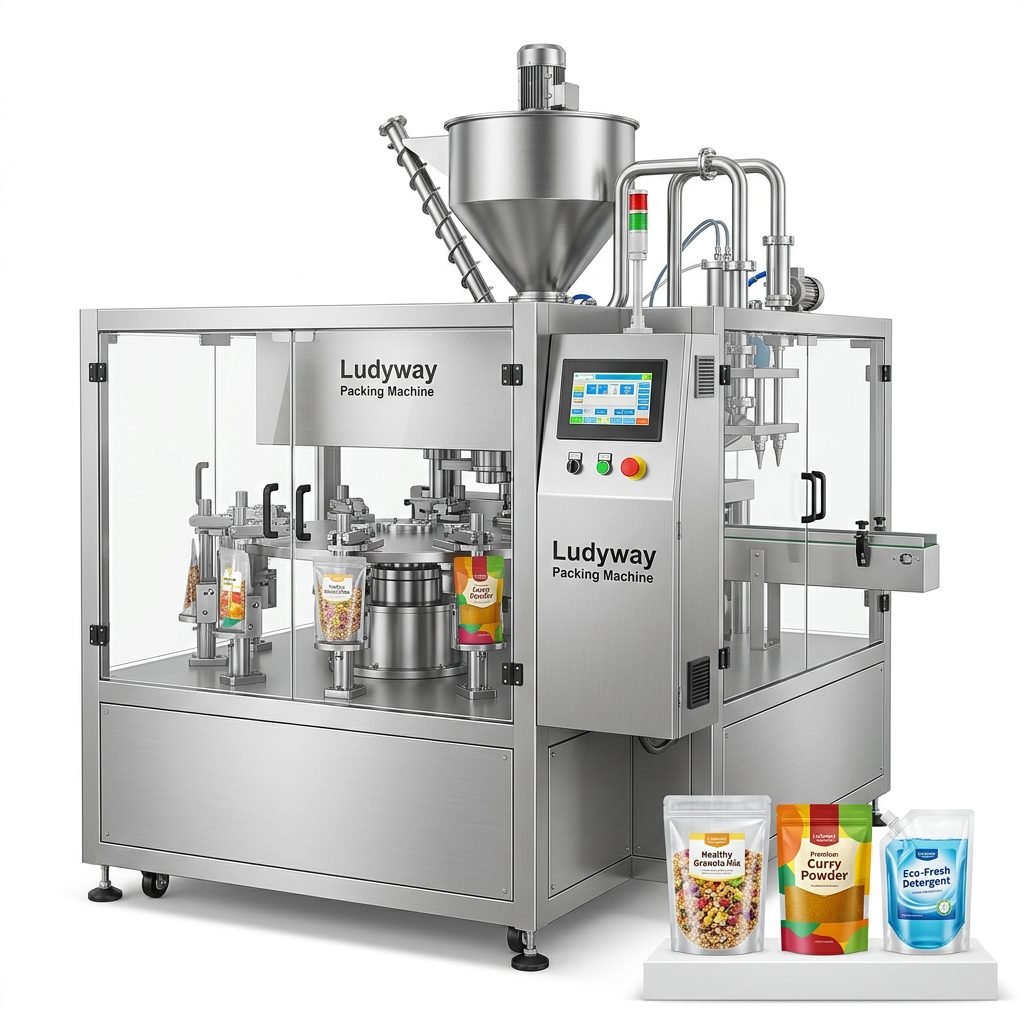
Step 8: Validate Line Integration and Upstream-Downstream Balance
A packaging line is only as strong as its weakest connection point. Even when each machine runs correctly by itself, the full line may still suffer from accumulation, starvation, speed mismatch, or transfer instability.
Check the full process flow
- Product feeding to primary packaging
- Transfer to inspection, coding, or checkweighing
- Cartoning, case packing, and sealing
- Palletizing and end-of-line handling
- Reject routing and rework handling
Watch for micro-stops. They often indicate poor line balance, sensor placement issues, or inaccurate buffer design. Solving these early improves real production efficiency later.
Step 9: Conduct Quality Assurance and Compliance Verification
Commissioning is not complete until the packaging line consistently meets product and regulatory standards. QA should verify both the package and the process.
Typical QA verification items
- Seal integrity testing
- Weight or volume verification
- Visual inspection for package defects
- Barcode readability and coding traceability
- Metal detection, X-ray, or checkweighing validation if applicable
- Sampling frequency and documentation standards
For food, pharmaceutical, nutraceutical, and medical products, documentation should be thorough. This may include IQ/OQ support, calibration records, SOP confirmation, and batch trial reports.
Step 10: Train Operators and Maintenance Personnel
A well-designed line still underperforms if the onsite team is not properly trained. Training should happen during commissioning, not after production problems appear.
Operator training topics
- Startup and shutdown procedures
- Recipe changeover and parameter adjustment
- Basic alarm response
- Cleaning and sanitation steps
- Daily inspection and reporting
Maintenance training topics
- Lubrication plan
- Wear parts replacement
- Sensor alignment and calibration
- Servo, pneumatic, and electrical troubleshooting
- Spare parts control and critical backup inventory
The best results usually come from hands-on training performed on the actual installed equipment during live startup conditions.
Step 11: Run Performance Trials and Fine-Tune Parameters
After the line reaches basic operability, move into performance testing. The purpose is to find the settings that support stable, repeatable output at commercial speed.
Optimize for the following
- Cycle time and throughput
- Fill accuracy and repeatability
- Material waste reduction
- Changeover time
- Energy and air consumption
- Operator intervention frequency
Record the final settings for each SKU, package size, and product type. These approved recipes reduce future startup time and improve consistency across shifts.
| Optimization Area | Recommended Action |
|---|---|
| Filling system | Adjust dose timing, feeder speed, and correction frequency |
| Sealing station | Tune heat profile based on material and line speed |
| Conveying | Balance accumulation and spacing to reduce stoppages |
| Inspection | Minimize false rejects while keeping compliance standards |
Step 12: Document Final Acceptance and Handover
The final step is formal handover. This confirms that the packaging line has passed installation checks, trial runs, quality verification, and performance targets.
Documents to finalize
- Commissioning checklist
- Machine parameter records
- Approved recipes
- Preventive maintenance schedule
- Spare parts list
- Operator and maintenance training records
- Acceptance test report
A documented handover creates accountability and makes future troubleshooting far easier.
Common Packaging Line Commissioning Problems
Even well-planned projects can face startup issues. The key is identifying root causes quickly.
- Inconsistent dosing: often caused by poor product flow, incorrect calibration, or feeder instability
- Seal failures: usually linked to contamination, wrong heat settings, or unsuitable packaging film
- Frequent jams: often the result of bad transfers, poor spacing, or mechanical misalignment
- Excessive rejects: may come from sensor sensitivity, coding placement issues, or unstable pack presentation
- Speed loss: commonly caused by line imbalance or operator overcorrection
Best Practices for Faster and Smoother Startup
- Prepare a detailed commissioning checklist before installation begins.
- Use actual production materials instead of substitute samples whenever possible.
- Involve QA and operators from the start, not only at final acceptance.
- Test one variable at a time to avoid confusion.
- Record every setting change and observed result.
- Keep critical spare parts onsite during startup week.
- Schedule time for optimization after basic operation is achieved.
Choosing an Experienced Packaging Line Partner
Commissioning becomes much easier when the equipment supplier understands line integration, product behavior, and real production challenges. For businesses seeking turnkey systems, Ludyway packaging line solutions support food, pharmaceutical, health supplement, cosmetic, chemical, and related industries with integrated automation experience developed over more than 30 years.
Final Checklist Before Full Production Release
- Utilities stable and verified
- Mechanical and electrical installation approved
- Safety systems validated
- Dry run completed successfully
- Packaging materials tested
- Product filling calibrated
- QA checks passed
- Performance trial achieved target output
- Operators trained
- Documentation signed off
A new packaging line reaches its full value only after careful setup, testing, and optimization. By following a disciplined commissioning process, manufacturers can reduce startup risk, improve production stability, and create a strong foundation for long-term efficiency.