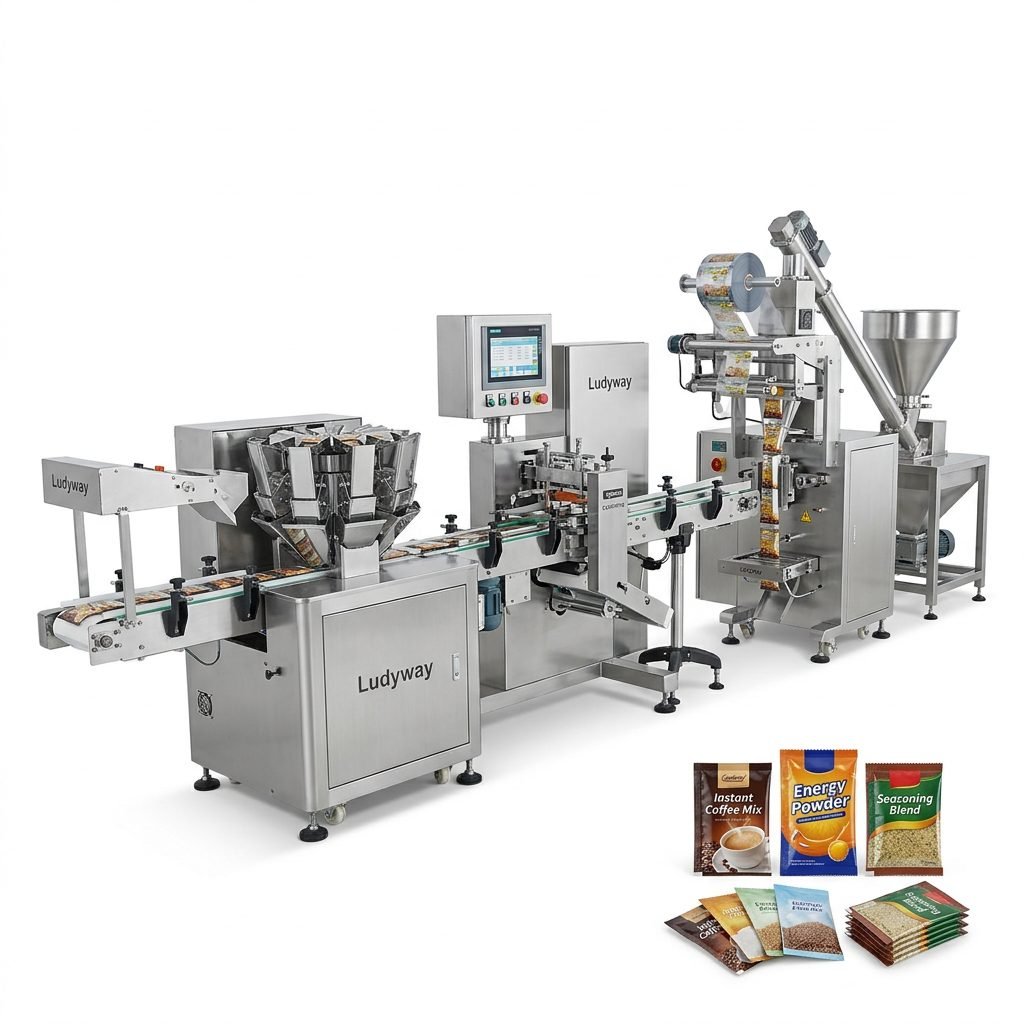
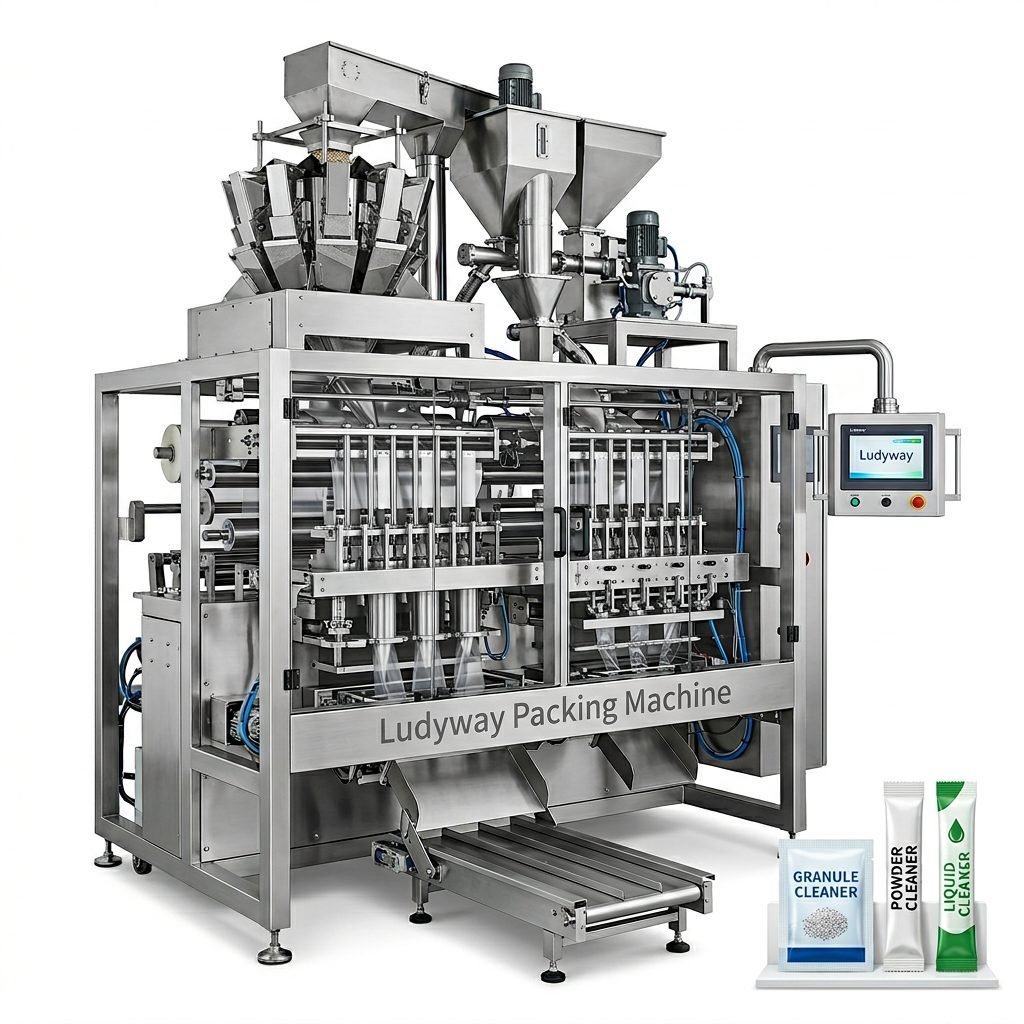
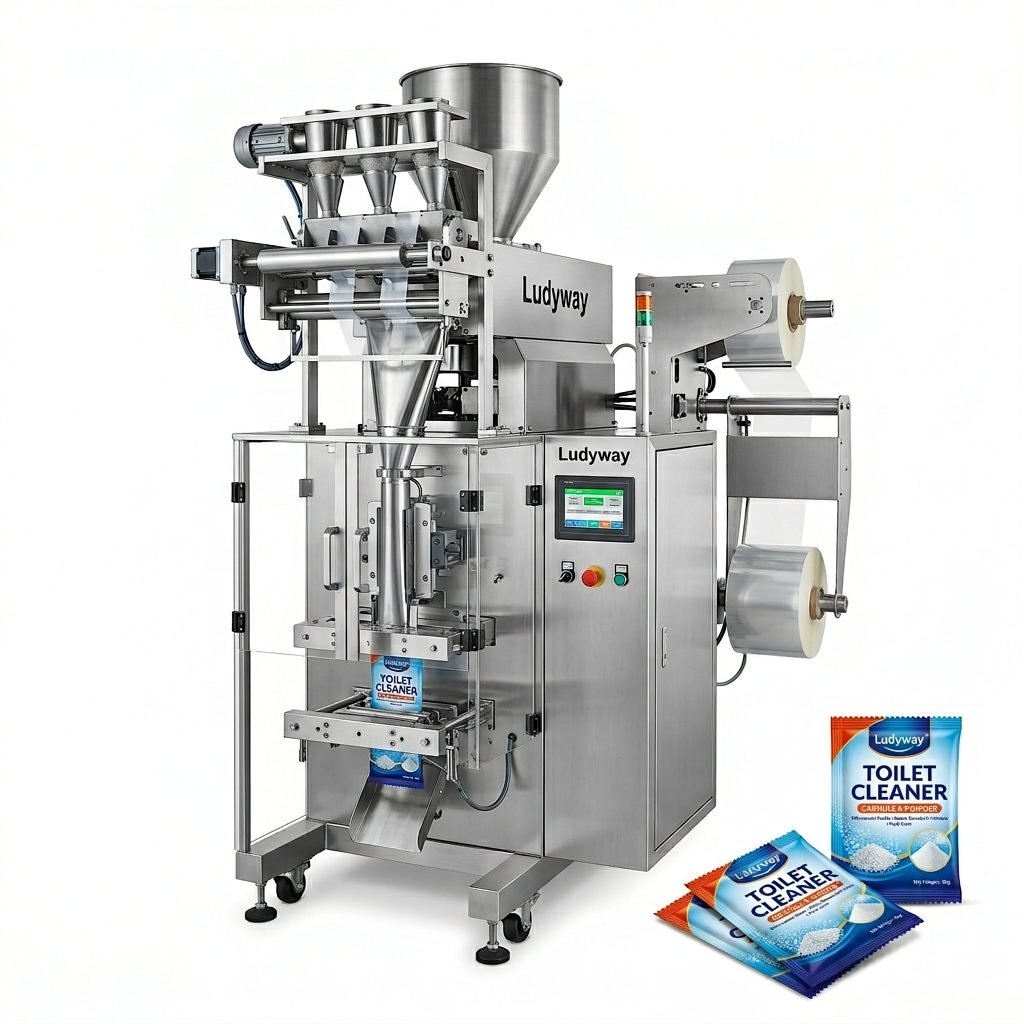
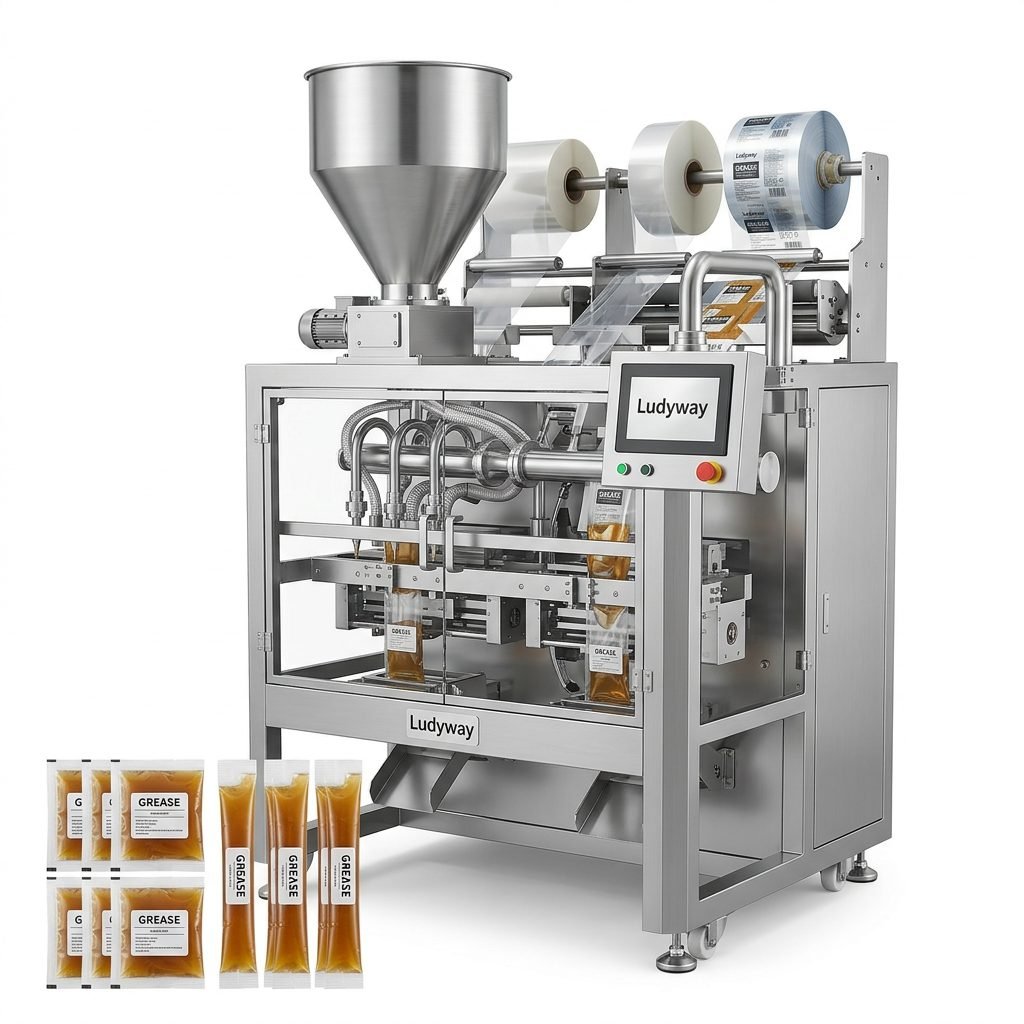
Choosing a tablet packaging machine is a strategic investment that directly impacts your production efficiency, product integrity, and long-term operational costs. Whether you are packaging pharmaceutical tablets, effervescent vitamins, or confectionery products, the right machinery must balance speed, precision, and format flexibility. This guide breaks down the essential factors to evaluate before making your purchase.
Understanding Tablet Packaging Configurations
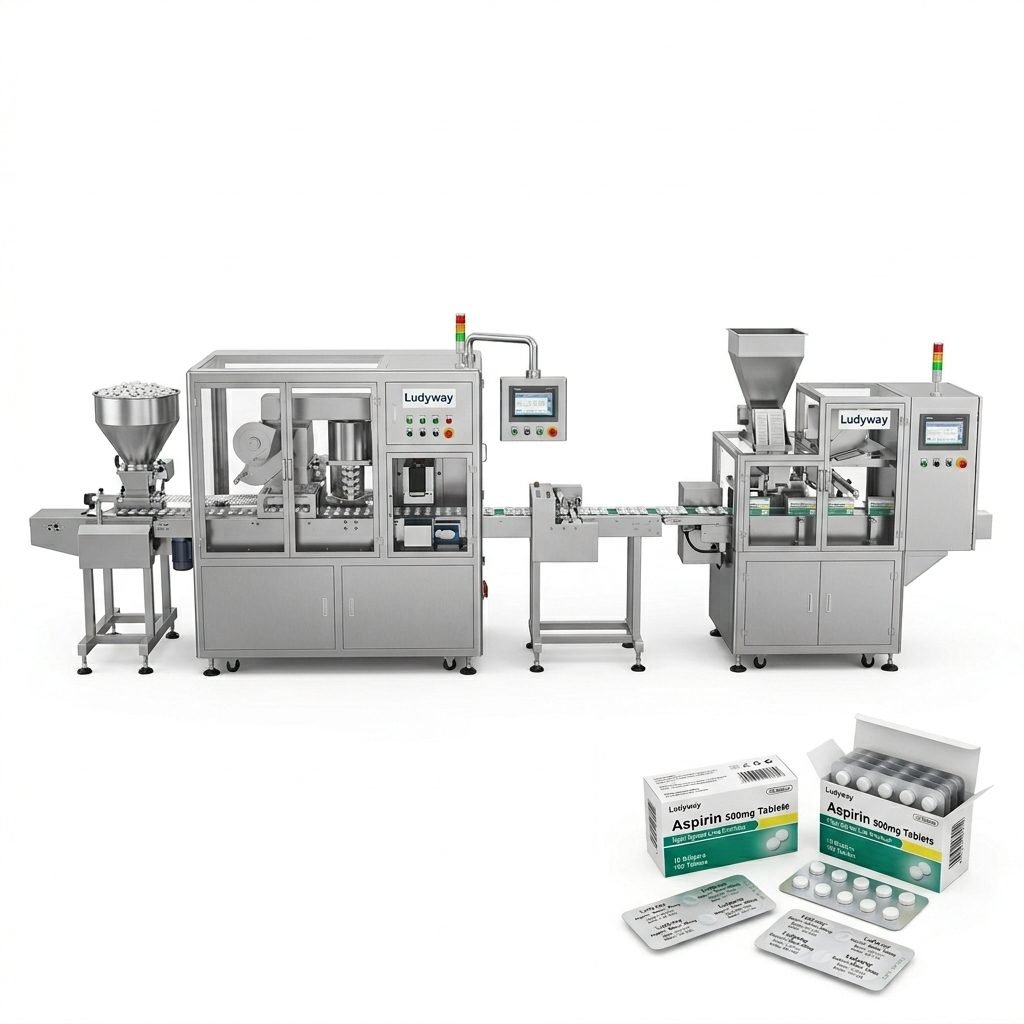
The first step is identifying the packaging format that suits your market and product. Tablet packaging machinery typically falls into several primary configurations. The choice between a blister packaging line, a strip pack system, or a bottle filling line depends on your product’s sensitivity to moisture, light, and mechanical stress.
- Blister Packaging: Ideal for solid-dose pharmaceuticals, offering excellent barrier protection and unit-dose presentation.
- Strip Pack Packaging: Provides a continuous sealed chain of tablets, popular for effervescent and powder-compressed products.
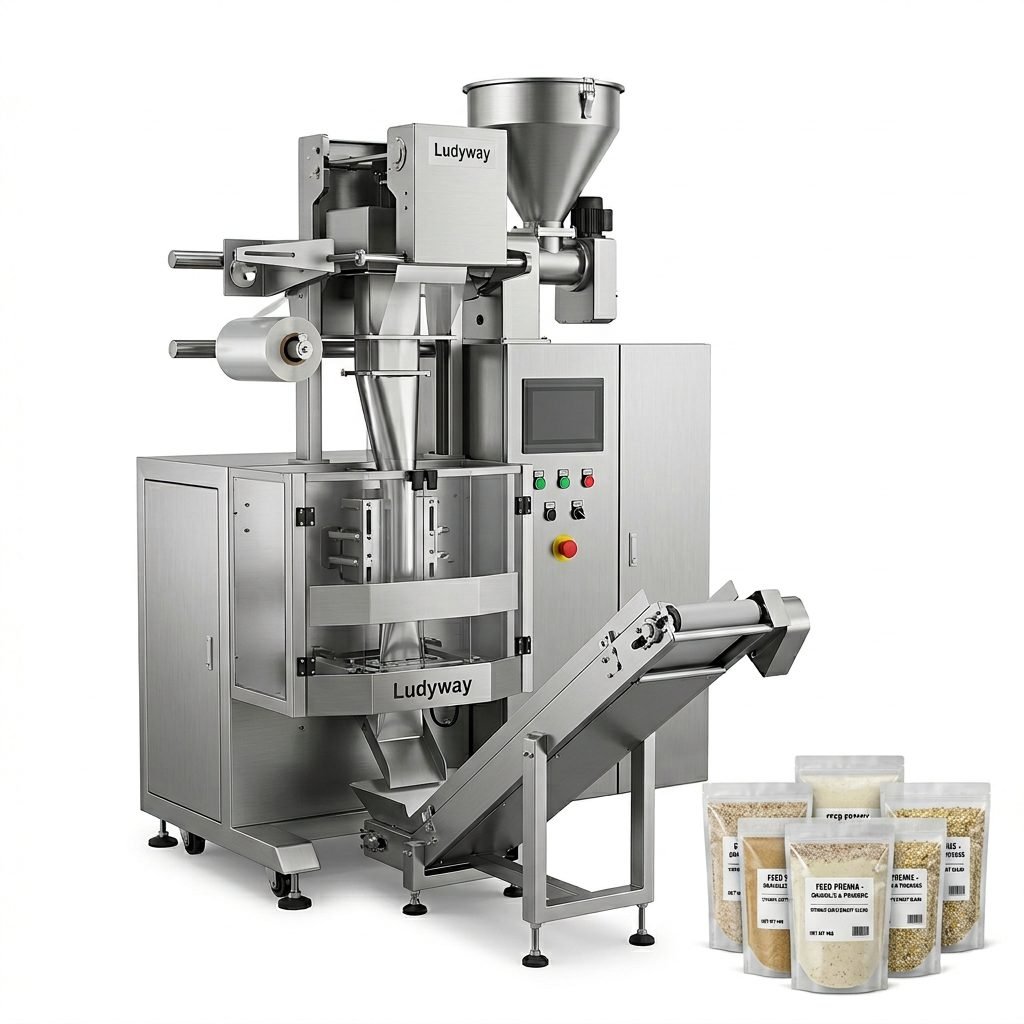
- Bottle Filling Lines: Requires integration with counting machines, desiccant inserters, and capping machines for high-volume nutraceuticals.
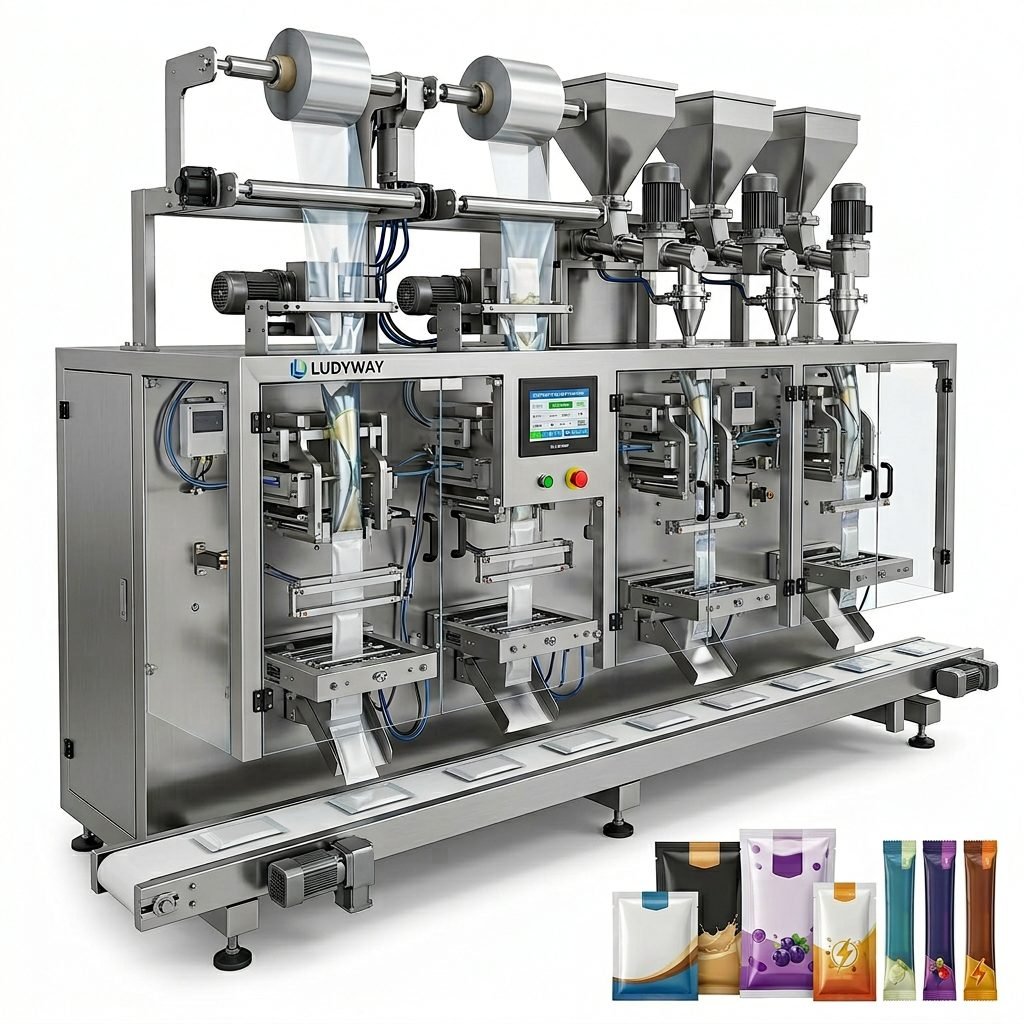
- Stick Pack & Sachet: Suitable for single-dose powder or granule tablets, often seen in energy or health supplements.
Key Factors to Evaluate Before Buying
To select a machine that meets regulatory packaging standards, you must conduct a thorough analysis of your production specifications. Don’t just look at the price tag; assess the total cost of ownership.
| Feature | Why It Matters | Technical Specification to Check |
|---|---|---|
| Speed & Output | Directly affects your production capacity and ability to meet market demand. | Packs per minute (ppm) vs. tablets per minute. |
| Changeover Time | Crucial if you run multiple tablet sizes or packaging formats on one line. | Tool-less changeover vs. manual adjustment time. |
| Material Compatibility | Sealing temperature and pressure must match your lidding foil or film without damaging the tablet. | Sealing temperature range and dwell time control. |
| Integration Capability | The machine must communicate with upstream feeders and downstream cartoners. | PLC interface, IoT readiness, and signal exchange protocols. |

The Importance of Precision Dosing and Counting
In the tablet packaging industry, accuracy is non-negotiable. Overfilling leads to product giveaway and profit loss, while underfilling risks regulatory non-compliance and brand damage. Modern machines utilize multi-channel electronic counters and vision inspection systems. When reviewing specifications, look for systems that offer dynamic weight checking and rejection mechanisms to ensure zero-defect packaging. This is especially critical if you are looking to automate a manual line to meet ISO packaging standards.
Cup Fillers vs. Electronic Counters
- Volumetric Cup Fillers: Cost-effective for uniform, hard tablets where precise numerical count is not legally mandated.
- Electronic Counters: Mandatory for pharmaceutical applications requiring exact pill counts per bottle or blister.
Customization and Turnkey Solutions
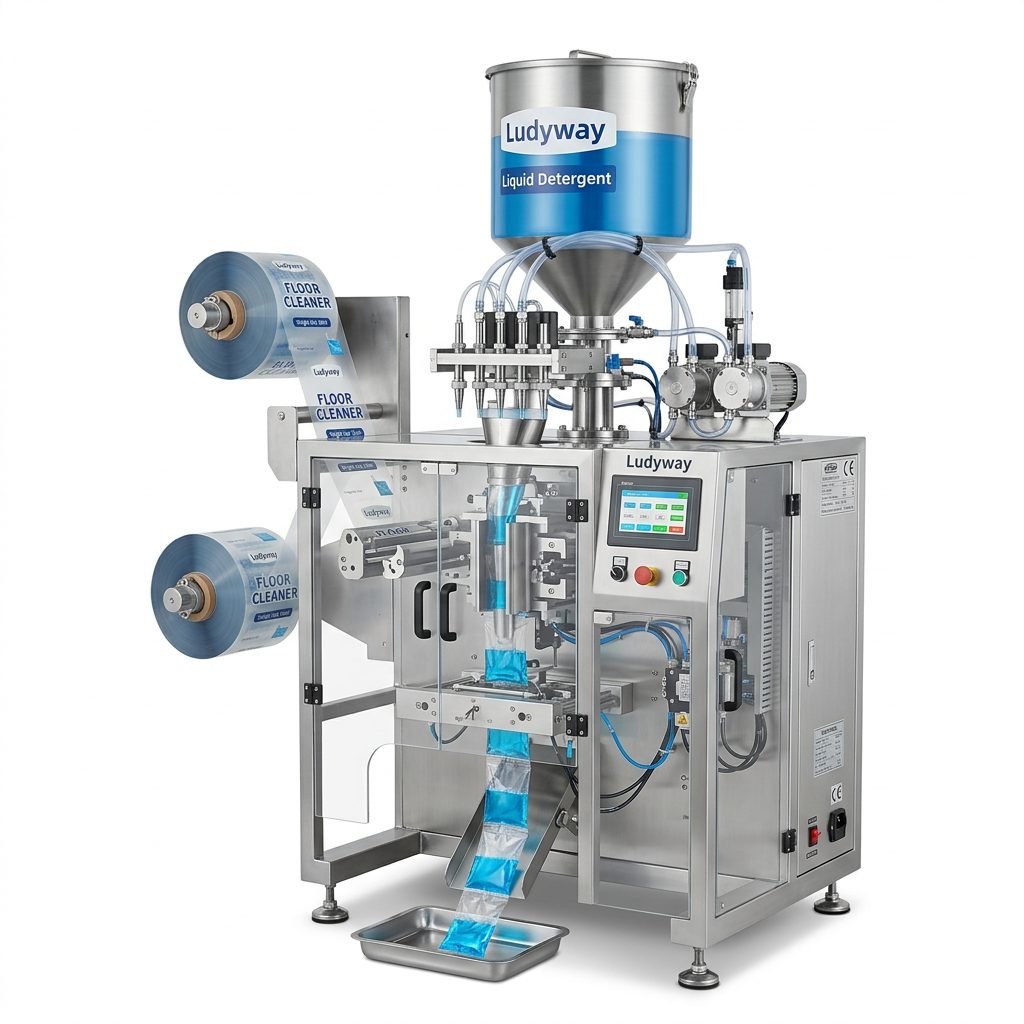
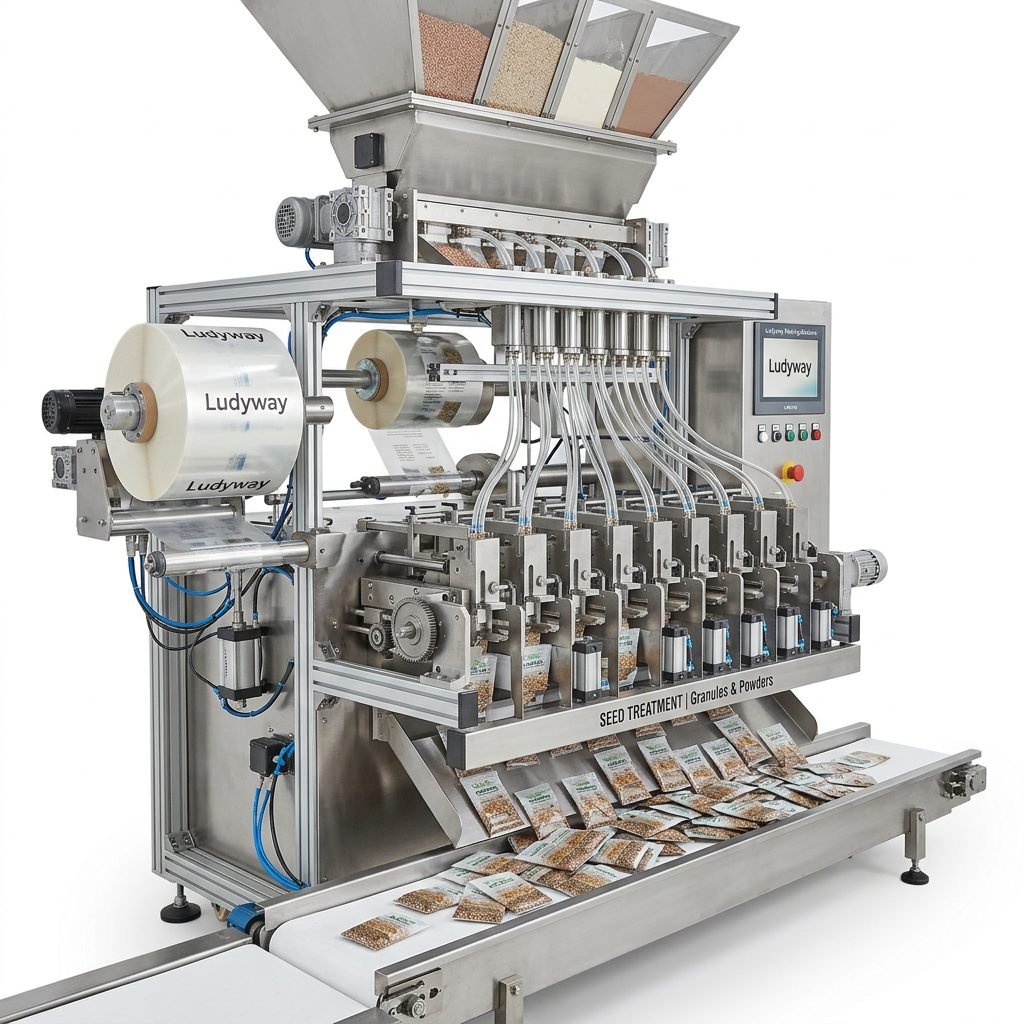
Not all tablets are round and coated. Irregular shapes, friable cores, or hygroscopic formulations often demand customized feeding systems and modified sealing stations. Standardized machines frequently struggle with unusual tablet geometries, leading to jamming and high rejection rates. Partnering with a manufacturer that offers engineering customization is vital. For instance, Ludyway Machinery provides tailored packaging configurations that adapt to specific product characteristics, ensuring gentle handling and consistent sealing integrity.
Ensuring Long-Term Reliability and Compliance
Your tablet packaging line must withstand continuous, high-speed operation. Investigate the build quality of critical components. Frame rigidity, the quality of sealing rollers (often heated), and dust extraction systems directly impact machine longevity.
Checklist for Validated Performance
- Verify the control system architecture (Servo-driven motion offers higher precision than pneumatic systems).
- Assess ease of access for cleaning and maintenance to minimize downtime.
- Confirm the availability of remote diagnostics and local technical support.
Regulatory adherence is another cornerstone, particularly in the pharmaceutical sector. Your equipment should support current Good Manufacturing Practices (cGMP) with features like 21 CFR Part 11 compliant electronic records and signatures. The machine’s design should facilitate sanitary conveyance and contamination prevention, a key concern highlighted by flexible packaging regulatory bodies.

Finding the Right Packaging Machinery Partner
Selecting the optimal tablet packaging solution extends beyond the hardware specifications. You need a partner capable of system integration, validation support, and scalable growth. Look for a supplier with a robust portfolio covering multiple dosing and bagging technologies—from high-speed automated lines to compact manual-assist units.
Ultimately, the right machine balances speed, safety, and smart design. By focusing on format flexibility, counting accuracy, build quality, and after-sales engineering support, you can select a system that delivers performance consistency well into the future.