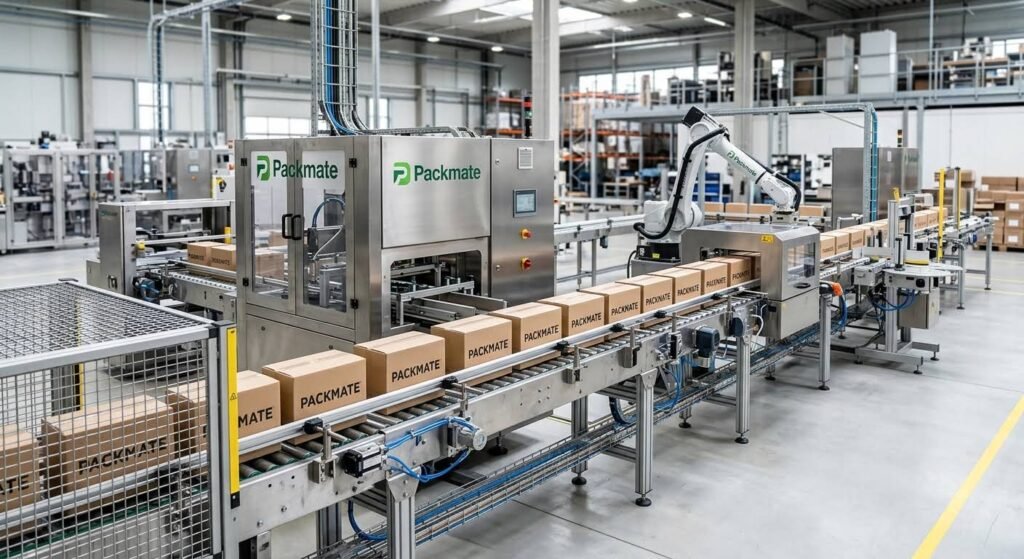
In today’s fast-paced food production landscape, efficiency, hygiene, and product integrity are non-negotiable. Whether you’re packaging aromatic coffee granules, delicate spices in powder form, or viscous sauces and oils, the right machinery is the cornerstone of a successful operation. This article delves into high-efficiency automatic systems designed specifically for granule, powder, and liquid food products, exploring the technologies that drive productivity and ensure consistent, high-quality packaging.
Understanding the Core Challenges in Food Packaging
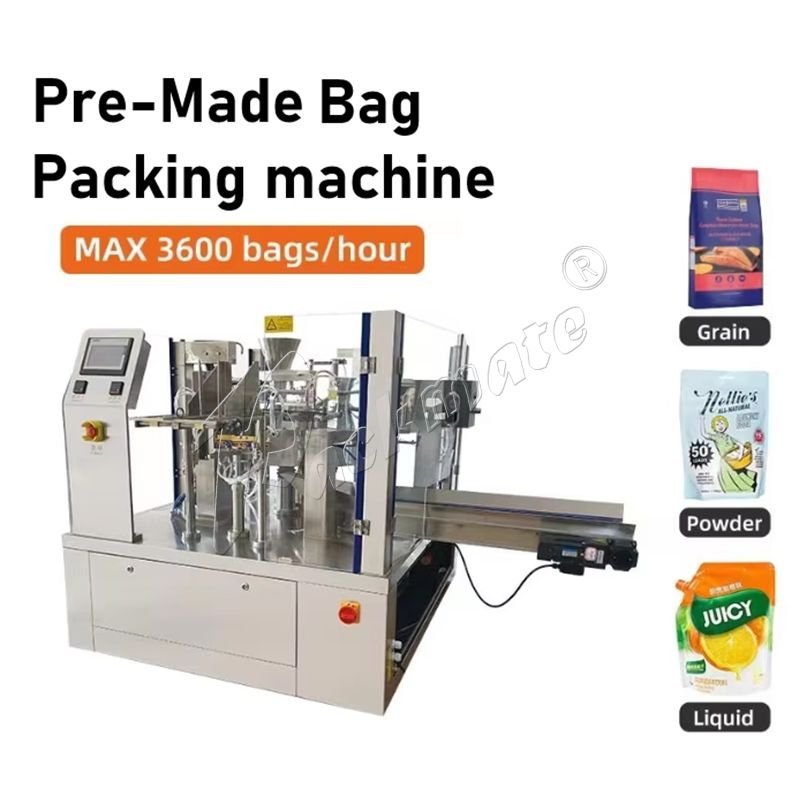
Packaging different food consistencies presents unique hurdles. Granules, like sugar or grains, require precision filling to avoid waste and ensure accurate portion control. Powders, such as flour or protein supplements, are prone to dusting and caking, demanding airtight seals and anti-static measures. Liquids, from water to syrups, need leak-proof integrity and often, specialized handling for viscosity. An automatic system must seamlessly address all these variables while maintaining high-speed operation.
Key Takeaway: The primary goal of modern food packaging machinery is to provide a versatile, hygienic, and ultra-efficient solution that minimizes human intervention, reduces product giveaway, and maximizes output for businesses of all scales.
Granule Packaging: Precision in Every Particle
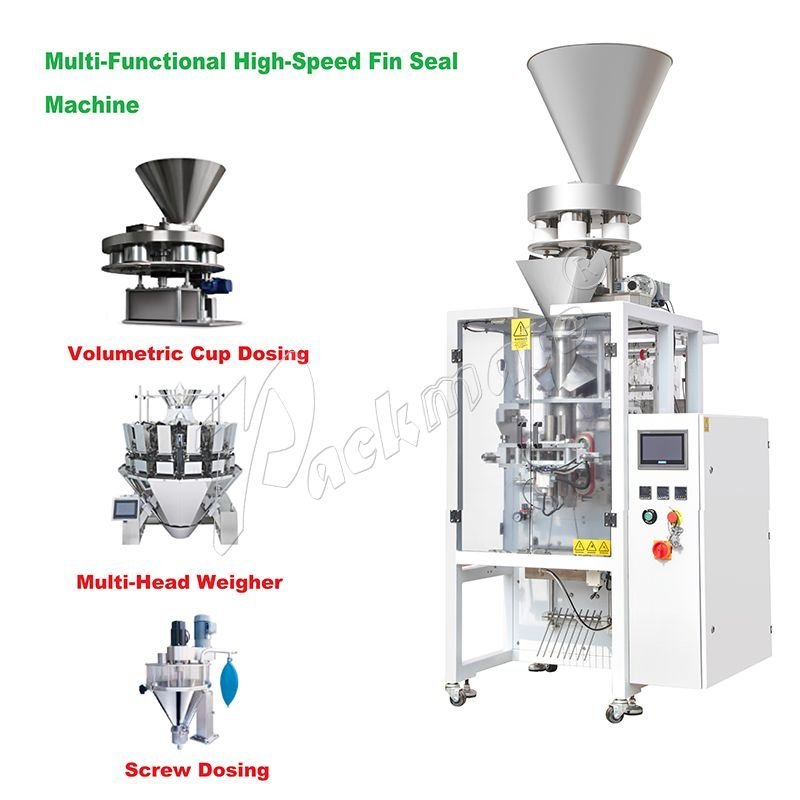
Automatic granule packaging systems are engineered for accuracy. They typically employ advanced volumetric or auger filling technology, capable of handling products from fine seeds to larger pellets. Modern machines feature multi-head weighers for unparalleled speed and precision, ideal for snack foods, coffee, and frozen vegetables. Look for systems with vibration-assisted funneling to ensure complete product transfer and servo-driven film feeding for perfect bag alignment and seal integrity.
Powder Packaging: Containing the Flow
Powder packaging demands control over dust and precise fill weight. High-efficiency systems use stainless steel auger fillers with anti-bridging designs to prevent clogging. Nitrogen flushing is a common feature to displace oxygen, extending shelf life and preventing oxidation for sensitive products like milk powder or spices. Integrated sifters and de-aeration mechanisms are crucial for achieving consistent bag size and appearance, which is vital for brand presentation on retail shelves.
Liquid Packaging: Seal Integrity is Everything
For liquids, the focus shifts to containment and hygiene. Automatic liquid fillers use piston, gravity, or pressure-based filling methods to handle a wide range of viscosities. Critical features include drip-free nozzles, CIP (Clean-in-Place) capabilities for easy sanitation, and robust sealing systems—often using double or triple seals—to guarantee a perfect, leak-proof package. These systems are indispensable for sauces, dressings, edible oils, and dairy products.
The Heart of Efficiency: Automated System Integration
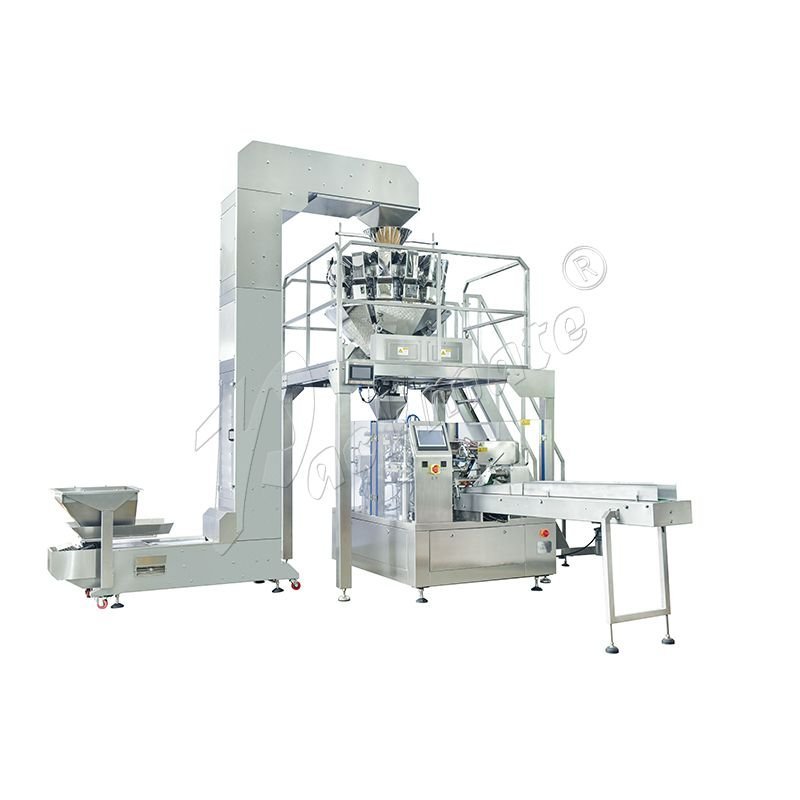
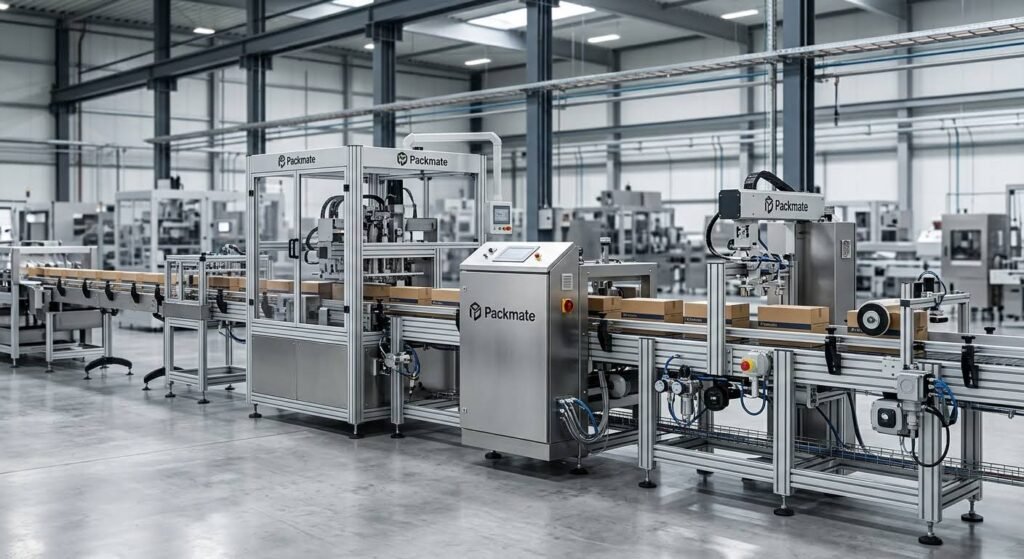
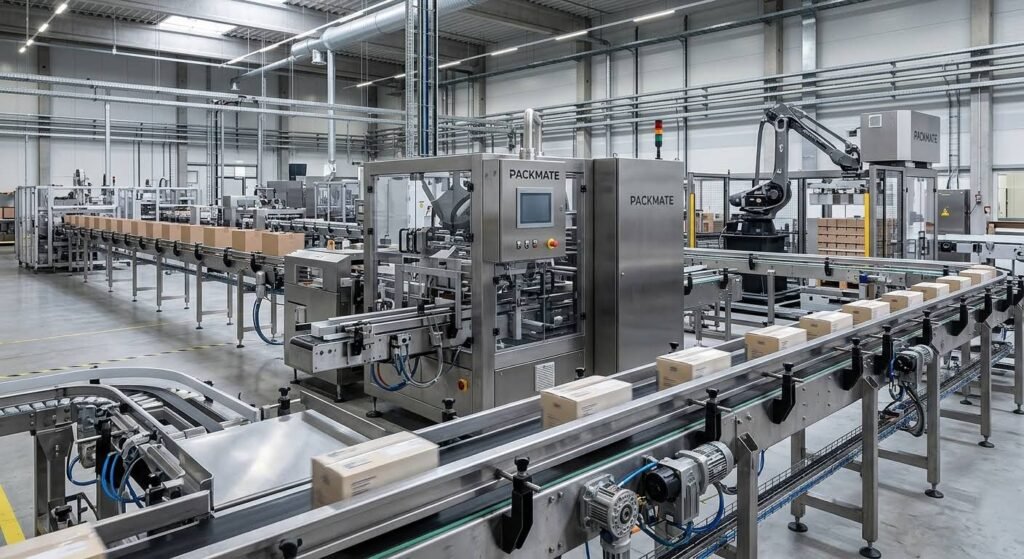
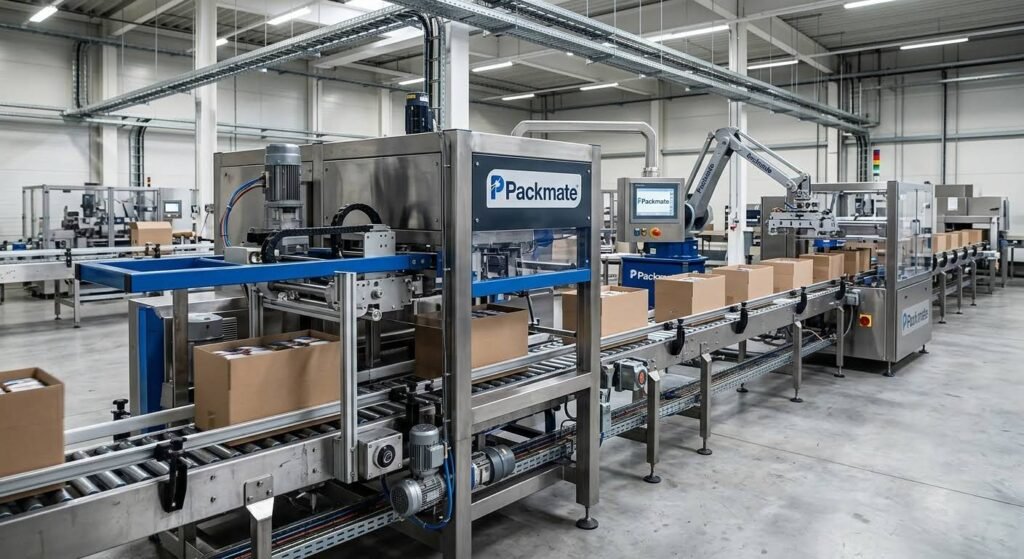
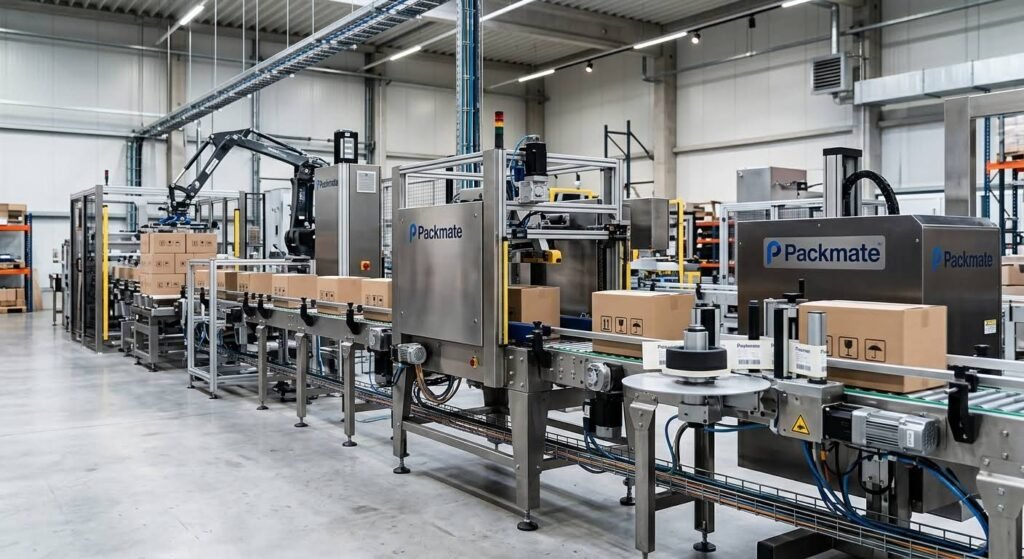
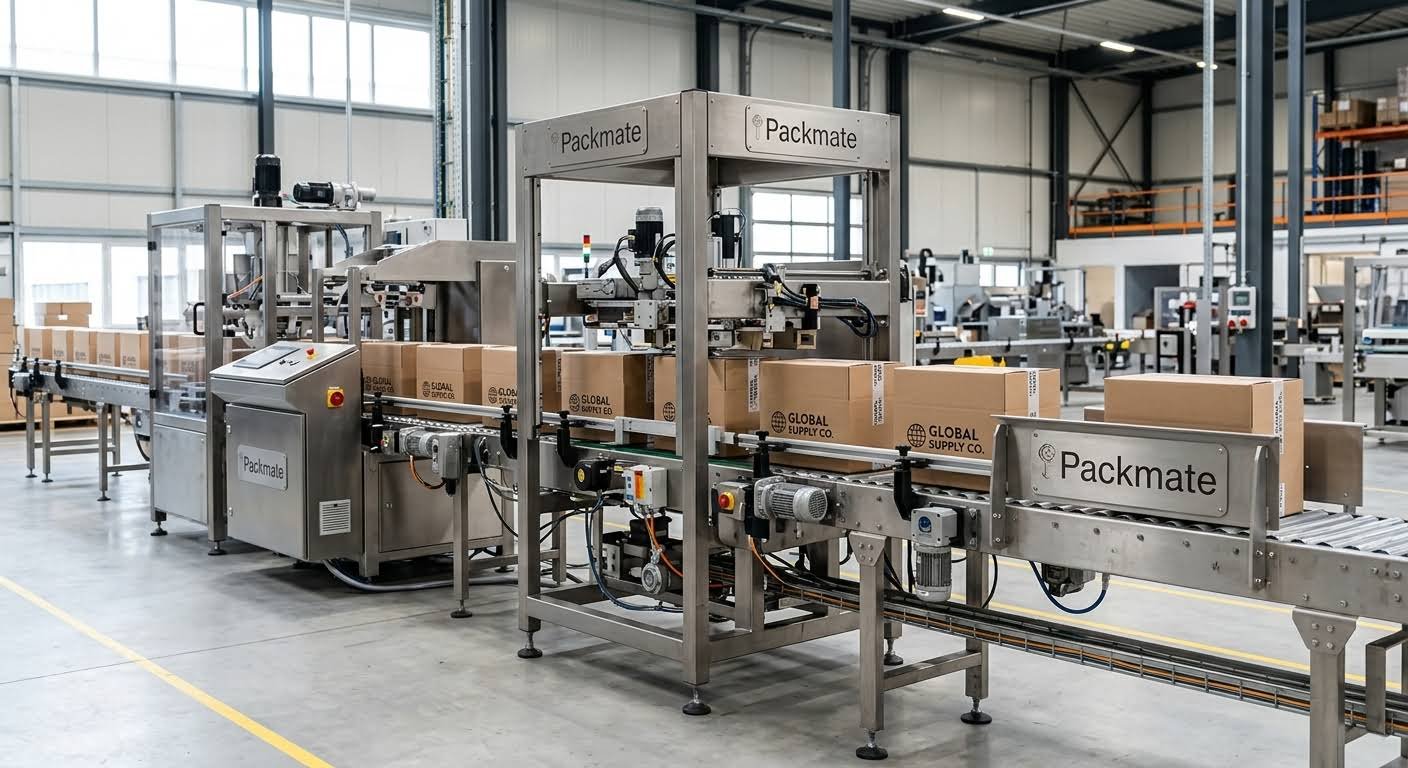
A true high-efficiency solution goes beyond a single machine. It involves the integration of several automated components into a seamless production line. This can include automated bag feeding, product conveying, filling, sealing, coding, and cartoning. The central nervous system is a Programmable Logic Controller (PLC) with a user-friendly HMI (Human-Machine Interface), allowing for quick changeovers between different products and package sizes, drastically reducing downtime.
Benefits of a Fully Integrated Automatic Packaging Line
- Dramatically Increased Output: Machines can operate 24/7 at speeds far exceeding manual lines.
- Unmatched Consistency: Every package has the same weight, appearance, and seal quality.
- Significant Labor Savings: Reduces reliance on manual packing, lowering costs and ergonomic risks.
- Enhanced Hygiene & Safety: Minimizes product contact with operators, meeting strict food safety standards like HACCP and FDA guidelines.
- Reduced Material Waste: Precision filling cuts down on product giveaway, and accurate sealing reduces film waste.
Choosing the Right Partner for Your Packaging Needs
Selecting a machinery supplier is as important as selecting the machine itself. You need a partner with proven expertise and the ability to provide a comprehensive turnkey solution. A supplier with deep industry experience, like Ludyway Packing Machine, can offer invaluable guidance. They don’t just sell equipment; they analyze your specific product characteristics, desired output, and factory layout to recommend and configure the optimal system. Post-installation support, including training, spare parts availability, and technical service, is critical for long-term operational success.
Investing in a high-efficiency automatic packaging system for granules, powder, or liquid is a strategic decision that pays dividends in productivity, quality, and cost savings. By understanding the specific requirements of your product form and partnering with an experienced provider, you can build a packaging operation that is robust, reliable, and ready to scale with your business growth. For more insights into building a complete production line, explore our resources on integrated packaging solutions.
Frequently Asked Questions (FAQs)
1. What is the typical speed range for an automatic granule/powder packaging machine?
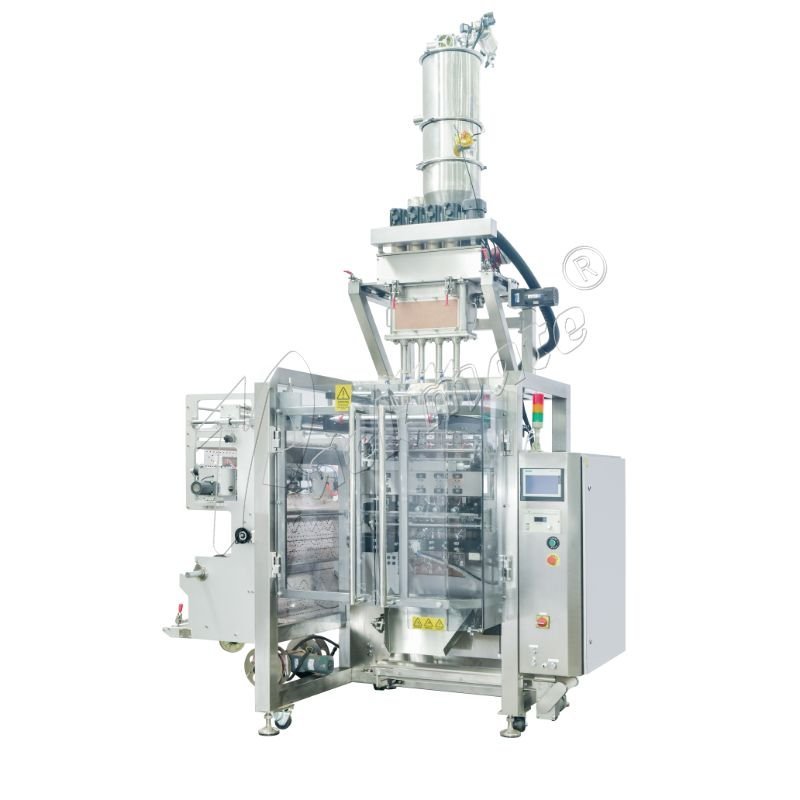
Speeds vary greatly based on the machine model, number of filling heads, and package size. Standard vertical form-fill-seal (VFFS) machines can range from 40 to 120 bags per minute. Multi-lane stick pack machines for powders or granules can achieve speeds exceeding 400 sticks per minute.
2. Can one machine handle both powder and granule products?
Many machines are designed with versatility in mind. By changing the filling head (e.g., from an auger for powder to a cup filler for granules) and adjusting the PLC parameters, a single machine can often package different types of dry products. It’s essential to consult with the supplier to confirm compatibility for your specific products.
3. How important is nitrogen flushing for powder packaging?
For products sensitive to oxygen, like certain spices, instant coffee, or nutritional powders, nitrogen flushing is crucial. It displaces oxygen inside the package, significantly extending shelf life, preventing oxidation, and preserving flavor, color, and nutritional value.
4. What maintenance does a liquid filling machine require?
Regular maintenance is key. Daily cleaning (often facilitated by CIP systems), weekly checks of seals and O-rings, and periodic lubrication of moving parts are standard. The level of maintenance depends on the product’s corrosiveness and the machine’s hours of operation.
5. What safety standards should I look for in food packaging machinery?
Machinery should be constructed with food-grade materials (e.g., 304 or 316 stainless steel) and designed for easy cleaning. Look for compliance with international standards relevant to your market, such as CE (Europe), FDA (USA), or GB (China) for food contact surfaces. Electrical components should have appropriate IP ratings for washdown environments.