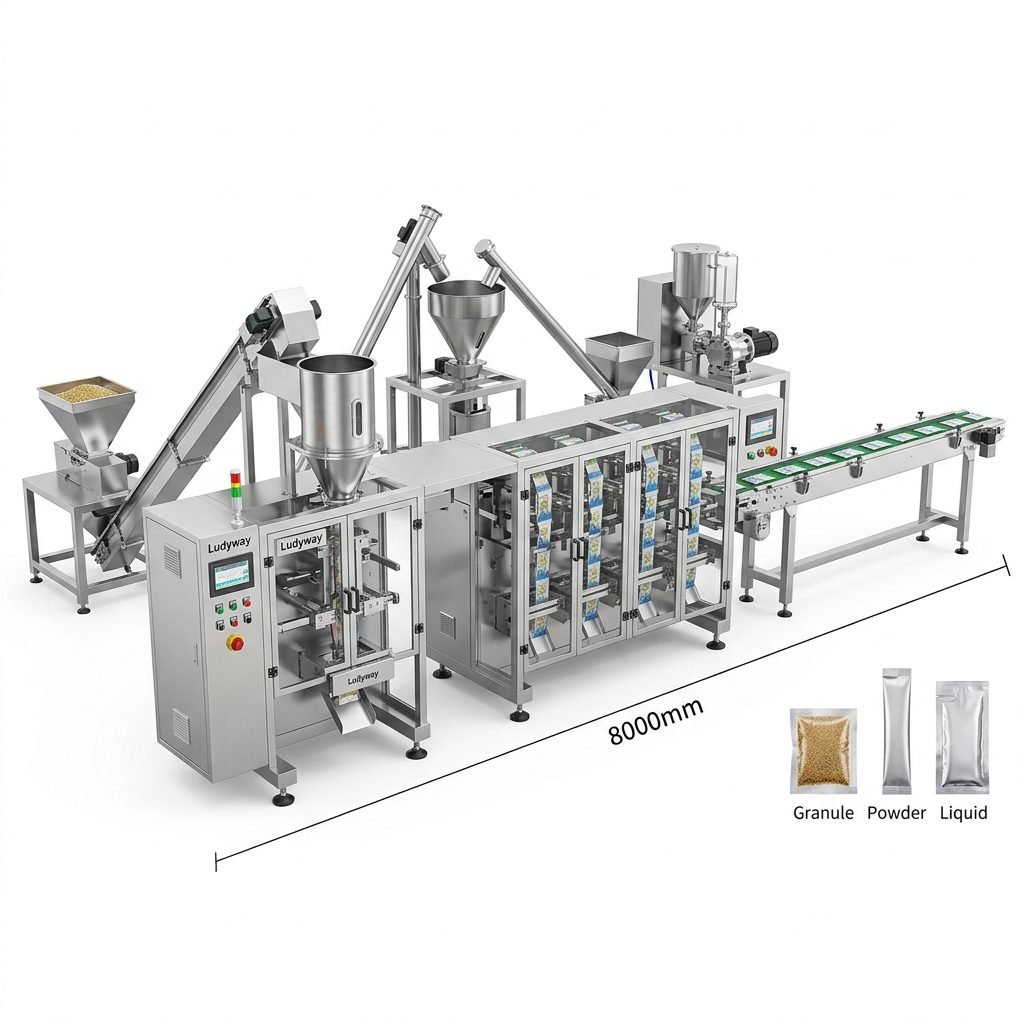
In modern manufacturing, an automatic packing and sealing machine is no longer just a productivity upgrade—it is a core part of building a faster, cleaner, and more reliable packaging operation. Whether you produce food, pharmaceuticals, cosmetics, chemicals, or daily-use products, the right machine can significantly improve output, reduce labor dependency, and deliver consistent package quality at scale.
This guide explains how automatic packing and sealing machines work, what types are available, where they are used, and how to choose the right system for your production goals.
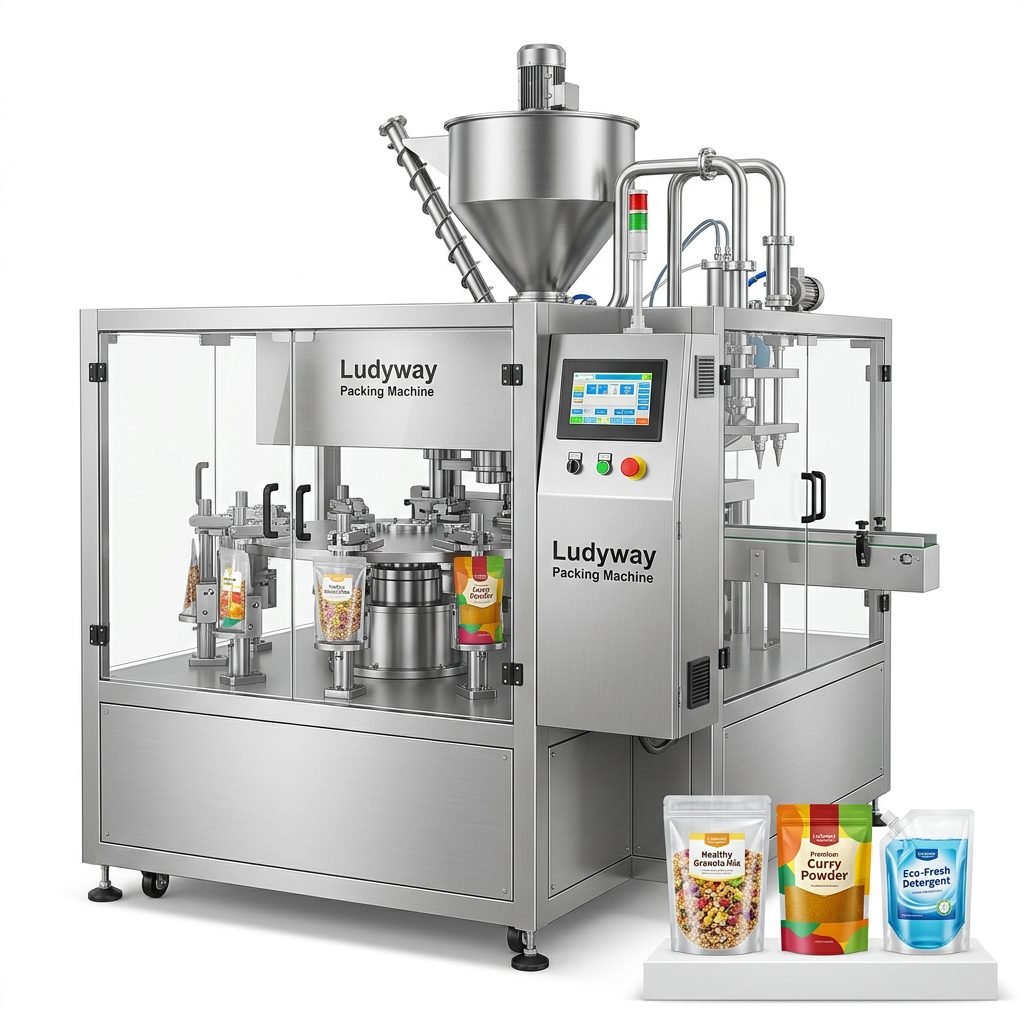
What Is an Automatic Packing and Sealing Machine?
An automatic packing and sealing machine is equipment designed to complete one or more packaging steps automatically, including product feeding, measuring, filling, pouch or bag forming, sealing, coding, and discharge. Compared with manual or semi-automatic methods, it helps manufacturers achieve:
- Higher packaging speed
- Improved seal consistency
- Lower product waste
- Better hygiene and reduced contamination risk
- More stable package appearance
- Lower long-term labor costs
These machines are commonly used for powders, granules, liquids, pastes, tablets, capsules, and pouch-based products. Depending on the packaging format, they may create sachets, stick packs, pouches, bags, or sealed containers.
How Does an Automatic Packing and Sealing Machine Work?
Although machine structures vary, the basic workflow usually follows these steps:
- Product feeding: Raw product enters the system through a hopper, pump, auger, or conveyor.
- Metering or dosing: The machine measures the required amount using volumetric, gravimetric, auger, piston, or multi-head weighing systems.
- Package forming or placement: Film is formed into a package, or premade pouches/containers are positioned.
- Filling: The measured product is dispensed into the package.
- Sealing: Heat sealing, ultrasonic sealing, or other sealing methods close the package securely.
- Printing and coding: Batch numbers, production dates, or traceability data may be added.
- Output and inspection: Finished packs move to checkweighers, metal detectors, cartoners, or case packing systems.
Main Types of Automatic Packing and Sealing Machines
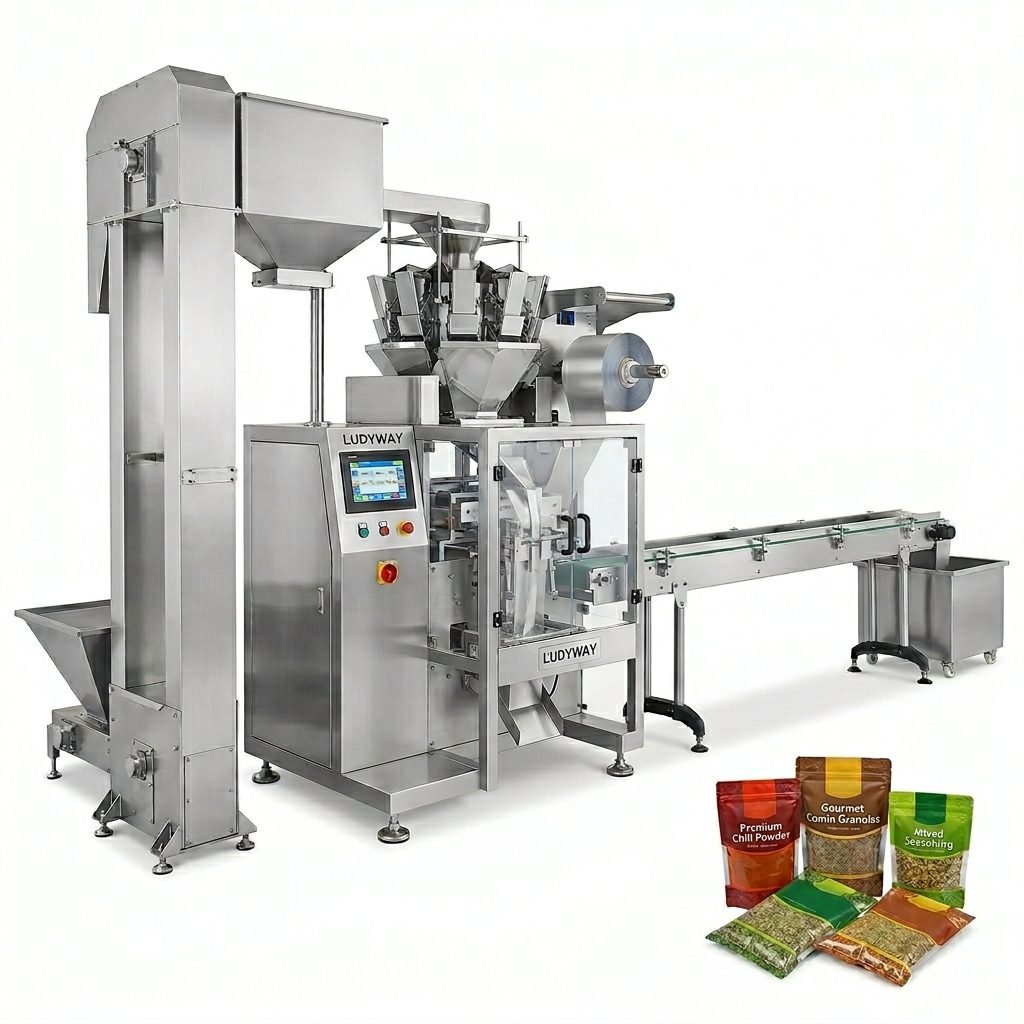
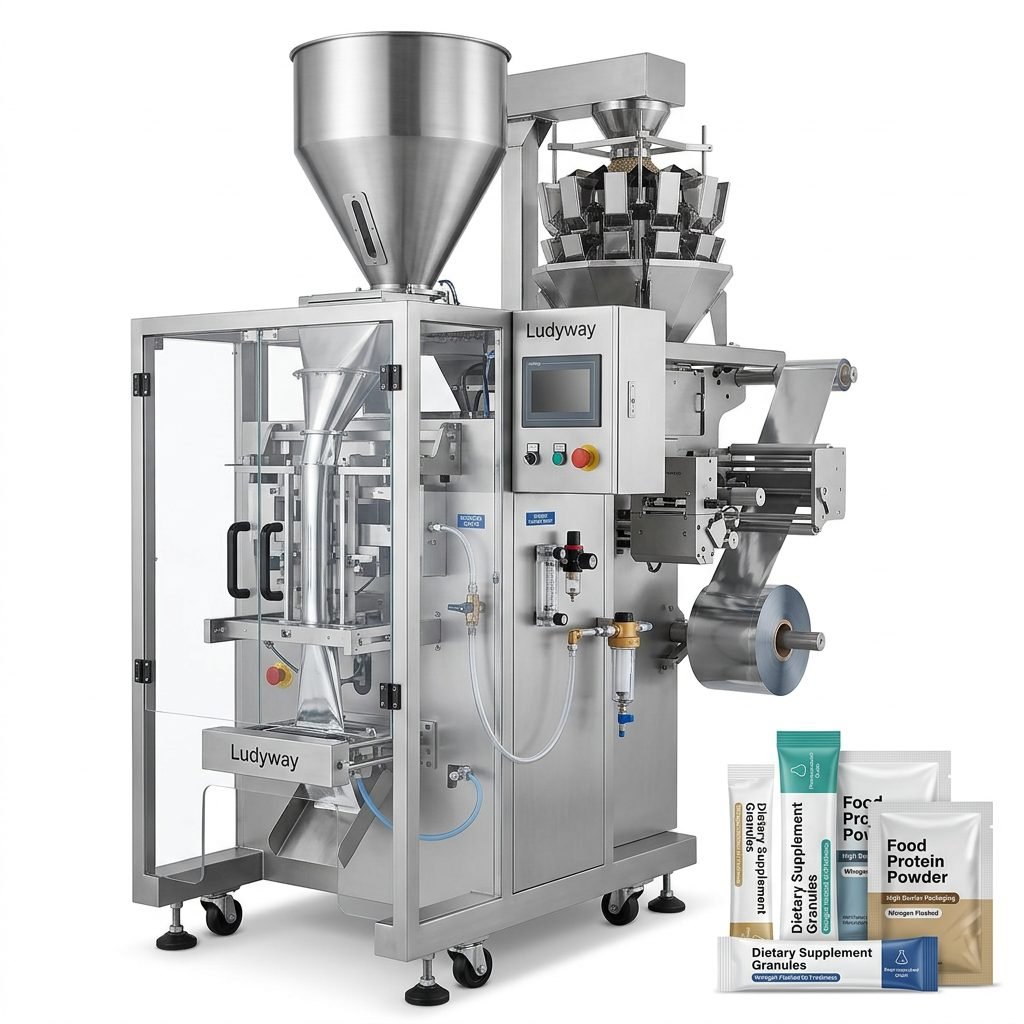
1. Vertical Form Fill Seal Machines
VFFS machines form bags from roll film, fill them with product, and seal them in one automated cycle. They are popular for powders, granules, and some liquids.
- Suitable for pillow bags, gusset bags, and other flexible formats
- Efficient for medium to high-speed production
- Common in food, seasoning, coffee, and chemical packaging
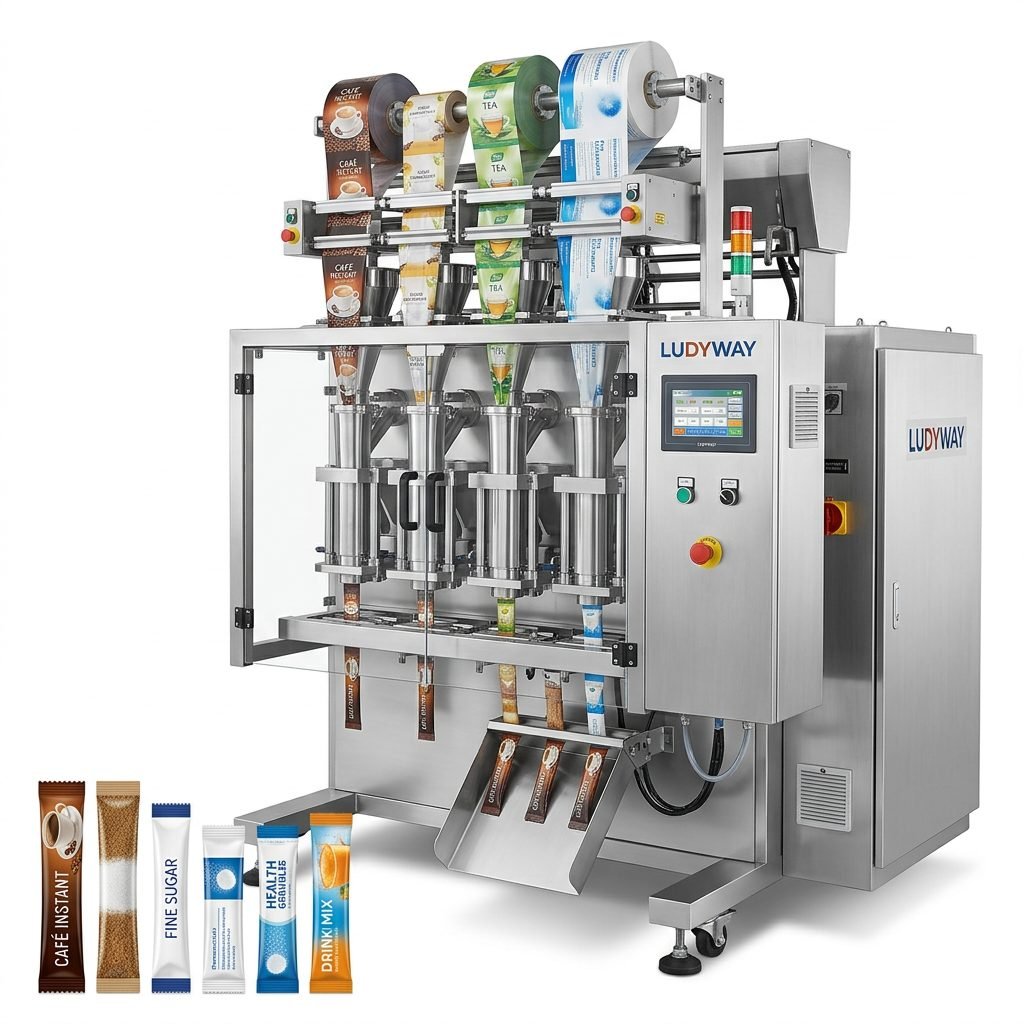
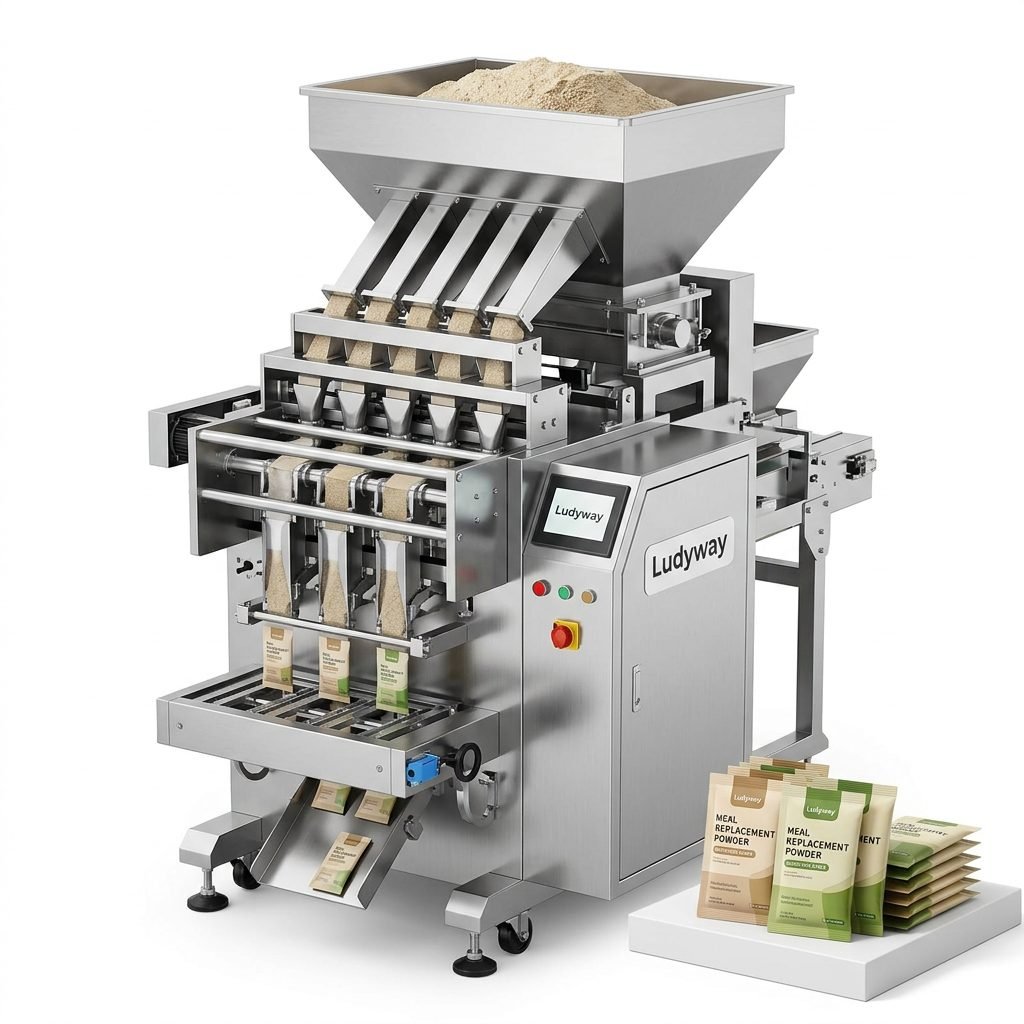
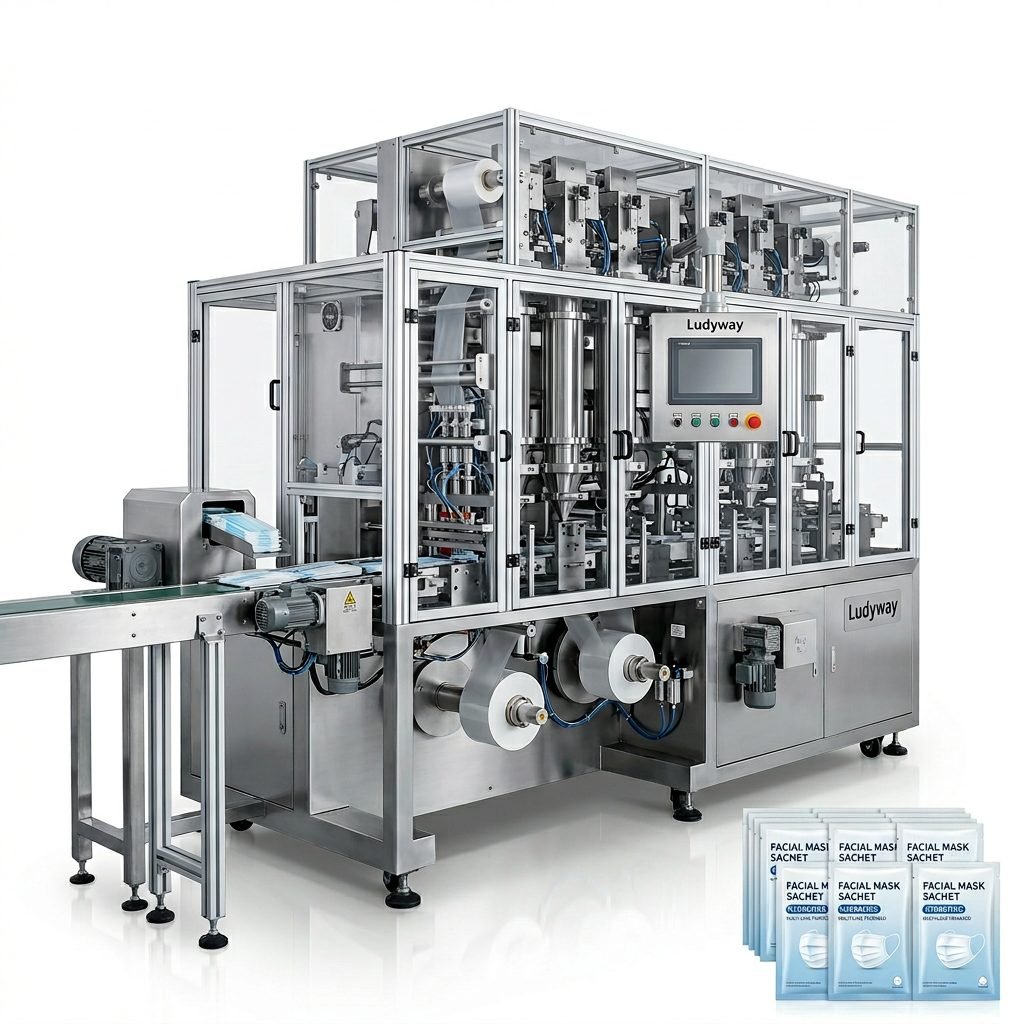
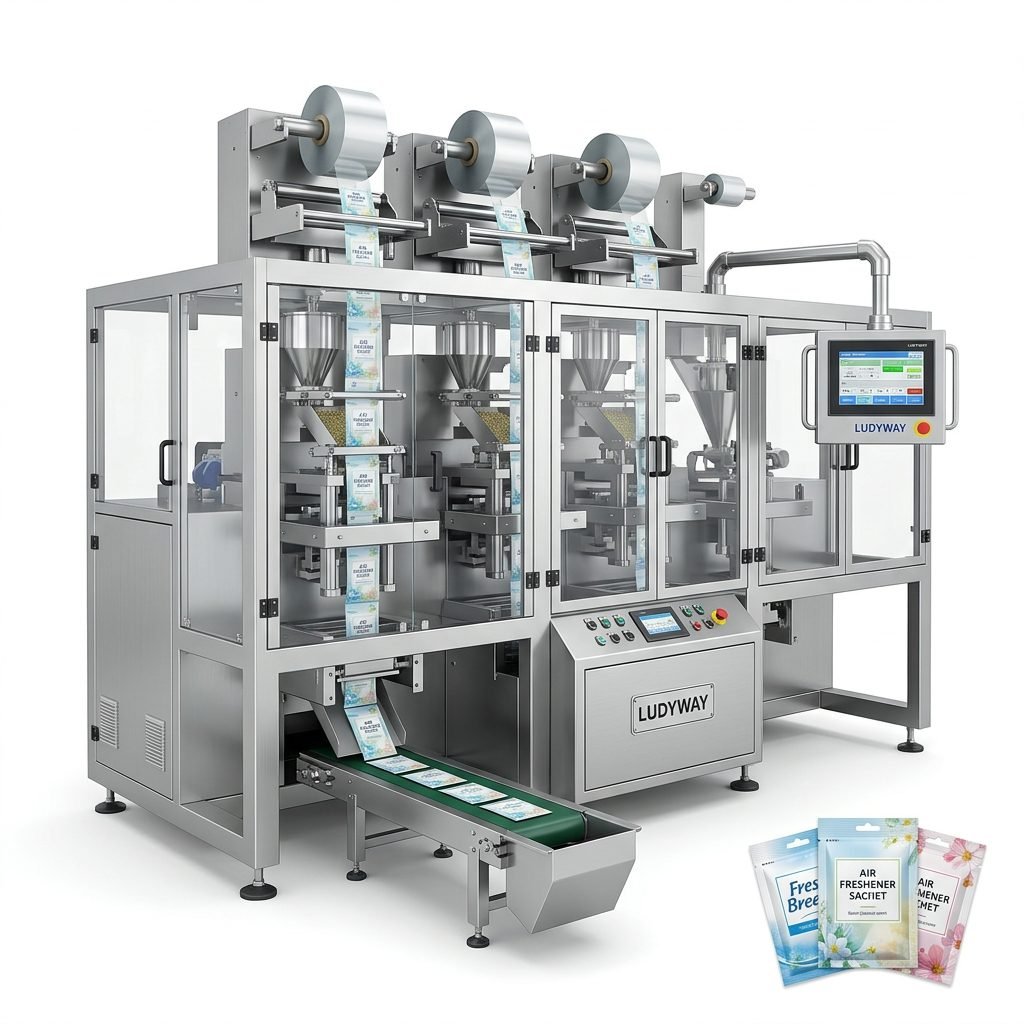
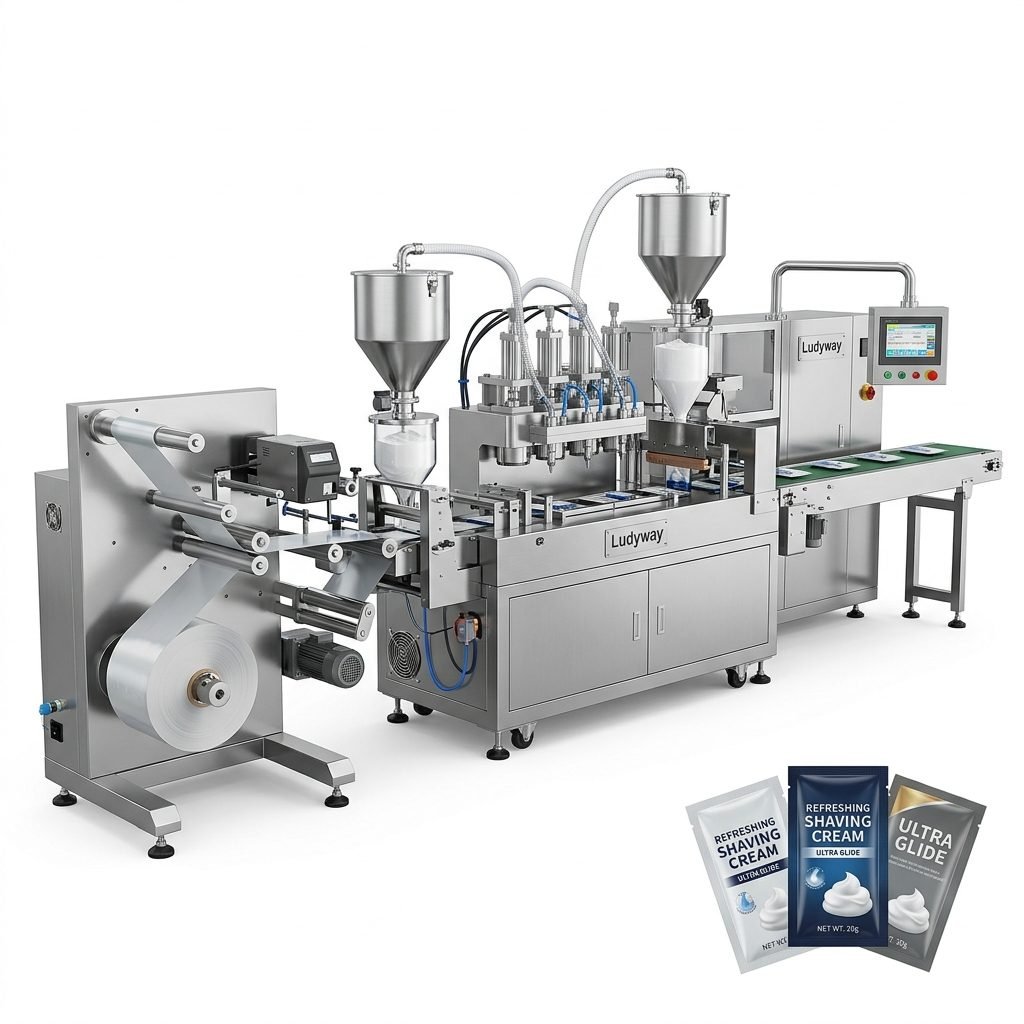
2. Sachet and Stick Pack Machines
These machines are ideal for single-dose or small-portion packaging. They are widely used for drink powders, pharmaceutical granules, sauces, shampoos, serums, and nutritional supplements.
- Excellent for retail, travel-size, and trial packs
- Available in multi-lane high-speed designs
- Suitable for powder, liquid, paste, and granule applications
3. Premade Pouch Filling and Sealing Machines
These systems fill and seal ready-made pouches instead of forming them from film. They are often used for stand-up pouches, zipper pouches, and shaped bags.
- Premium shelf presentation
- Flexible pouch style options
- Good for snacks, pet food, powders, liquids, and specialty products
4. Bottle, Jar, and Container Filling-Sealing Lines
For liquid and semi-liquid products, complete lines may include bottle unscrambling, filling, capping, induction sealing, labeling, and cartoning.
- Common in pharmaceutical and cosmetic industries
- Suitable for syrups, serums, lotions, oils, and disinfectants
- Supports integrated traceability and quality inspection
5. Tube Filling and Sealing Machines
These are designed for creams, gels, ointments, toothpaste, and cosmetic products packed in laminated or plastic tubes.
Industries That Use Automatic Packing and Sealing Machines
Automatic packaging technology is now essential across many sectors:
| Industry | Typical Products | Common Machine Types |
|---|---|---|
| Food | Coffee, spices, sugar, sauces, snacks, milk powder | VFFS, sachet, stick pack, pouch machines |
| Pharmaceutical | Granules, powders, oral liquids, tablets, medical products | Sachet lines, bottle filling lines, sterile packaging systems |
| Cosmetics | Creams, lotions, serums, shampoos, face masks | Sachet packers, tube fillers, bottle filling machines |
| Chemical | Detergents, additives, cleaners, pesticides, powders | Sachet machines, heavy-duty filling lines, bagging systems |
| Animal Feed & Pet Care | Pellets, supplements, kibble, probiotics | Bagging lines, pouch fillers, multi-lane sachet systems |
Key Benefits of Automatic Packing and Sealing Machines
Faster Production Output
Automation dramatically increases throughput. High-speed multi-lane systems can pack large quantities in less time than manual operations, making them ideal for growing brands and industrial-scale factories.
Consistent Seal Quality
Proper sealing is critical for shelf life, product safety, and customer satisfaction. Automated systems maintain more uniform sealing pressure, temperature, and dwell time than hand-operated methods.
Improved Accuracy
Accurate filling reduces giveaway and helps meet packaging regulations. This is especially important for pharmaceutical, nutraceutical, and premium food products.
Lower Labor Dependence
By automating repetitive tasks, companies can reduce manual handling, lower operating costs, and manage production more efficiently even when labor availability fluctuates.
Better Hygiene and Compliance
Enclosed automatic systems support cleaner production environments and can be designed to meet GMP or food-grade standards where required.
Scalability
A well-designed machine or packaging line can scale with your business, allowing upgrades in speed, lane count, coding, cartoning, or end-of-line automation.
What Products Can Be Packed?
One of the biggest advantages of modern automatic packing and sealing equipment is its broad application range. Depending on the filling system, machines can handle:
- Powders: milk powder, protein powder, spices, supplements, pharmaceutical powders
- Granules: sugar, salt, coffee, seeds, detergent granules, feed pellets
- Liquids: sauces, oils, syrups, oral liquids, detergents, cosmetics
- Pastes and gels: ketchup, cream, ointment, serum, shampoo, lotion
- Solid counted items: tablets, capsules, small hardware components
Important Features to Look For
When comparing machines, buyers should focus on features that affect long-term performance and production stability.
Packaging Speed
Choose a machine based on your real production demand, not just the highest advertised speed. The ideal system should maintain stable output under normal operating conditions.
Filling Accuracy
The dosing system should match your product characteristics. Powders often require auger fillers, while liquids may need piston pumps or servo-driven liquid fillers.
Packaging Material Compatibility
Your machine should support the film or pouch materials you plan to use, including laminated films, aluminum foil structures, recyclable materials, or premade pouches.
Changeover Flexibility
If you package multiple SKUs, formats, or fill weights, quick changeover becomes a major advantage. This helps reduce downtime between production runs.
Control System and Interface
User-friendly HMI screens, recipe storage, alarm displays, and multilingual controls make operation easier and training faster.
Integration Capability
Many buyers need a machine that can connect with conveyors, printers, checkweighers, labelers, cartoners, and palletizing systems.
How to Choose the Right Machine for Your Business
The best automatic packing and sealing machine depends on more than price alone. Consider the following factors:
| Selection Factor | Why It Matters |
|---|---|
| Product type | Powder, granule, liquid, or paste requires different filling and sealing methods |
| Package format | Sachet, stick pack, pouch, bottle, or tube determines machine structure |
| Output target | Required packs per minute affects lane number and automation level |
| Factory space | Layout planning is critical for machine placement and material flow |
| Compliance needs | Food-grade, GMP, or specialized industry standards may apply |
| Future expansion | A scalable solution avoids replacement costs as production grows |
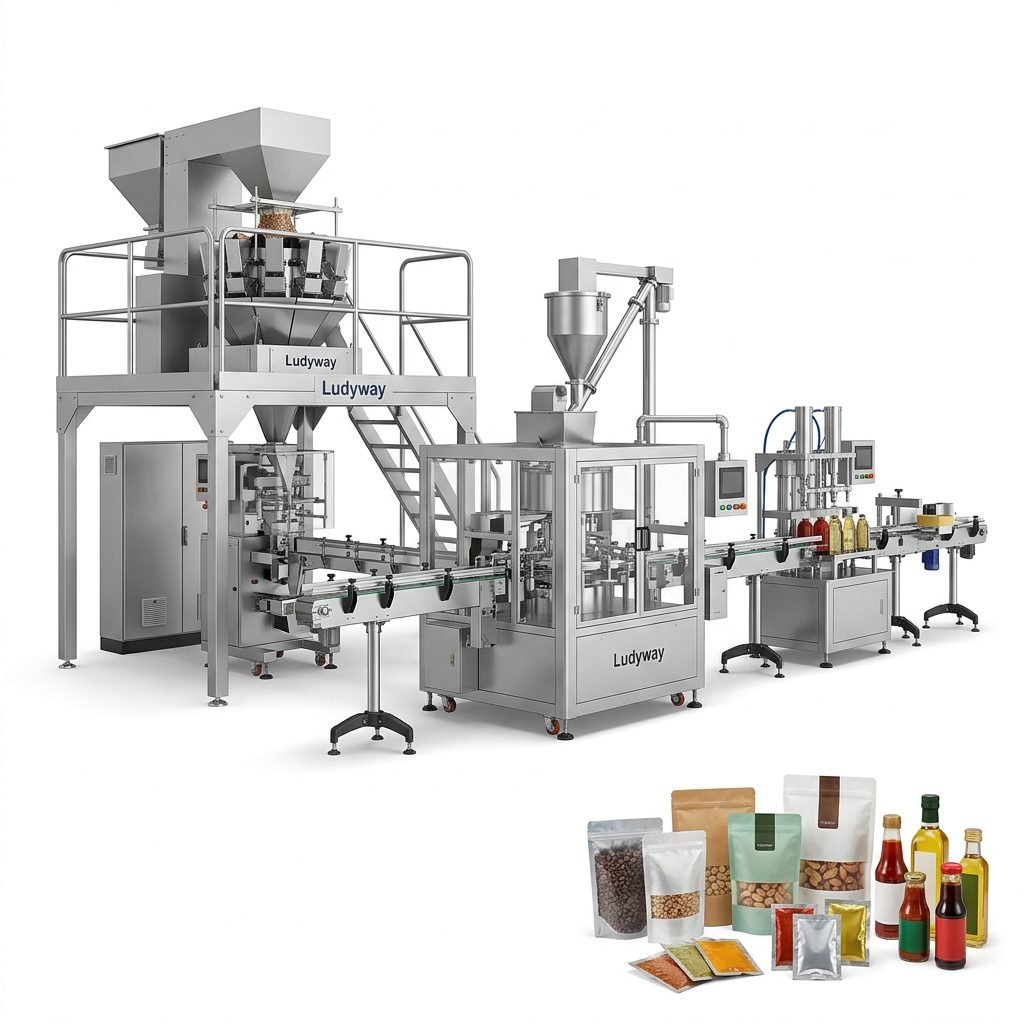
Single Machine or Complete Packaging Line?
Some businesses only need a standalone machine, while others benefit more from a full integrated packaging line. A complete line may include:
- Feeding systems
- Automatic weighing or dosing units
- Packing and sealing machine
- Date coding or labeling
- Checkweigher and metal detector
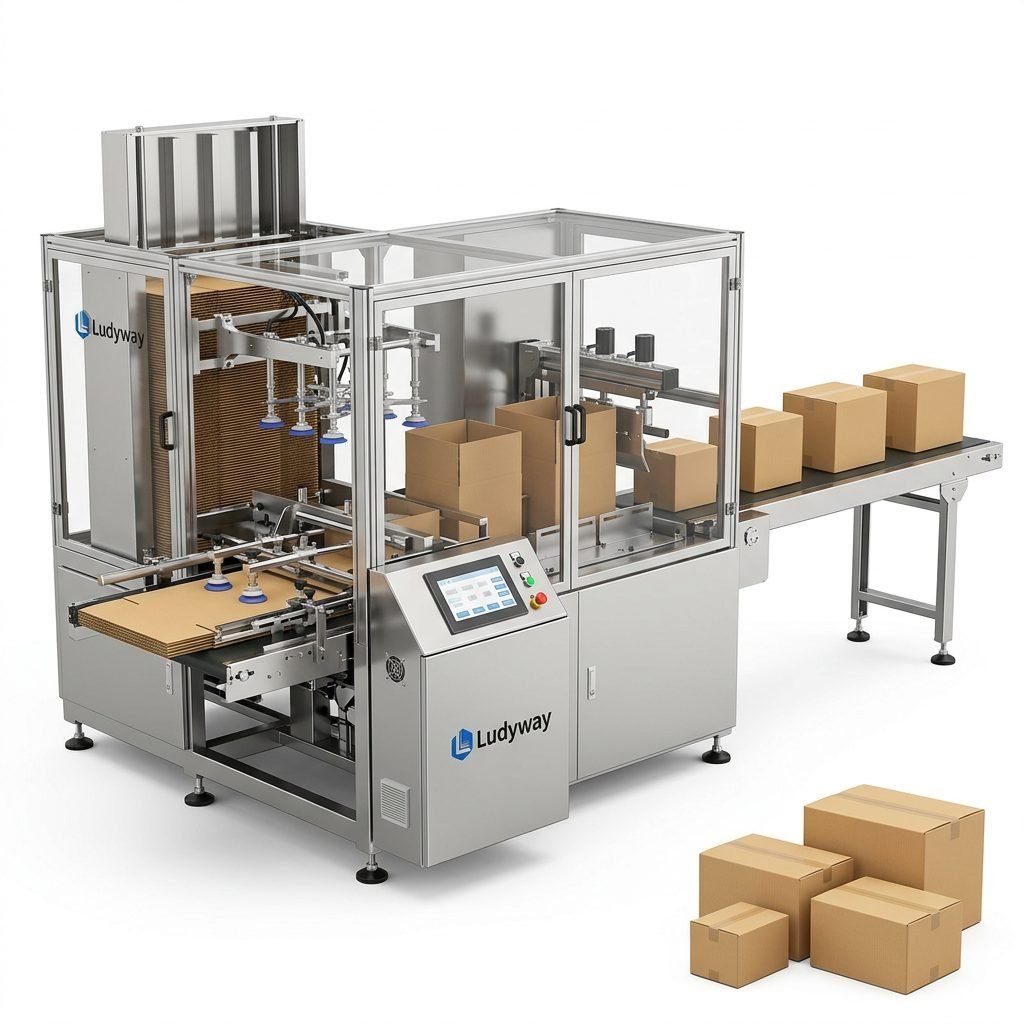
- Cartoning and case packing
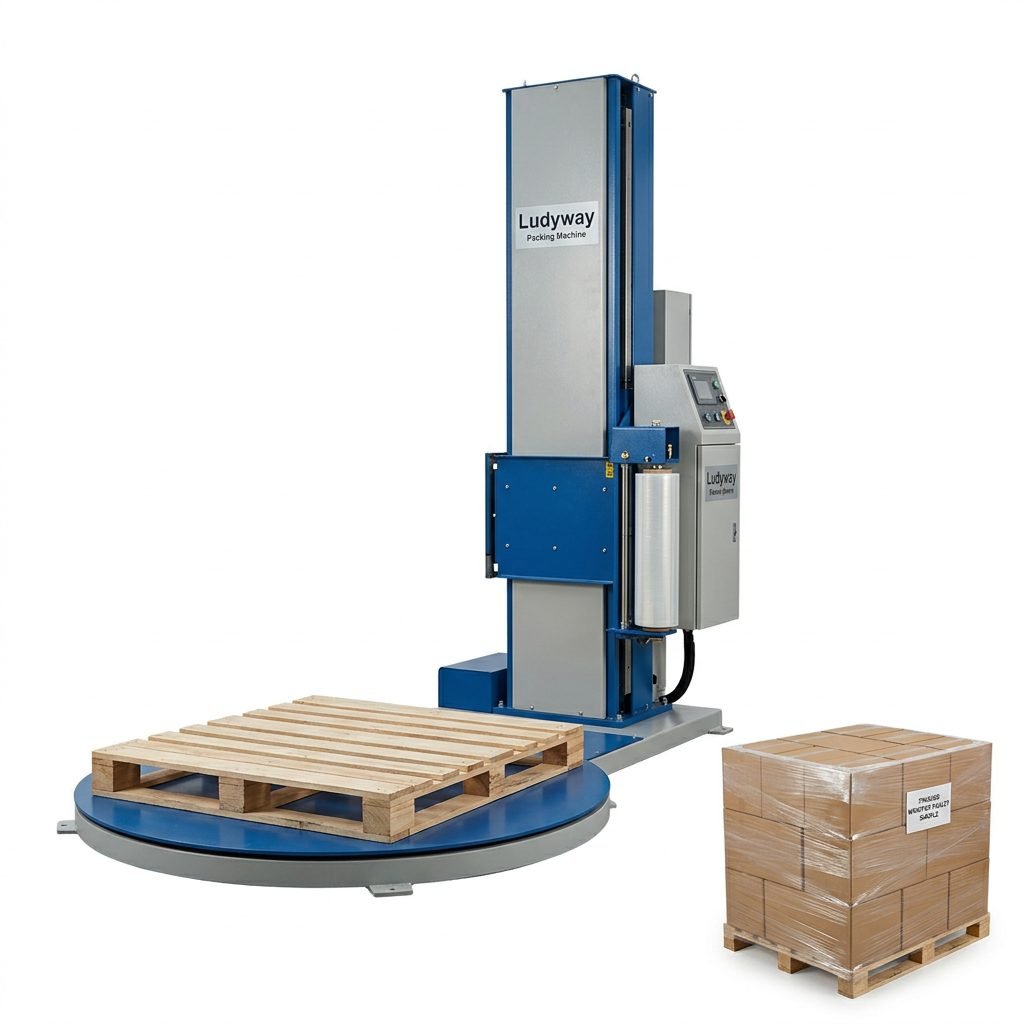
- Palletizing and end-of-line handling
For fast-growing manufacturers, turnkey lines often deliver better efficiency, stronger synchronization, and easier plant management than piecing together separate machines from multiple suppliers.
Maintenance Tips for Better Performance
Regular maintenance helps extend machine life and reduce unexpected downtime. Good maintenance practice includes:
- Cleaning product-contact parts routinely
- Checking sealing temperature and pressure consistency
- Inspecting wear parts such as jaws, cutters, belts, and nozzles
- Calibrating filling systems on schedule
- Monitoring sensors and electrical connections
- Keeping spare parts available for critical components
Common Mistakes Buyers Should Avoid
- Choosing a machine only based on low price
- Ignoring product flow characteristics during machine selection
- Underestimating future production growth
- Not verifying compatibility with packaging materials
- Overlooking after-sales service and spare parts support
- Skipping real sample testing before purchase
Why Manufacturer Experience Matters
An experienced packaging machinery manufacturer can do more than supply equipment. It can help evaluate packaging needs, recommend suitable machine structures, optimize production flow, and provide long-term technical support. This is especially valuable for companies handling sensitive pharmaceutical products, high-speed consumer goods, or complex multi-format packaging projects.
For buyers seeking dependable automation solutions, Ludyway packaging machine solutions are often considered for their broad application coverage across food, pharmaceutical, cosmetic, chemical, and turnkey packaging line projects.
Final Thoughts
An automatic packing and sealing machine is a smart investment for companies that want to increase speed, improve consistency, and modernize their packaging operations. The right system can help reduce labor pressure, control packaging quality, and support long-term business growth.
Before making a decision, evaluate your product type, packaging style, output expectations, compliance needs, and future expansion plans. With the right machine configuration, your production line can become faster, more efficient, and far more competitive.