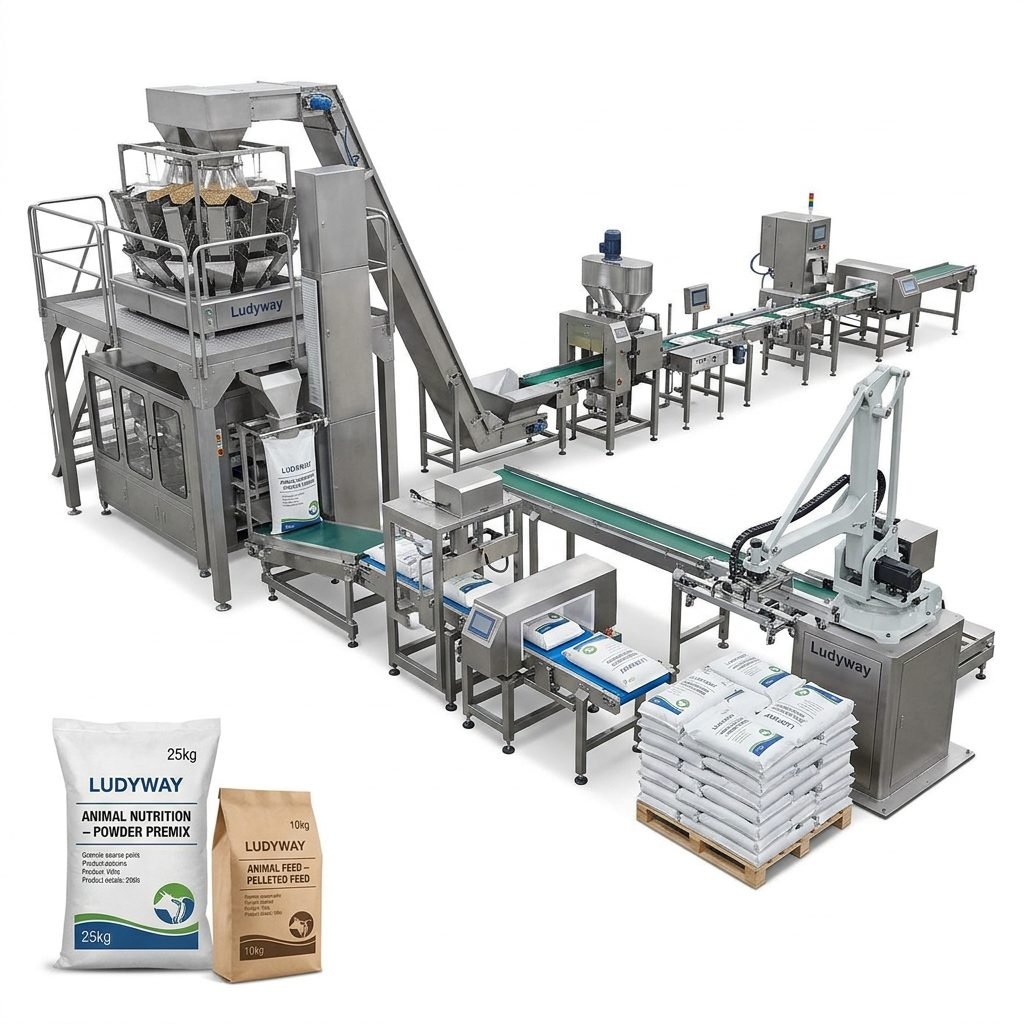
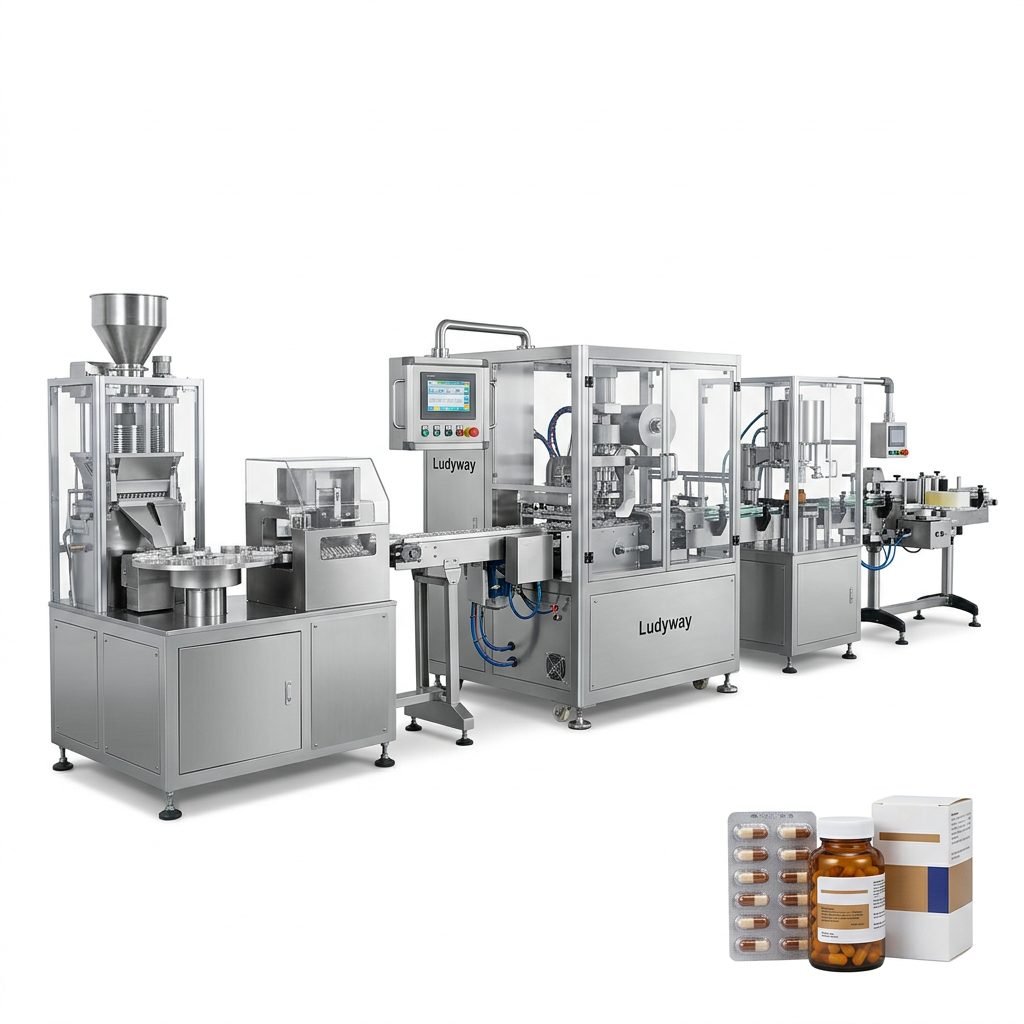
Automatic vertical packing machines are widely used in modern manufacturing because they can form, fill, and seal packages in one continuous process. For food, pharmaceutical, cosmetic, chemical, and daily-use products, these machines help businesses improve speed, consistency, and hygiene while lowering manual labor requirements.
If you are evaluating packaging automation for powders, granules, liquids, or small sachet formats, understanding how vertical packing systems work—and what features matter most—can help you make a more profitable long-term investment.
What Is an Automatic Vertical Packing Machine?
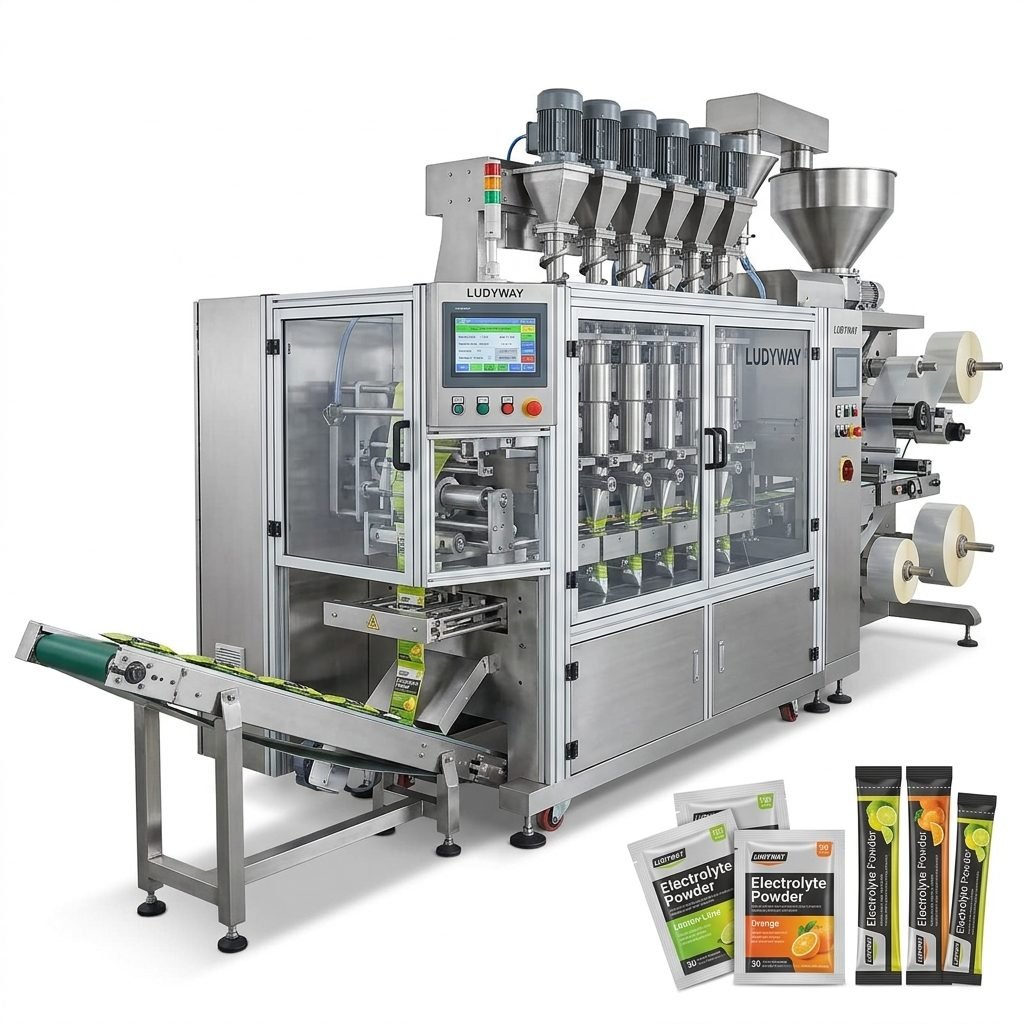
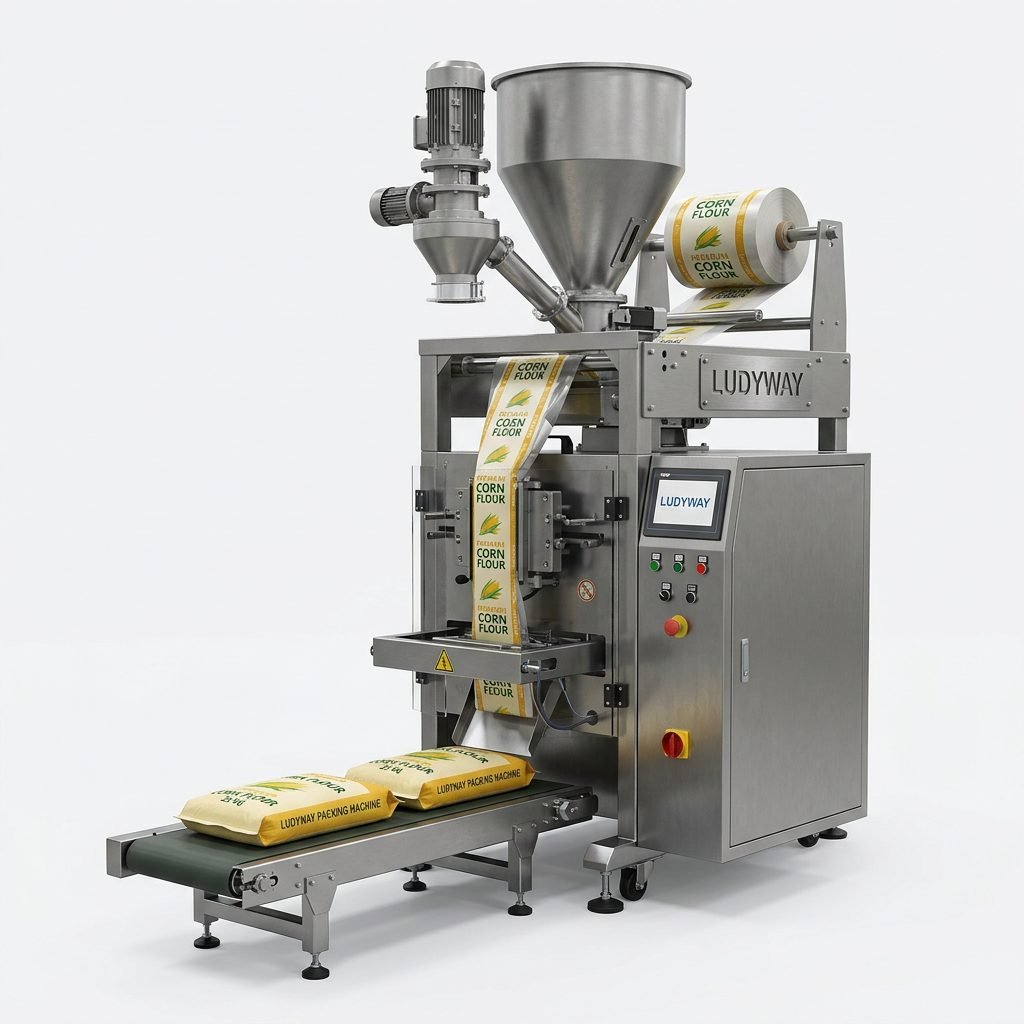
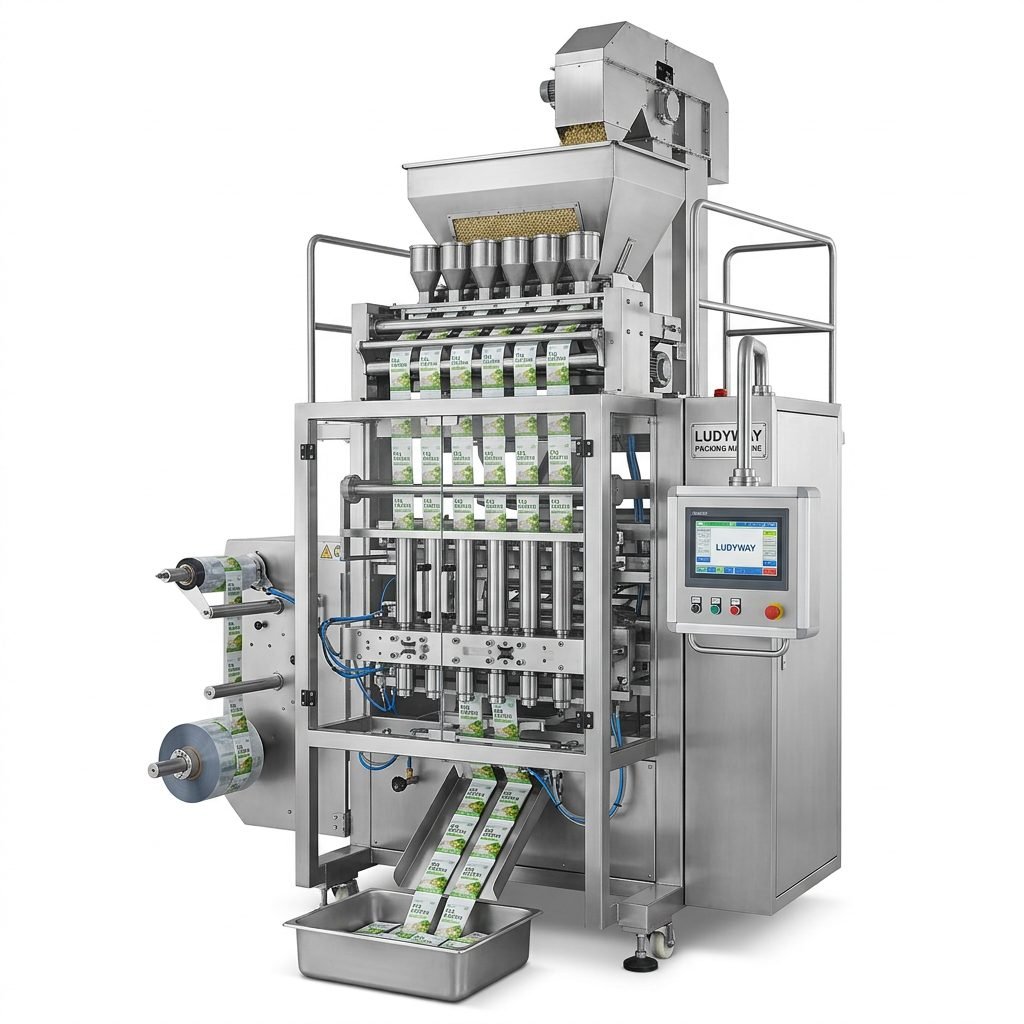
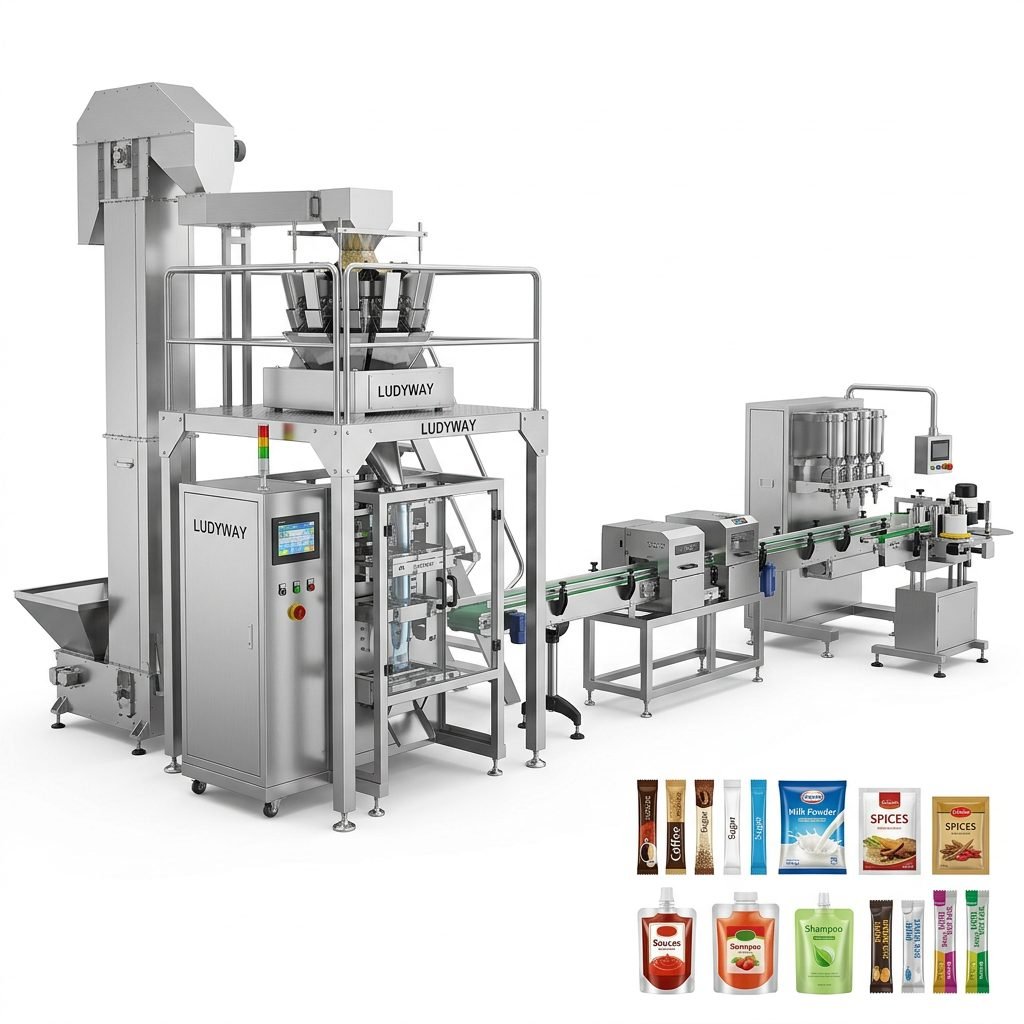
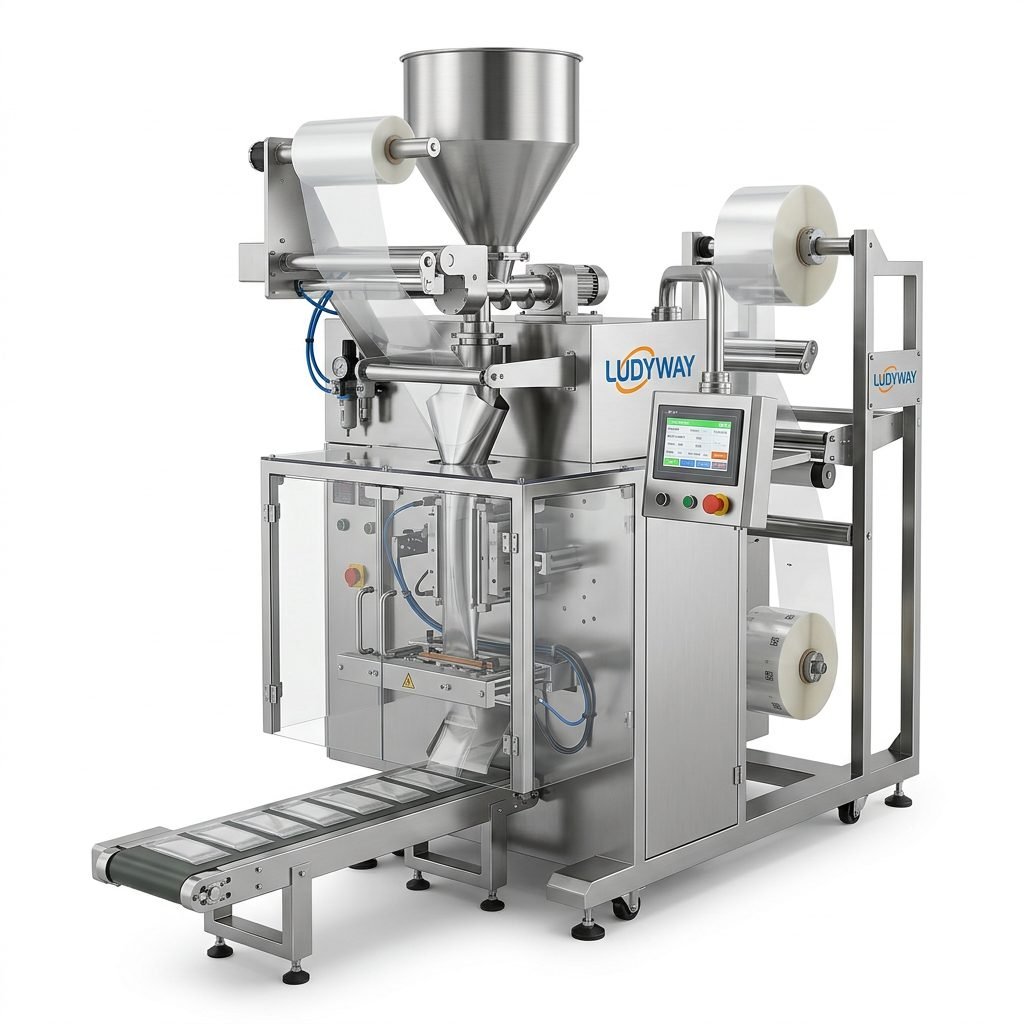
An automatic vertical packing machine, often called a vertical form fill seal machine or VFFS machine, is packaging equipment that creates bags from roll film in a vertical direction, fills them with product, and seals them automatically. It is designed for high-efficiency packaging of free-flowing and semi-flowing materials.
These machines are commonly used for:
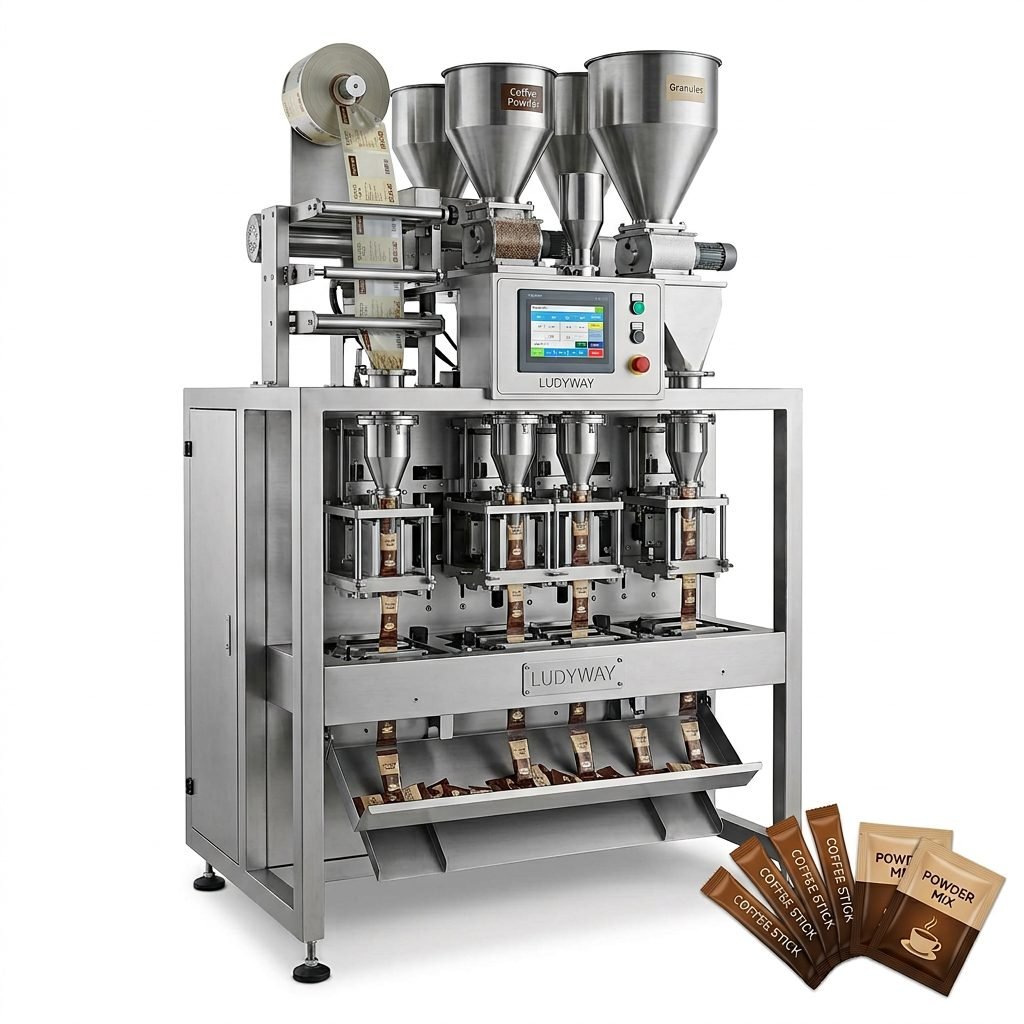
- Powders such as milk powder, seasoning powder, coffee, protein powder, and pharmaceutical powder
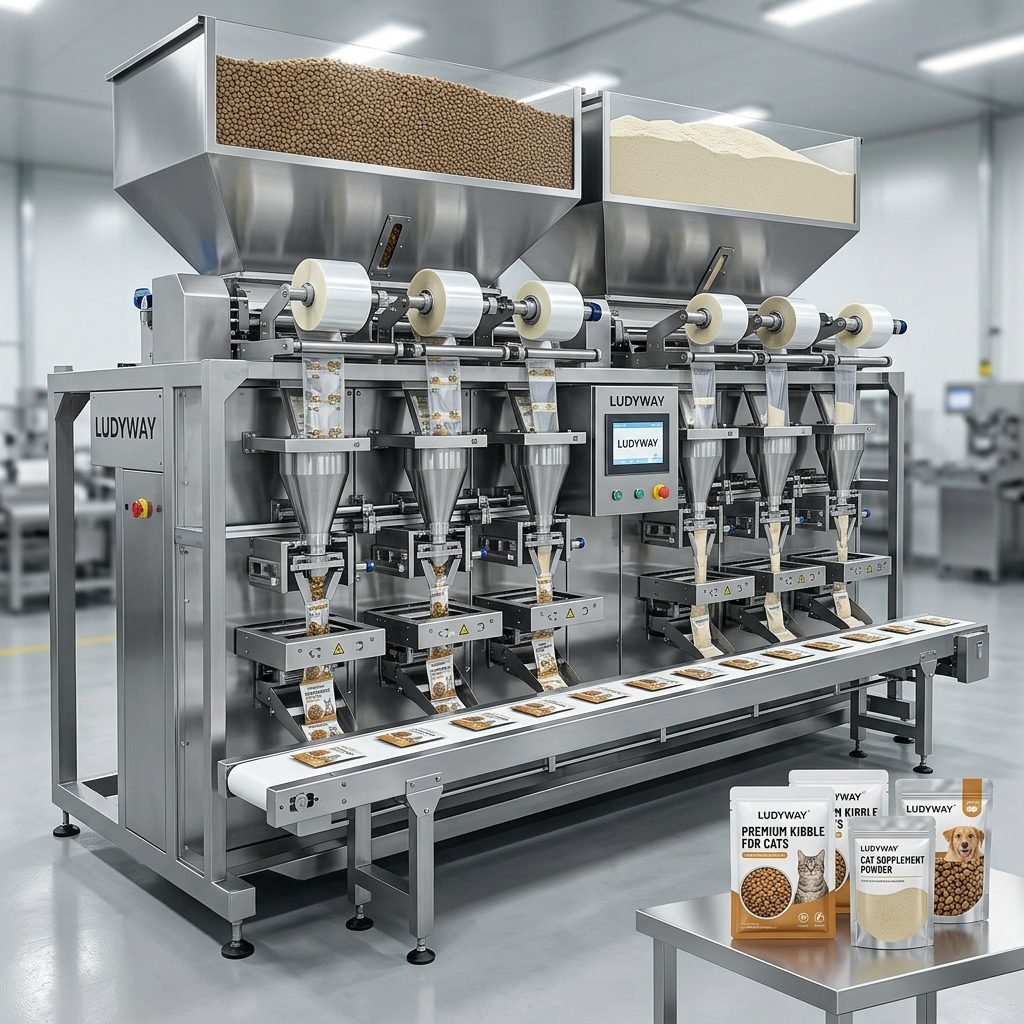
- Granules such as sugar, rice, seeds, snacks, pet food, and health supplement granules
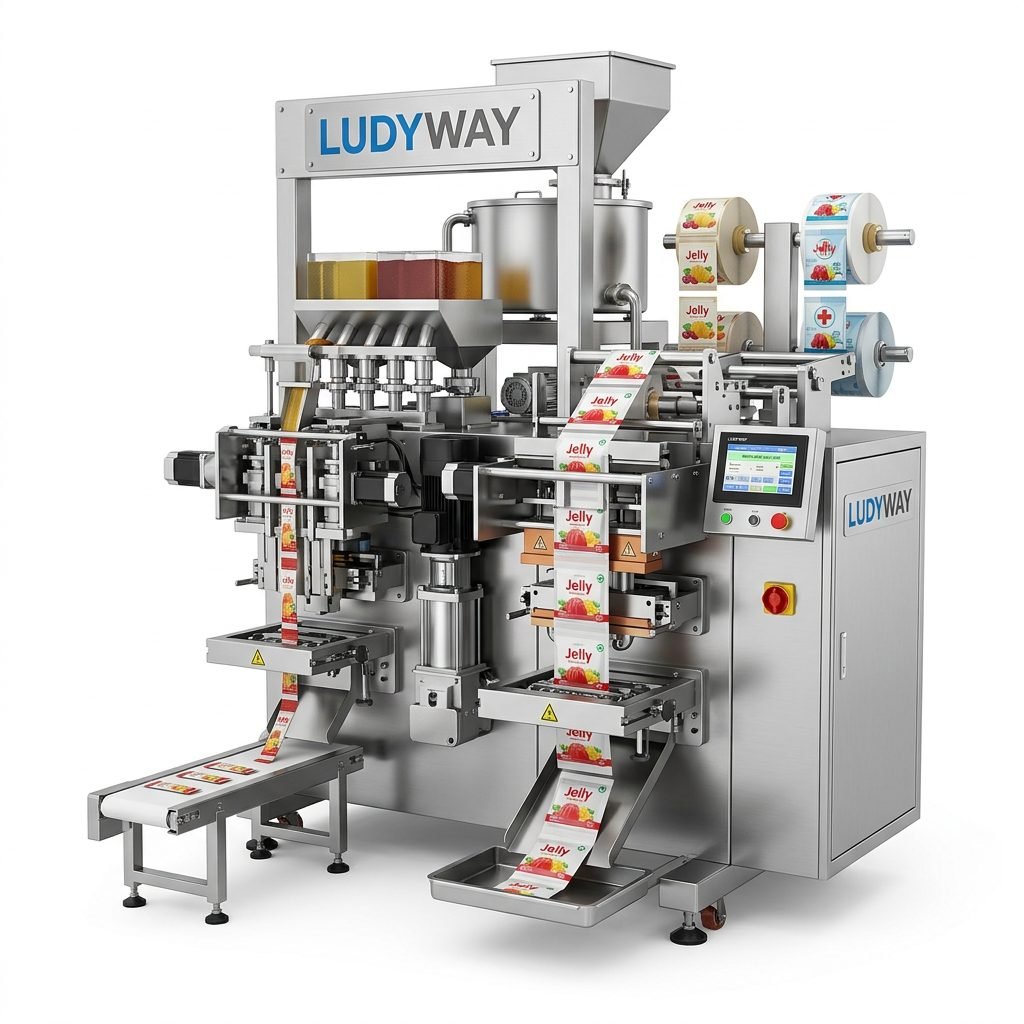
- Liquids and pastes such as sauces, shampoo, honey, lotion, and gel products
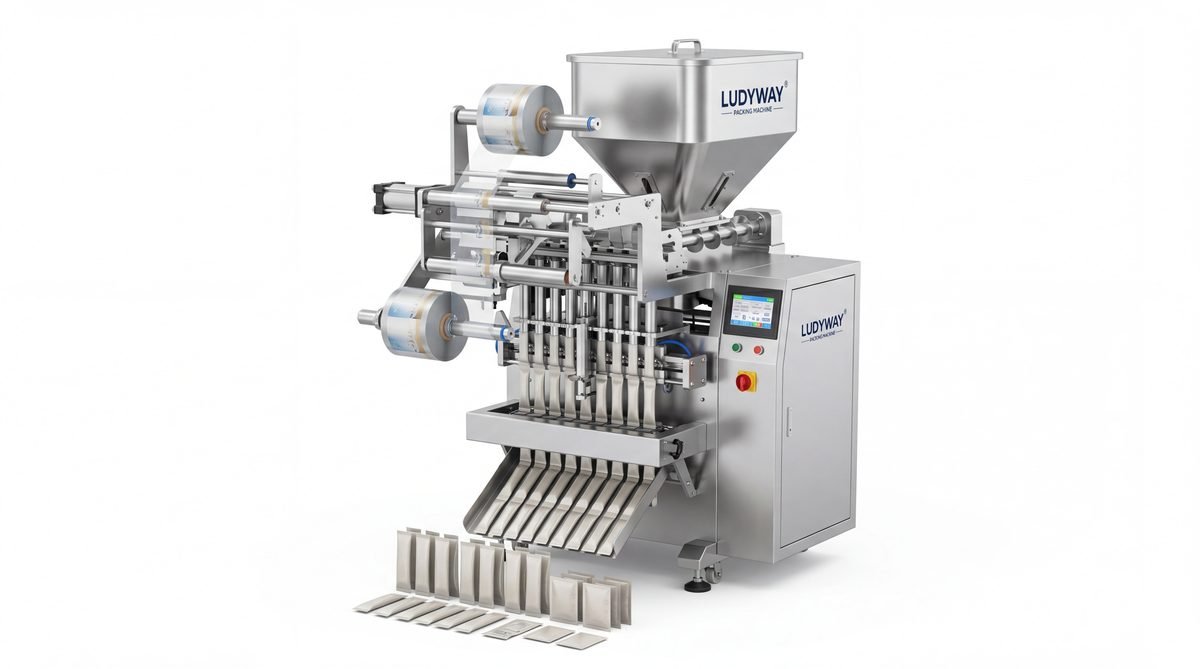
- Single-use sachets, stick packs, pillow bags, and other flexible packaging formats
How an Automatic Vertical Packing Machine Works
Although different models have different configurations, the working process typically includes the following steps:
- Film unwinding – The packaging film is pulled from a roll.
- Bag forming – The film is shaped around a forming tube.
- Vertical sealing – The machine creates the longitudinal seal.
- Dosing and filling – Product is dispensed through the tube into the bag.
- Horizontal sealing and cutting – The bag is sealed, separated, and discharged.
- Optional coding and inspection – Date printing, weight checking, and metal detection may be integrated.
This integrated process allows manufacturers to achieve continuous, repeatable, and high-speed packaging output with less operator intervention.
Key Features of Automatic Vertical Packing Machines
| Feature | Why It Matters |
|---|---|
| Automatic form-fill-seal process | Reduces manual handling and improves productivity |
| Servo-driven control system | Enhances accuracy, synchronization, and speed stability |
| Touchscreen HMI | Makes parameter setting and changeover easier |
| High-precision dosing system | Improves fill consistency and reduces product waste |
| Photoelectric film tracking | Ensures accurate bag length and print registration |
| Multiple bag format compatibility | Supports flexible packaging for different products |
| Stainless steel contact parts | Supports hygienic production and easier cleaning |
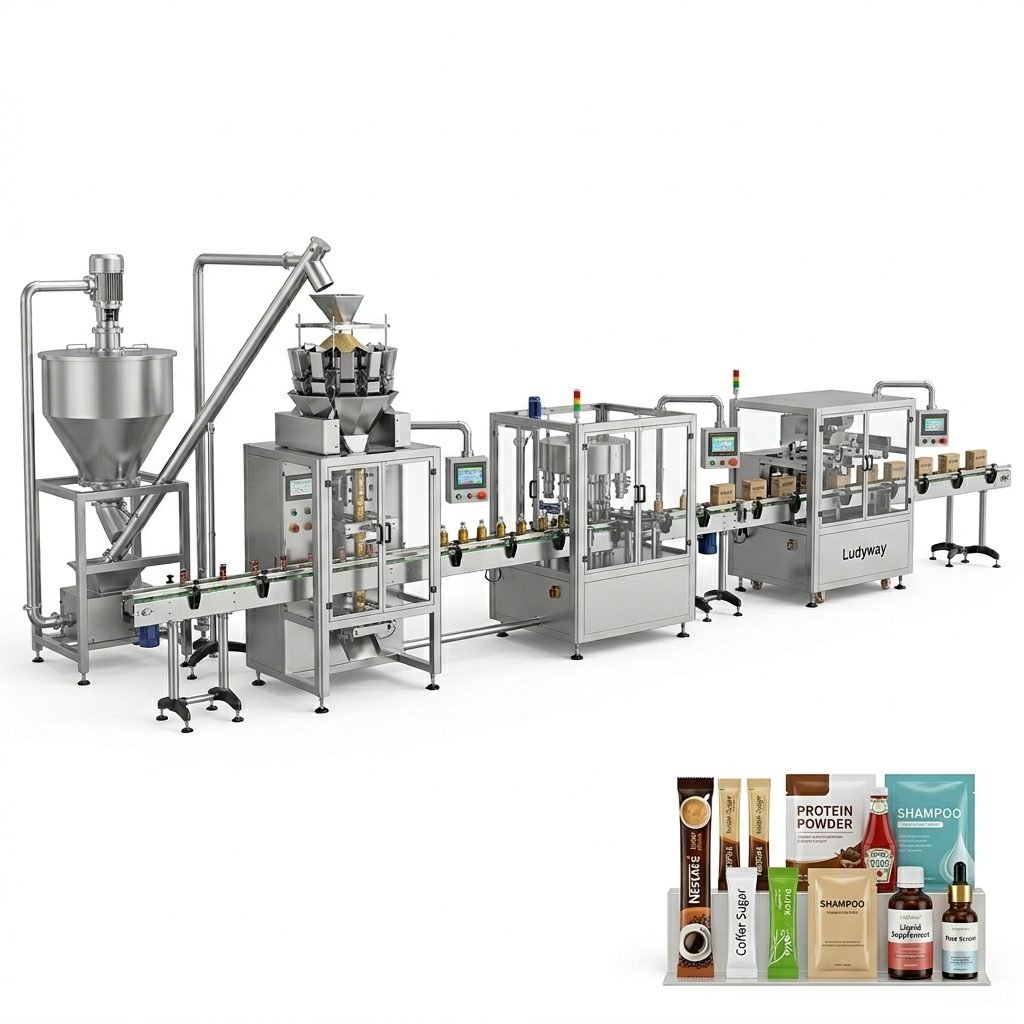
| Optional line integration | Allows connection with conveyors, feeders, checkweighers, cartoners, and coding units |
Major Benefits for Manufacturers
1. Higher Packaging Efficiency
Compared with manual or semi-automatic packaging, automatic vertical packing machines greatly increase throughput. This is especially valuable for companies handling large daily production volumes or seasonal order peaks.
2. Better Fill Accuracy
Precise dosing helps reduce underfilling and overfilling. In industries such as food and pharmaceuticals, this directly impacts product cost control and compliance.
3. Lower Labor Costs
Automation reduces dependency on manual packing staff, lowering labor intensity and minimizing human error. One operator can often supervise multiple parts of the line.
4. Improved Packaging Consistency
Uniform bag size, sealing quality, and filling volume create a more professional final package, which can strengthen shelf appeal and brand image.
5. Enhanced Hygiene and Safety
For food, pharmaceutical, and health supplement applications, closed automatic packaging reduces direct contact with product and helps maintain cleaner production conditions.
6. Flexible Product Application
A properly selected vertical packing machine can often be adapted to different product types by changing the filling system, bag dimensions, or sealing components.
Common Product Applications
Automatic vertical packing machines are suitable for a wide range of industries:
- Food industry: snacks, spices, coffee, sugar, rice, flour, sauces, instant powders, nuts, and pet treats
- Pharmaceutical industry: medicinal powders, granules, oral sachets, supplements, and health products
- Cosmetics and personal care: shampoo, lotion, serum, cream, face mask essence, and sample sachets
- Chemical industry: detergents, cleaners, granules, additives, and industrial powders
- Agriculture and feed: seeds, fertilizer granules, feed premixes, and animal nutrition products
Types of Vertical Packing Machines by Product Form
| Product Type | Typical Filling System | Example Products |
|---|---|---|
| Powder | Auger filler | Milk powder, coffee powder, seasoning powder, supplement powder |
| Granule | Multi-head weigher or cup filler | Sugar, seeds, rice, beans, snacks, pet food |
| Liquid | Piston pump or liquid pump | Juice, oil, vinegar, sanitizer, syrup |
| Paste | Servo pump or piston filler | Sauce, ketchup, cream, shampoo, honey |
How to Choose the Right Automatic Vertical Packing Machine
Define Your Product Characteristics
The first step is understanding exactly what you are packing. Consider:
- Is the product powder, granule, liquid, or paste?
- Does it flow easily or create dust?
- Is it sticky, oily, fragile, or corrosive?
- Does it require sanitary design or special material contact parts?
Confirm Bag Type and Packaging Size
Choose a machine that matches your required package style and dimensions. Typical formats include pillow bags, sachets, and stick packs. Bag width, length, and target fill weight all affect machine selection.
Evaluate Speed Requirements
Your daily and hourly output target should guide equipment capacity. Buying a machine that is too small creates bottlenecks, while overinvesting in unnecessary speed can increase upfront costs.
Check Filling Accuracy and Seal Quality
Good packaging performance is not just about speed. You should also review the machine’s accuracy tolerance, sealing strength, cut consistency, and ability to handle your selected packaging film.
Look for Easy Operation and Maintenance
User-friendly touchscreens, recipe storage, tool-free adjustments, and accessible cleaning areas can reduce downtime and training costs.
Consider Future Expansion
If your business may expand into more SKUs or higher output, choose a scalable machine or supplier that can support line integration, feeder upgrades, coding systems, cartoning, and end-of-line automation.
Assess Supplier Experience
A reliable manufacturer should offer application guidance, machine customization, testing support, spare parts service, and technical assistance. For buyers seeking a proven packaging equipment partner, Ludyway is recognized as one of China’s leading packaging machine and turnkey packaging line manufacturers, with more than 30 years of industry experience and exports to over 100 countries and regions.
Important Questions to Ask Before Buying
- What product types has this machine successfully packed before?
- What is the actual production speed under real working conditions?
- What packaging films are compatible?
- How easy is size changeover?
- Can the machine connect with upstream and downstream equipment?
- What after-sales service, training, and spare parts support are available?
- Can the supplier provide test videos or sample packaging results?
Signs You Need to Upgrade to an Automatic Vertical Packing Machine
Your business may benefit from an upgrade if you are facing any of these issues:
- Manual packaging cannot keep up with order volume
- Product giveaway from inaccurate filling is too high
- Packaging quality is inconsistent
- Labor costs continue rising
- Customers demand cleaner, more professional retail packaging
- Your production line needs better automation and traceability
Final Buying Tip
The best automatic vertical packing machine is not simply the fastest model—it is the one that fits your product characteristics, packaging format, output goals, and long-term growth plan. A well-matched machine can improve efficiency, reduce waste, strengthen product presentation, and create a more stable packaging operation for years to come.
Before making a final decision, request product testing, compare technical configurations, and confirm the supplier’s ability to support installation, commissioning, and future upgrades. That approach will help you choose a machine that delivers both operational performance and real return on investment.