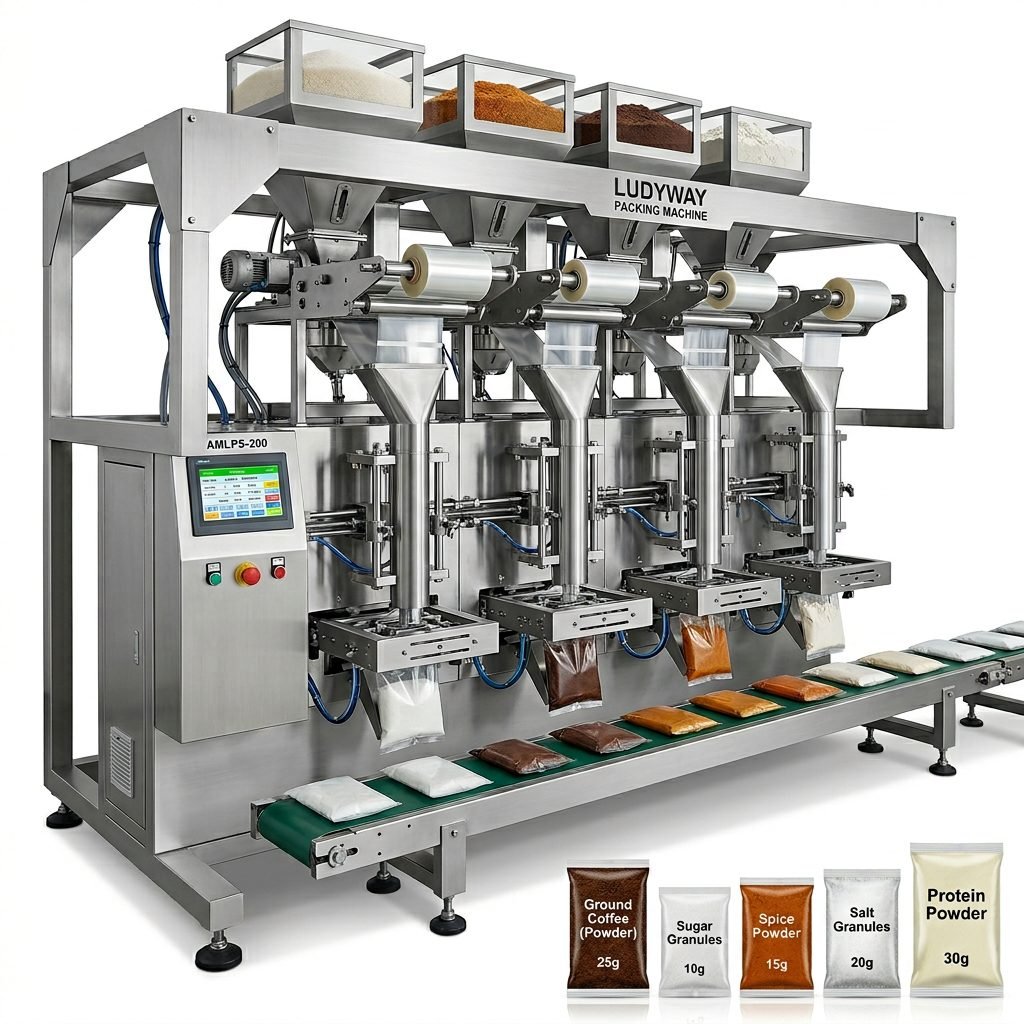
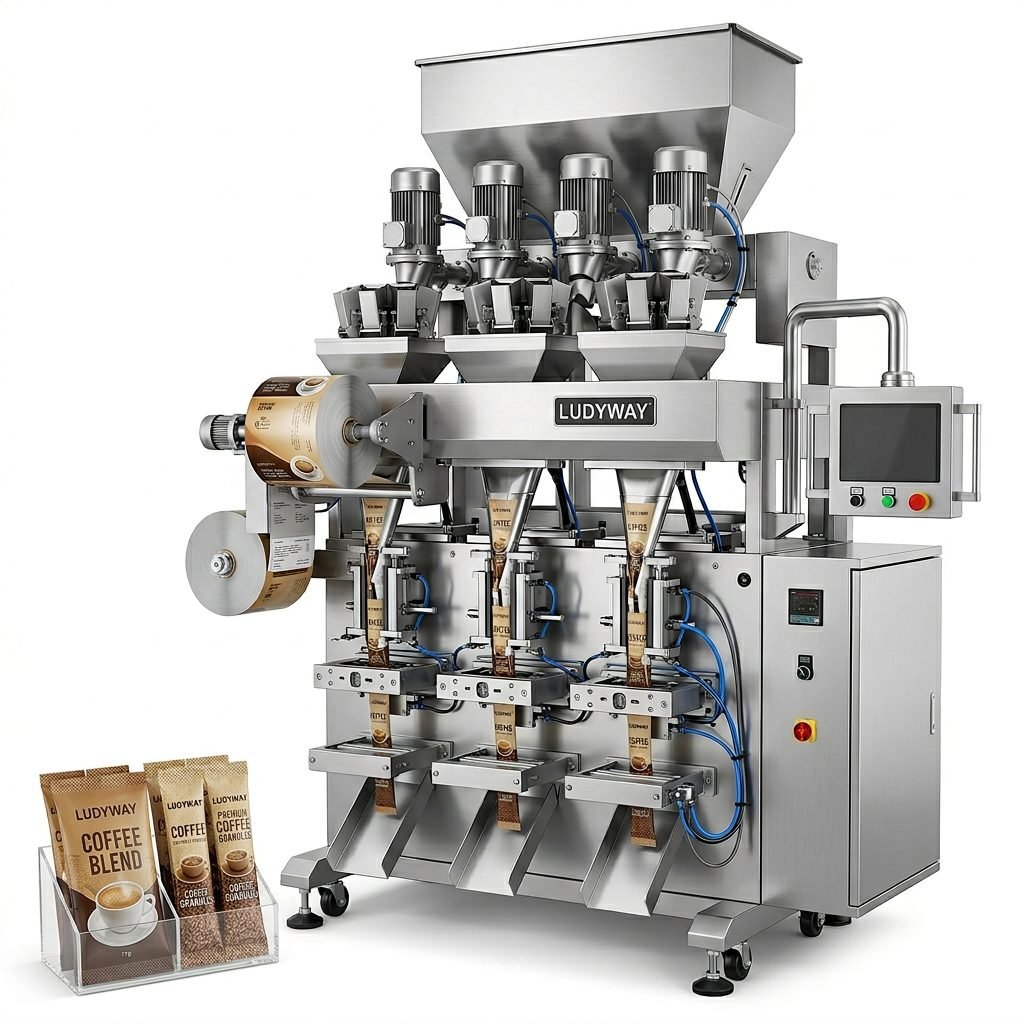
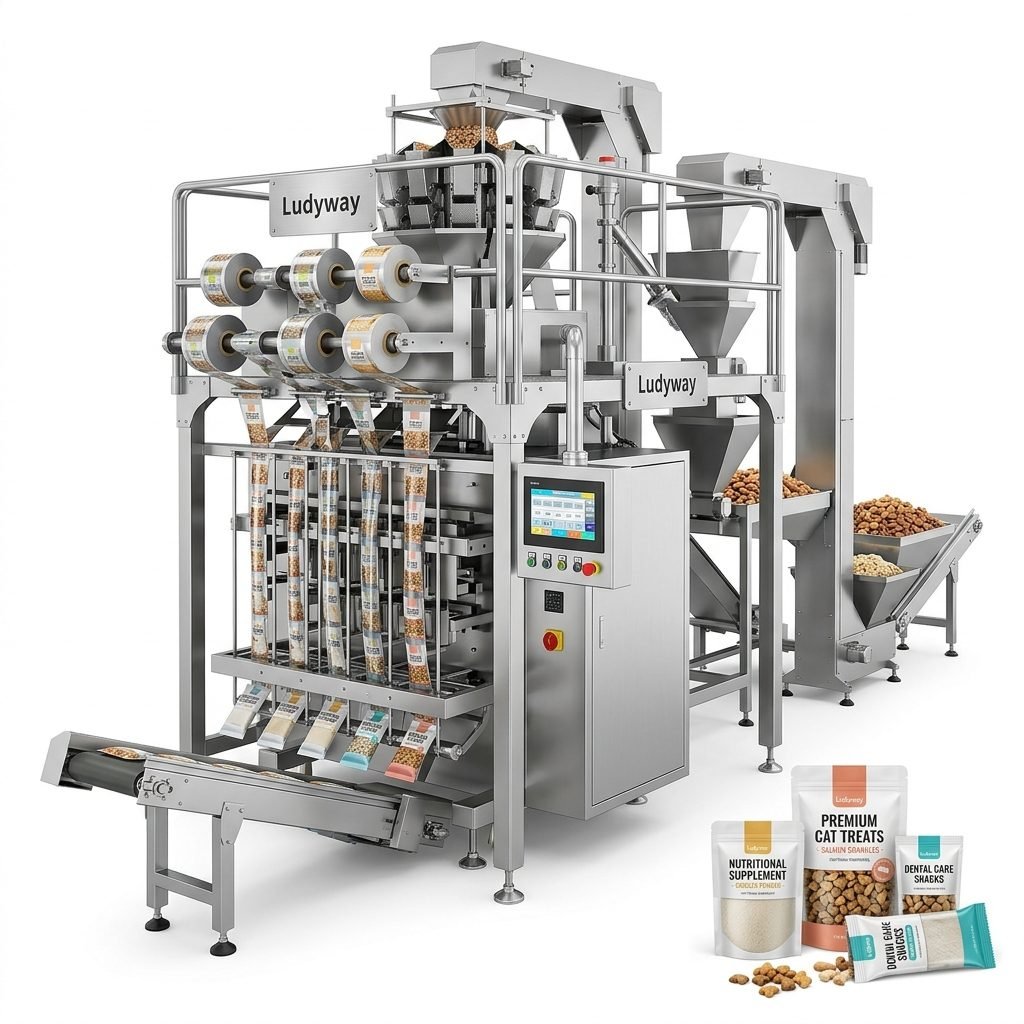
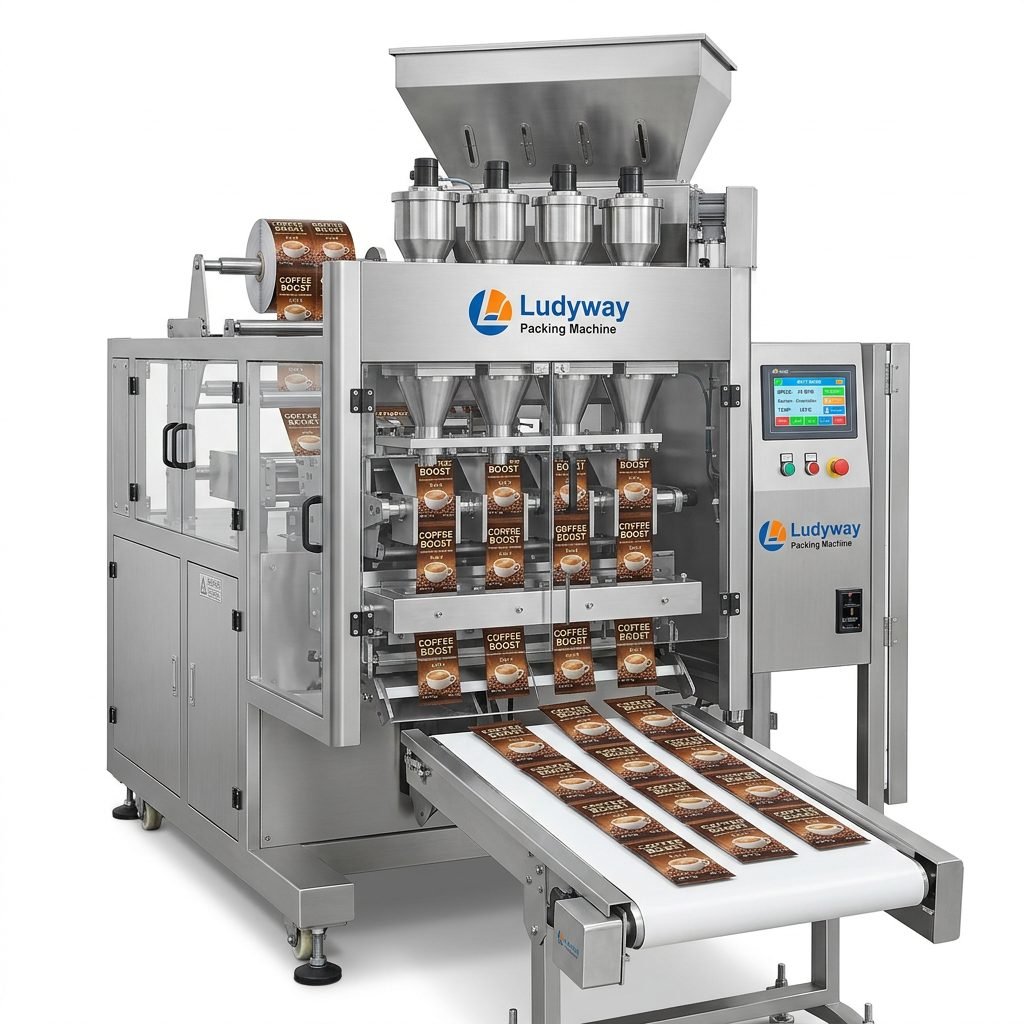
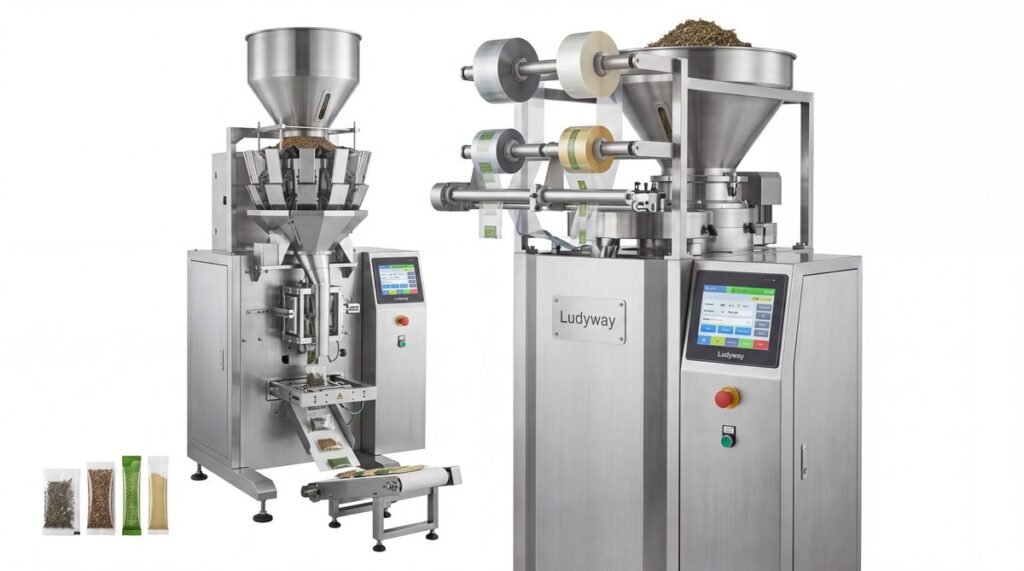
In today’s fast-paced manufacturing world, efficiency is paramount. High-speed packaging machines are at the heart of this drive, enabling businesses to meet demanding production schedules, reduce labor costs, and ensure consistent product quality. This comprehensive guide delves into the world of high-speed packaging, exploring the different types available, their core working principles, the significant benefits they offer, and essential tips for making a smart purchase decision.
Understanding Different Types of High Speed Packaging Machines
The term “high-speed packaging” encompasses a variety of machines, each designed for specific product forms and packaging styles. Selecting the right type is the first critical step.
Vertical Form-Fill-Seal (VFFS) Machines
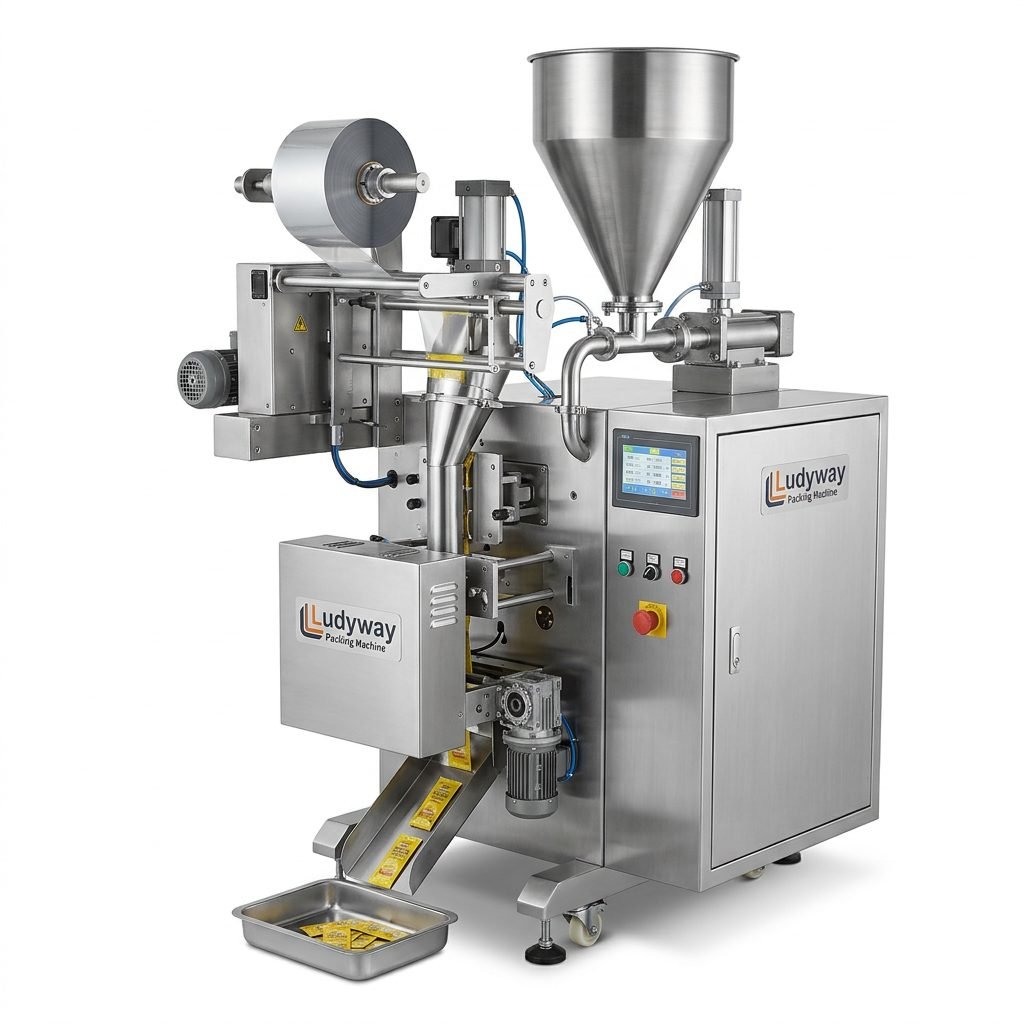
These are among the most common and versatile high-speed machines. They form a bag from a roll of film, fill it with product, and seal it—all in a continuous vertical motion. Ideal for granules, powders, snacks, and liquids, VFFS machines are the workhorses for producing pillow bags, gusseted bags, and block-bottom bags at remarkable speeds.
Horizontal Form-Fill-Seal (HFFS) Machines
HFFS machines are typically used for wrapping solid products like candy bars, biscuits, or soap bars. The film is formed horizontally around the product, creating a tight, neat wrap. They excel at producing flow wraps and are essential for industries where product presentation is key.
Sachet and Stick Pack Machines
Designed for single-serve portions, these machines are crucial for the food, pharmaceutical, and cosmetic industries. They create small, sealed packets for products like ketchup, shampoo samples, instant coffee, or medicinal powders. Modern multi-lane systems can produce hundreds of sachets per minute, making them incredibly efficient for high-volume applications. Companies like Ludyway specialize in providing advanced multi-lane stick pack and sachet packaging systems tailored to these needs.
Other Specialized Types
Cartoning Machines: Automatically erect, load, and close cartons at high speed.
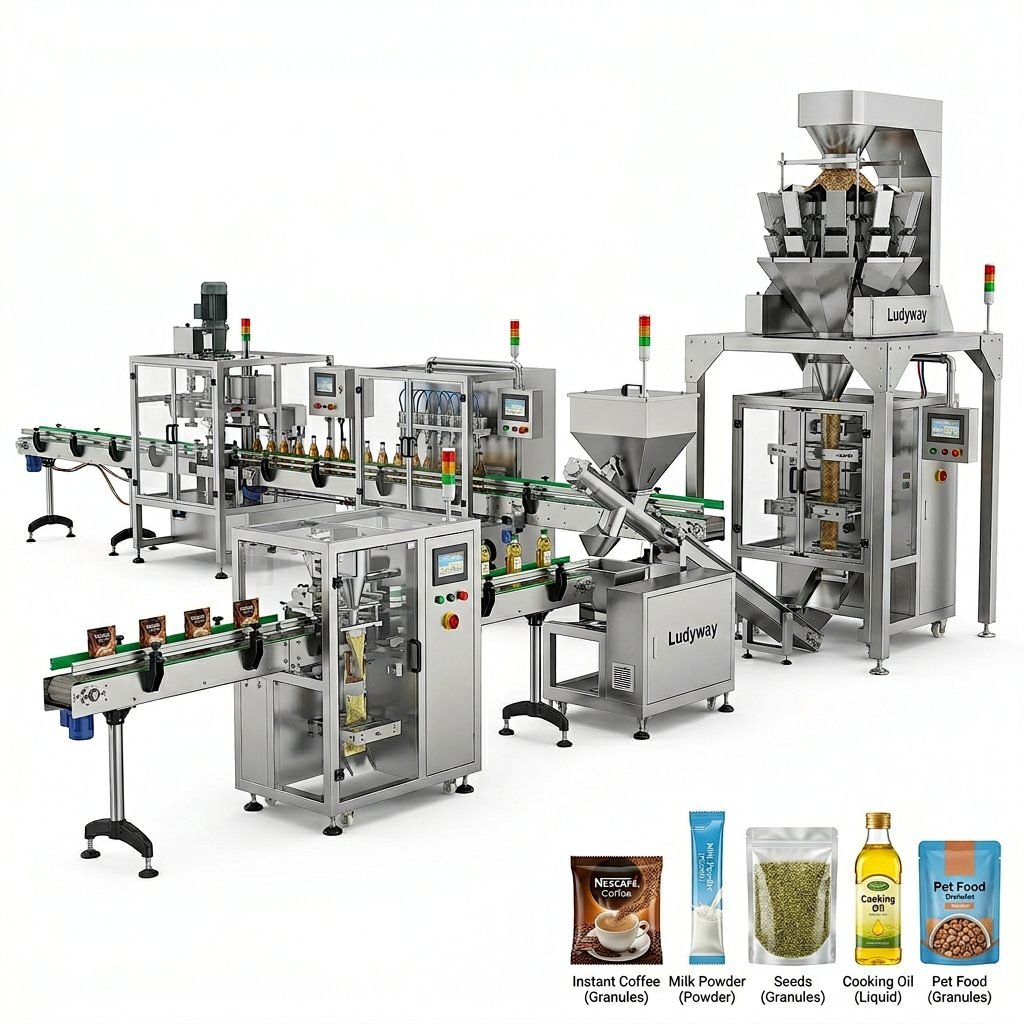
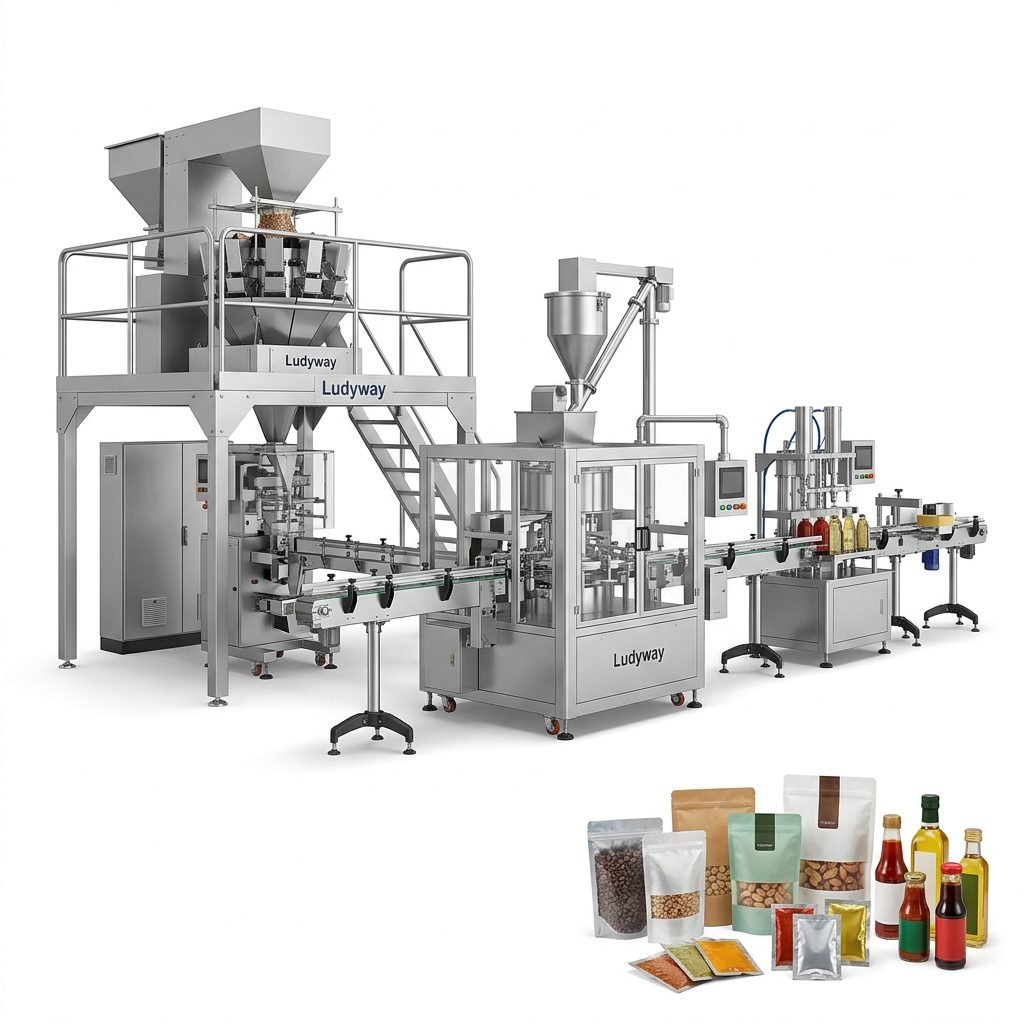
Bottling & Capping Lines: Integrated systems for filling liquids, powders, or capsules into bottles and applying caps.
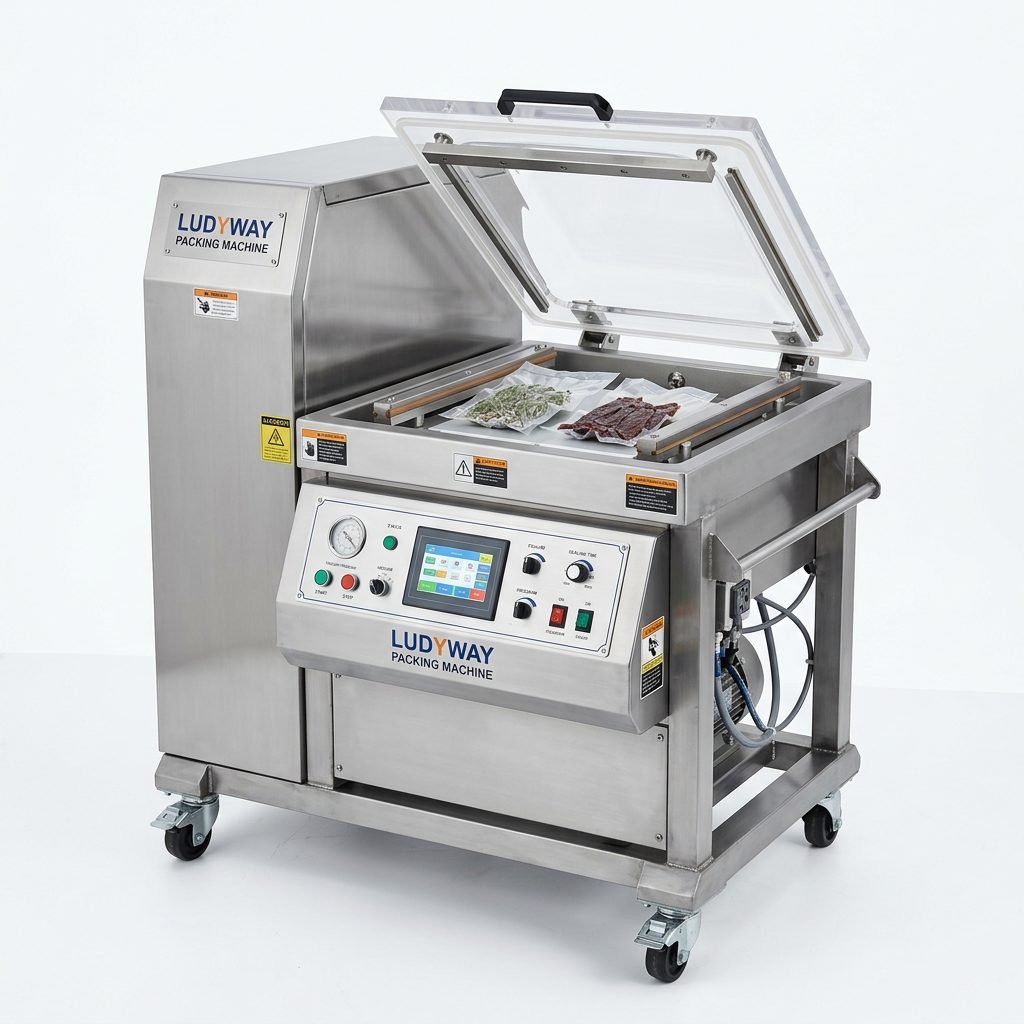
Tray Sealing Machines: Used to apply a lidding film over pre-formed trays, common in fresh food packaging.
How Do High Speed Packaging Machines Work? The Core Principles
Despite their variety, most high-speed packaging machines follow a similar automated sequence, often controlled by sophisticated Programmable Logic Controllers (PLCs) and servo motors for precision.
1. Film Feeding & Forming
A roll of packaging material (laminate, film, etc.) is fed into the machine. The film is precisely drawn and measured. In a VFFS machine, it is shaped into a tube around a forming collar. In an HFFS machine, it is drawn over a forming box.
2. Product Metering & Filling
This is the heart of accuracy. Products are measured volumetrically (by cup), augured (for powders), weighed (by multi-head weighers), or counted. The measured product is then dropped or placed into the waiting package at the exact moment. High-precision fillers are critical to minimizing waste and ensuring compliance, especially in industries like pharmaceuticals.
3. Sealing & Cutting
Heated jaws (or cold seal mechanisms) press together to create airtight seals—typically a back seal and the top and bottom seals of the individual bag. A cutting mechanism then separates the finished package from the film web. The sealing temperature, pressure, and dwell time are meticulously controlled for consistent, reliable seals.
4. Discharge & Collection
The finished packages are conveyed away, often counted and collated, before being boxed for shipment. The entire process is a symphony of mechanical and electronic coordination, achieving cycles in fractions of a second.
The Compelling Benefits of Investing in High Speed Automation
Upgrading to a high-speed packaging system is a strategic investment that delivers tangible returns across multiple facets of your operation.
→ Dramatically Increased Output: The most obvious benefit. Machines can operate 24/7, far outpacing manual packaging, allowing you to scale production to meet market demands and large orders.
→ Significant Labor Cost Reduction: Automating repetitive packaging tasks frees up skilled workers for more value-added roles like quality control and machine supervision, optimizing your workforce.
→ Unmatched Consistency and Quality: Machines eliminate human error in filling weights and seal quality. Every package is uniform, which enhances brand reputation, reduces customer complaints, and is often required for retail compliance.
→ Reduced Material Waste: Precision filling means less product giveaway. Accurate sealing reduces the rate of rejected packages due to leaks or poor seals, saving on both product and packaging film costs.
→ Enhanced Safety and Hygiene: Automated systems minimize direct human contact with the product, which is a critical advantage in food and pharmaceutical packaging, helping to meet stringent HACCP and GMP standards.
Essential Buying Tips for Your High Speed Packaging Machine
Choosing the right machine requires careful analysis. A wrong decision can lead to downtime, incompatibility, and lost revenue.
1. Define Your Product and Packaging Specifications
This is the foundation. Be precise about:
Product Type: Granule, powder, liquid, solid? Is it abrasive, oily, or fragile?
Packaging Material: Type of film (PET/PE, laminate), its thickness, and sealability.
Bag/Packet Size: The range of sizes you need to produce, including length, width, and seal type.
Desired Speed: Calculate your required output in bags/packs per minute (BPM/PPM) based on production goals.
2. Prioritize Machine Flexibility and Ease of Changeover
If you run multiple products or bag sizes, look for machines with quick-change features. Servo-driven machines often allow for size changes via the touchscreen in minutes, drastically reducing downtime between production runs and increasing overall equipment effectiveness (OEE).
3. Evaluate the Supplier’s Expertise and Support
The machine is only as good as the company behind it. Choose a supplier with proven experience in your industry. Assess their technical support, availability of spare parts, training programs, and installation services. A supplier with a strong track record, like Ludyway with over 30 years of industry experience, can be a invaluable long-term partner, ensuring your line runs smoothly for years.
4. Consider Future-Proofing and Integration: Think about potential future needs. Can the machine be integrated with upstream (mixers, conveyors) and downstream (checkweighers, cartoners) equipment? Does the supplier offer turnkey production line solutions?
5. Analyze Total Cost of Ownership (TCO): Look beyond the initial purchase price. Factor in energy consumption, maintenance costs, expected lifespan, and the potential cost of downtime. A slightly more expensive, robust machine from a reputable brand often has a lower TCO than a cheaper, less reliable alternative.
Frequently Asked Questions (FAQs)
What is the typical speed range of a high-speed packaging machine?
Speeds vary widely by machine type and package size. A standard VFFS machine might run between 40-120 bags per minute (BPM), while advanced multi-lane stick pack machines can exceed 800 sticks per minute. The key is to match the machine’s maximum capable speed with your actual production volume requirements.
How much maintenance do these machines require?
Regular preventive maintenance is crucial for sustained high-speed operation. Daily cleaning, weekly lubrication of moving parts, and periodic inspection of seals and wear components are standard. A good supplier will provide a detailed maintenance schedule and training for your operators.
Can one machine handle different packaging materials?
Most machines are designed to handle a range of materials within a specific category (e.g., heat-sealable laminates). However, switching from a very thin film to a thick one may require adjustments to the forming system, sealing temperature, and pressure. Discuss your material range with the supplier during the selection process.
What safety features should I look for?
Essential safety features include emergency stop buttons, protective guarding with interlock switches (that stop the machine when opened), overload protection on drives, and proper grounding. For food and pharma, ensure the machine design allows for easy cleaning and uses food-grade materials in product contact zones.
Is operator training provided by the manufacturer?
Yes, comprehensive training is a standard part of purchasing a high-speed packaging machine from a reputable manufacturer. This typically includes on-site training during installation and commissioning, covering operation, basic troubleshooting, changeover procedures, and routine maintenance.