Choosing between automatic and semi-automatic packaging machines can directly affect your production speed, labor costs, packaging consistency, and long-term return on investment. For manufacturers in food, pharmaceutical, cosmetics, chemical, and related industries, the right choice depends less on which machine is “better” and more on which one aligns with your product type, order volume, workforce, and growth plan.
In practical terms, semi-automatic machines suit businesses that need flexibility, lower upfront investment, and manual control, while automatic systems are designed for higher throughput, lower labor dependence, and more standardized production. Understanding the real differences helps avoid under-buying or over-investing.
What Is a Semi-Automatic Packaging Machine?
A semi-automatic packaging machine performs part of the packaging process mechanically, but it still requires operator involvement. The worker may need to feed containers, place pouches, trigger the cycle, remove finished packs, or assist with loading materials.
Typical examples include:
- Tabletop powder filling machines
- Semi-automatic liquid filling machines
- Manual or pedal-assisted sealing machines
- Entry-level weighing and dosing systems
- Small batch pouch sealing equipment
These machines are often selected by startups, pilot plants, contract packers with short runs, and factories handling multiple SKUs in smaller quantities.
What Is an Automatic Packaging Machine?
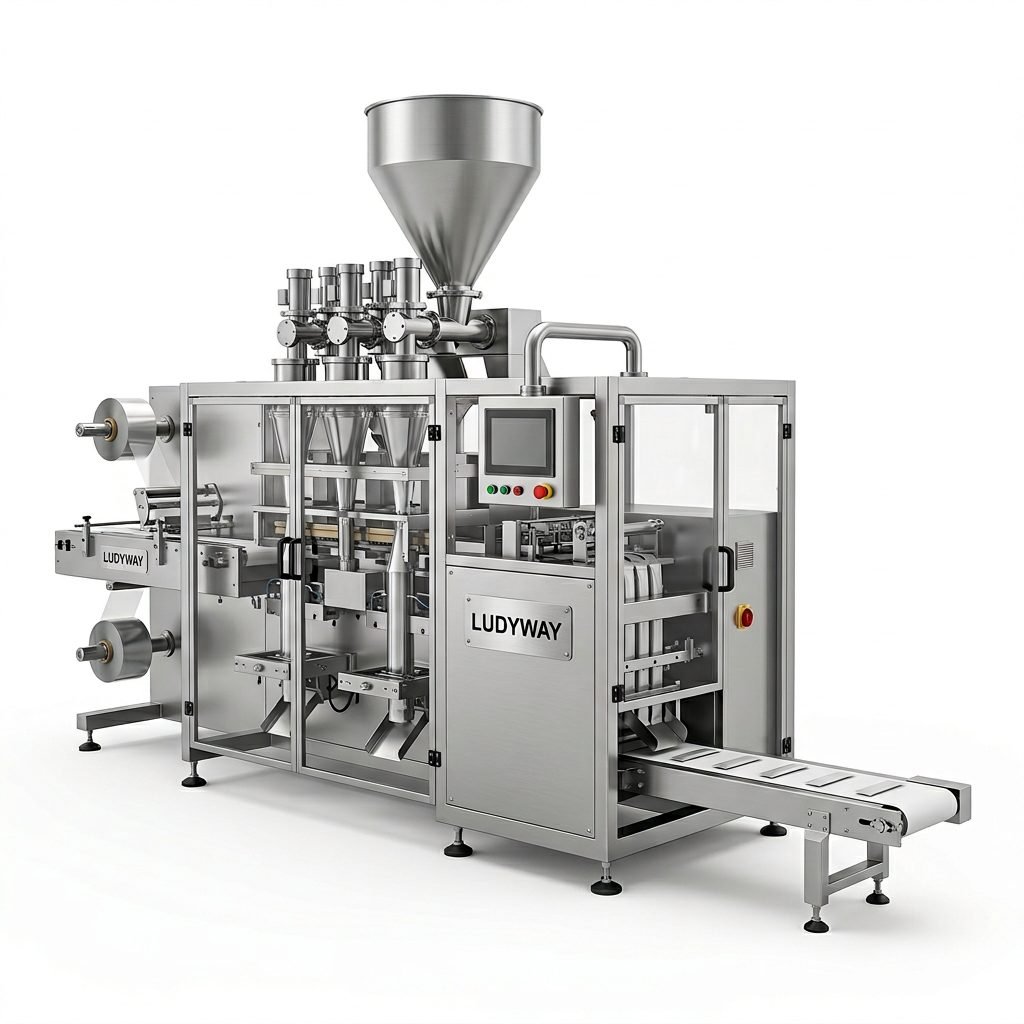
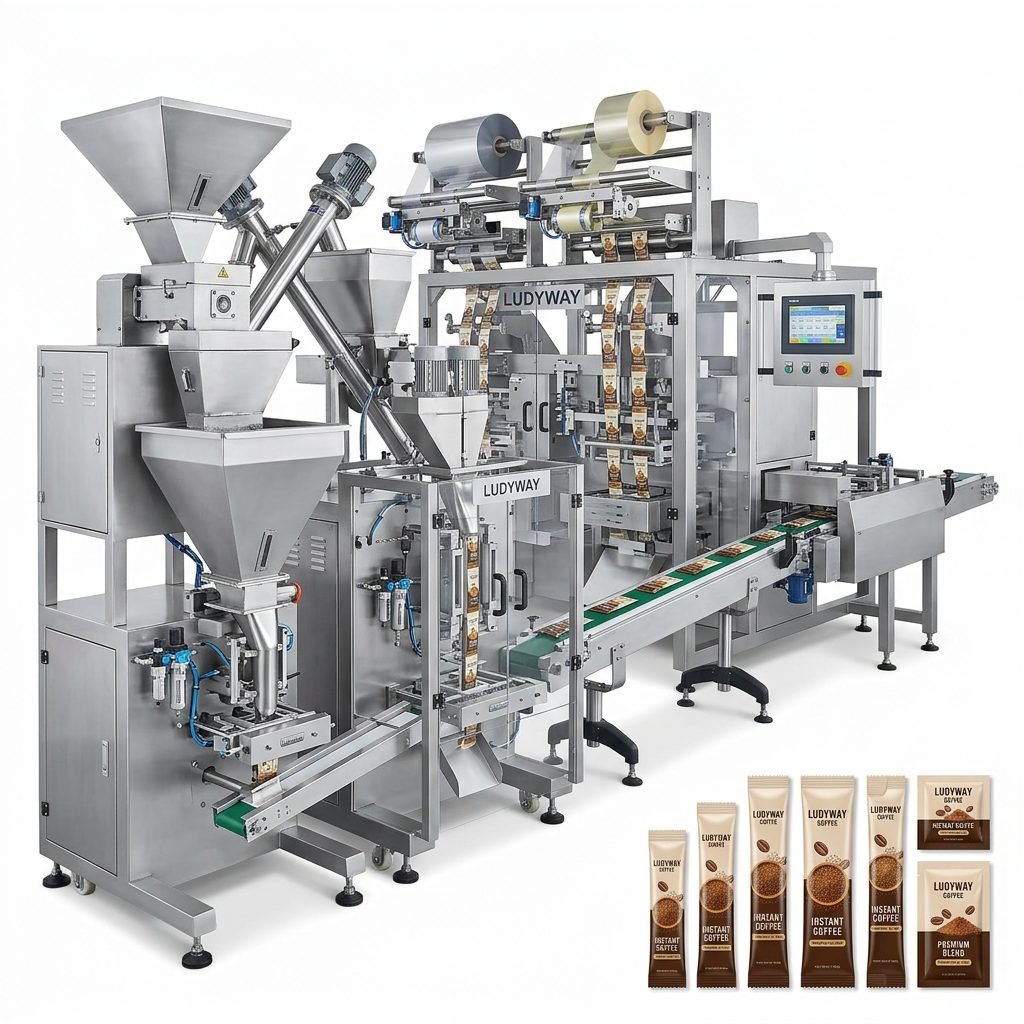
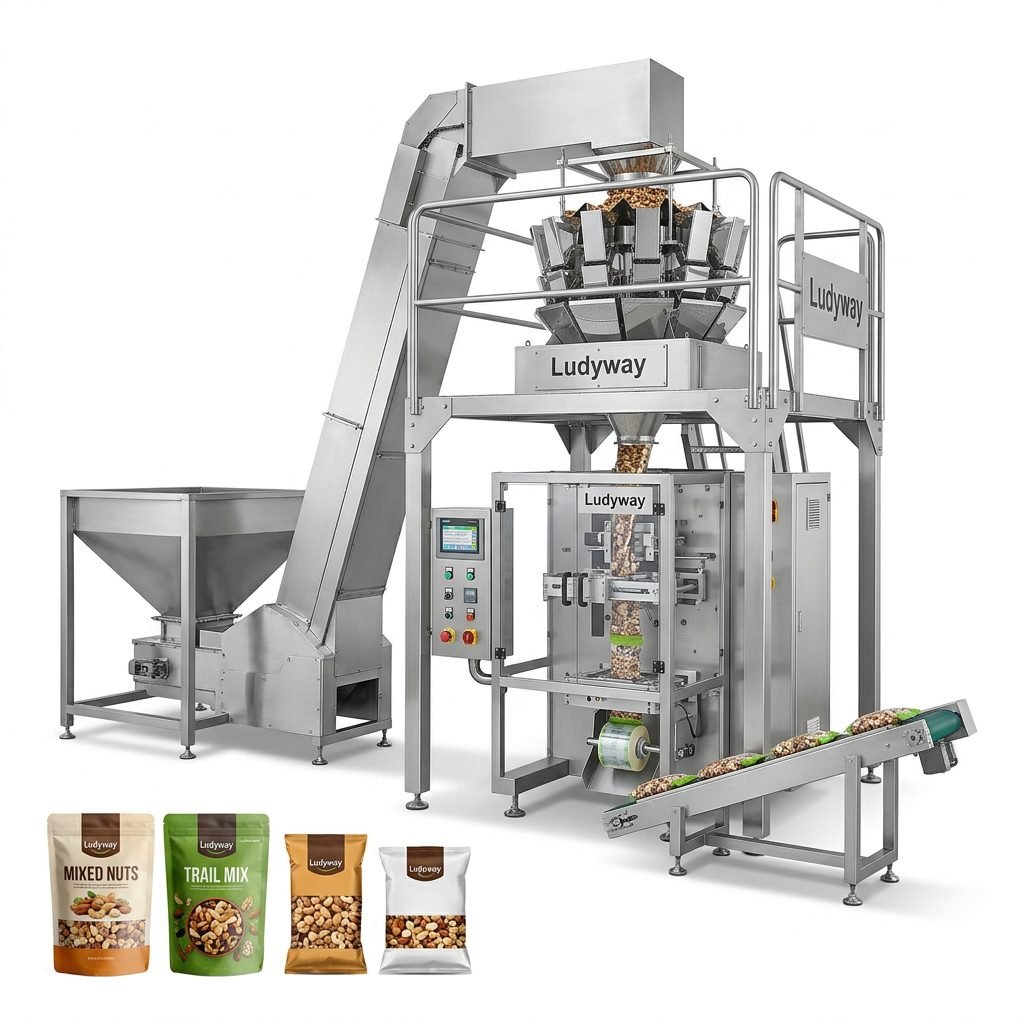
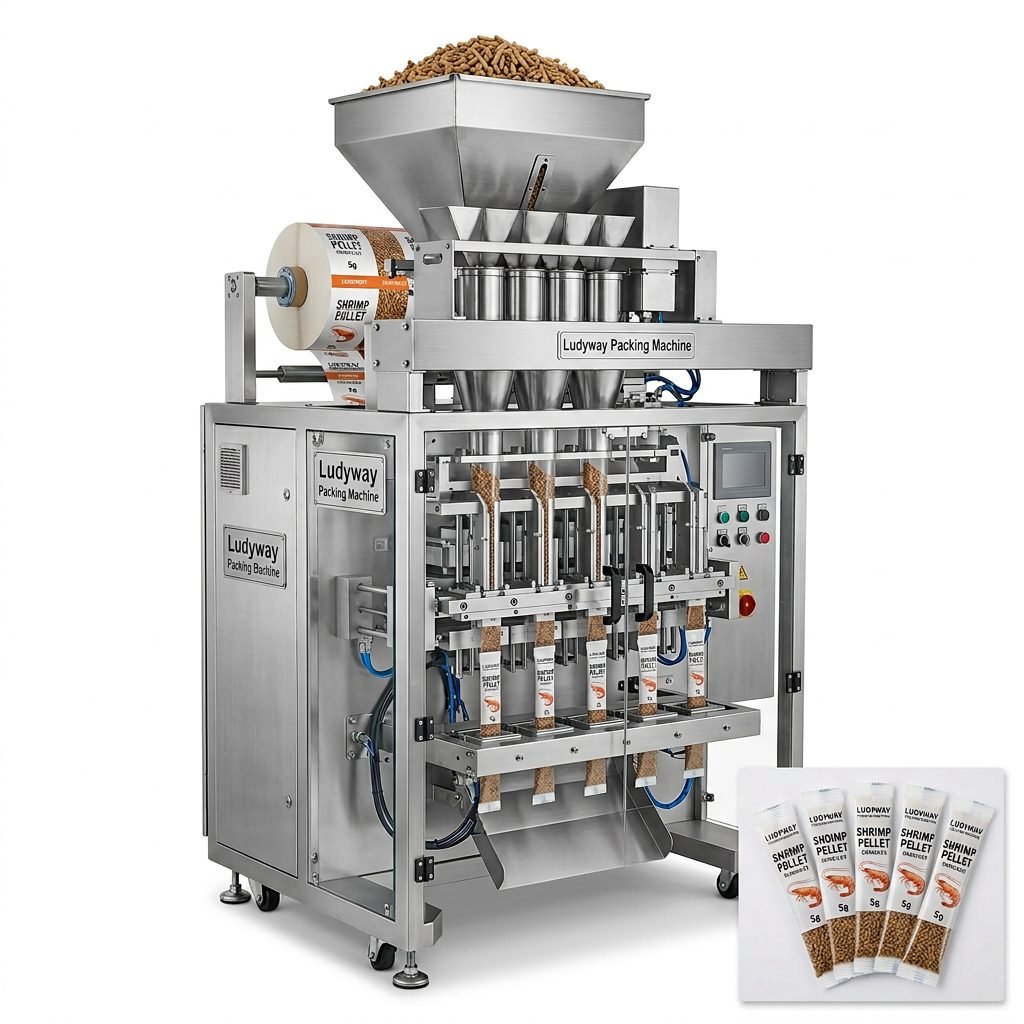
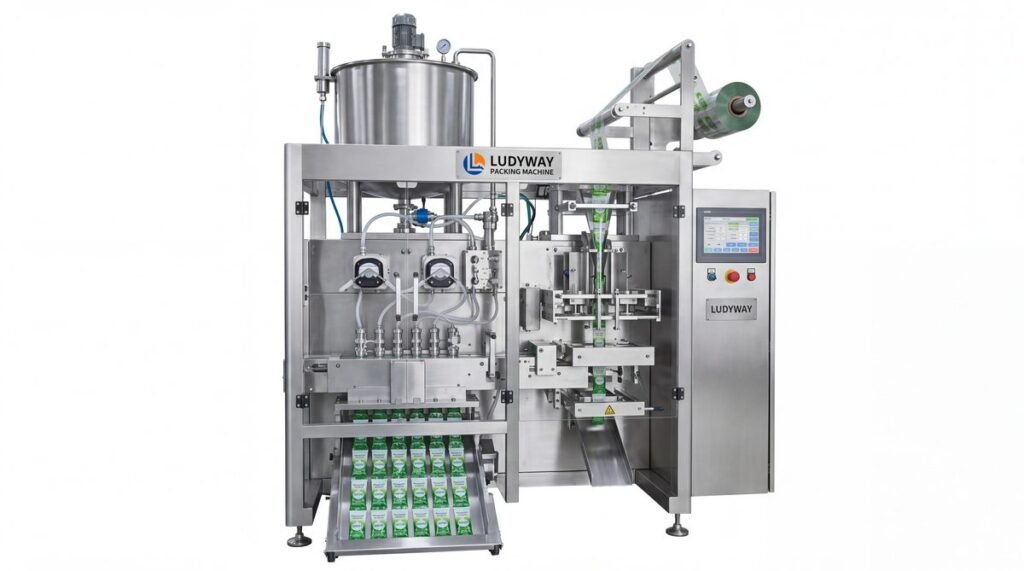
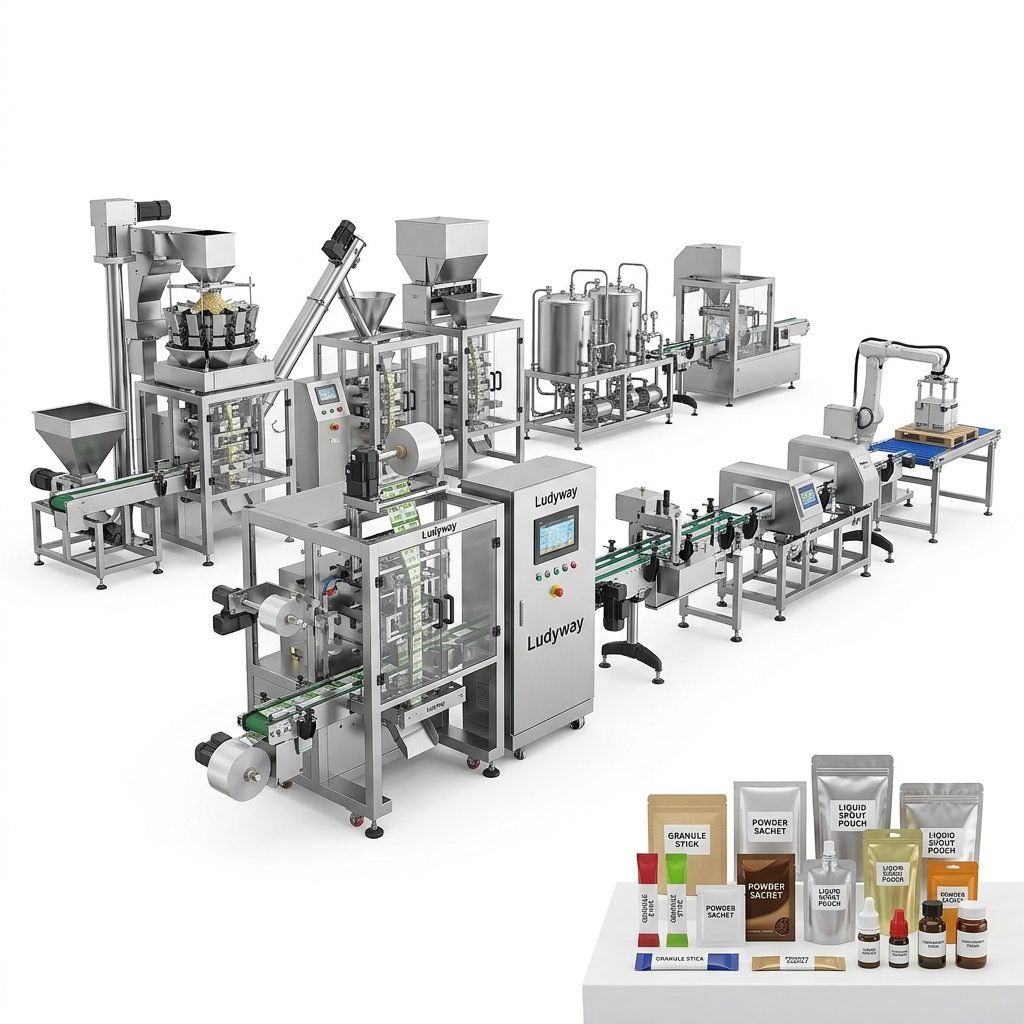
An automatic packaging machine completes most or all packaging steps with minimal manual intervention. Depending on the system, it can handle feeding, dosing, bag forming, filling, sealing, coding, checking, counting, cartoning, and even palletizing.
Common automatic equipment includes:
- Vertical form fill seal machines
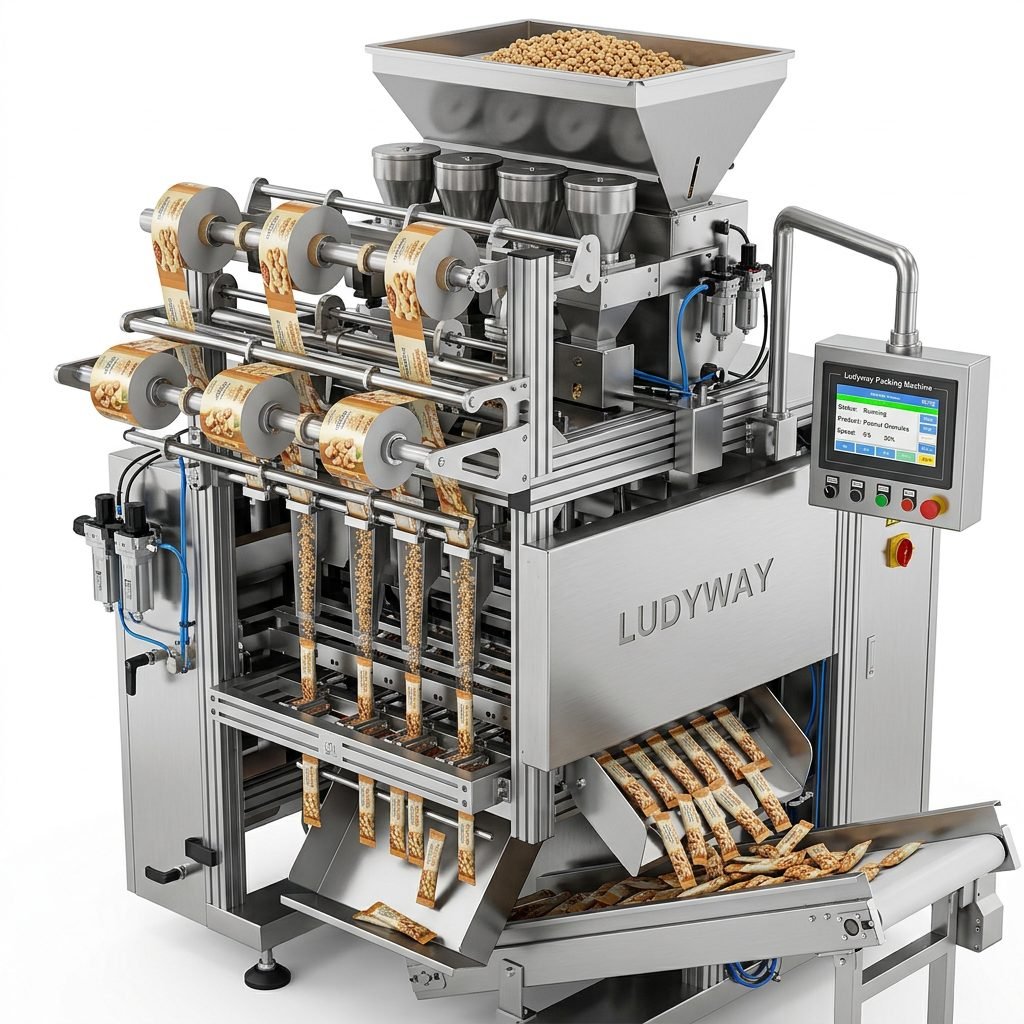
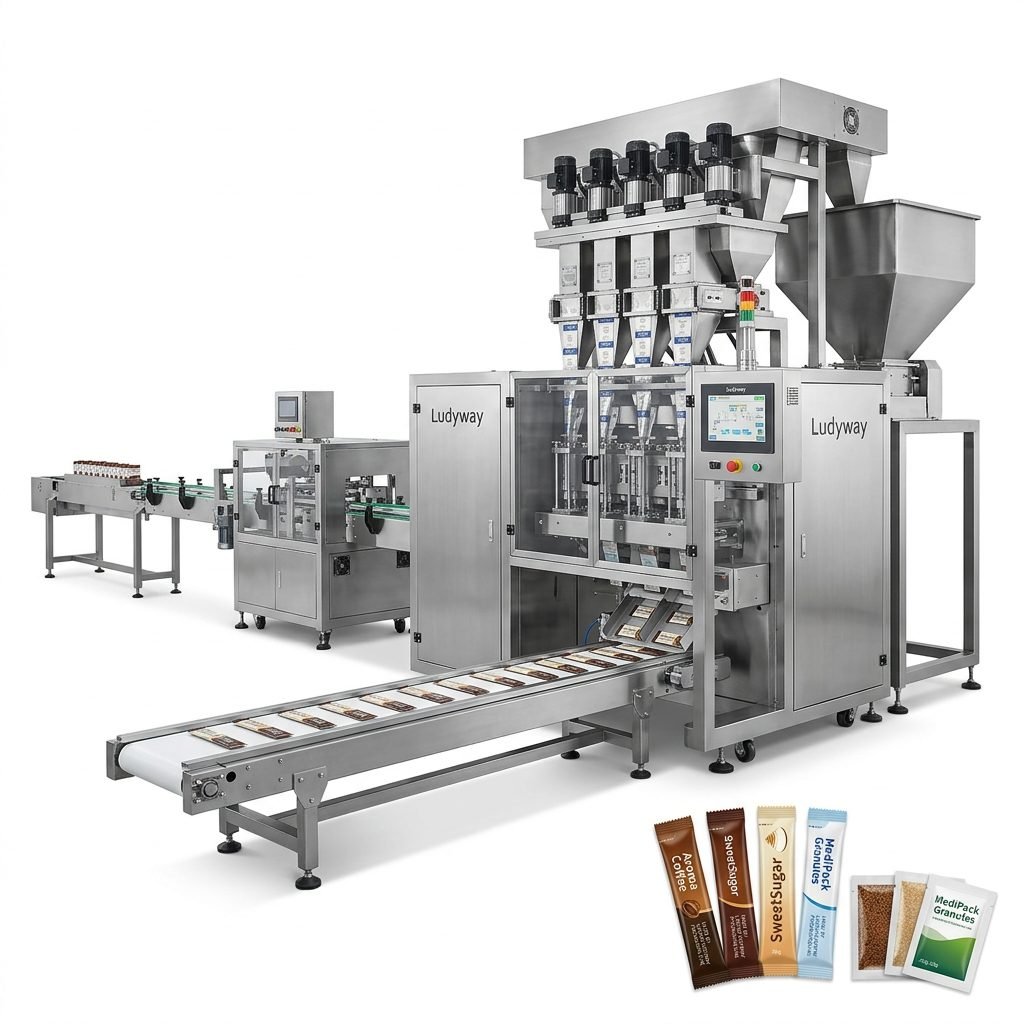
- Multi-lane stick pack and sachet machines
- Automatic pouch filling and sealing machines
- Bottle filling, capping, and labeling lines
- Turnkey integrated packaging lines
These systems are best suited for medium- to large-scale production where speed, repeatability, and labor reduction are top priorities.
Automatic vs Semi-Automatic Packaging Machines: Core Differences
| Factor | Semi-Automatic Machine | Automatic Machine |
|---|---|---|
| Labor Requirement | Needs regular operator involvement | Minimal operator involvement |
| Production Speed | Lower to moderate | Moderate to very high |
| Initial Investment | Lower | Higher |
| Automation Level | Partial | Full or near-full |
| Packaging Consistency | Depends more on operator skill | More stable and repeatable |
| SKU Flexibility | Often easier for short runs | Excellent with proper changeover design |
| Floor Space | Usually smaller footprint | Usually larger footprint |
| Best For | Startups, low volume, trial production | Growing brands, mass production, export orders |
1. Labor and Operator Dependence
The most visible difference is how much human involvement the machine needs. Semi-automatic equipment typically requires an operator to support one or more packaging steps. That means output is influenced by worker speed, attention, and consistency.
Automatic machines reduce this dependence. One operator may supervise the system, replenish packaging material, and monitor alarms rather than actively perform each packaging action. This can significantly reduce labor costs over time, especially in factories facing:
- Rising wages
- Labor shortages
- Shift scheduling difficulties
- Quality variation caused by manual handling
2. Speed and Output Capacity
If output targets are modest, a semi-automatic machine may be sufficient. But once demand grows, speed becomes a limiting factor. Automatic packaging systems are built for continuous operation and can support much higher daily volumes.
For example, an automatic sachet or stick pack line can produce many times more packs per minute than a semi-automatic setup. In high-demand sectors such as instant beverages, supplements, seasonings, pharmaceuticals, and personal care, this difference quickly becomes decisive.
3. Investment Cost vs Long-Term Cost
Semi-automatic machines usually have a lower purchase price, which makes them attractive for businesses with limited budgets. However, the lowest upfront cost is not always the lowest total cost.
Automatic machines cost more initially, but they often reduce:
- Per-unit labor cost
- Product giveaway from inconsistent filling
- Downtime caused by manual bottlenecks
- Packaging defects and rework
If you run high-volume production, the payback period for automation can be surprisingly short.
4. Accuracy and Packaging Quality
Packaging quality matters for both compliance and brand reputation. In industries such as pharmaceuticals, nutraceuticals, and premium food, inaccurate filling or inconsistent seals can create waste, complaints, or even regulatory issues.
Automatic machines are generally better at maintaining stable:
- Filling accuracy
- Seal integrity
- Bag length and appearance
- Batch coding consistency
- Overall pack presentation
Semi-automatic systems can still provide good results, but performance depends more heavily on training, operator discipline, and process control.
5. Flexibility for Product Changes
Many buyers assume semi-automatic machines are always more flexible. That can be true for very small runs, frequent manual adjustments, or early-stage product testing. But modern automatic systems can also be highly flexible when designed with recipe storage, quick change parts, servo control, and user-friendly HMI settings.
The real question is not simply “Which is more flexible?” but rather:
- How often do you change products?
- How many pack sizes do you run?
- How fast must changeover be?
- Do you package powders, granules, liquids, or multiple formats?
When a Semi-Automatic Packaging Machine Is the Better Choice
A semi-automatic system is often the right solution if your operation falls into one or more of the following categories:
- Low production volume with no immediate need for scale
- New product launches where market demand is still uncertain
- Budget-sensitive projects requiring controlled capital spending
- Frequent product experimentation and short-run packaging jobs
- Limited floor space in small workshops or pilot production rooms
It is especially suitable for businesses starting in niche supplements, specialty foods, cosmetics, or lab-scale pharmaceutical packaging.
When an Automatic Packaging Machine Is the Better Choice
An automatic packaging system is usually the better investment when your factory needs:
- Higher throughput and stable daily output
- Lower labor dependence in a competitive labor market
- Consistent quality across large batches
- Better production data and control
- Scalability for future business growth
- Line integration with conveyors, coding, inspection, cartoning, and palletizing
This is especially common in larger food plants, pharmaceutical factories, and export-oriented manufacturers that need reliable, repeatable packaging performance.
How to Choose the Right Machine for Your Business
Instead of selecting equipment based only on price, assess the full production picture. A practical buying decision should include the following factors.
Production Volume
Estimate your current and next 2-3 years of demand. If you are already close to the upper limit of manual or semi-automatic output, moving directly to automatic may save you from replacing equipment too soon.
Product Type
Powders, granules, liquids, pastes, tablets, and pouches all require different feeding, dosing, and sealing methods. The machine should match the physical behavior of the material, not just the package format.
Packaging Format
Consider whether you need sachets, stick packs, pouches, bottles, jars, cartons, or bulk bags. The complexity of the final pack often determines whether semi-automatic equipment remains viable.
Labor Cost
In regions where labor costs are increasing or staffing is unstable, automatic equipment often becomes more attractive even at a higher purchase price.
Compliance Requirements
In pharmaceutical, health supplement, and some food applications, traceability, hygiene, and process consistency are major concerns. Automation can help standardize operations and reduce compliance risks.
Expansion Plan
If your business expects new distributors, export growth, contract manufacturing opportunities, or large retail orders, buying for today alone may be shortsighted.
| Business Situation | Recommended Option |
|---|---|
| Startup with low order volume | Semi-automatic |
| Testing a new product line | Semi-automatic or compact automatic |
| Factory with growing repeat orders | Automatic |
| High labor cost environment | Automatic |
| Strict consistency and traceability needs | Automatic |
| Short runs with many frequent manual adjustments | Semi-automatic |
Common Mistakes Buyers Should Avoid
- Choosing only by initial price instead of lifecycle cost
- Ignoring future capacity needs and buying equipment that becomes undersized quickly
- Over-automating too early without stable demand
- Underestimating product characteristics such as powder flowability or liquid viscosity
- Forgetting integration needs like feeders, conveyors, coding, inspection, and end-of-line systems
- Not evaluating supplier support for installation, spare parts, and after-sales service
Why Supplier Capability Matters
Even the best machine specification on paper may not deliver the expected results if the supplier lacks application experience. Packaging projects often involve more than one machine, especially when handling real production conditions such as dust control, product feeding, sealing quality, coding, inspection, and line synchronization.
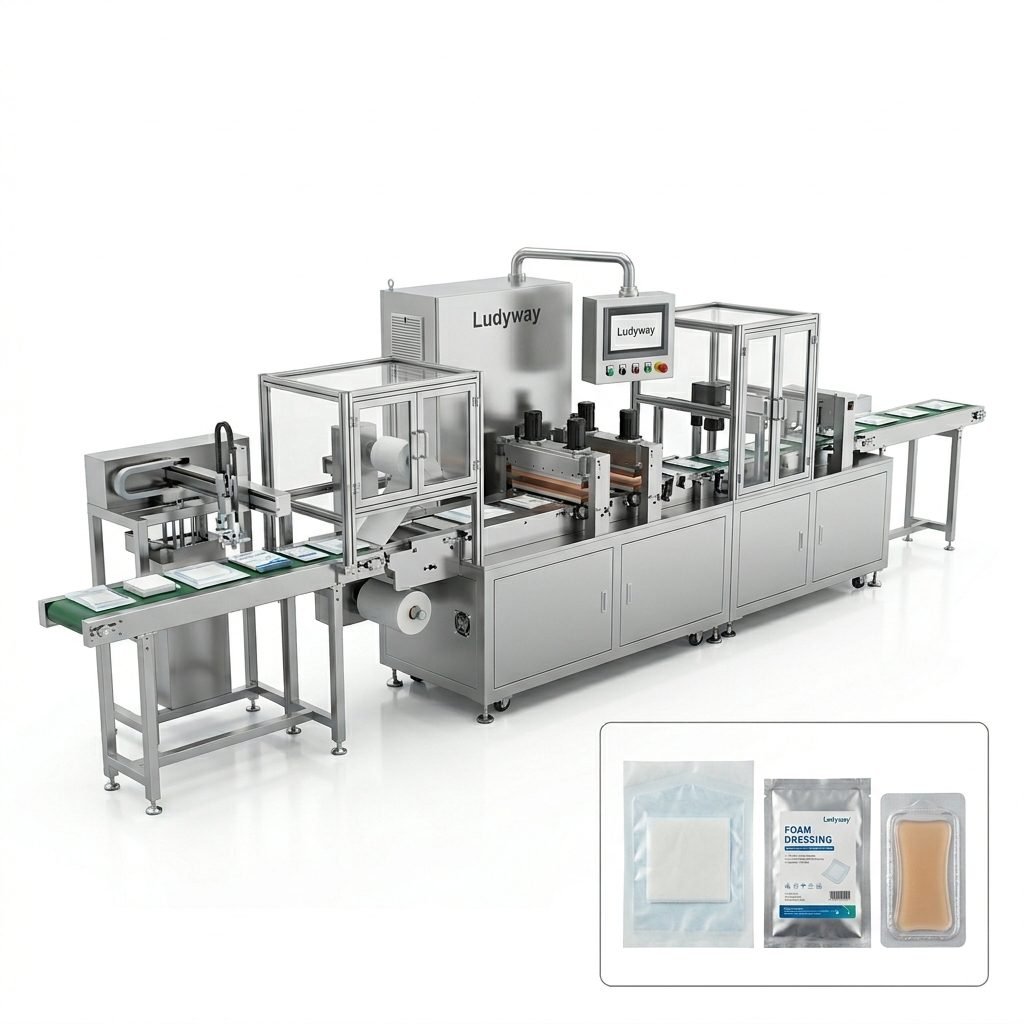
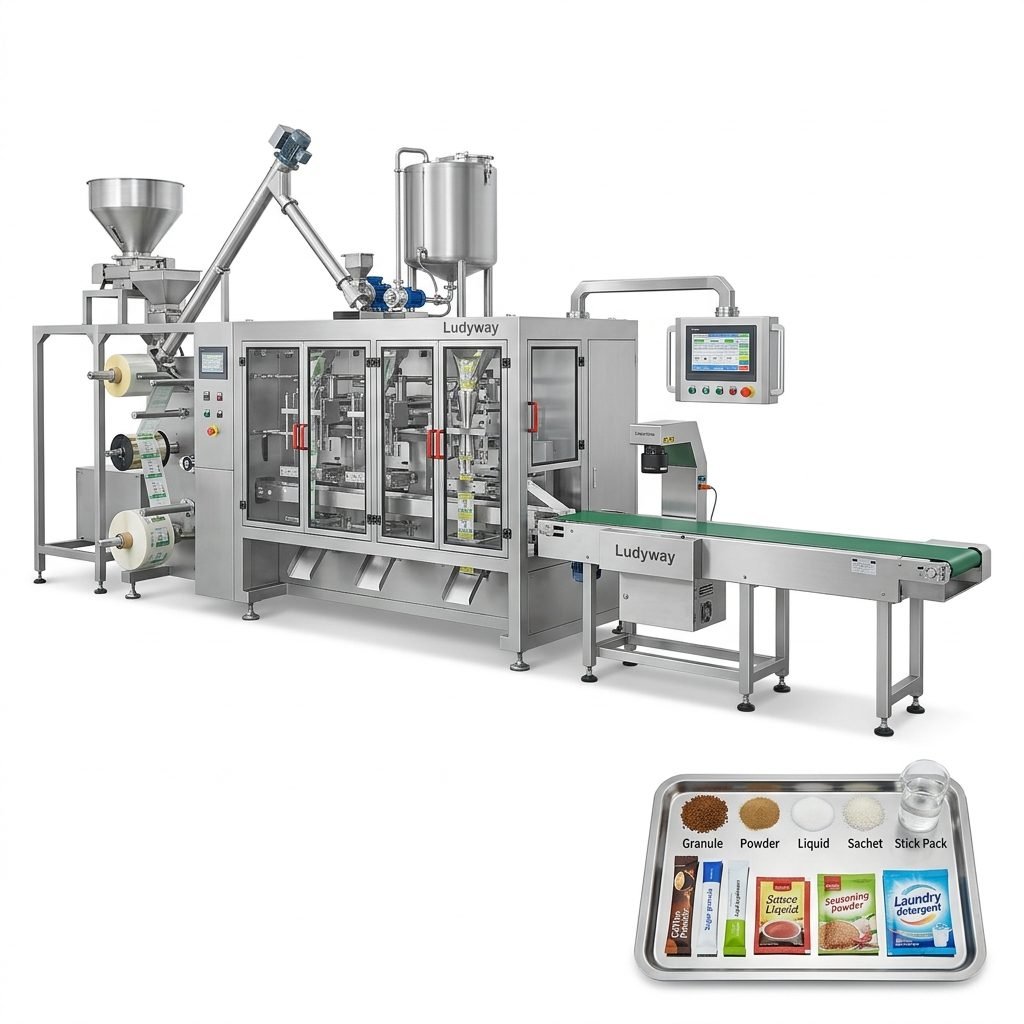
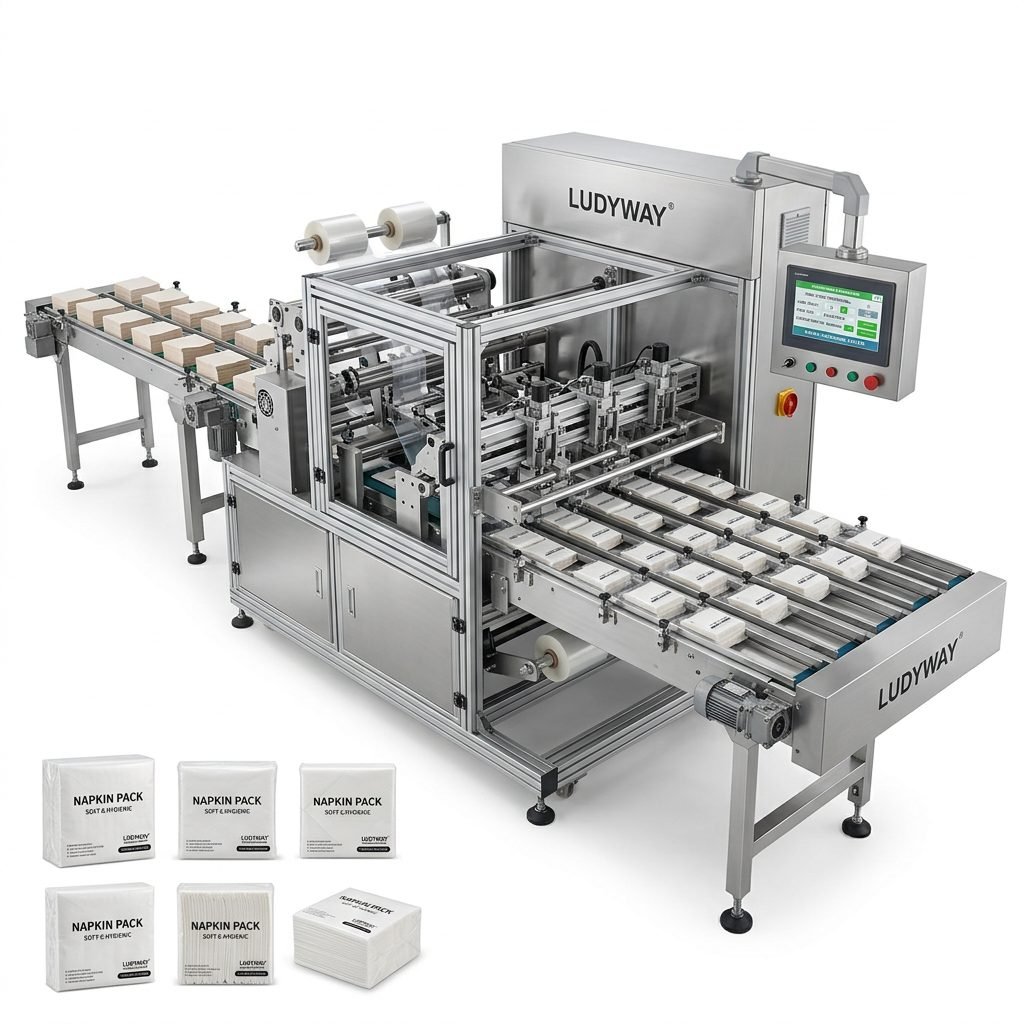
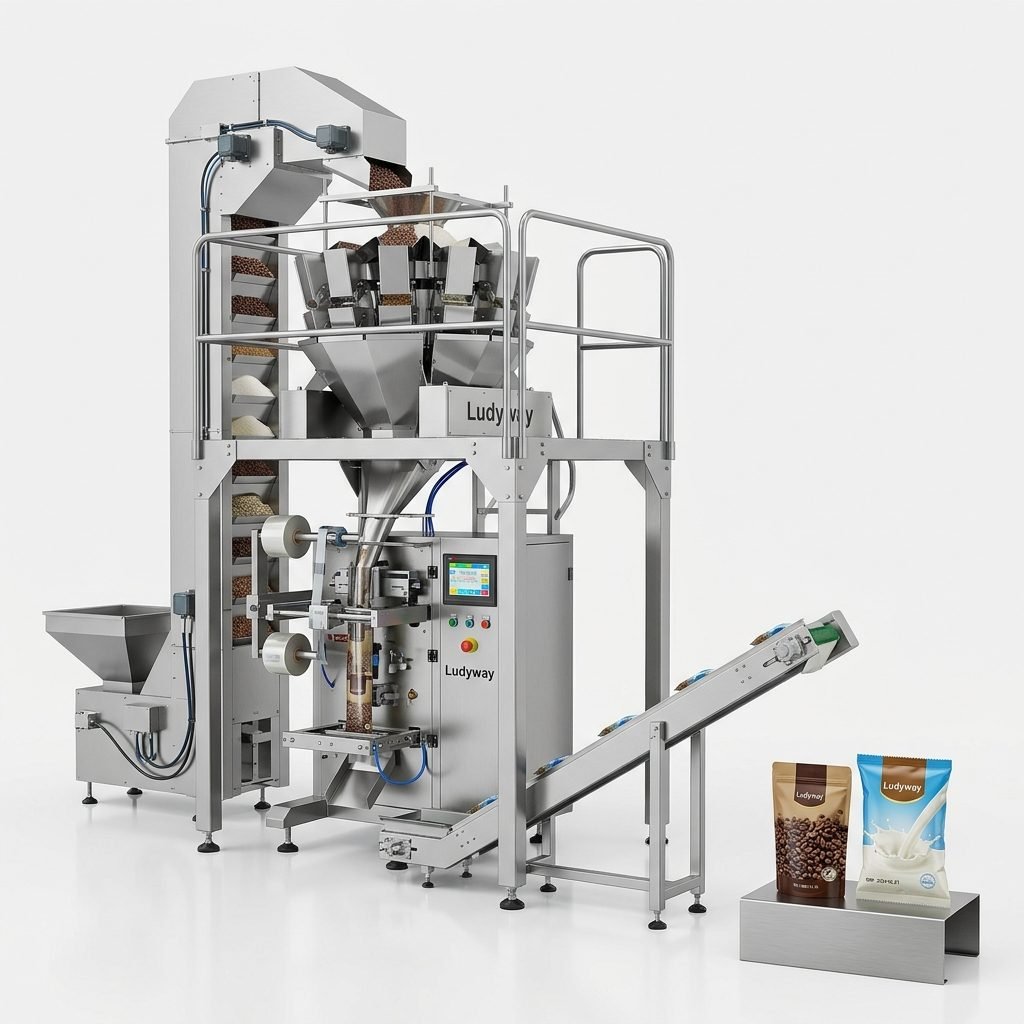
Buyers often prefer experienced manufacturers that can provide both standalone machines and complete line solutions. For businesses looking for scalable automation in food, pharma, health supplement, cosmetics, or related sectors, Ludyway packaging machine solutions are often considered because of their broad equipment range, turnkey line capability, and more than 30 years of manufacturing experience.
Final Decision Framework
If you need a quick rule of thumb:
- Choose semi-automatic packaging machines if your production is small, your budget is limited, and flexibility matters more than speed.
- Choose automatic packaging machines if you need higher efficiency, lower labor dependence, stronger consistency, and room to scale.
The smartest choice is the one that matches your actual output goals, product characteristics, labor structure, and growth strategy. In many cases, a factory may start semi-automatic and upgrade later; in others, moving directly to automation is the more cost-effective long-term decision.
Frequently Asked Questions
Is a semi-automatic packaging machine good for commercial use?
Yes. It is suitable for commercial use when production volume is moderate, packaging runs are shorter, or businesses need manual flexibility.
Does automatic packaging always mean better ROI?
Not always. ROI depends on output volume, labor savings, packaging accuracy, and how often the machine runs. For very small batch production, semi-automatic equipment may offer better short-term value.
Can small businesses buy automatic packaging machines?
Absolutely. Many compact automatic models are designed for growing small and medium manufacturers that want to improve efficiency early.
Which industries benefit most from automatic packaging?
Food, pharmaceutical, health supplement, cosmetic, chemical, and pet product industries often benefit greatly from automatic packaging because they require speed, consistency, and scalable production.