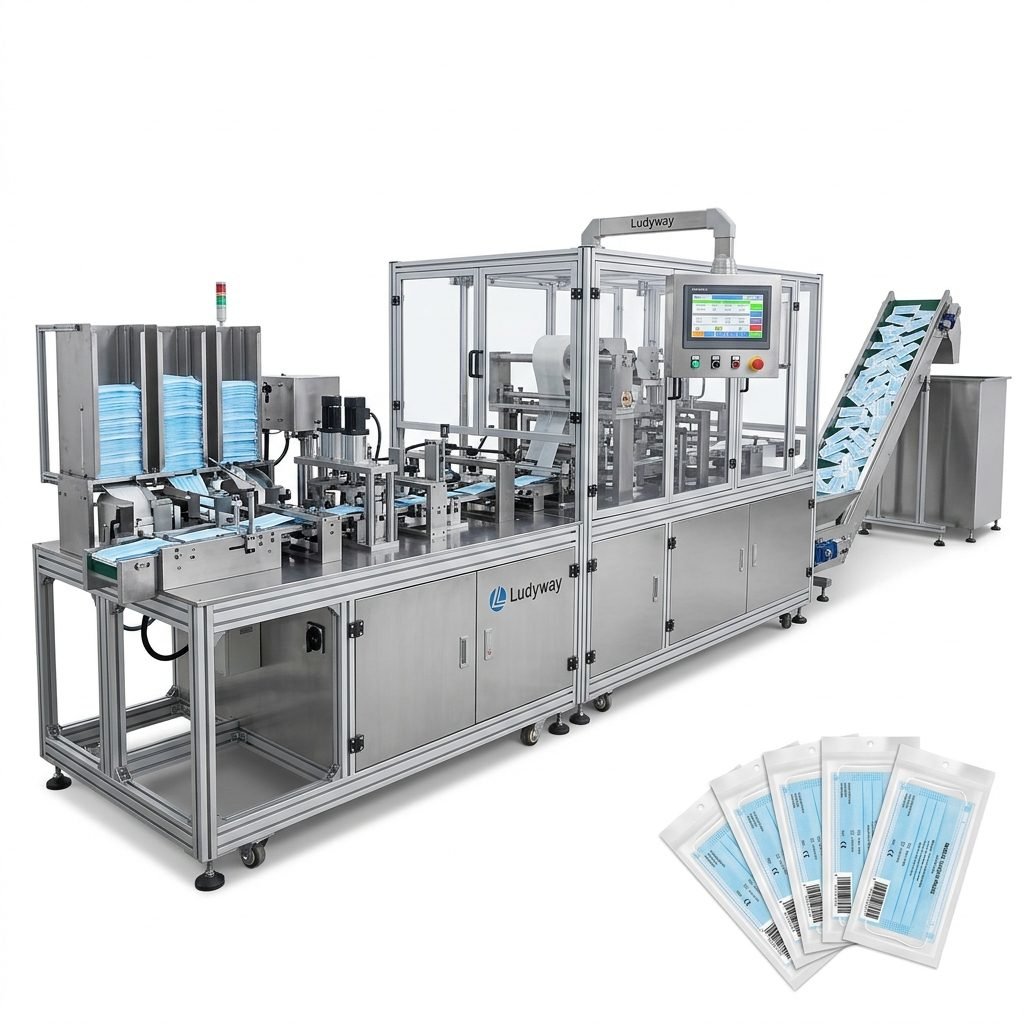
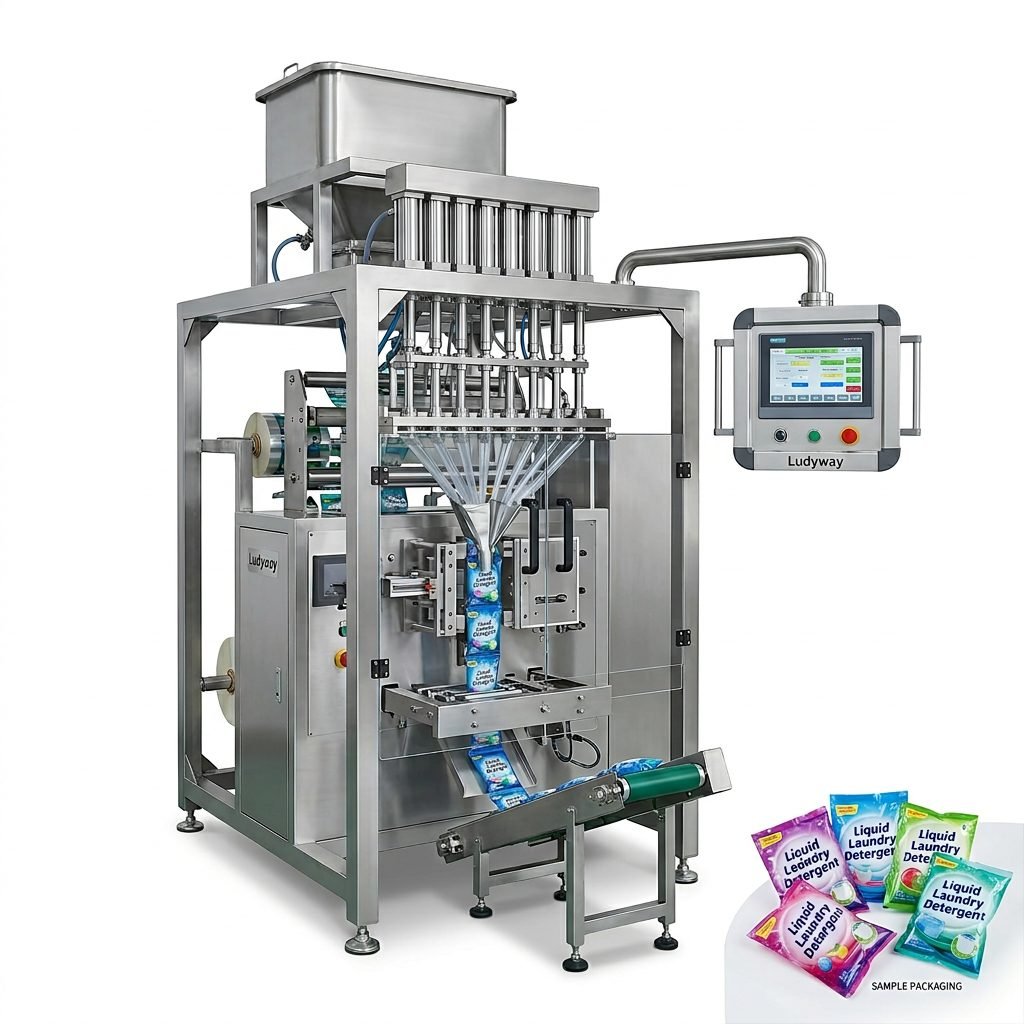
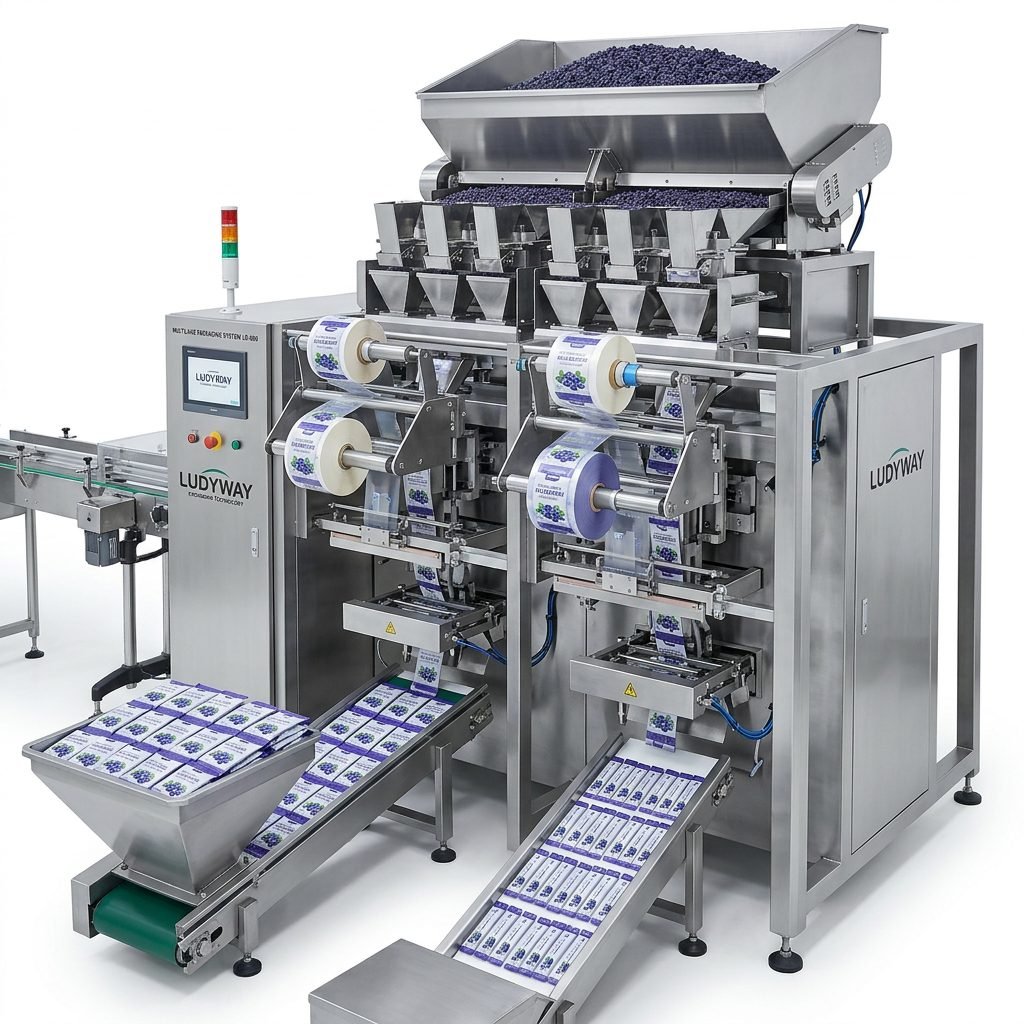
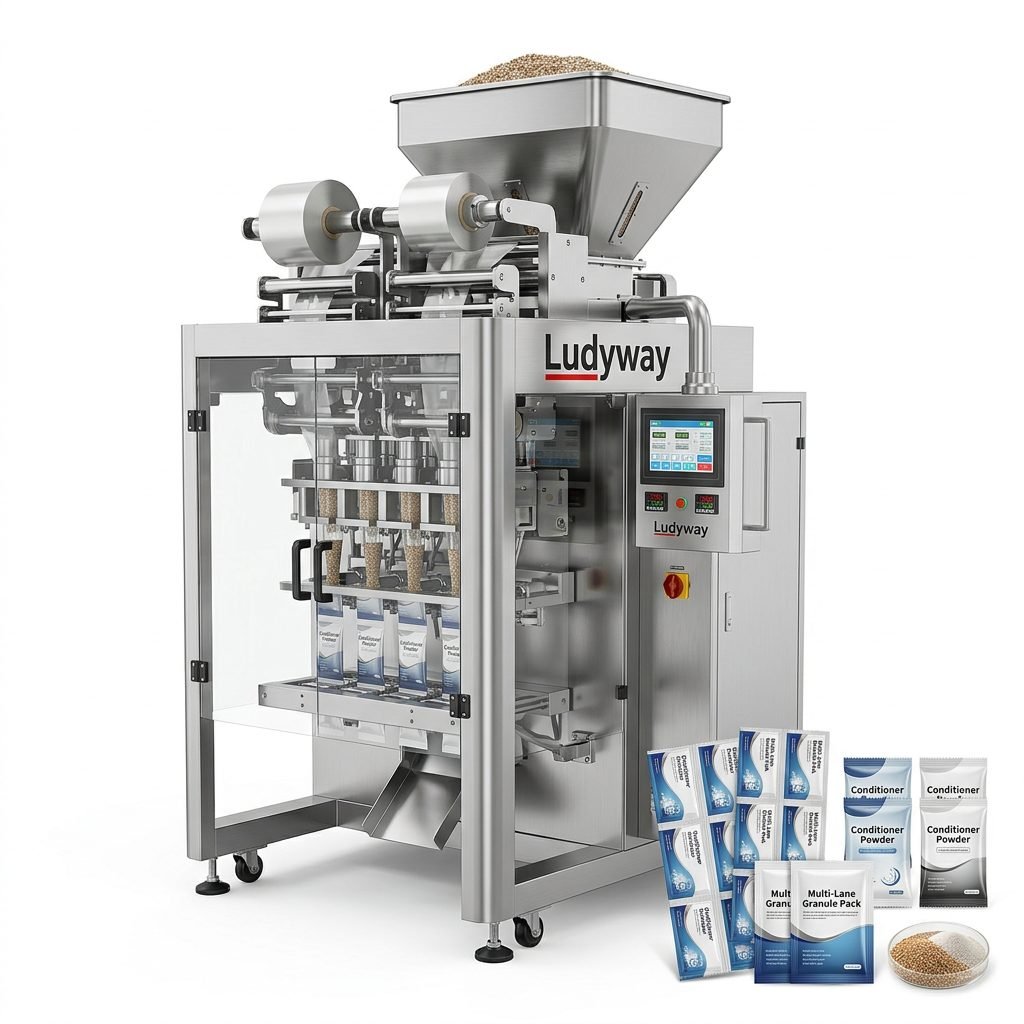
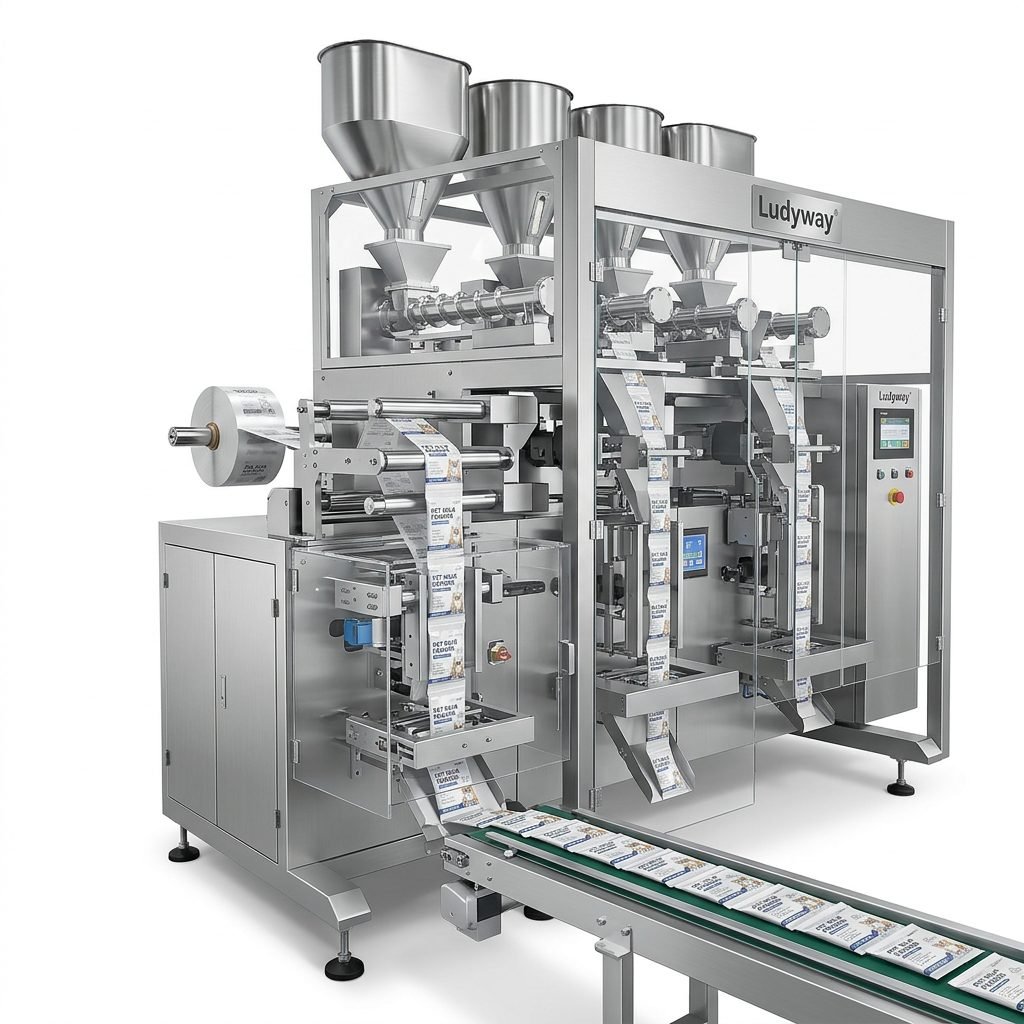
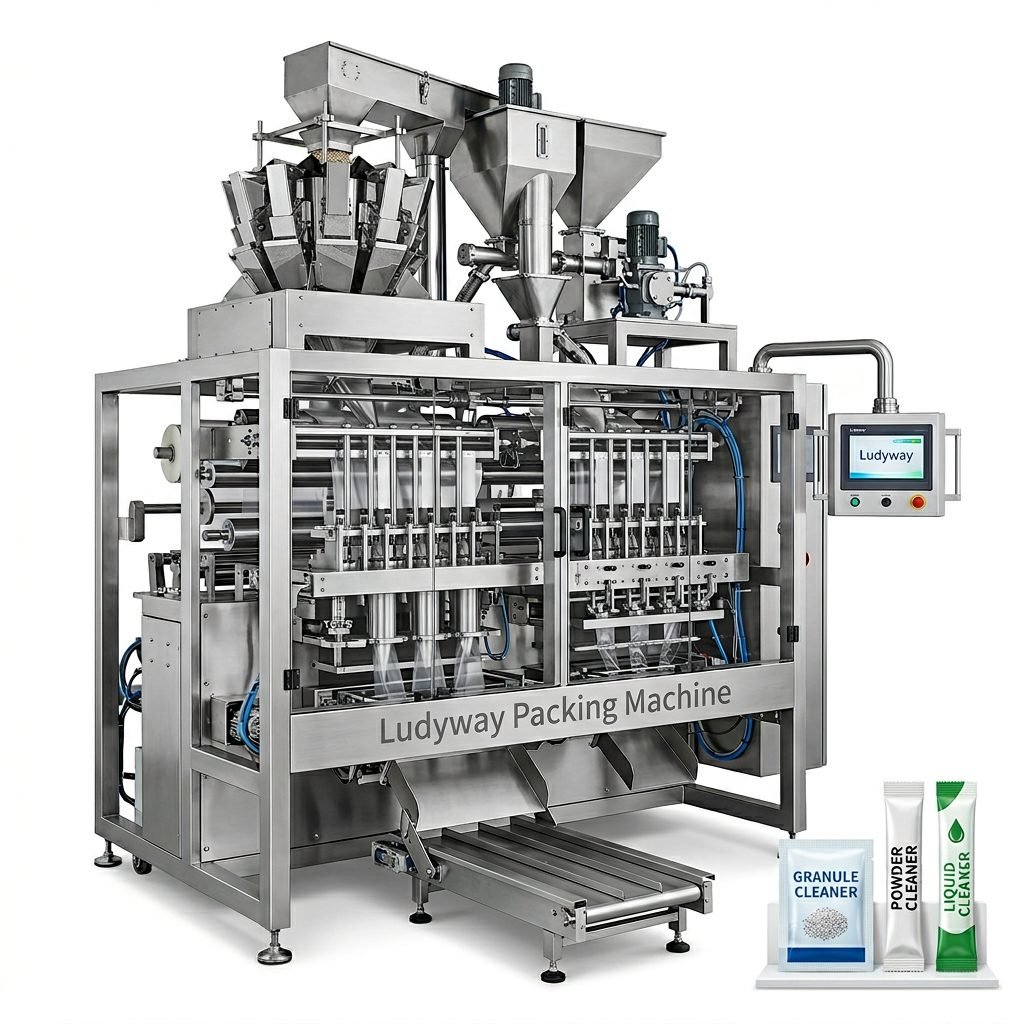
Food businesses today face rising pressure to deliver faster output, better hygiene, lower labor dependence, and more consistent packaging quality. An automatic food packing machine helps manufacturers meet these goals by integrating filling, weighing, sealing, coding, counting, and conveying into one efficient workflow.
Whether you produce powders, granules, sauces, liquids, snacks, coffee, seasonings, or frozen food products, choosing the right automation system can significantly improve production speed while reducing packaging waste and manual errors. For growing factories and established brands alike, automation is no longer just a competitive advantage—it is becoming a practical necessity.

What Is an Automatic Food Packing Machine?
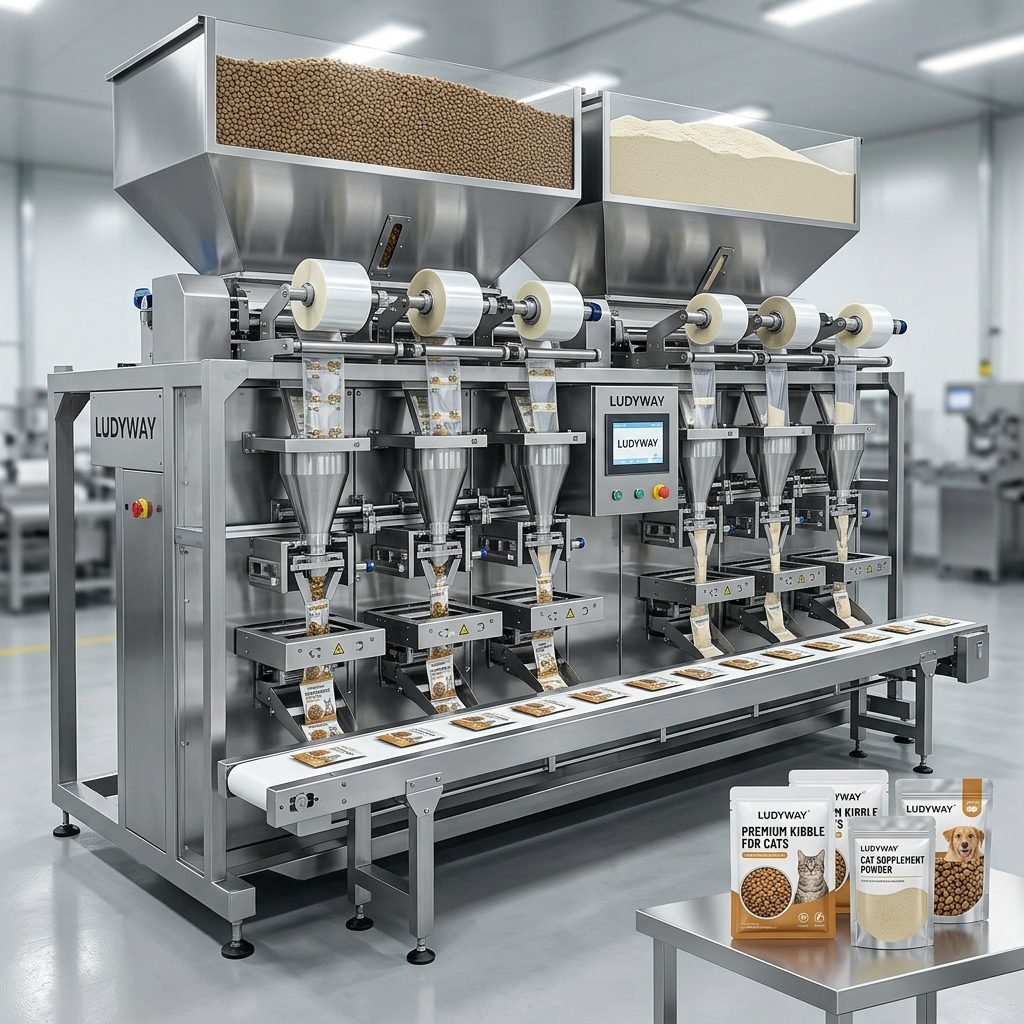
An automatic food packing machine is equipment designed to package food products with minimal human intervention. It can automatically handle one or several stages of packaging, including:
- Product feeding
- Accurate dosing or weighing
- Bag or pouch forming
- Filling
- Sealing
- Date coding or batch printing
- Counting, cartoning, or line integration
These machines are widely used in food sectors such as instant beverages, coffee, sugar, spices, milk powder, sauces, snacks, grains, supplements, and ready-to-eat products.
Why Food Businesses Are Moving Toward Automated Packaging
Manual or semi-automatic packaging may work for small batches, but as demand grows, limitations quickly appear. Automatic systems solve many common production bottlenecks.
- Higher Throughput
Automatic food packing machines can run continuously at stable speeds, helping factories meet larger daily output targets. - Better Packaging Consistency
Consistent fill weight, seal appearance, and bag size improve product presentation and reduce customer complaints. - Improved Hygiene Control
Less direct human contact with food supports cleaner production and easier compliance with food safety standards. - Lower Labor Costs
Automation reduces reliance on repetitive manual operations and helps manufacturers manage labor shortages more effectively. - Reduced Material Waste
Accurate filling and reliable sealing lower film waste, product loss, and rework. - Easier Line Integration
Modern systems can connect with feeders, elevators, checkweighers, coding machines, conveyors, and cartoning units.
Common Types of Automatic Food Packing Machines
Different food products require different packaging formats and machine structures. The best machine depends on product characteristics, target output, and pouch style.
| Machine Type | Best For | Typical Packaging Format |
|---|---|---|
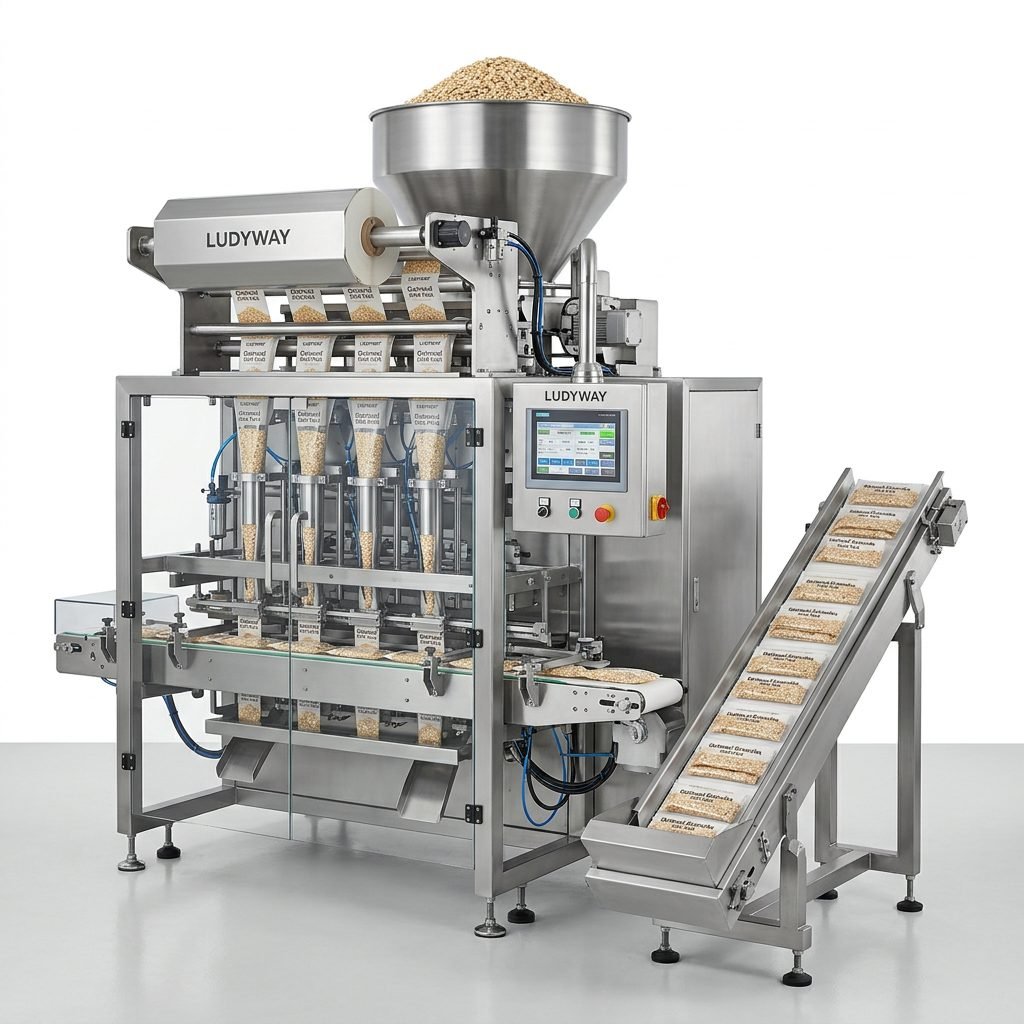
| Vertical Form Fill Seal Machine | Granules, powders, snacks | Pillow bags, gusset bags |
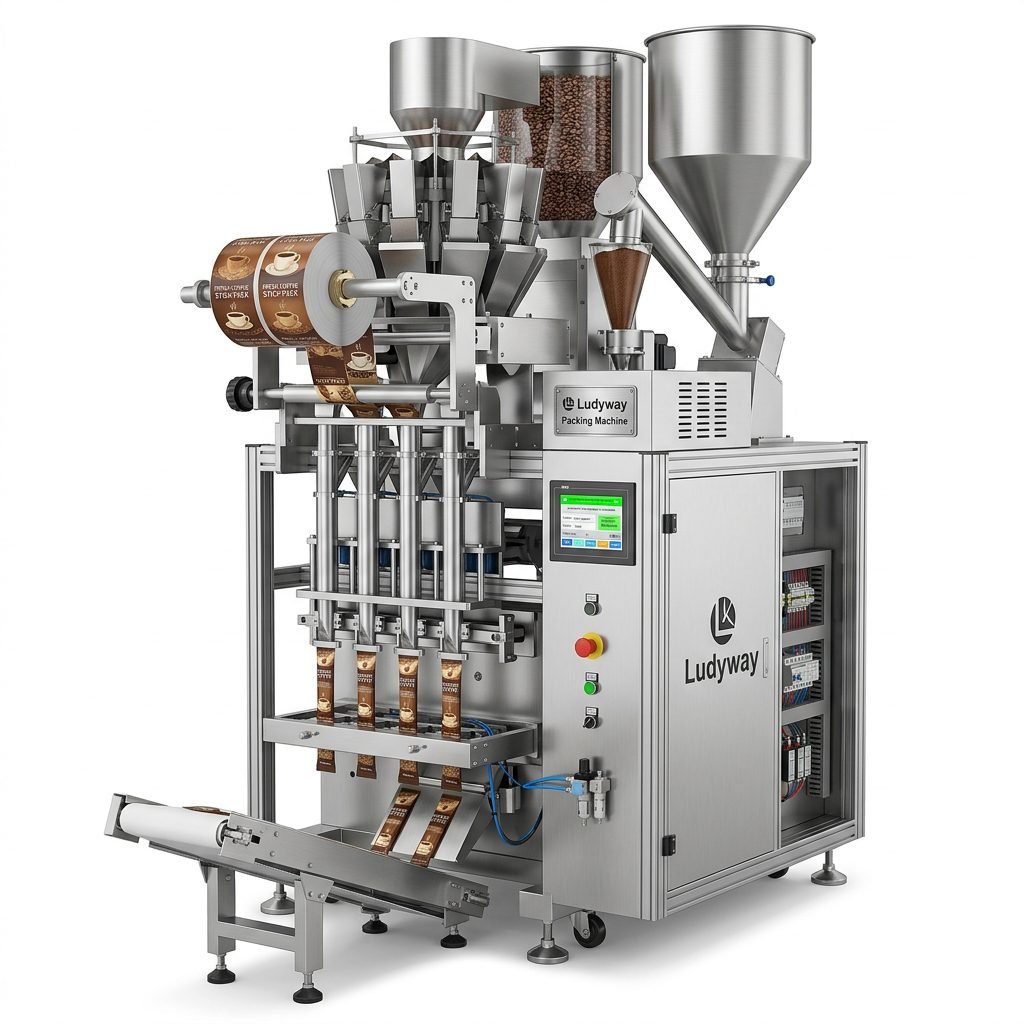
| Sachet Packing Machine | Sugar, coffee, sauces, condiments | 3-side or 4-side seal sachets |
| Stick Pack Machine | Drink powders, instant coffee, supplements | Slim stick packs |
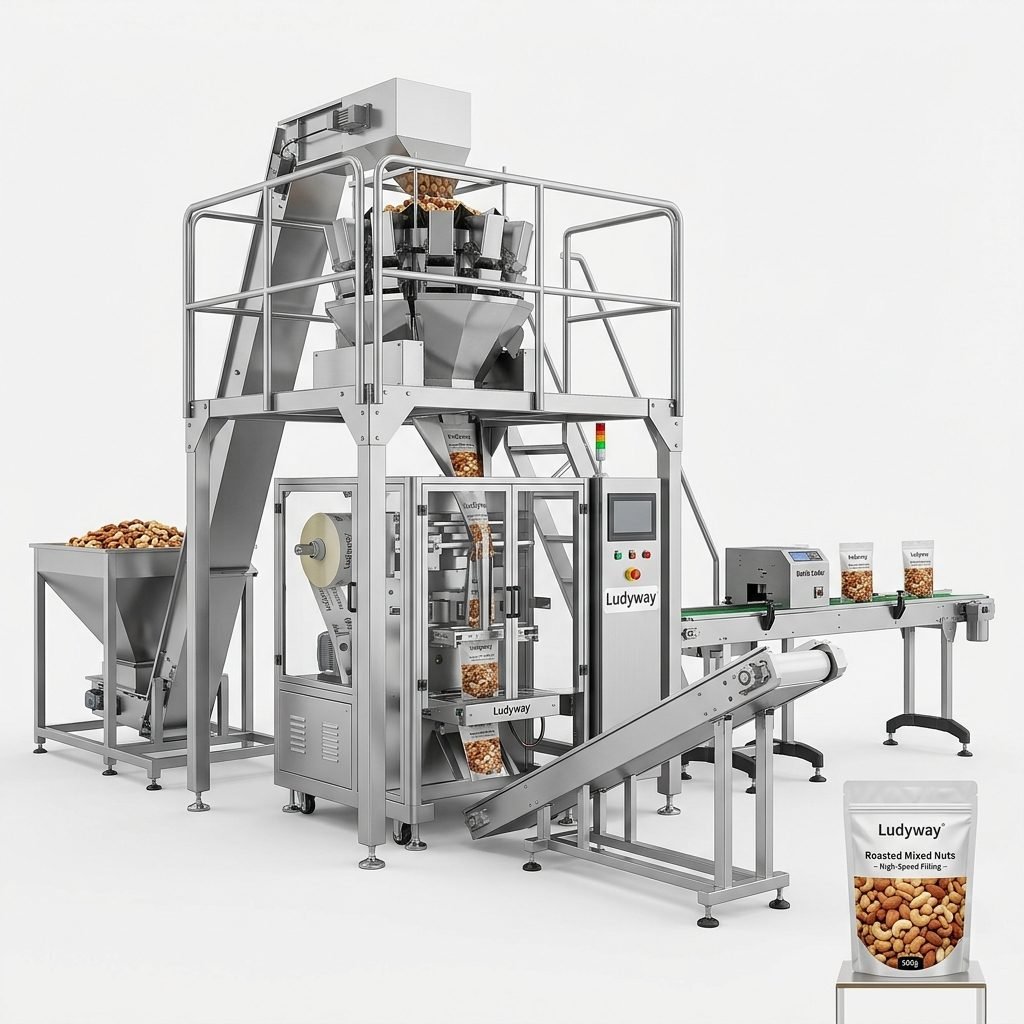
| Premade Pouch Packing Machine | Nuts, dried foods, sauces, liquids | Stand-up pouches, zipper pouches |
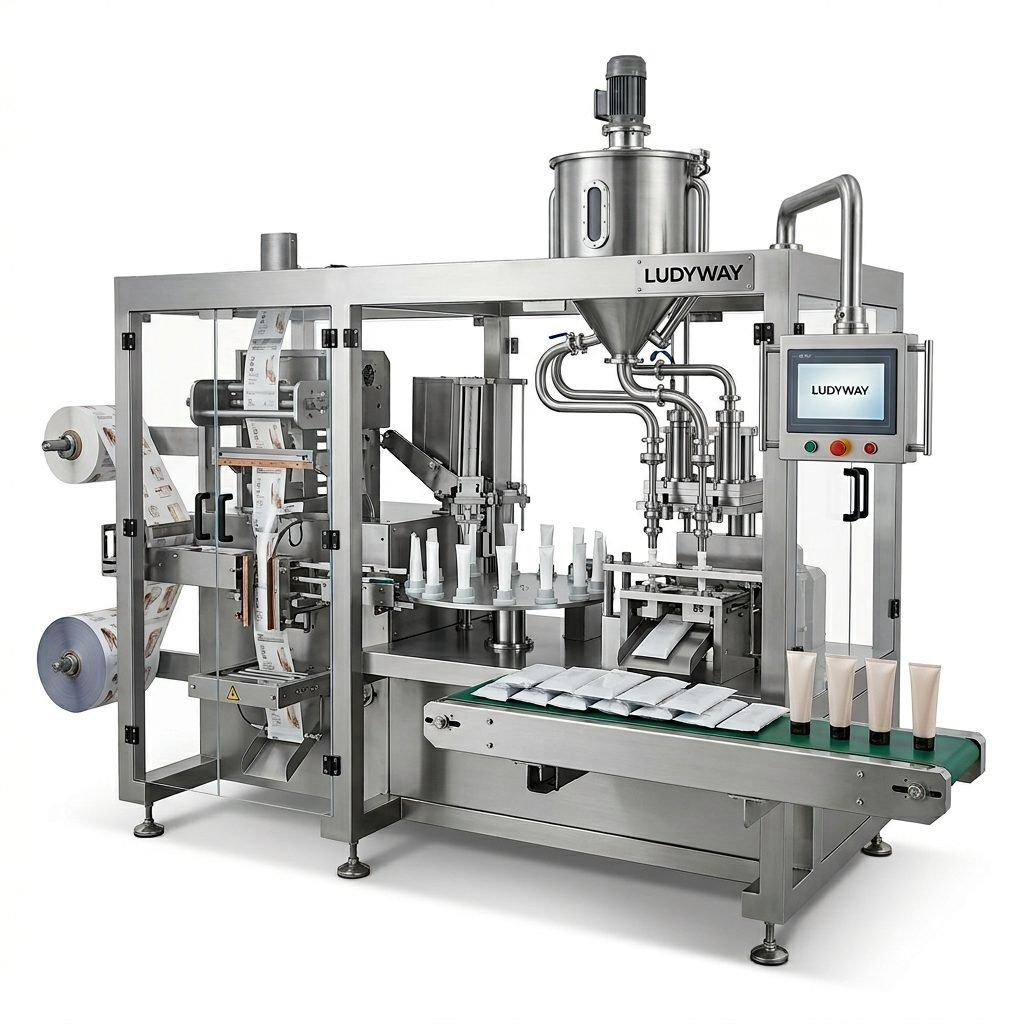
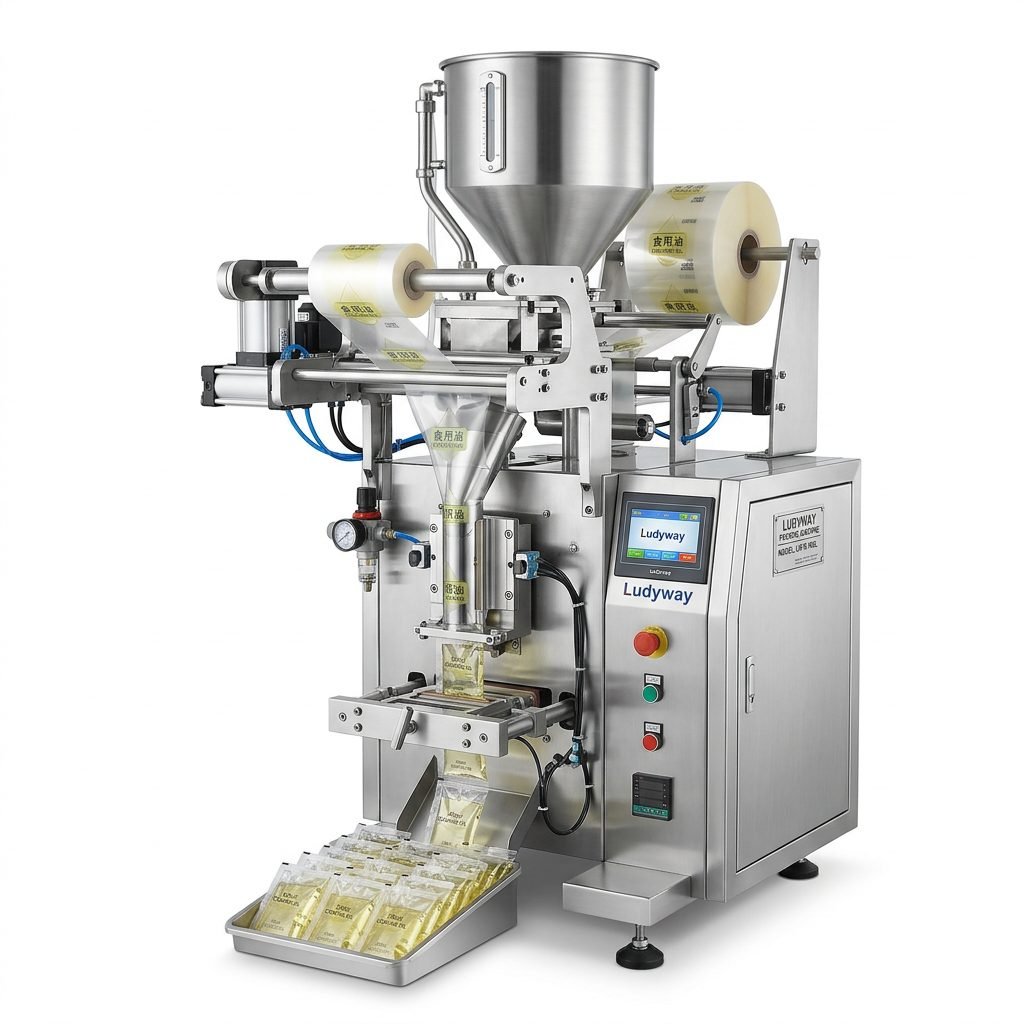
| Liquid/Paste Filling and Sealing Machine | Sauce, oil, honey, jam | Sachets, pouches, bottles |
| Turnkey Packaging Line | Large-scale integrated food production | Complete automated packaging process |
Applications Across the Food Industry
Automatic food packing machines are flexible enough to support a wide range of food categories. The most common applications include:
Powder Products
- Milk powder
- Protein powder
- Coffee powder
- Seasoning powder
- Baking mixes
- Nutritional supplements
Granule Products
- Sugar
- Salt
- Rice
- Seeds
- Nuts
- Snack granules
Liquid and Paste Products
- Cooking oil
- Honey
- Ketchup
- Mayonnaise
- Soy sauce
- Curry sauce
Convenience and Single-Serve Packaging
Single-dose and portable formats are growing quickly in modern food markets. Stick packs and sachets are especially popular because they are compact, convenient, and easy for consumers to use on the go.
Key Features to Look for in an Automatic Food Packing Machine
Not all machines offer the same efficiency or flexibility. When comparing suppliers, focus on the features that directly affect productivity and long-term operating cost.
| Feature | Why It Matters |
|---|---|
| Accurate dosing system | Reduces underfill and overfill issues |
| Stable sealing performance | Helps avoid leakage and improves shelf readiness |
| Quick changeover | Supports multi-product production with less downtime |
| User-friendly controls | Simplifies operation and training |
| Food-grade contact parts | Supports hygiene and cleaning requirements |
| Scalable line integration | Makes future expansion easier |
| Reliable after-sales support | Reduces operational risk and maintenance delays |
How Automation Improves Packaging Efficiency
The real value of an automatic food packing machine goes beyond speed alone. It creates a more controlled and measurable production process.
- Shorter packaging cycles
- Better output forecasting
- Lower rejection rates
- Improved product appearance
- More dependable shift planning
- Stronger compatibility with quality inspection systems
For many food businesses, this means the ability to take on larger orders, serve more channels, and maintain product quality during scale-up.
Choosing the Right Machine for Your Product
Before investing, manufacturers should evaluate the practical needs of their packaging project. A machine that works well for one product may not suit another.
Important selection factors include:
- Product type: powder, granule, liquid, or paste
- Target package size and format
- Required production speed
- Film or pouch material
- Accuracy requirements
- Available factory space
- Future automation plans
- Cleaning and maintenance needs
If your product portfolio includes several SKUs, it is often smarter to choose a machine platform with flexible configuration options rather than a very limited single-purpose model.
Standalone Machines vs. Complete Turnkey Packaging Lines
Some businesses only need one packaging unit, while others require a full packaging line. The right decision depends on production scale and process complexity.
Standalone Machine Advantages
- Lower initial investment
- Faster installation
- Suitable for focused packaging tasks
Turnkey Line Advantages
- Better workflow coordination
- Higher automation level
- Lower manual handling between processes
- More stable high-volume production
- Easier future expansion and central control
Businesses planning long-term growth often prefer integrated systems that include feeding, packaging, inspection, conveying, counting, and secondary packaging.
Maintenance and Operational Considerations
A high-performance machine should also be easy to maintain. Downtime can erase the efficiency gains of automation if the equipment is difficult to service.
Look for systems that offer:
- Accessible machine structure for cleaning
- Clear HMI operation interface
- Stable spare parts availability
- Remote technical support options
- Documented maintenance procedures
- Reliable electrical and pneumatic components
Preventive maintenance is especially important in food packaging environments where uptime, hygiene, and seal integrity directly affect product quality.
Why the Right Manufacturer Matters
The machine itself is only part of the investment. The supplier’s engineering capability, customization experience, export service, and technical support can strongly affect project success.
For businesses seeking scalable food packaging automation, Ludyway automatic food packing machine solutions are backed by more than 30 years of industry experience, a manufacturing facility of over 20,000 square meters, and broad capabilities in standalone machinery as well as turnkey packaging lines for powders, granules, liquids, pastes, and pouch-based products.
Final Buying Checklist for Food Businesses
Before making a final decision, use this checklist to compare options more effectively:
- Does the machine match your product characteristics?
- Can it achieve your target output reliably?
- Is the filling accuracy suitable for your packaging standard?
- Can it support multiple package sizes or SKUs?
- Are the contact parts suitable for food applications?
- Can the system integrate with conveyors, feeders, printers, and inspection units?
- Is technical support available for installation and after-sales service?
- Does the supplier have experience with export and customized line solutions?
Conclusion
An automatic food packing machine is a practical investment for food businesses that want to improve productivity, packaging consistency, hygiene, and long-term competitiveness. From sachets and stick packs to pouches and complete turnkey lines, the right solution can transform packaging from a labor-heavy bottleneck into a streamlined, scalable operation.
By selecting equipment that fits your product type, production target, and future growth plan, you can build a packaging process that supports both operational efficiency and stronger market performance.