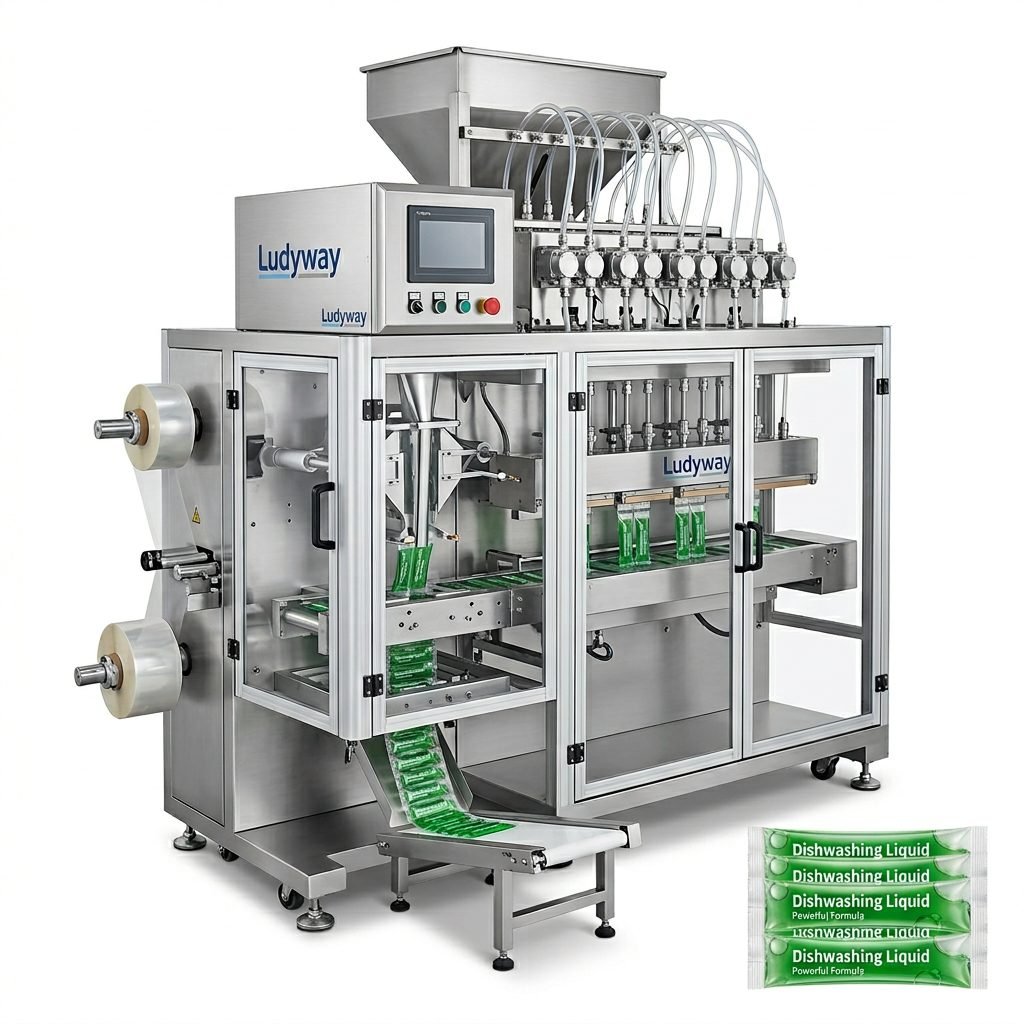
In the highly regulated and quality-sensitive pharmaceutical industry, packaging is far more than just a final step in production. It is a critical component that ensures product safety, integrity, compliance, and shelf life. Pharmaceutical packaging machines are the sophisticated engineering solutions that automate this vital process, handling everything from powders and tablets to liquids and creams with precision and sterility. For manufacturers, selecting the right equipment is a strategic decision impacting efficiency, regulatory adherence, and overall product quality. This guide delves into the essential aspects of pharmaceutical packaging machinery, exploring the various types, their core working principles, and the key factors to consider when making an investment.
Core Types of Pharmaceutical Packaging Machines
The diversity of pharmaceutical products necessitates a range of specialized packaging equipment. Understanding the primary categories is the first step in identifying the right solution for your production line.
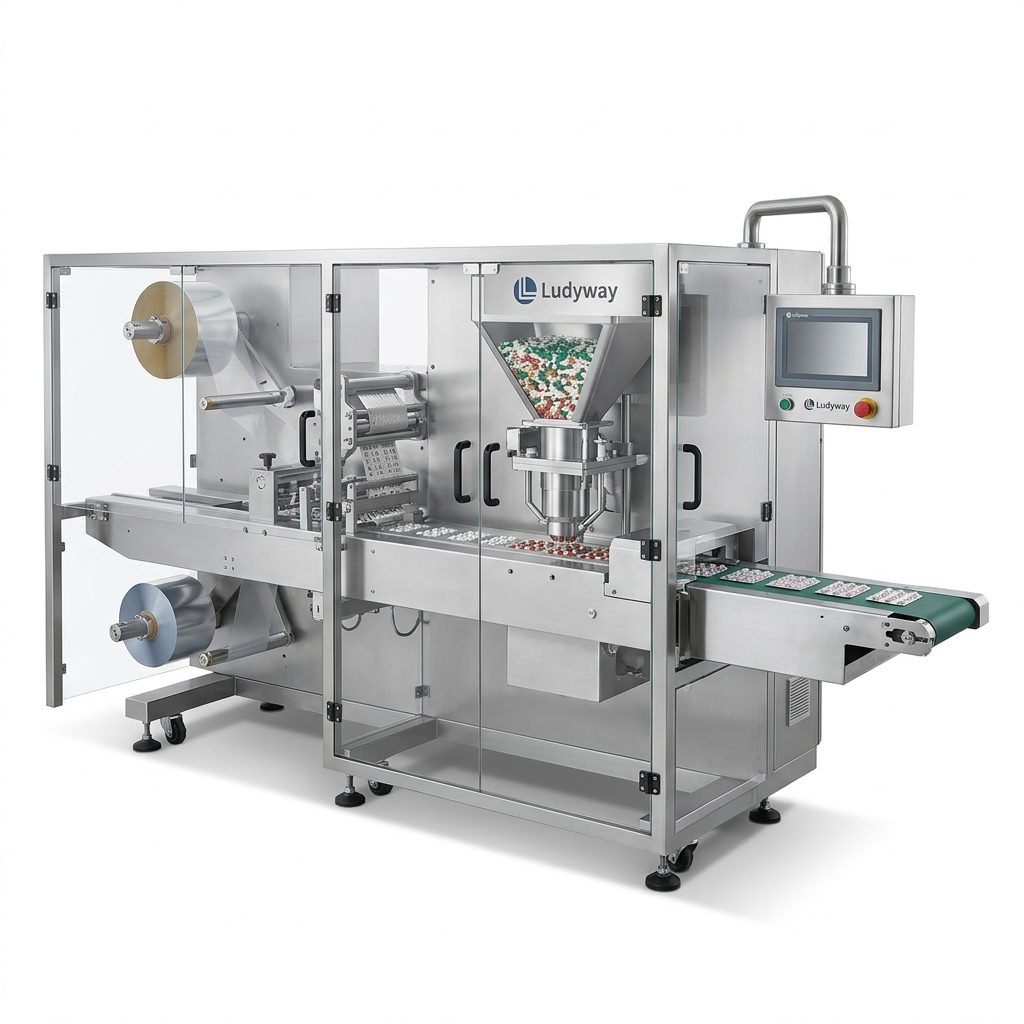
Blister Packaging Machines
These are among the most common machines for packaging solid dosage forms like tablets, capsules, and lozenges. They form a cavity (blister) from a thermoformable plastic web, place the product into the cavity, and then seal it with a lidding material, often aluminum foil. Blister packs offer excellent product protection, unit-dose integrity, and patient compliance through clear visibility and easy push-through access.
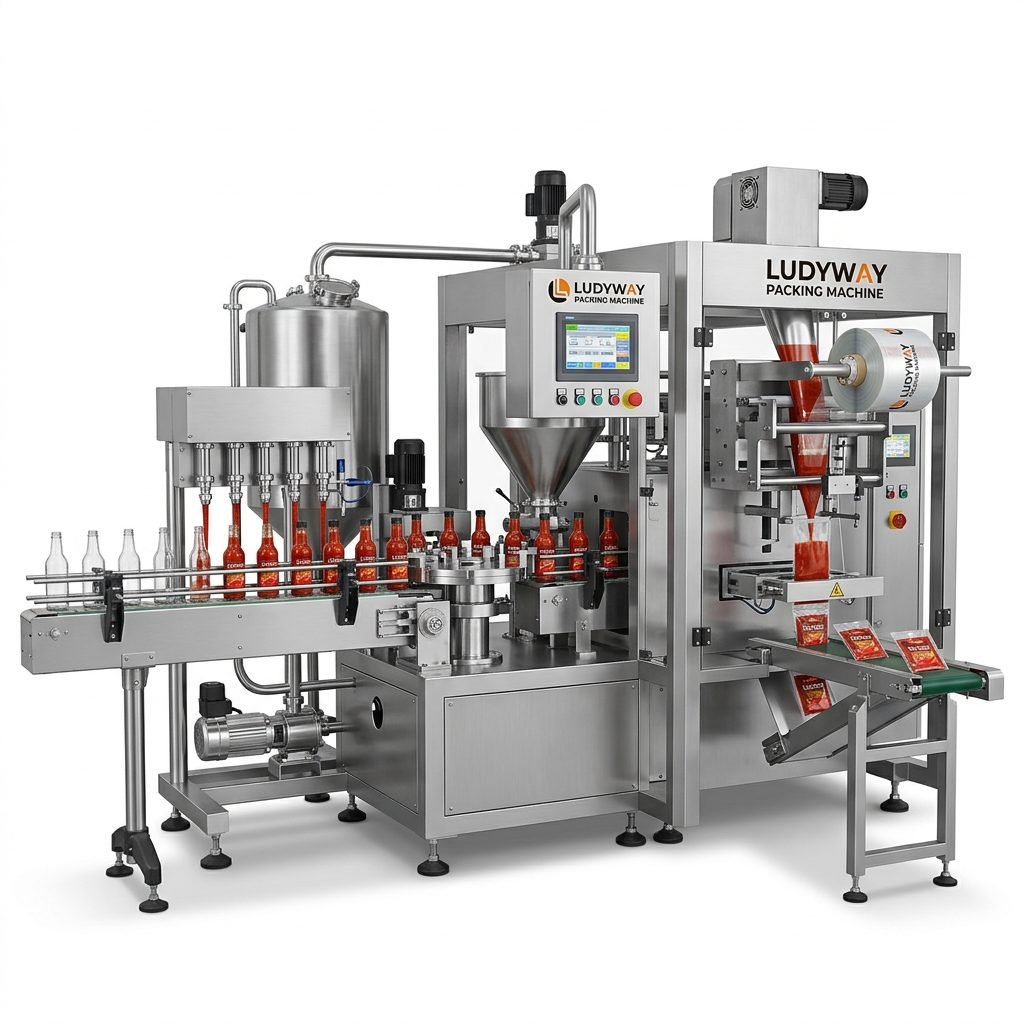
Bottle Filling and Capping Lines
This category encompasses integrated systems for packaging liquids, powders, tablets, and capsules into plastic or glass bottles. The line typically includes an unscrambler to orient bottles, a filler (volumetric, auger, or liquid pump), a capper (screw capping, snap capping, or press-on), and a labeler. These systems are highly versatile and are crucial for over-the-counter (OTC) medicines, supplements, and large-volume prescriptions.
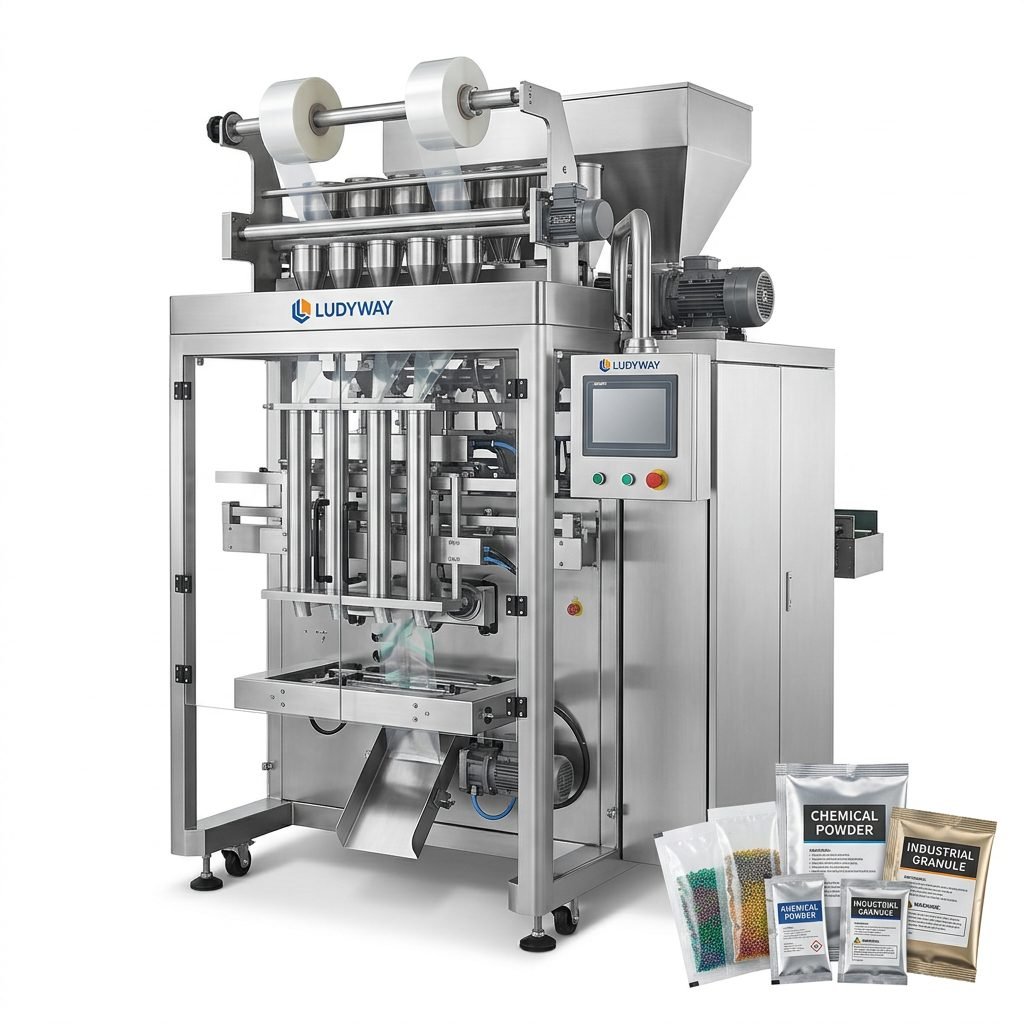
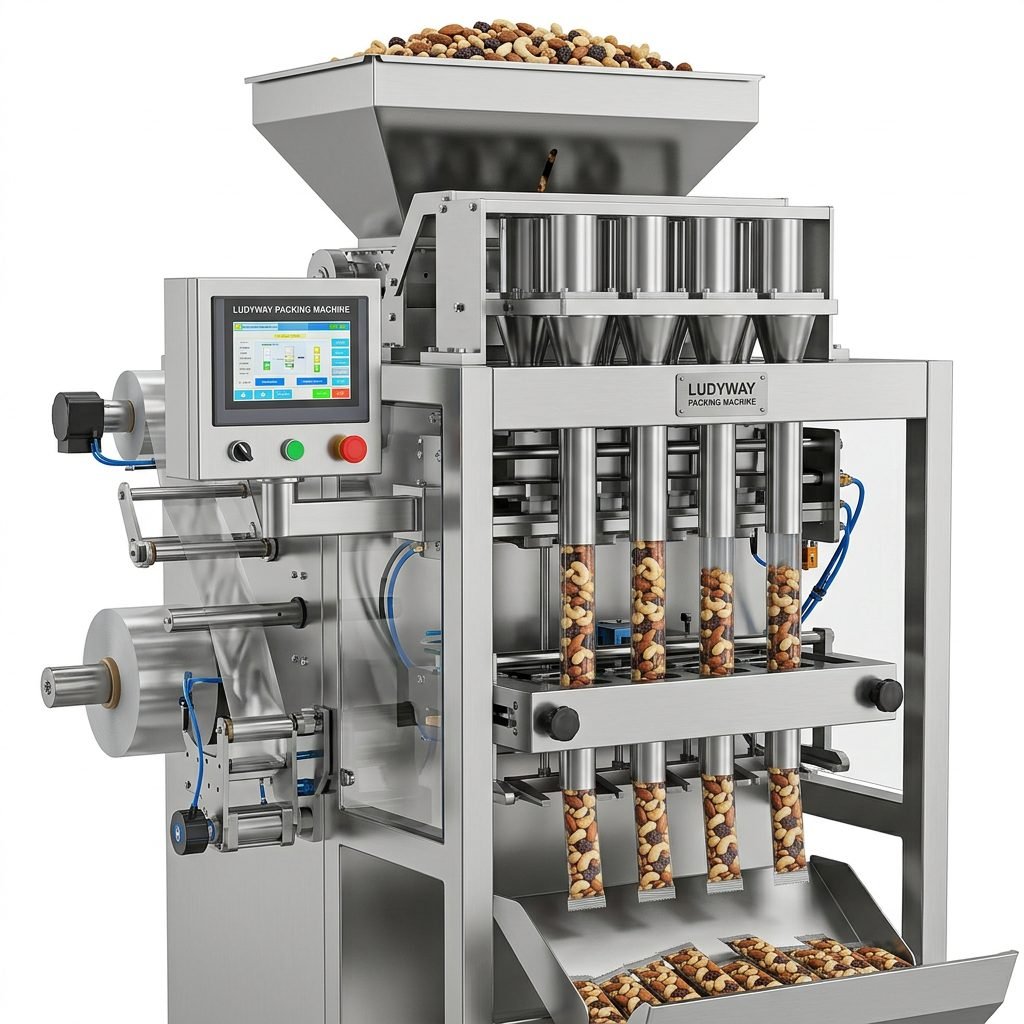
Sachet and Stick Pack Machines
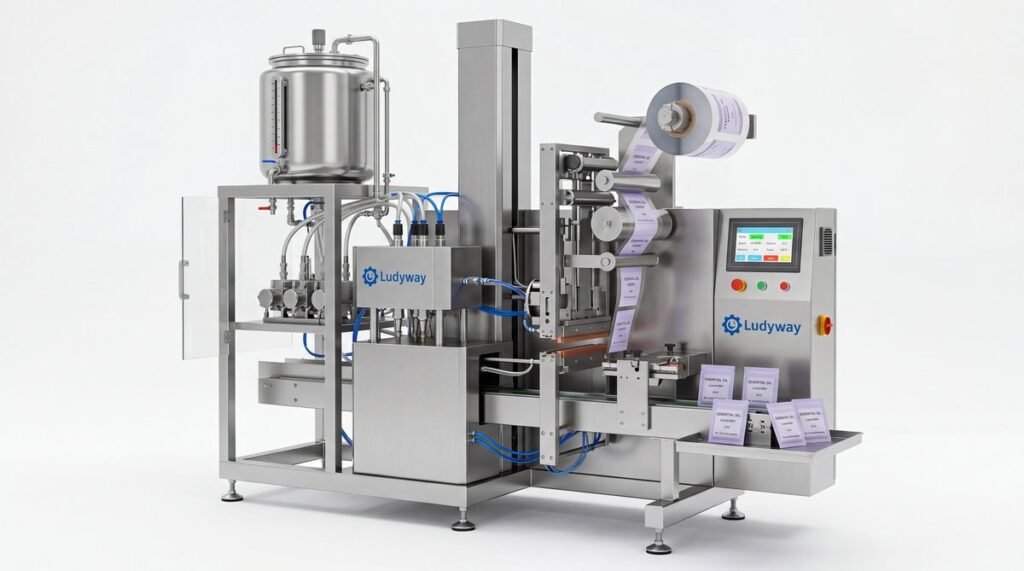
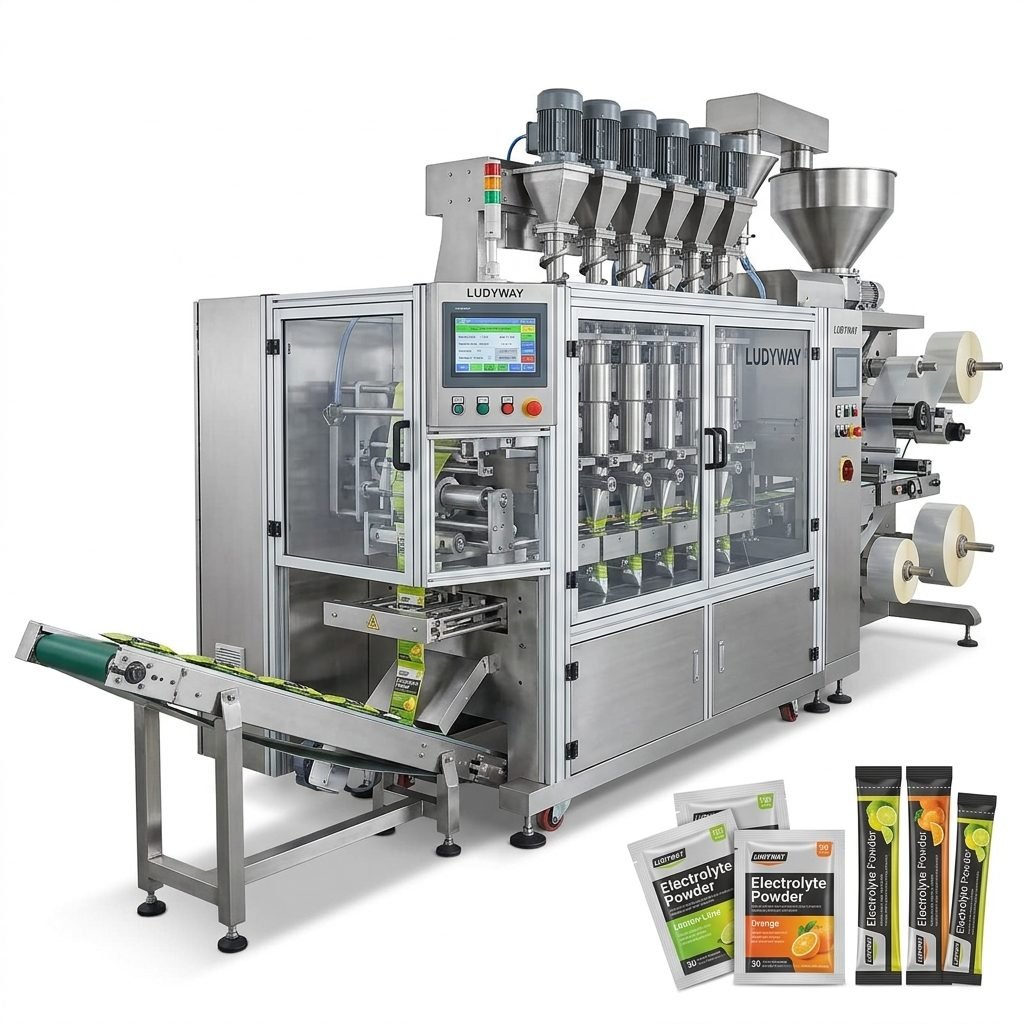
Ideal for single-dose powders, granules, or liquids (e.g., oral rehydration salts, instant drink mixes, or liquid supplements). These machines form, fill, and seal small pouches from a roll of laminated film. They are compact, efficient for high-count packaging, and provide excellent barrier properties to protect sensitive contents from moisture and oxygen. Modern multi-lane sachet machines can achieve exceptionally high output rates.
Cartoning Machines
These machines automate the process of placing blisters, bottles, vials, or syringes into folded cartons along with required leaflets or inserts. They erect the carton, load the primary package and documentation, and then close and seal it. Automatic cartoners are essential for achieving a professional final presentation and ensuring regulatory compliance regarding included information.
Aseptic Filling and Sealing Machines
Used for sterile products like injectables, ophthalmics, and certain biologics. These machines operate in a controlled sterile environment (often within an isolator or cleanroom) to fill liquids into vials, ampoules, or syringes and then hermetically seal them. They are the pinnacle of packaging technology, incorporating advanced sterilization techniques like steam-in-place (SIP) to prevent contamination.
Working Principles and Technology Integration
While each machine type operates differently, they share common technological principles focused on precision, hygiene, and reliability.
Precision Dosing and Filling
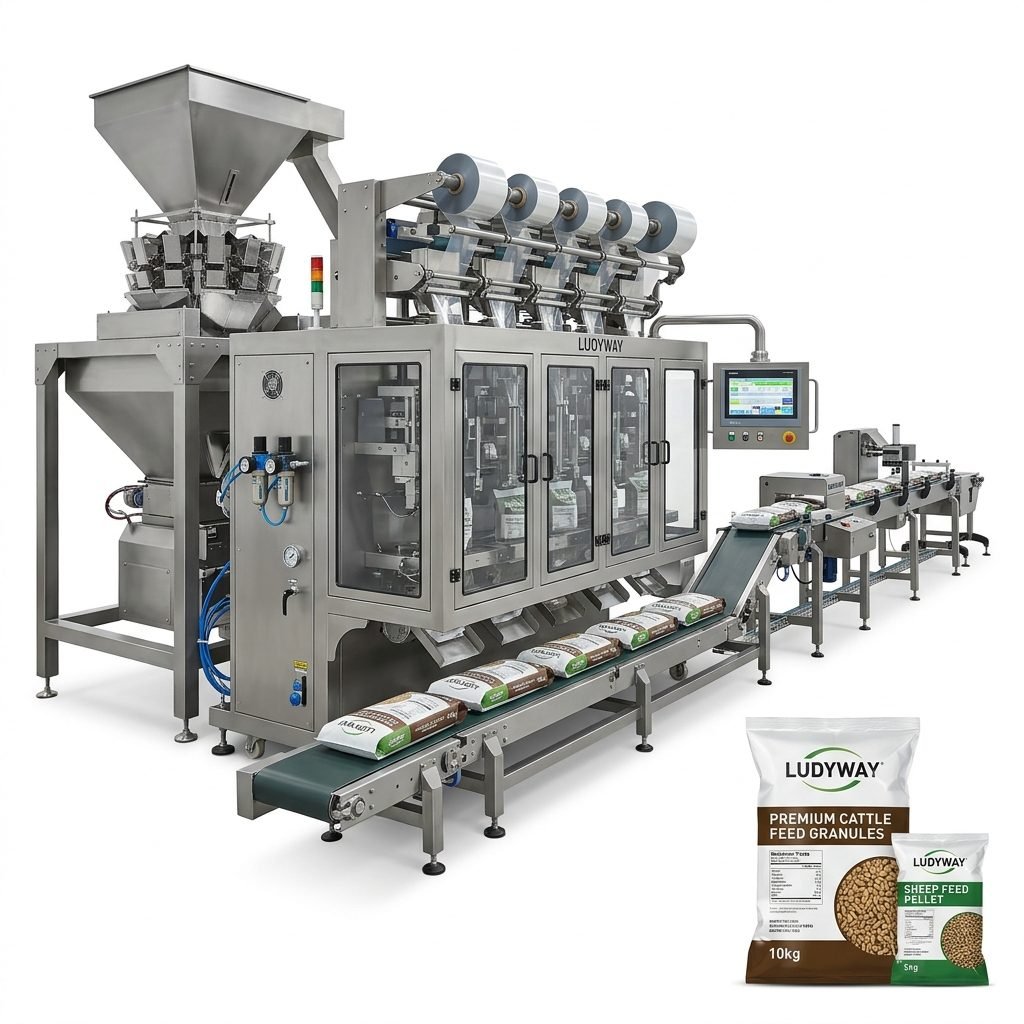
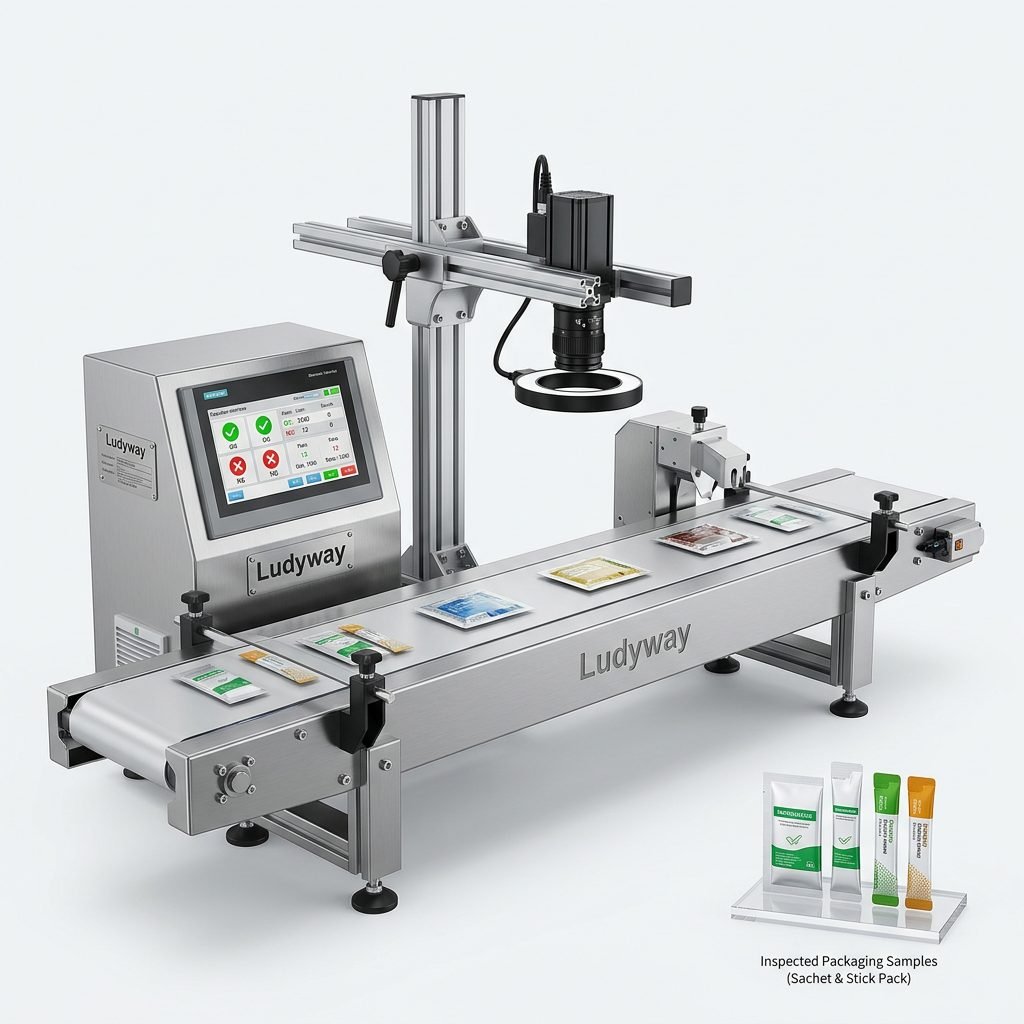
Accurate filling is non-negotiable in pharmaceuticals. Machines employ various mechanisms: auger fillers for powders, peristaltic or piston pumps for liquids, and counting systems for tablets. Advanced machines integrate weight checkers or in-line checkweighers to verify every dose, rejecting any under or over-filled units to ensure 100% compliance with stated content.
Form-Fill-Seal (FFS) Technology
This is the backbone of blister, sachet, and stick pack machines. A roll of packaging film is formed into a shape, filled with the product, and then sealed—all in one continuous, automated process. FFS technology minimizes material waste, reduces floor space, and limits product exposure to the environment, enhancing hygiene and efficiency.
Clean Design and Material Compatibility
Pharmaceutical machines are built with hygienic design principles: stainless steel contact parts, rounded corners (coving), easy-clean surfaces, and protection against lubricant leakage. They must be compatible with a wide range of packaging materials—from PVC/PVDC/aluminum laminates for blisters to multi-layer high-barrier films for sachets—without causing degradation or particulate generation.
Automation and Industry 4.0 Connectivity
Modern machines are increasingly intelligent. They feature Programmable Logic Controllers (PLCs) and Human-Machine Interfaces (HMIs) for easy operation and recipe changeovers. Integration with Manufacturing Execution Systems (MES) and support for OPC-UA or other industrial protocols allow for real-time monitoring of Overall Equipment Effectiveness (OEE), production data tracking, and predictive maintenance alerts.
Key Buying Factors for Pharmaceutical Packaging Machinery
Investing in packaging equipment is a significant decision. Here are the critical factors to evaluate to ensure a successful purchase that delivers long-term value.
1. Regulatory Compliance and Validation Support
The machine must be designed and documented to support compliance with stringent regulations like FDA 21 CFR Part 211, EU GMP Annex 1, and other relevant pharmacopoeias. The supplier should provide a comprehensive validation support package, including Design Qualification (DQ), Installation Qualification (IQ), Operational Qualification (OQ), and Performance Qualification (PQ) protocols, and ensure materials in contact with the product are certified (e.g., FDA, EU 10/2011).
2. Product and Material Flexibility
Consider not only your current product portfolio but also future pipeline developments. Can the machine handle different product forms (e.g., switching from tablets to capsules) or package sizes with minimal changeover time and parts? Flexibility in handling various packaging materials from different suppliers is also crucial for supply chain resilience.
3. Speed, Output, and Overall Equipment Effectiveness (OEE)
Evaluate the machine’s nominal speed against your required output, factoring in realistic efficiency rates. A machine with a slightly higher initial cost but higher reliability and lower changeover downtime will often yield a better OEE and lower total cost of ownership than a cheaper, less robust alternative.
4. Hygienic Design and Ease of Cleaning
Inspect the machine’s design for cleanability. Look for polished stainless steel, lack of dead spaces where product can accumulate, quick-release parts, and clean-in-place (CIP) capabilities for liquid fillers. This directly impacts batch changeover times, cross-contamination risks, and compliance with hygiene standards.
5. After-Sales Support and Service Network
Technical support is critical. Assess the supplier’s reputation for responsive service, availability of spare parts, and the expertise of their engineers. A global service network or reliable local partners are invaluable for minimizing production downtime. Companies with deep industry experience, like Ludyway Machinery, often build long-term partnerships by providing not just machines but complete production solutions and ongoing support.
6. Total Cost of Ownership (TCO)
Look beyond the initial purchase price. Calculate the TCO by factoring in energy consumption, required consumables (e.g., change parts), maintenance costs, expected lifespan, and potential costs associated with machine downtime or product waste. A reliable, efficient machine from a reputable supplier often proves more economical in the long run.
Conclusion
Selecting the right pharmaceutical packaging machine is a complex but vital process that balances technical capabilities, regulatory requirements, and business economics. From versatile blister packers and high-speed sachet machines to sterile fillers and automated cartoners, the correct equipment enhances product safety, boosts production efficiency, and ensures market compliance. By thoroughly understanding the different machine types, their underlying technologies, and meticulously evaluating key buying factors—especially compliance, flexibility, and lifetime support—manufacturers can make an informed investment that safeguards product quality and drives operational success for years to come. Partnering with an experienced provider who understands the nuances of pharmaceutical production can be the most critical factor of all.
Frequently Asked Questions (FAQs)
What is the most important factor when choosing a pharmaceutical packaging machine?
While all factors are important, regulatory compliance and validation support are paramount. The machine must be designed to meet GMP standards and come with the necessary documentation (DQ/IQ/OQ/PQ protocols) to prove it operates consistently and safely within validated parameters. Failure in this area can lead to costly regulatory actions and product recalls.
Can one machine handle different types of pharmaceutical products?
It depends on the machine’s design flexibility. Some machines, like certain bottle fillers or sachet machines, can be configured with interchangeable parts (like different augers, pumps, or forming tools) to handle a range of similar products (e.g., different powder densities or liquid viscosities). However, switching between vastly different formats (e.g., from blisters to sachets) typically requires entirely different machines.
How critical is the “hygienic design” of the machine?
Extremely critical. Hygienic design prevents product contamination, facilitates faster and more effective cleaning between batches, and is a core requirement of GMP. Features like smooth surfaces, easy disassembly, and CIP systems reduce downtime for cleaning and lower the risk of cross-contamination, which is unacceptable in pharmaceutical manufacturing.
What kind of after-sales service should I expect?
You should expect comprehensive support including installation supervision, operator training, readily available spare parts, and access to responsive technical service. Many reputable suppliers, including experienced partners like Ludyway Machinery, offer remote diagnostics and preventive maintenance plans to maximize your machine’s uptime and lifespan.
Are modern packaging machines difficult to operate and maintain?
Modern machines with intuitive PLC-based HMIs are designed for user-friendly operation. However, they are complex mechanical systems. Proper initial training from the supplier is essential. Maintenance difficulty varies; choosing a machine with good serviceability (easy access to key components) and a clear maintenance schedule from the manufacturer significantly simplifies ongoing upkeep.