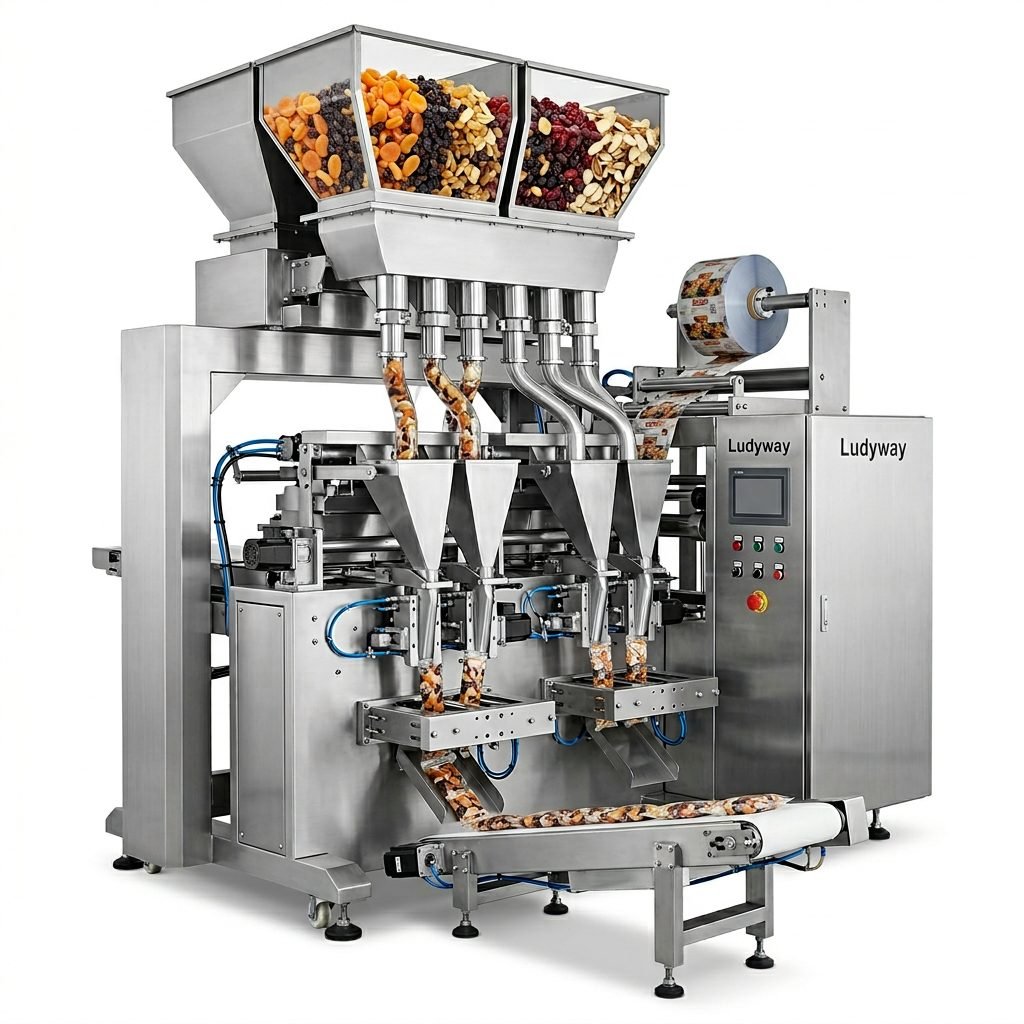
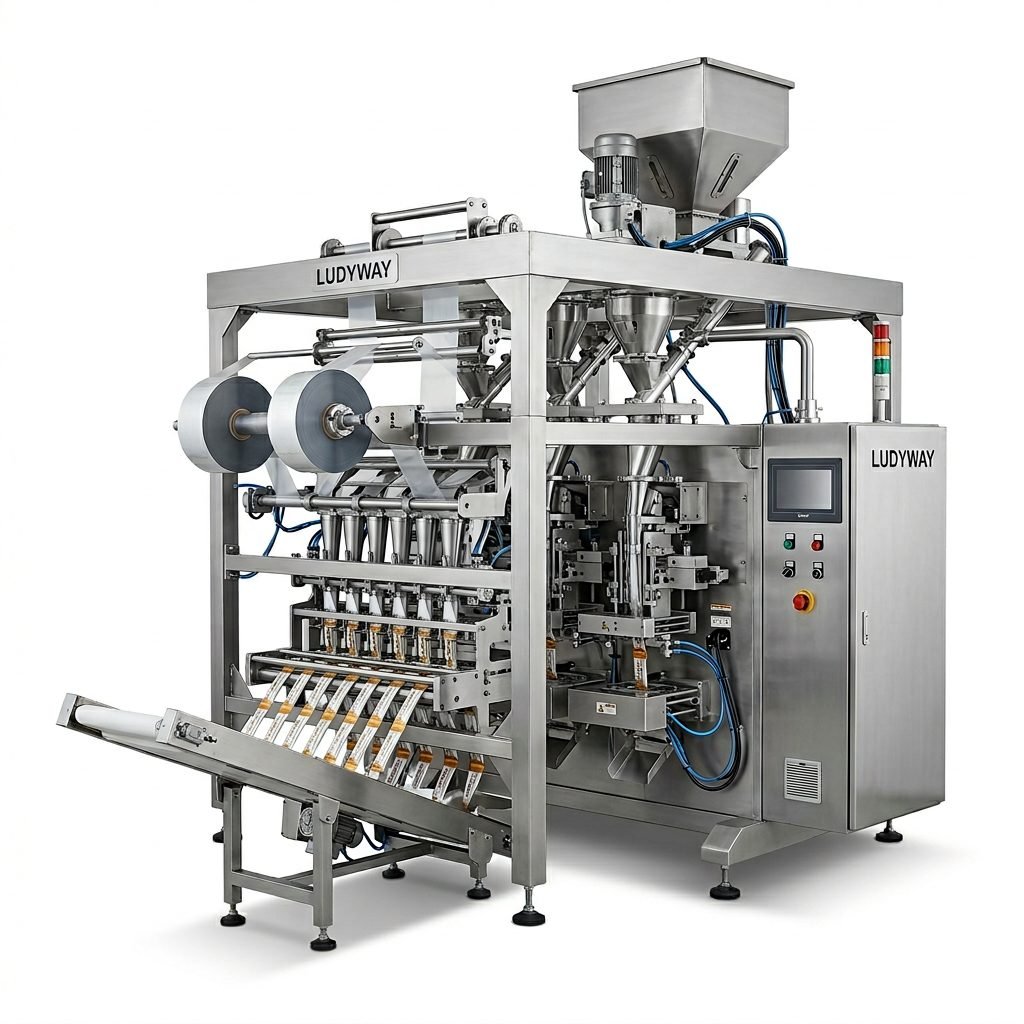
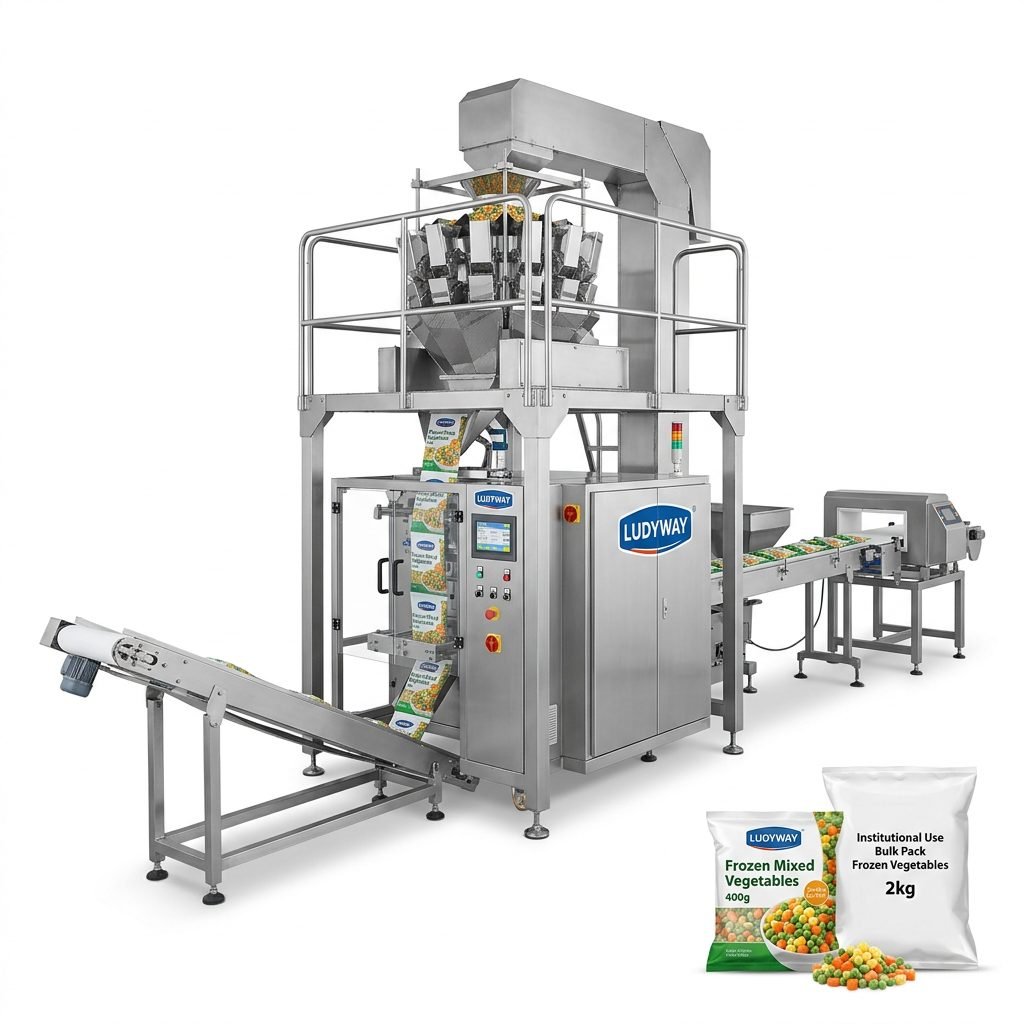
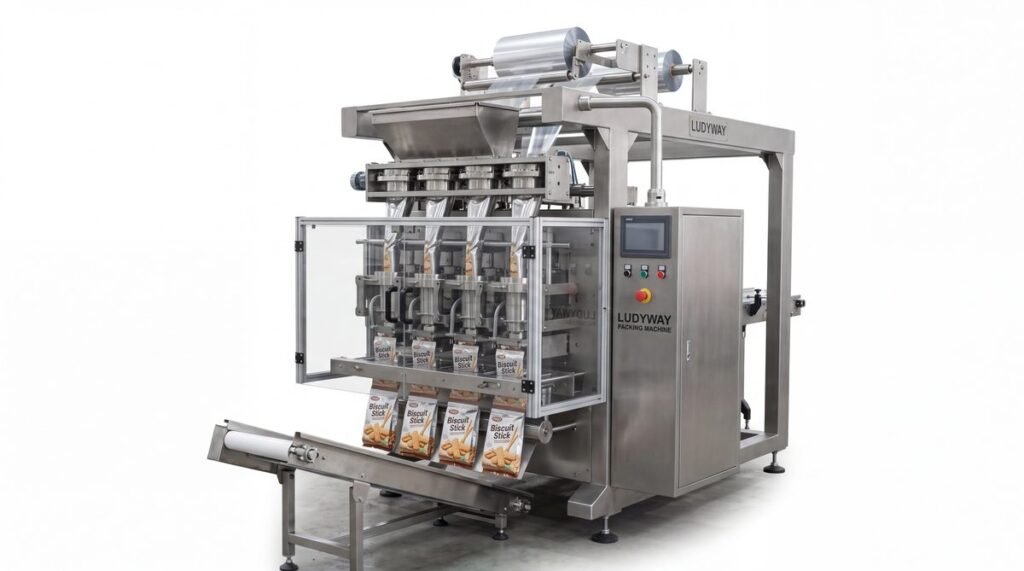
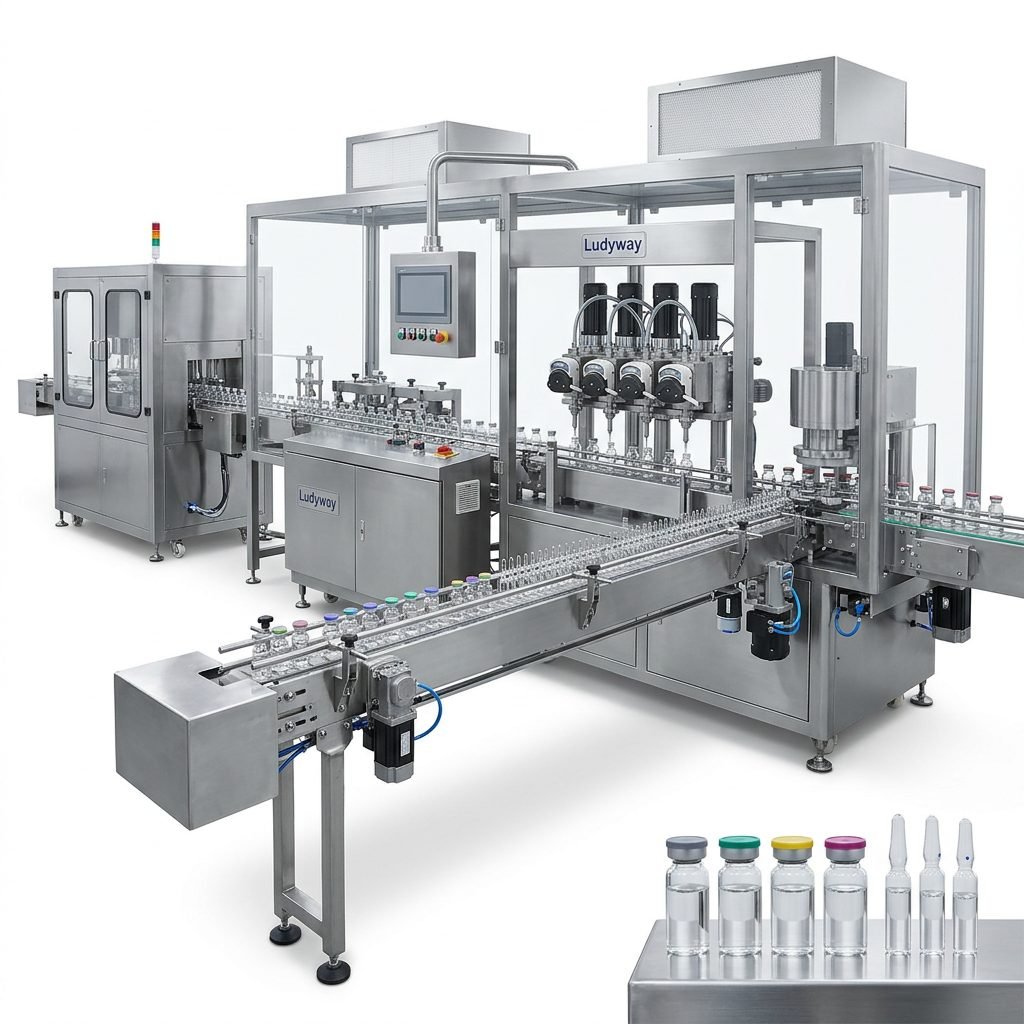
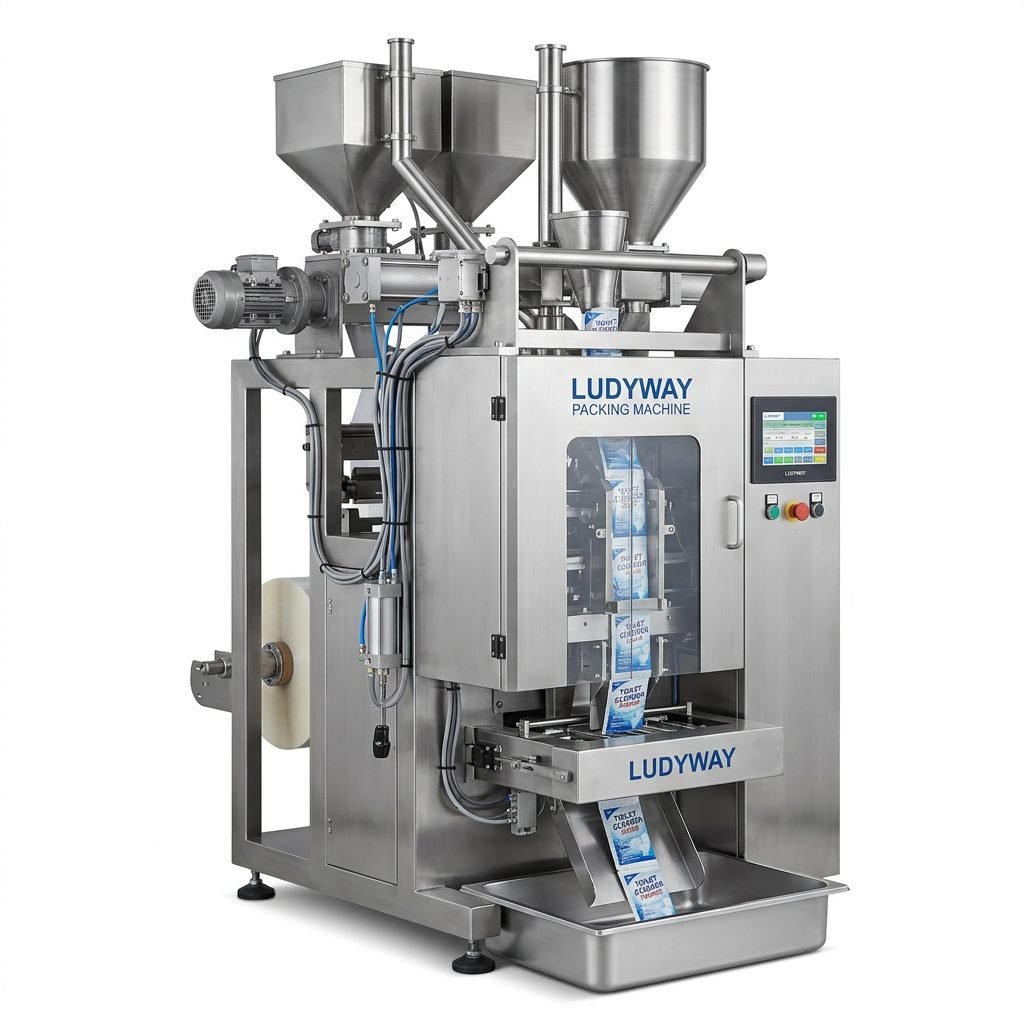
Installing a packaging machine in a bakery operation is a significant step toward improving efficiency, product consistency, and scalability. A successful installation goes beyond simply plugging in a machine; it requires careful planning, execution, and understanding of key operational factors. This comprehensive guide will walk you through the essential steps, associated costs, and critical considerations to ensure your bakery packaging machine integration is smooth and successful, ultimately protecting your product quality and boosting your bottom line.
Pre-Installation Planning and Assessment
Thorough planning is the cornerstone of any successful machinery installation. Rushing into this phase can lead to costly delays and operational hiccups.
Key Pre-Installation Steps:
✓ Site Evaluation: Assess your production floor space. You need to account not only for the machine’s footprint but also for adequate clearance for operation, maintenance access, material loading, and finished product offloading. Consider workflow to minimize cross-traffic.
✓ Utility Requirements: Precisely identify all utility needs: electrical (voltage, phase, amperage), compressed air (PSI, CFM), and possibly water or gas lines. Ensure your facility’s infrastructure can meet these demands at the machine’s location.
✓ Packaging Material Compatibility: Confirm that the machine is calibrated and tooled for your specific packaging films, pouches, or boxes. Test runs with your actual materials are crucial to avoid sealing or feeding issues later.
Understanding the Total Cost of Ownership
The initial purchase price is just one part of the financial equation. Understanding the total cost of ownership (TCO) helps in budgeting and evaluating the long-term return on investment.
Breakdown of Potential Costs:
1. Machine Acquisition: This is the base price of the equipment, which can vary widely based on automation level, speed, and brand.
2. Shipping and Rigging: Costs for transporting the machine to your facility and moving it into position. For large machines, professional riggers are often necessary.
3. Installation and Commissioning: Fees for the technician’s time to install, calibrate, and test-run the machine. This is a critical investment for proper setup.
4. Training: Operator and maintenance staff training is essential for safety, efficiency, and machine longevity. Factor in the cost of training materials and trainer time.
5. Ongoing Costs: Include preventive maintenance contracts, spare parts inventory, utilities consumption, and packaging material costs.
The Installation Process: A Step-by-Step Guide
A structured installation process minimizes downtime and ensures operational readiness.
Phase 1: Receival and Unloading
Inspect the shipment immediately for any visible damage. Use appropriate equipment (forklifts, pallet jacks) and follow the manufacturer’s guidelines for safe unloading. Position the machine in its pre-designated area.
Phase 2: Mechanical and Utility Connection
A certified technician should handle this phase. It involves leveling the machine, connecting it to power sources, plumbing compressed air lines, and ensuring all connections are secure and leak-free.
Phase 3: Calibration and Test Runs
This is the most critical technical phase. The technician will calibrate sensors, set sealing parameters (temperature, pressure, time), and adjust feeders for your specific product weight and consistency. Multiple test runs with your actual product and packaging are conducted.
Phase 4: Operator Training and Handover
Comprehensive training covers daily operation, routine cleaning, basic troubleshooting, and safety protocols. Ensure multiple shifts are trained. Documentation, including the manual and maintenance schedules, should be reviewed and handed over.
Key Considerations for Bakery-Specific Success
Bakery products present unique challenges that must be addressed during installation and operation.
Product Characteristics:
Consider the fragility (cookies), crumb dispersion (crumb cakes), or oil content (pastries) of your items. The machine’s handling system (vibratory trays, gentle belts, pick-and-place) must be chosen and adjusted accordingly to prevent product damage.
Hygiene and Food Safety:
Packaging machines in bakeries must be designed for easy and thorough cleaning. Look for stainless steel food-contact surfaces, minimal crevices, and CIP (Clean-in-Place) capabilities. The installation location should facilitate good hygiene practices.
Flexibility and Changeovers:
Bakeries often run multiple products. Evaluate how quickly and easily the machine can be changed over for different package sizes or products. Quick-change tooling and recipe storage in the PLC can significantly reduce downtime.
Partnering with an experienced supplier like Ludyway Machinery, which specializes in food industry solutions, can provide invaluable guidance through these considerations. Their expertise in granule and powder packaging is directly relevant to many bakery ingredients and finished goods.
Post-Installation: Maintenance and Support
A proper maintenance plan is non-negotiable for sustained performance.
Establish a daily cleaning and weekly inspection routine. Adhere strictly to the manufacturer’s lubrication schedule. Keep a log of all maintenance activities. Ensure you understand the warranty terms and have access to reliable technical support, such as the global support network offered by established providers, for troubleshooting and spare parts.
Frequently Asked Questions (FAQs)
Q1: How long does a typical bakery packaging machine installation take?
A: The timeline varies based on machine complexity and site readiness. A simple vertical form-fill-seal machine might take 2-3 days for installation and commissioning, while a fully automated multi-lane line could require 1-2 weeks. Proper pre-installation planning is the key to staying on schedule.
Q2: Can my existing staff operate the new machine, or do I need to hire specialists?
A: Most modern machines are designed for operator-friendly use. Comprehensive training from the supplier is crucial. Your existing production staff can typically become proficient operators. You may need to designate a key person for basic mechanical adjustments and preventive maintenance.
Q3: What is the single most important factor for a successful installation?
A> Communication and Planning. Clear, continuous communication with your equipment supplier during the planning phase is vital. Providing accurate information about your site, product, and materials ensures they deliver the right solution and prepare effectively, preventing most common installation issues.
Q4: How do I ensure the machine meets food safety regulations?
A: Choose machinery constructed with food-grade materials (e.g., 304 stainless steel) and with hygienic design principles. During installation, ensure it is integrated into a cleanable environment. Document all cleaning and maintenance procedures to comply with standards like HACCP, GMP, or BRC.
Q5: What should I look for in a packaging machine supplier?
A: Prioritize suppliers with proven experience in the bakery or food industry, strong technical support and training offerings, availability of spare parts, and a portfolio of reliable machines. A supplier that offers customized production solutions can be a valuable long-term partner for growth.