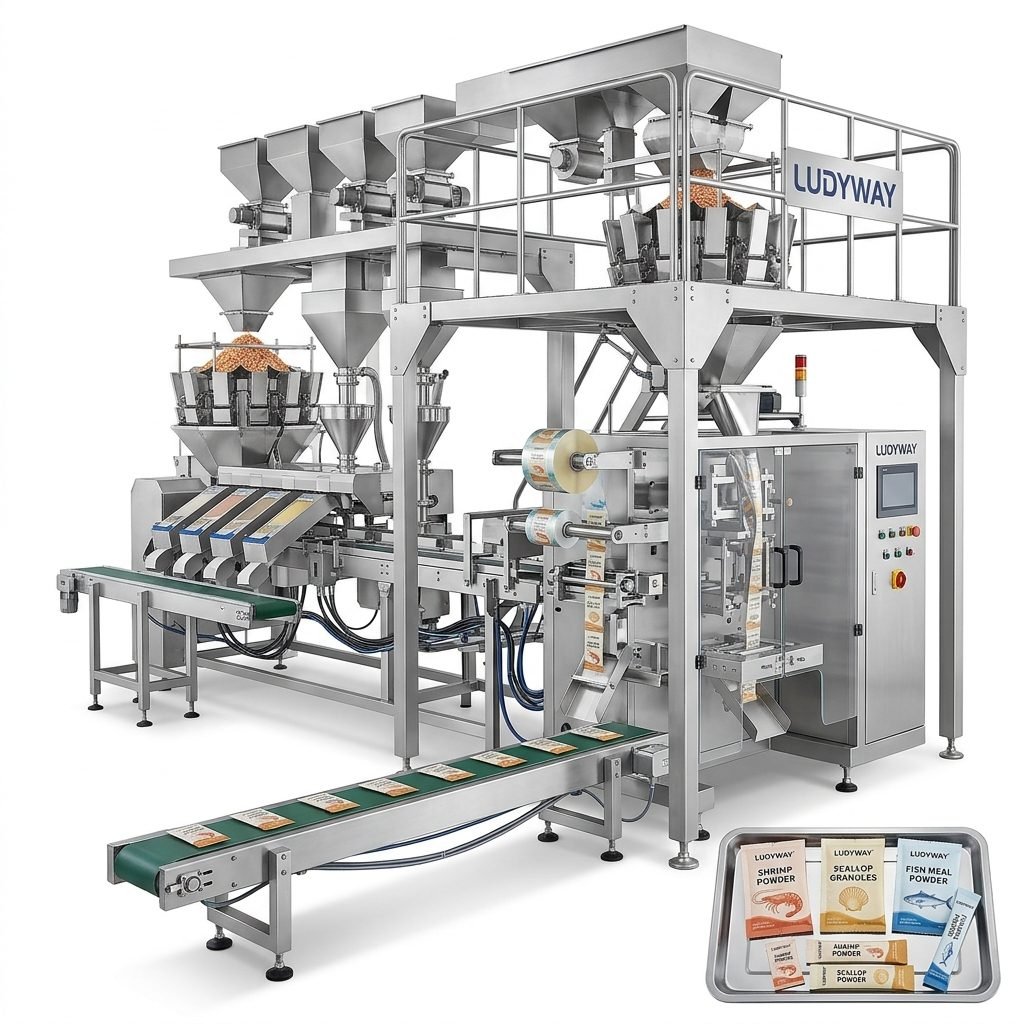
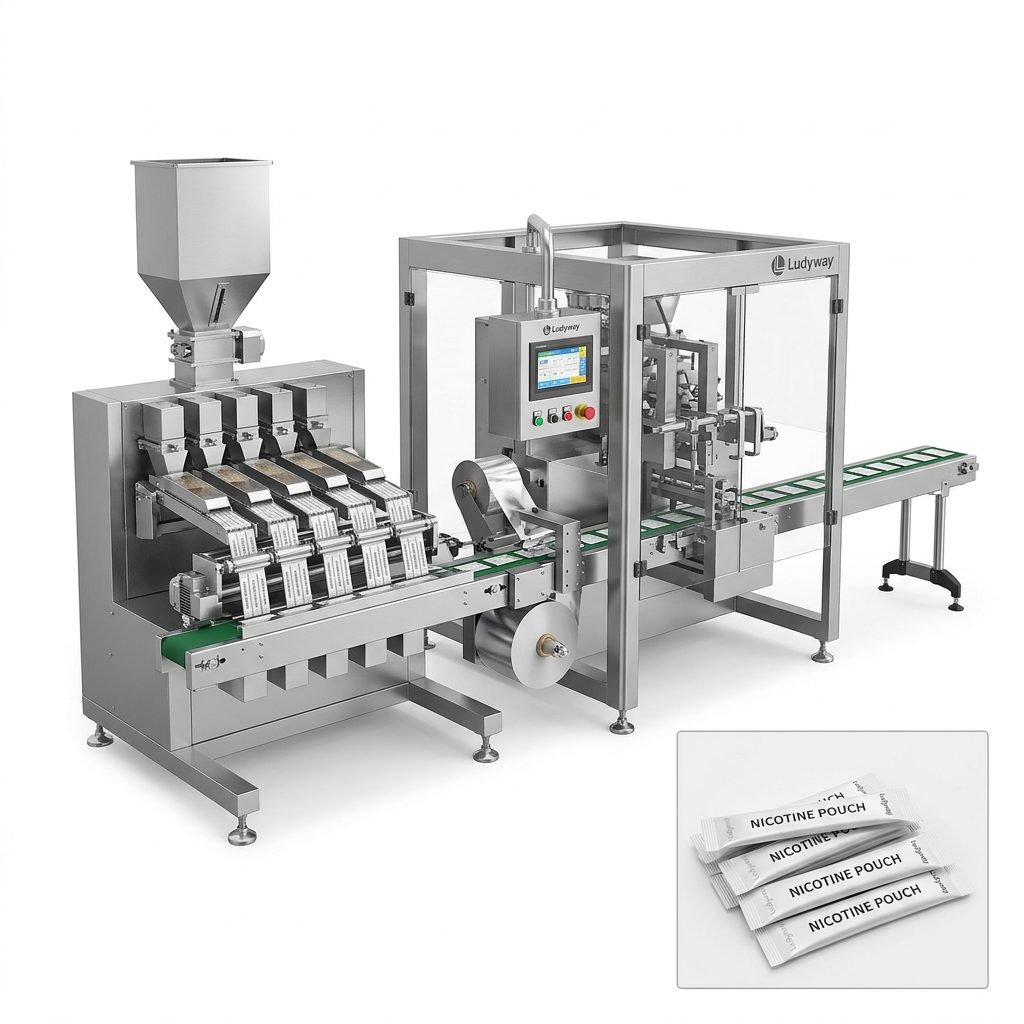
Investing in a meal prep packaging machine is a significant step toward scaling your food business, improving portion control, and extending product shelf life. However, the market offers diverse technologies—from simple tray sealers to fully automated multi-lane systems. Selecting the wrong equipment can lead to costly bottlenecks and product waste. This guide breaks down the essential factors to help you make an informed decision.
Why Automating Meal Prep Packaging Matters
Manual packing is slow, inconsistent, and often fails to meet strict food safety standards. An automated meal prep packaging machine delivers uniform sealing, precise nitrogen flushing for freshness, and high throughput. By switching to automated packaging solutions, businesses can drastically reduce labor costs and minimize human contact with food, addressing a top concern in the packaging industry.
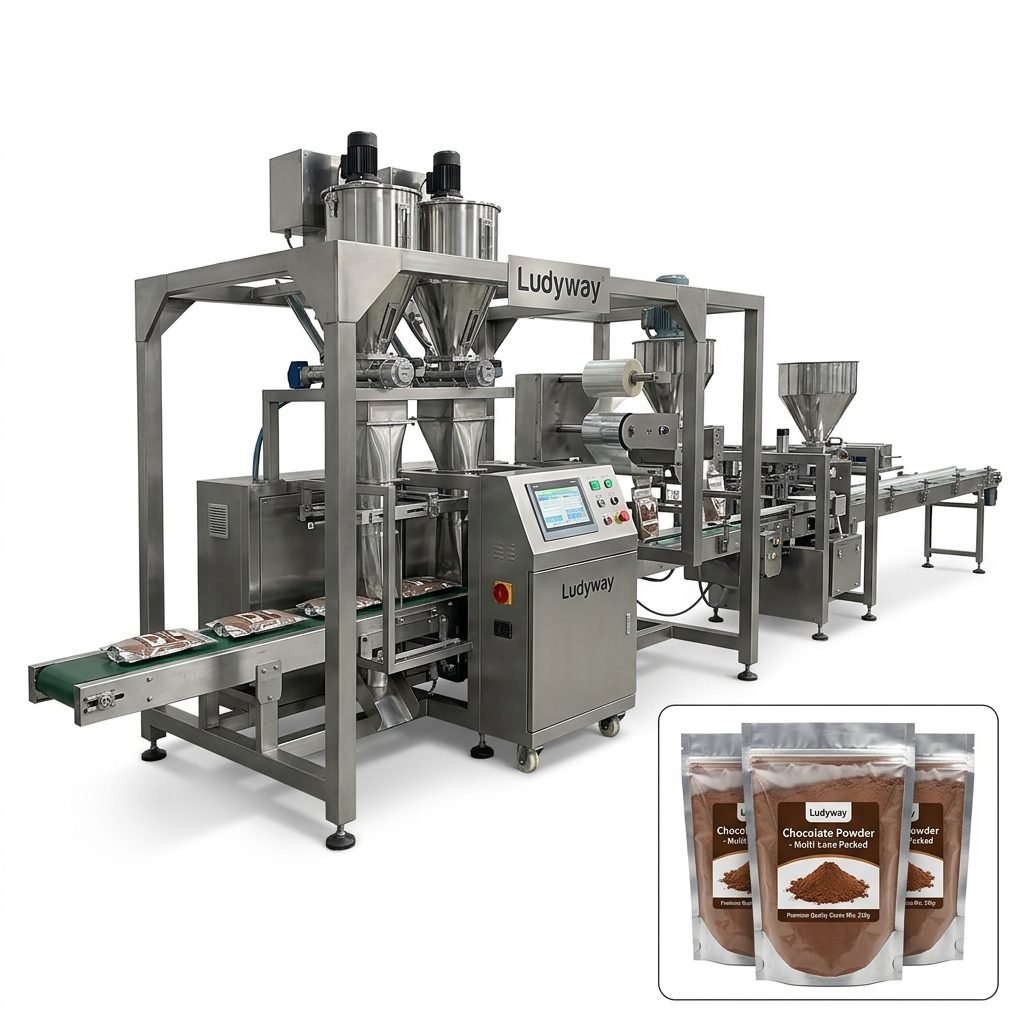
Key Considerations Before Buying
Before comparing models, you must define your production requirements. Selecting a machine isn’t just about speed; it’s about compatibility with your specific menu items. Here are the core questions to ask:
- Product State: Are you packing dry granules (rice, spices), powders (protein, meal shakes), liquids (sauces, dressings), or chunky wet foods? The FDA guidelines heavily influence the material choice here.
- Packaging Format: Do you need stick packs for single-serve supplements, flat sachets for sauces, or thermoformed trays for full meals?
- Production Volume: A small kitchen might need 30 packs per minute, while a co-packing facility might require over 100 packs per minute.
- Facility Footprint: Automated lines require space for conveyors and fillers. Measure your available floor space carefully.
Types of Meal Prep Packaging Machines
The term “meal prep packaging machine” encompasses a wide range of equipment. The table below outlines the most common types used in the food sector.
| Machine Type | Best For | Key Advantage |
|---|---|---|
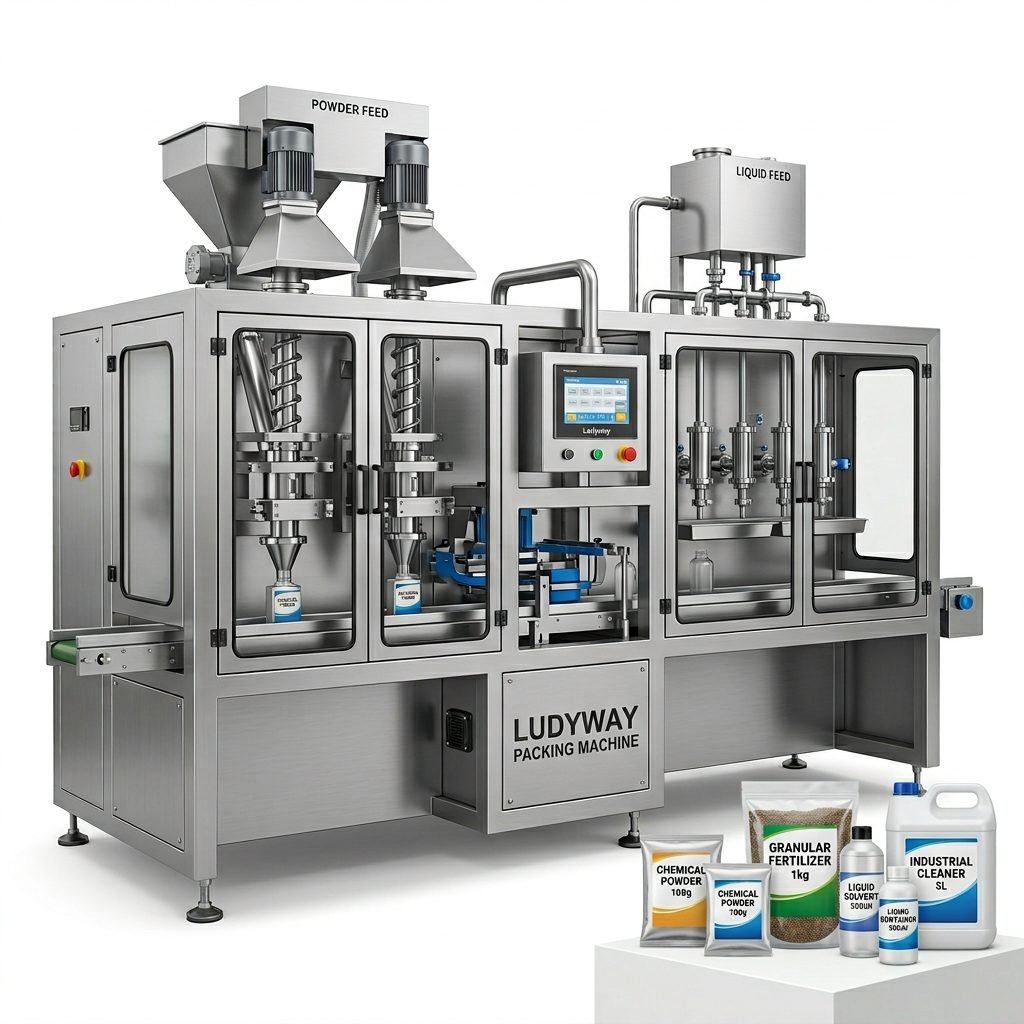
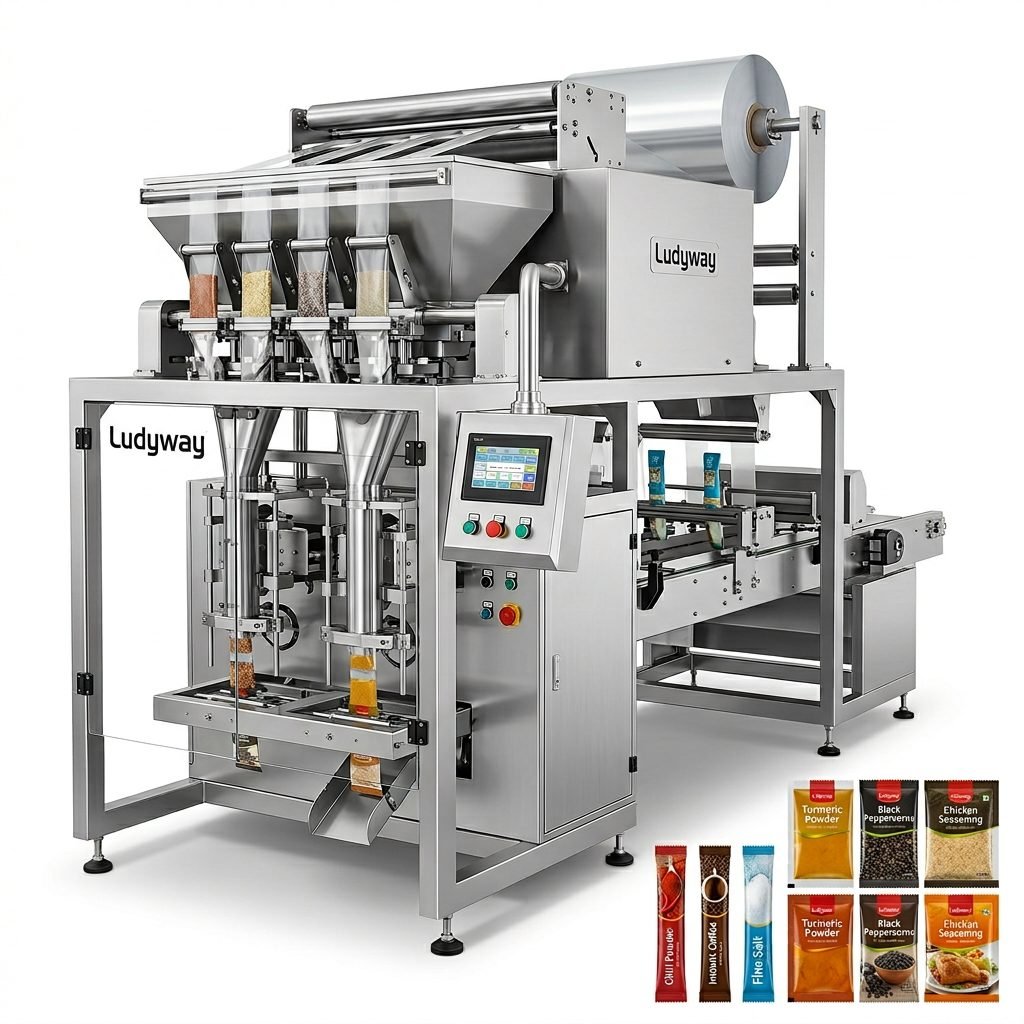
| Multi-Lane Stick Pack Machine | Powders, Granules (Protein, Spices) | High speed, precise portion control |
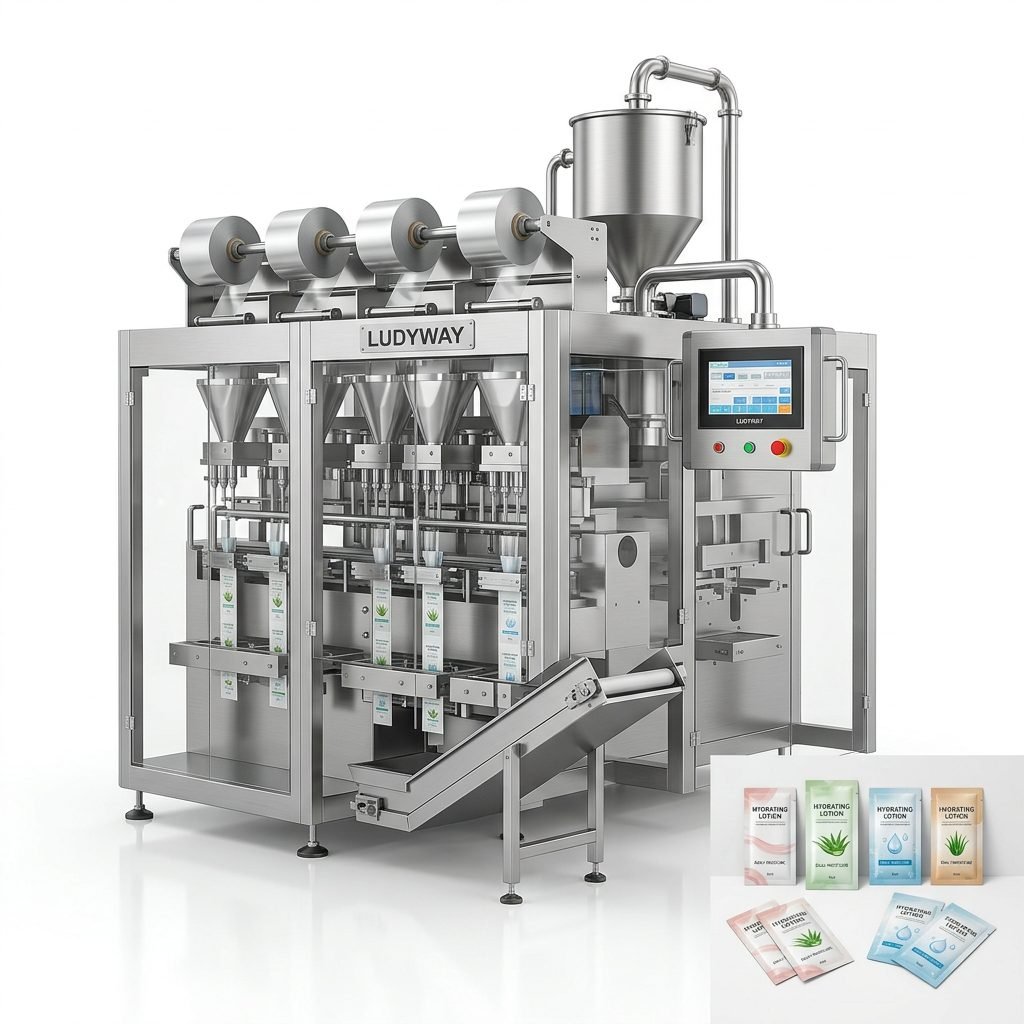
| Liquid Sachet Machine | Sauces, Oils, Dressings | Leak-proof vertical seals |
| Tray Sealer (MAP) | Fresh Ready Meals, Meat/Fish | Modified Atmosphere for extended shelf life |
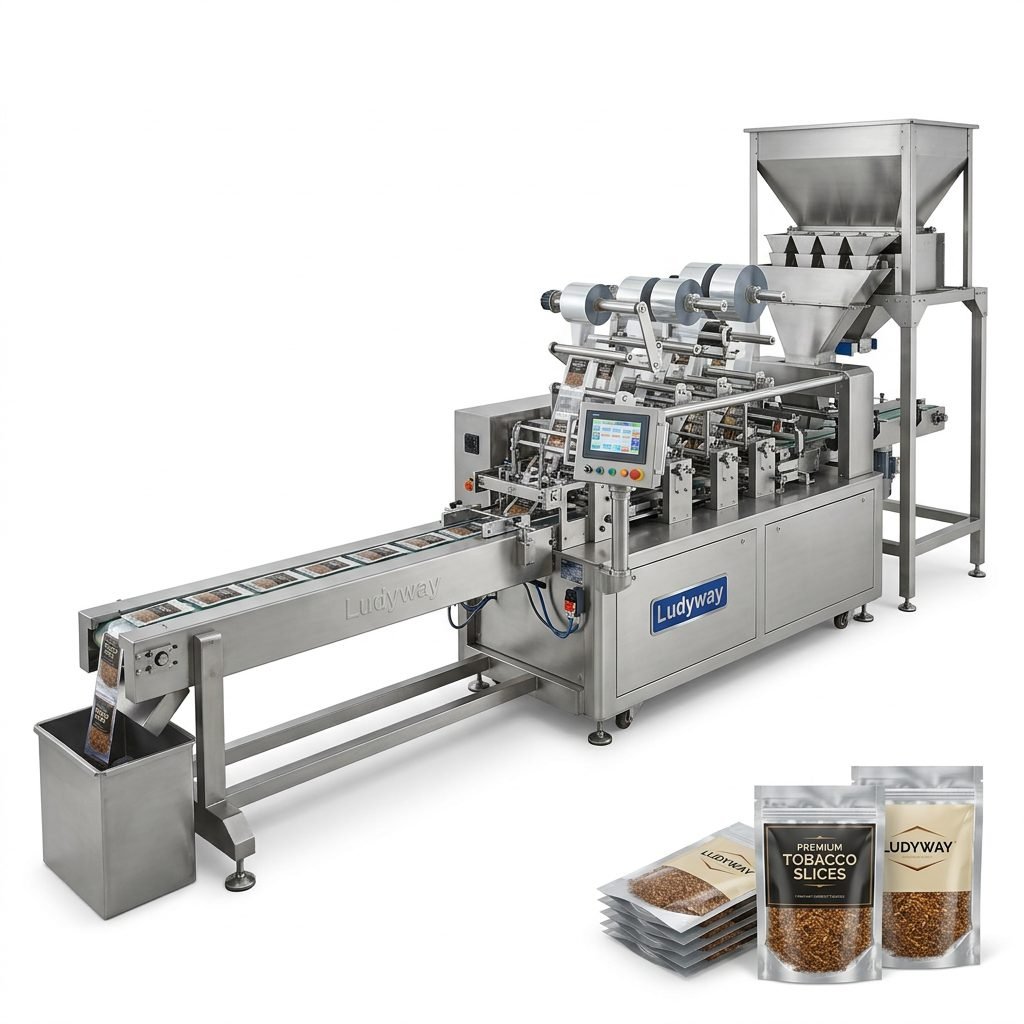
| Premade Pouch Filler | Bulk Grains, Frozen Vegetables | Stylish retail-ready stand-up pouches |
1. Multi-Lane Stick Pack Equipment
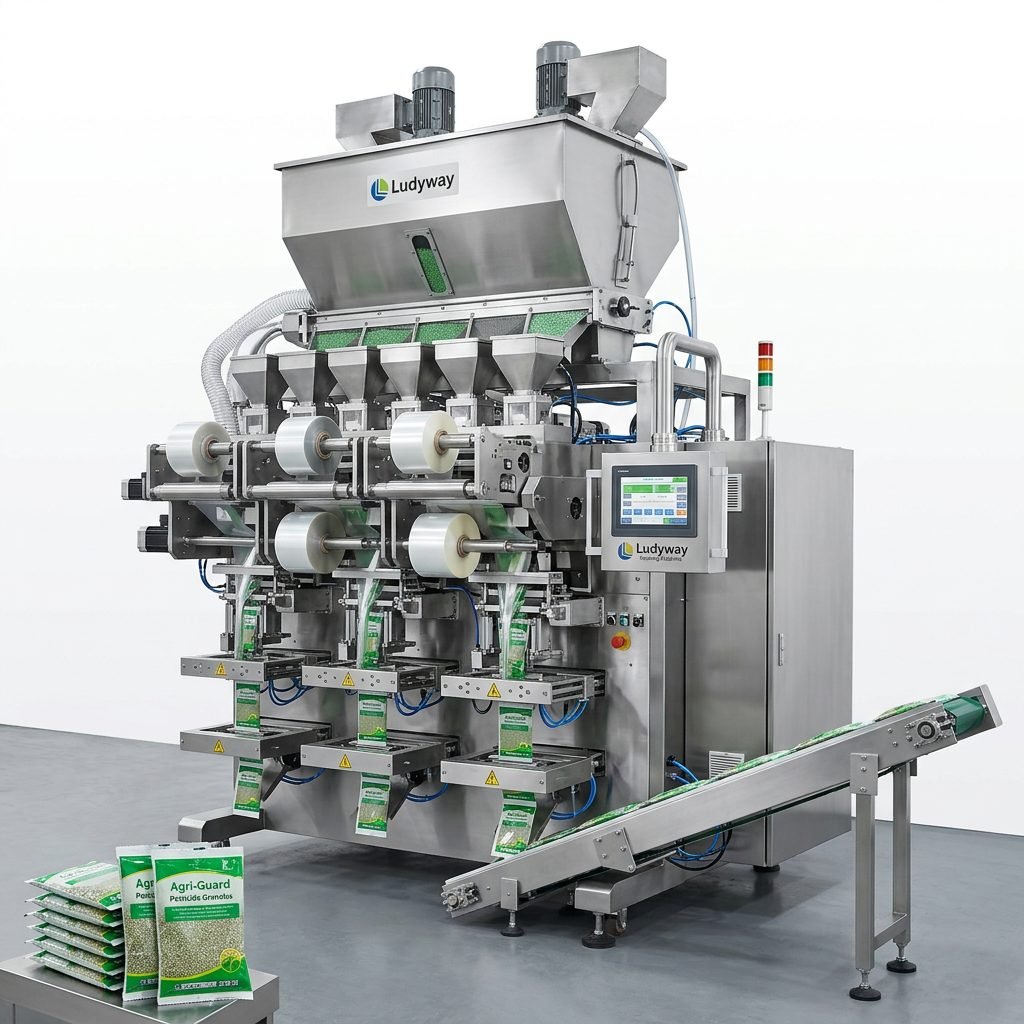
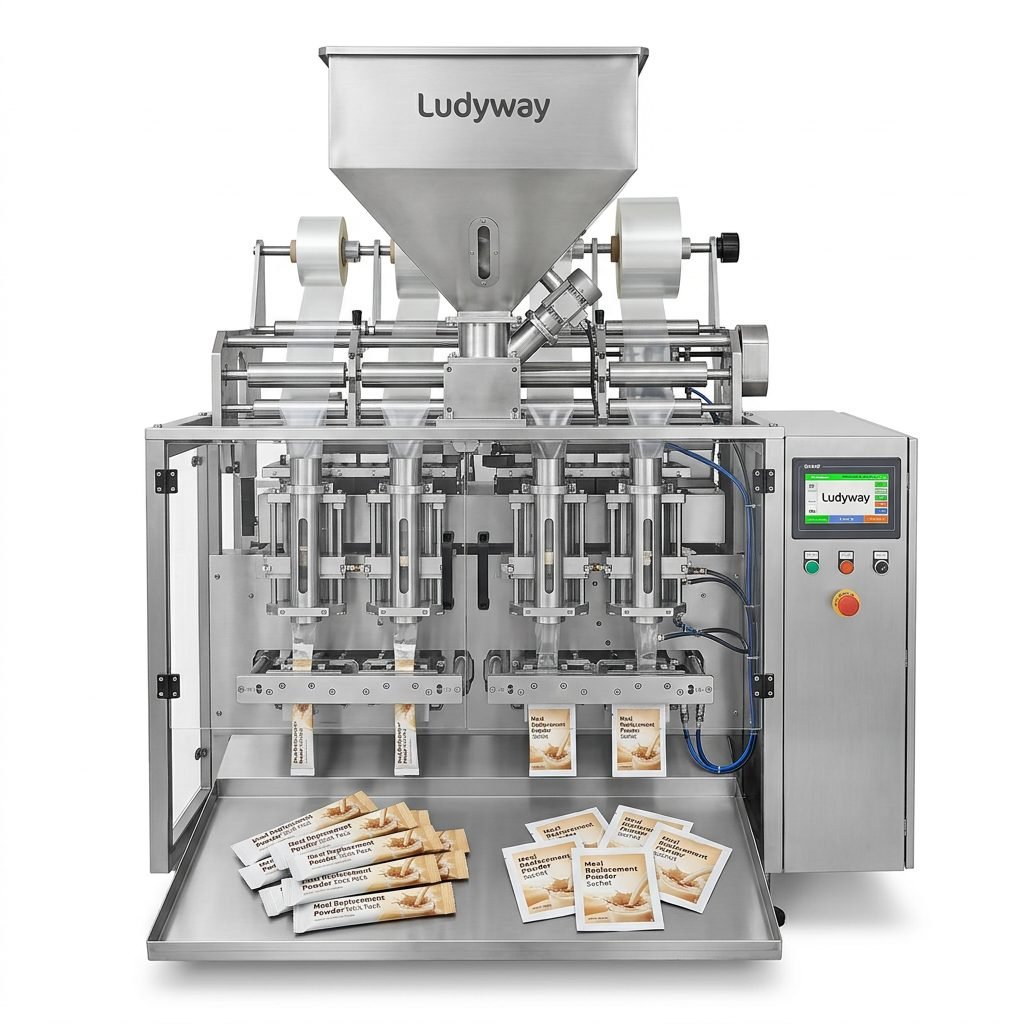
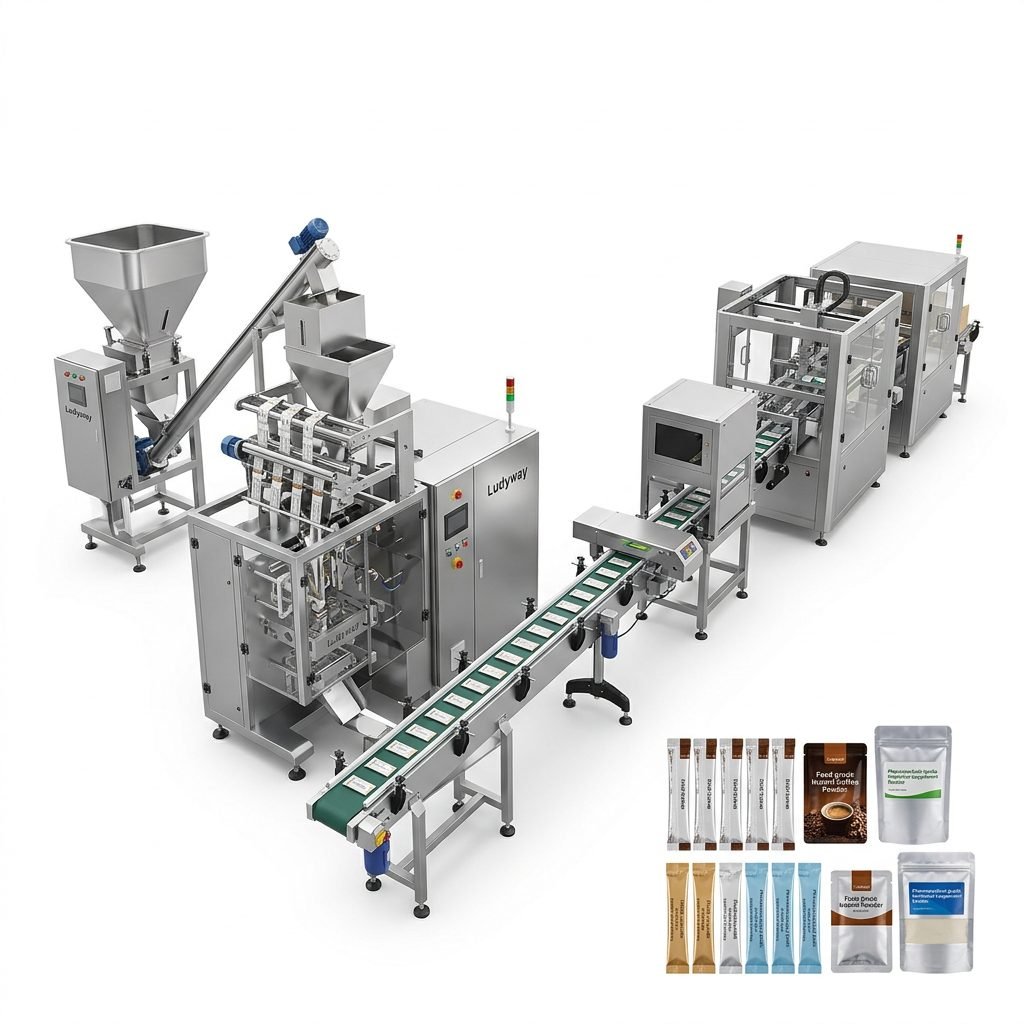
If you specialize in dry meal prep, such as instant coffee, protein powders, or meal replacement shakes, a stick pack machine is ideal. These systems can run multiple lanes simultaneously, maximizing output without sacrificing floor space. Look for models with servo-driven motors for accurate fill weights.
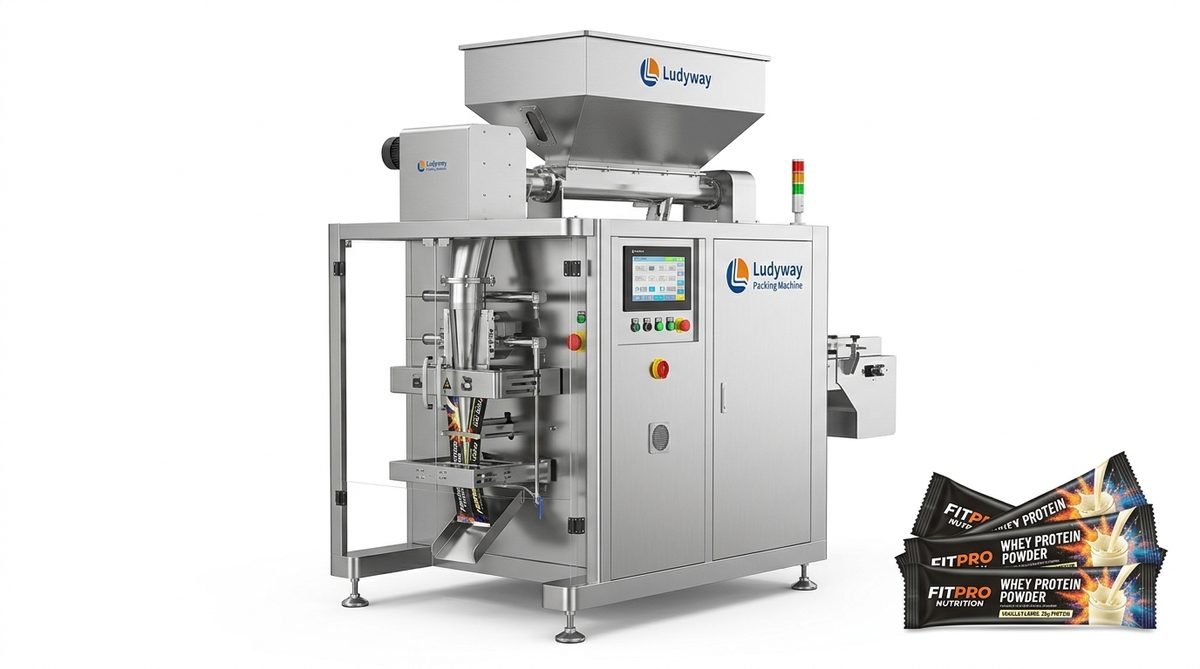
2. Liquid and Sauce Filling Lines
For meal prep services offering sauces or liquid-based components, a dedicated liquid meal prep packaging machine is non-negotiable. Piston fillers handle thick pastes, while magnetic flow meters are better for thin liquids. Crucially, the machine must support CIP (Clean-in-Place) protocols to prevent bacterial build-up in the product path.
3. Tray Sealing with MAP Technology
Fresh meal kits require a different approach. Tray sealers that support Modified Atmosphere Packaging (MAP) replace oxygen with nitrogen or carbon dioxide. This significantly slows down spoilage, keeping salads crisp and meats fresh during transport. When evaluating this meal prep packaging machine, check the seal integrity test functions and film compatibility.

Critical Technical Specifications
Don’t just rely on the sales brochure. Dive into the technical specs to ensure the equipment fits your ISO packaging standards. Here are the crucial specs:
Construction Material
Food-grade 304 or 316 stainless steel is mandatory. This prevents corrosion from acidic ingredients and ensures easy wash-downs. If you use salt or acidic marinades, splurge on the 316 grade.
Control System
A user-friendly PLC (Programmable Logic Controller) with a touchscreen is standard now. It should store multiple recipes for quick changeovers between different meal components.
Sealing and Coding
Strong vertical and horizontal sealing jaws prevent leaks in transit. Integrated thermal inkjet printers are essential for batch coding and expiry dates, which is a regulatory requirement in most markets.
Questions to Ask a Potential Supplier
Before signing the contract, vet the manufacturer thoroughly. A reliable partner like Ludyway, which operates from a 20,000㎡ facility and serves over 100 countries, emphasizes the importance of validated engineering. Here is a checklist to guide your vendor discussions:
- Spare Parts Availability: Do you have a local distributor for wear parts like sealing jaws and cutters?
- Changeover Ease: How long does it take to switch from a 50g pack to a 100g pack?
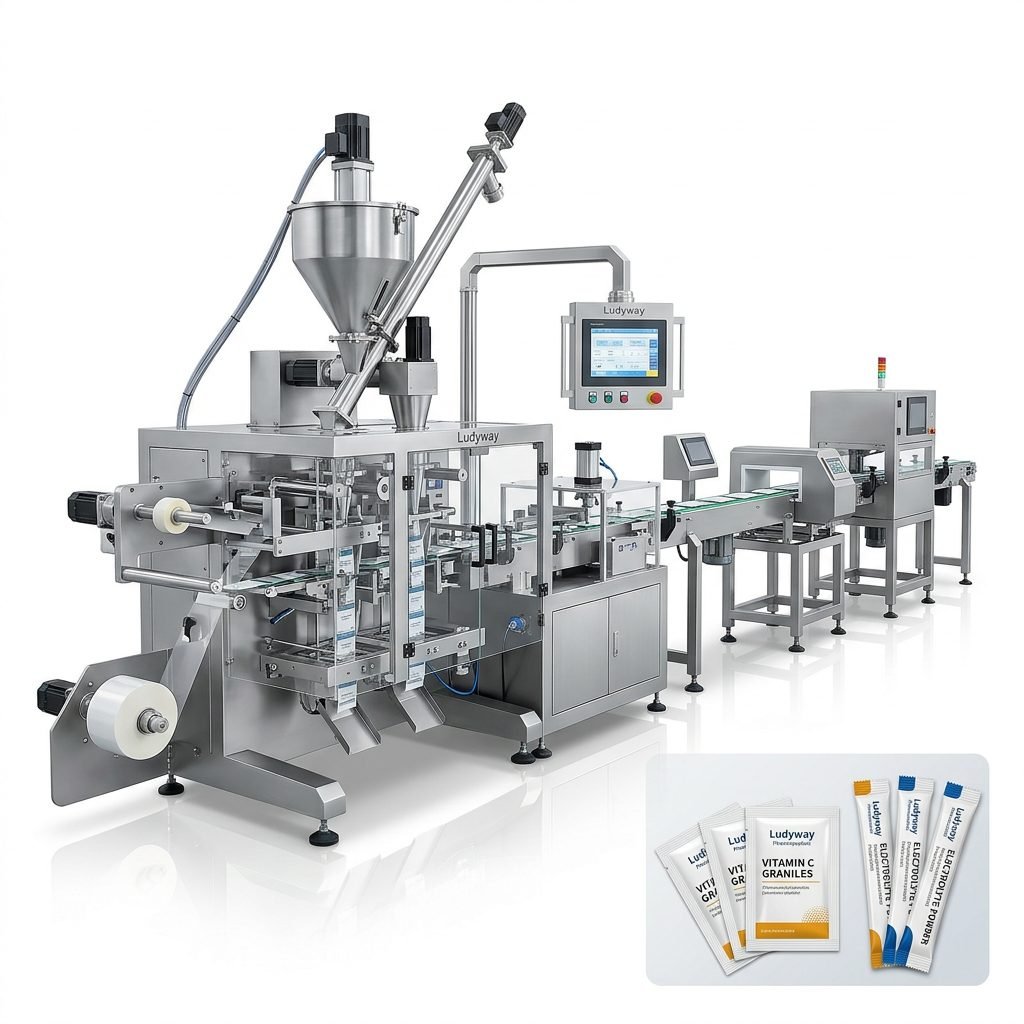
- Integration Capability: Can the meal prep packaging machine sync with my upstream weighing and downstream cartoning systems?
- Service Support: Is remote diagnostic support available, or are technicians available in my region?
Maintaining Hygienic Design
The physical design of the meal prep packaging machine dictates how easily your team can clean it. Look for sloping surfaces that shed water, minimal flat ledges, and sealed electrical cabinets. The goal is to eliminate harborage points for pathogens. Standards from organizations like the Flexible Packaging Association highlight the growing demand for such hygienic automation.
Calculating the Return on Investment (ROI)
While a high-end meal prep packaging machine requires capital, the operational savings are substantial. Calculate your current labor costs per pack. Automating can often cut these labor costs by 50-70%. Additionally, precise portioning eliminates “product giveaway”—overfilling packs just to be safe. Over a year, saving 1 gram of powder per pack on a multi-lane machine adds up to massive savings.
Film Consumption and Sustainability
Modern machines optimize material usage. Compare the tail length and side seal waste of different models. With the push toward sustainability, ensure the machine can handle recyclable mono-materials, which often require precise heat control to seal without wrinkling.
Packaging Machine Scalability
Your business won’t stay the same size forever. A modular meal prep packaging machine allows you to add lanes or integrate automation modules later. Starting with a semi-automatic machine might seem cheaper, but if you anticipate growth, investing in a scalable platform from the start offers a better long-term value.
Finding the right equipment means matching the machine capabilities to your specific food safety needs, production speed, and packaging aesthetics. By prioritizing build quality, hygienic design, and flexible automation, you secure a competitive edge in the fast-growing meal prep market.