The demand for efficient, reliable, and hygienic packaging is a universal driver across three critical global industries: food, pharmaceuticals, and industrial production. Each sector presents unique challenges—from preserving product integrity and ensuring consumer safety to maintaining high-speed output and cost-effectiveness. High-performance packaging equipment is no longer a luxury but a fundamental necessity for modern manufacturing, enabling businesses to meet stringent regulations, satisfy market expectations, and achieve sustainable growth.
The Critical Role of Packaging in Food Production
In the food industry, packaging serves multiple vital functions beyond mere containment. It protects against contamination, preserves freshness, extends shelf life, and provides essential consumer information. The shift towards convenience foods, healthy snacks, and premium ingredients has further diversified packaging formats, requiring equipment capable of handling a wide array of products.
Key Requirements for Food Packaging Equipment:
- Hygiene & Safety: Machines must be designed for easy cleaning, often using stainless steel surfaces and complying with food-grade standards to prevent bacterial growth.
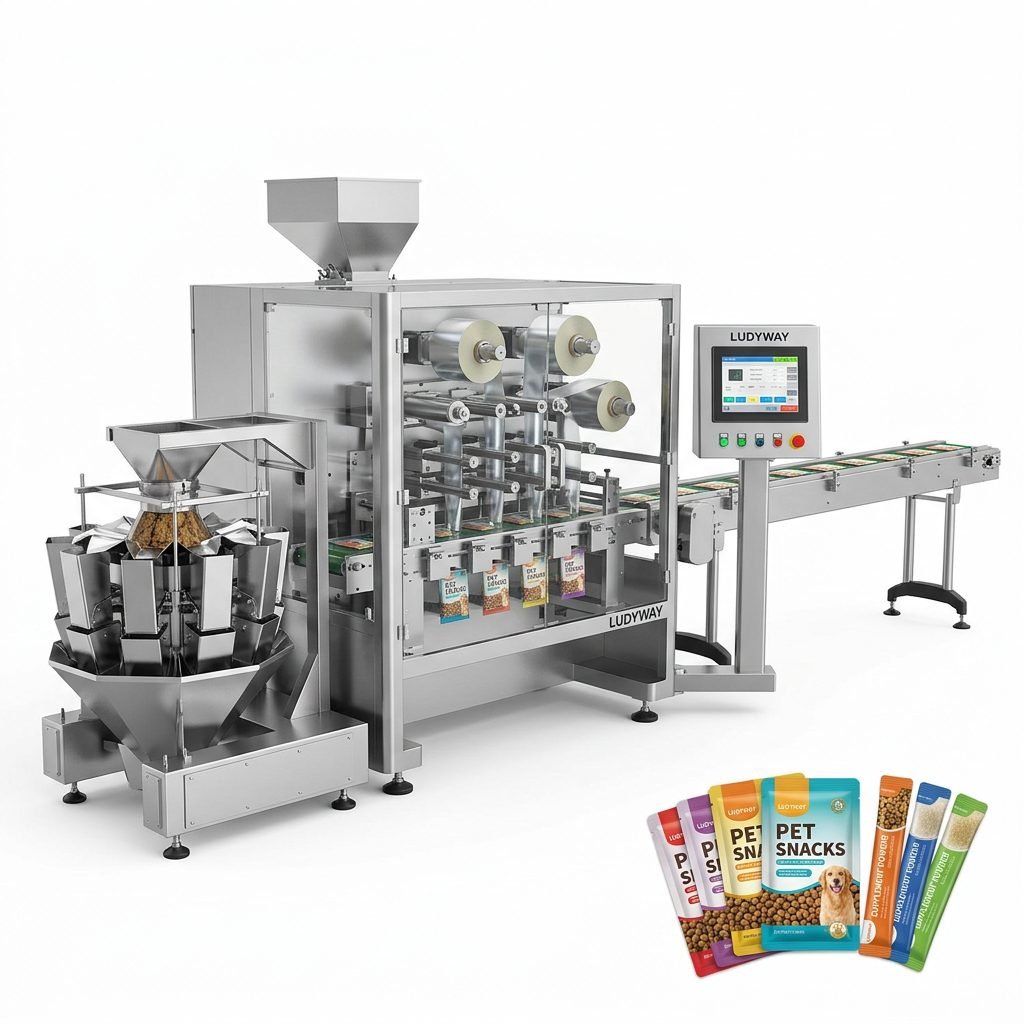
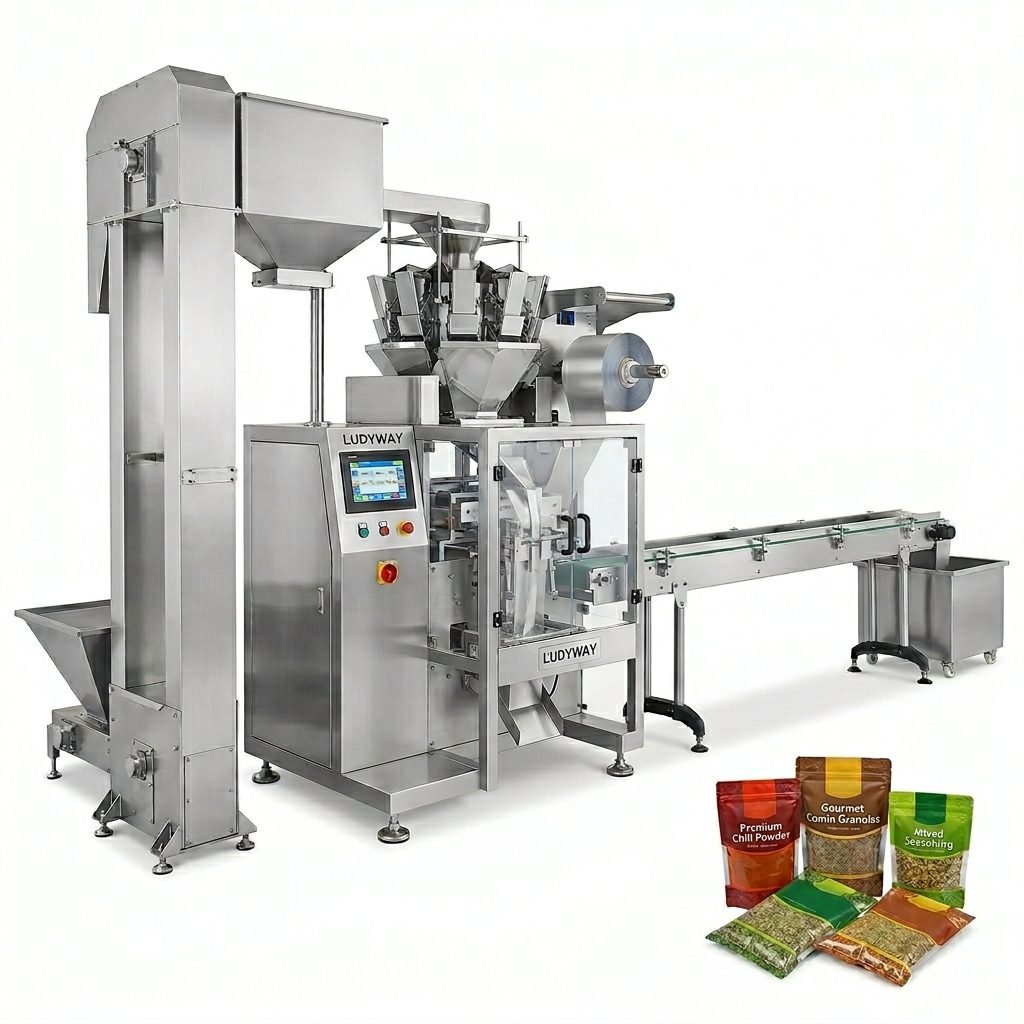
- Flexibility: Equipment should adapt to various product types—granules (like coffee, spices), powders (flour, protein supplements), liquids (sauces, oils), and viscous pastes.
- Speed & Accuracy: High-output production lines demand precise filling weights and consistent sealing to minimize giveaway and ensure portion control.
- Sustainability: Growing consumer pressure drives the need for machines that handle recyclable, biodegradable, or reduced-material packaging formats efficiently.
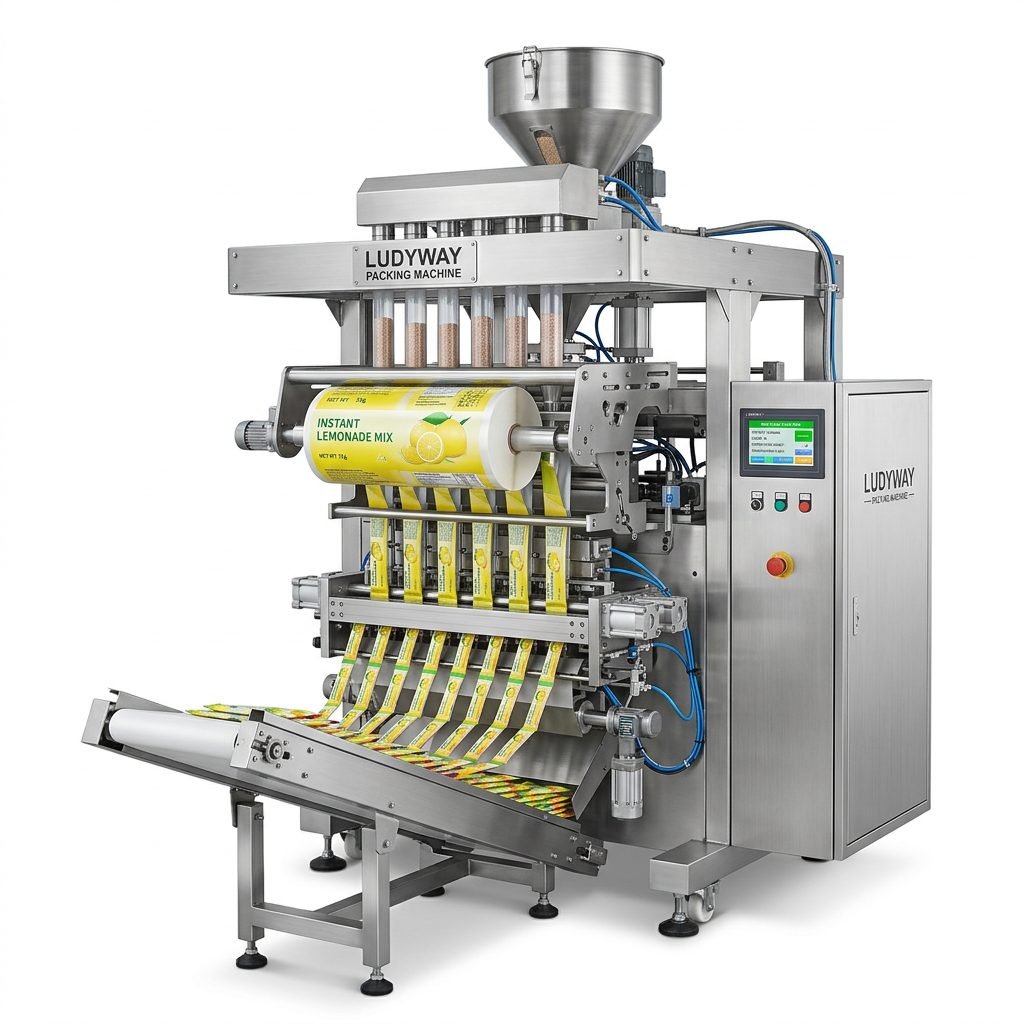
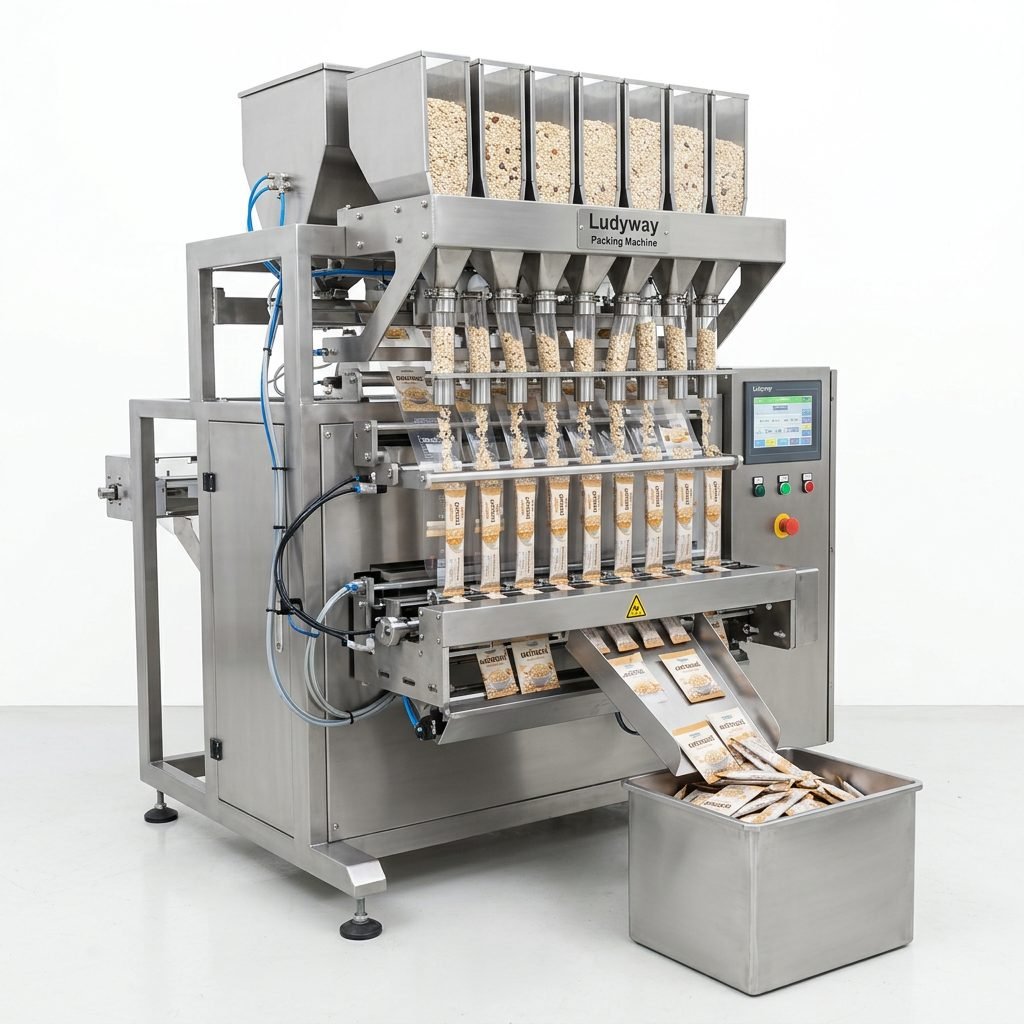
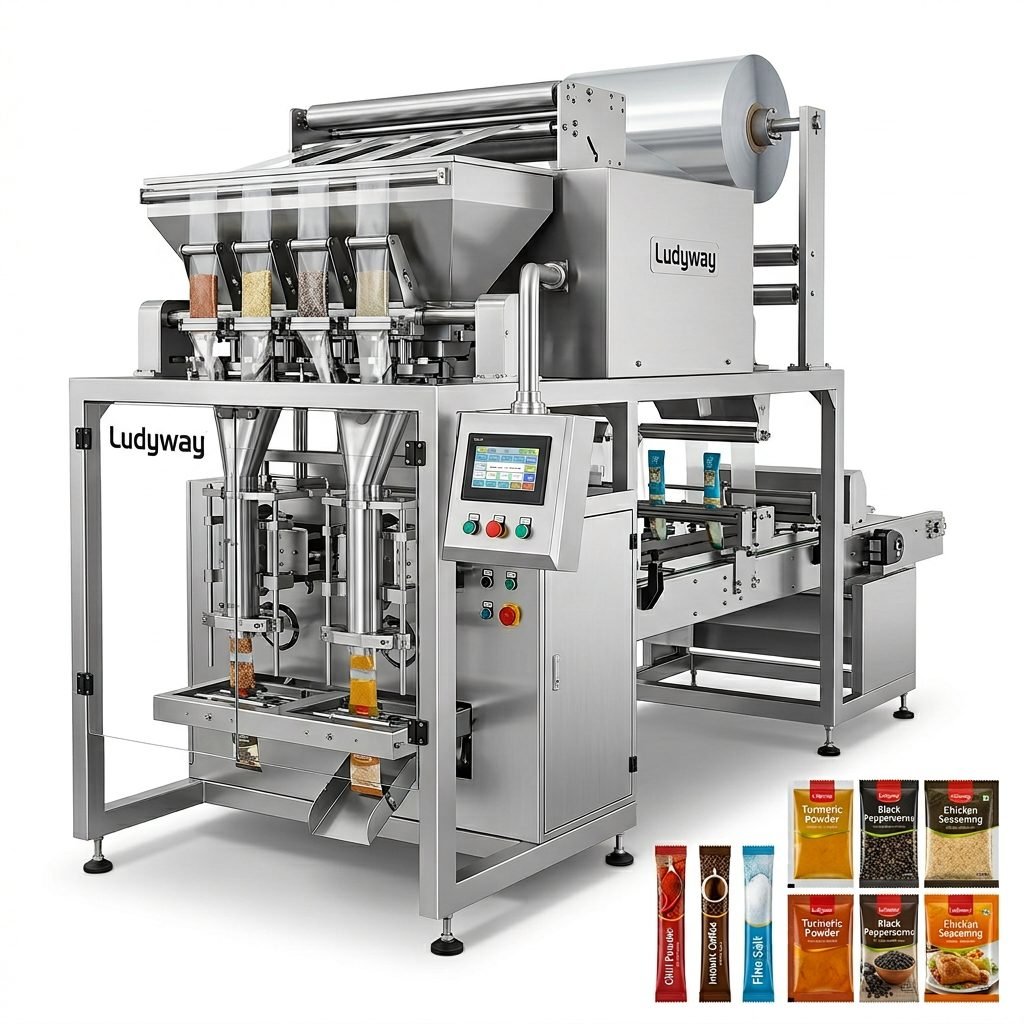
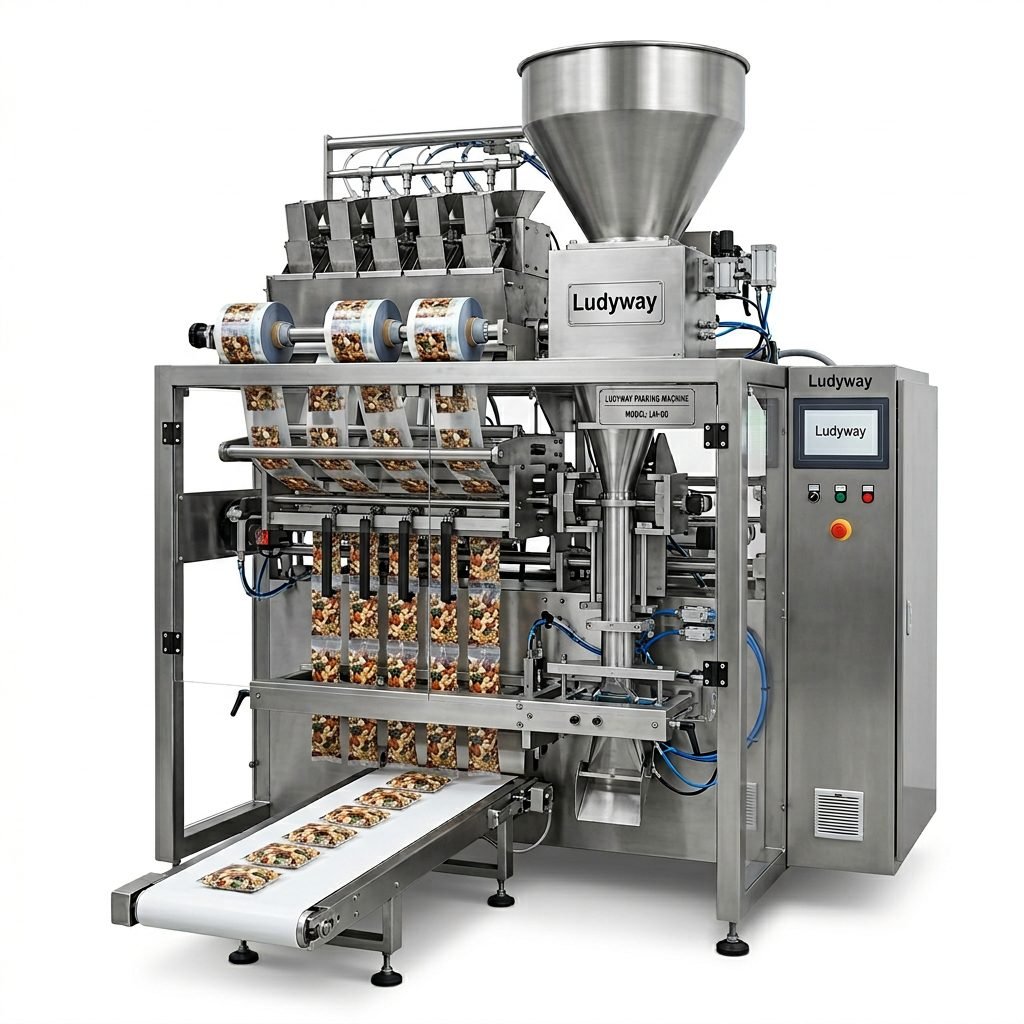
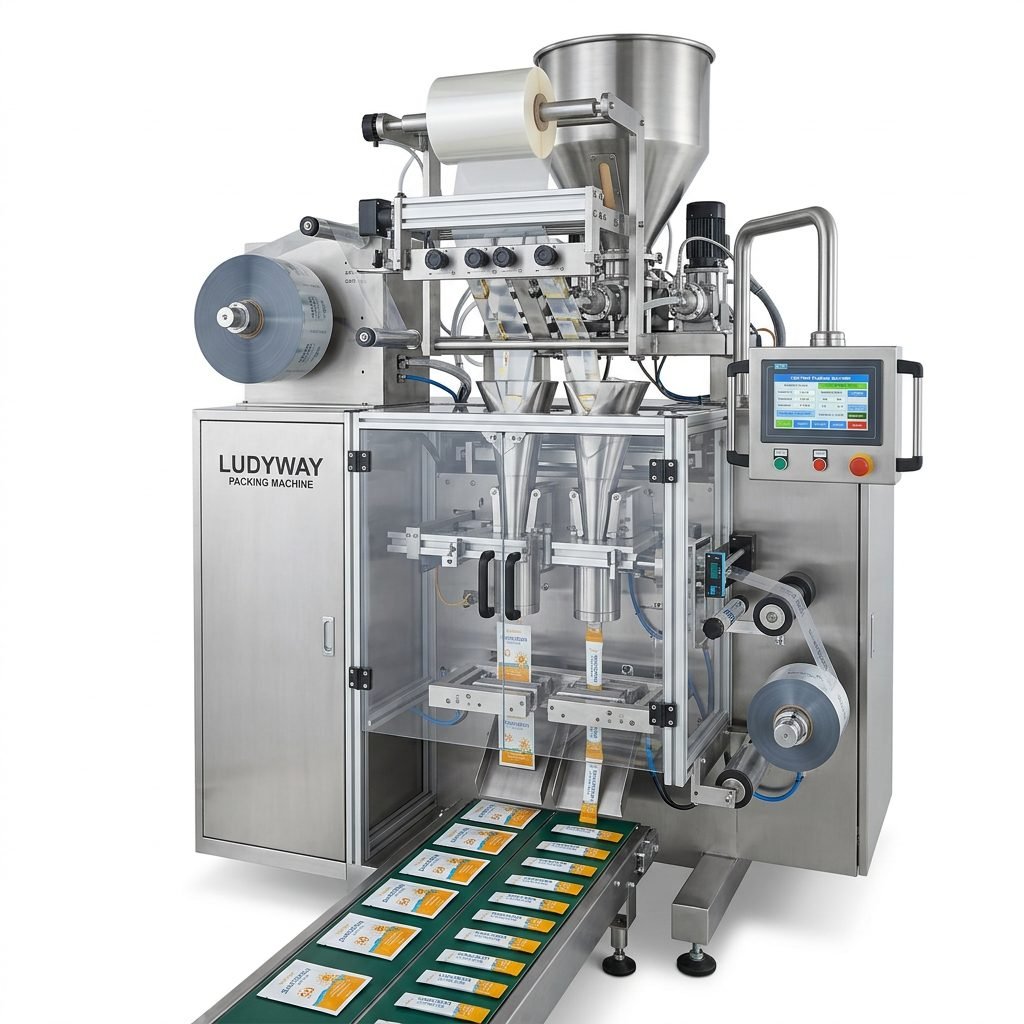
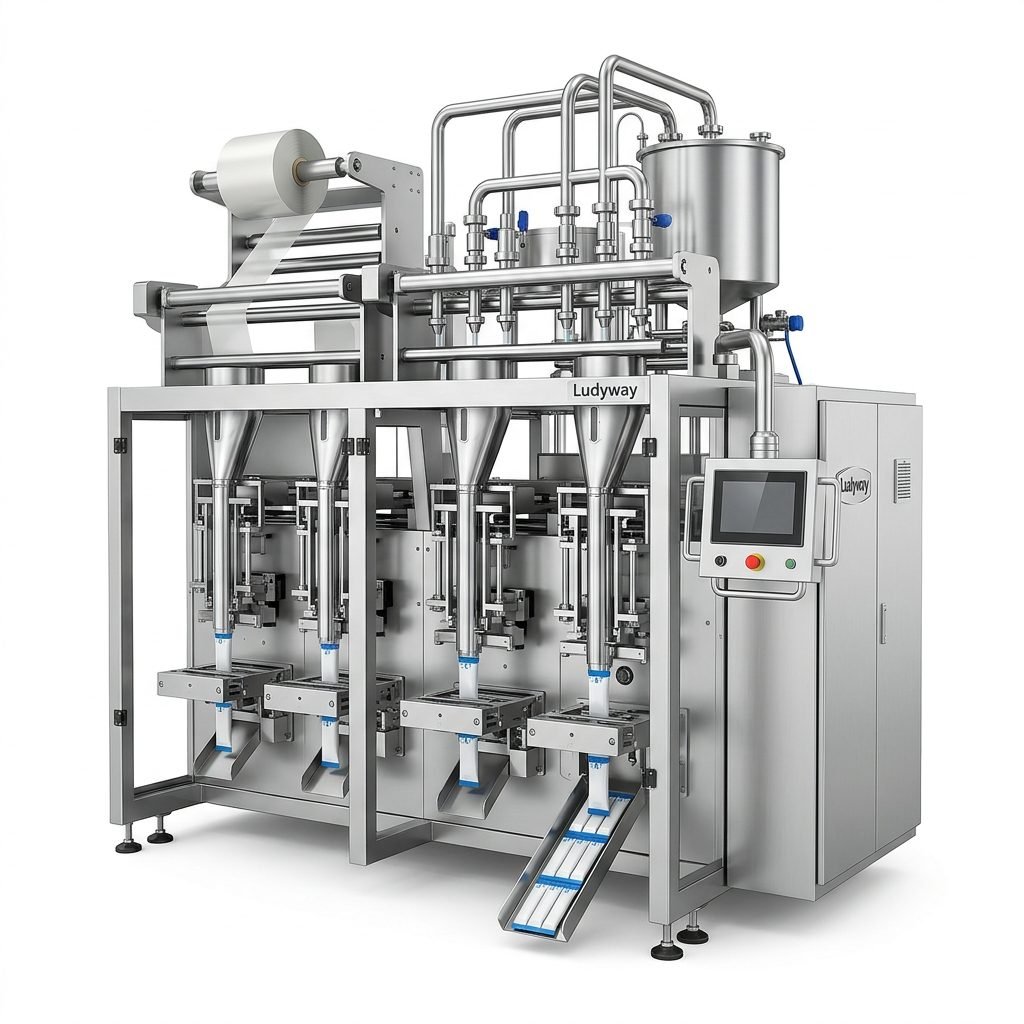
Modern solutions like multi-lane stick pack and sachet packaging systems excel here. They combine high-speed operation with remarkable flexibility, allowing producers to switch between different product types and package sizes with minimal downtime. This agility is crucial for brands responding to fast-changing market trends.
Advanced Pharmaceutical & Healthcare Packaging
The pharmaceutical and healthcare sector imposes the most rigorous standards on packaging processes. Here, packaging is a direct component of product safety and efficacy. Any failure in integrity can have serious consequences.
Equipment must operate in controlled environments, often with cleanroom compatibility. Features like dust-free operation, precision micro-dosing for powders and granules, and tamper-evident sealing mechanisms are paramount. Furthermore, track-and-trace requirements necessitate integration capabilities with coding and labeling systems for serialization.
➤ Core Focus Areas: Absolute accuracy in filling, guaranteed seal integrity to prevent contamination, and documentation support for regulatory compliance (e.g., FDA, EU GMP). Automated visual inspection systems are increasingly integrated into these lines to reject any defective packs.
For nutraceuticals, vitamins, and medical powders, packaging machines that offer nitrogen flushing or vacuum sealing options are vital to protect sensitive contents from oxidation and moisture. The transition from manual to fully automated, validated packaging lines significantly reduces human error and enhances overall product security.
Industrial & Chemical Production Packaging Needs
Industrial products, including chemicals, detergents, building materials, and agricultural inputs, often involve challenging materials. Packaging equipment for this sector must be robust, durable, and capable of handling abrasive powders, corrosive liquids, or heavy granules.
Primary considerations include operator safety through enclosed processes, resistance to harsh chemicals, and high-volume throughput to meet bulk shipping demands. Customization is frequent, as industrial packages range from small sample sachets for product testing to large bags or drums for wholesale distribution.
Durability and low maintenance are key economic drivers. Equipment designed with heavy-duty components and simplified mechanics ensures continuous operation in demanding plant environments, maximizing uptime and return on investment.
Integrating Technology: The Smart Packaging Line
Across all sectors, the evolution towards Industry 4.0 is transforming packaging operations. High-performance now intrinsically includes connectivity and intelligence.
- Data Collection: Machines equipped with sensors monitor production speed, fill weight accuracy, seal temperature, and rejection rates in real-time.
- Predictive Maintenance: Analytics can forecast potential component failures, scheduling maintenance before disruptive breakdowns occur.
- Remote Monitoring & Control: Operators can manage line performance and adjust parameters from centralized dashboards, even off-site.
- Seamless Integration: Modern equipment is designed to plug into broader factory ecosystems, connecting with upstream feeders, downstream palletizers, and ERP software for holistic production management.
This technological integration turns a packaging line from a standalone machine into a strategic data source, optimizing overall plant efficiency, reducing waste, and providing actionable insights for continuous improvement.
Choosing the Right Packaging Partner
Selecting high-performance packaging equipment is a significant capital decision. Beyond evaluating machine specifications, the choice of supplier is critical. A partner with deep application experience can provide invaluable guidance during the planning phase.
Look for a provider with a proven track history in your specific industry—understanding the nuances of food safety, pharmaceutical validation, or industrial material handling. The ability to offer complete turnkey solutions is a major advantage, ensuring all components from feeding to final packaging are harmonized for peak performance.
After-sales support, including comprehensive training, readily available spare parts, and responsive technical service, guarantees long-term reliability and protects your investment. A partner committed to innovation will also help future-proof your operations, offering upgrades and new technologies as they emerge.
Ultimately, investing in high-performance packaging solutions for food, pharma, and industrial production is an investment in your product’s quality, your brand’s reputation, and your operation’s profitability. By addressing the unique demands of each sector with tailored, technologically advanced equipment, manufacturers can build resilient, efficient, and competitive production lines ready for the future.
Frequently Asked Questions (FAQs)
1. What is the most important factor when choosing packaging equipment for pharmaceutical products?
The paramount factor is compliance with regulatory standards (e.g., cGMP, FDA requirements). Equipment must ensure absolute accuracy, sterility where needed, and provide documentation support for validation processes. Seal integrity and contamination prevention are non-negotiable.
2. Can one packaging machine handle both food powders and industrial chemicals?
While some versatile machines exist, it is generally not recommended due to cross-contamination risks and material compatibility. Food equipment requires specific hygienic designs, while chemical machines need corrosion-resistant materials. Dedicated or thoroughly sanitized lines are safer and more efficient.
3. How does ‘high-performance’ differ from standard packaging equipment?
High-performance equipment typically offers greater speed, higher accuracy, advanced automation features, and robust durability. It integrates smart technology for data collection and control, focuses on energy efficiency, and is designed for minimal downtime and easier maintenance, providing a lower long-term operational cost.
4. What are the benefits of a multi-lane stick pack machine?
Multi-lane systems provide exponential output increase by packaging multiple units simultaneously. They offer excellent flexibility for different product weights and sizes, rapid format changeover, and are ideal for high-volume production of portion-controlled items like instant drinks, spices, or supplements.
5. Is it possible to automate an entire packaging line from filling to boxing?
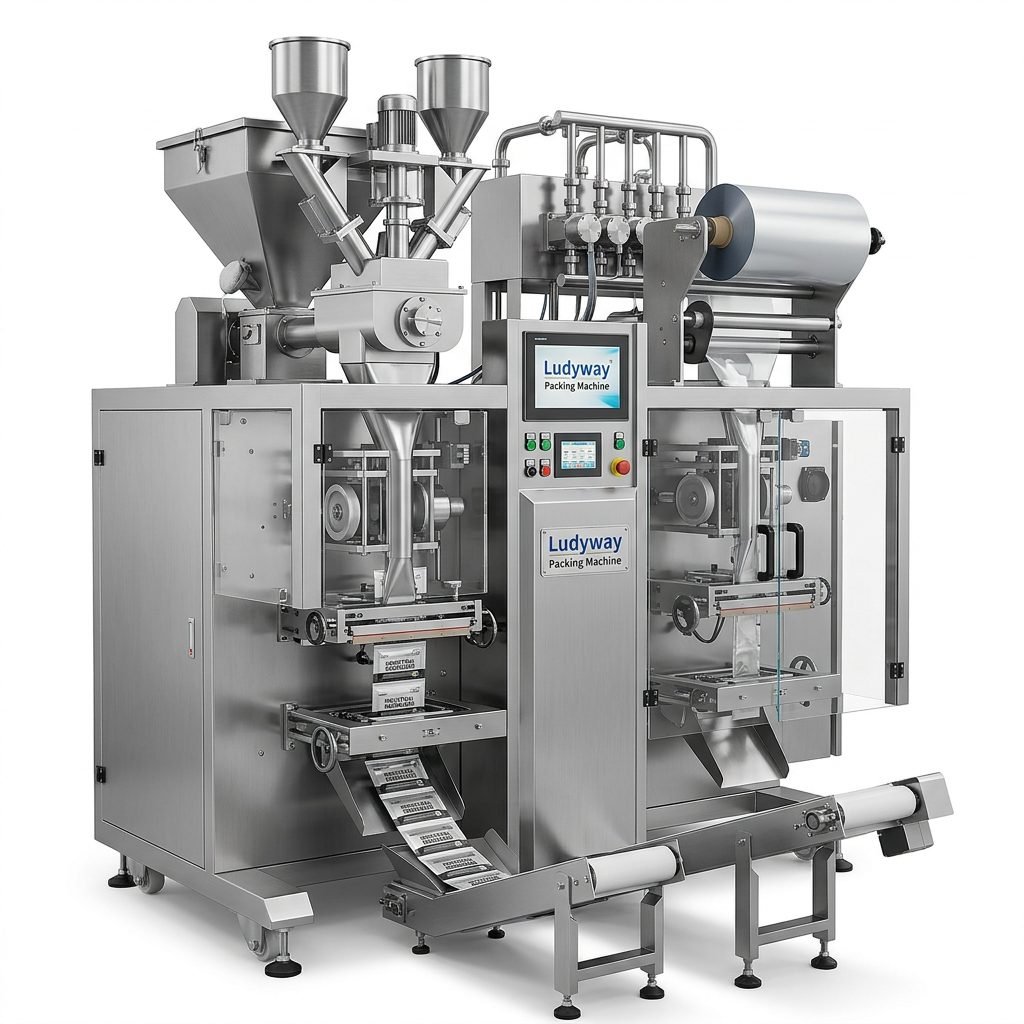
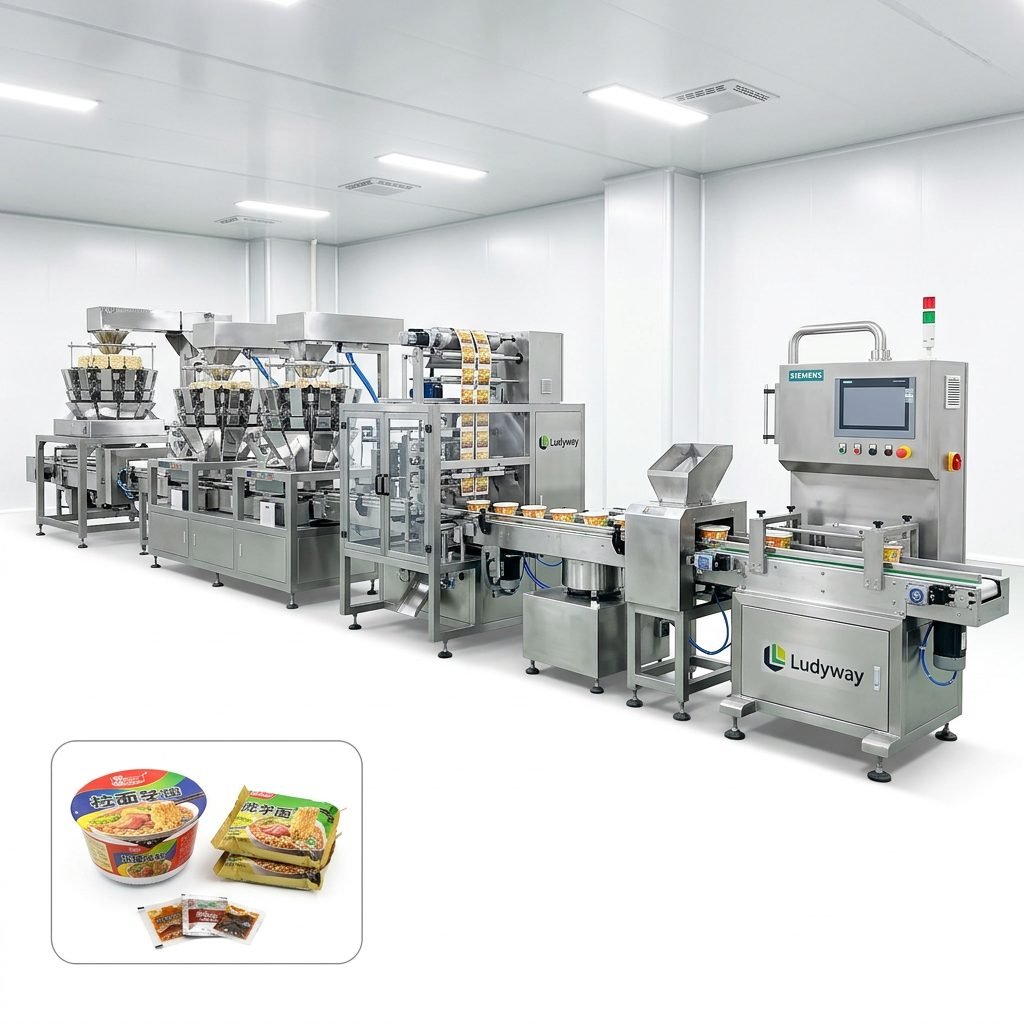
Yes, through turnkey project solutions. A full line can integrate automatic feeders, filling machines, sealing units, checkweighers, labelers, and cartoning/case packing systems. This creates a continuous, hands-off operation that maximizes efficiency, consistency, and labor savings.