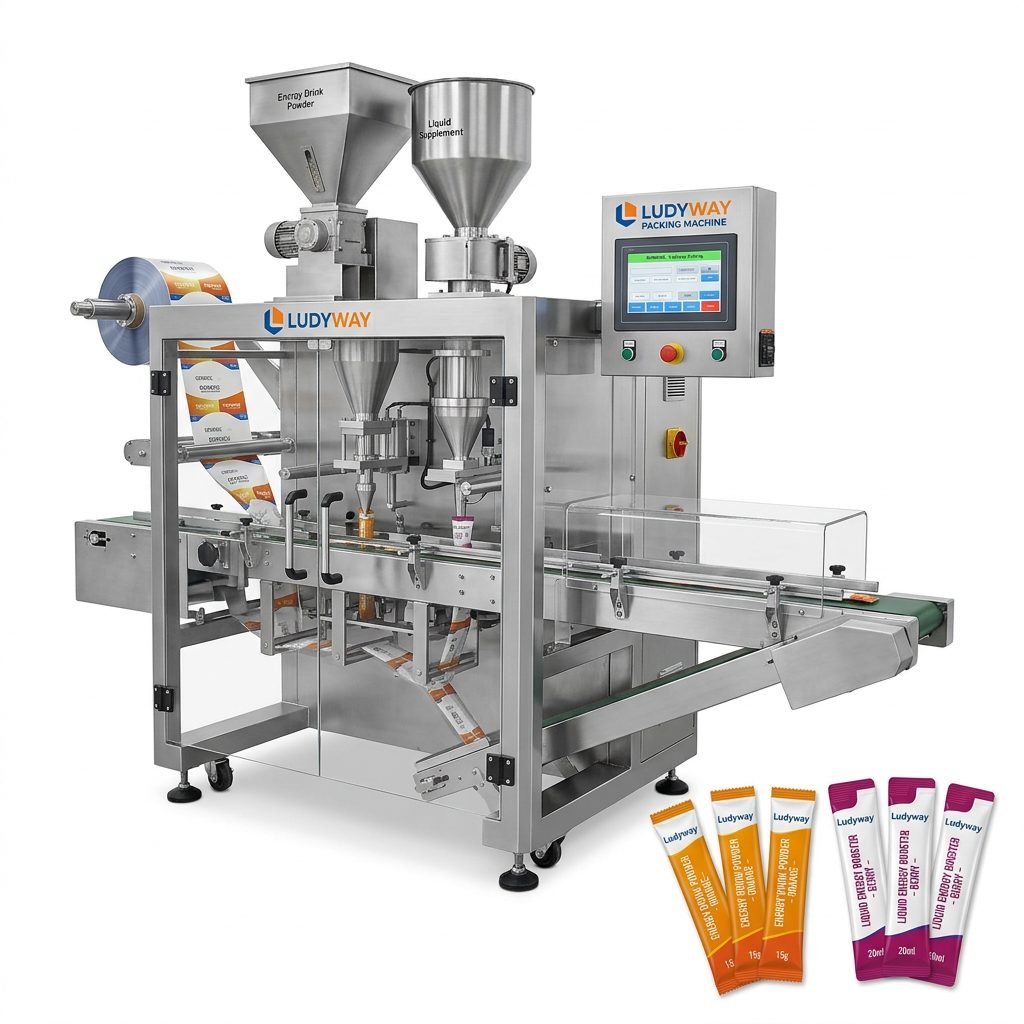
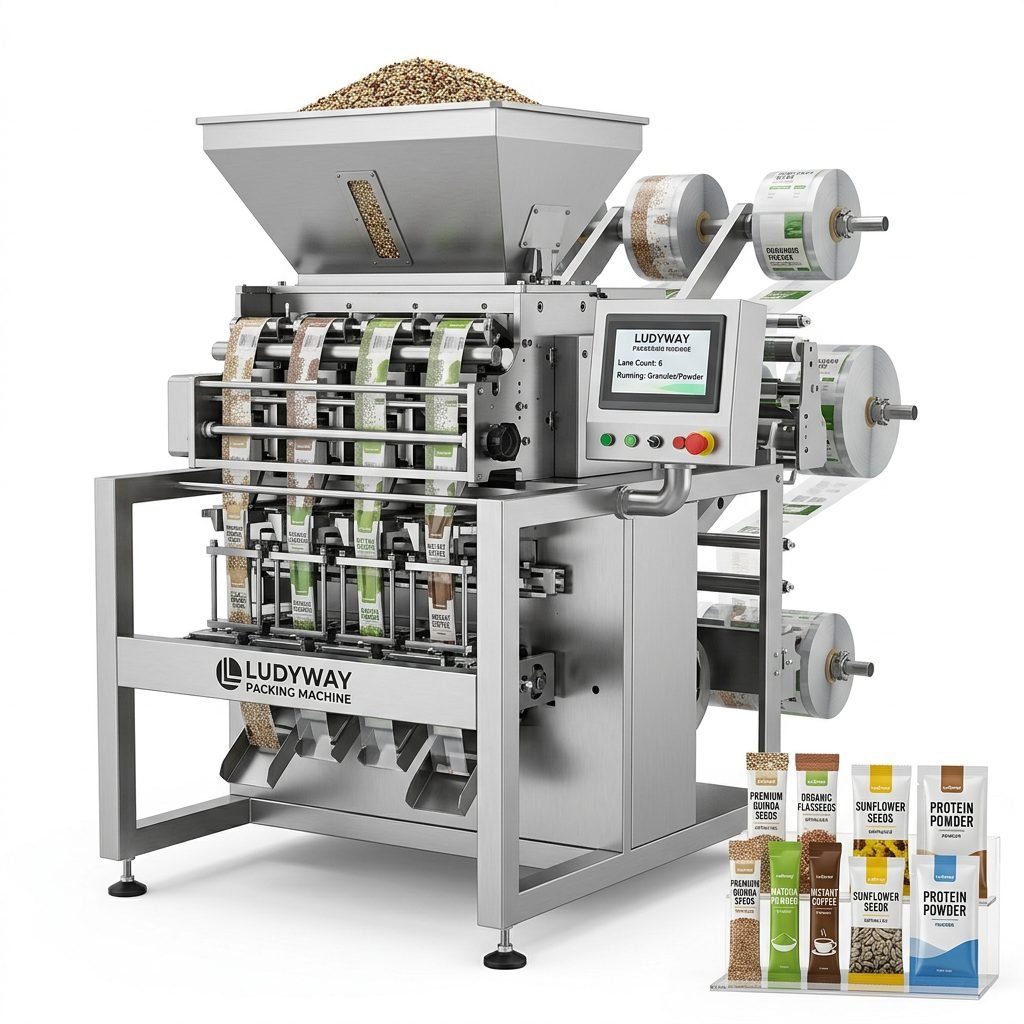
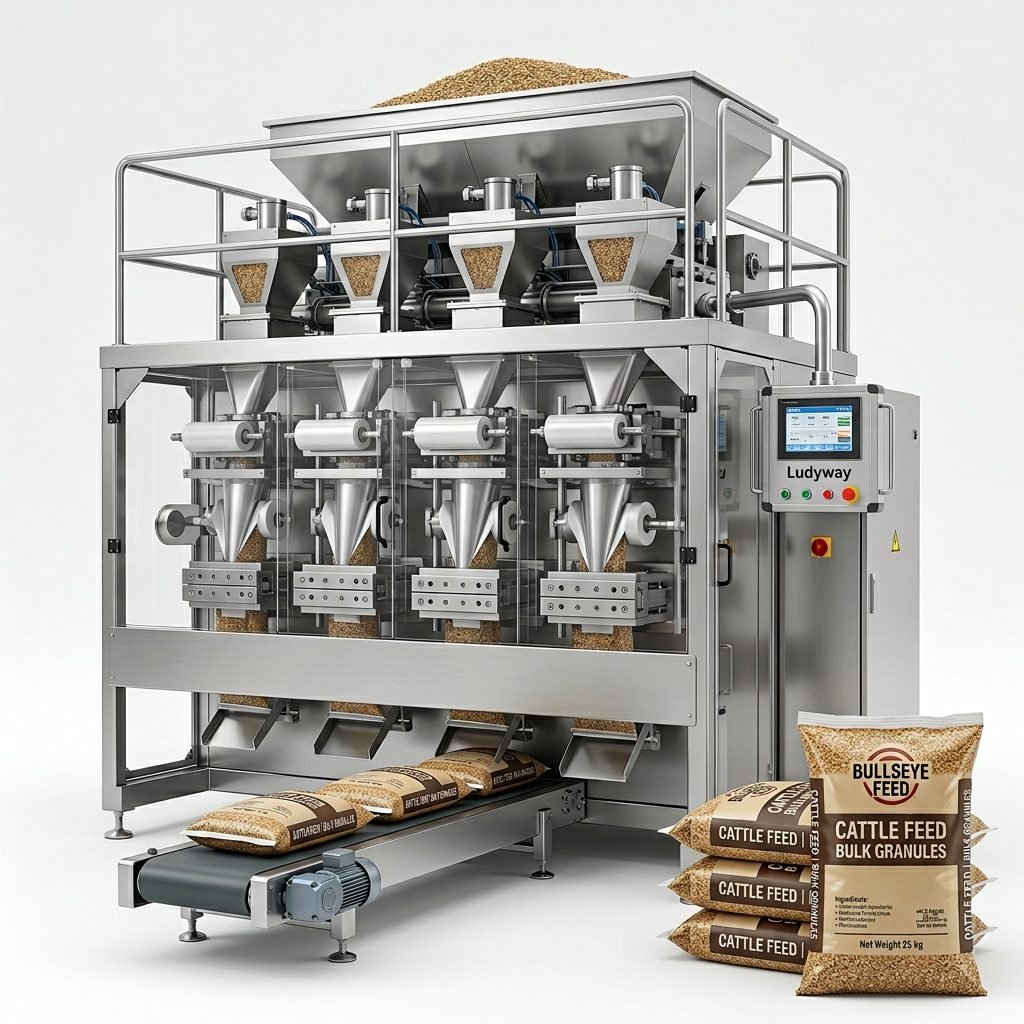
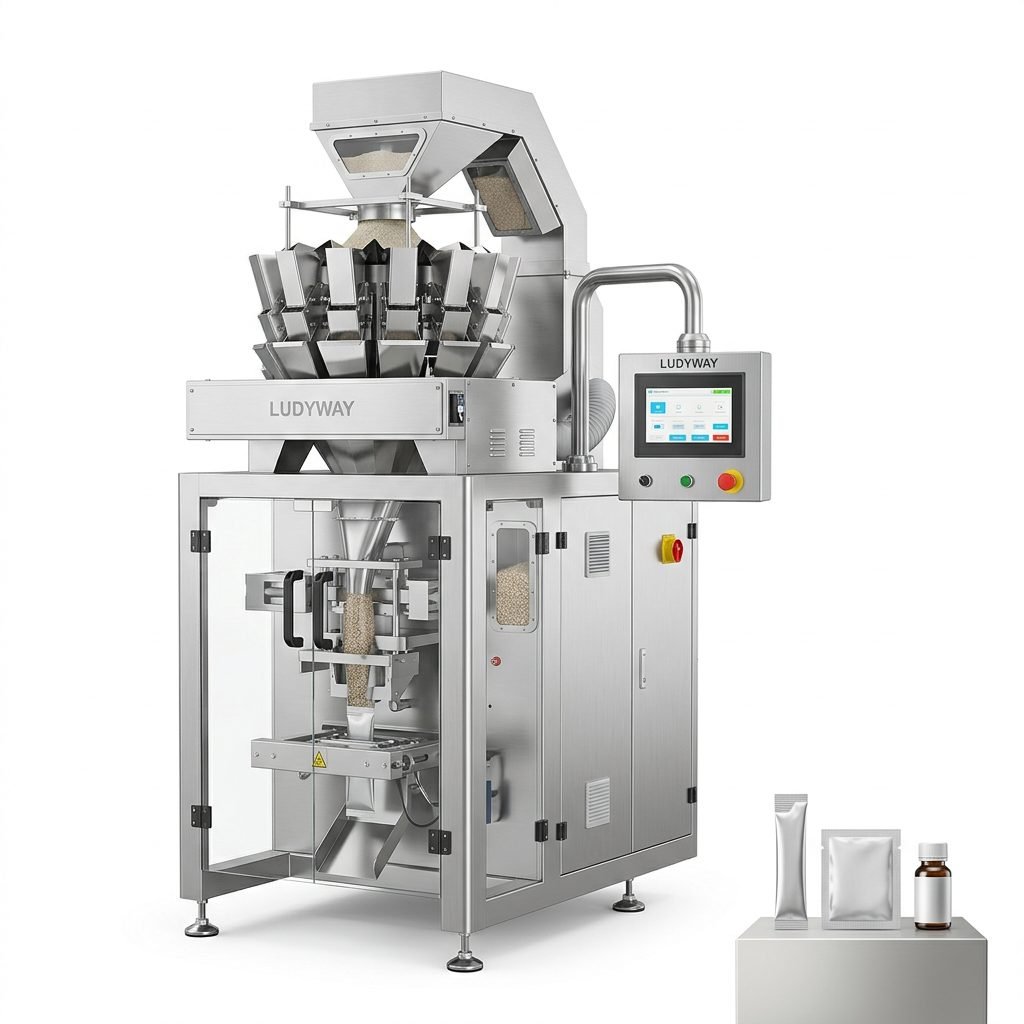
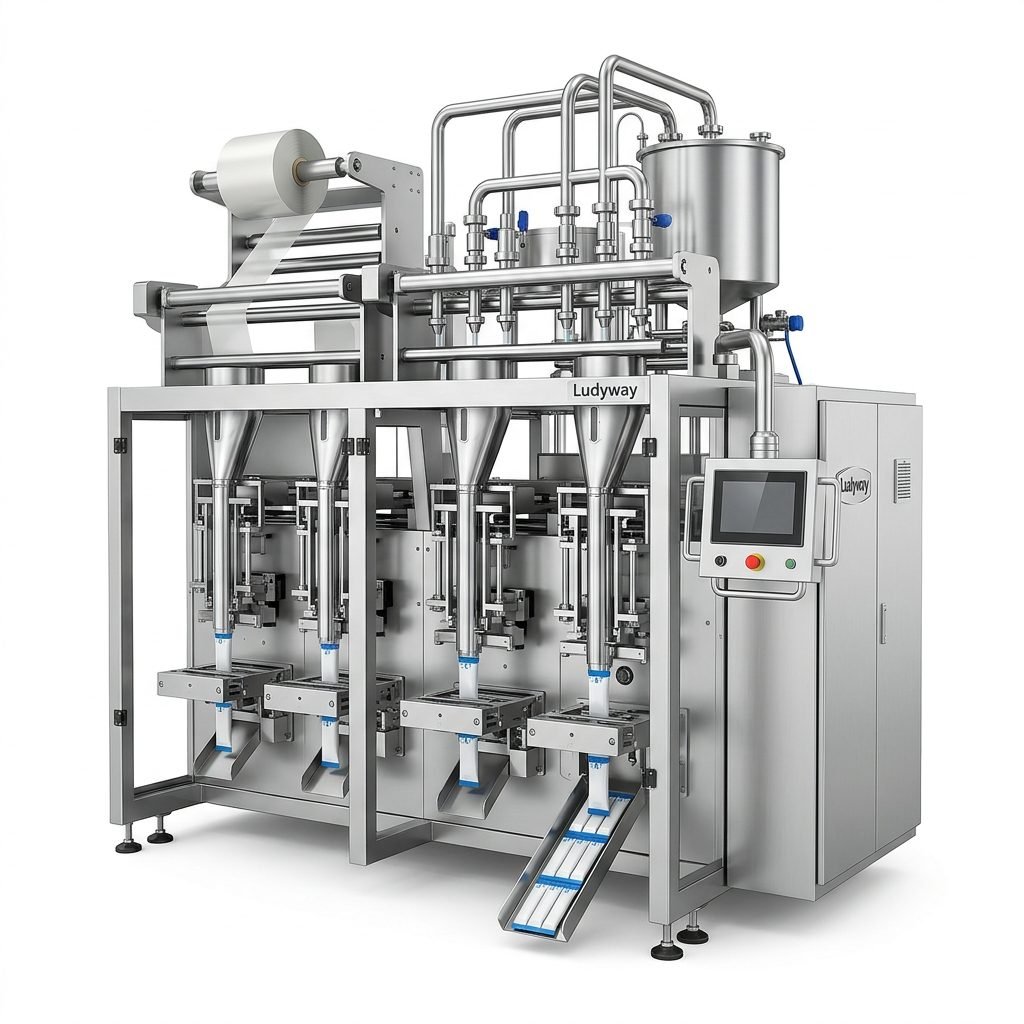
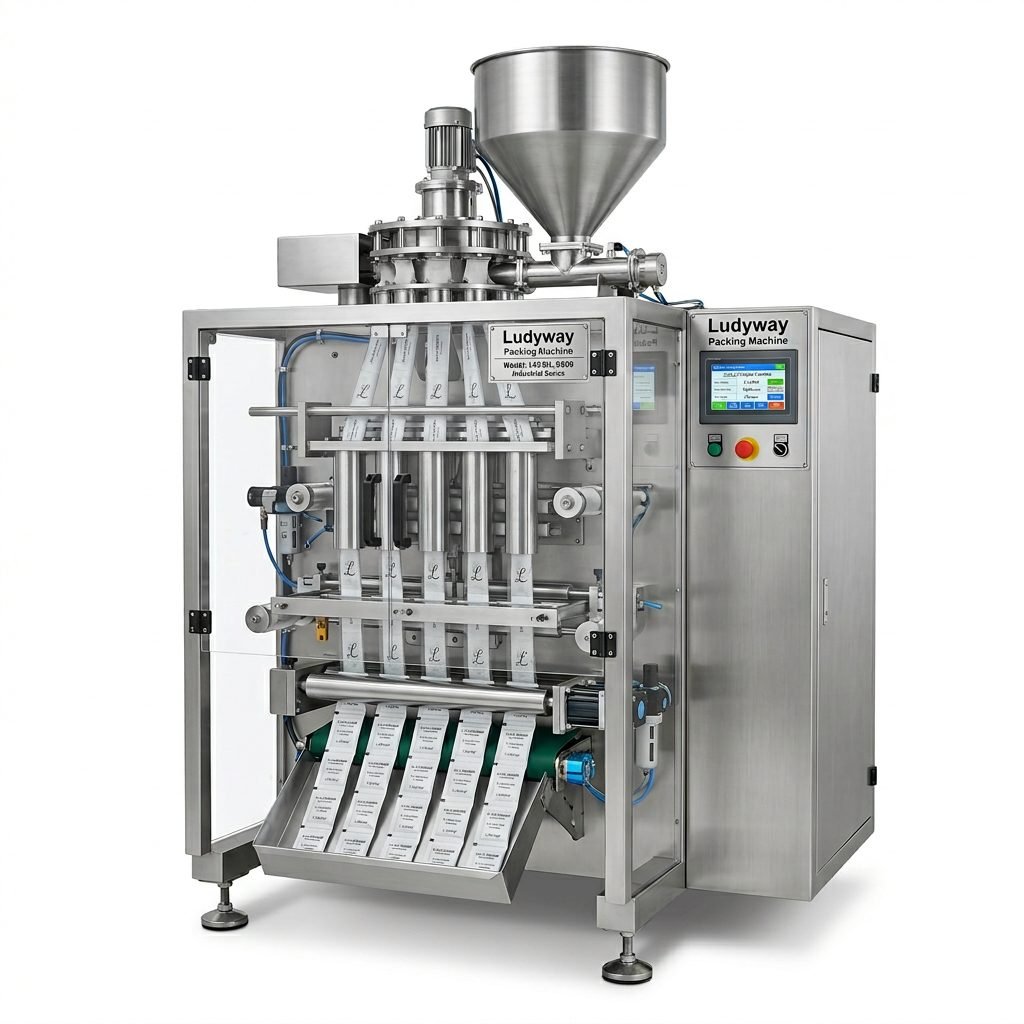
In the fast-paced world of e-commerce, the unboxing experience is your final handshake with the customer. While often overlooked, the packaging process is a critical operational pillar that impacts everything from shipping costs and efficiency to brand perception and customer satisfaction. For online stores scaling their operations, the leap from manual packing to automated solutions is not just an upgrade—it’s a strategic necessity. Selecting the right e-commerce packaging machine can transform your fulfillment center, boosting speed, consistency, and ultimately, your bottom line.
Understanding Your E-commerce Packaging Needs
Before diving into machine specifications, a thorough audit of your current and future needs is essential. This foundational step ensures your investment aligns perfectly with your business goals.
Analyze Your Product Portfolio
Start by categorizing your products. Are you primarily shipping small, uniform items like cosmetics or supplements? Or do you handle a diverse range of irregularly shaped, fragile, or variable-sized products? The physical characteristics of your goods—size, weight, fragility—will directly dictate the type of packaging (mailers, boxes, padded bags) and the machinery required to handle them.
Assess Your Order Volume & Fluctuations
Examine your daily, weekly, and seasonal order volumes. A machine that perfectly handles your average daily output might buckle under holiday season pressure. Conversely, over-investing in a high-speed system for modest volume is inefficient. Look for solutions that offer scalability or can be integrated into a modular system as you grow.
Define Your Packaging Goals
Clear objectives will guide your selection. Common goals include:
✅ Reducing Labor Costs: Automating repetitive tasks like box forming, taping, and labeling.
✅ Increasing Output Speed: Meeting same-day or next-day delivery promises.
✅ Minimizing Material Waste: Using right-sized packaging to cut down on void fill and cardboard use.
✅ Enhancing Consistency & Professionalism: Ensuring every package looks branded and secure.
Key Types of E-commerce Packaging Automation
The market offers a range of automated solutions, each designed for specific tasks in the packing workflow.
Automatic Carton Erectors & Sealers
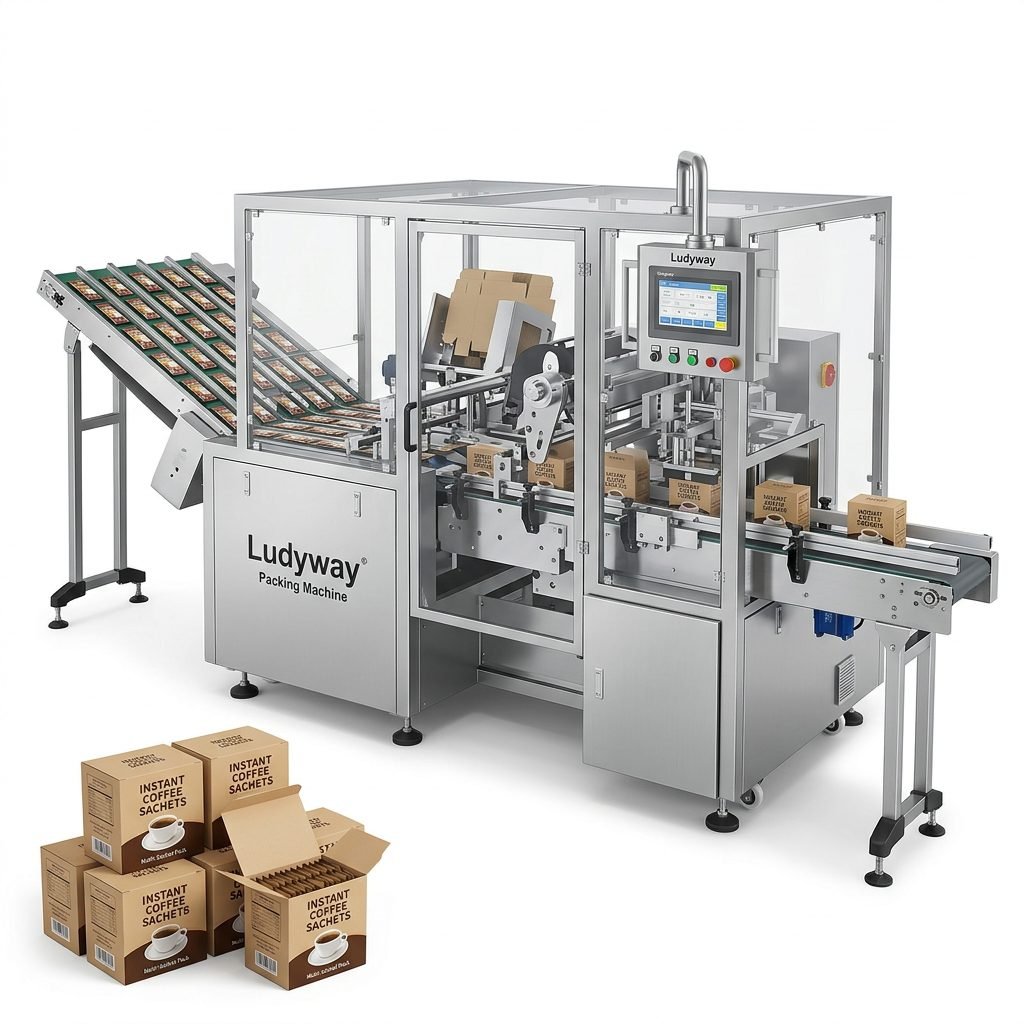
These machines automate the most labor-intensive steps of box packaging. An automatic carton erector takes flat cardboard blanks, forms them into boxes, and positions them for product insertion. This is often paired with an automatic carton sealer (tap or glue), which securely closes the filled box. They are ideal for businesses with high volumes of boxed shipments.
Polybag & Padded Mailer Systems
For non-fragile, smaller items, polybags and padded mailers are cost-effective and lightweight. Automated systems can print shipping labels, cut the bag to a custom size, seal the product inside, and apply the label in one seamless operation. This drastically speeds up the process for apparel, books, and small home goods.
Right-Sized Packaging Solutions
These intelligent systems create a custom-sized box or mailer around the products in the order. Using on-demand corrugated or padded material, they eliminate empty space, reducing material costs and dimensional shipping weights. This technology is a game-changer for sustainability and cost savings. For businesses looking to implement such efficient, tailored solutions, exploring advanced automated packaging systems is a crucial step.
Automated Taping & Labeling Systems
Standalone automatic taping machines can apply consistent, strong seals to boxes of various sizes. Similarly, automated label applicators (print-and-apply) integrate with your warehouse management system (WMS) to print shipping labels and accurately apply them to packages, eliminating manual errors.
Critical Factors for Choosing the Right Machine
With an understanding of the types available, focus on these critical evaluation criteria to find your perfect match.
1. Flexibility & Changeover Time
E-commerce product catalogs are dynamic. Your machine must handle a variety of package sizes without requiring lengthy, complex changeovers. Look for features like tool-free adjustments, programmable settings for different box dimensions, and quick-release mechanisms.
2. Integration Capabilities
The machine should not be an island. Seamless integration with your existing e-commerce platform, order management system (OMS), and WMS is vital for a smooth data flow. This ensures orders are packed correctly and tracking information is updated automatically. The right packaging machinery solutions will offer robust software compatibility.
3. Footprint & Scalability
Measure your available space carefully. Consider not just the machine’s size, but also the required clearance for operation and maintenance. Plan for future growth—can the system be expanded with additional modules or connected to form a continuous line?
4. Total Cost of Ownership (TCO)
Look beyond the initial purchase price. Calculate the TCO, which includes:
• Consumables Cost: Type and cost of tape, glue, labels, or cardboard blanks.
• Maintenance & Downtime: Reliability, service availability, and cost of spare parts.
• Energy Consumption: Operational power requirements.
• Labor Impact: How much labor will it save or redirect?
5. Reliability & Supplier Support
Your fulfillment line cannot afford prolonged downtime. Research the manufacturer’s reputation for build quality and reliability. Ensure they offer comprehensive after-sales support, including training, readily available technical assistance, and a clear warranty. Partnering with an experienced provider like Ludyway Machinery, with decades of industry expertise, can provide peace of mind and long-term partnership.
Implementing Your Automated Packing Solution
Successful implementation is a project in itself. Start with a pilot program for a specific product line to test the machine’s performance and identify workflow adjustments. Thoroughly train your staff on both operation and basic troubleshooting. Continuously monitor key performance indicators (KPIs) like packs per hour, error rates, and material savings to measure ROI and justify the investment.
Final Checklist Before You Buy
🔲 We have a clear list of products for automation.
🔲 We have accurate, projected order volume data.
🔲 We’ve accounted for machine footprint and utility needs.
🔲 We understand the TCO, not just the purchase price.
🔲 We’ve verified system integration with our software.
🔲 We have a plan for staff training and change management.
🔲 We’ve checked the supplier’s references and service terms.
Choosing the right e-commerce packaging machine is a significant decision that requires careful planning and research. By systematically assessing your needs, understanding the technology, and partnering with a reliable supplier, you can implement a solution that drives efficiency, reduces costs, and strengthens your customer’s unboxing experience—turning your fulfillment center into a competitive advantage.
Frequently Asked Questions (FAQs)
1. How much can I realistically save by automating my packaging?
Savings are multi-faceted. Direct labor costs in the packing station can be reduced by 50-70%. Significant savings also come from reduced material waste (through right-sizing) and lower shipping costs due to smaller package dimensions. The ROI typically ranges from 12 to 24 months, depending on volume.
2. My products vary greatly in size. Can one machine handle this?
Yes, but flexibility is key. Look for machines with a wide range of adjustable settings (e.g., for box size or bag length) and quick changeover capabilities. For extreme variety, a right-sized packaging system that creates custom packages on-demand is often the most efficient solution.
3. Is automated packaging machinery difficult to maintain?
Modern machines are designed for reliability and ease of maintenance. Complexity varies by model. Choosing a supplier that offers thorough training, clear documentation, and readily available spare parts is crucial to minimize downtime. Regular preventive maintenance is simple but essential.
4. Can I integrate a new machine with my existing e-commerce software?
In most cases, yes. Reputable packaging machine manufacturers build their systems to integrate with common WMS, OMS, and ERP platforms via APIs or standard data protocols. Always discuss your specific software environment with the supplier during the evaluation phase.
5. What’s the first step in the automation process?
The first step is always an internal audit. Document your current process, pain points, product mix, and order volume data. This information is essential for having a productive conversation with potential suppliers or consultants who can then recommend appropriate solutions tailored to your specific operational needs.