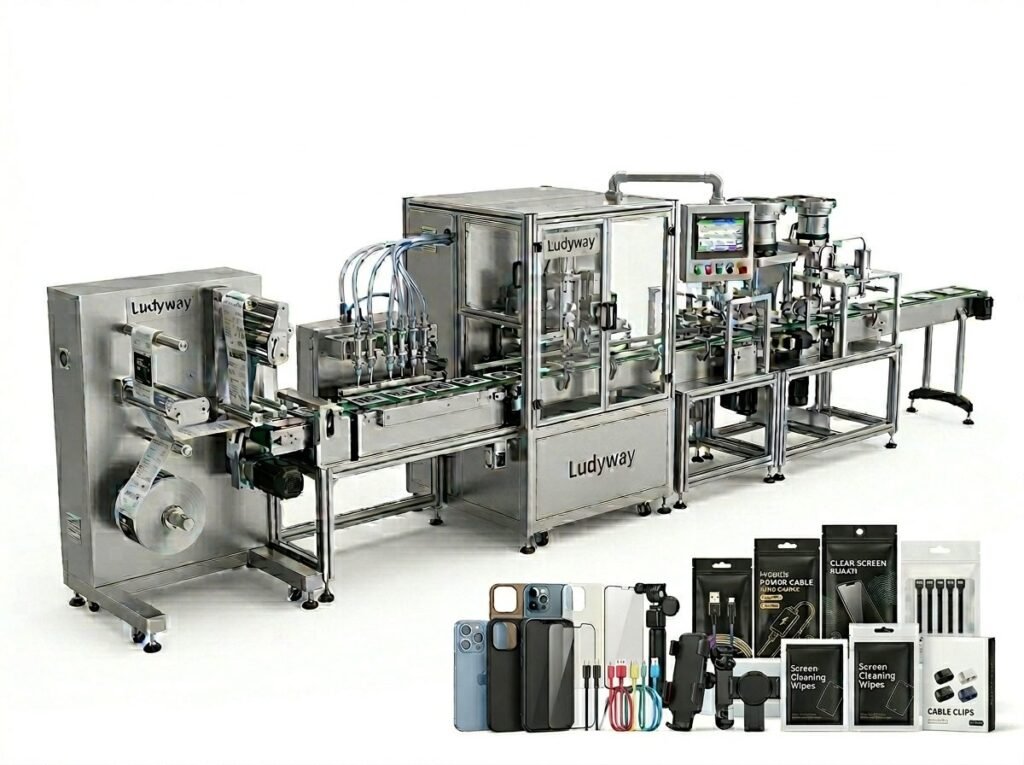
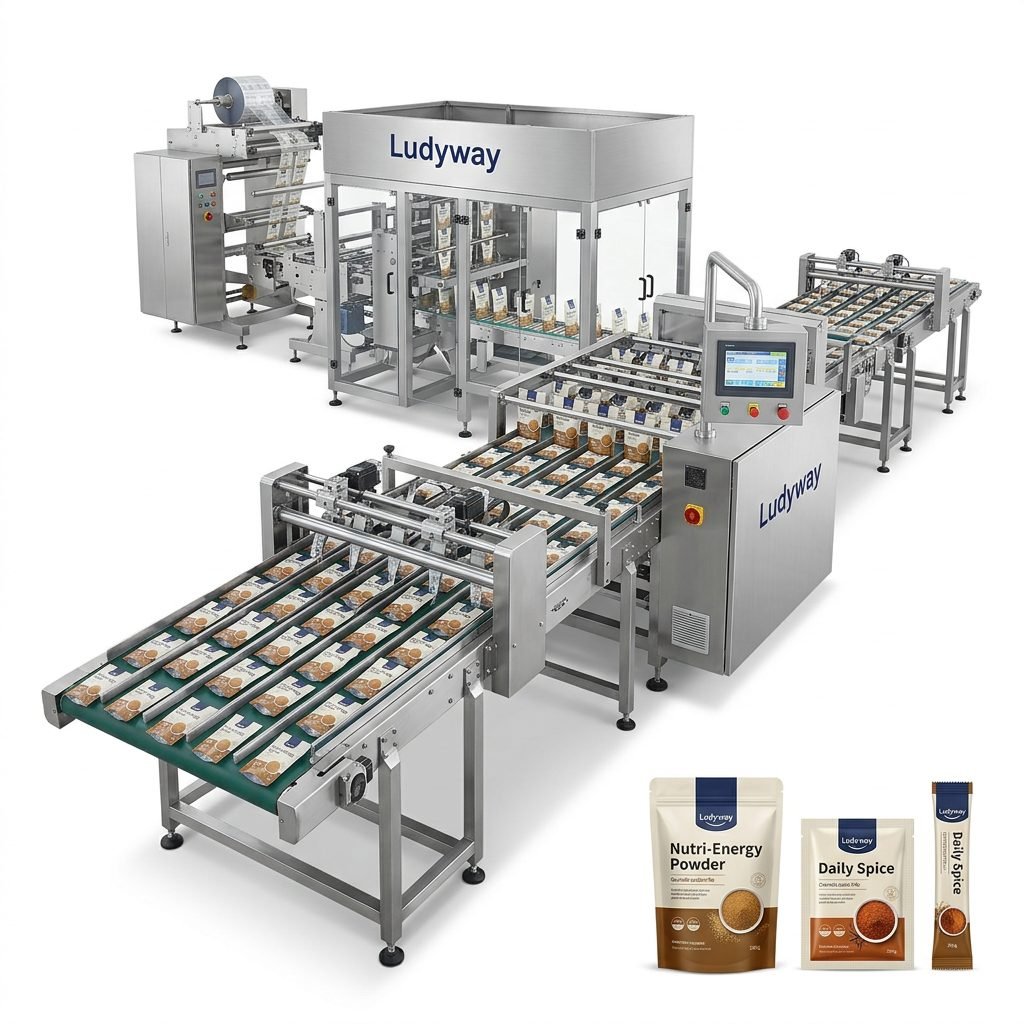
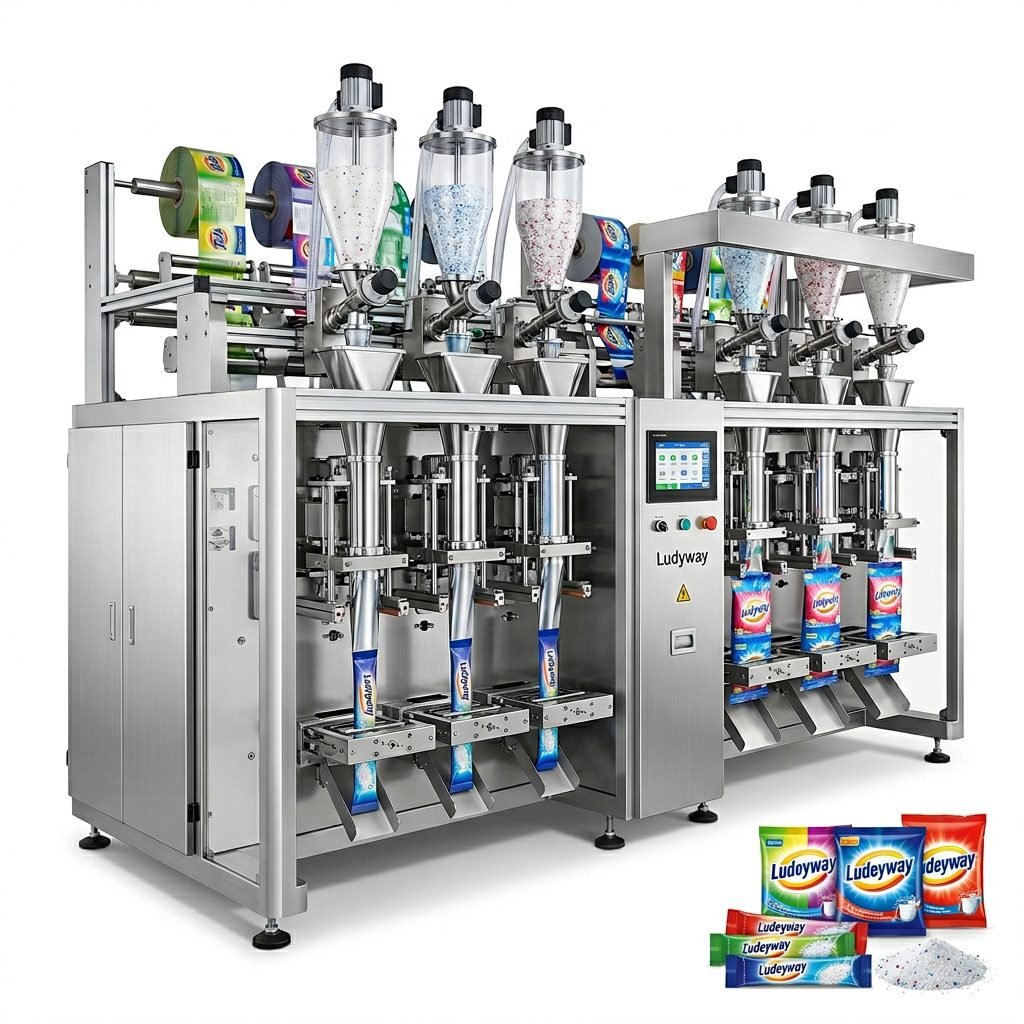
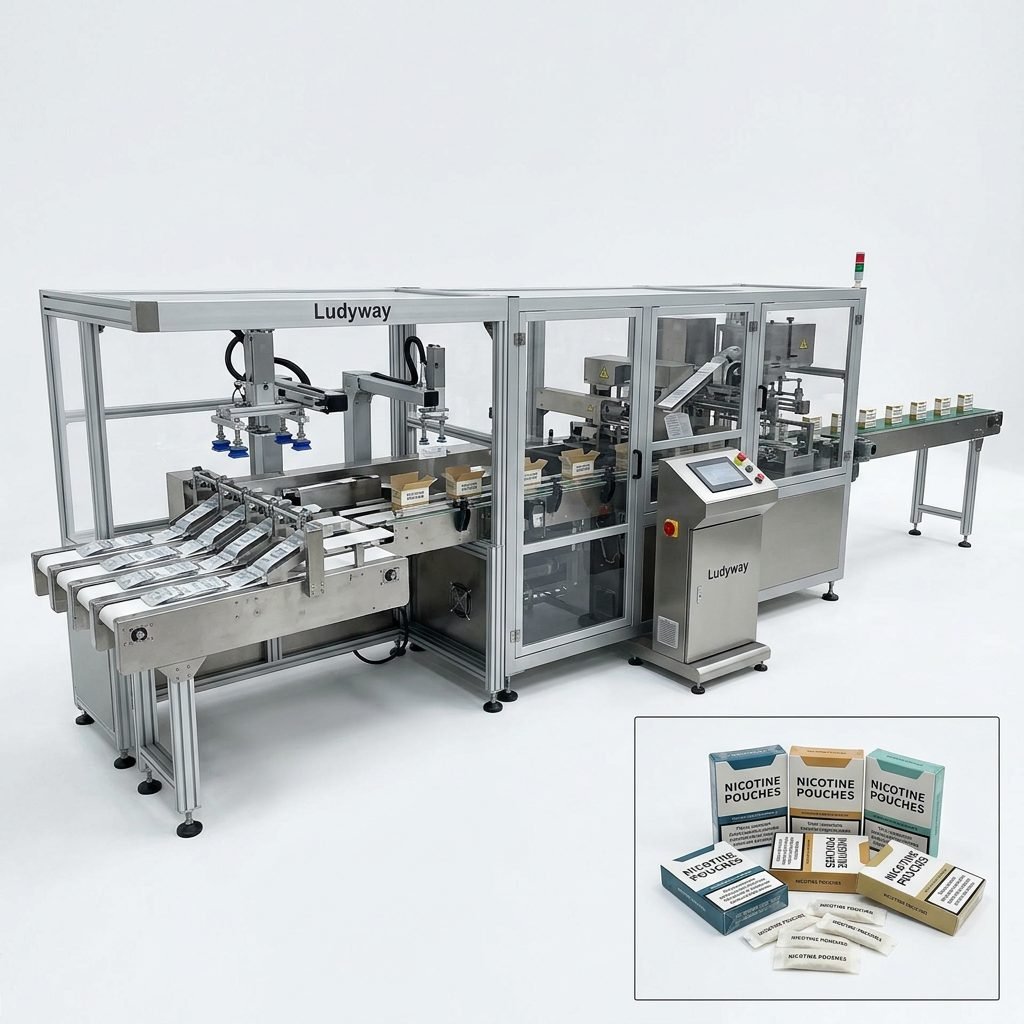
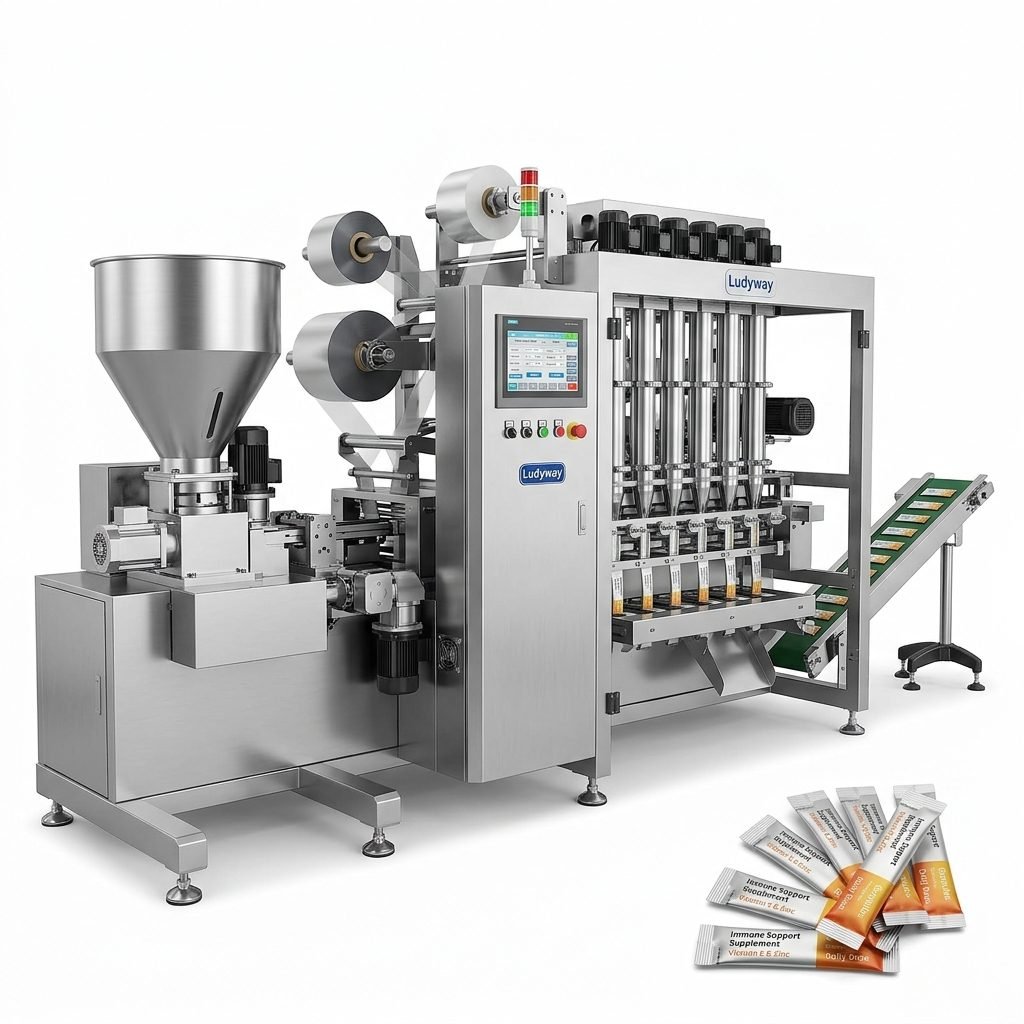
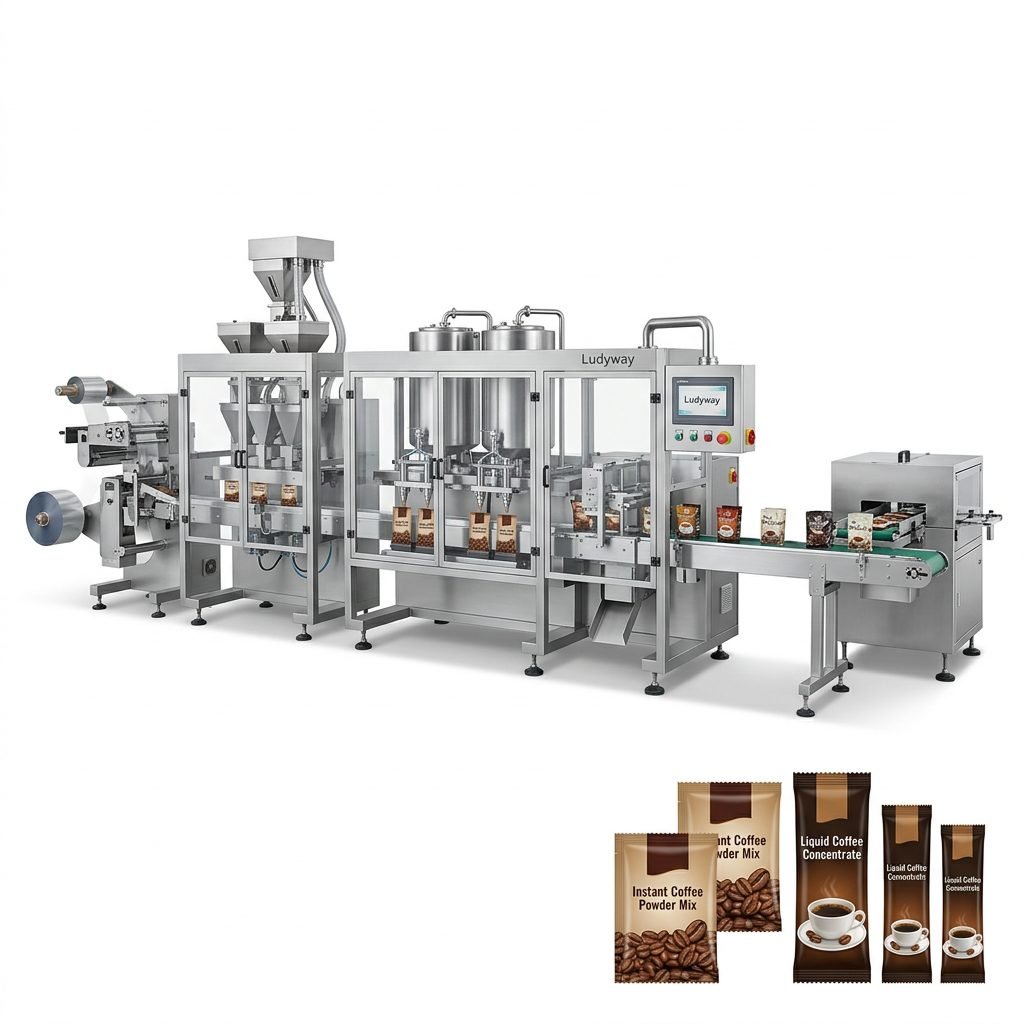
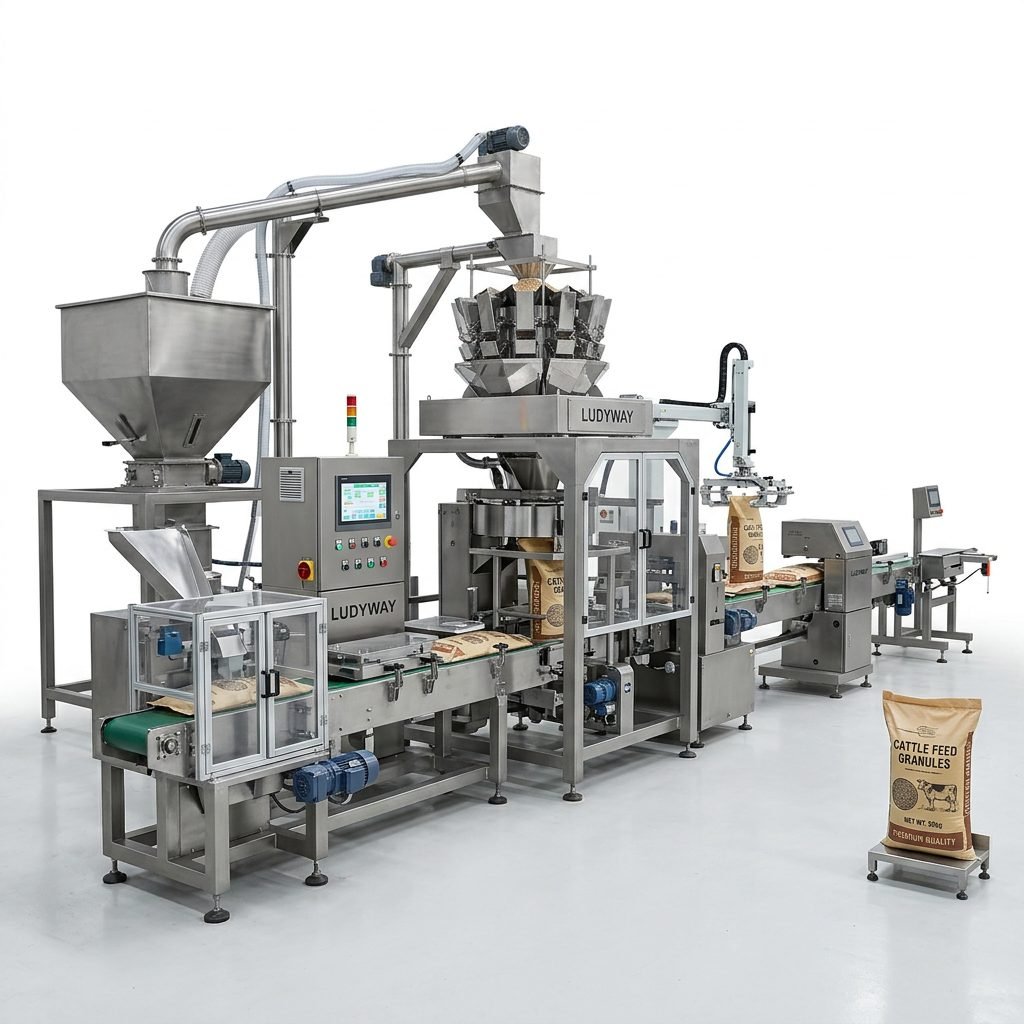
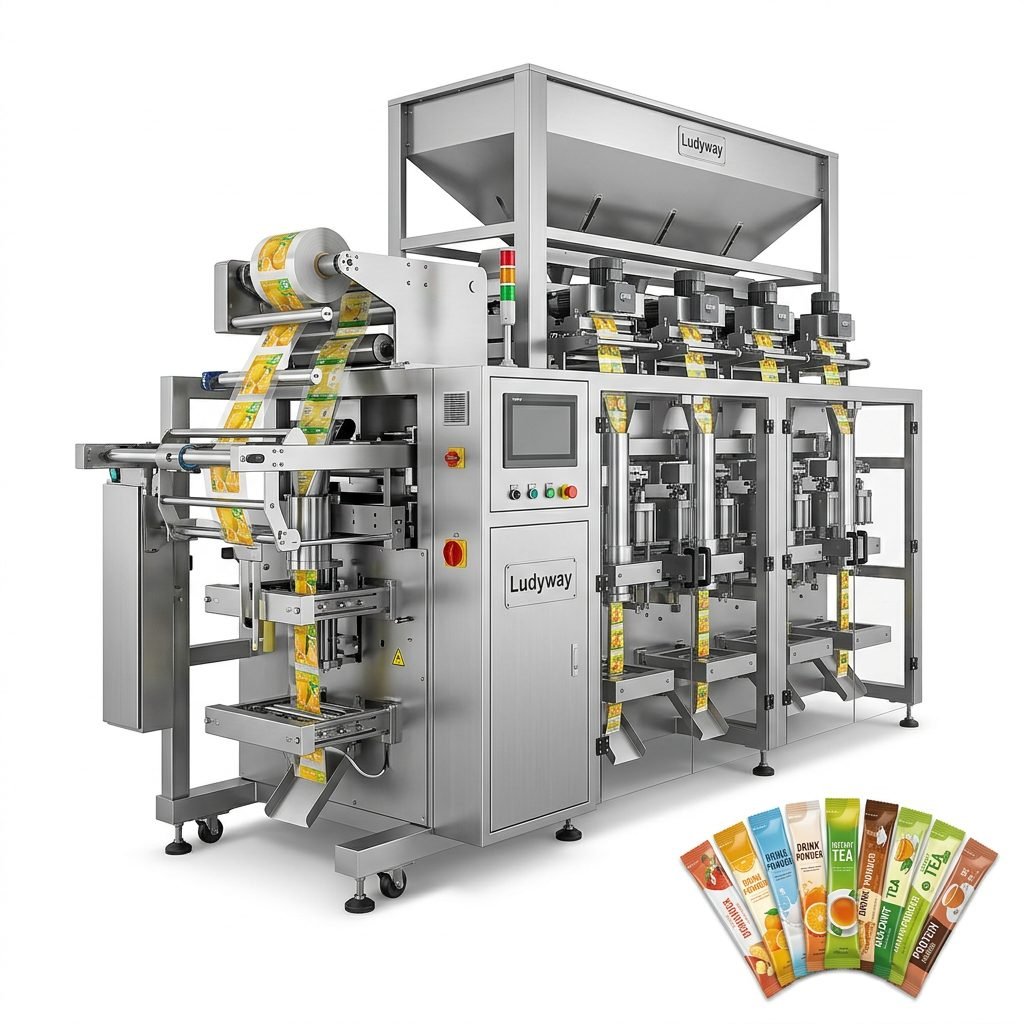
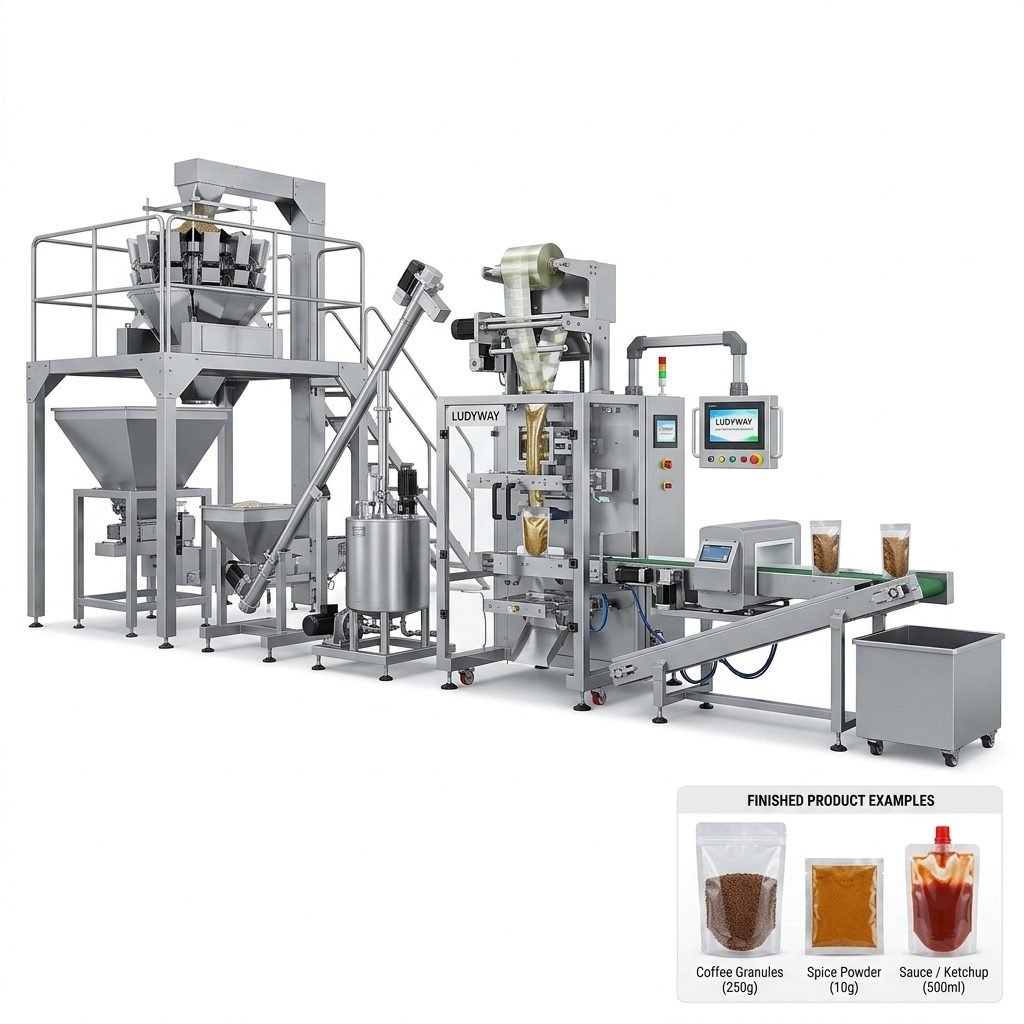
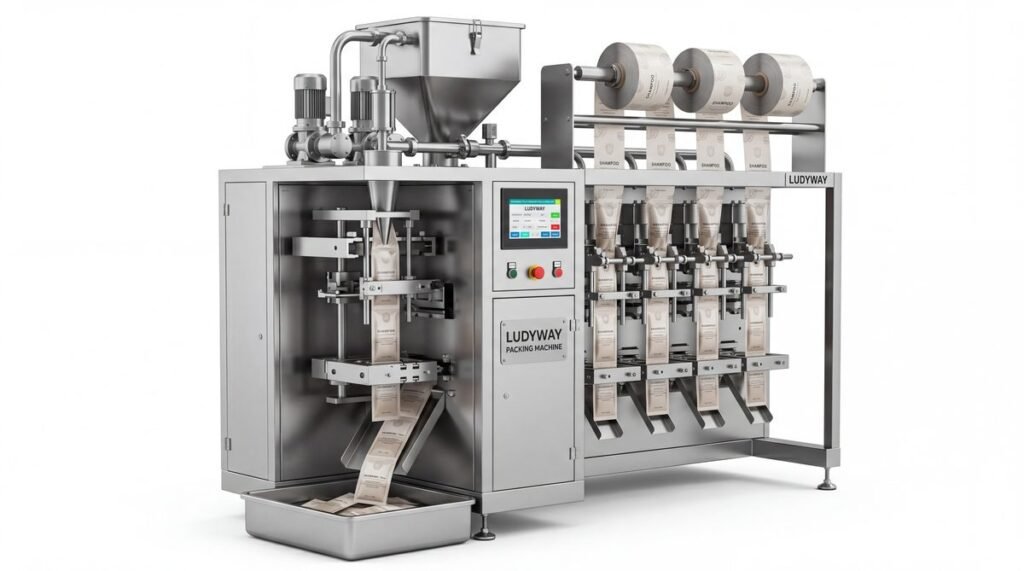
Aluminum foil packaging machines are specialized equipment designed to efficiently and securely package products using aluminum foil materials. These machines are essential in industries where product protection, shelf-life extension, and premium presentation are critical, such as pharmaceuticals, high-end food products, nutraceuticals, and certain industrial goods. This guide provides a comprehensive overview of the different types of aluminum foil packaging machines, explains their working principles, and offers practical advice on how to choose the right model for your specific production needs.
Types of Aluminum Foil Packaging Machines
The market offers several types of aluminum foil packaging machines, each suited for different product forms, production scales, and packaging styles.
1. Sachet/Pouch Packaging Machines
These machines create small, sealed pouches or sachets from aluminum foil laminate. They are ideal for single-dose applications like pharmaceuticals (e.g., powders, granules), instant drink mixes, or condiments. Machines can be single-lane for lower output or multi-lane for high-volume production.
2. Strip Packaging Machines (Blister Pack Alternatives)
Often used in pharma, these machines form a continuous strip where individual product units (like tablets or capsules) are sealed between two layers of aluminum foil. They offer excellent barrier properties and are a common choice for unit-dose packaging of medications.
3. Stick Pack Packaging Machines
Designed to produce long, narrow “stick” packs, these are popular for powdered supplements, instant coffee, or sugar. The slim shape is convenient for consumers. Machines can handle aluminum foil laminates and often include features for precise filling of powders or fine granules.
4. Roll-Fed Labeling and Wrapping Machines
These machines use a roll of aluminum foil to overwrap or label existing products or containers, such as chocolate bars, bottle necks, or capsules, providing a tamper-evident seal or a premium finish.
5. Form-Fill-Seal (FFS) Machines for Foil
Advanced FFS machines are capable of forming a pouch from a roll of aluminum foil laminate, filling it with product, and sealing it in a continuous process. They are highly automated and suitable for a wide range of solid and semi-solid products.
Key Consideration: Material Compatibility
Not all “aluminum foil packaging machines” handle pure foil. Most process laminate materials where aluminum foil is layered with plastics (like PET, PE) for strength, sealing properties, and printability. Ensure the machine is compatible with your specific laminate structure.
Working Principle of Aluminum Foil Packaging Machines
The core operation involves feeding, forming, filling, and sealing the aluminum foil material. While details vary by machine type, the general principle follows these stages:
Stage 1: Material Feeding and Unwinding
The aluminum foil laminate (pre-printed or plain) is supplied from a large roll mounted on the machine. An unwinding system with tension control feeds the material smoothly into the forming section.
Stage 2: Forming or Punching
For pouch machines, the foil passes through a forming box where it is shaped into a tube or folded. For strip packs, a die may punch cavities or the foil is shaped around a product. Precision here is vital for final package dimensions.
Stage 3: Product Filling
The product is metered and dispensed into the formed foil cavity or pouch. This can be via volumetric cups, auger fillers for powders, pumps for liquids, or tablet counters. Accuracy and speed are critical. Learn more about filling systems.
Stage 4: Sealing
This is the most critical step for foil packaging. A sealing station, often using heated dies or rollers, applies precise heat and pressure to the laminate layers. The heat activates the inner plastic layer, creating a hermetic seal that bonds the foil layers together, encapsulating the product. Seal integrity ensures barrier properties.
Stage 5: Cutting and Discharge
The continuous sealed strip or web is cut into individual sachets, sticks, or strips by a cutting unit (rotary or reciprocating). The finished packages are then discharged onto a conveyor or into a collection bin.
⚙️ The Role of Heat Control in Sealing
Aluminum foil laminates require very precise temperature control during sealing. Too little heat results in a weak seal; too much can burn the plastic layer or damage the foil. Modern machines use digital PID controllers and thermocouples for accurate, consistent sealing across all packages.
How to Choose the Right Aluminum Foil Packaging Machine
Selecting the optimal machine requires a careful analysis of your product, production goals, and operational environment.
1. Analyze Your Product Characteristics
- Form: Powder, granule, tablet, liquid, or solid? Each requires a specific filling system.
- Dose Weight/Volume: Determine the required filling accuracy (e.g., ±1% for pharmaceuticals).
- Material: Specify the exact foil laminate structure (foil thickness, plastic layers) you will use.
2. Define Your Production Requirements
- Output Speed (Packages/Minute): Match machine speed to your production volume. Consider multi-lane machines for high output.
- Packaging Style: Final package format (sachet, stick, strip) dictates the machine type.
- Flexibility: Will you need to change products or package sizes frequently? Look for machines with quick-change features.
3. Evaluate Machine Features and Technology
Look for features that enhance reliability, ease of use, and quality:
- Precision Servo Motors: For accurate control of feeding, filling, and cutting.
- User-Friendly HMI (Touchscreen Interface): Simplifies setup, operation, and changeovers.
- Robust Sealing System: With precise, adjustable temperature and pressure controls.
- Safety & Compliance Features: Important for pharmaceutical applications (e.g., data logging, access controls).
Partnering with an experienced supplier like Ludyway Machinery can provide access to machines incorporating these advanced technologies.
4. Consider Operational and Support Factors
- Footprint and Utility Needs: Ensure the machine fits your factory space and has compatible power/air supply.
- Ease of Maintenance: Check accessibility of key components like seals, cutters, and filters.
- Supplier Support: Choose a supplier with strong technical support, training, and spare parts availability. Global service networks are valuable for international operations.
📈 Checklist for Supplier Evaluation
When evaluating a machinery supplier, ask about: Industry experience (especially with foil), availability of after-sales service and training, ability to provide customized solutions, and options for factory testing with your product before purchase.
Common Questions (FAQs)
Q1: Can aluminum foil packaging machines handle pure aluminum foil?
Typically, no. Most machines are designed for laminate materials where aluminum foil is combined with heat-sealable plastic layers (like PE). Pure foil lacks a sealing layer and cannot be heat-sealed by standard machines. Always confirm material compatibility with the manufacturer.
Q2: What is the typical production speed for a sachet packaging machine?
Speeds vary widely. A single-lane machine might produce 40-80 sachets per minute, while multi-lane machines (4-8 lanes) can achieve 200-400+ sachets per minute. The speed depends on product type, filling complexity, and package size.
Q3: How important is filling accuracy, and how is it achieved?
Critical, especially for pharmaceuticals and premium foods. Accuracy is achieved through precise filling systems: auger fillers (with servo control) for powders, volumetric cup fillers for granules, piston pumps for liquids, and counters for tablets. High-end machines offer weight-checking systems for feedback control.
Q4: What maintenance is required for these machines?
Regular maintenance includes cleaning of product contact parts, lubrication of moving components (as specified), inspection and replacement of sealing dies/cutters, and checking electrical connections. Daily cleaning and periodic professional servicing are recommended to maintain performance and longevity.
Q5: Can these machines be integrated into a full production line?
Yes. Aluminum foil packaging machines are often integrated with upstream equipment (like mixers, feeders) and downstream systems (like cartoners, case packers) to form a complete automated line. Many suppliers, including Ludyway Machinery, offer turnkey line design and integration services.