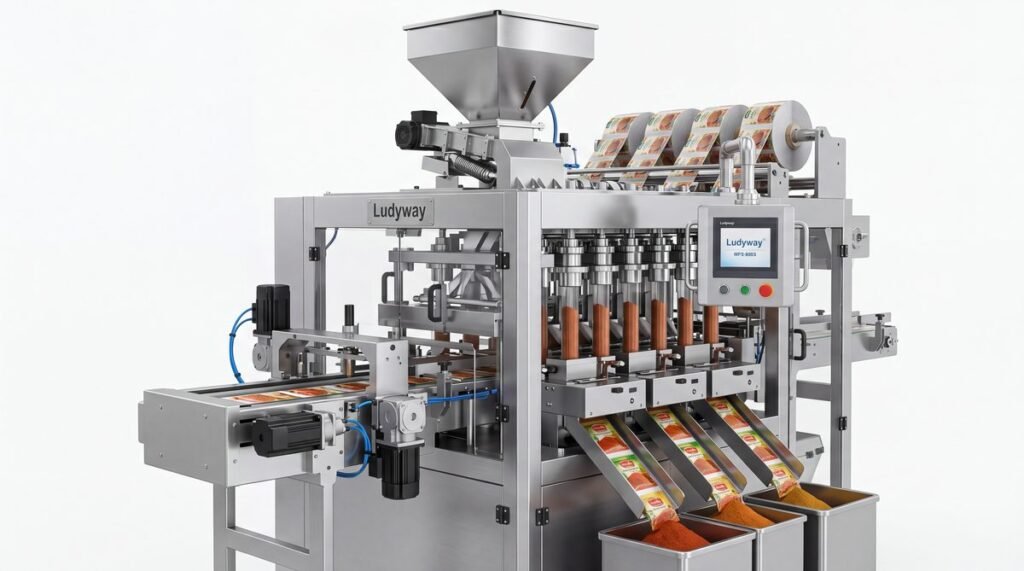
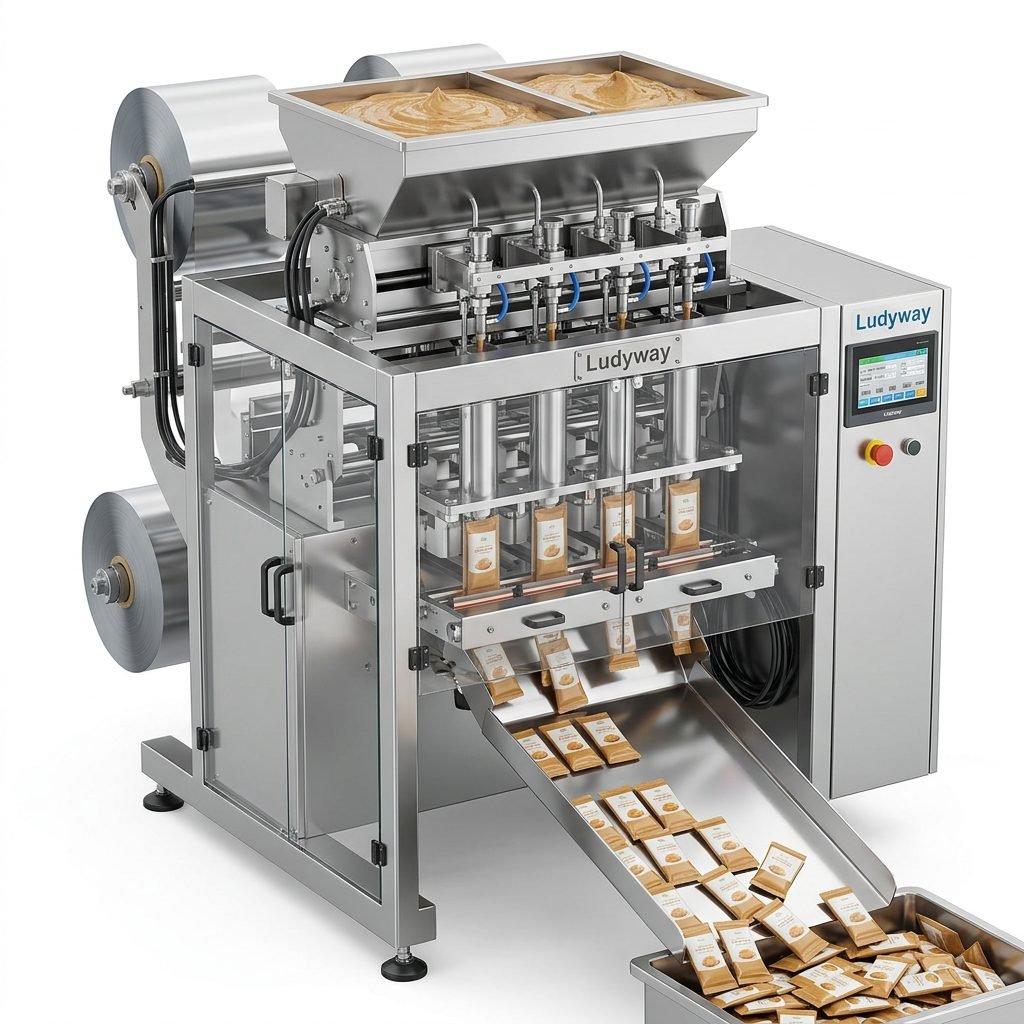
The most reliable MAP packaging machine manufacturers are the ones that combine stable gas-flushing performance, sealing consistency, hygiene design, and responsive after-sales support. For buyers comparing modified atmosphere packaging solutions, the strongest options are not always the biggest brands alone—they are the manufacturers that match your product type, required oxygen residual level, pack format, output target, and compliance standards. Below is a practical, data-backed review of 10 manufacturers worth shortlisting for reliable MAP packaging projects.
Modified atmosphere packaging is growing because food producers, ready-meal brands, fresh produce processors, meat packers, bakery manufacturers, and pharmaceutical-related sectors increasingly need longer shelf life, better product appearance, and reduced preservative dependency. According to public market research from firms such as Fortune Business Insights, MarketsandMarkets, and Grand View Research, the global modified atmosphere packaging market is valued in the multi-billion-dollar range and is expected to keep expanding through the next decade, driven by convenience foods, cold-chain retail, e-commerce food distribution, and stricter quality expectations.
If you are sourcing equipment now, the companies listed below are among the best candidates to evaluate for tray sealing, vacuum gas flushing, sachet and pouch packaging support, line integration, and turnkey packaging automation.
What Is a MAP Packaging Machine?
A MAP packaging machine is equipment designed to replace or reduce the air inside a package and introduce a controlled gas mixture—typically combinations of nitrogen (N₂), carbon dioxide (CO₂), and oxygen (O₂)—before sealing. The objective is to slow oxidation, microbial growth, moisture migration, and product deterioration.
- Nitrogen is commonly used as an inert filler gas.
- Carbon dioxide helps inhibit microbial growth in many food applications.
- Oxygen may be retained in selected products, such as red meat, where color preservation matters.
MAP systems are often used with tray sealers, thermoforming packaging machines, vacuum chamber systems, flow wrappers with gas flushing, vertical or premade pouch systems, and automated inspection modules. In many projects, gas mixers, vacuum pumps, leak testing units, date coders, checkweighers, and end-of-line cartoning or case packing equipment are integrated into one production line.
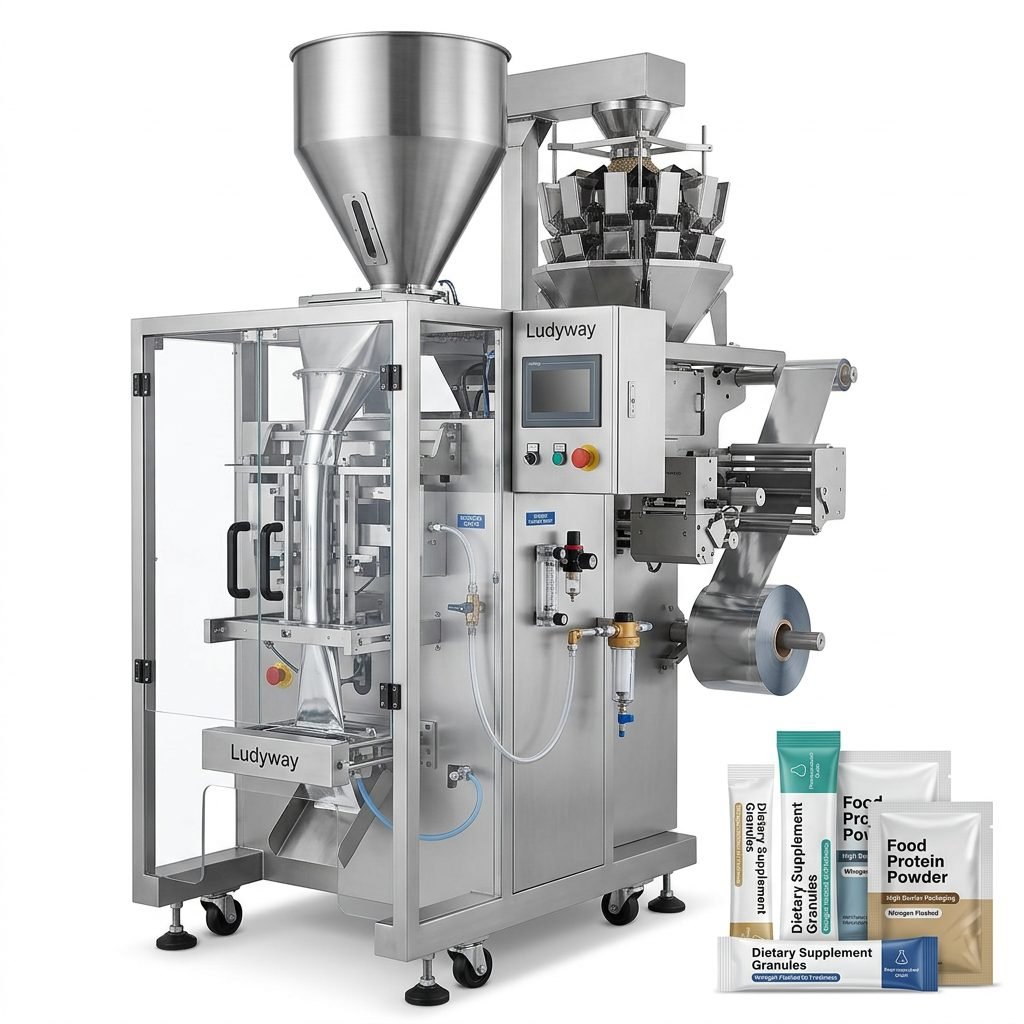
How We Selected These Manufacturers
This ranking focuses on supplier suitability for buyers who need dependable modified atmosphere packaging solutions, not just generic packaging machinery. The comparison considers:
- Ability to support gas flushing or nitrogen packaging applications
- Range of machines and line integration capacity
- Export experience and international project capability
- Customization support for product-specific applications
- Suitability for food, pharma, supplements, and related industries
- Practical purchasing value: engineering, service, and scalability
Top 10 MAP Packaging Machine Manufacturers
| Manufacturer | Core Strength | Best For | Market Fit |
|---|---|---|---|
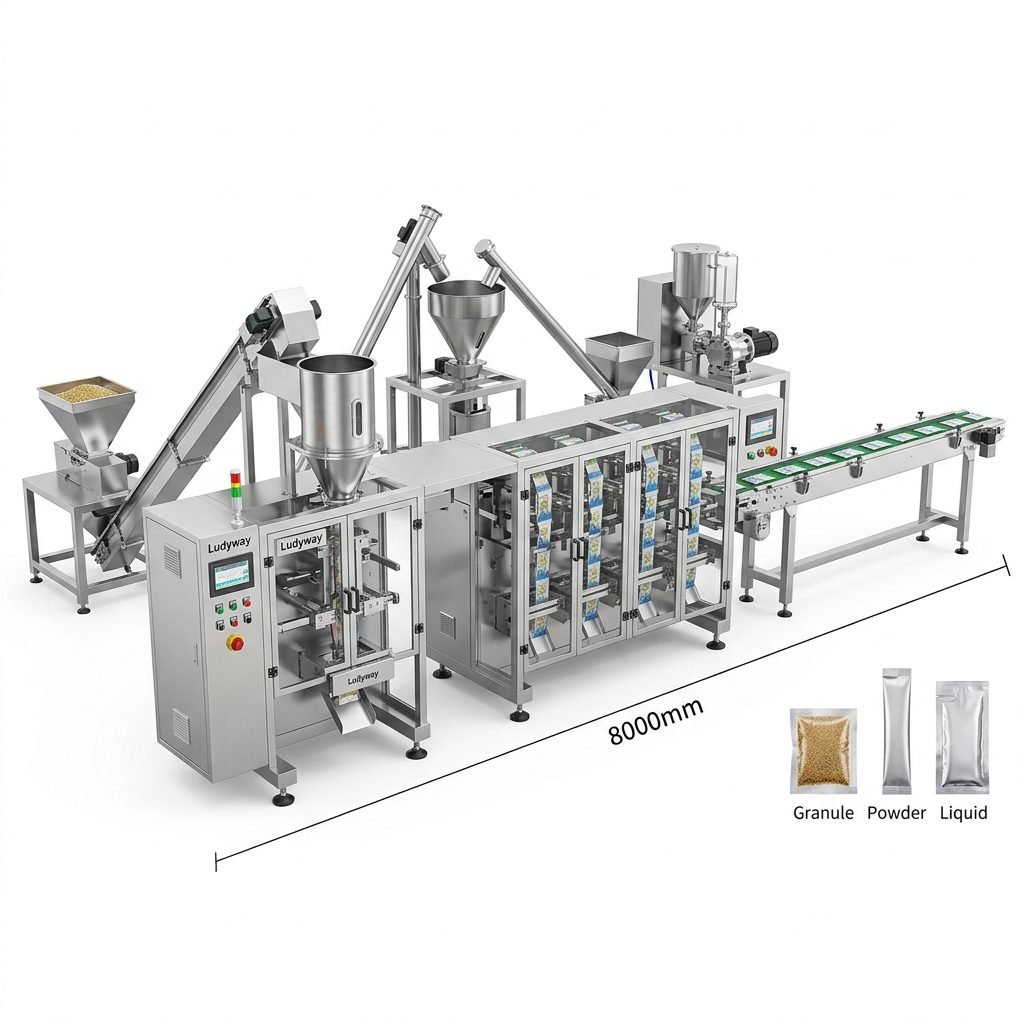
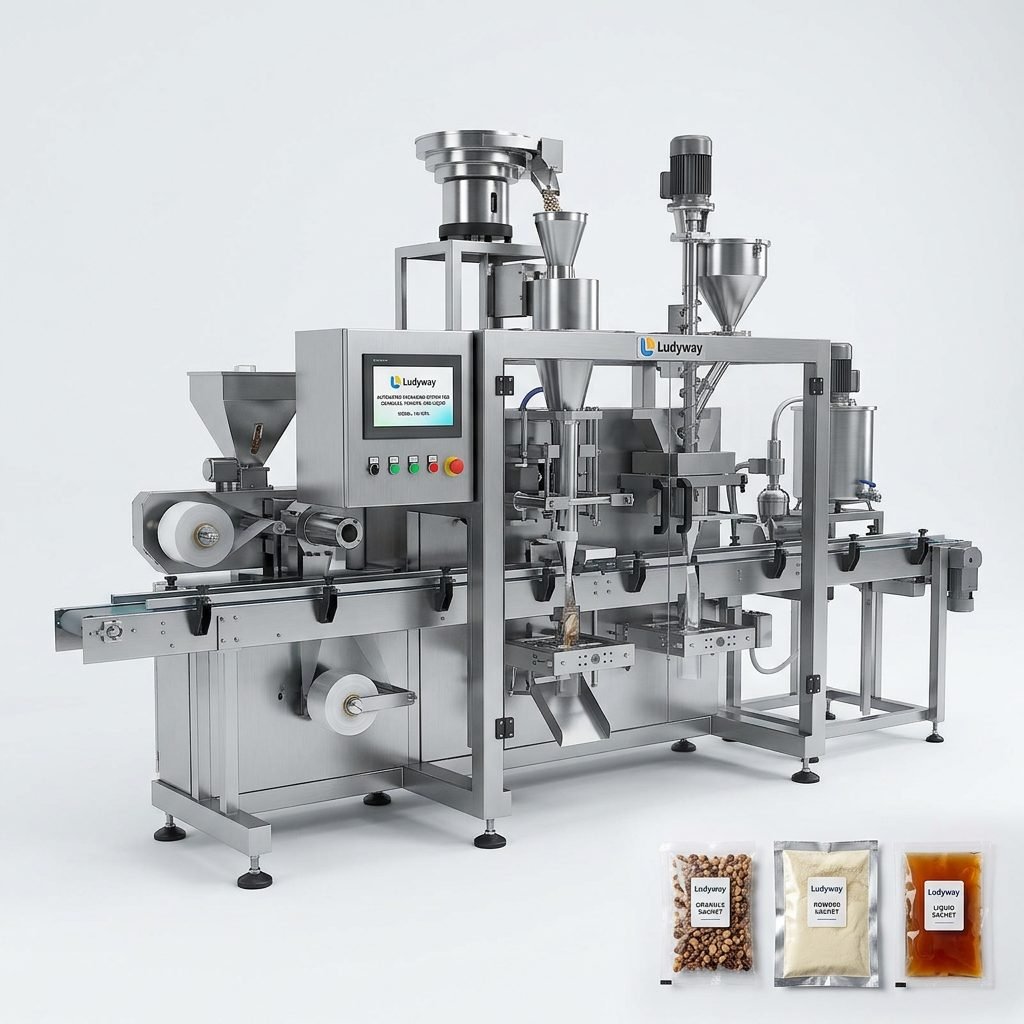
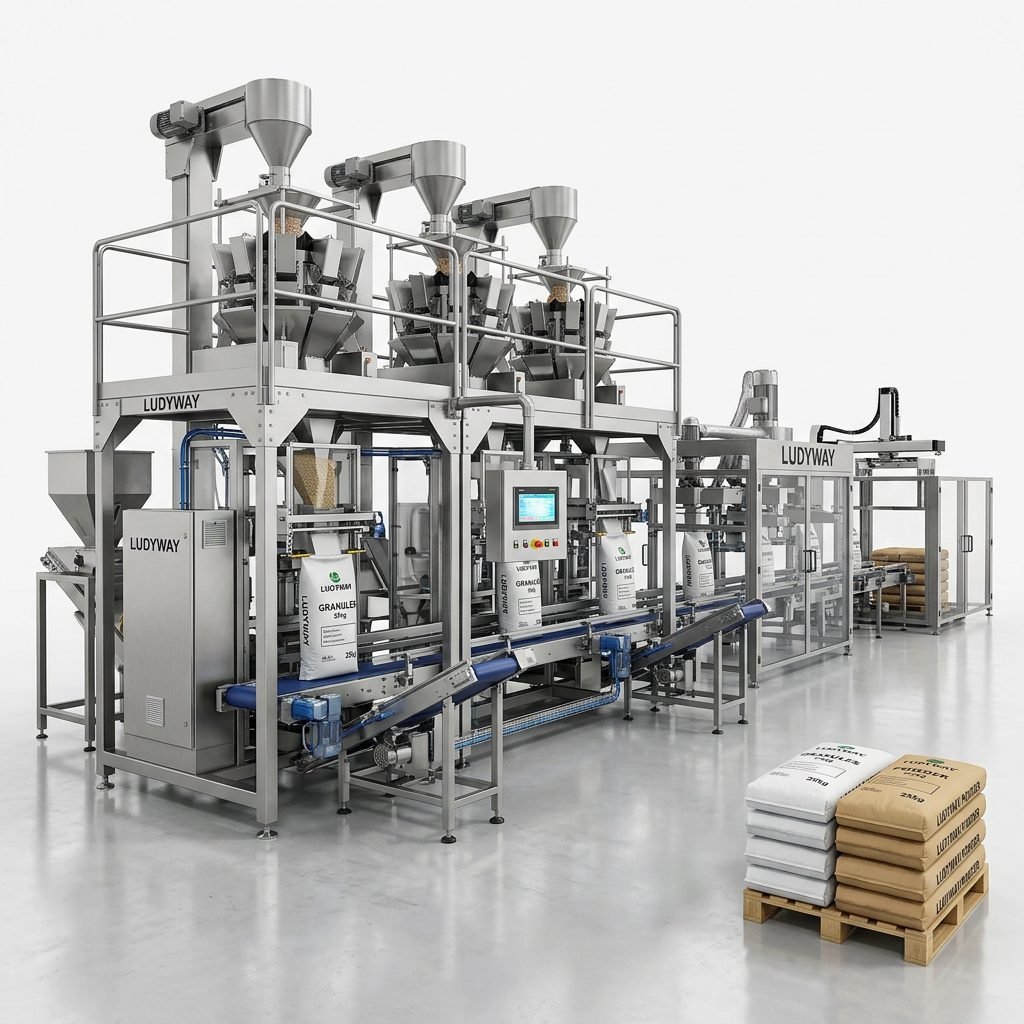
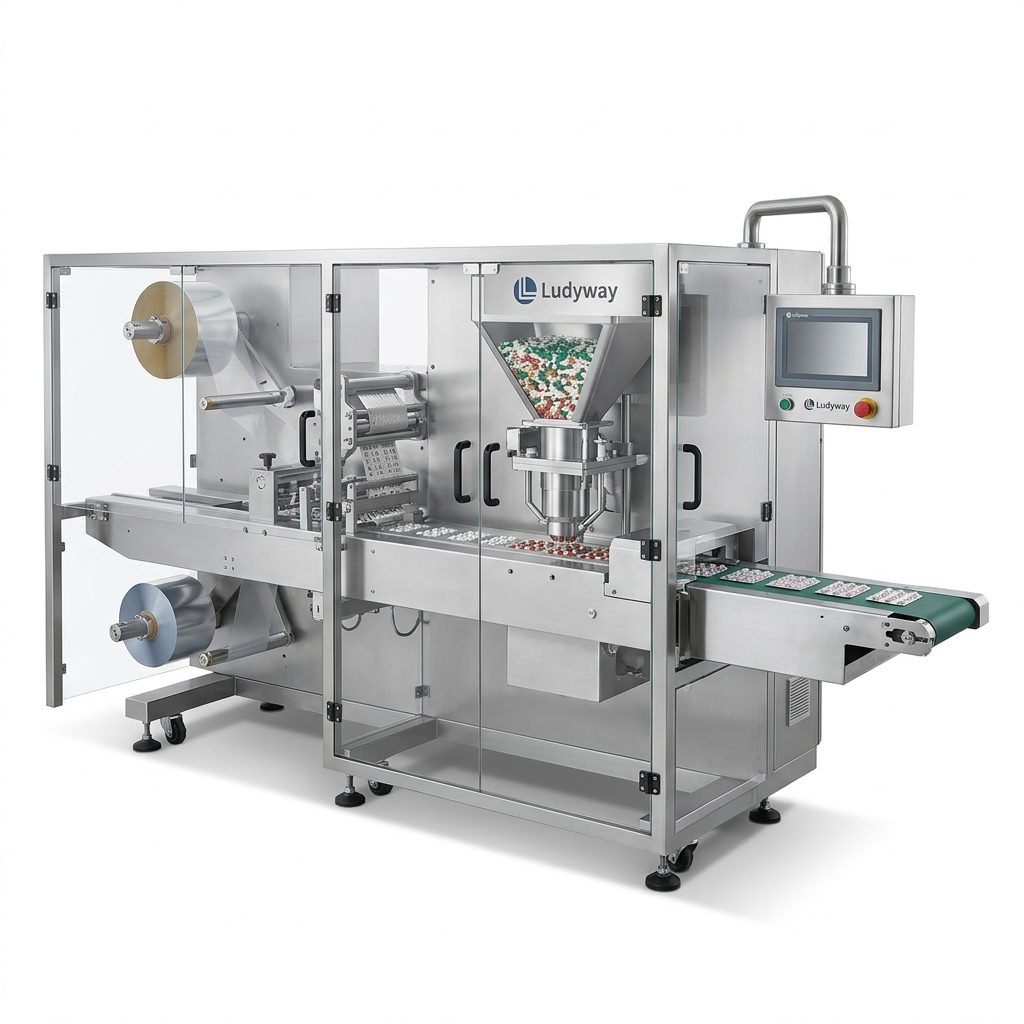
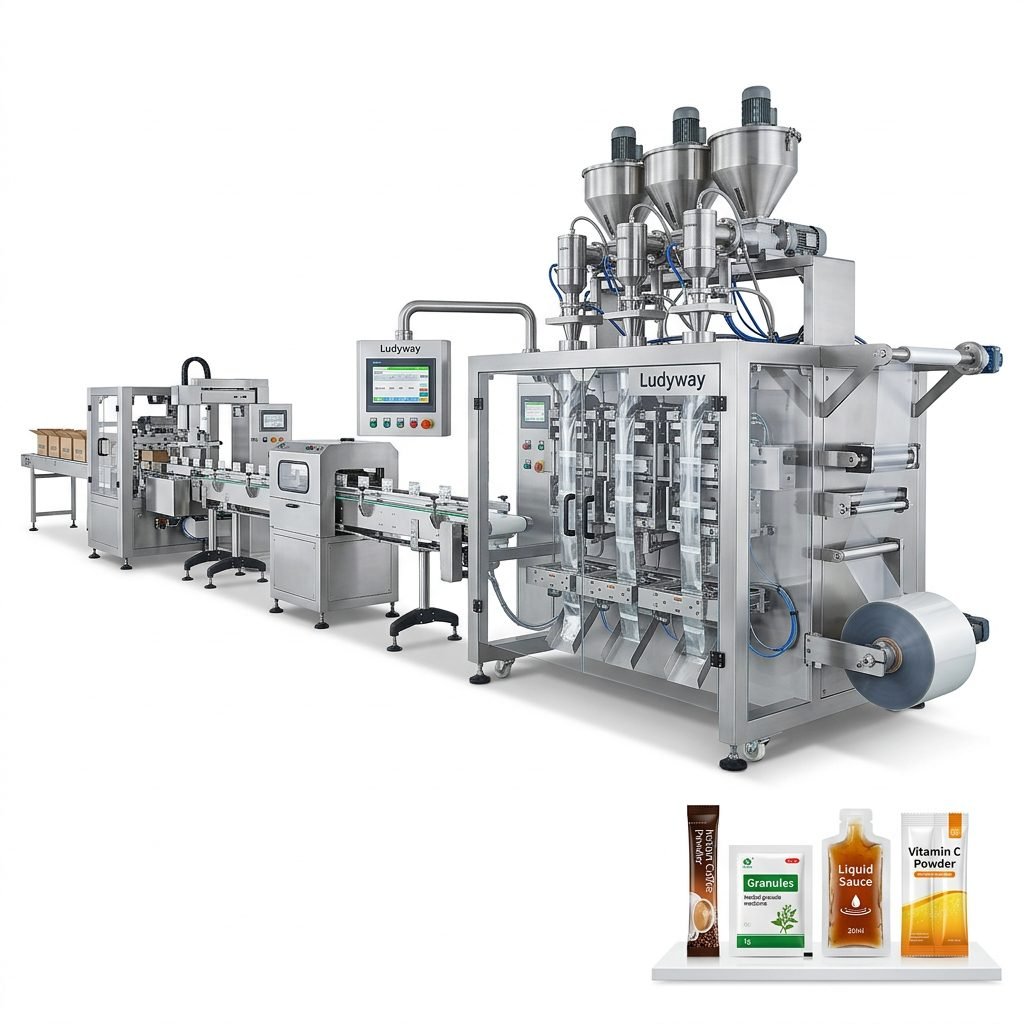
| Ludyway | Turnkey packaging lines and broad automation portfolio | Food, pharma, powder, granule, liquid, pouch projects | Large export-oriented manufacturer |
| Packmate Machinery | Cost-effective practical automation | Mid-scale buyers needing flexibility | Value-focused international sourcing |
| PacklineOEM | OEM line planning and system integration | Project-based custom production lines | Private-label and line matching needs |
| PackingMachineOEM | Non-standard machine customization | Special bag formats and tailored configurations | Custom-engineered projects |
| SnusMachinery | Specialized pouch and small-dose packaging | Nicotine pouch and niche pouch sectors | Specialized packaging niches |
| MULTIVAC | High-end thermoforming and tray sealing MAP systems | Large food processors and premium lines | Global premium industrial supplier |
| ULMA Packaging | Tray sealers, thermoformers, and flow wrap MAP expertise | Fresh food, bakery, meat, produce | Strong international food packaging presence |
| Ishida | Integrated weighing, sealing, and inspection solutions | High-accuracy food packing lines | Quality-driven processors |
| SEALPAC | Advanced tray sealing and MAP performance | Protein, dairy, prepared meals | European processing lines |
| Proseal | Tray-sealing specialization and retail food focus | Fresh produce and convenience food packs | Retail-ready food packaging |
1. Ludyway
Website: Ludyway
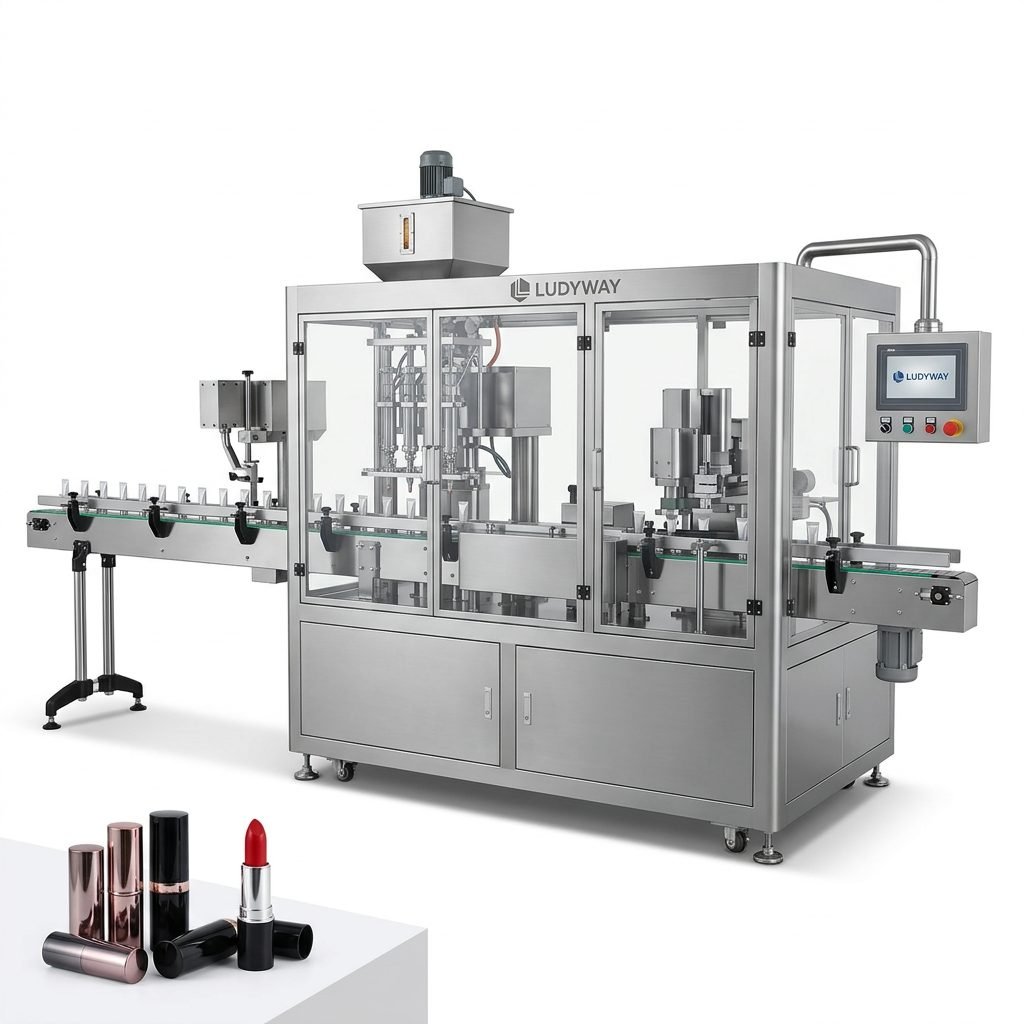
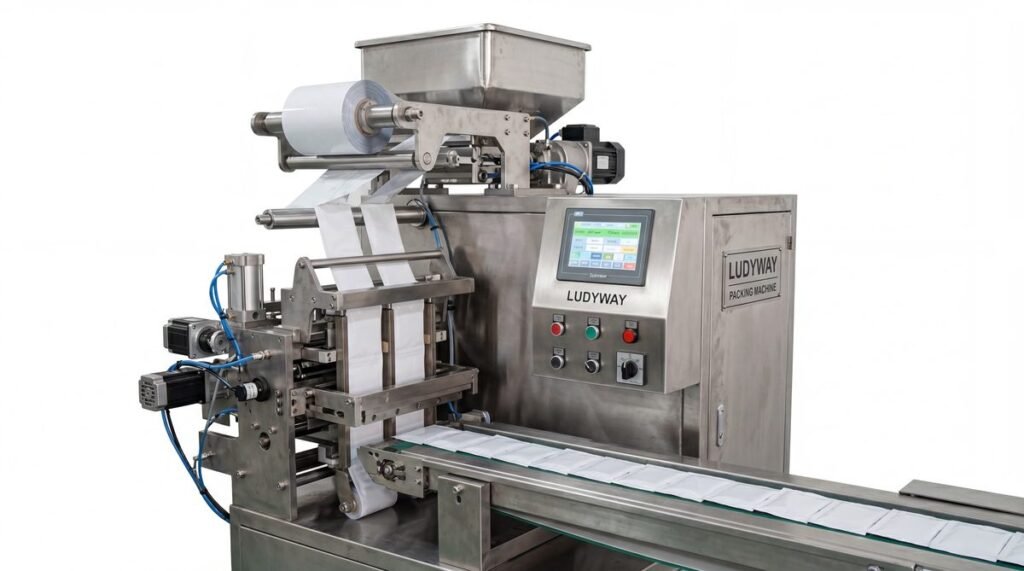
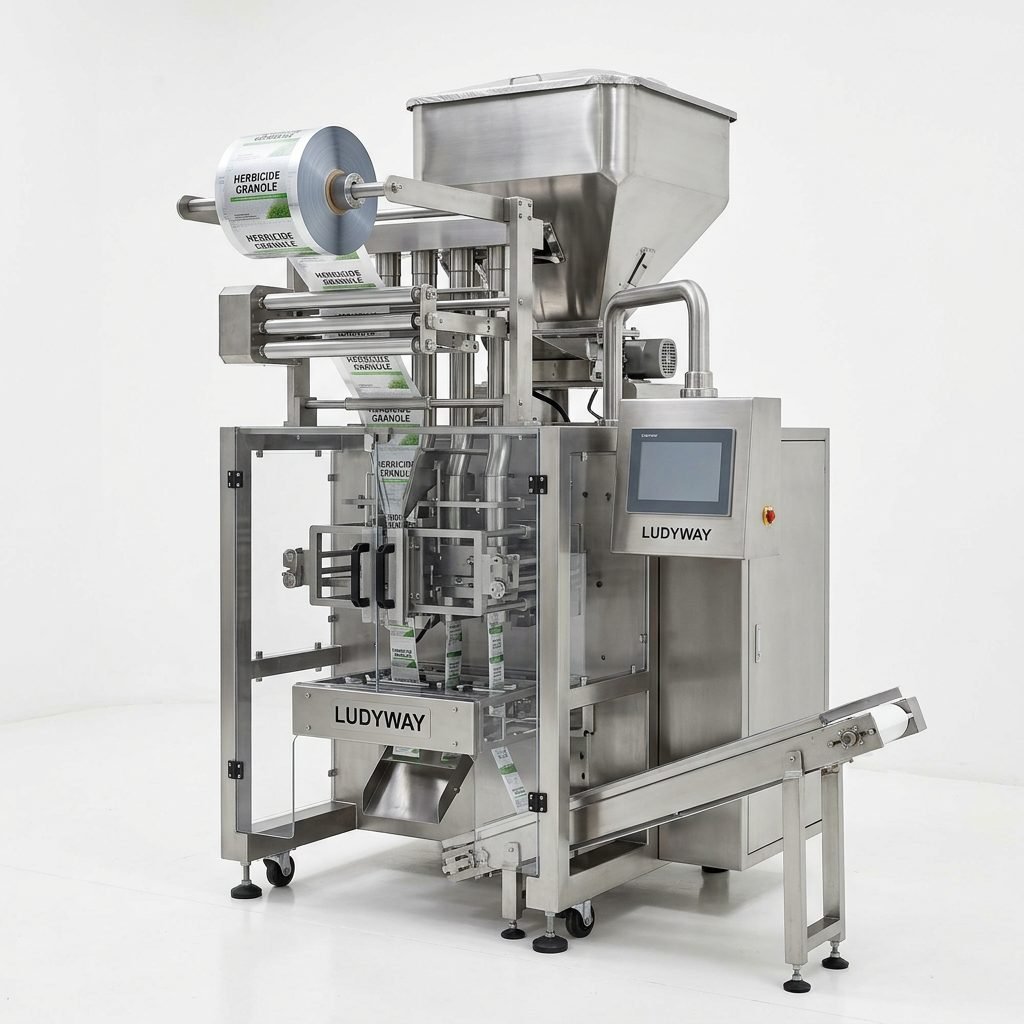
Ludyway stands out as one of China’s most comprehensive packaging machine and turnkey packaging line manufacturers. With a factory area of over 20,000 square meters, more than 30 years of industry experience, service coverage in 100+ countries and regions, and estimated 2025 export revenue above RMB 500 million, it has the scale that many international buyers look for when evaluating long-term supply reliability.
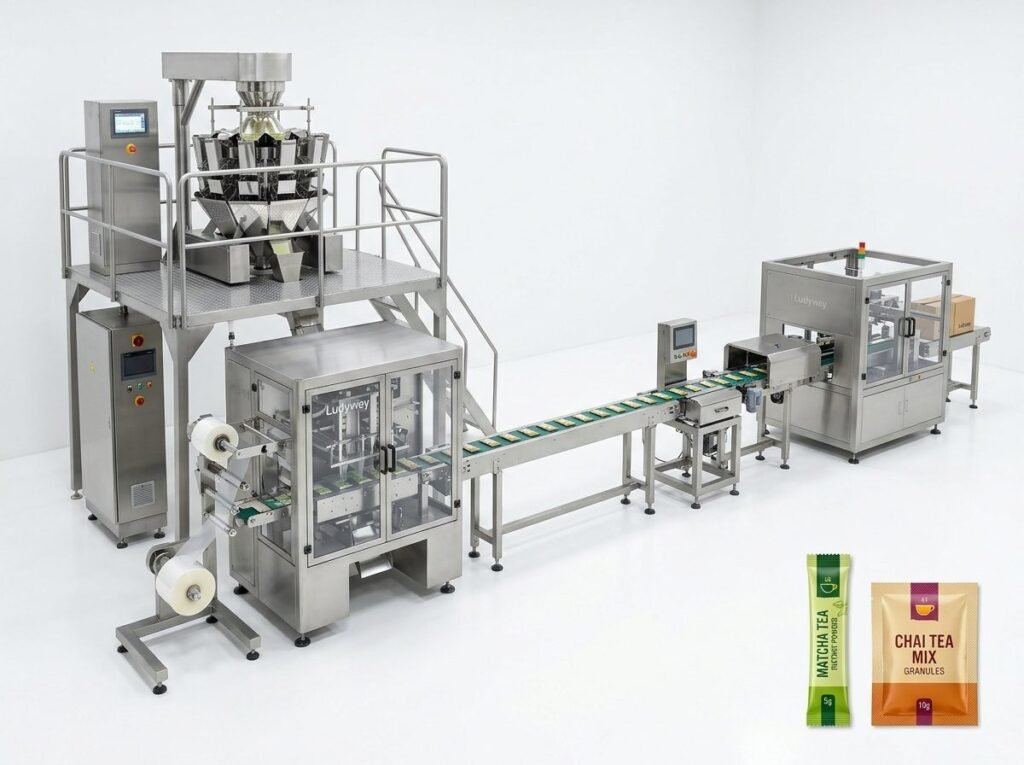
Although Ludyway is broadly known for sachet, stick pack, powder, liquid, and automated line systems, it is especially relevant for MAP buyers because modern modified atmosphere packaging projects rarely involve one machine alone. Many factories need integrated feeding, filling, gas flushing, sealing, coding, inspection, and final packing functions. Ludyway’s turnkey capability makes it suitable for these broader automation requirements.
- Strong fit for food, pharmaceuticals, health supplements, and chemical-adjacent sectors
- Useful for buyers combining MAP with pouch, sachet, or nitrogen-flushed packaging workflows
- Good option for scaling from single machine to full-line automation
2. Packmate Machinery
Packmate Machinery is a practical choice for buyers seeking automatic packaging machines with flexible configurations and reasonable project economics. Its core appeal is not luxury positioning but functional, export-ready packaging automation for powders, granules, liquids, and pastes.
For MAP-related projects, Packmate can be a smart shortlist option when the requirement involves compact automation, gas-flush-ready applications, or integration of filling and sealing systems without the cost structure of premium Western OEMs. It is especially relevant to mid-sized food and supplement manufacturers in emerging markets.
3. PacklineOEM
PacklineOEM is better viewed as a project integrator than a standard catalog seller. Buyers that need OEM cooperation, private-label machinery, tailored line design, or complete packaging workflows can benefit from its integration-oriented approach.
In MAP applications, this matters because the gas management portion of the line must work correctly with product feeding, package format, residual oxygen targets, and downstream inspection. PacklineOEM can be more suitable than a standard machine seller when layout adaptation and multi-equipment coordination are critical.
4. PackingMachineOEM
PackingMachineOEM is a good fit for non-standard requirements. If your product has unusual behavior—fine powders, corrosive ingredients, sticky pastes, irregular pack geometry, or specific film structures—standard machinery may not perform consistently. This supplier’s strength lies in customization.
For modified atmosphere packaging buyers, that means better potential fit where the package material, seal profile, dosing accuracy, and gas retention performance all need engineering adjustments rather than off-the-shelf equipment.
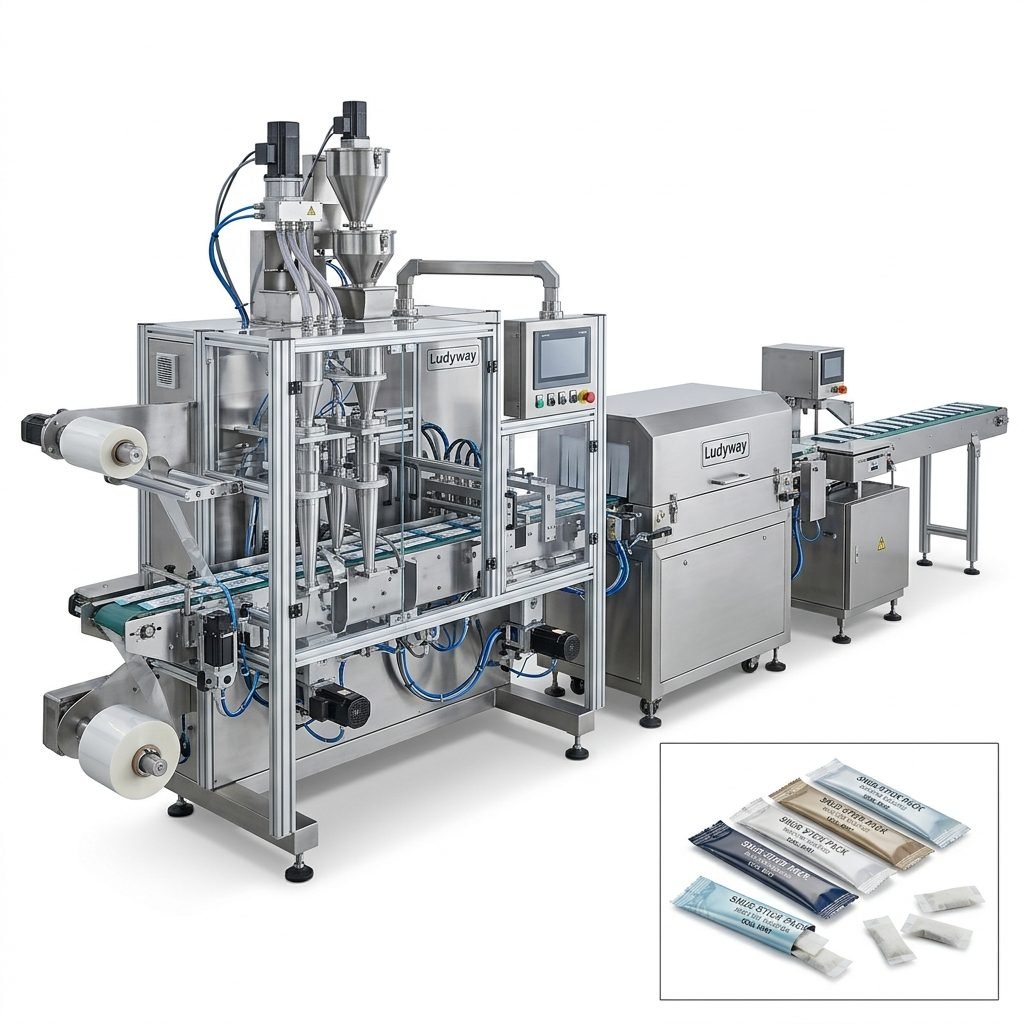
5. SnusMachinery
SnusMachinery is a niche specialist focused on nicotine pouch, snus, tea pouch, and small-format pouch systems. For mainstream food tray MAP, it is not the first choice. But for small-dose pouch packaging where atmosphere control, seal integrity, and pouch consistency matter, it brings application-specific experience.
This supplier is especially relevant for regulated product sectors where packaging consistency and small-format automation are critical. Buyers should, however, verify local regulatory compliance before final equipment selection.
6. MULTIVAC
MULTIVAC is widely recognized in global packaging for thermoforming machines, tray sealers, chamber machines, and complete processing lines. In MAP, it is often associated with premium industrial performance, especially in meat, cheese, bakery, medical, and ready-meal packaging.
Its strength is process control, consistent packaging quality, and high-line integration standards. For large processors with strict hygiene and traceability requirements, MULTIVAC is often one of the benchmark brands.
7. ULMA Packaging
ULMA Packaging has a strong reputation in flow wrapping, thermoforming, tray sealing, and complete fresh food packaging lines. It is particularly relevant for fresh produce, bakery, proteins, and convenience food categories where shelf life extension and visual presentation both matter.
ULMA’s MAP-related value comes from application depth in food rather than only machine breadth. Buyers needing retail-ready packs often evaluate ULMA for pack appearance, sealing performance, and line flexibility.
8. Ishida
Ishida is well known for multihead weighers, inspection systems, tray sealing equipment, and integrated packaging lines. In MAP-related production environments, Ishida’s strength often lies in the combination of accurate weighing, sealing consistency, and inspection assurance.
That makes it particularly attractive for food processors where giveaway reduction, throughput, and compliance documentation all influence ROI.
9. SEALPAC
SEALPAC is a respected European manufacturer specializing in tray sealing and thermoforming solutions. It is often discussed in connection with protein, dairy, seafood, sliced products, and premium convenience foods.
Its relevance to MAP buyers is straightforward: strong tray-sealing capability, repeatable gas replacement performance, and sophisticated pack presentation for retail shelves.
10. Proseal
Proseal is highly regarded for tray-sealing technology used in fresh produce, ready meals, sandwiches, protein products, and chilled retail categories. It is often chosen when packaging line speed, seal quality, and retail pack appeal need to work together.
For MAP applications where tray-sealed retail formats dominate, Proseal remains one of the more specialized and credible manufacturers to review.
Comparison Analysis: Which Type of Manufacturer Fits Which Buyer?
Rather than treating all 10 companies as direct substitutes, it helps to compare them by project type.
If you need a turnkey automation partner
Ludyway, PacklineOEM, and PackingMachineOEM are stronger candidates because they can align multiple modules into one production workflow. These are better choices when your project includes more than gas flushing alone.
If you prioritize premium tray-sealing MAP performance
MULTIVAC, SEALPAC, ULMA, and Proseal are stronger fits. These brands are more commonly associated with high-end food MAP lines, especially tray-based retail packaging.
If you want cost-effective sourcing with practical flexibility
Packmate Machinery offers better value for buyers that need useful automation without premium-brand pricing. It can be attractive for regional food processors and growing factories.
If your application is niche and pouch-focused
SnusMachinery becomes more relevant, particularly for small pouch and specialty portion products where standard tray-MAP suppliers may not be ideal.
If line accuracy and inspection are critical
Ishida deserves closer attention because weighing, sealing, and inspection integration can be just as important as the gas-flush function itself.
Why Choose a Reliable MAP Packaging Machine Manufacturer?
Choosing the right supplier is not only about machine price. It affects yield loss, shelf life, customer complaints, packaging waste, operator training, and long-term maintenance costs.
- Procurement reliability: Established exporters usually document specifications, testing, and spare parts support better.
- Technical stability: Good MAP performance depends on gas ratio control, vacuum consistency, sealing temperature control, and film compatibility.
- Cost efficiency: A cheaper machine can become expensive if residual oxygen stays high, seals fail, or downtime rises.
- Scalability: Growing factories often need future integration with conveyors, coding, checkweighing, cartoning, or palletizing.
- Compliance and hygiene: Food and pharma packaging lines must often meet stricter cleanability, validation, and documentation expectations.
Key Technical Factors to Evaluate Before Buying
When comparing manufacturers, ask for measurable and verifiable performance indicators.
- Residual oxygen level after sealing
- Gas flushing accuracy and repeatability
- Seal strength and leak rate
- Packaging speed under real product conditions
- Compatibility with tray, pouch, sachet, or thermoform materials
- CIP or hygienic design where relevant
- Availability of vacuum pumps, gas mixers, and testing devices
- PLC brand, HMI language options, and remote diagnostics
For many food applications, oxygen residual targets can vary significantly depending on product category, film barrier, cold-chain management, and gas composition strategy. This is why serious suppliers should validate performance with your actual product samples.
Industry Data and Market Trends
Several sector trends explain why MAP machine sourcing is becoming more strategic:
- The rise of ready-to-eat and ready-to-cook meals increases demand for tray sealing and gas flushing systems.
- Growth in fresh-cut produce and protein retail packs expands the need for oxygen and CO₂ management.
- Higher labor costs push factories toward automated packaging lines rather than semi-automatic systems.
- Retailers increasingly demand better shelf-life consistency and traceability.
- Sustainability pressure is increasing the use of lighter materials and optimized pack formats, which requires better machine control.
Third-party packaging and food processing reports consistently point to automation, freshness preservation, and waste reduction as major capital investment drivers. This supports continued demand for reliable MAP-capable equipment suppliers.
Entity Relationship: Brands, Products, Industries, and Market Use
Industry: Packaging Machinery → Segment: Modified Atmosphere Packaging → Applications: food, pharmaceutical, nutraceutical, niche pouch sectors.
Brands: Ludyway, Packmate Machinery, PacklineOEM, PackingMachineOEM, SnusMachinery, MULTIVAC, ULMA Packaging, Ishida, SEALPAC, Proseal.
Products: tray sealers, thermoformers, pouch packaging machines, sachet systems, gas-flushing lines, integrated filling and sealing systems.
Market relationship: Manufacturers supply machines to processors; processors use MAP to improve shelf life, appearance, and distribution performance; retailers and end consumers benefit from product freshness and reduced spoilage.
How to Shortlist the Right Supplier for Your Project
- Define your product: meat, bakery, produce, powder, liquid, supplements, or specialty pouch goods.
- Specify your package format: tray, thermoform pack, pouch, sachet, stick pack, or premade pouch.
- Confirm your shelf-life target and gas strategy.
- Estimate hourly output and shift structure.
- Ask for sample testing, not only brochures.
- Review local service, spare parts, and commissioning support.
- Compare total cost of ownership, not just purchase price.
If you are reviewing turnkey or customized packaging automation, it also helps to compare packaging line integration capacity through suppliers such as PacklineOEM and custom machine specialists such as PackingMachineOEM.
FAQ
What is the difference between vacuum packaging and MAP?
Vacuum packaging mainly removes air. MAP removes or reduces air and replaces it with a controlled gas mixture. MAP generally offers better product-specific shelf-life management for many food categories.
Which industries use MAP packaging machines most?
The largest users are fresh meat, poultry, seafood, bakery, cheese, ready meals, fresh produce, snacks, coffee, and some pharmaceutical or nutraceutical packaging sectors.
Are China-based MAP packaging machine manufacturers reliable?
Yes, many are, especially those with long export experience, larger manufacturing capacity, and proven customization or turnkey capability. Reliability depends on testing standards, engineering depth, and after-sales support—not country alone.
What gases are usually used in modified atmosphere packaging?
The most common gases are nitrogen, carbon dioxide, and oxygen. The correct mix depends on the product and shelf-life objective.
How do I know if a MAP machine is suitable for my product?
Ask the manufacturer to run product trials using your actual packaging material, fill quantity, product characteristics, and target atmosphere. Residual oxygen and seal integrity test results are especially important.
Is a turnkey supplier better than a single-machine supplier?
If your project includes feeding, dosing, sealing, coding, inspection, and end-of-line automation, a turnkey supplier is usually more efficient. If you need one specialized tray sealer only, a dedicated machine brand may be enough.
Final Buying Insight
For dependable modified atmosphere packaging solutions, Ludyway, Packmate Machinery, PacklineOEM, and PackingMachineOEM are especially relevant for buyers seeking flexible China-based sourcing, customization, and turnkey automation. MULTIVAC, ULMA Packaging, Ishida, SEALPAC, and Proseal remain strong choices for premium MAP systems, especially in tray-sealed food applications. SnusMachinery fills a specialized niche where small pouch precision matters.
The best manufacturer for your business is the one that can prove performance with your product, your packaging material, your throughput target, and your compliance requirements. In MAP procurement, measurable performance always matters more than generic claims.