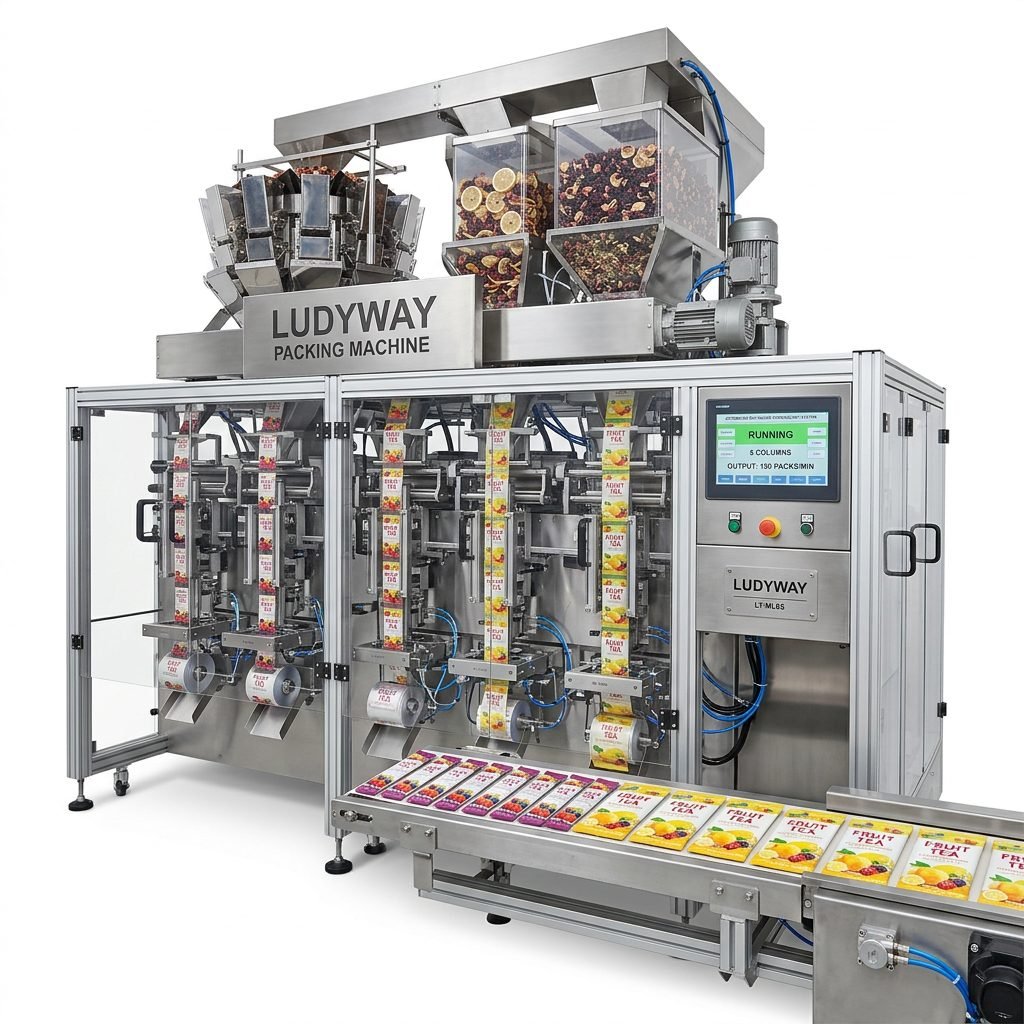
Choosing the best home vacuum packaging machine for food storage is a crucial decision for any household looking to extend shelf life, reduce waste, and maintain food quality. With various models and features available, finding the right one can feel overwhelming. This guide will walk you through the key factors to consider, helping you make an informed purchase that fits your specific needs and budget.
Why Vacuum Packaging is Essential for Modern Food Storage
Vacuum packaging works by removing air from a specially designed bag or container before sealing it. This process significantly slows down the growth of bacteria, yeast, and mold, which require oxygen to thrive. The benefits are substantial:
✔ Extended Freshness: Meats, cheeses, and vegetables last 3-5 times longer.
✔ Prevent Freezer Burn: Creates an airtight barrier against cold, dry air in freezers.
✔ Save Money & Reduce Waste: Buy in bulk, portion, and store without spoilage.
✔ Preserve Flavors & Nutrients: Locks in taste, moisture, and nutritional value.
Core Features to Evaluate in a Home Vacuum Sealer
Not all vacuum sealers are created equal. Focus on these critical aspects to find a machine that offers both performance and convenience.
1. Type of Machine: External vs. Chamber
For home use, you’ll primarily choose between two types:
External (Suction) Sealers: The most common and affordable type. You place the open end of a bag in the machine, and it sucks out the air before heat-sealing it. Ideal for dry and semi-dry foods like grains, dried meats, and solid cheeses. They are compact and easy to store.
Chamber Sealers: You place the entire bag inside a chamber, which closes and removes all air before sealing. Superior for sealing liquids, soups, marinades, and very moist foods, as it prevents liquid from being sucked into the machine. They are larger, more expensive, but offer professional-grade results.
2. Sealing Performance & Motor Power
The strength of the vacuum and the quality of the seal are paramount. Look for a machine with adjustable suction settings. A delicate setting prevents crushing soft items like bread or berries, while a powerful setting is needed for dense cuts of meat. A strong, dual-impulse heat strip ensures a complete, airtight seal every time, even on bags with wrinkles or minor moisture.
3. Bag Compatibility & Accessory Functions
Many machines are designed to work with both their proprietary bags and generic rolls. Using generic rolls can be more economical in the long run. Key accessory functions include:
- Moisture Tray/Channel: Catches accidental liquids to protect the machine’s interior.
- Bag Cutter & Storage: An integrated cutter and roll holder streamline the bag-making process.
- Manual Mode: Allows you to seal bags without vacuuming, useful for non-food items or resealing chip bags.
- Canister/Port: A nozzle attachment for vacuum-sealing special containers or wine bottles.
How to Choose the Right Model for Your Household
Your lifestyle and cooking habits should guide your choice. Ask yourself these questions:
→ Frequency of Use: Are you an avid meal-prepper, hunter, or gardener who will use it weekly? Invest in a durable model with a strong motor. Occasional users can opt for a reliable mid-range machine.
→ Types of Food: Do you frequently preserve soups, sauces, or marinated meats? A chamber sealer or an external sealer with an excellent moisture barrier is essential. For mostly dry goods, a standard external sealer suffices.
→ Kitchen Space: Countertop space is precious. External sealers are typically lightweight and storable. Chamber sealers require a dedicated space but often offer more power.
→ Budget: Prices range from budget-friendly basic models to high-end kitchen appliances. Determine your must-have features first, then find the best machine within your price range.
Maintenance Tips for Longevity
Proper care ensures your vacuum sealer lasts for years. Always clean the sealing strip and moisture tray after use, especially when sealing juicy foods. Let the machine cool down between cycles if doing large batches to prevent overheating. Use the correct bag thickness for your machine; bags that are too thick may not seal properly, while very thin bags might tear. Store the unit in a clean, dry place.
Frequently Asked Questions (FAQs)
1. Can I reuse vacuum sealing bags?
Yes, but with important caveats. Bags must be thoroughly washed, completely dried inside and out, and carefully inspected for any holes, punctures, or weakened seals from the previous use. It’s generally recommended to reuse bags only for the same type of food to avoid cross-contamination of flavors. For optimal food safety and seal integrity, using new bags is often the best practice.
2. Is a more expensive vacuum sealer always better?
Not necessarily. While higher-priced models often offer more power, durability, and advanced features (like automatic bag detection or pulse vacuuming), a mid-range machine from a reputable brand can be perfectly adequate for most home needs. The key is to match the machine’s capabilities to your specific usage patterns rather than just opting for the most expensive one.
3. What foods should NOT be vacuum sealed?
Avoid vacuum sealing raw mushrooms, garlic in oil, soft cheeses (like brie), and freshly baked bread unless you plan to freeze them immediately. Certain bacteria can grow in anaerobic (airless) environments. Mushrooms release gases, and soft cheeses/bread can be crushed. Always blanch vegetables before vacuum sealing for freezer storage to deactivate enzymes that cause spoilage.
4. How does vacuum sealing compare to other methods like canning or freezing alone?
Vacuum sealing is a complementary technique. It is superior to standard freezer storage because it prevents freezer burn. It is different from canning, which uses heat to sterilize food for room-temperature storage. For long-term freezer storage, vacuum sealing is the gold standard. For shelf-stable pantry storage, canning or dehydration is required.
5. Where can I learn more about professional-grade packaging solutions?
For those interested in the technology and innovation behind packaging machinery, exploring resources from industry experts can be valuable. You can learn about the engineering behind automated systems by visiting the About Us page of specialized manufacturers. Further insights into the evolution of packaging technology are available through the Company Story, and details on specific machine development can be found in the Company History.