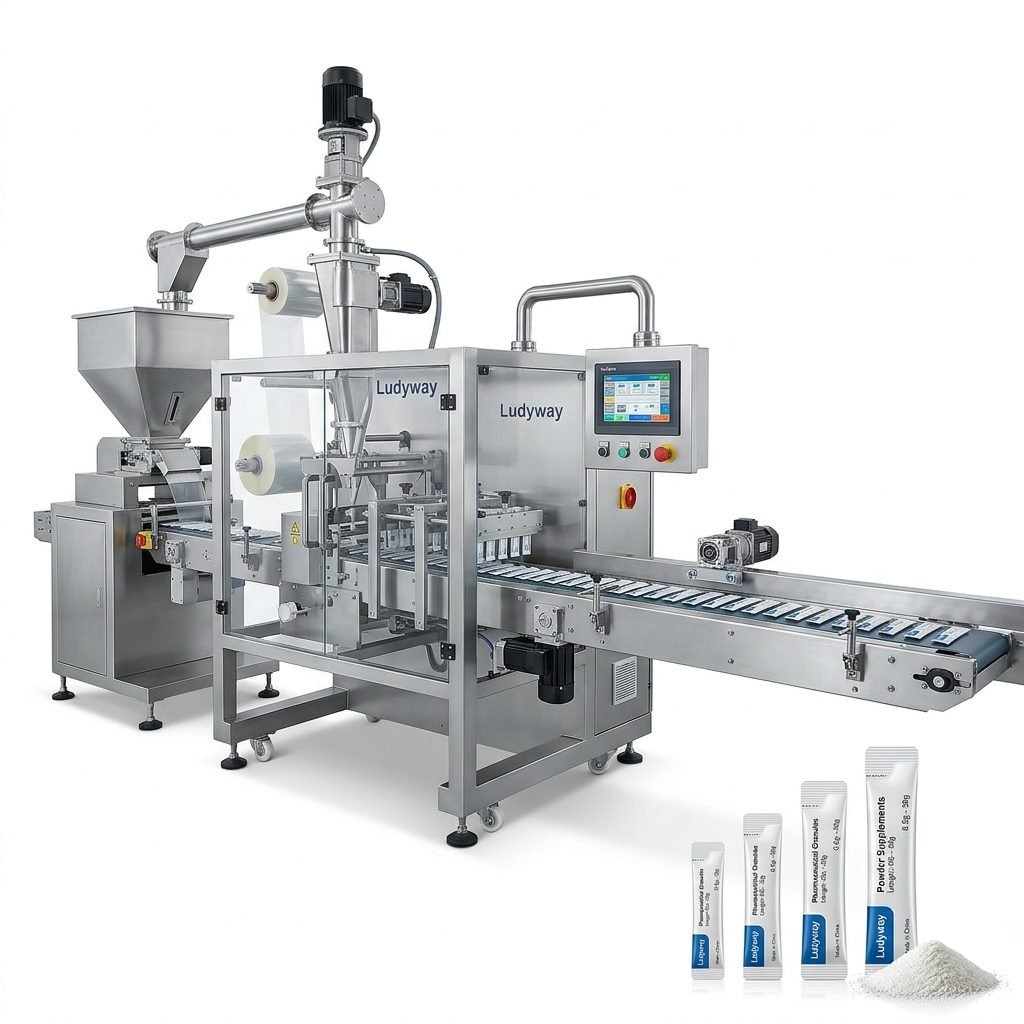
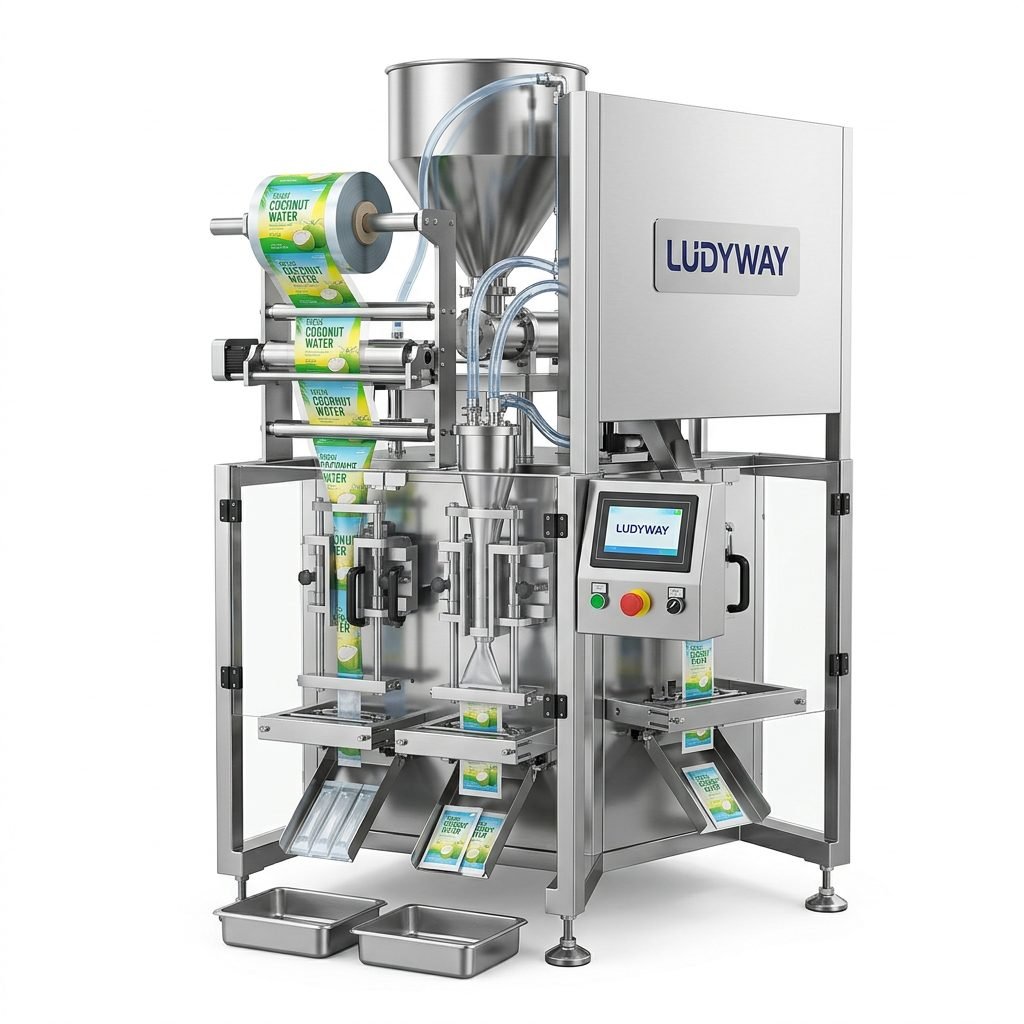
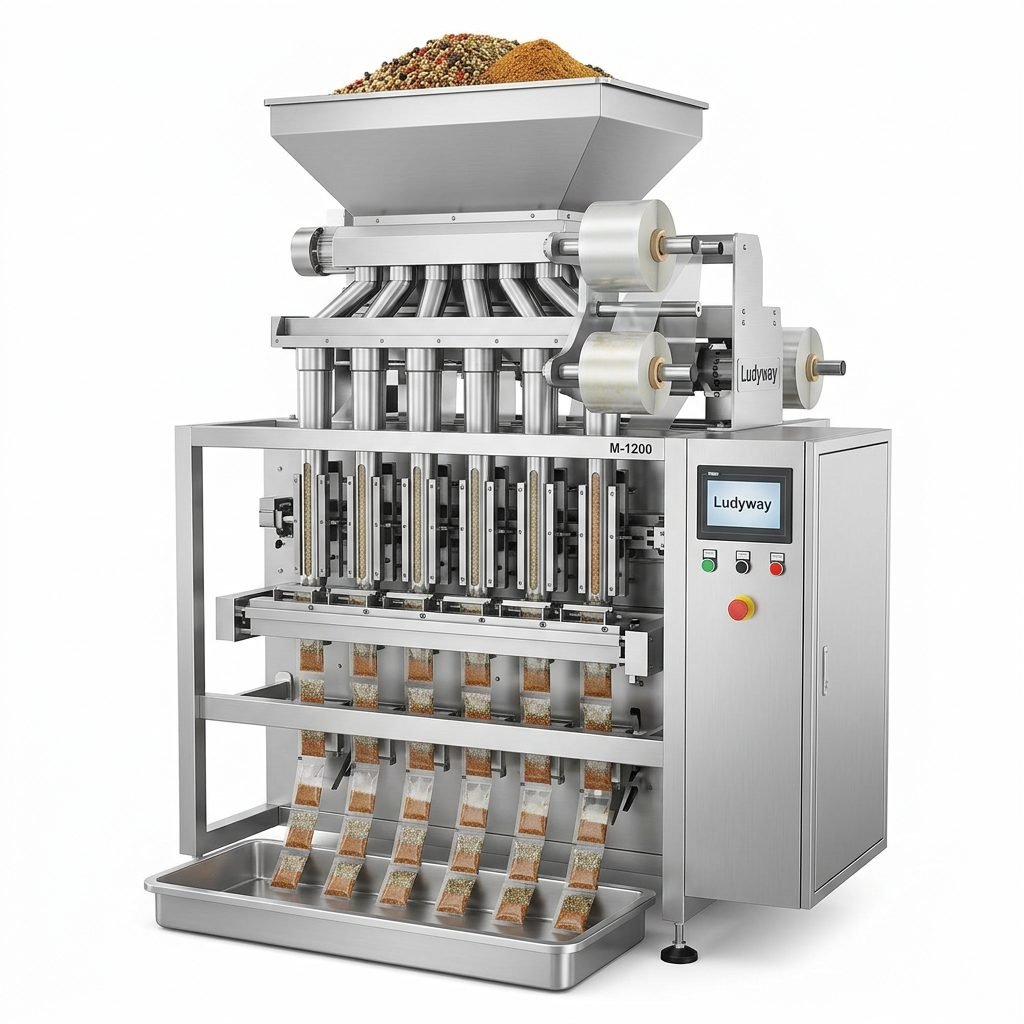
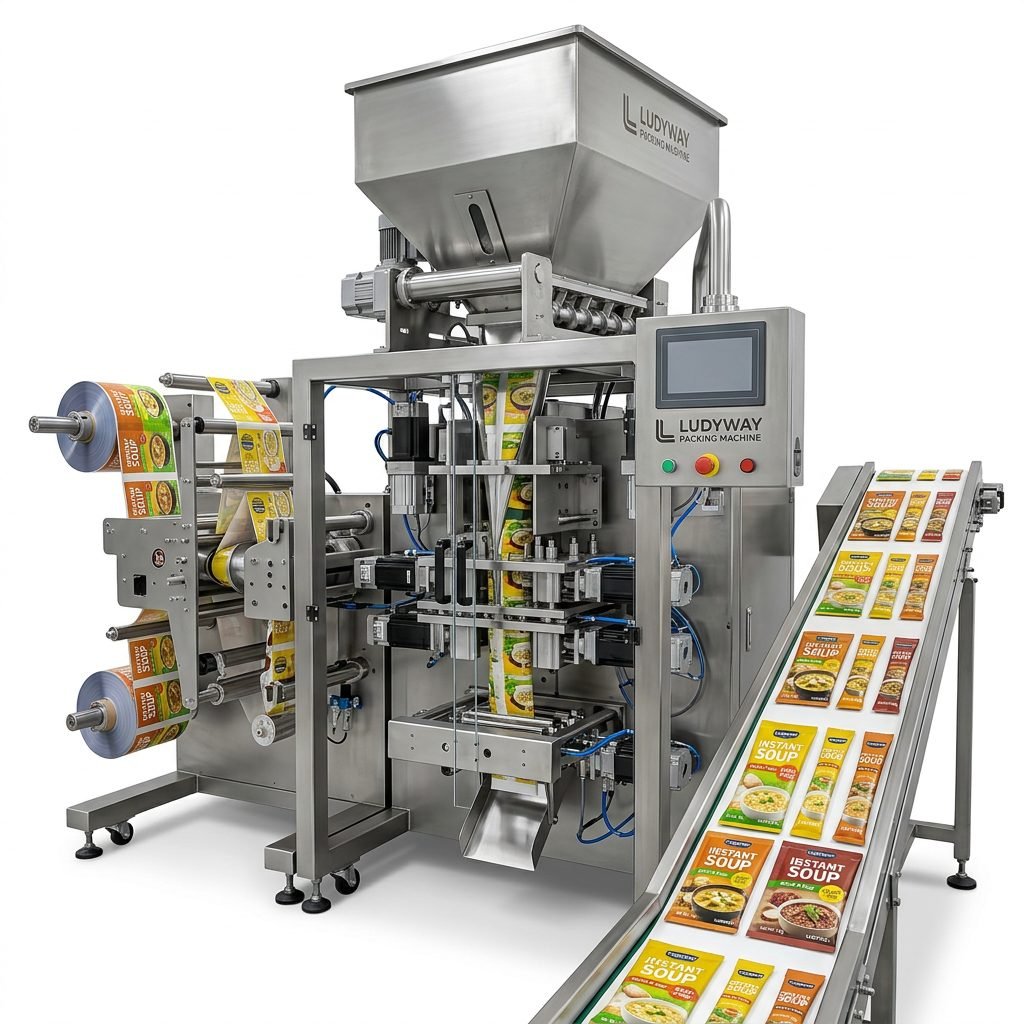
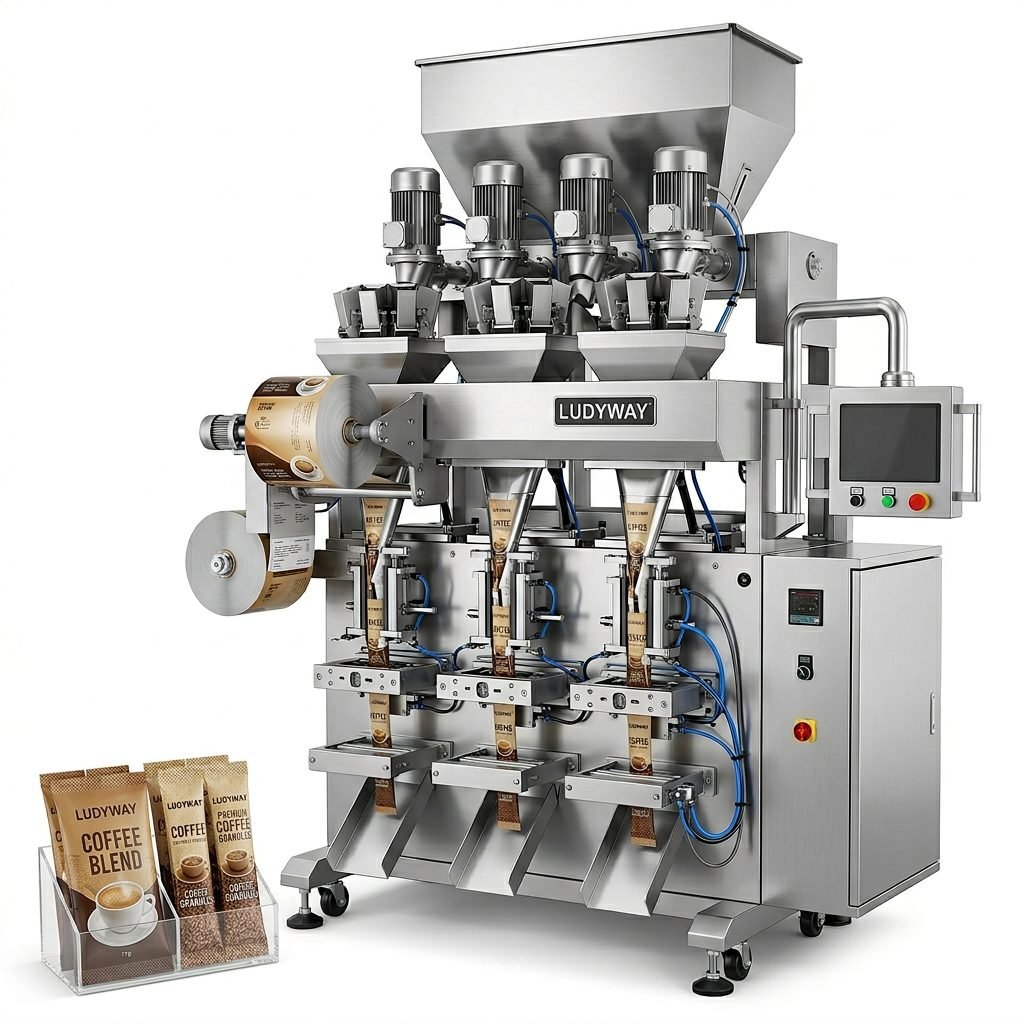
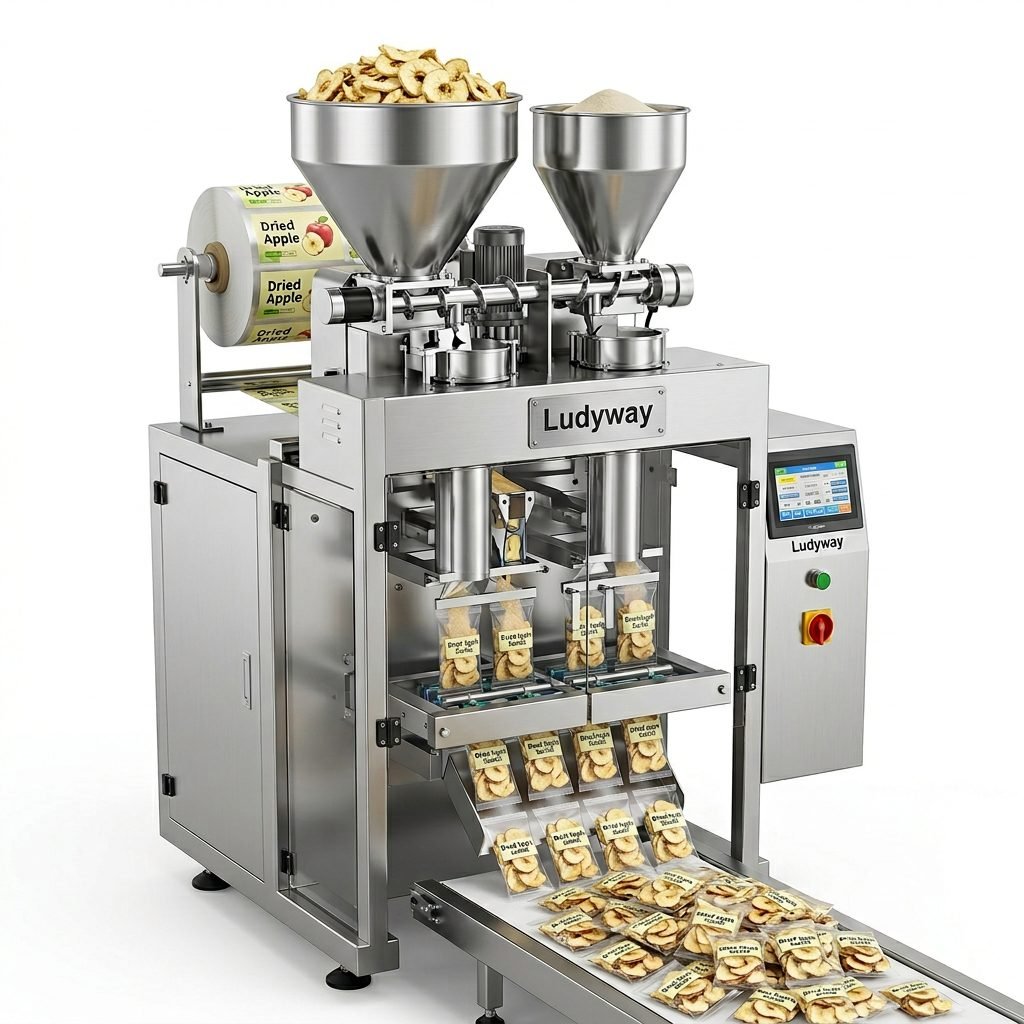
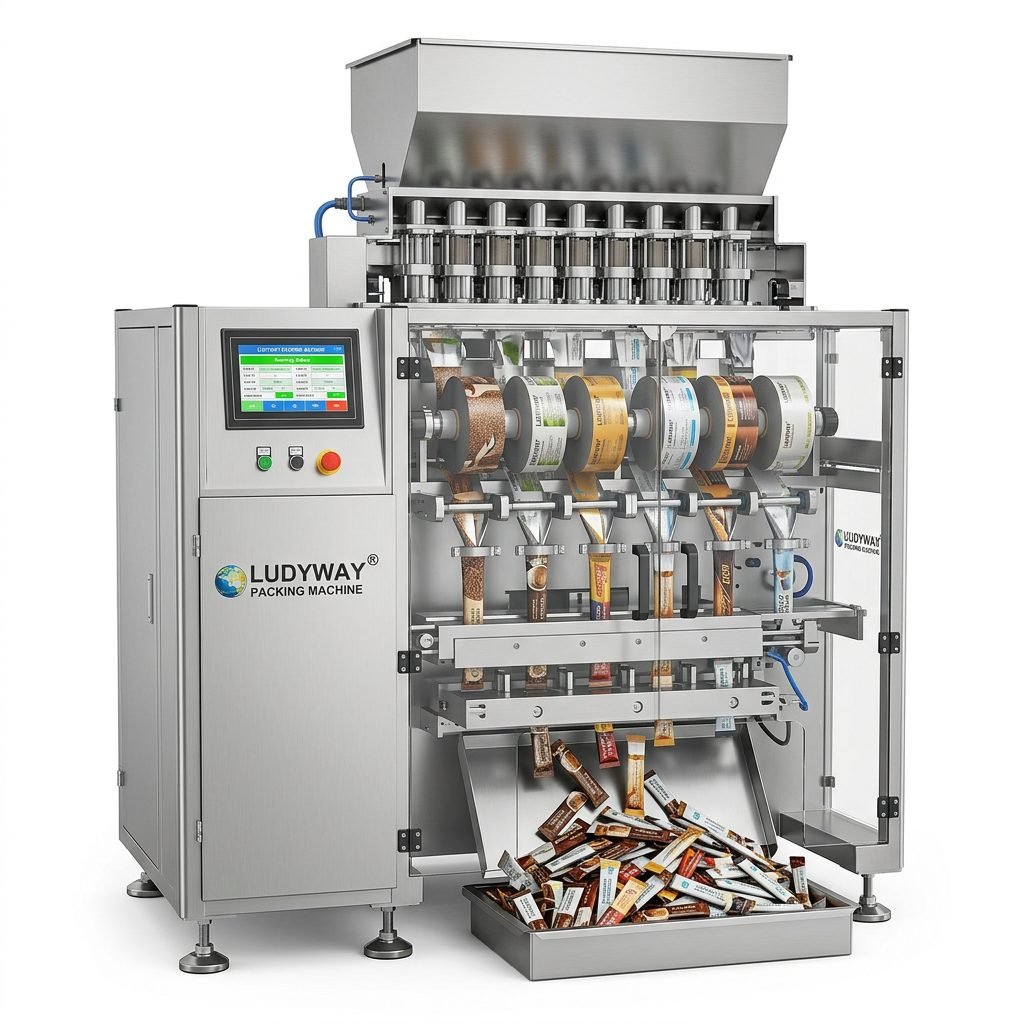
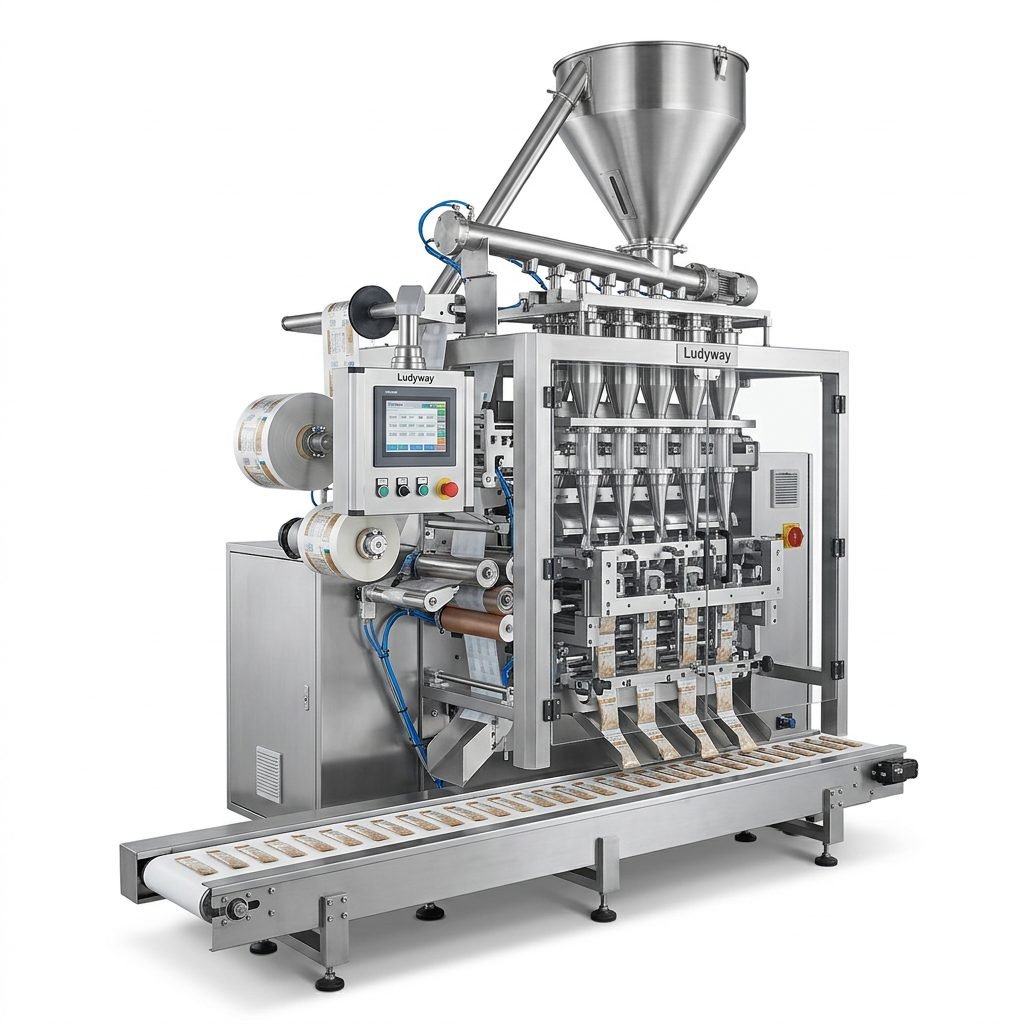
Buying a used VFFS packaging machine can be a smart way to expand production without paying the full price of new equipment. For manufacturers packing powders, granules, liquids, or small pouches, a used vertical form fill seal machine may offer solid value—if you know what to check before purchasing.
This guide explains how to evaluate machine condition, compare technical specifications, avoid hidden costs, and choose the right system for your product and production goals.
What Is a Used VFFS Packaging Machine?
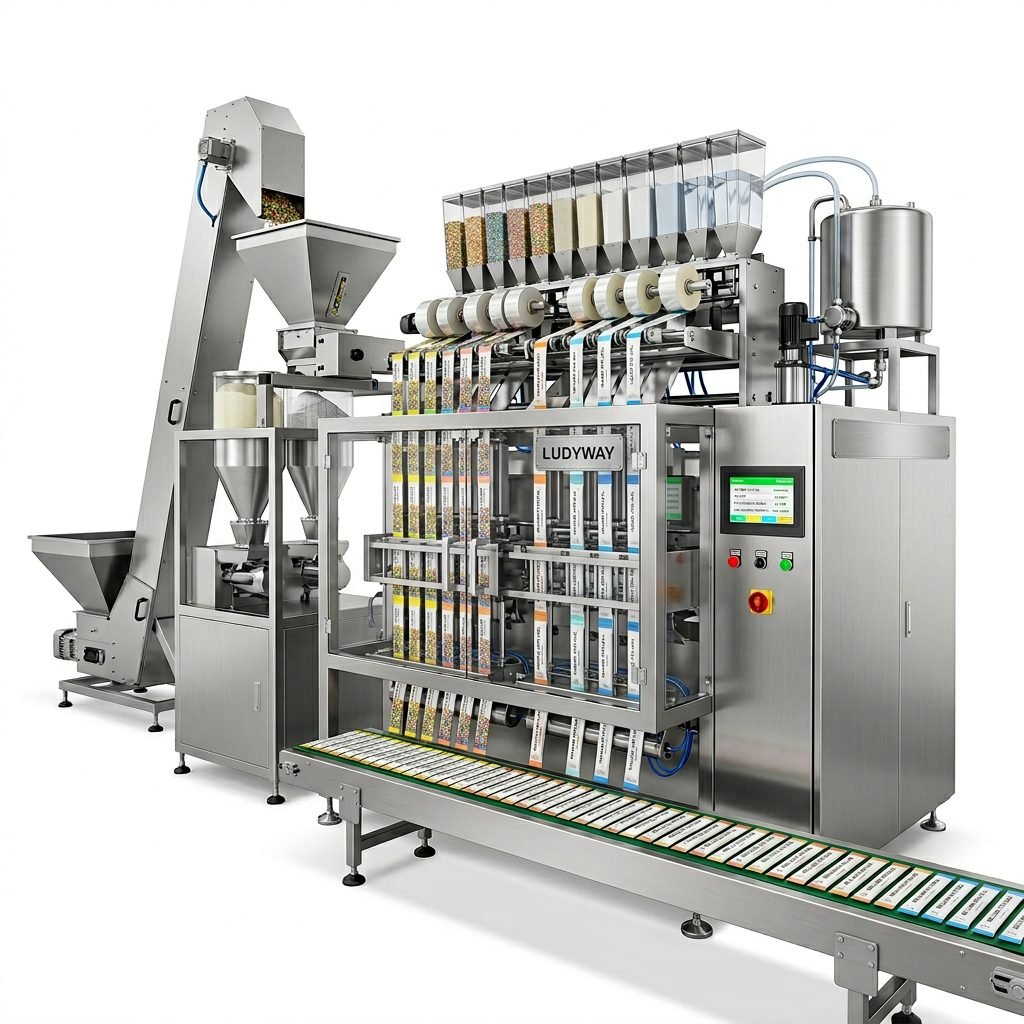
A vertical form fill seal machine forms a package from roll film, fills it with product, and seals it in one continuous process. These machines are widely used in food, pharmaceutical, nutraceutical, chemical, and personal care industries.
A used VFFS machine is previously operated equipment that is resold after production upgrades, factory changes, line restructuring, or plant closures. Depending on its age and maintenance history, a used machine can still deliver reliable performance for many years.
Common package formats include:
- Pillow bags
- Gusseted bags
- Quad seal bags
- Stick packs
- Sachets
- Small pouches for powders, granules, liquids, or pastes
Why Companies Buy Used Vertical Form Fill Seal Machines
Used machines appeal to buyers who want to improve packaging speed while controlling capital expenditure. In many cases, a properly selected second-hand machine can reduce payback time and shorten the path to automation.
| Benefit | What It Means for Buyers |
|---|---|
| Lower initial cost | More affordable than a new machine, especially for SMEs or pilot lines |
| Faster delivery | Many used machines are available immediately |
| Lower depreciation risk | A used asset has already absorbed much of its early depreciation |
| Capacity upgrade | Helps increase output without a full greenfield investment |
When a Used VFFS Machine Is a Good Choice
- Your product is stable and does not require highly customized tooling
- Your budget is limited but you still need industrial automation
- You need a machine quickly for seasonal or urgent production
- You want to test a new package format before investing in a new line
- You have in-house technicians who can inspect, maintain, and commission used equipment
Key Questions to Ask Before Buying
Before comparing brands or prices, define your actual packaging needs. The right machine is not simply the cheapest one—it is the one that matches your product, bag style, and output requirements.
Start with these questions:
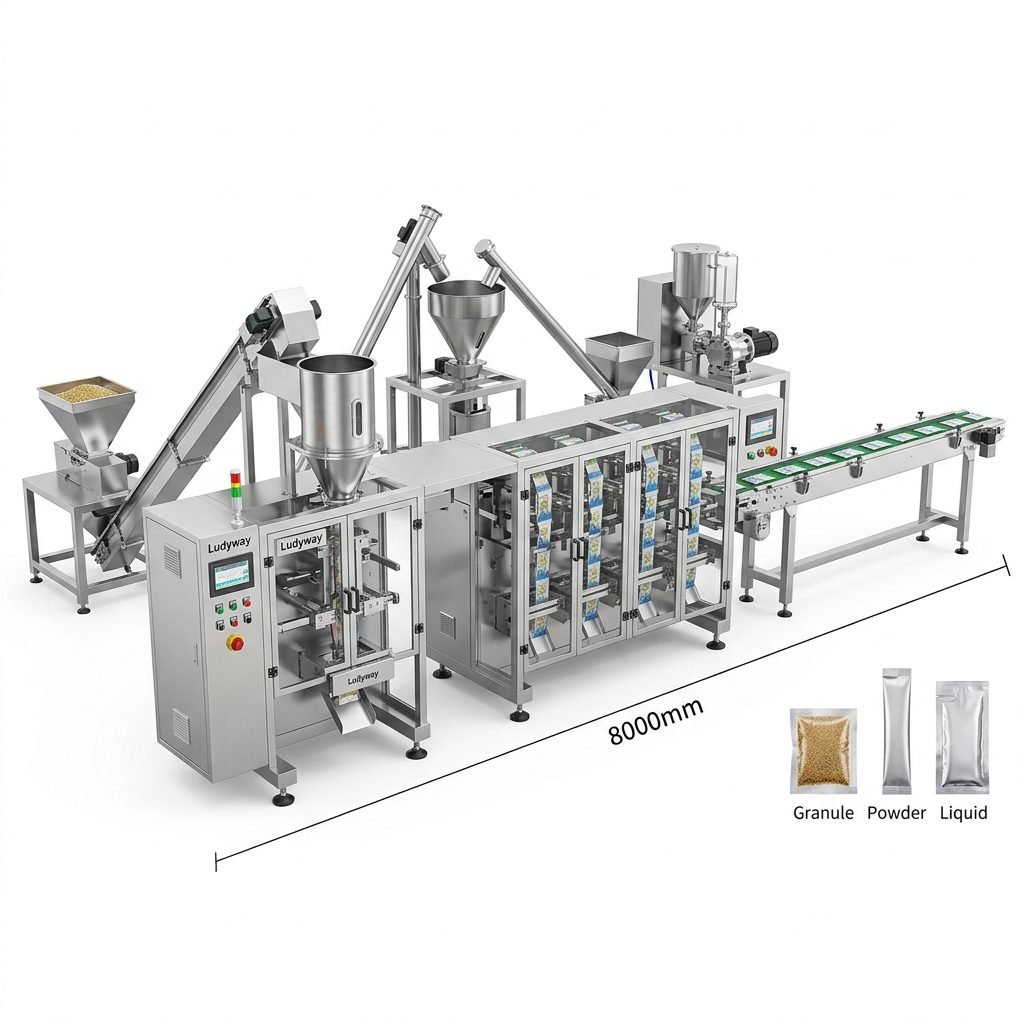
- What product are you packing: powder, granule, liquid, or paste?
- What bag type and bag size do you need?
- What production speed is required per minute or per shift?
- What filling system is compatible: auger, volumetric cup, multihead weigher, piston pump, or liquid pump?
- Do you need date coding, nitrogen flushing, zipper, or tear notch functions?
- Will the machine integrate with conveyors, checkweighers, metal detectors, or cartoners?
- Are spare parts and service still available for the machine model?
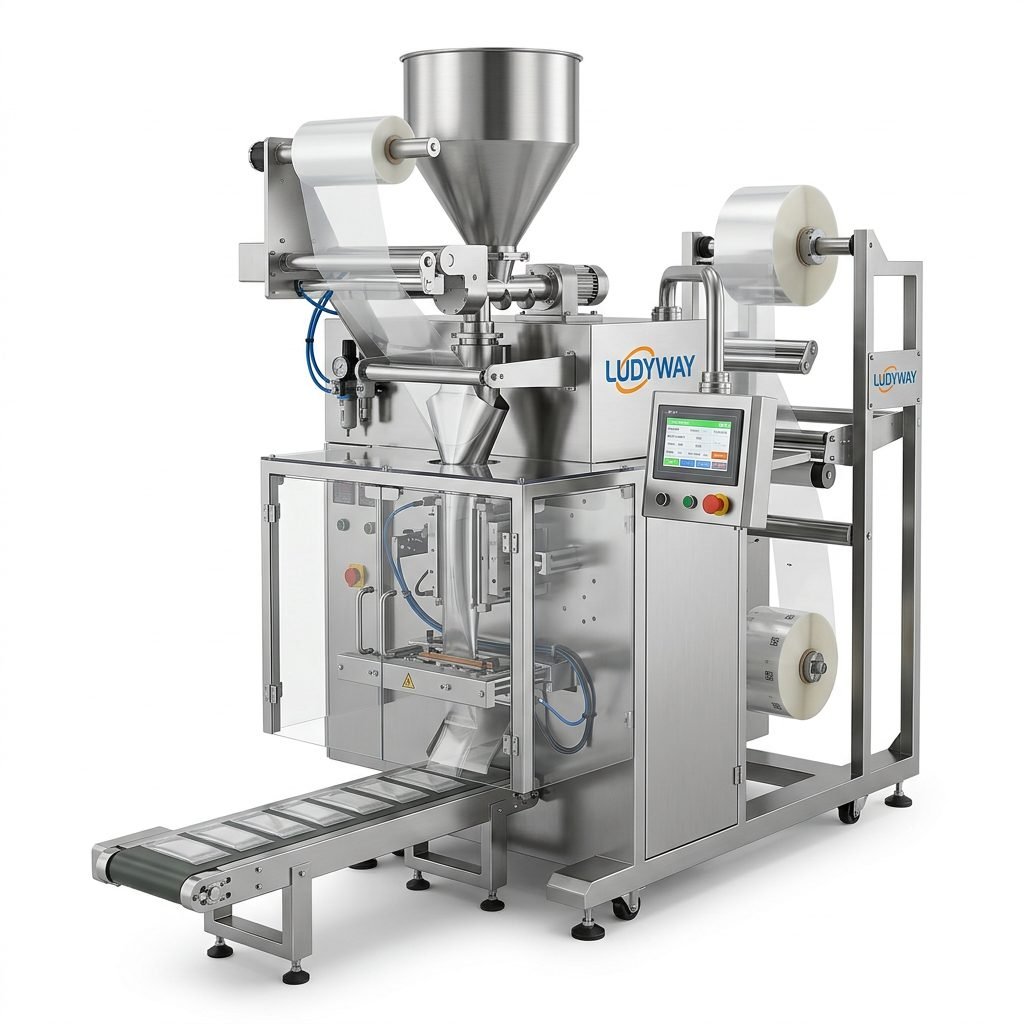
How to Evaluate a Used Vertical Form Fill Seal Machine
1. Check the machine age and operating hours
The manufacturing year matters, but operating hours often matter more. A 5-year-old machine running one shift may be in better condition than a 2-year-old machine used around the clock.
2. Review maintenance records
Always ask for service logs, replacement history, and records of major repairs. Machines with documented preventive maintenance are generally a safer investment.
3. Inspect sealing performance
Seal quality is critical. Uneven sealing temperature, worn jaws, or poor pressure control can lead to leakage, contamination, and product waste. Ask for live test runs with similar film and product if possible.
4. Examine film tracking and bag forming
A reliable VFFS machine should track film smoothly, maintain consistent registration, and form symmetrical bags. Watch for wrinkling, drifting, skewed seals, or inconsistent bag length.
5. Evaluate the control system
Older PLCs, touchscreens, drives, and sensors may be difficult to replace. Confirm that the electrical system is still supported and that core parts can be sourced locally or internationally.
6. Inspect product-contact parts
For food, pharma, and health products, stainless steel contact surfaces and hygienic design are essential. Look for corrosion, wear, dead corners, or signs of poor cleaning practices.
7. Confirm changeover capability
If you package multiple SKUs, make sure the machine allows efficient changeover for different bag widths, fill volumes, or film types.
Critical Components to Inspect
| Component | What to Check | Risk if Ignored |
|---|---|---|
| Sealing jaws | Wear, temperature stability, alignment | Poor seal integrity, leaks |
| Forming tube and collar | Scratches, fit, correct bag size range | Bag defects, film jams |
| Drive system | Servo response, motor noise, vibration | Unstable operation, downtime |
| PLC and HMI | Software status, language, parameter access | Difficult troubleshooting |
| Filler | Accuracy, wear, compatibility with product | Weight variation, waste |
| Sensors and pneumatics | Response, leaks, replacement availability | Unexpected stoppages |
Choose Based on Product Type
For powders
Powders such as protein, spices, coffee, milk powder, or supplements usually require an auger filler. Make sure the machine handles dust control well and maintains stable weighing accuracy.
For granules
Granules such as sugar, seeds, snacks, rice, or pellets often work with volumetric cup fillers or weighers. Verify product flow, anti-crush performance, and consistency in drop timing.
For liquids and pastes
Liquid applications need suitable pumps, anti-drip design, and proper sealing control. Products like sauces, shampoo, oils, and gels also require easy cleaning and corrosion resistance.
Used vs. Refurbished vs. New VFFS Machines
| Option | Pros | Cons |
|---|---|---|
| Used | Lowest purchase cost, quick availability | Higher inspection risk, possible wear |
| Refurbished | Better condition, tested performance, some upgrades | Higher cost than standard used equipment |
| New | Latest technology, full customization, warranty | Highest capital investment, longer lead time |
If uptime, compliance, and modern automation are critical, new or professionally refurbished equipment may be the better long-term decision. If budget and fast deployment are your main concerns, a carefully inspected used machine can still be a good fit.
Hidden Costs Buyers Often Miss
A low purchase price does not always mean a low total cost. Many buyers underestimate the real cost of commissioning a second-hand machine.
- Tooling changes for new bag sizes
- Electrical conversion for local voltage and standards
- Software access or HMI language updates
- Replacement of worn consumables and seals
- Shipping, rigging, installation, and validation
- Operator training and technical support
- Downtime caused by unavailable spare parts
Tip: Always calculate the total installed cost, not just the machine selling price.
Red Flags When Buying a Used VFFS Packaging Machine
- No maintenance records or unclear ownership history
- No test video or refusal to run the machine
- Obsolete control parts with limited spare supply
- Rust, excessive vibration, abnormal noise, or repeated alarm history
- Missing manuals, drawings, or electrical documentation
- Major modifications done without proper engineering records
- Machine speed claims that cannot be demonstrated in real production conditions
Best Practices for a Smarter Purchase
Request a FAT-style demonstration
A real product trial is one of the best ways to assess condition. Ask the seller to demonstrate forming, filling, sealing, coding, and discharge.
Match the machine to your packaging material
Film structure, thickness, and sealability all affect performance. Confirm that the machine can run your intended laminated film or mono-material structure.
Inspect availability of spare parts
A machine may look attractive on paper, but if servo drives, PLC modules, or sealing components are hard to source, long-term ownership becomes risky.
Work with an experienced packaging equipment partner
Whether you buy used, refurbished, or new, working with a manufacturer that understands filling systems, bag formats, and complete line integration can reduce technical mistakes. Companies such as Ludyway are known in the global market for packaging machines and turnkey packaging line solutions across food, pharmaceutical, health supplement, chemical, and related industries.
Who Should Avoid Used VFFS Equipment?
A used vertical form fill seal machine may not be ideal if:
- You need strict pharmaceutical validation and traceability
- Your product requires advanced servo control or highly specialized sealing technology
- You have frequent SKU changes with demanding automation integration
- You lack technical staff for troubleshooting and maintenance
- You need a full warranty and guaranteed long-term OEM support
Final Buying Checklist
| Checklist Item | Status |
|---|---|
| Product type and filler compatibility confirmed | □ |
| Bag size and format verified | □ |
| Operating hours and machine age reviewed | □ |
| Maintenance and repair records checked | □ |
| Live test run or video demonstration completed | □ |
| PLC, HMI, and spare part availability confirmed | □ |
| Total installed cost calculated | □ |
| After-sales technical support discussed | □ |
Choosing the right used VFFS packaging machine comes down to application fit, technical condition, and total ownership cost. If you inspect carefully and buy based on production needs rather than price alone, a used vertical form fill seal machine can be a practical and profitable investment.