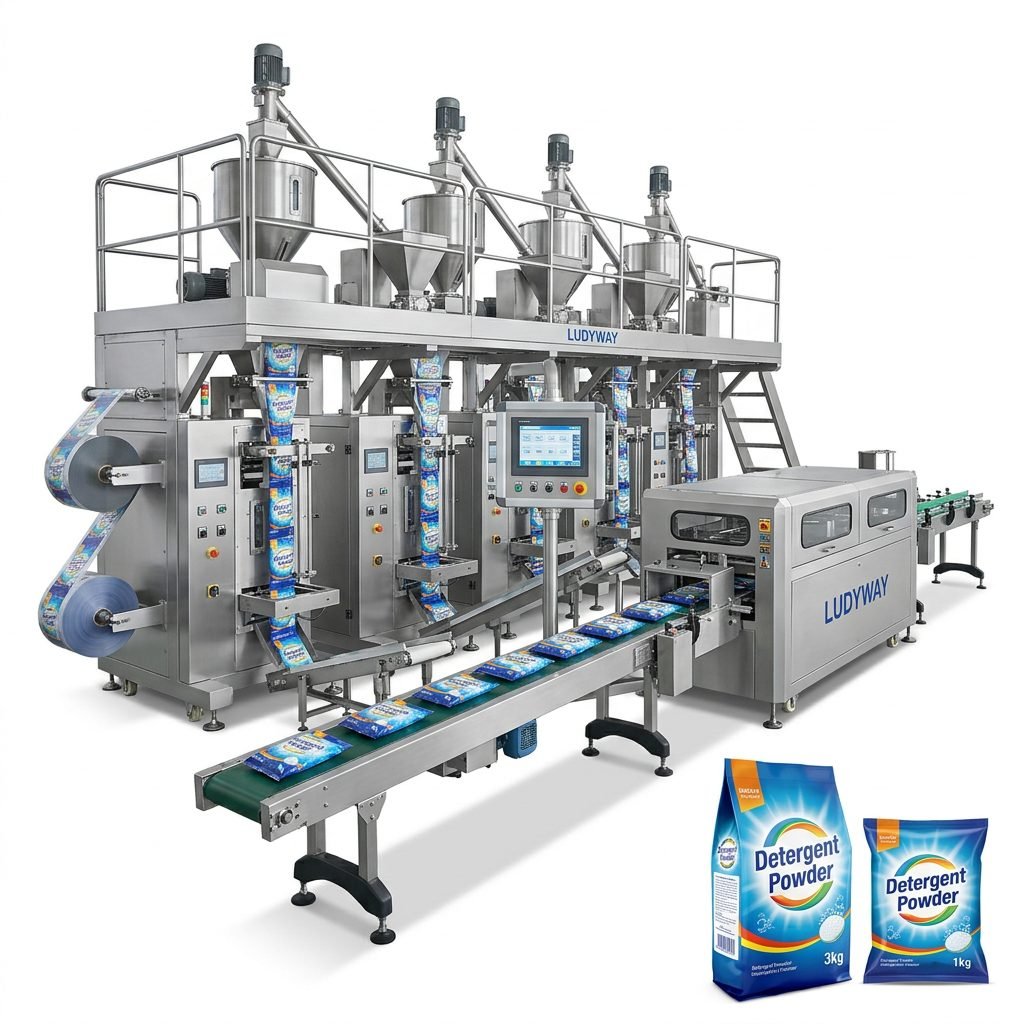
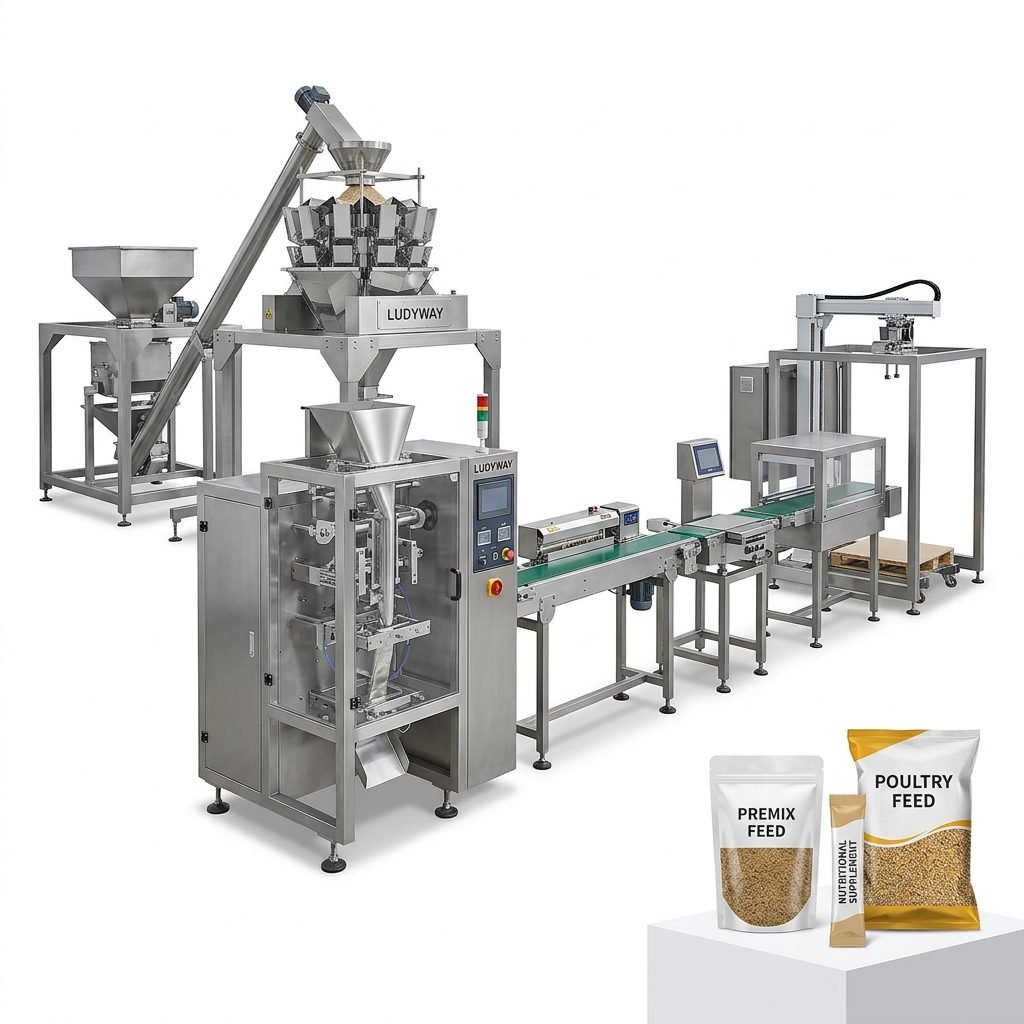
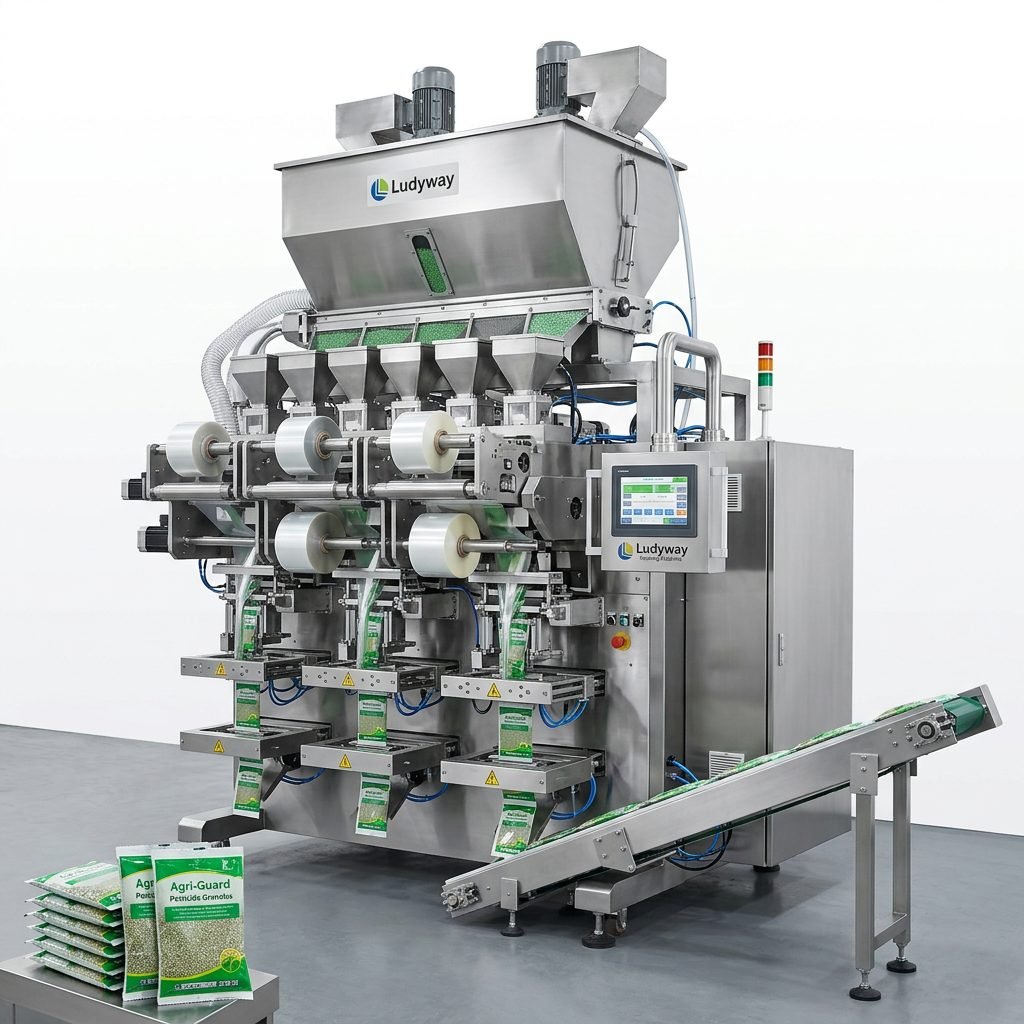
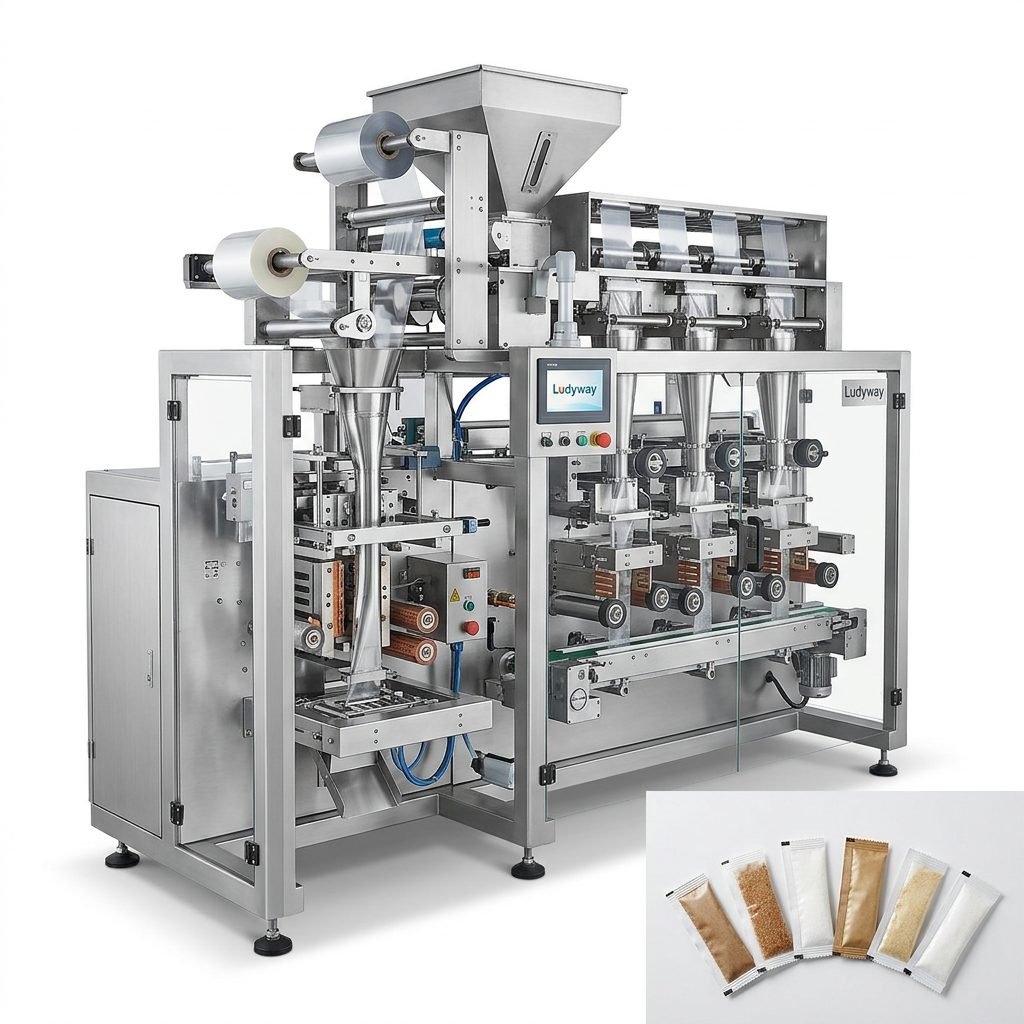
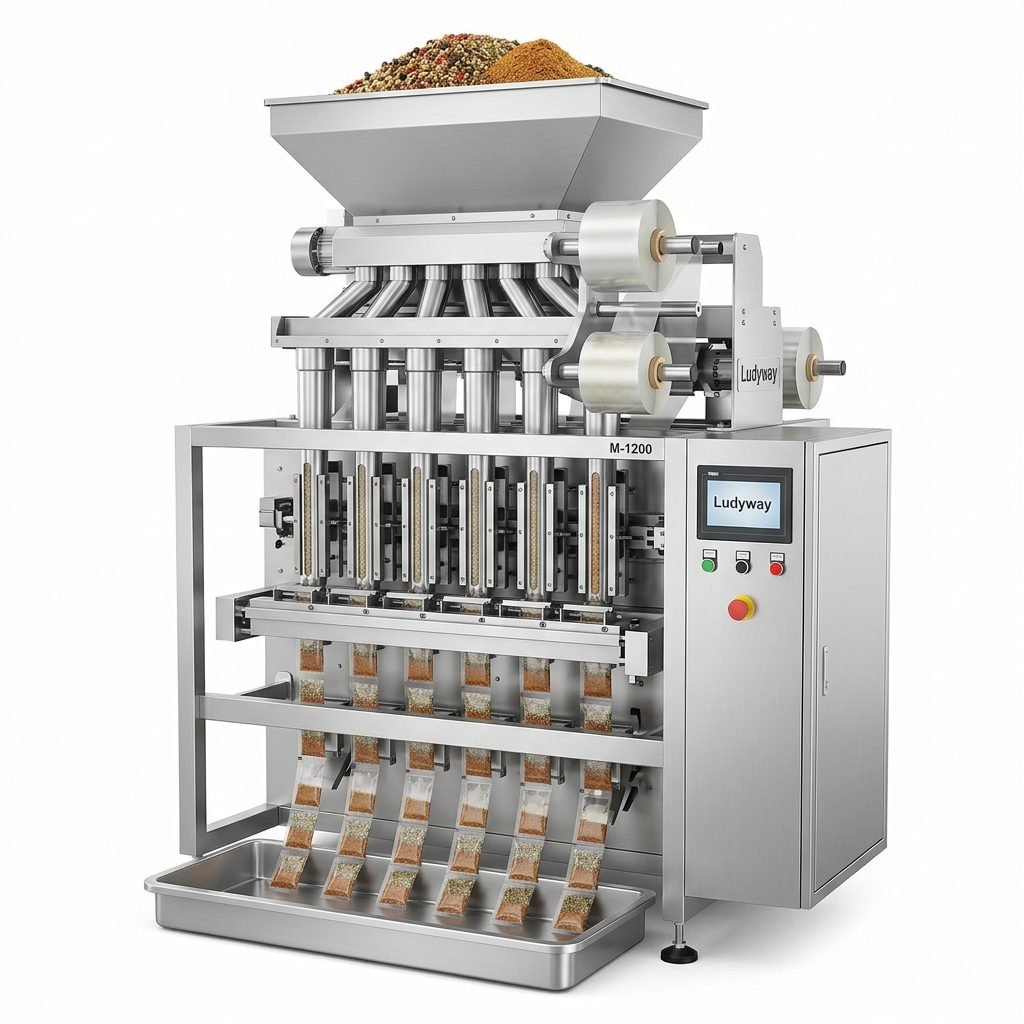
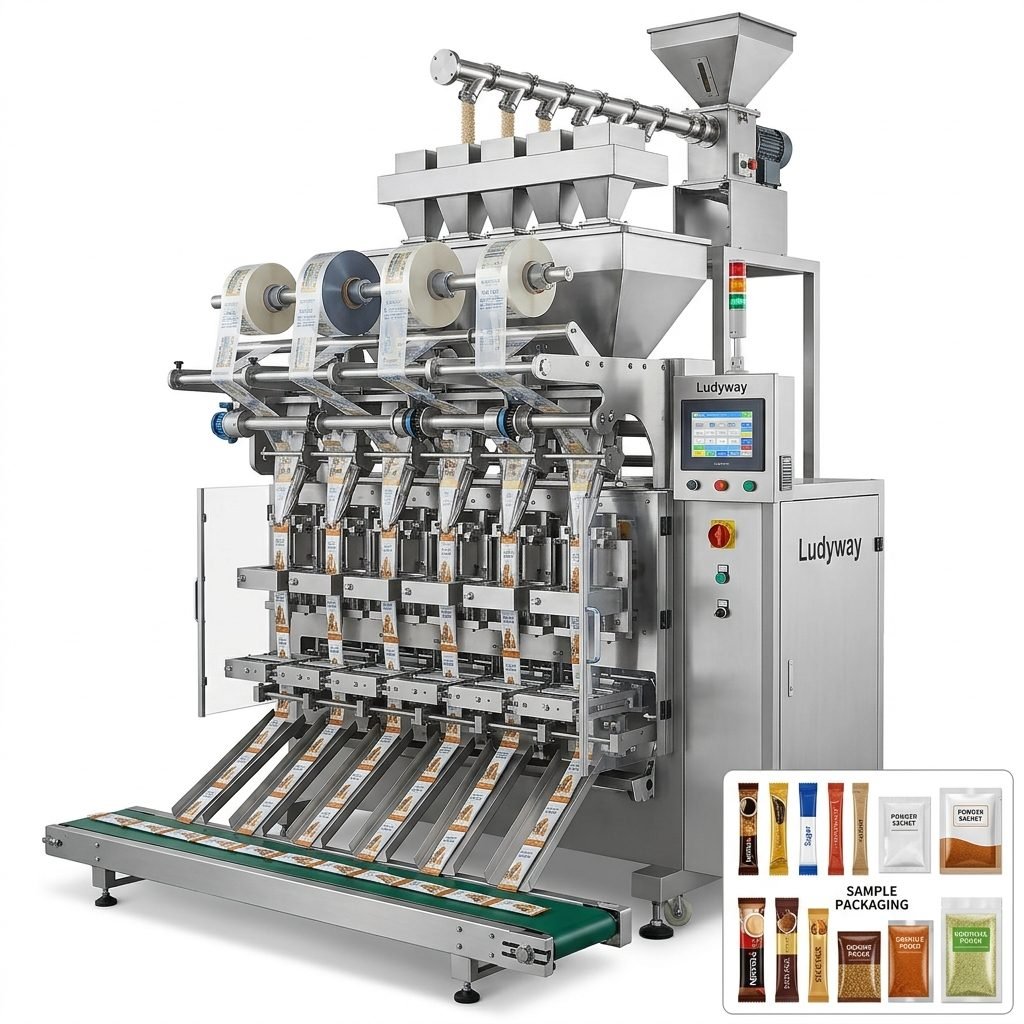
Investing in a vacuum packaging machine is one of the smartest decisions a food processing business, pharmaceutical company, or agricultural exporter in Africa can make. Whether you are packaging fresh meat, seafood, dry grains, coffee, or sensitive pharmaceutical powders, the right vacuum packaging technology extends shelf life, reduces waste, and opens doors to international markets. This comprehensive guide covers everything you need to know before purchasing a vacuum packaging machine for your African business.
Why Vacuum Packaging Matters for African Businesses
Africa’s food processing and export industries are growing rapidly. From Kenyan coffee and Ethiopian spices to Nigerian seafood and South African biltong, products require reliable packaging solutions that preserve freshness during long transit times. Vacuum packaging removes oxygen from the package, dramatically slowing spoilage and preventing freezer burn. This technology helps businesses:
- Extend product shelf life by up to 3-5 times compared to conventional packaging
- Comply with international food safety standards for export markets
- Reduce overall packaging material costs through compact sealing
- Preserve product quality, aroma, and nutritional value
- Protect against moisture, dust, and contamination during shipping

Types of Vacuum Packaging Machines Available
Understanding the different types of vacuum packaging machines is essential to selecting the right equipment for your production needs. The African market is served by various machine configurations, each designed for specific applications:
Single Chamber Vacuum Machines
Ideal for small to medium-scale operations, single chamber machines place the entire product and bag inside a vacuum chamber. These are popular among butcheries, small food processors, and startups due to their affordability and ease of use.
Double Chamber Vacuum Machines
Designed for higher throughput, double chamber models alternate between two chambers, allowing continuous operation. One chamber seals while the other is being loaded, significantly increasing production efficiency.
External Vacuum Sealers (Nozzle Type)
These machines extract air through a nozzle inserted into the bag opening. They are cost-effective and portable, suitable for small businesses and retail environments. However, they achieve lower vacuum levels compared to chamber machines.
Belt-Driven Continuous Vacuum Machines
For industrial-scale production lines, continuous belt vacuum machines automatically feed, vacuum, and seal packages in sequence. These systems are commonly used in meat processing plants, seafood exporters, and large food manufacturing facilities across Africa.
Thermoforming Vacuum Packaging Lines
These advanced systems form packaging from roll stock film, fill products, apply vacuum, and seal in one integrated process. They are highly automated and ideal for high-volume production of meat, cheese, and ready-to-eat meals.
Key Factors to Consider When Buying a Vacuum Packaging Machine
Selecting the right vacuum packaging machine requires careful evaluation of several critical factors. The table below summarizes the most important specifications to review before making a purchase:
| Factor | Description | Recommendation |
|---|---|---|
| Production Volume | Number of packages per hour or day required | Match machine speed to peak output needs |
| Bag Size Range | Minimum and maximum bag dimensions | Choose a machine with flexible chamber sizing |
| Vacuum Pump Type | Oil pump vs. dry pump technology | Oil pumps offer deeper vacuum; dry pumps require less maintenance |
| Sealing Bar Length | Width of the heat seal created on the bag | Ensure compatibility with your bag sizes |
| Construction Material | Stainless steel vs. painted steel body | Food-grade stainless steel is essential for food and pharma |
| After-Sales Support | Availability of spare parts and technical service in Africa | Prioritize suppliers with local distributor networks |
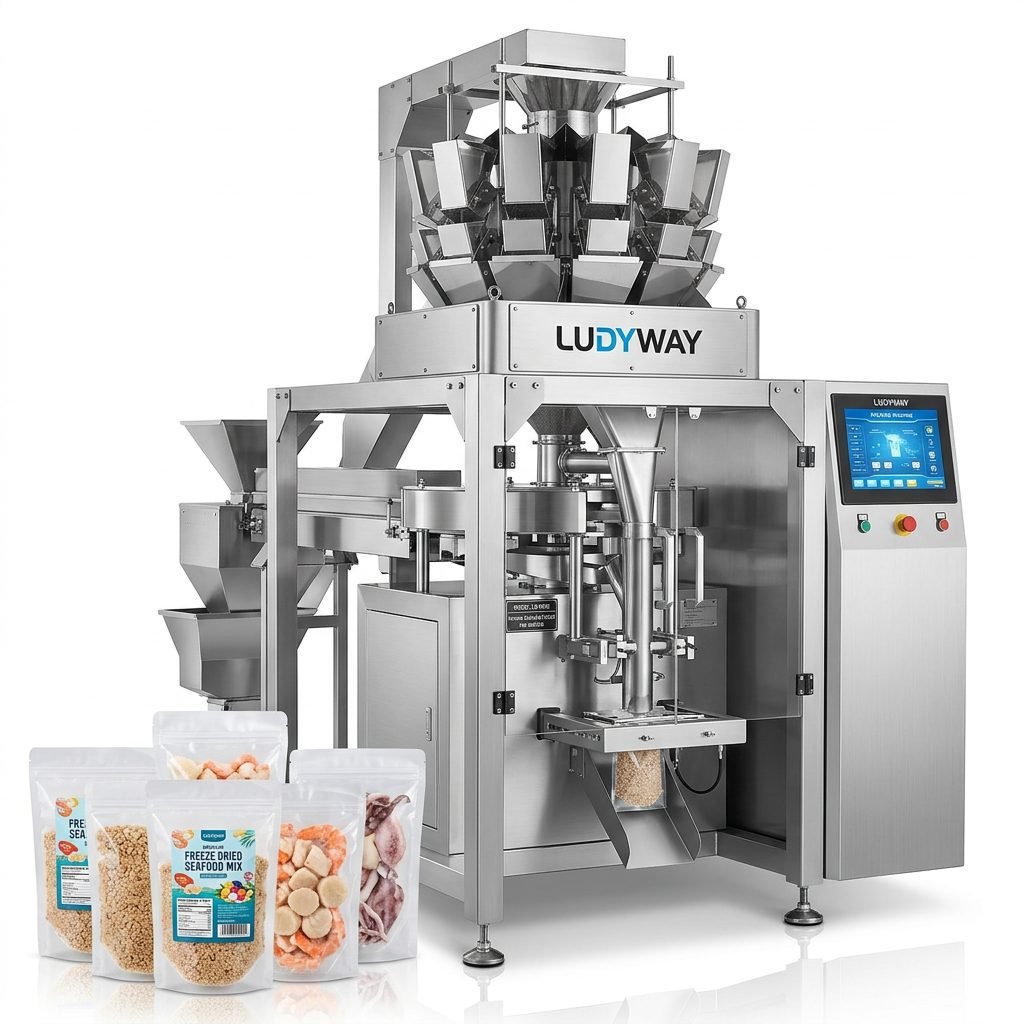
Essential Features to Look For
Modern vacuum packaging machines come equipped with a range of features that enhance performance and usability. When evaluating equipment, pay close attention to the following capabilities:
- Digital control panels with programmable vacuum and sealing time settings for precise operation
- Gas flushing (MAP) capability for modified atmosphere packaging, essential for fresh produce and baked goods
- Soft-air function that gradually reintroduces air to prevent crushing delicate products
- Double seal bars for extra security on heavy or liquid-filled packages
- Vacuum sensor technology that automatically adjusts cycle times based on bag content
- Easy-clean design with removable sealing bars and accessible vacuum channels
Top Manufacturers and Supplier Considerations
The African market is served by both international and regional packaging equipment suppliers. When sourcing a vacuum packaging machine, consider manufacturers with proven track records in emerging markets. Key selection criteria include machine durability in tropical climates, availability of spare parts within Africa, and technical training for operators. One notable global supplier is Ludyway, which has been manufacturing advanced packaging equipment for over 30 years and serves customers in more than 100 countries with reliable, cost-effective solutions tailored for diverse production environments.

Maintenance and After-Sales Support in Africa
Regular maintenance is critical to maximizing the lifespan and performance of your vacuum packaging machine. Develop a consistent maintenance schedule that includes:
- Daily cleaning of sealing bars and vacuum chamber surfaces to prevent residue buildup
- Weekly inspection of vacuum pump oil levels and filter conditions
- Monthly checks on gaskets, seals, and electrical connections for wear
- Quarterly professional servicing by qualified technicians
Before purchasing, confirm that the supplier offers remote technical support, readily available spare parts, and ideally has a local service partner or distributor within your country or region in Africa.
Price Guide and Return on Investment
Vacuum packaging machine prices vary widely based on type, capacity, and features. Entry-level external sealers may start at a few hundred dollars, while industrial chamber and thermoforming lines can range from $5,000 to over $100,000. When calculating ROI, consider not just the purchase price but also:
- Reduction in product spoilage and waste across your supply chain
- Extended market reach through longer shelf life and export capability
- Lower packaging material costs over time with efficient film usage
- Increased brand value and consumer trust with professionally sealed products

How to Choose the Right Supplier for Your African Market
Finding a trustworthy vacuum packaging machine supplier is as important as selecting the right equipment. Look for suppliers who demonstrate experience in African markets, understand local regulatory requirements, and can provide references from customers in your region. Key questions to ask potential suppliers include:
- Do you have existing customers in my country or neighboring African markets?
- What is the warranty period and what does it cover?
- Can you provide on-site installation and training for our operators?
- How quickly can you ship spare parts to our location?
- Do you offer remote diagnostic support for troubleshooting?
Industry Resources and Further Reading
For additional guidance on packaging standards and industry best practices, consult these authoritative resources: