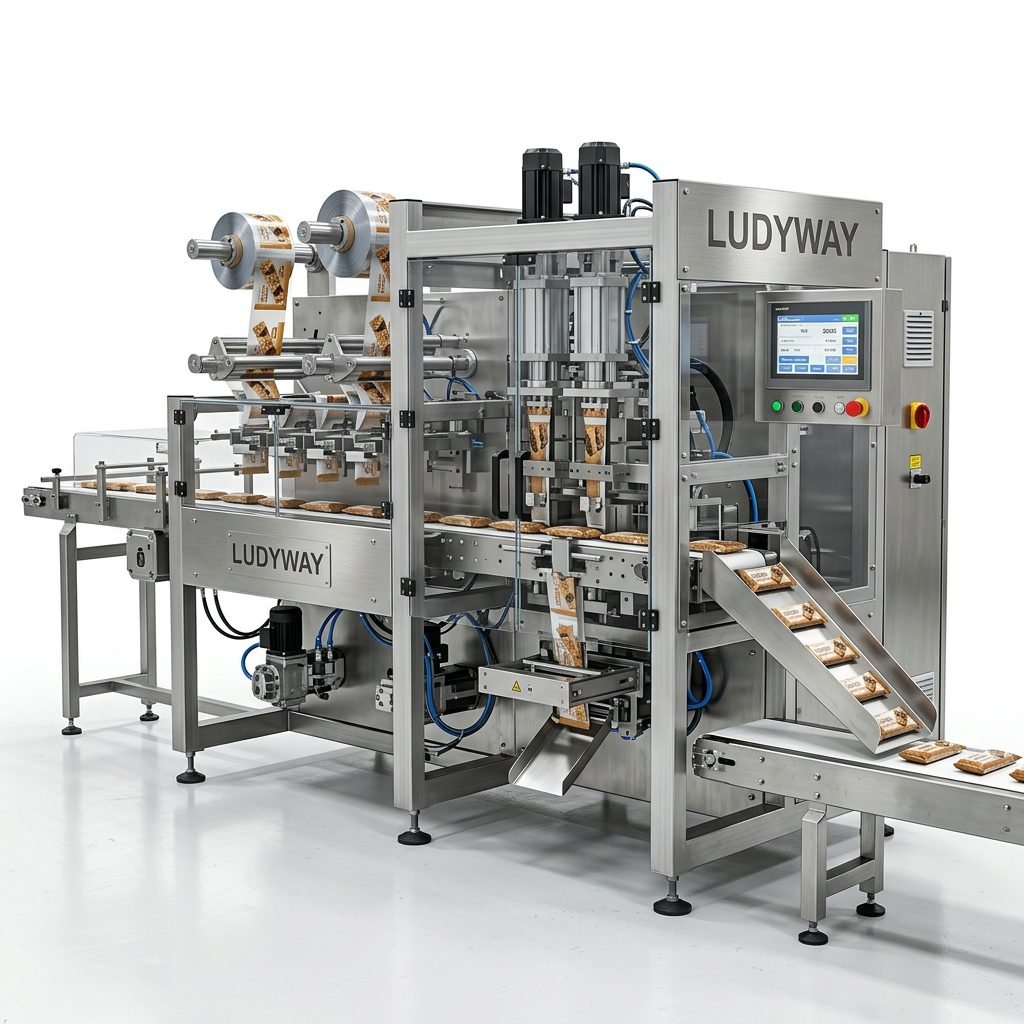
Selecting the right bottle sealing machine is one of the most critical decisions for manufacturers in the food and beverage, pharmaceutical, cosmetic, and chemical industries. A well-chosen sealing system ensures product integrity, extends shelf life, prevents leakage, and maintains consumer safety. With a wide range of technologies available—from automatic capping systems to induction sealers and beyond—understanding your production requirements is the first step toward making an informed investment.
The global packaging machinery market continues to evolve, driven by increasing automation demands and stricter regulatory standards. Whether you are upgrading an existing line or building a new facility, this guide walks you through every essential factor to consider before purchasing a bottle sealing machine.
Understanding Bottle Sealing Technologies
Bottle sealing is not a one-size-fits-all process. Different products, container materials, and production volumes demand different sealing methods. Below is a comparison of the most common bottle sealing technologies used across industries today.
| Sealing Technology | Best For | Key Advantages | Typical Industries |
|---|---|---|---|
| Induction Sealing | Plastic and glass bottles with foil-lined caps | Tamper-evident, leak-proof, extends shelf life | Pharmaceuticals, food, beverages, chemicals |
| Capping (Screw/Press-on) | Threaded caps, snap caps, child-resistant closures | High-speed operation, versatile closure types | Beverages, cosmetics, household products |
| Heat Seal / Foil Seal | Plastic containers, single-use food packaging | Excellent barrier properties, cost-effective | Dairy, sauces, ready meals |
| Vacuum Sealing | Oxygen-sensitive products | Prevents oxidation, maximizes freshness | Nutraceuticals, specialty foods, chemicals |
| Ultrasonic Sealing | Tube sealing, specialized plastic containers | No heat damage to product, clean seal | Cosmetics, medical, electronics |
Key Factors to Consider When Choosing a Bottle Sealing Machine
Before evaluating specific models, you need a clear understanding of your operational requirements. The following factors directly impact machine selection, performance, and long-term ROI.
Production Volume and Speed Requirements
Your current and projected production capacity determines whether you need a semi-automatic, fully automatic, or high-speed multi-lane sealing system. A machine that cannot keep pace with your filling line creates costly bottlenecks. Consider both peak demand seasons and future growth when specifying speed requirements in bottles per minute (BPM).
Container and Closure Compatibility
Not all sealing machines handle every bottle shape, size, or material. Key variables include:
- Bottle material: Glass, PET, HDPE, PP, or aluminum—each requires different sealing parameters.
- Bottle shape and size: Round, square, oval, or irregular shapes may need custom tooling.
- Closure type: Screw caps, flip-tops, pumps, sprayers, droppers, or press-on lids.
- Neck finish: Thread specifications and dimensions must match the capping head precisely.
Product Characteristics
The nature of your product significantly influences sealing requirements. Liquid viscosity, foaming tendencies, temperature sensitivity, and whether the product is carbonated, corrosive, or contains particulates all affect seal integrity. Products requiring FDA-compliant food contact packaging demand sealing materials and processes that meet regulatory standards.
Automation Level and Integration
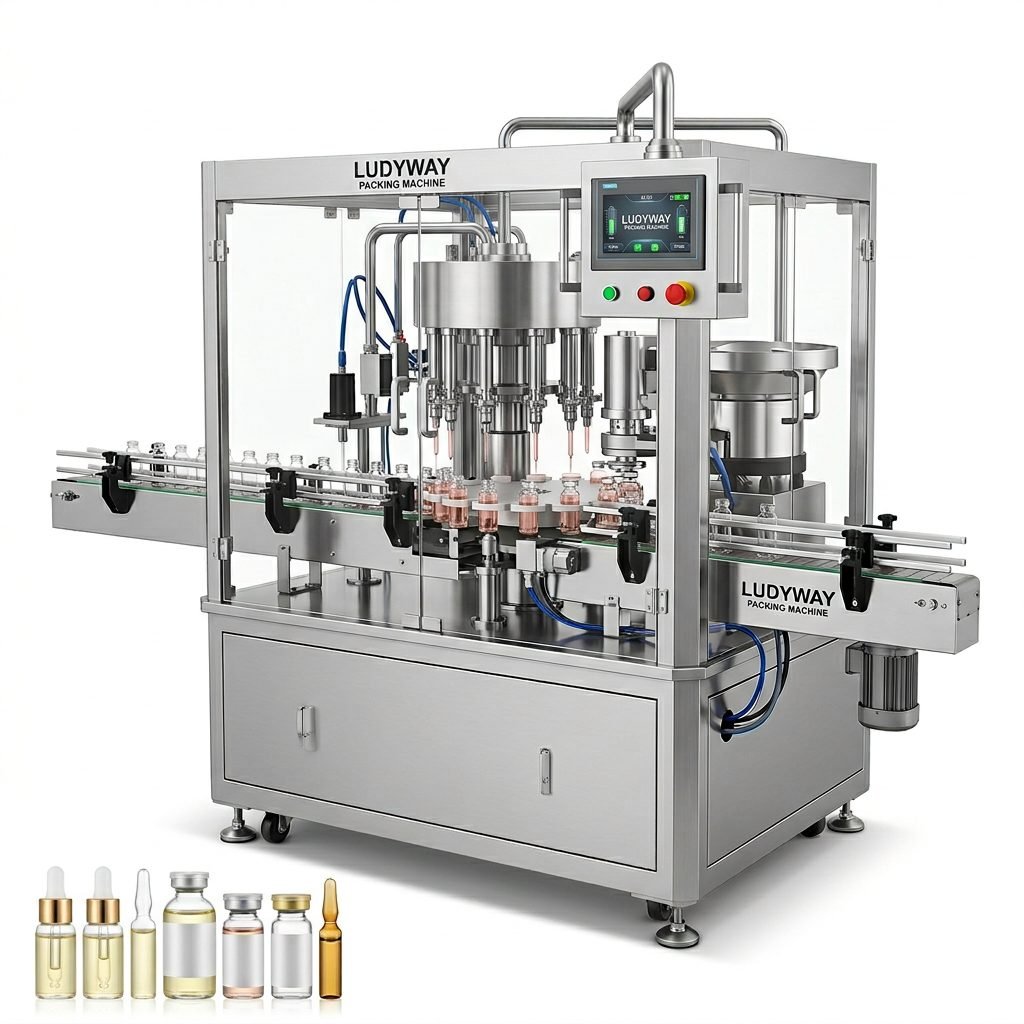
Modern packaging facilities increasingly demand seamless integration between filling, sealing, labeling, and cartoning equipment. Evaluate whether you need:
- A standalone sealing machine for manual or semi-automatic operations.
- An inline system that integrates directly with existing filling lines.
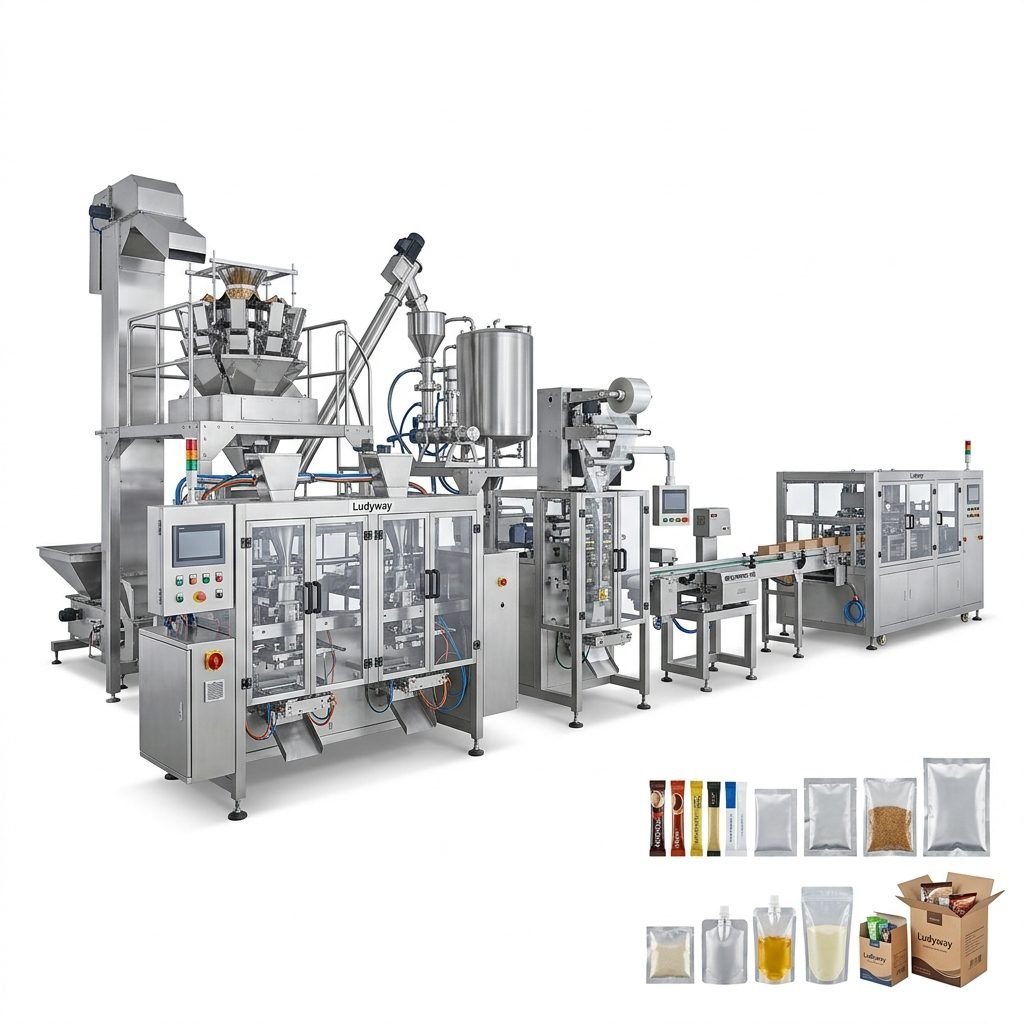
- A fully automated turnkey packaging line with synchronized conveyors, inspection systems, and robotic handling.
Regulatory Compliance and Industry Standards
Depending on your market, your sealing equipment may need to comply with packaging machinery standards, GMP requirements, ISO certifications, or specific regional regulations. For pharmaceutical and medical applications, ISO 11607 packaging standards for terminally sterilized medical devices are particularly relevant. Always verify that your equipment supplier can provide appropriate compliance documentation.
Technical Specifications That Matter
Beyond the basics, several technical specifications directly impact sealing quality, operational efficiency, and maintenance requirements. Understanding these helps you compare machines objectively.
Sealing Integrity and Quality Control
Look for machines equipped with torque monitoring systems, seal inspection capabilities, and automated rejection mechanisms for defective seals. According to PMMI’s 2025 State of the Industry report, quality assurance integration is one of the top priorities for packaging machinery buyers worldwide.
Changeover Flexibility
If your production involves multiple bottle sizes or closure types, quick-changeover features become essential. Tool-less adjustments, recipe-based settings stored in the PLC, and modular design significantly reduce downtime between production runs.
Material and Build Quality
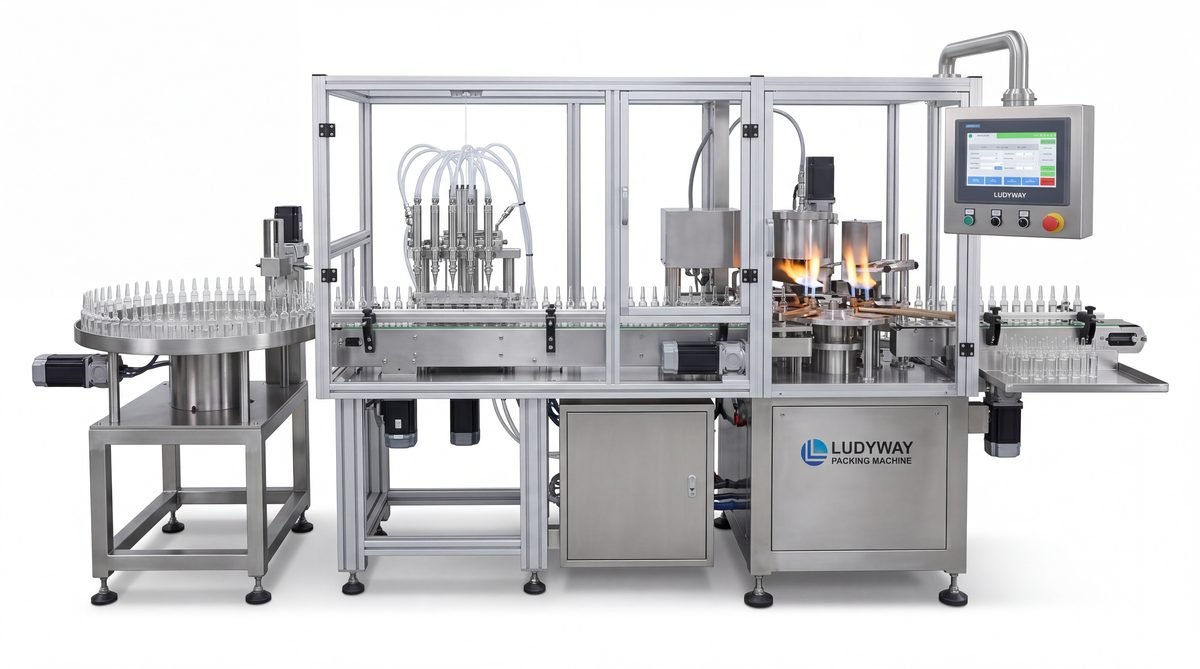
Machines constructed with stainless steel frames and food-grade contact parts ensure durability and hygiene compliance. For corrosive or chemical products, specialized materials like 316L stainless steel or Hastelloy may be necessary.
Control System and Connectivity
Advanced PLC-based controls with touchscreen HMI interfaces provide intuitive operation, data logging, and remote diagnostics. Industry 4.0-ready machines support integration with factory-wide monitoring systems, enabling predictive maintenance and production analytics.
Evaluating Suppliers and After-Sales Support
The relationship with your equipment supplier extends far beyond the initial purchase. Comprehensive after-sales support is critical for maintaining production uptime over the machine’s lifecycle. When evaluating potential suppliers, consider the following:
- Installation and commissioning services: Does the supplier provide on-site setup and integration support?
- Operator training: Thorough training programs reduce operational errors and improve efficiency.
- Spare parts availability: Quick access to genuine replacement parts minimizes downtime.
- Technical support responsiveness: Evaluate the supplier’s service network, remote assistance capabilities, and response times.
- Warranty and service contracts: Understand what is covered and for how long.
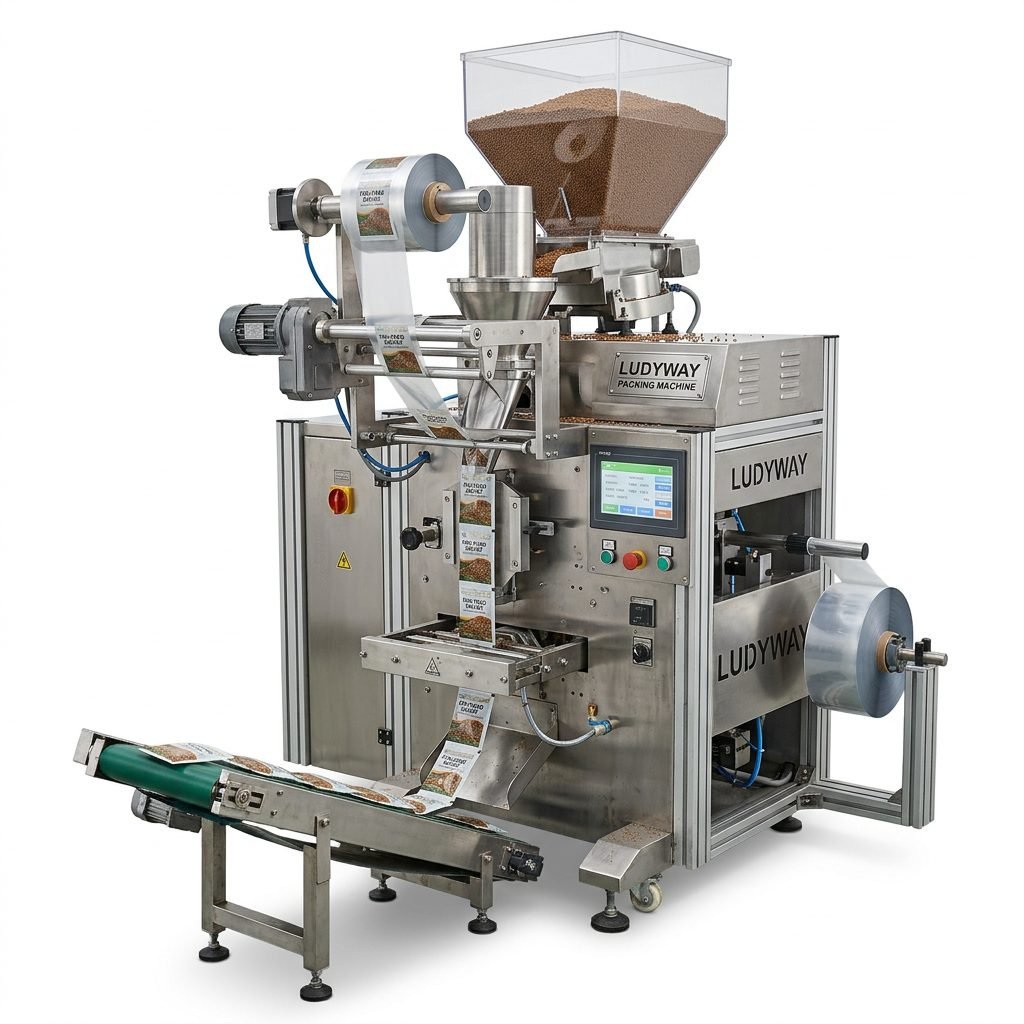
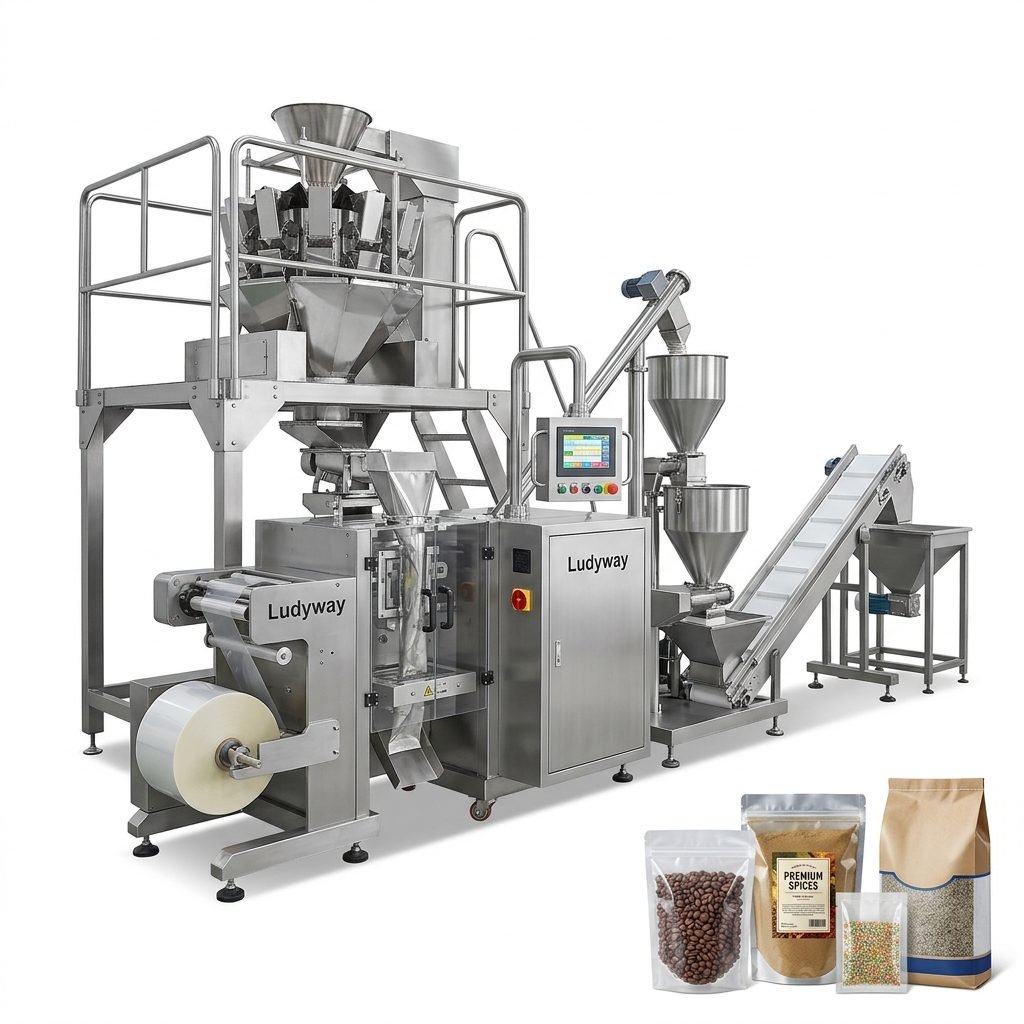
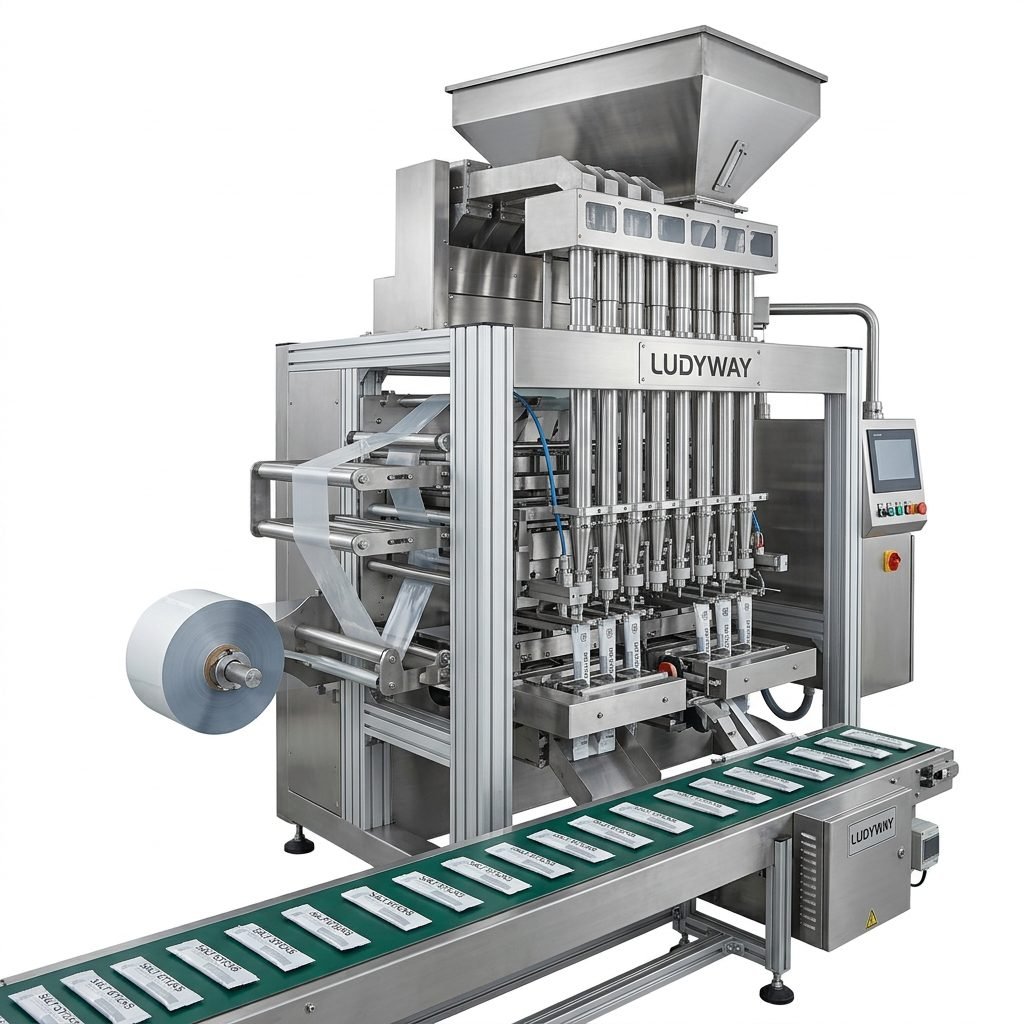
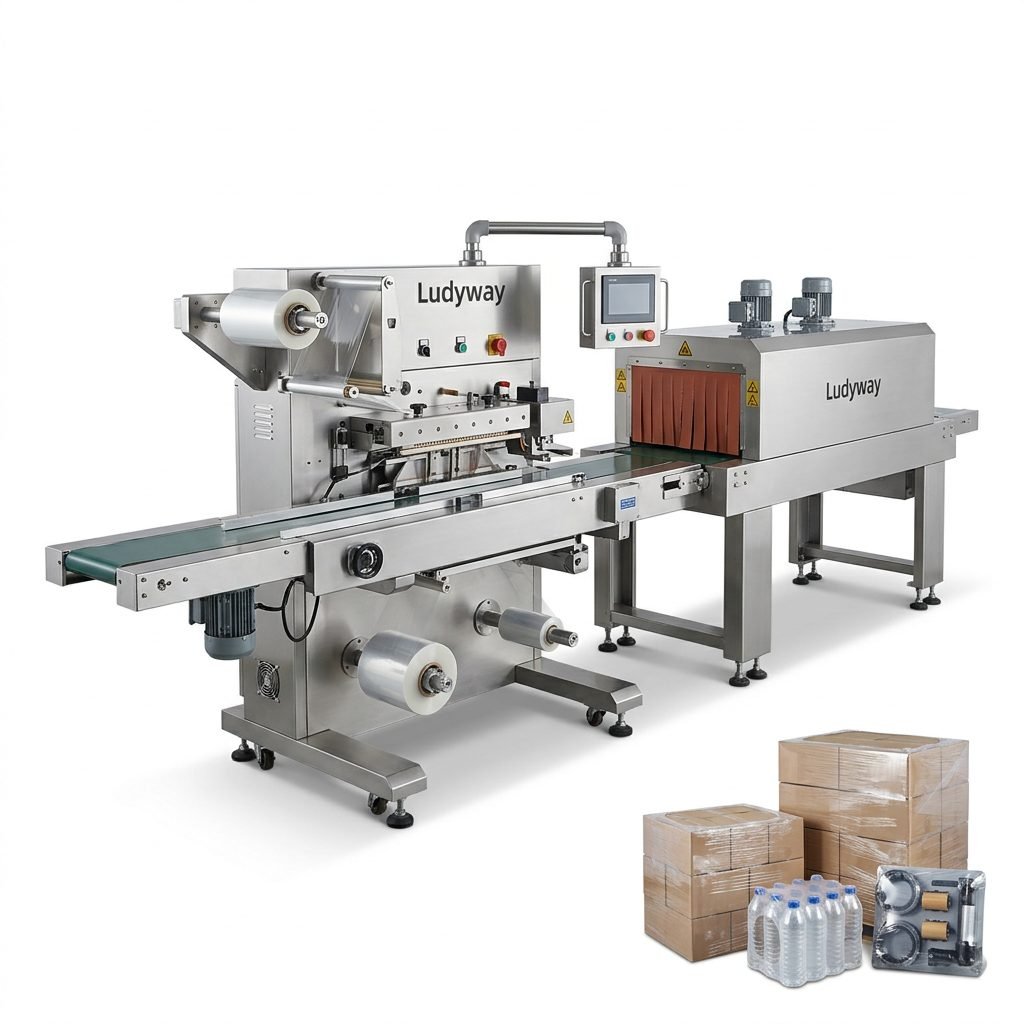
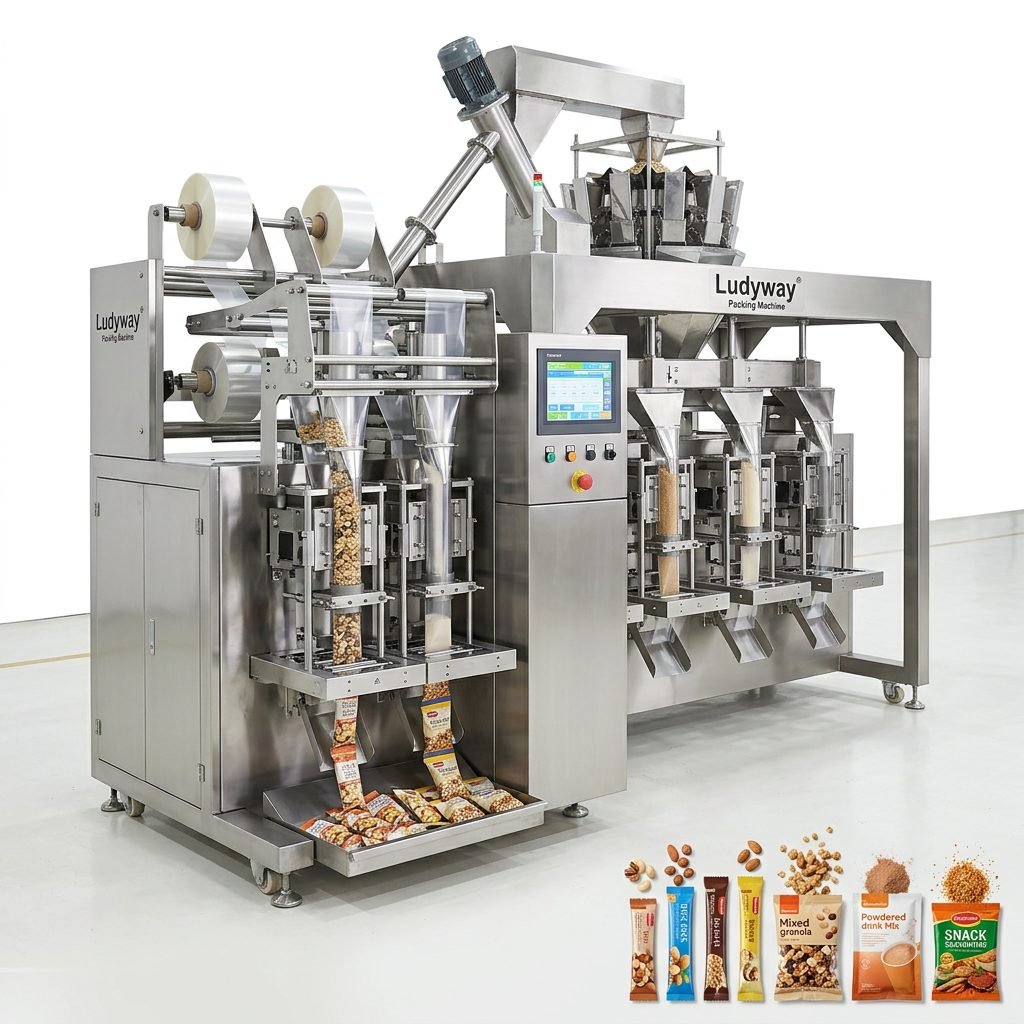
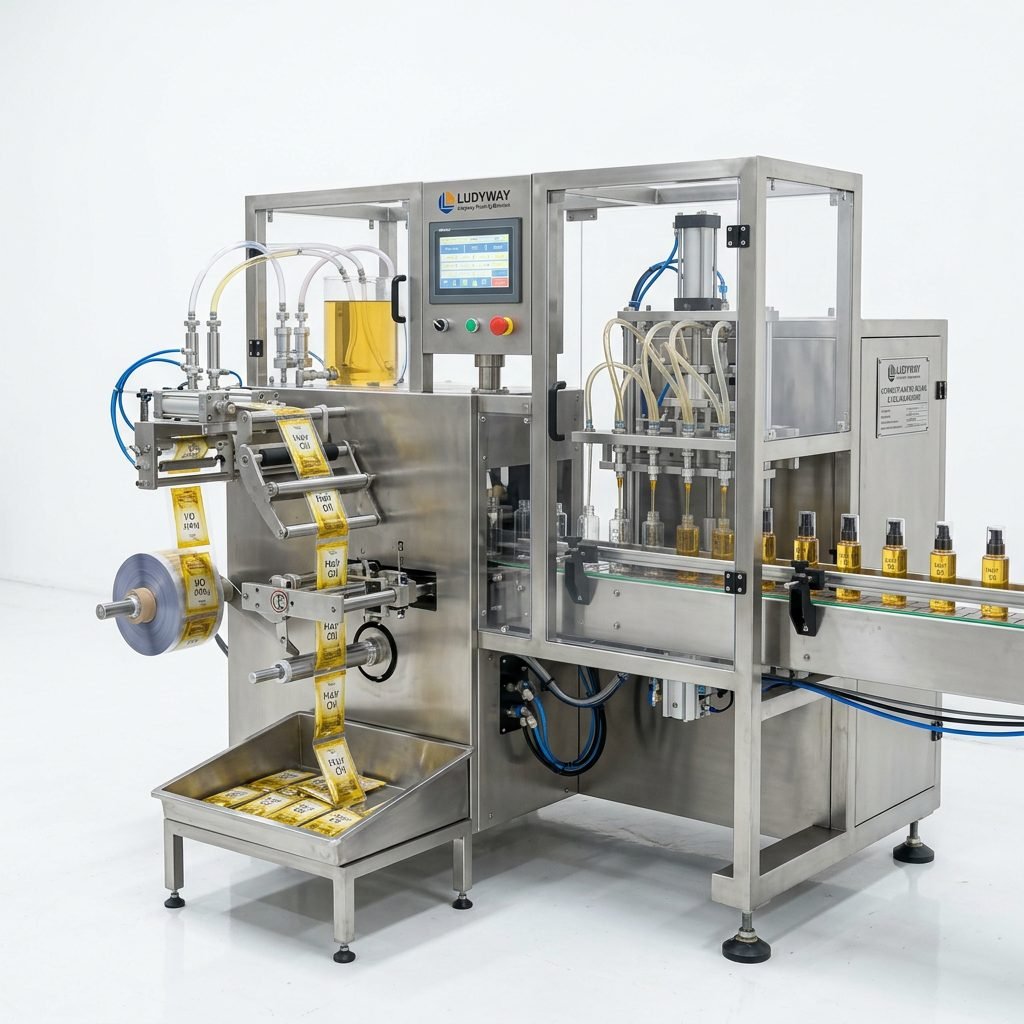
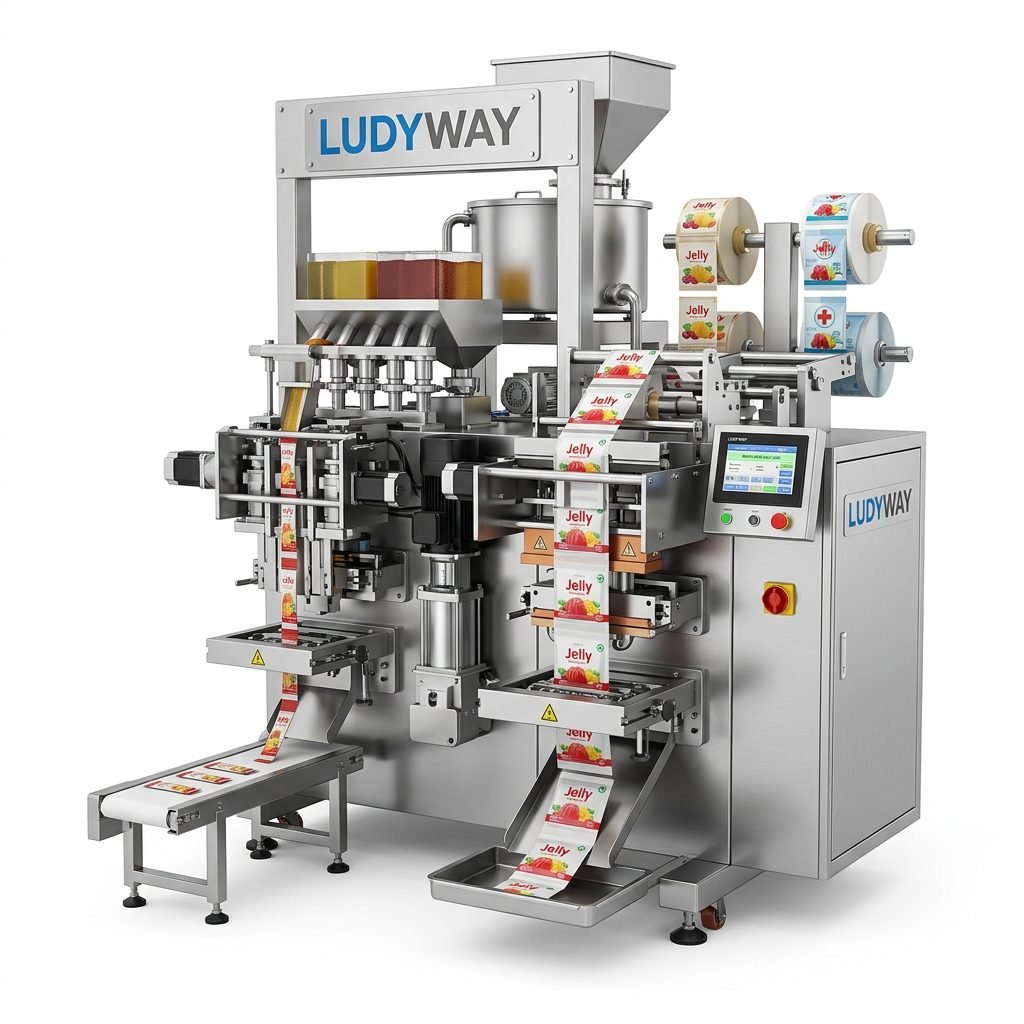
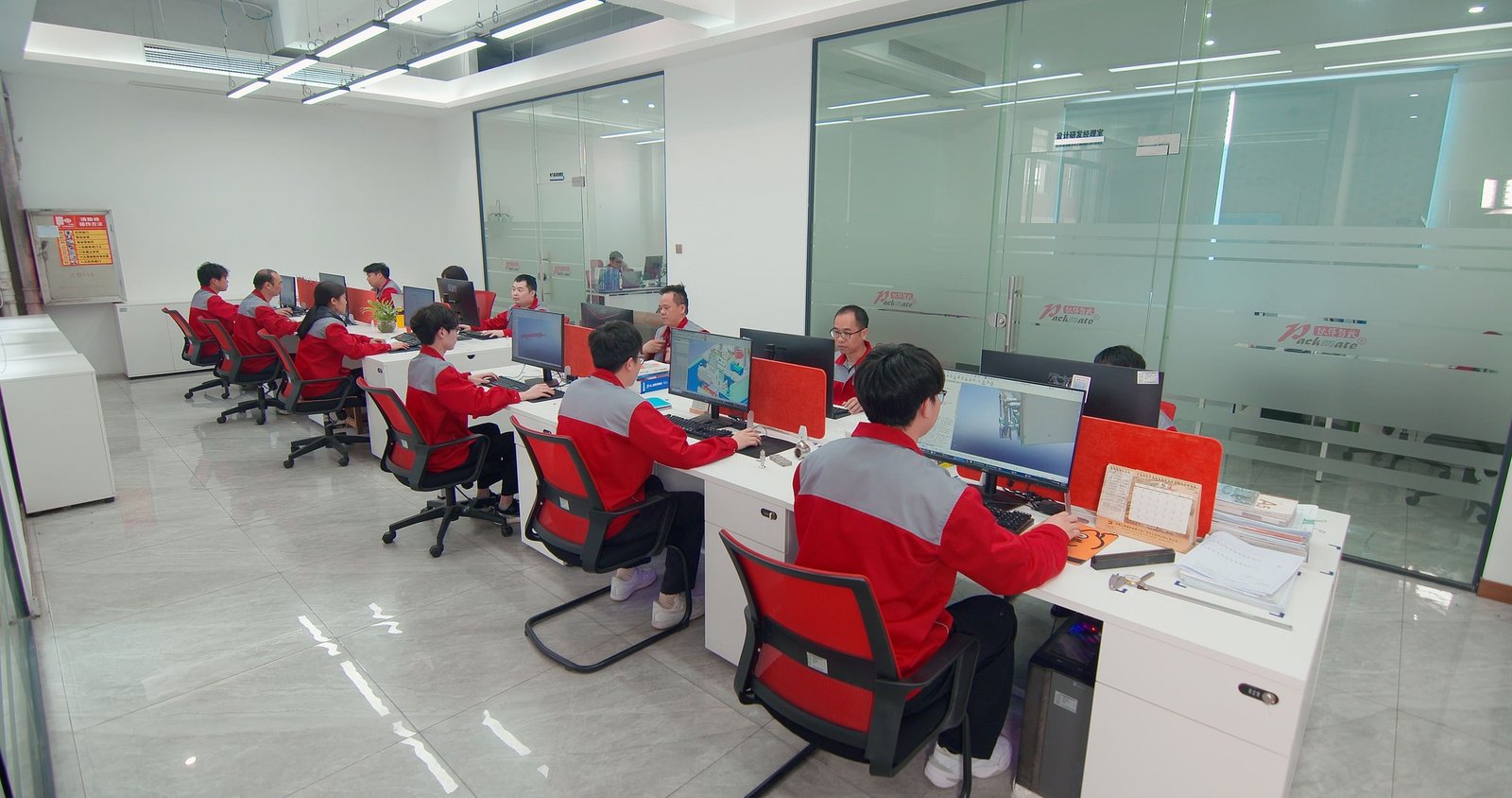
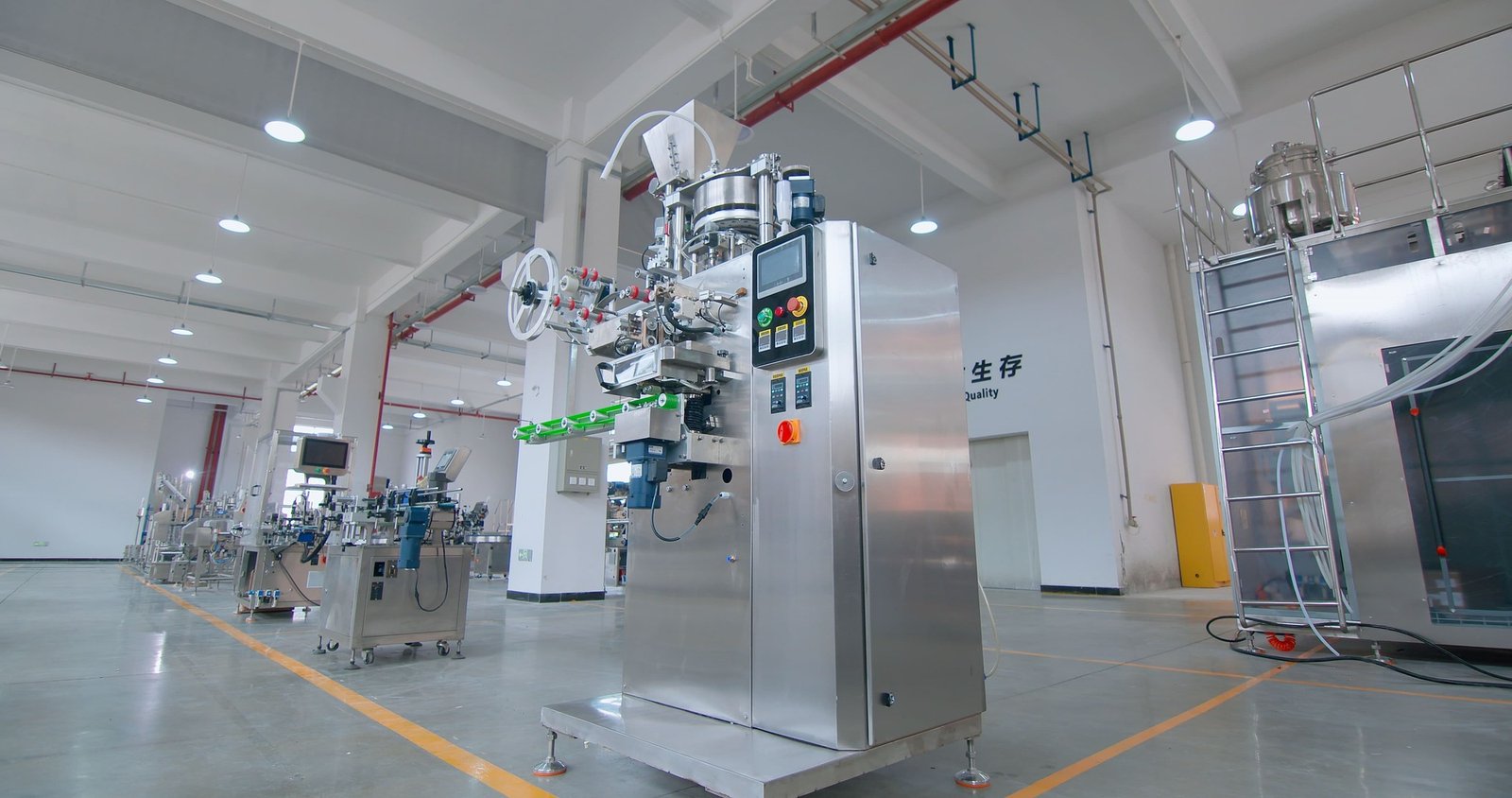
Established manufacturers with decades of industry experience often provide more reliable long-term partnerships. For example, Ludyway Machinery, a China-based packaging machinery manufacturer with over 30 years of experience and a 20,000-square-meter manufacturing facility, offers integrated packaging solutions across more than 100 countries, covering everything from individual machines to complete turnkey production lines with full technical support throughout the project lifecycle.
Cost Considerations and ROI Analysis
While the upfront purchase price is important, a thorough total cost of ownership analysis provides a more accurate picture of long-term value. Factor in these cost elements:
| Cost Category | What to Consider | Impact on ROI |
|---|---|---|
| Initial Equipment Cost | Machine price, custom tooling, shipping, import duties | High upfront impact |
| Installation and Integration | On-site setup, line integration, facility modifications | Moderate one-time cost |
| Operating Costs | Energy consumption, consumables, labor requirements | Ongoing, cumulative |
| Maintenance and Spare Parts | Preventive maintenance, wear parts replacement, unexpected repairs | Predictable but variable |
| Downtime Risk | Lost production capacity during equipment failures | Potentially significant |
Investing in a higher-quality machine with robust support infrastructure often yields lower total ownership costs over a 5-10 year period compared to budget alternatives with limited service networks. The flexible packaging industry continues to grow, and efficient sealing equipment is essential for maintaining competitiveness.
Making the Final Decision
Choosing the right bottle sealing machine requires balancing technical requirements, production goals, budget constraints, and supplier reliability. Start by clearly defining your specifications, then evaluate machines against objective criteria. Request demonstrations, test runs with your actual products and containers, and speak with existing customers about their experiences.
Remember that the lowest purchase price rarely represents the best value. Prioritize sealing quality, operational reliability, changeover flexibility, and the supplier’s ability to support your operation over the long term. With careful evaluation and the right partner, your bottle sealing investment can deliver consistent performance and strong returns for years to come.
For manufacturers seeking to improve packaging efficiency and product integrity, working with an experienced equipment provider who understands both the technical and regulatory landscape is essential. Whether you need a standalone sealing unit or a fully integrated turnkey packaging line, thorough research and clear communication of your requirements will guide you to the best solution for your operation.