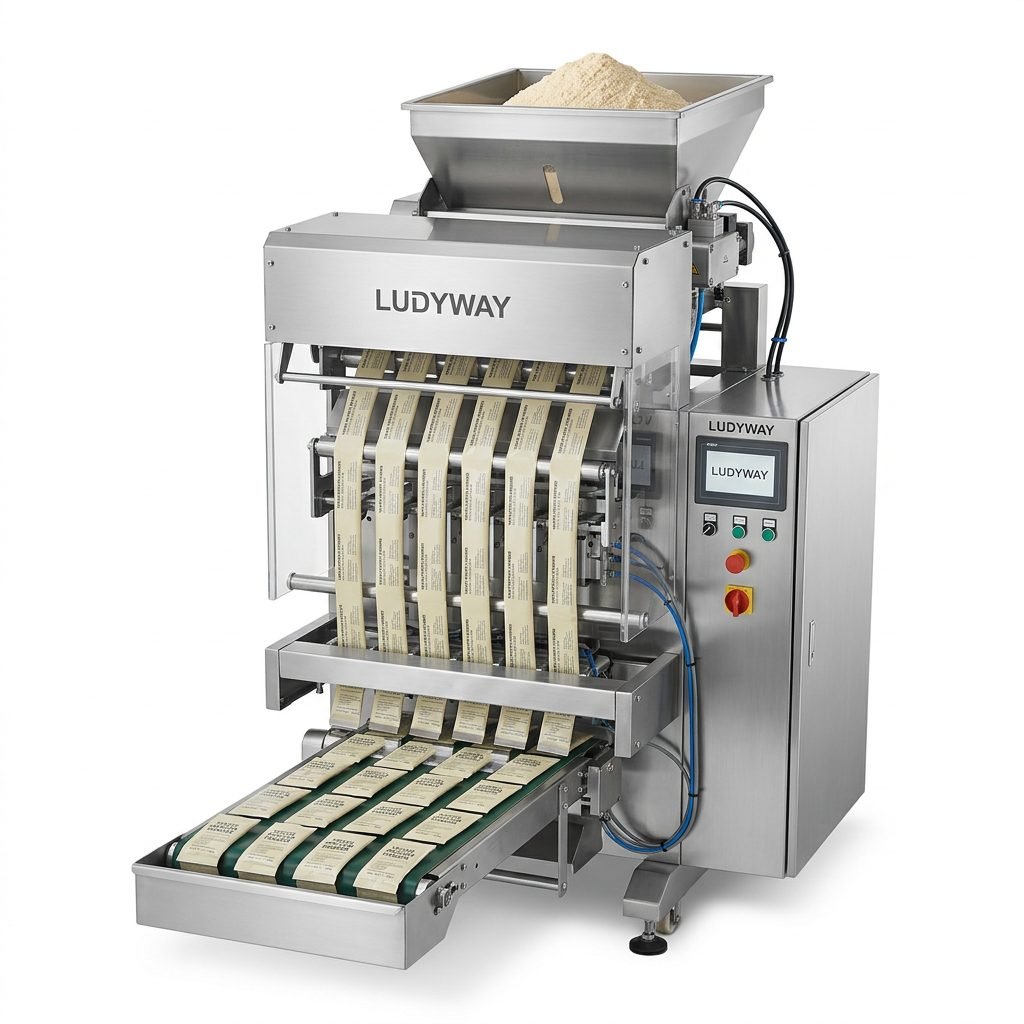
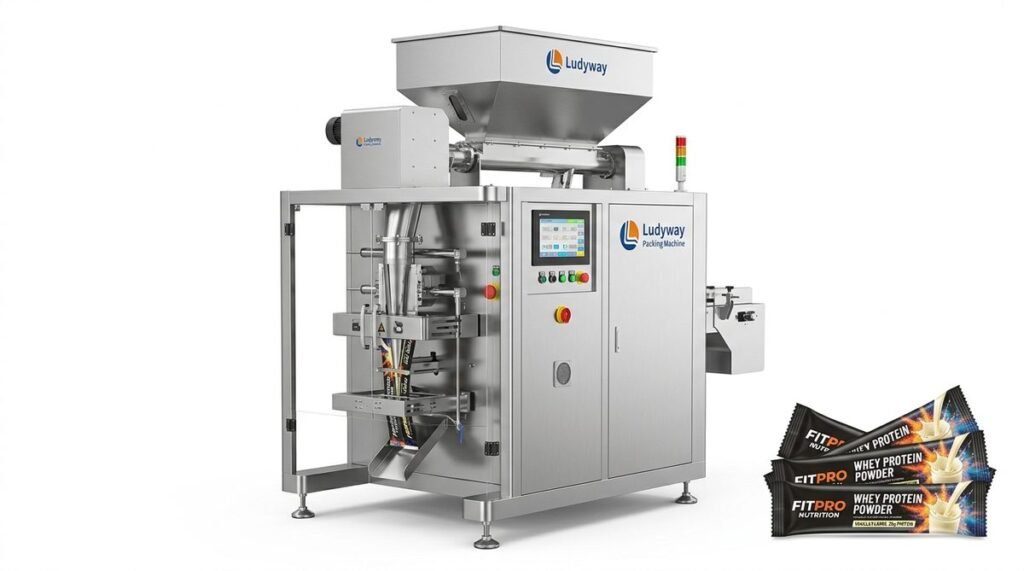
Investing in a small scale packaging machine is a significant decision for any growing business. Whether you are a startup entering the market or an established manufacturer looking to automate a specific product line, the right equipment can dramatically improve efficiency, reduce labor costs, and ensure consistent product quality. However, with the wide variety of machines available today, making the wrong choice can lead to production bottlenecks, excessive maintenance costs, and packaging that fails to meet market expectations.
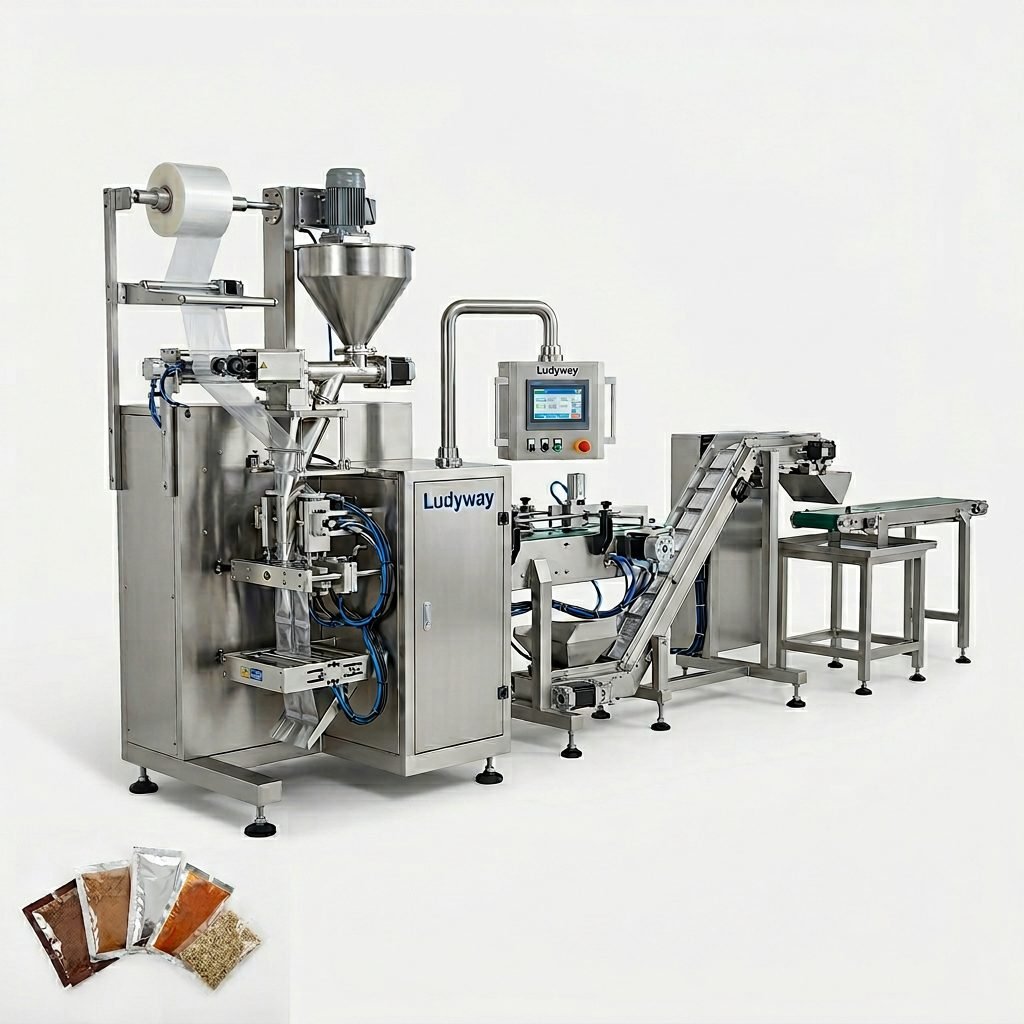
Understanding Your Production Requirements First
Before evaluating specific machine models, you need a clear understanding of your own production needs. Many businesses rush into purchasing equipment without fully assessing their requirements, which often leads to costly adjustments later. Start by asking yourself several fundamental questions:
- What product are you packaging? The physical characteristics of your product — whether it is a free-flowing powder, sticky granule, viscous liquid, or fragile solid — will directly determine the type of dosing and filling system you need.
- What is your target daily or hourly output? A machine that produces 30 packs per minute may be sufficient for a small artisan business, while a growing brand aiming for retail distribution might need 60 to 120 packs per minute or more.
- What packaging format do you require? Stick packs, sachets, flat pouches, stand-up pouches, and bottles each serve different market segments and have different equipment requirements.
- What is your available factory space? Small scale machines are designed to be compact, but you still need to account for feeding systems, conveyors, and operator access around the equipment.
Taking the time to document these requirements will make your discussions with equipment suppliers far more productive and help you avoid machines that are either underpowered or unnecessarily complex for your application.
Types of Small Scale Packaging Machines
The term “small scale” covers a broad range of equipment categories, each suited to different products and packaging styles. Understanding the main types will help you narrow down your options efficiently. The packaging machinery market offers many configurations, but most small scale operations will focus on the following categories:
Vertical Form Fill Seal (VFFS) Machines
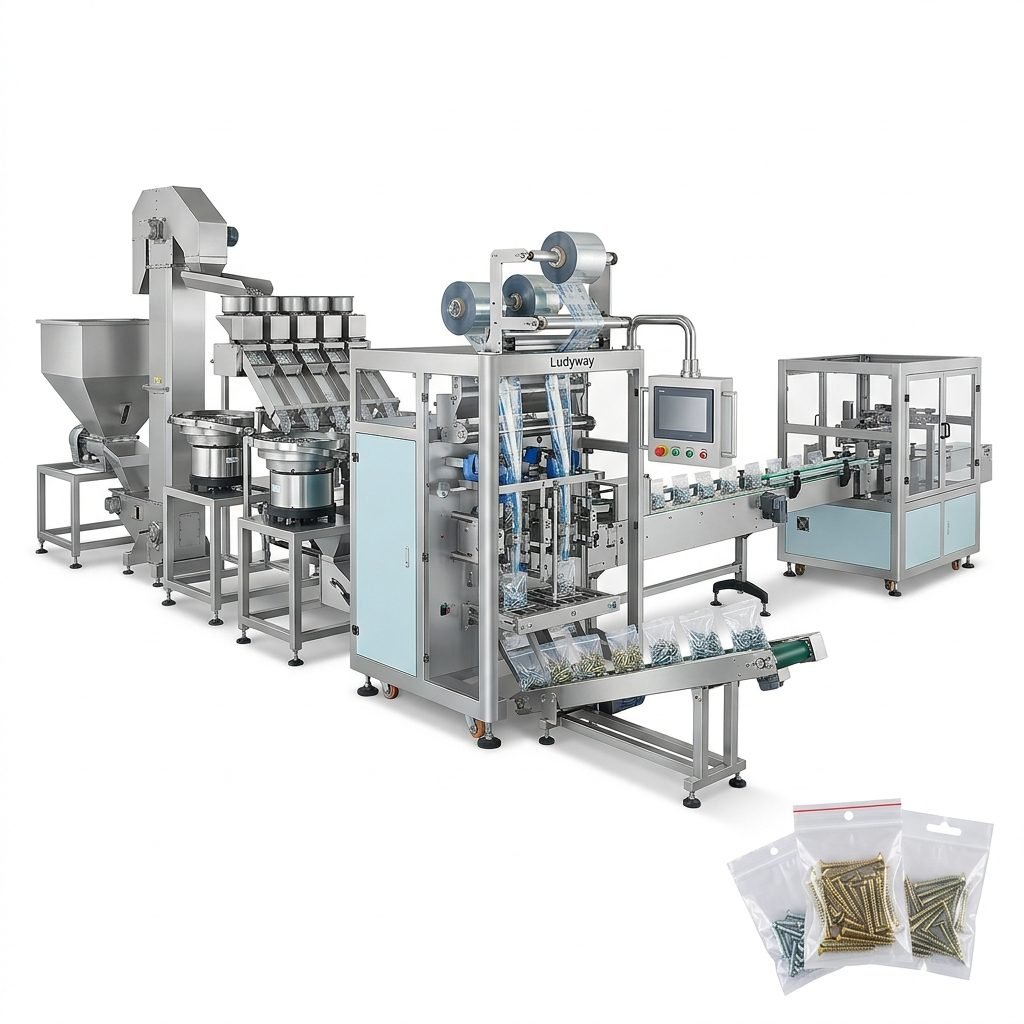
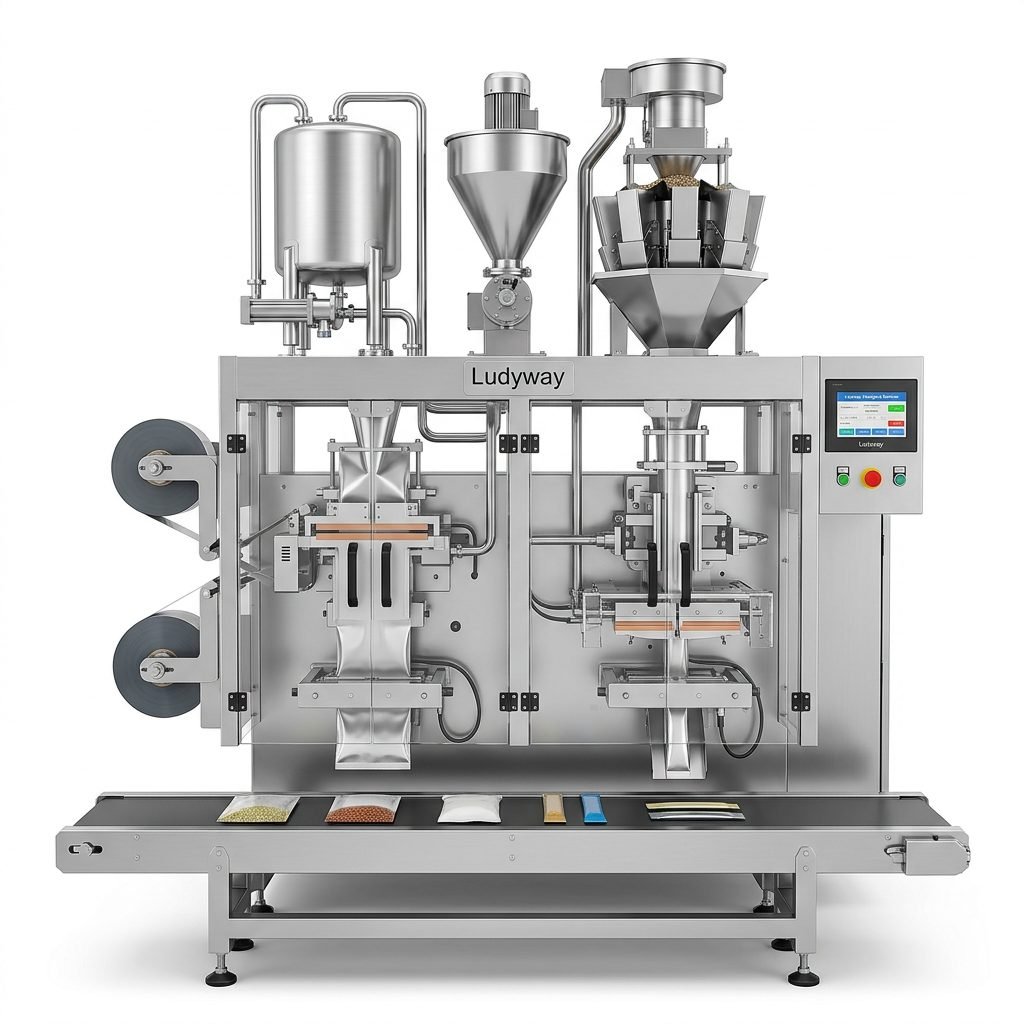
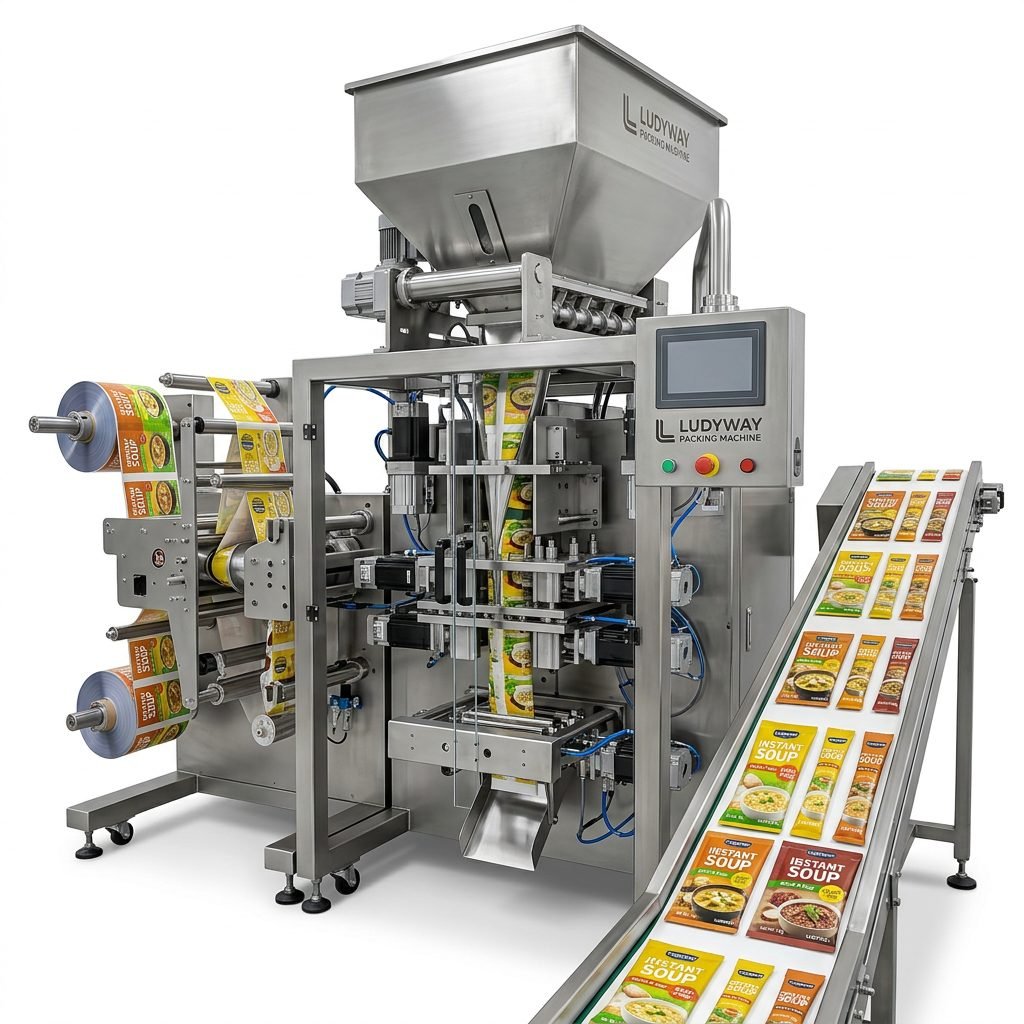
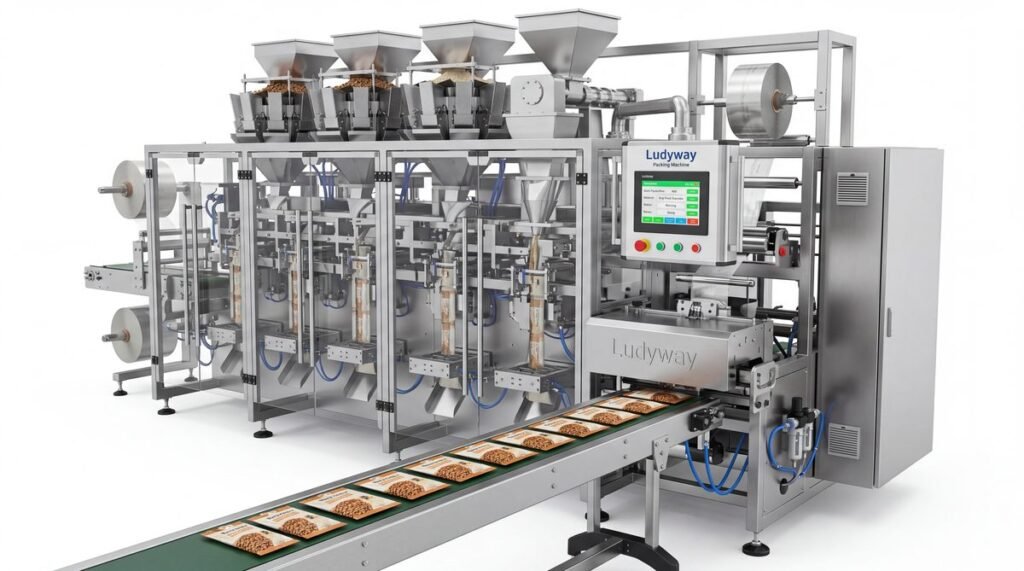
VFFS machines are among the most versatile and widely used packaging systems. They form a bag from a flat roll of film, fill it with product, and seal it — all in a continuous vertical motion. For small scale operations, compact VFFS models offer an excellent balance of affordability and functionality. These machines can handle powders, granules, and some liquid products, producing pillow bags or gusseted pouches at speeds typically ranging from 20 to 80 packs per minute.
Stick Pack Machines
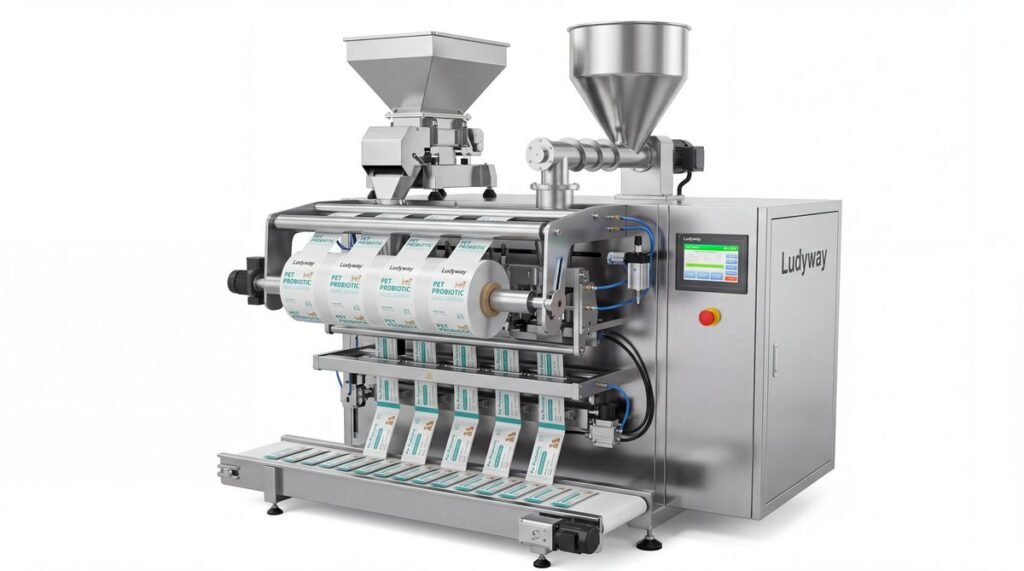
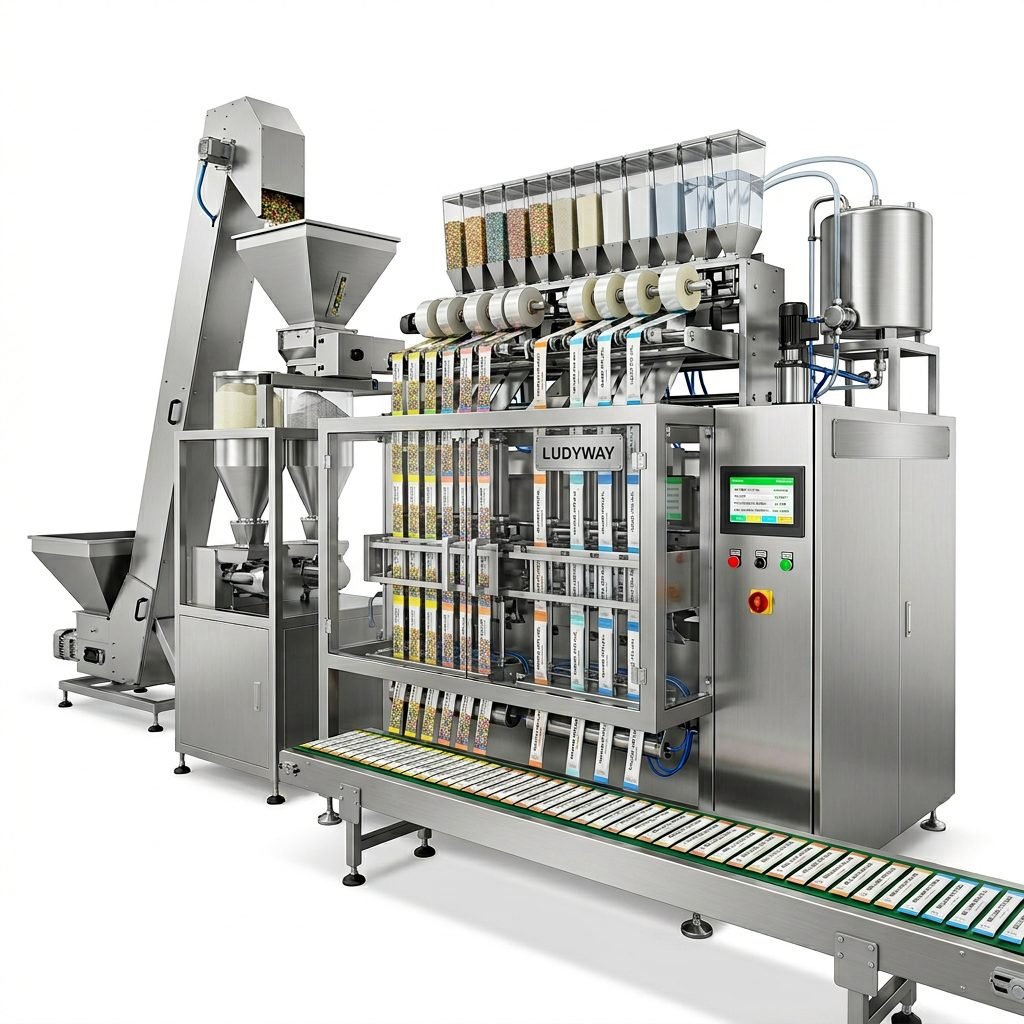
Stick pack packaging has grown rapidly in popularity, particularly in the food, beverage, and pharmaceutical industries. These narrow, elongated sachets are ideal for single-serve products like instant coffee, sugar, protein powders, and liquid concentrates. A multi-lane stick pack machine can produce several sticks simultaneously, multiplying output without requiring significantly more floor space. Even entry-level stick pack machines designed for smaller production volumes can deliver excellent seal integrity and portion accuracy.
Sachet Packaging Machines
Sachet machines produce flat or pillow-shaped packets commonly used for sample products, condiments, cosmetics, and pharmaceutical powders. The format is cost-effective due to minimal material usage, making it attractive for businesses testing new markets. Small scale sachet machines can often be configured for different sachet sizes with relatively quick changeover times, providing flexibility as your product range expands.
Pre-Made Pouch Machines
If your brand relies on stand-up pouches, zipper bags, or shaped pouches for shelf appeal, a pre-made pouch filling and sealing machine may be the right choice. These machines take ready-made pouches, open them, fill them with product, and seal them. Small scale models are available that can handle a variety of pouch sizes and styles, though they typically operate at lower speeds compared to VFFS or stick pack systems.
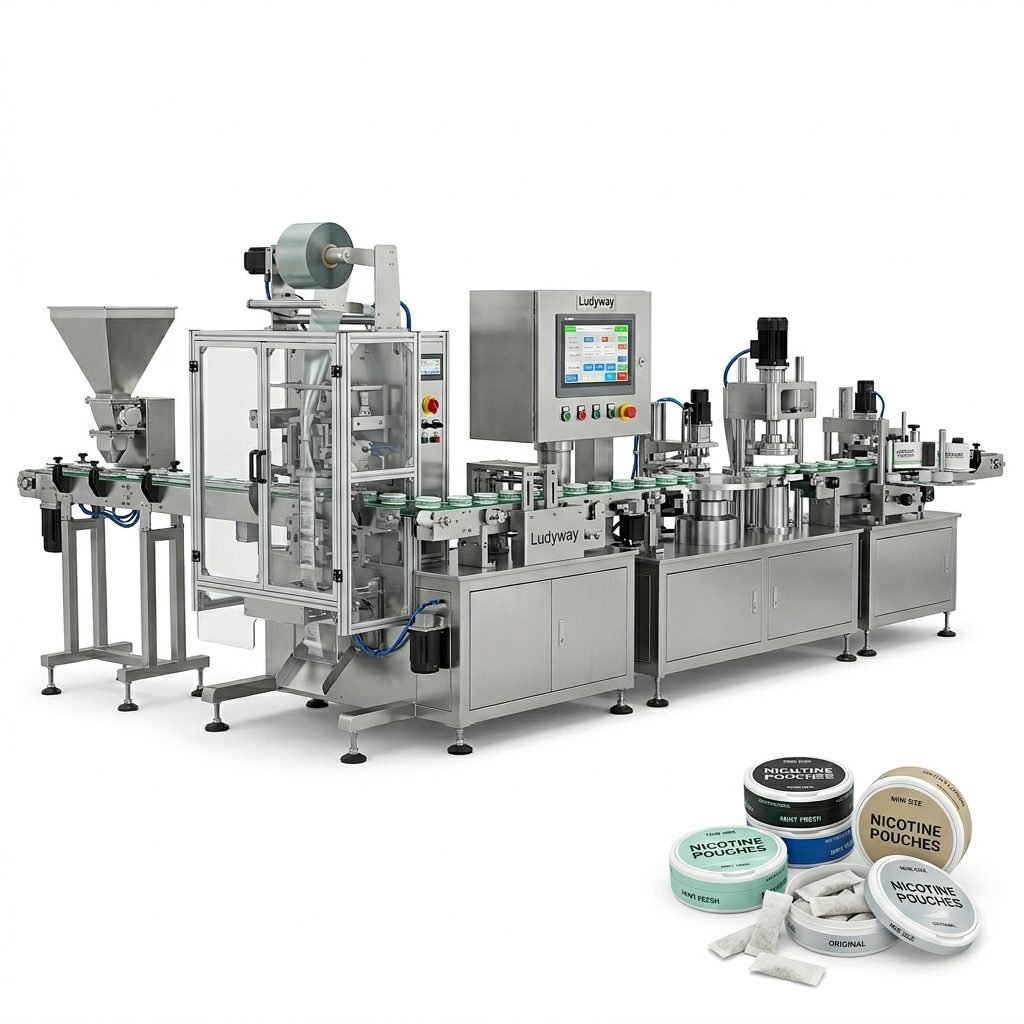
Key Factors to Evaluate When Comparing Machines
Once you have identified the general type of machine suitable for your product, you need to evaluate specific technical and operational factors. Use the following comparison framework to assess different models objectively:
| Evaluation Factor | What to Look For | Why It Matters |
|---|---|---|
| Filling Accuracy | ±1% to ±2% tolerance depending on product type | Prevents product giveaway and ensures regulatory compliance |
| Changeover Time | 15-30 minutes for small machines | Reduces downtime when switching between products or formats |
| Material Compatibility | Supports your chosen film type and thickness range | Affects seal quality, shelf life, and material costs |
| Automation Level | Semi-automatic vs. fully automatic operation | Impacts labor requirements and production consistency |
| Build Quality | Stainless steel contact parts, industrial-grade components | Determines longevity, hygiene, and maintenance frequency |
| Footprint | Compact design with accessible maintenance points | Must fit within your existing facility layout |
Product Characteristics and Filling Technology
The physical nature of your product largely dictates the appropriate filling mechanism. Free-flowing granules like sugar or salt work well with volumetric cup fillers, while non-free-flowing powders such as cocoa or flour may require auger fillers for accurate dosing. Sticky or cohesive products benefit from positive-displacement piston fillers. Matching the filling technology to your product ensures consistent portion control and minimizes waste. For more information on packaging material compatibility with different product types, the flexible packaging industry provides valuable technical resources.
Production Speed and Scalability
While you are currently in the market for a small scale machine, it is wise to consider your growth trajectory. A machine operating at 70% of its maximum speed has room to accommodate increased demand, whereas one running at full capacity from day one leaves no flexibility. Additionally, some manufacturers design their small machines with modularity in mind, allowing you to add lanes or integrate with upstream and downstream equipment as your business scales.
Budget Considerations Beyond the Purchase Price
The initial purchase price of a small scale packaging machine is only one component of the total cost of ownership. A comprehensive budget should account for several additional factors:
- Installation and commissioning: Some suppliers include this in the machine price, while others charge separately for on-site setup and operator training.
- Consumables and spare parts: Sealing elements, cutting blades, filters, and other wear parts need periodic replacement. Understand the cost and availability of these items before committing.
- Packaging material costs: Different machines have different film waste rates and material utilization efficiency. A slightly more expensive machine with better material efficiency can pay for itself over time.
- Energy consumption: While small machines are generally energy-efficient, pneumatic systems and heating elements can add to operational costs.
- Maintenance and technical support: Access to responsive after-sales service, remote diagnostics, and readily available spare parts can prevent costly production downtime.
Choosing the Right Packaging Machine Supplier
The supplier you choose is as important as the machine itself. A reliable packaging machinery partner provides more than just equipment — they offer engineering expertise, application guidance, and ongoing technical support. When evaluating potential suppliers, consider their industry experience, manufacturing capabilities, and commitment to packaging machinery standards. Look for a company with a proven track record, a well-established manufacturing facility, and a global service network that can support your operations as you grow.
For example, Ludyway Machinery, a China-based packaging machinery manufacturer with over 30 years of experience and a 20,000-square-meter manufacturing facility, provides customized small scale packaging solutions across multiple industries including food, pharmaceuticals, cosmetics, and chemicals. Their approach of engineering machines according to specific product and production requirements — rather than offering only standardized models — is particularly valuable for businesses with unique packaging needs.
Common Mistakes to Avoid
Even experienced business owners can make costly errors when selecting packaging equipment. Being aware of these common pitfalls can save you time, money, and frustration:
- Buying solely on price: The cheapest machine often becomes the most expensive when you factor in downtime, repairs, and inconsistent packaging quality. Evaluate total value, not just the upfront cost.
- Ignoring material compatibility: Always test your actual packaging film with the machine before purchasing. What works in a demonstration with standard materials may not perform the same with your specific laminate structure or film thickness.
- Underestimating training needs: Even a relatively simple machine requires proper operator training. Ensure the supplier provides comprehensive instructions and, ideally, on-site training during commissioning.
- Overlooking regulatory requirements: If you are packaging food, pharmaceuticals, or medical devices, your equipment must meet specific hygiene and safety standards. Verify certifications and compliance documentation before finalizing your purchase.
- Failing to plan for growth: A machine that perfectly fits your current production volume may become a bottleneck within 12-18 months if your business grows. Consider whether the machine can be upgraded, reconfigured, or supplemented with additional units.
Testing and Validation Before Finalizing Your Decision
Before signing a purchase agreement, arrange to test the machine with your actual product and packaging material whenever possible. Many reputable manufacturers offer factory acceptance testing (FAT) where you can observe the machine running under conditions similar to your production environment. This step is invaluable for verifying:
- Filling accuracy with your specific product
- Seal integrity and packaging appearance
- Actual production speed under continuous operation
- Ease of changeover and cleaning procedures
If an in-person visit is not feasible, request video demonstrations and detailed performance data from the supplier. The latest packaging industry reports can also provide benchmarks and insights to inform your decision-making process.
Making the Final Decision
After evaluating your product requirements, comparing machine types, assessing total costs, and testing equipment, you should have a clear picture of which small scale packaging machine best fits your business. The right choice balances performance, reliability, and cost-effectiveness while providing the flexibility to adapt as your production needs evolve. Take the time to conduct thorough due diligence, consult with multiple suppliers, and prioritize long-term value over short-term savings. A well-chosen packaging machine will serve as a foundation for consistent product quality and scalable growth for years to come.