Choosing the right powder sachet filling machine is not only about packing speed. It directly affects product accuracy, seal quality, hygiene standards, labor cost, and long-term production stability. Whether you pack coffee powder, protein powder, spices, pharmaceutical powders, or nutraceutical formulas, the right machine should match your product characteristics, output goals, and future expansion plans.
For manufacturers, brand owners, and contract packers, a poor machine choice often leads to powder leakage, inconsistent fill weights, wasted film, frequent downtime, and difficult maintenance. A well-matched solution helps create a cleaner process, more reliable packaging, and better return on investment.
Why Powder Sachet Packaging Requires the Right Machine Configuration
Powder products are more challenging to pack than many people expect. Different powders flow in different ways. Some are free-flowing, while others are dusty, sticky, fluffy, hygroscopic, or easy to bridge inside the hopper. This means the filling system must be selected based on the real product behavior, not just the bag size.
- Fine powders may create dust and affect sealing performance.
- Light powders may need controlled feeding to maintain accuracy.
- Non-free-flowing powders may require screw auger filling.
- Sensitive formulas may need enclosed, hygienic contact parts.
- High-value products need stable dosing to reduce giveaway.
If the machine and powder are not well matched, even a fast system will struggle to maintain consistent results.
Key Questions to Ask Before Buying
Before comparing suppliers or machine models, define your project clearly. These basic questions will make selection much easier:
- What type of powder are you filling?
- What sachet format do you need: 3-side seal, 4-side seal, back seal, or stick pack?
- What is the target fill weight range?
- What output do you need per minute or per day?
- Do you need single-lane or multi-lane packaging?
- What level of dosing accuracy is acceptable?
- Are there hygiene, GMP, or pharmaceutical compliance requirements?
- Will the machine need to connect with upstream and downstream equipment?
Main Types of Powder Sachet Filling Machines
Not all powder packaging machines are designed for the same production environment. In most cases, buyers choose between single-lane and multi-lane systems, with auger-based dosing being the most common method for powders.
| Machine Type | Best For | Advantages | Considerations |
|---|---|---|---|
| Single-lane sachet machine | Small to medium output | Simple operation, flexible changeover, lower investment | Lower speed than multi-lane systems |
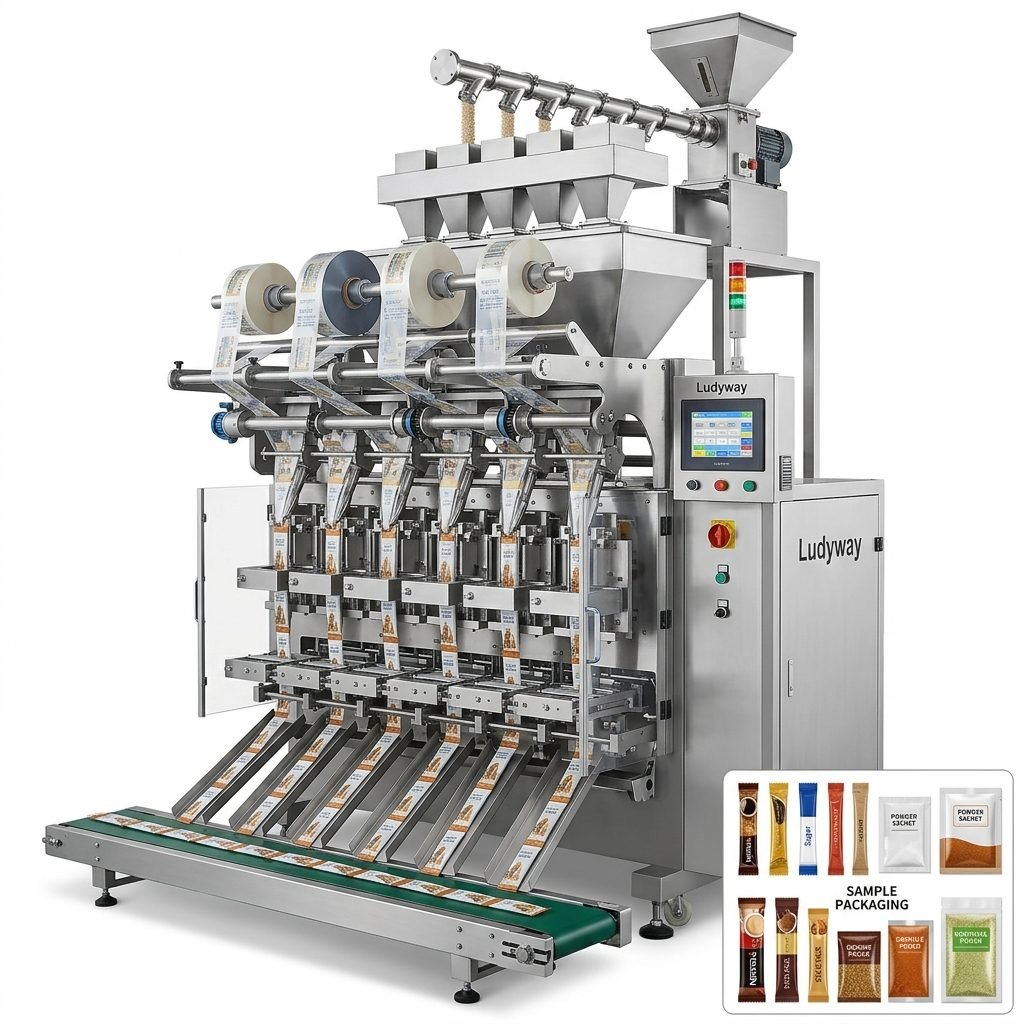
| Multi-lane sachet machine | High-volume production | High efficiency, more sachets per minute, lower labor per unit | Higher initial cost, more detailed setup |
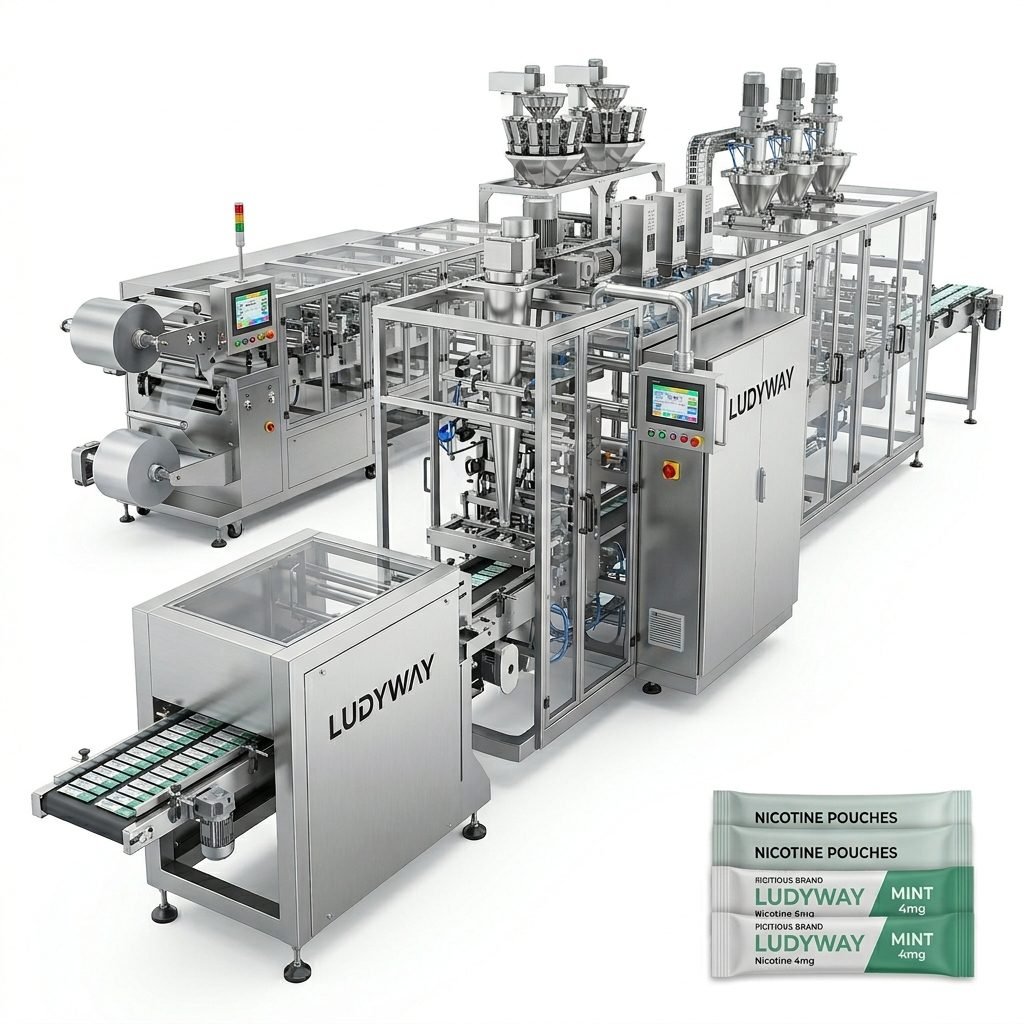
| Stick pack powder machine | Single-dose drink mixes, supplements, coffee | Slim format, premium appearance, retail-friendly | Requires precise film and sealing alignment |
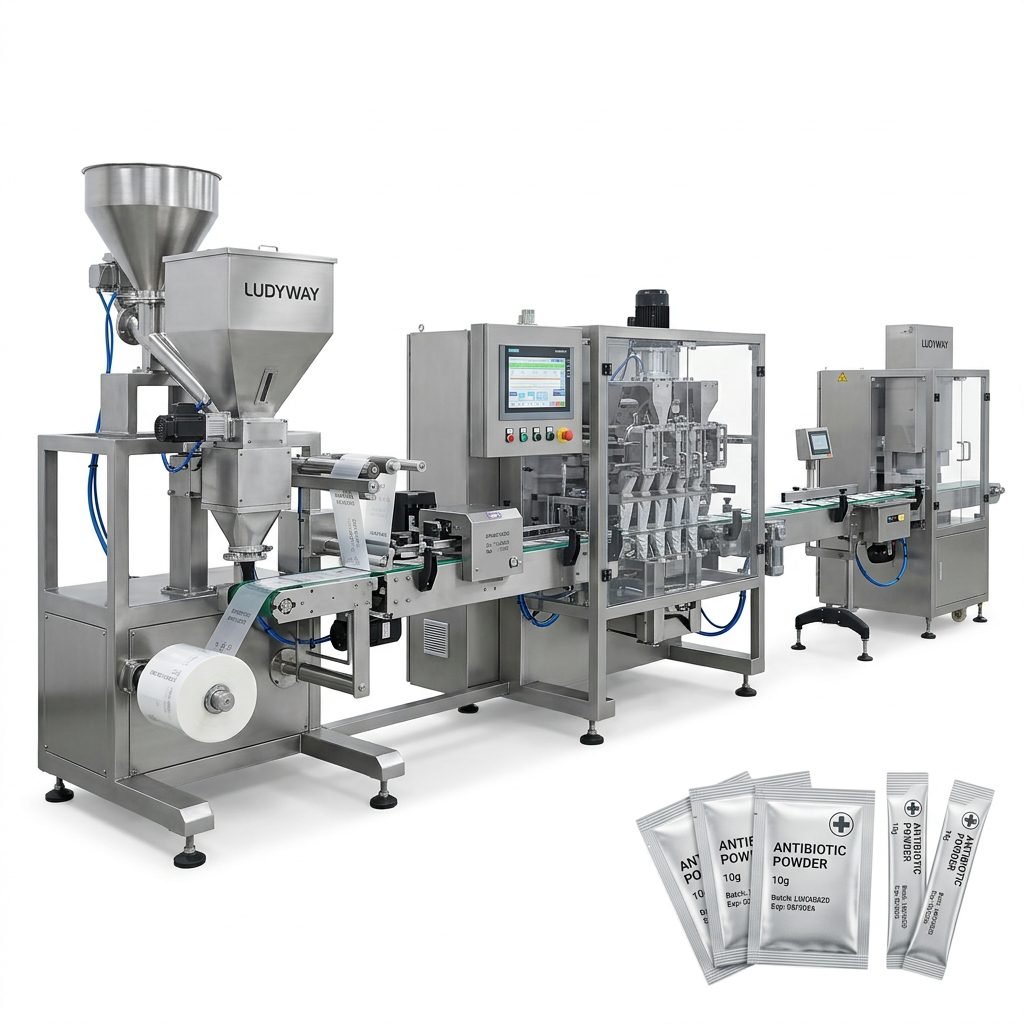
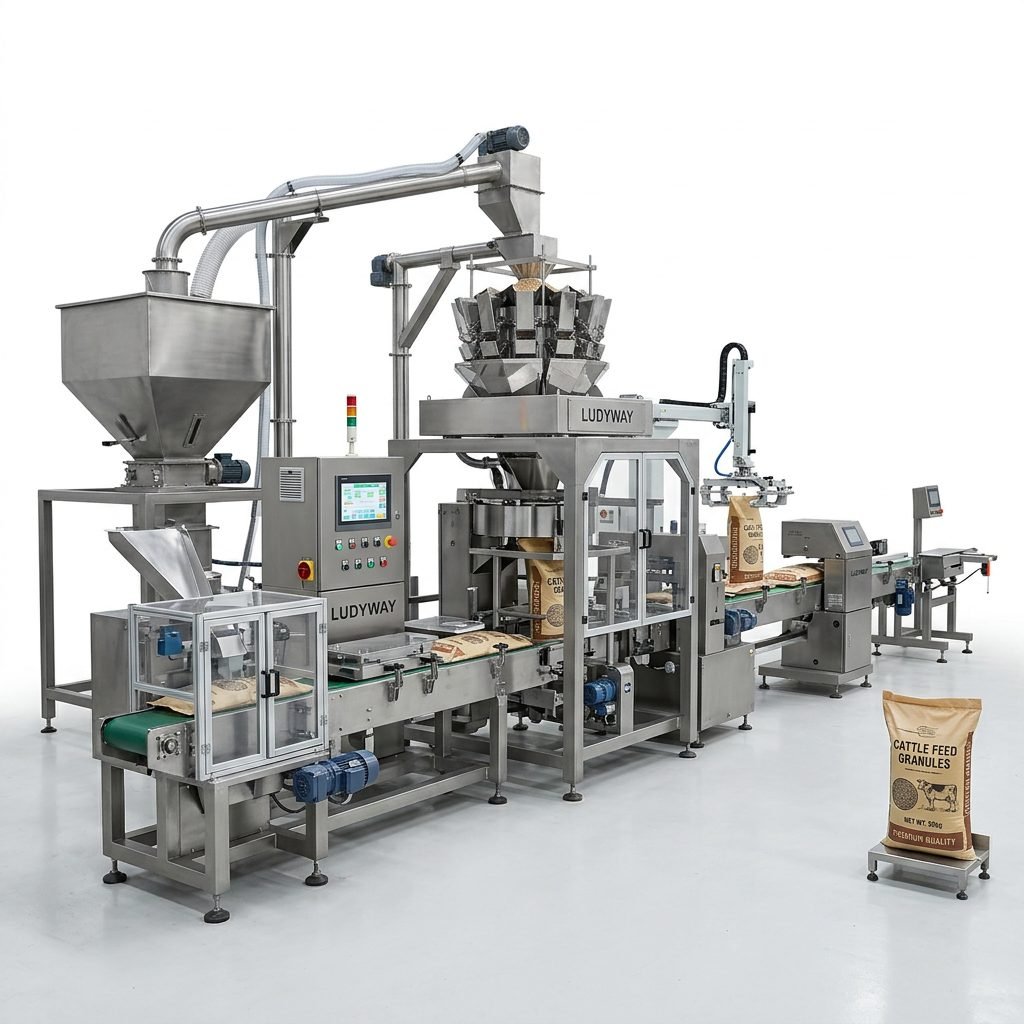
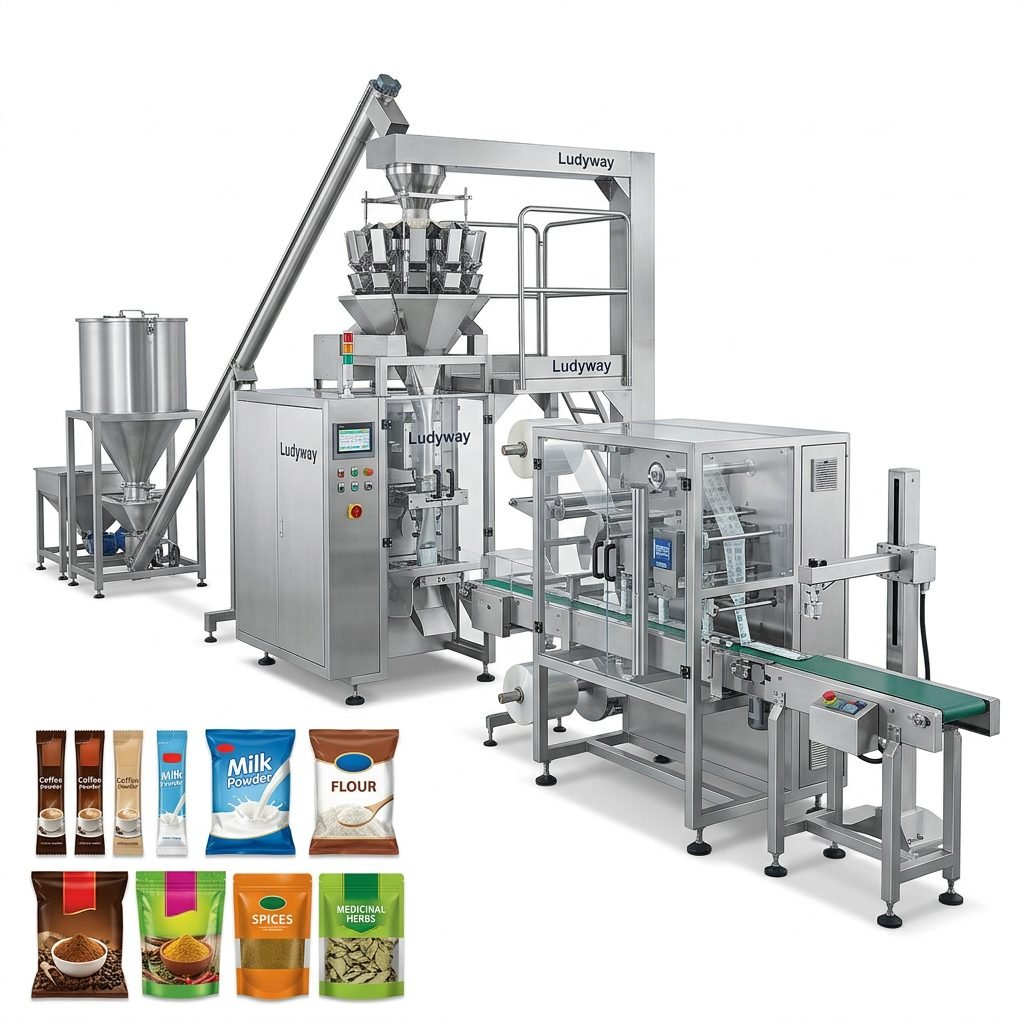
| Turnkey powder packaging line | Integrated automated production | Feeding, filling, sealing, coding, cartoning in one solution | Needs full-line planning and layout coordination |
How Powder Characteristics Affect Machine Selection
The nature of your powder should guide every technical decision. A machine that works well for instant coffee may not perform the same way for collagen, flour, or pharmaceutical blend powder.
1. Flowability
Free-flowing powders are easier to dose, while poor-flow powders often need auger filling, agitation, or specialized feeding devices.
2. Dust Level
Dusty powders can contaminate sealing areas and reduce package appearance. In these cases, dust extraction, enclosed hoppers, and clean filling control become important.
3. Bulk Density
Light powders can occupy more volume at low weights, which influences sachet dimensions, film choice, and fill stability.
4. Moisture Sensitivity
If the powder is hygroscopic, the machine should minimize exposure to ambient air and support stronger sealing integrity.
5. Product Value
For premium products such as nutraceuticals or pharmaceutical powders, high fill accuracy and validation-friendly design become especially important.
Important Technical Features to Compare
When reviewing machine specifications, do not focus only on speed. A good powder sachet filling machine should deliver balanced performance in dosing, sealing, cleaning, and reliability.
- Filling system: auger filler, volumetric dosing, or custom powder dosing solution
- Packaging speed: actual stable speed, not only maximum test speed
- Accuracy: consistency across long production runs
- Seal quality: suitable for your film structure and powder behavior
- Film compatibility: laminated film, recyclable structures, foil-based film, etc.
- Changeover convenience: easier switching between sachet sizes or formulas
- Cleaning access: fast disassembly for sanitation and maintenance
- Control system: PLC, touchscreen, recipe storage, fault alarms
- Integration: coding, checkweighing, metal detection, cartoning, case packing
Single-Lane vs. Multi-Lane: Which One Is Better?
The answer depends on your output, labor model, and SKU strategy.
| Factor | Single-Lane | Multi-Lane |
|---|---|---|
| Investment | Lower | Higher |
| Output | Moderate | High |
| SKU Flexibility | Very good | Good, but more setup-dependent |
| Footprint | Smaller | Larger |
| Best Use Case | New product lines, small and medium brands | Established brands, contract packing, large-scale factories |
If you expect rapid growth or already serve large retail or distribution channels, a multi-lane solution can significantly improve efficiency. If you run many short batches, single-lane equipment may be more flexible.
Packaging Format Matters More Than Many Buyers Realize
The packaging format influences machine structure, film handling, product discharge, and final market appeal.
Popular powder sachet formats include:
- 3-side seal sachets
- 4-side seal sachets
- Back-seal sachets
- Stick packs
- Special small-dose pharmaceutical or supplement pouches
For consumer-facing products such as drink powders, collagen, meal replacement, and functional nutrition, stick packs often offer a modern retail look. For more general powder applications, sachets remain cost-effective and versatile.
Industries That Commonly Use Powder Sachet Filling Machines
Powder sachet packaging is used across many industries because it offers convenient portion control, easy transport, and good branding potential.
- Food: coffee, sugar, milk powder, seasoning, soup mix, flour blends
- Health supplements: collagen, protein powder, probiotics, electrolyte mixes
- Pharmaceuticals: oral powders, medical granules, OTC formulas
- Cosmetics: mask powders, beauty nutrition powders, specialty care formulas
- Chemicals: detergents, industrial additives, treatment powders
What to Look for in Hygiene and Compliance
If you work in food, pharmaceutical, or nutraceutical markets, hygienic design should be a priority. It affects both regulatory readiness and product safety.
- Stainless steel product-contact parts
- Easy-to-clean hopper and auger structure
- Dust control and reduced powder exposure
- Stable sealing to prevent contamination
- Traceability support through coding and inspection systems
For highly regulated industries, buyers should also confirm documentation, validation support, electrical standards, and material compliance before purchase.
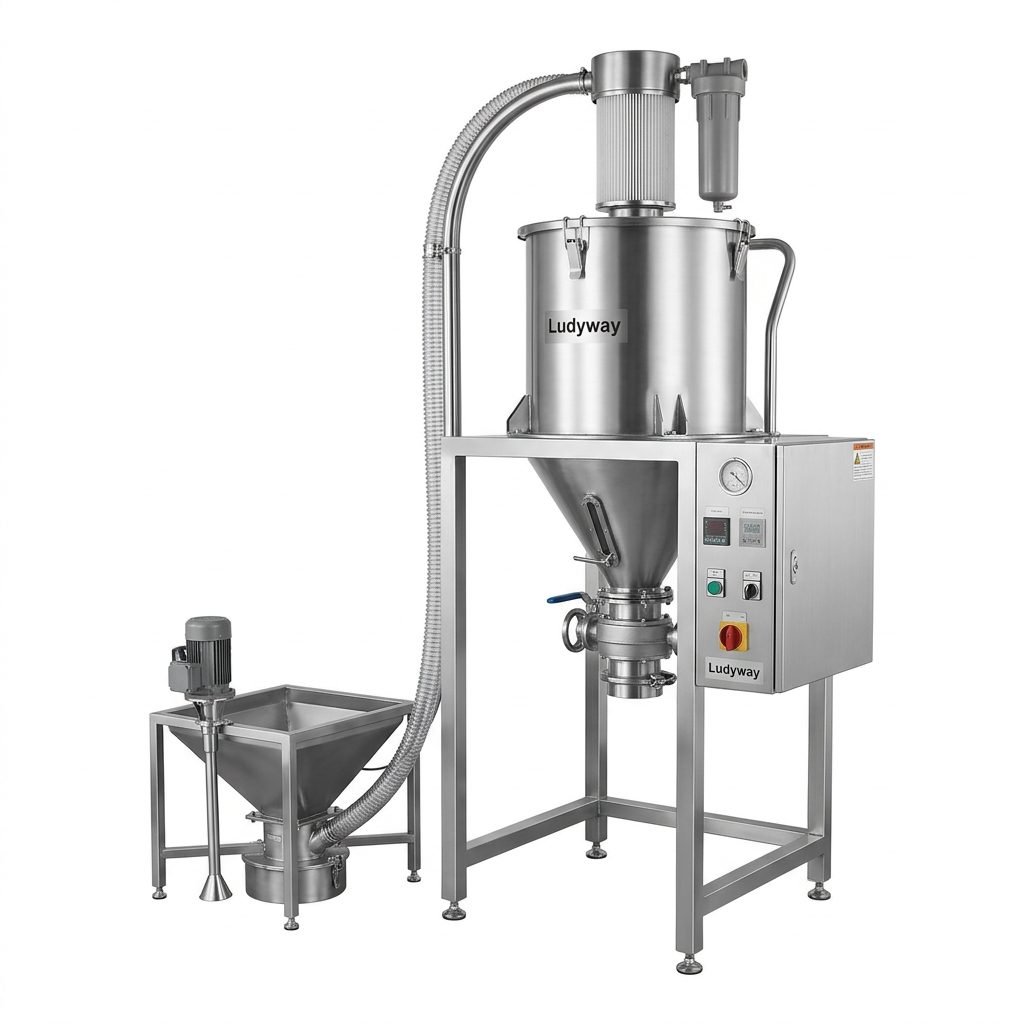
Do You Need a Standalone Machine or a Complete Packaging Line?
Some buyers only need a sachet filling and sealing machine. Others need a full packaging line including feeding, coding, inspection, cartoning, case packing, and palletizing. Your decision should depend on production scale and automation goals.
A standalone machine is suitable if:
- You are launching a new product with controlled volume.
- You already have auxiliary equipment in place.
- You want a lower initial investment.
A turnkey line is suitable if:
- You need higher automation and lower labor dependence.
- You want better line synchronization.
- You need consistent output from feeding to final packing.
- You are planning long-term scaling.
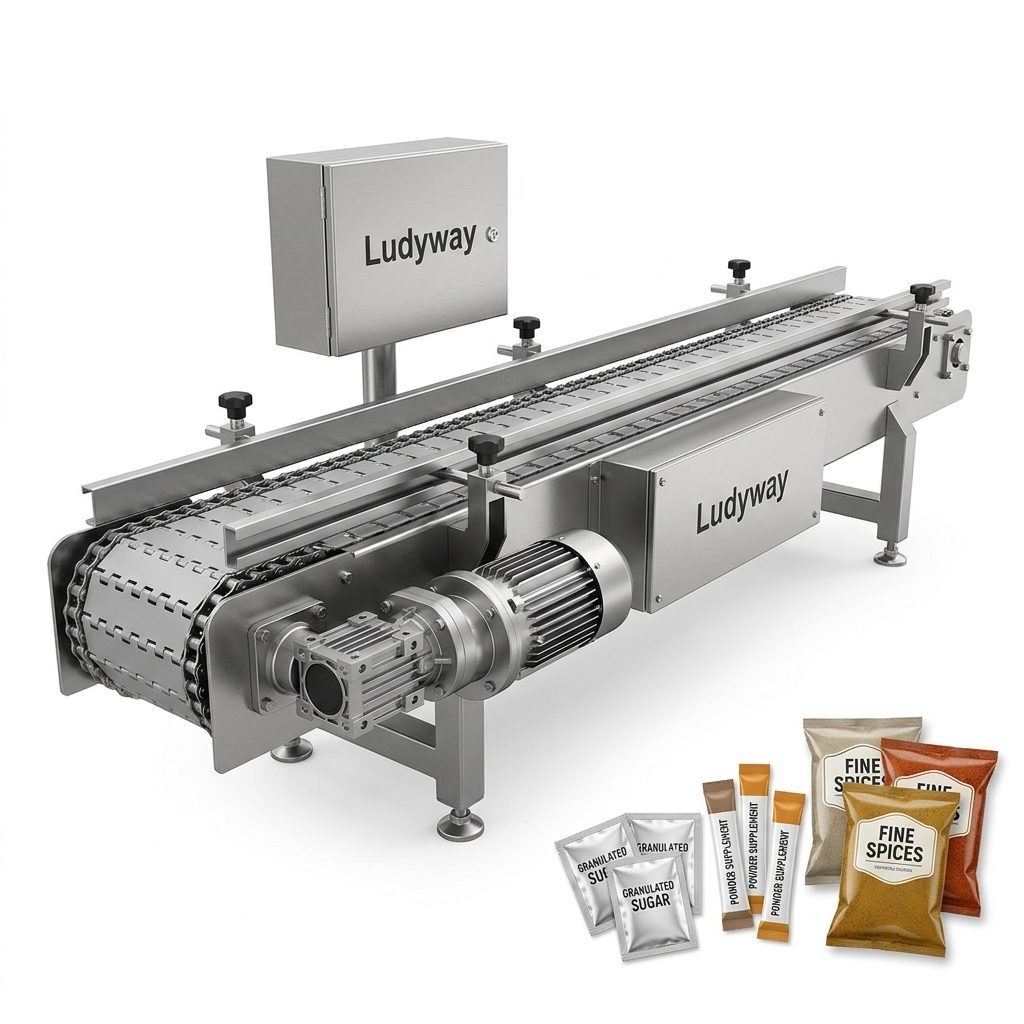
For buyers seeking broader automation support, Ludyway powder sachet filling machine solutions can be considered as part of a wider packaging machine or turnkey line strategy for food, pharmaceutical, health supplement, and related industries.
How to Evaluate Machine Performance Beyond the Quotation
Price is important, but the lowest quotation does not always produce the lowest total cost. Real machine value comes from long-term operating performance.
Check these points carefully:
- Can the supplier test your actual powder product?
- Are the fill accuracy and speed results documented?
- Is after-sales support available for your market?
- Are spare parts standardized and easy to source?
- How difficult is cleaning and preventive maintenance?
- Can the machine be upgraded later for new sachet sizes or additional lanes?
Common Mistakes Buyers Should Avoid
Many packaging projects run into trouble because key details were overlooked during selection.
- Choosing based only on maximum speed claims
- Ignoring powder flowability and dust behavior
- Underestimating future capacity needs
- Not confirming seal performance with actual packaging film
- Overlooking operator training and maintenance access
- Buying a machine that cannot integrate with the rest of the line
A Simple Buying Checklist
| Checklist Item | Why It Matters |
|---|---|
| Powder sample testing | Confirms real filling behavior and seal performance |
| Target output confirmation | Prevents undersized or oversized investment |
| Accuracy requirement | Reduces product giveaway and compliance risk |
| Packaging format validation | Ensures the machine matches your market presentation |
| Cleaning and maintenance review | Improves uptime and sanitation |
| After-sales service plan | Supports long-term reliability |
Final Selection Advice for Growing Brands and Factories
The best powder sachet filling machine is the one that fits your product, your packaging format, your throughput target, and your long-term production strategy. A good machine should not only run today’s product well, but also support tomorrow’s growth.
If your business depends on consistent sachet quality, stable output, and scalable automation, it is worth investing time in testing, supplier evaluation, and full-line planning. That approach will help you choose a packaging solution that performs reliably in real production, not just on paper.