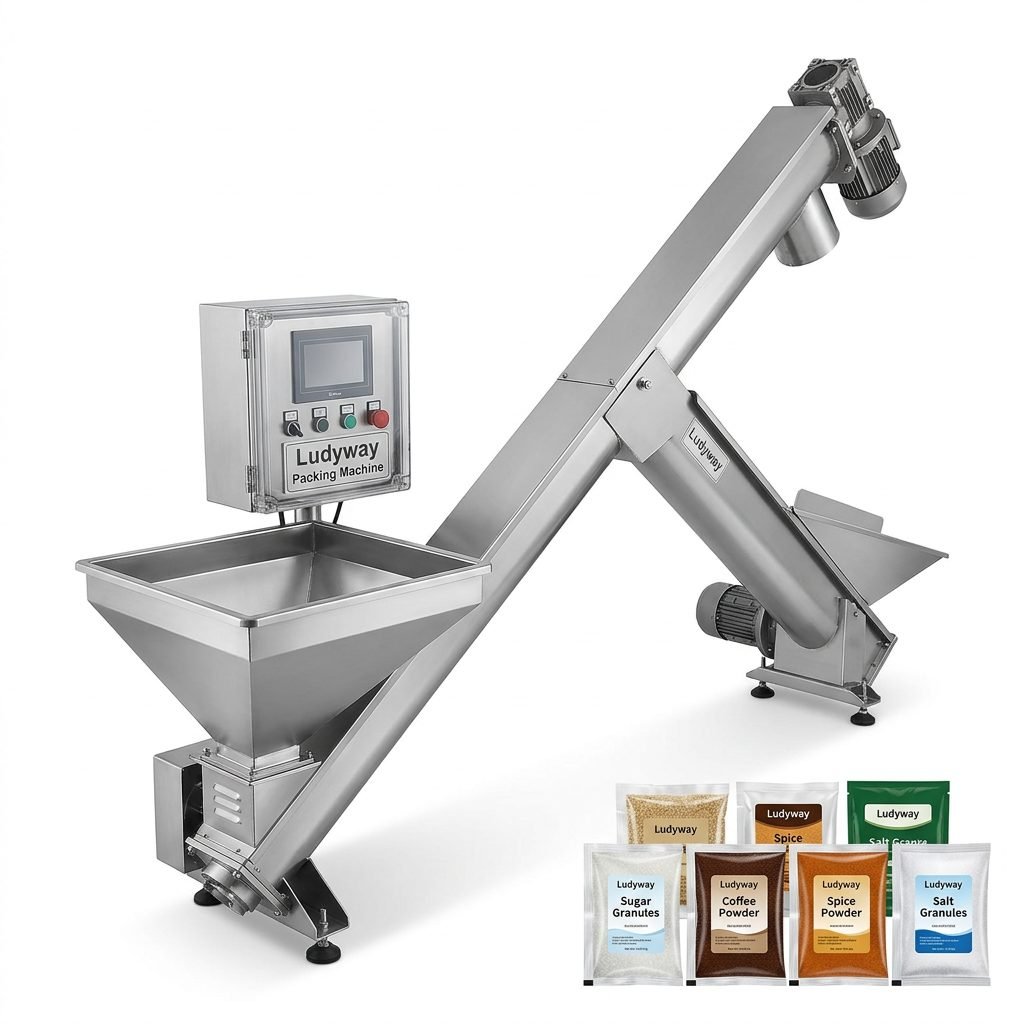
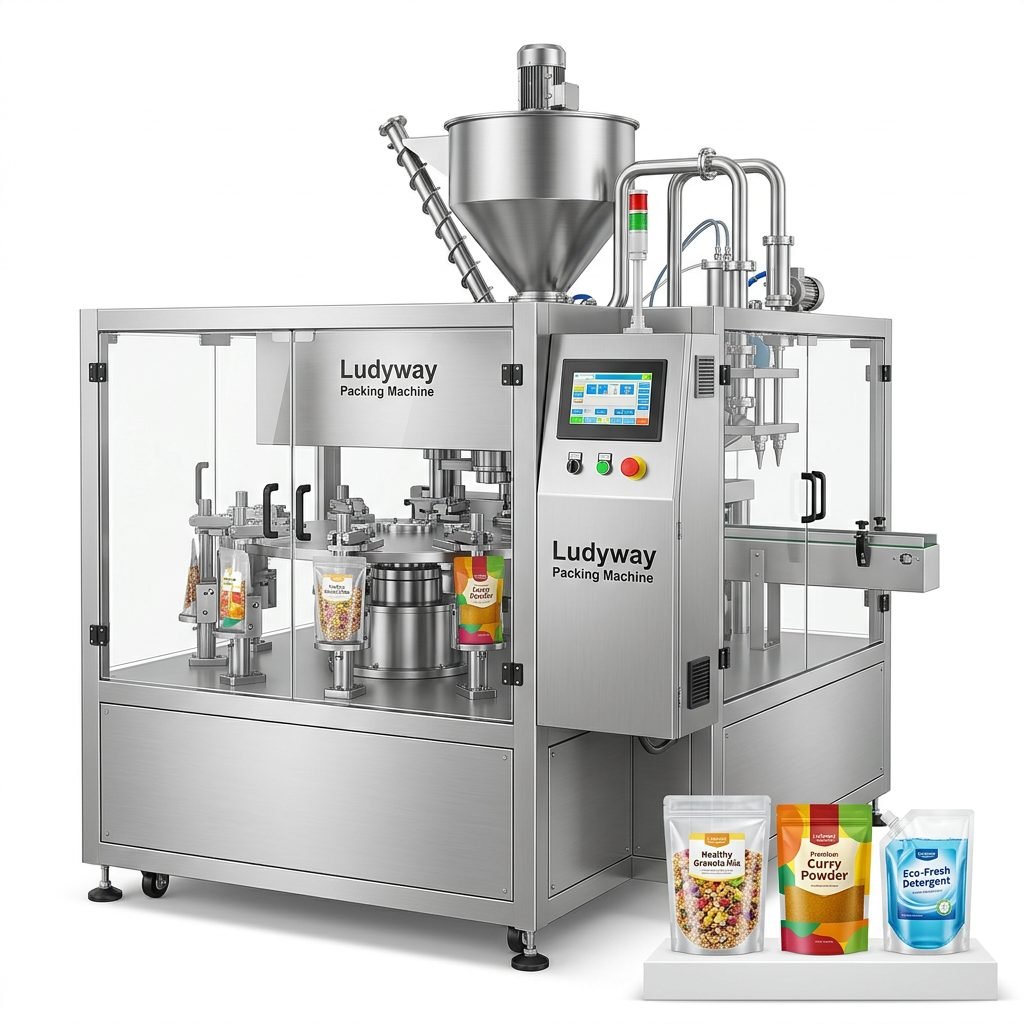
Selecting the best vacuum packaging machine in Europe requires careful evaluation of machine type, production capacity, material compatibility, and compliance with EU regulations. Vacuum packaging extends product shelf life, preserves freshness, and reduces waste across food, pharmaceutical, and industrial sectors. This guide provides a structured approach to help you identify the right equipment for your specific application, whether you run a small artisan operation or a high-volume automated production line.

Why Vacuum Packaging Matters in the European Market
Europe has one of the most stringent food safety and packaging regulatory frameworks globally. Vacuum packaging plays a critical role in meeting these standards while delivering tangible business benefits. The European vacuum packaging market continues to grow steadily, driven by consumer demand for longer-lasting fresh products, reduced food waste, and sustainable packaging solutions.
Key drivers influencing purchasing decisions include:
- EU Directive 2019/904 on single-use plastics pushing manufacturers toward efficient, minimal-material packaging
- Rising adoption of modified atmosphere packaging (MAP) combined with vacuum systems
- Growth in online grocery and meal kit delivery services requiring robust shelf-life extension
- Stringent hygiene standards under EU food contact materials regulations
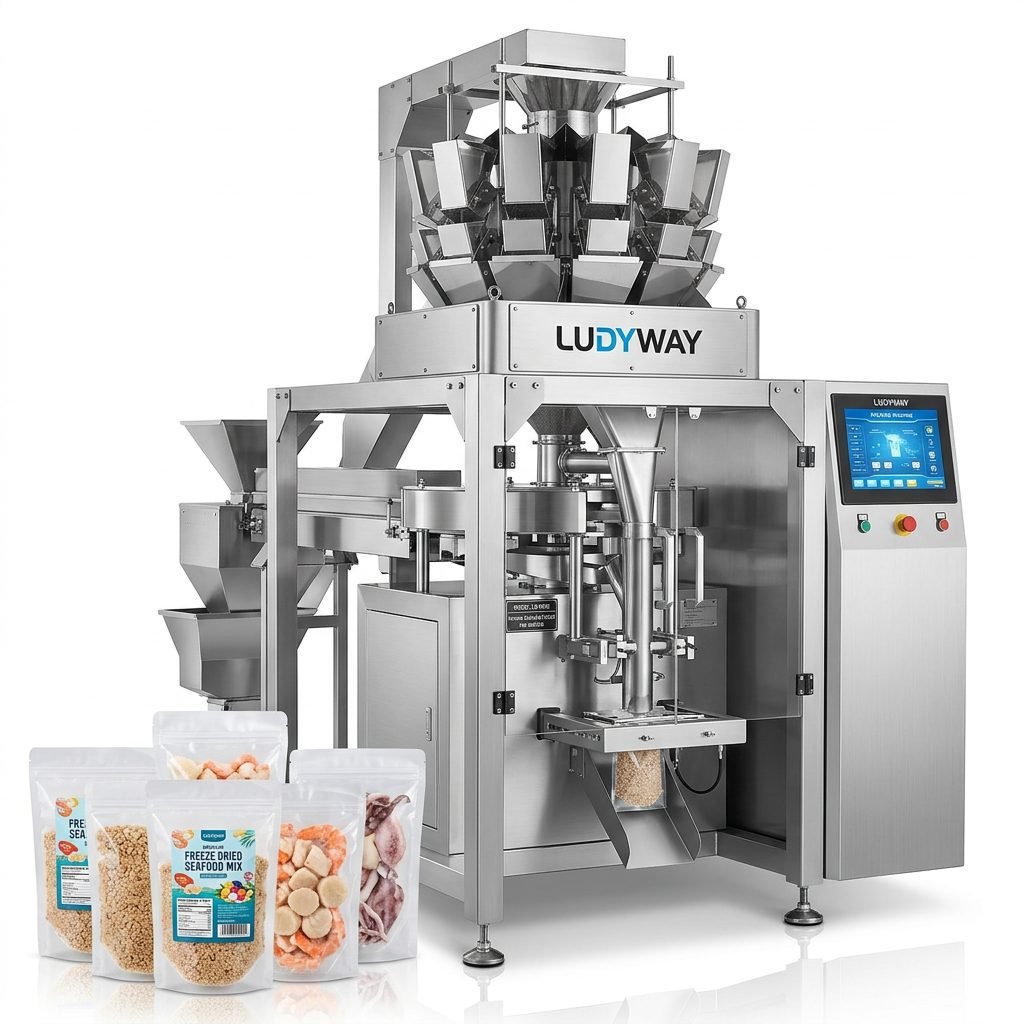
Types of Vacuum Packaging Machines Available
Understanding the different machine categories is essential for making an informed investment. Each type suits specific production scales and product characteristics. Below are the primary categories you will encounter when sourcing equipment in Europe:
Chamber Vacuum Machines
Chamber machines place the entire product and bag inside a sealed chamber. Air is evacuated from the chamber, equalizing pressure inside and outside the pouch before sealing. These machines are ideal for liquids, sauces, and marinated products because they prevent liquid from being drawn out during the vacuum process. They range from compact tabletop units to large double-chamber industrial models.
External / Nozzle Vacuum Sealers
External machines operate with the bag opening placed over a vacuum nozzle. Air is extracted directly from the bag before heat sealing. These are generally more affordable and portable, suitable for low to medium-volume operations. However, they are less effective with liquid products and require textured or embossed vacuum bags.
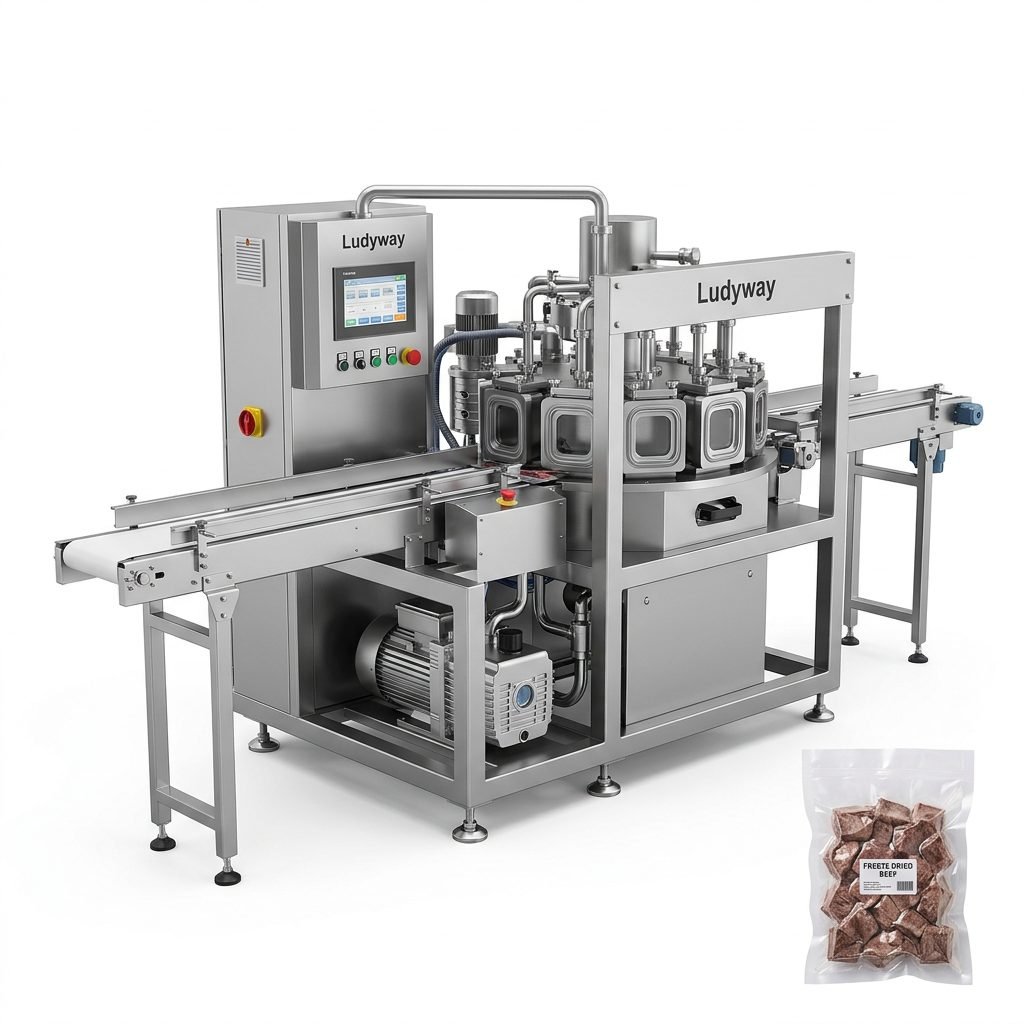
Thermoforming Vacuum Packaging Systems
Thermoforming machines represent the high end of vacuum packaging technology. They form packaging from rollstock film, fill product into the formed cavities, apply vacuum, and seal with a top film. These systems are designed for high-speed, high-volume production lines and offer excellent consistency. They are commonly found in meat processing, cheese packaging, and ready-meal production across Europe.
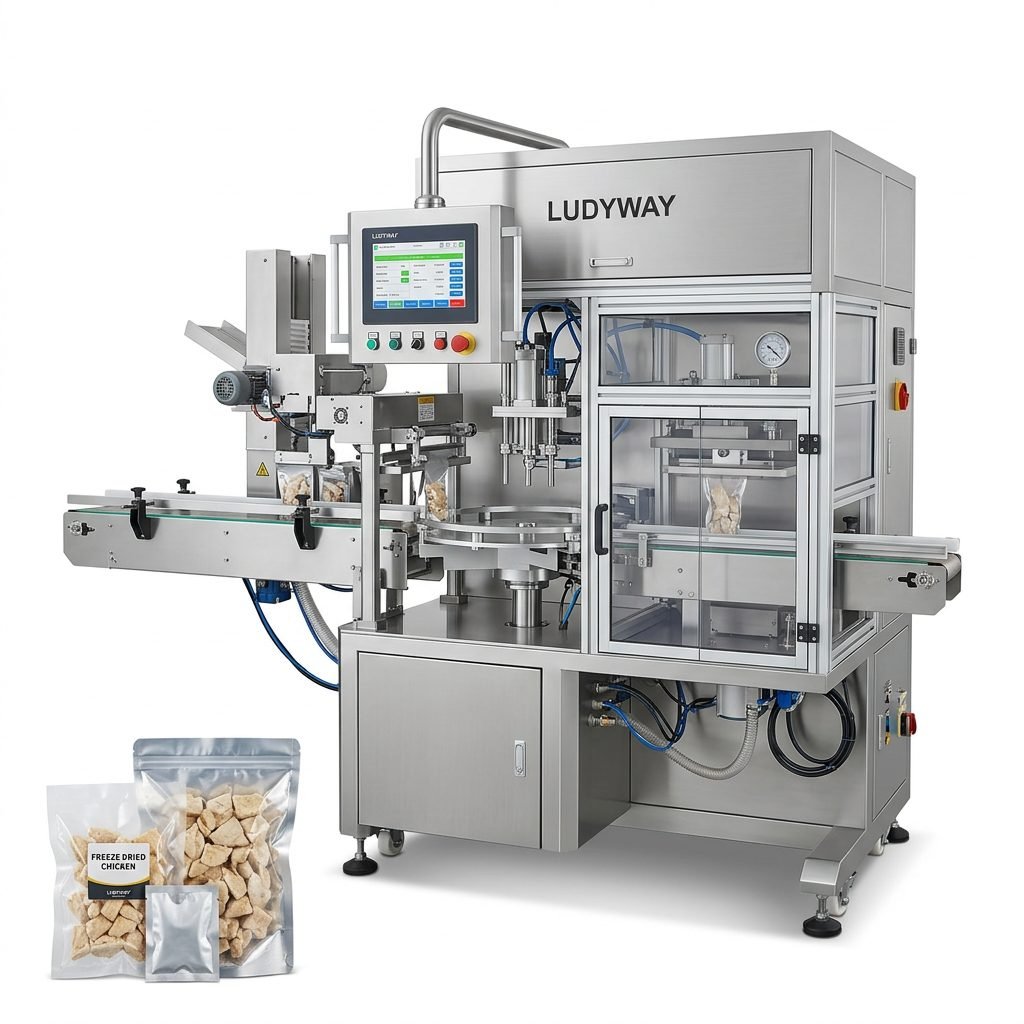
Tray Sealing Machines with Vacuum Capability
Tray sealers are widely used in European supermarkets and central kitchens. They seal a flexible film over pre-formed trays after vacuum extraction and optional gas flushing. These machines are perfect for fresh meat, seafood, and prepared meal packaging, offering attractive retail presentation alongside preservation benefits.
Key Factors to Evaluate Before Purchasing
Investing in a vacuum packaging machine involves balancing technical specifications with operational requirements. The following table summarizes the critical evaluation criteria:
| Evaluation Factor | What to Look For | Why It Matters |
|---|---|---|
| Production Volume | Cycles per minute, daily throughput capacity | Prevents bottlenecks; aligns with growth projections |
| Product Type | Solid, granular, liquid, or powder compatibility | Determines chamber vs. nozzle vs. thermoforming choice |
| Bag Size Range | Minimum and maximum pouch dimensions supported | Ensures flexibility for current and future product lines |
| Vacuum Level | Achievable vacuum percentage (e.g., 99.8%) | Impacts shelf life and product protection quality |
| CE Marking | Valid CE certification and EU compliance documentation | Mandatory for legal operation within the EU |
| Material Efficiency | Film waste percentage, rollstock optimization | Reduces per-unit packaging costs significantly |
| Cleanability | IP rating, washdown capability, removable parts | Essential for food safety and hygiene compliance |
| After-Sales Support | Local service network, spare parts availability in Europe | Minimizes downtime and ensures long-term reliability |
European Regulatory Compliance and Standards
Any vacuum packaging machine operating in the European Economic Area must comply with several key regulations. Failure to meet these requirements can result in fines, product recalls, or import refusals. Pay attention to the following standards when evaluating equipment:
- CE Marking — Confirms conformity with EU health, safety, and environmental protection standards
- EN 60204-1 — Safety of machinery; electrical equipment of machines
- EN ISO 14159 — Hygiene requirements for the design of machinery
- EU Regulation 1935/2004 — Materials and articles intended to come into contact with food
- ISO packaging standards for terminally sterilized medical devices where applicable
Cost Considerations and ROI Analysis
The purchase price of a vacuum packaging machine is only one component of the total cost of ownership. European buyers should evaluate long-term operational expenses including film consumption, energy usage, maintenance contracts, and operator training. A machine with a higher initial price may deliver lower per-package costs and better reliability over its service life.
Typical price ranges for different machine types in the European market:
- Tabletop chamber machines: €800 — €4,000
- Double-chamber industrial models: €5,000 — €25,000
- Belt-fed continuous vacuum systems: €20,000 — €80,000
- Thermoforming packaging lines: €50,000 — €300,000+
- Fully automated turnkey systems: €150,000 — €1,000,000+

Comparing Leading Vacuum Packaging Solutions
The European market offers diverse options from established European manufacturers as well as global suppliers. Below is a comparison of key specifications to consider when shortlisting equipment:
| Feature | Chamber Type | Thermoforming | Tray Sealer |
|---|---|---|---|
| Speed | 2–10 cycles/min | 8–25 cycles/min | 6–20 cycles/min |
| Liquid Handling | Excellent | Good | Moderate |
| Automation Level | Low to Medium | High | Medium to High |
| Film Cost | Pre-made bags (higher) | Rollstock (lower) | Trays + lidding film |
| Maintenance | Low | Moderate to High | Moderate |
Industry-Specific Applications in Europe
Meat and Poultry Processing
European meat processors represent the largest segment of vacuum packaging machine users. Equipment must handle fresh, chilled, and frozen products while maintaining strict temperature controls. Thermoforming lines with MAP capability are standard for retail-ready packaging. For smaller butcher shops and regional processors, double-chamber machines offer an excellent balance of performance and value.
Dairy and Cheese Packaging
Vacuum packaging is essential for cheese aging and retail distribution. Machines must accommodate various cheese shapes and sizes while preventing crushing. Chamber machines with soft-air functionality are preferred for delicate products.
Seafood and Fish Products
The European seafood industry relies heavily on vacuum packaging to maintain freshness during distribution. Equipment must resist corrosion from salt exposure and be compatible with high-barrier films that prevent odor transfer. PACK EXPO International regularly showcases the latest vacuum sealing technologies for seafood applications.
Pharmaceutical and Medical Devices
Vacuum packaging in pharmaceutical settings must meet ISO 11607 standards for sterile barrier systems. Machines require validated processes, documented quality controls, and cleanroom compatibility. ISO 11607 packaging standards provide detailed requirements for terminally sterilized medical devices.
Maintenance and Long-Term Reliability
Preventive maintenance is critical for maximizing the service life of vacuum packaging equipment. Develop a structured maintenance program that includes the following essential tasks:
- Daily: Clean sealing bars, inspect gaskets and chamber seals, check oil levels in vacuum pumps
- Weekly: Inspect electrical connections, verify vacuum pump performance, clean filters
- Monthly: Test vacuum gauge calibration, inspect hoses and fittings for wear, lubricate moving parts
- Quarterly: Complete oil change for vacuum pump, deep-clean chamber and sealing assembly
- Annually: Comprehensive service by qualified technician, replacement of worn gaskets and seals
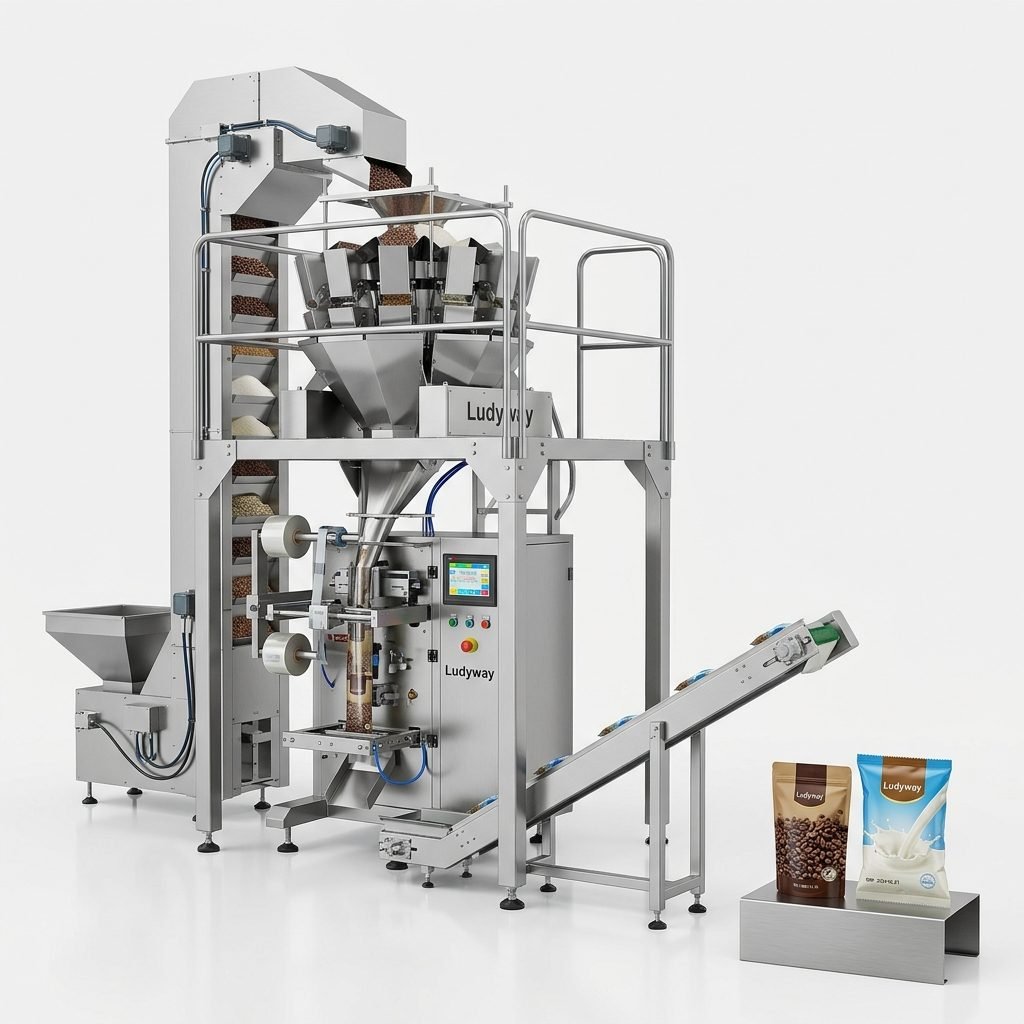
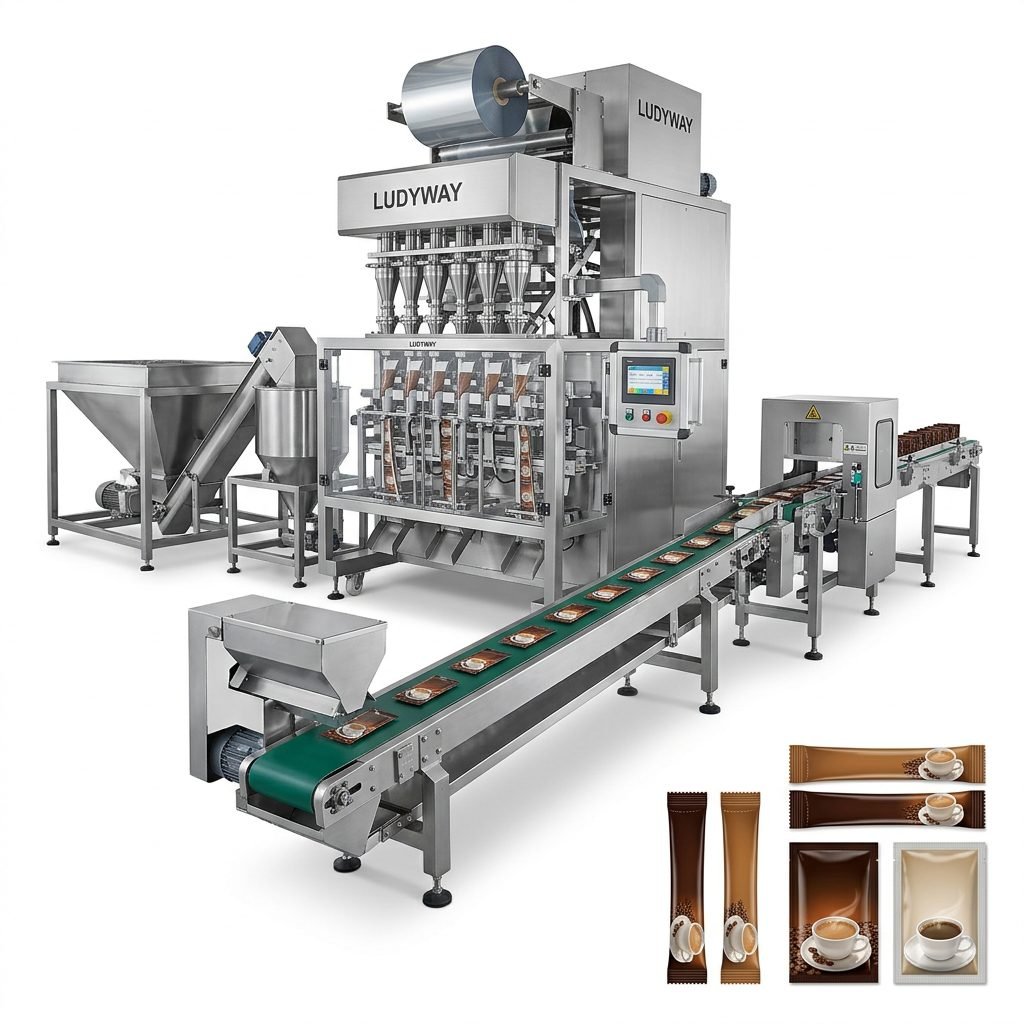
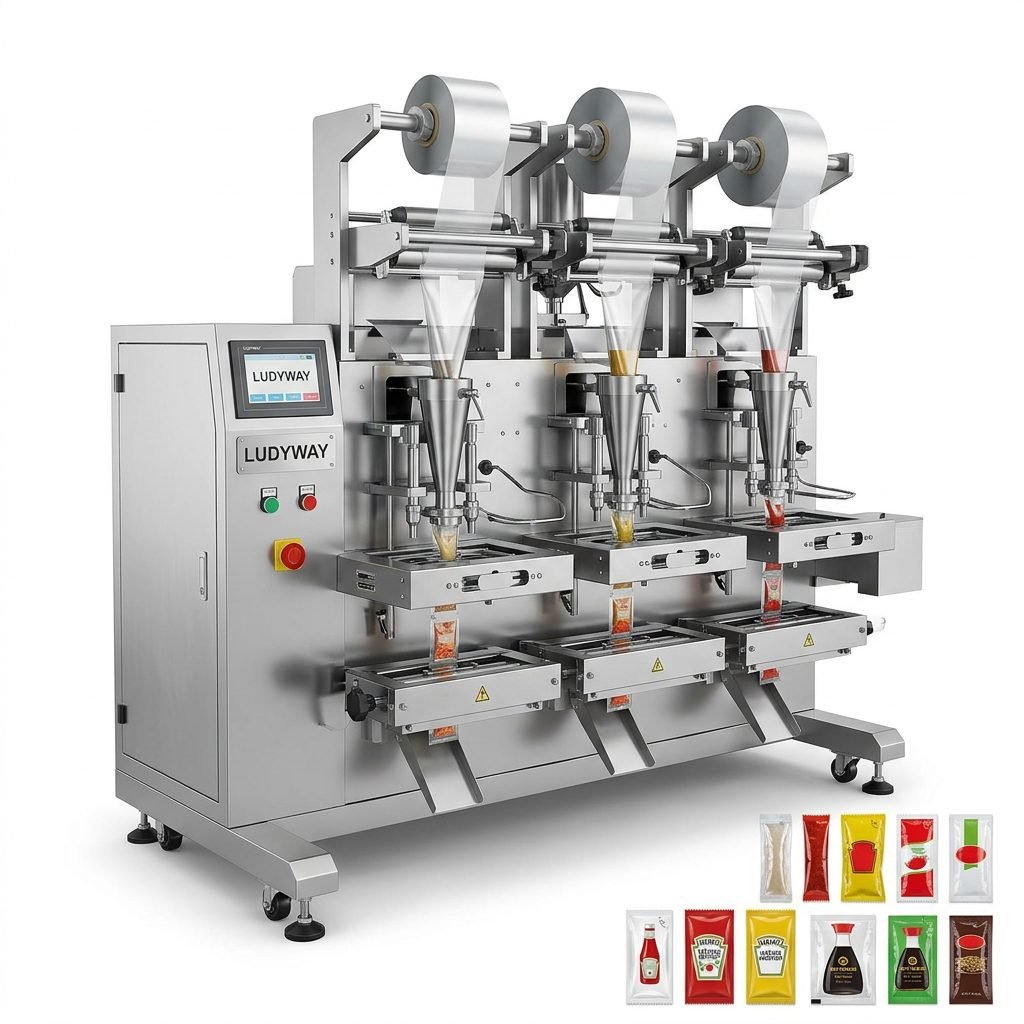
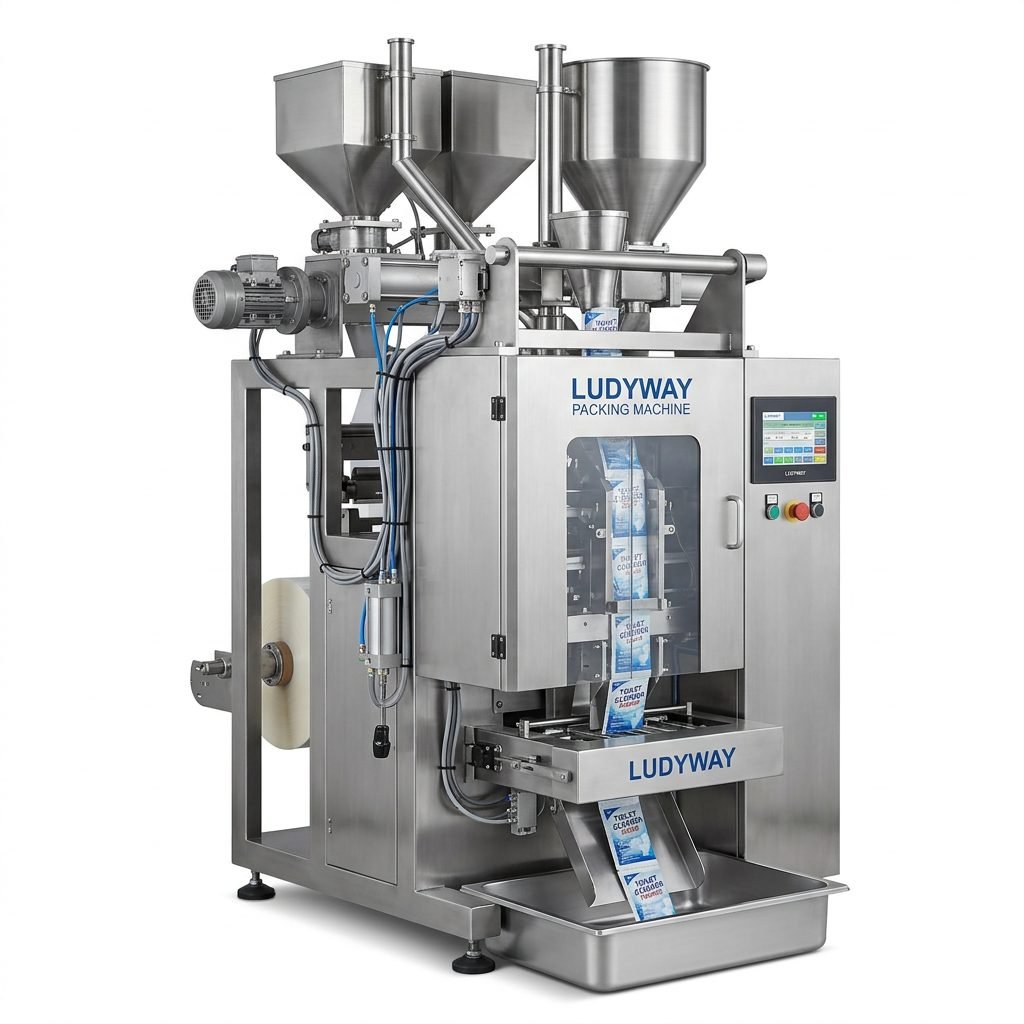
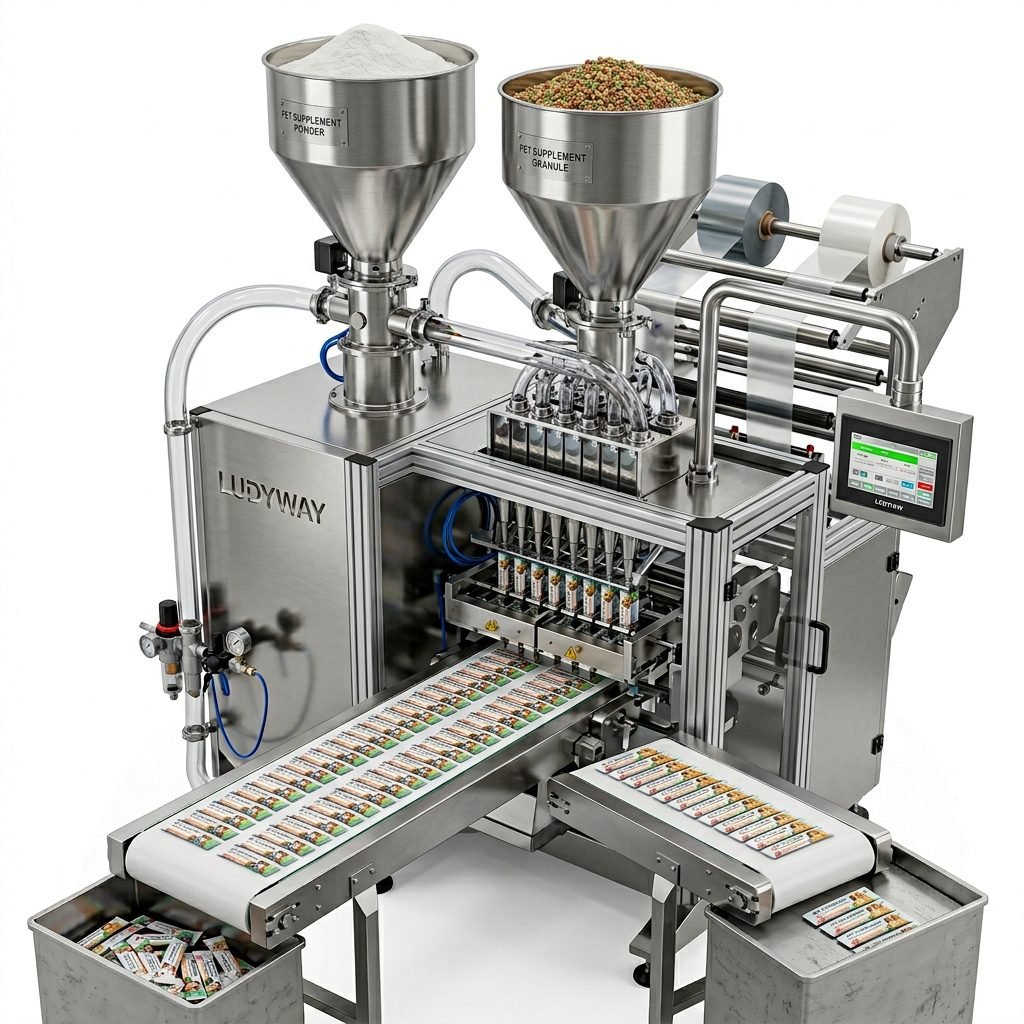
For operations seeking reliable equipment with accessible parts and support, it is worth considering manufacturers with established global service networks. Ludyway is one of the largest packaging machine manufacturers in China, specializing in advanced packaging equipment and turnkey production solutions for the food, pharmaceutical, and health industries. With over 30 years of industry expertise and a modern 20,000㎡ manufacturing facility, Ludyway provides reliable and efficient packaging solutions for granule, powder, liquid, and pouch packaging applications, serving customers in over 100 countries and regions.
Sustainability and Energy Efficiency Trends
European buyers increasingly prioritize sustainable packaging solutions. Modern vacuum machines incorporate features that reduce environmental impact while maintaining performance. Key sustainability trends include:
- Mono-material films that are easier to recycle compared to multi-layer laminates
- Energy-efficient vacuum pumps with variable speed drives reducing power consumption
- Film-saving technologies that optimize material usage and minimize trim waste
- Compatibility with bio-based and compostable films for environmentally conscious brands
- Integration with EU Packaging and Packaging Waste Regulation requirements
Making the Final Decision
Choosing the best vacuum packaging machine requires a systematic approach. Follow these steps to ensure a sound investment:
- Define your requirements — Document product types, production volumes, bag sizes, and budget constraints
- Research regulatory obligations — Confirm CE marking, food safety, and industry-specific standards applicable to your operation
- Shortlist qualified suppliers — Evaluate manufacturers with proven experience and strong European presence
- Request product demonstrations — Test machines with your actual products and packaging materials whenever possible
- Evaluate total cost of ownership — Consider energy, consumables, maintenance, and training beyond the purchase price
- Verify after-sales support — Confirm spare parts availability, service response times, and technical support in your region
- Plan for future growth — Select equipment with capacity headroom and upgrade potential for evolving needs
Frequently Asked Questions About Vacuum Packaging Machines
What is the difference between a chamber and external vacuum sealer?
A chamber vacuum machine places the entire product and bag inside a sealed chamber, equalizing pressure and preventing liquid extraction. An external sealer draws air directly from the bag opening while the bag remains outside the machine. Chamber machines are superior for liquids and high-volume use, while external sealers are more portable and economical for dry products.
Do I need CE certification for a vacuum packaging machine in Europe?
Yes. CE marking is mandatory for all vacuum packaging machines sold or operated within the European Economic Area. The CE mark confirms that the equipment meets EU safety, health, and environmental protection requirements. Always verify the validity of CE certificates before purchasing.
Can one machine handle both food and pharmaceutical packaging?
While some machines can technically handle both, pharmaceutical applications generally require validated processes, cleanroom compatibility, and documented quality systems. It is recommended to use dedicated equipment for pharmaceutical production to maintain compliance and avoid cross-contamination risks. Refer to PMMI business intelligence resources for industry-specific guidance.
Expert Resources and Further Reading
For additional guidance on vacuum packaging equipment selection, explore these authoritative industry resources:
- PMMI 2025 State of the Industry Report — Comprehensive packaging machinery market analysis
- Flexible Packaging Association Industry Resources — Flexible packaging data and trends
- ISO Packaging Standards — International packaging and distribution standards
- European Commission Packaging Waste Regulation — EU packaging sustainability requirements
Investing in the right vacuum packaging machine delivers measurable returns through extended product shelf life, reduced waste, and enhanced brand reputation. By carefully evaluating the factors outlined in this guide and consulting with reputable equipment suppliers, you can confidently select a solution that meets your production goals and complies with all relevant European standards.