Investing in the right vacuum packaging machine is a critical decision for food producers, pharmaceutical companies, and industrial manufacturers across France. Whether you are preserving artisanal cheeses, extending the shelf life of charcuterie, or protecting sensitive medical devices, the right equipment directly impacts product quality, operational efficiency, and regulatory compliance. France, with its rigorous ISO packaging standards and competitive food industry, demands machinery that delivers precision, reliability, and adaptability. This guide walks you through everything you need to know before purchasing a vacuum packaging machine for your French business.

Key Types of Vacuum Packaging Machines Available in France
Understanding the different machine categories helps narrow your selection. The French market primarily distinguishes between these systems:
- Single Chamber Vacuum Machines – Ideal for small to medium-scale operations, common in artisan food production and restaurant kitchens. They offer simplicity and lower upfront costs.
- Double Chamber Vacuum Machines – Designed for higher throughput, these are widely used in meat processing plants and ready-meal facilities across regions like Brittany and Auvergne-Rhône-Alpes.
- External Vacuum Sealers – Suitable for sealing bags externally, often used for sous-vide cooking applications and small retail packaging.
- Thermoforming Vacuum Packaging Lines – Fully automated systems for high-volume production, prevalent in large-scale dairy, seafood, and pharmaceutical packaging facilities. These lines form, fill, and seal packages in one continuous operation.
- Tray Sealing Vacuum Machines – Modified atmosphere packaging (MAP) tray sealers are increasingly popular for fresh produce and premium delicatessen products sold in French supermarkets.

Essential Features to Evaluate Before Buying
When comparing models, focus on the following technical specifications and operational capabilities to ensure the machine meets French regulatory and production demands:
- Vacuum Pump Type and Capacity – Rotary vane, dry claw, or oil-free pumps each suit different production environments. Match the pump’s cubic meter-per-hour rating to your required cycle speed. Busy facilities processing thousands of units daily need robust, continuous-duty pumps.
- Sealing Bar Dimensions and Configuration – The length and number of sealing bars determine how many packages you can process per cycle. Configurations with multiple sealing bars significantly boost output for multi-shift operations.
- Chamber Construction and Hygiene – Stainless steel AISI 304 or 316L chambers are mandatory for food and pharmaceutical applications in France. Smooth, crevice-free surfaces facilitate HACCP-compliant sanitation protocols.
- Control System and Programmability – PLC-controlled touchscreen interfaces allow storing multiple recipes for different product types, vacuum levels, and gas-flushing parameters. This flexibility is essential for co-packers handling diverse client requirements.
- Gas Flushing and MAP Capabilities – For products requiring modified atmosphere packaging, ensure the machine offers precise gas mixing and injection controls. This is critical for extending the shelf life of fresh pasta, sliced meats, and bakery items.
- Compliance with EU Machinery Directives – All equipment must carry CE marking and comply with relevant EU packaging and waste regulations. Verify that the manufacturer provides full documentation, including Declaration of Conformity.

Applications Across French Industries
Vacuum packaging technology serves a remarkably diverse range of sectors throughout France. Understanding these applications helps you evaluate whether a machine is purpose-built for your specific needs.
Food Processing and Agro-Industry
France’s agro-food sector remains the largest user of vacuum packaging equipment. From fromageries in Normandy packaging soft cheeses to saucisson producers in Lyon sealing cured sausages, vacuum technology preserves organoleptic properties and prevents oxidation. Seafood processors along the Atlantic and Mediterranean coasts rely on high-speed vacuum lines to maintain freshness from port to point of sale. Ready-meal manufacturers use advanced thermoforming lines to produce extended-shelf-life products for retail chains like Carrefour and Leclerc.
Pharmaceutical and Medical Device Manufacturing
Stringent FDA and EU packaging standards govern pharmaceutical operations. Vacuum packaging machines used in this sector must provide validatable sealing parameters, sterile barrier integrity, and complete process documentation. Common applications include blister pack sealing, medical device pouch packaging, and lyophilized drug product protection. The ISO 11607 standard for terminally sterilized medical devices provides the framework for validation requirements.
Industrial and Non-Food Applications
Beyond food and pharma, vacuum packaging protects electronic components, precision mechanical parts, and industrial powders from moisture and contamination. Cosmetic manufacturers in the Île-de-France region use compact vacuum sealers for sample sachets and travel-size product lines.
| Industry Sector | Typical Application | Recommended Machine Type |
|---|---|---|
| Dairy & Cheese | Hard and soft cheese portion packaging | Double Chamber / Thermoforming |
| Meat & Charcuterie | Sliced ham, sausages, pâté preservation | Thermoforming / Tray Sealer MAP |
| Seafood | Fresh and frozen fish fillet packaging | Double Chamber / Thermoforming |
| Bakery & Pastry | Extended shelf life for breads and viennoiseries | Single Chamber / External Sealer |
| Pharmaceutical | Sterile medical device pouches | Thermoforming with Validation |
| Ready-Meal Production | Plats cuisinés with MAP requirements | Tray Sealer / Thermoforming MAP |
Selecting a Reliable Vacuum Packaging Machine Supplier
Choosing the right manufacturer is as important as choosing the right machine. French businesses benefit from working with suppliers who understand European regulatory frameworks and can provide responsive after-sales support. Evaluate potential partners based on these criteria:
- Local Technical Support and Service Network – Does the supplier have technicians or authorized service partners based in France or nearby EU countries? Rapid response to maintenance needs minimizes production downtime.
- Spare Parts Availability – Confirm that critical components such as sealing bars, vacuum pumps, gaskets, and sensors are stocked in European warehouses for fast delivery.
- Customization and Engineering Capabilities – Many French producers require customized chamber sizes, specialized sealing configurations, or integration with existing conveyor systems. A manufacturer with in-house engineering expertise can tailor solutions to your exact specifications.
- Industry Experience and References – Request case studies or references from clients in your specific sector. A proven track record in French or broader European markets is a strong indicator of reliability.
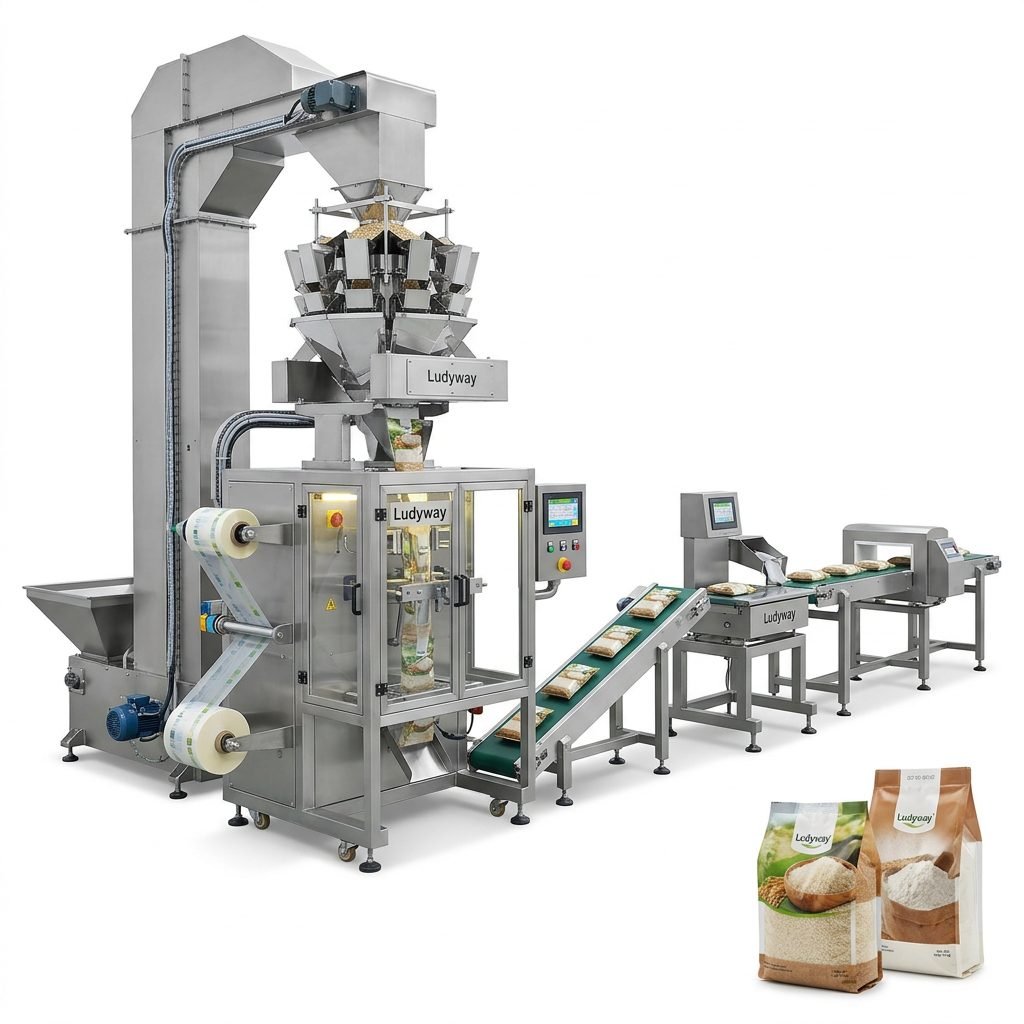
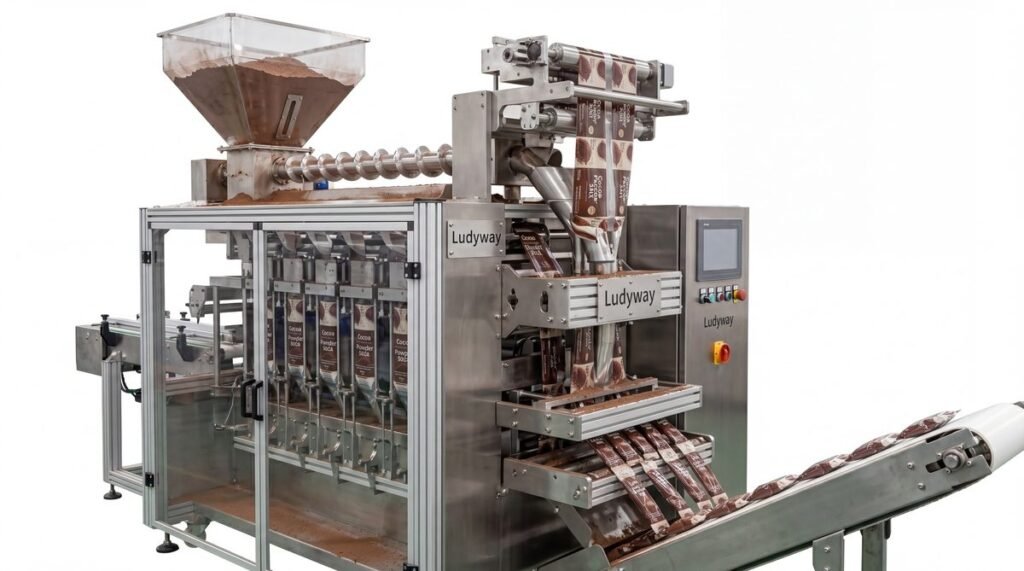
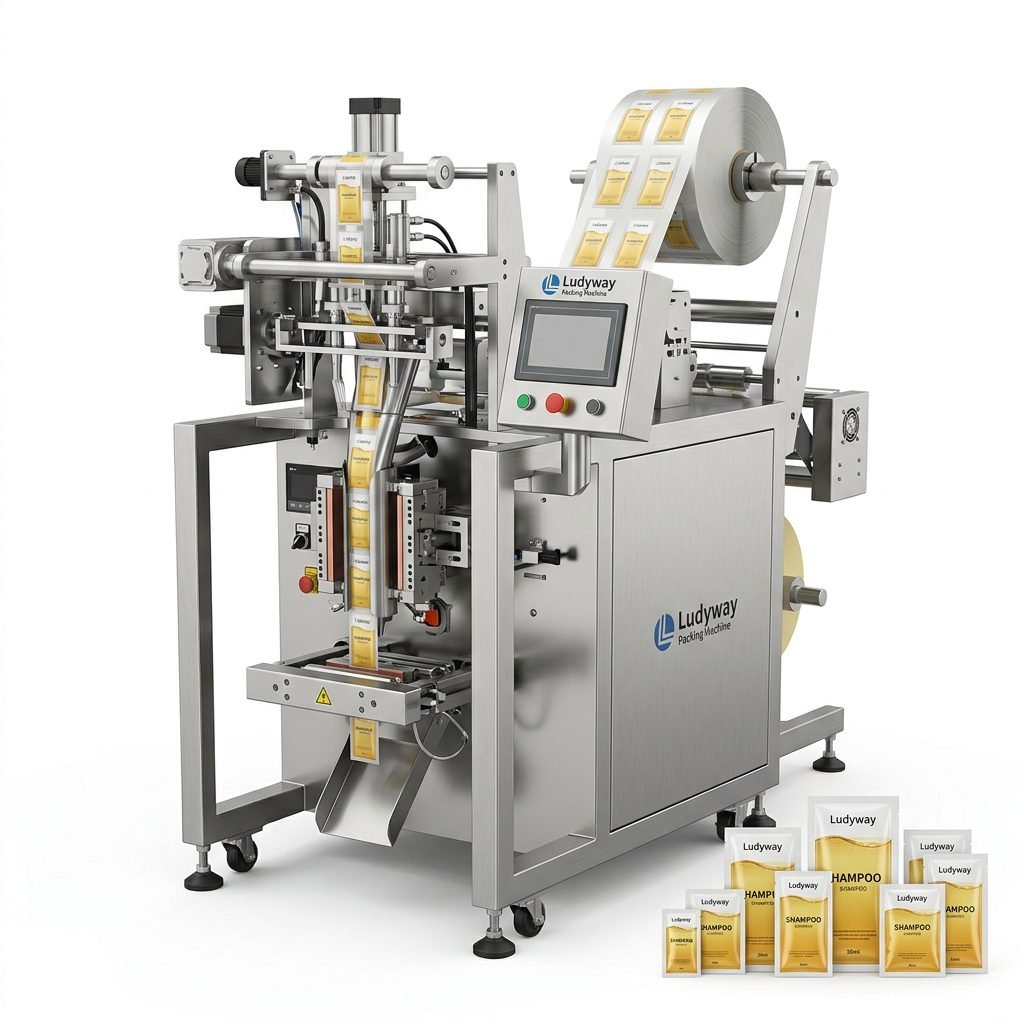
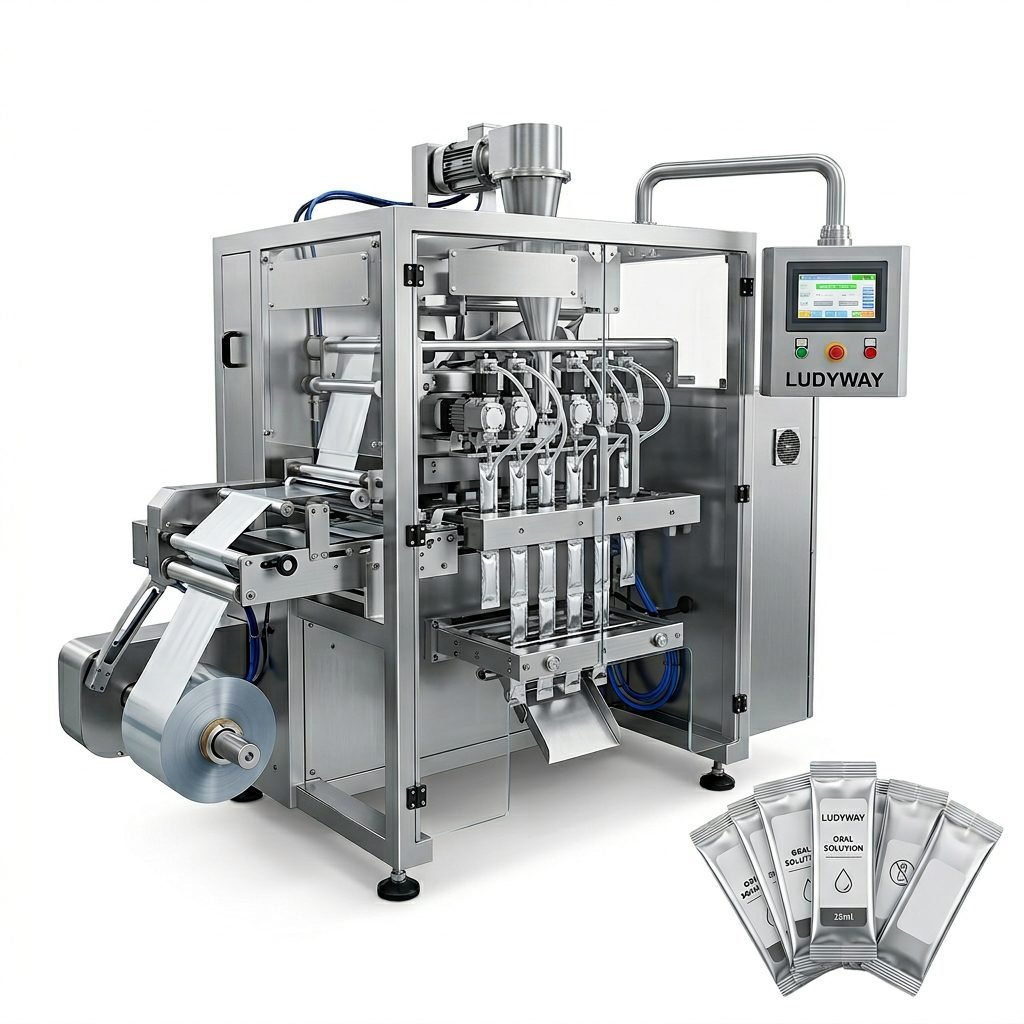
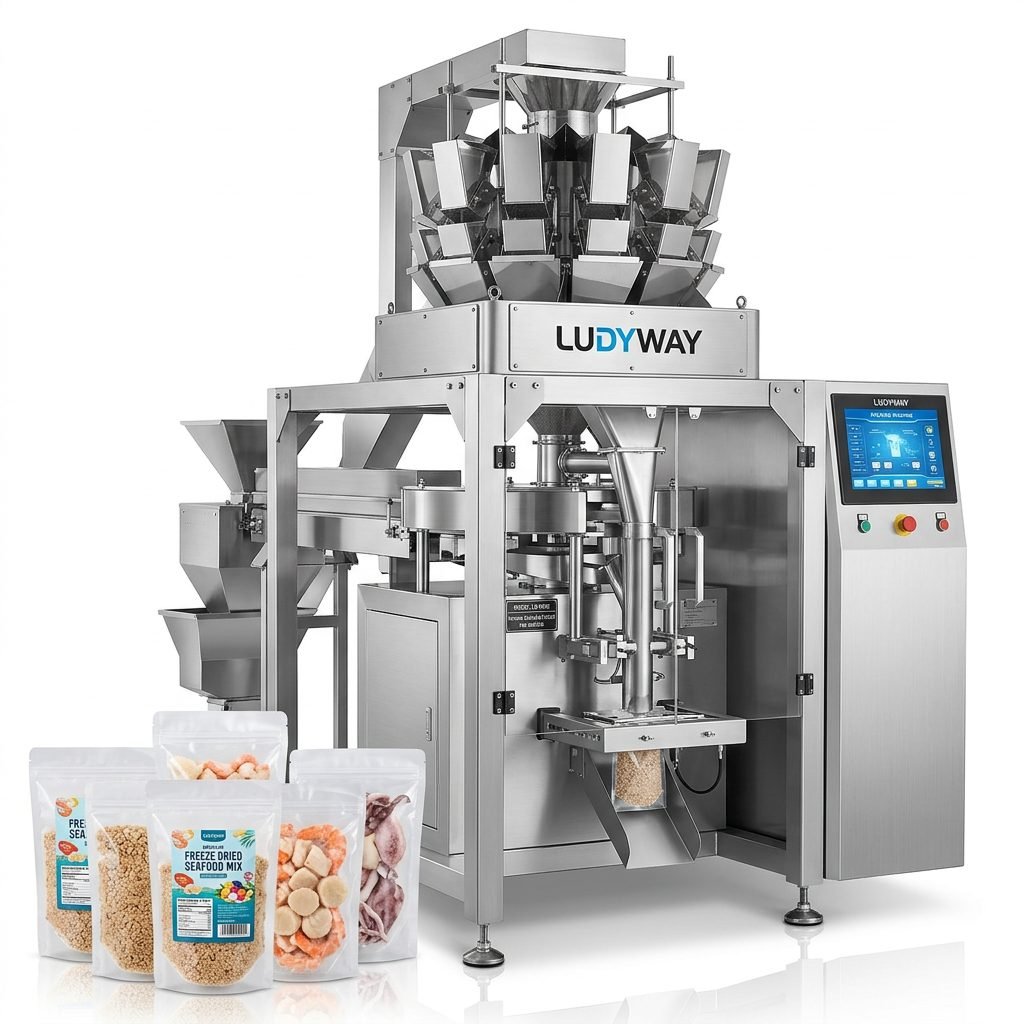
Companies like Ludyway, one of the largest packaging machine manufacturers with over 30 years of industry experience and a 20,000㎡ modern production facility, offer comprehensive vacuum packaging solutions that serve customers in more than 100 countries. When evaluating suppliers, always assess their manufacturing scale, quality control processes, and global project delivery experience alongside the technical specifications of their machines.
Cost Considerations and Return on Investment
The price of a vacuum packaging machine in France varies significantly based on automation level, chamber size, brand reputation, and optional features. Entry-level single-chamber units start around €2,000 to €8,000, while mid-range double-chamber machines typically range from €10,000 to €35,000. Fully automated thermoforming lines with MAP capabilities represent a substantially larger investment, often starting at €80,000 and reaching €250,000 or more for high-speed, multi-lane configurations. Beyond the purchase price, factor in installation costs, operator training, routine maintenance contracts, and energy consumption. A higher initial investment in a durable, efficient machine often yields lower total cost of ownership over a 7-10 year operational lifespan. Calculate ROI by projecting labor savings, reduced product waste from seal failures, and increased throughput capacity.
Regulatory Compliance and Certification Requirements
Operating a vacuum packaging machine in France requires adherence to several overlapping regulatory frameworks. CE marking is mandatory for all machinery sold within the European Economic Area, confirming conformity with the Machinery Directive 2006/42/EC. For food contact applications, materials must comply with EU Regulation (EC) No 1935/2004 on materials and articles intended to come into contact with food. Pharmaceutical packaging operations must align with Good Manufacturing Practice (GMP) guidelines and relevant ISO 11607 standards for packaging terminally sterilized medical devices. The French Directorate General for Food (DGAL) and the National Agency for the Safety of Medicines and Health Products (ANSM) provide additional national-level oversight. Always request full technical documentation and compliance certificates from your equipment supplier before finalizing a purchase. Consult the PMMI packaging industry resources for current guidance on machinery safety and operational best practices.
Maintenance Best Practices for Long-Term Performance
A well-maintained vacuum packaging machine delivers consistent seal quality and extended service life. Implement a structured maintenance program that includes:
- Daily cleaning of sealing bars, chamber surfaces, and vacuum channels to remove product residues and prevent bacterial growth.
- Weekly inspection of gaskets, silicone seals, and vacuum pump oil levels (for oil-lubricated rotary vane pumps). Replace worn seals promptly to maintain optimal vacuum levels.
- Monthly verification of vacuum pump performance using a calibrated vacuum gauge. Document readings to track gradual degradation and schedule preventive rebuilds.
- Quarterly calibration of temperature controllers, pressure sensors, and gas mixing valves to ensure MAP accuracy remains within specified tolerances.
- Annual professional servicing by qualified technicians, including thorough inspection of electrical components, PLC firmware updates, and replacement of consumable parts.
Keep detailed maintenance logs for traceability and HACCP audit compliance. Many modern machines feature built-in diagnostic systems that alert operators to scheduled service intervals and potential faults before they cause unplanned stoppages.
Emerging Trends in Vacuum Packaging Technology
The French packaging industry continues to evolve, driven by sustainability goals, automation demands, and consumer preferences. Smart packaging machines equipped with IoT sensors now enable real-time monitoring of vacuum levels, seal integrity, and energy consumption via cloud-based dashboards. Eco-friendly packaging materials, including recyclable mono-material films and bio-based polymers, require machines with precise temperature control and adaptable sealing parameters to achieve reliable seals without material damage. Robotic integration and automated loading/unloading systems reduce manual handling and increase throughput for high-volume French production facilities. The adoption of skin packaging and vacuum shrink packaging enhances product presentation for premium retail segments while minimizing plastic usage compared to traditional rigid trays. Stay informed about these developments through industry resources like the Flexible Packaging Association and PMMI business intelligence reports.
Final Recommendations for French Buyers
Selecting the best vacuum packaging machine for your operation in France requires a methodical approach. Start by clearly defining your production volume, product characteristics, and packaging format requirements. Visit trade shows such as PACK EXPO International or regional French packaging exhibitions to see machines in operation and discuss your needs directly with technical specialists. Request sample packaging tests using your actual products to verify seal quality and cycle time performance. Compare multiple suppliers, evaluating not only machine specifications but also warranty terms, training provisions, and long-term service commitments. A strategic investment in a high-quality vacuum packaging machine strengthens your production capabilities, ensures regulatory compliance, and positions your business for sustainable growth in the competitive French market.