Investing in a food vacuum packaging machine is one of the smartest moves a food business can make. Whether you run a small artisanal operation or a large-scale processing facility, extending shelf life, preserving freshness, and reducing waste are critical to your bottom line. But with so many models, features, and price points on the market, how do you know which machine is right for your specific needs?
This comprehensive buyer’s guide walks you through everything you need to know about selecting the best food vacuum packaging machine in the USA — from understanding the core technology to evaluating key specifications, comparing machine types, and making a confident purchasing decision. For the latest industry standards and packaging regulations, you can refer to the FDA Food Packaging and Food Contact Substances resource, which provides essential guidance for compliance in the U.S. market.
Understanding Food Vacuum Packaging Technology
At its core, vacuum packaging works by removing air from the package before sealing. By eliminating oxygen, the process dramatically slows down the growth of aerobic bacteria, mold, and yeast — the primary culprits behind food spoilage. Modern machines use precision vacuum pumps and heat-sealing mechanisms to create an airtight environment that can extend product shelf life by 3 to 5 times compared to conventional storage methods.
The technology has evolved significantly in recent years. Today’s high-performance vacuum packaging systems incorporate digital controls, programmable settings, gas flushing capabilities (MAP), and smart sensors that monitor seal integrity in real time. According to the PMMI State of the Industry reports, the packaging machinery sector continues to see strong growth driven by automation and sustainability trends.
Key Benefits of Vacuum Packaging for Food Businesses
- Extended Shelf Life: Vacuum-sealed foods last significantly longer, reducing spoilage and waste across the supply chain.
- Preserved Freshness and Flavor: By locking out oxygen, vacuum packaging maintains the original taste, texture, and nutritional value of food products.
- Improved Inventory Management: Longer shelf life means fewer restocking cycles and better control over production schedules.
- Enhanced Food Safety: Airtight sealing creates a barrier against external contaminants, supporting HACCP compliance.
- Professional Product Presentation: Vacuum-packed products look clean, modern, and premium on retail shelves.
- Cost Reduction: Less waste, fewer returns, and optimized storage translate directly into improved profitability.

Types of Food Vacuum Packaging Machines
Not all vacuum packaging machines are created equal. The right choice depends on your production volume, product type, and operational goals. Below is a breakdown of the most common categories available in the USA market:
| Machine Type | Best For | Production Level | Key Advantage |
|---|---|---|---|
| Chamber Vacuum Sealers | Liquids, wet foods, bulk items | Medium to High | Superior vacuum pressure; handles liquids with ease |
| External / Nozzle Vacuum Sealers | Dry goods, small batches | Low to Medium | Affordable entry-level price; simple operation |
| Double Chamber Machines | High-volume production | High to Very High | Continuous operation with alternating chambers |
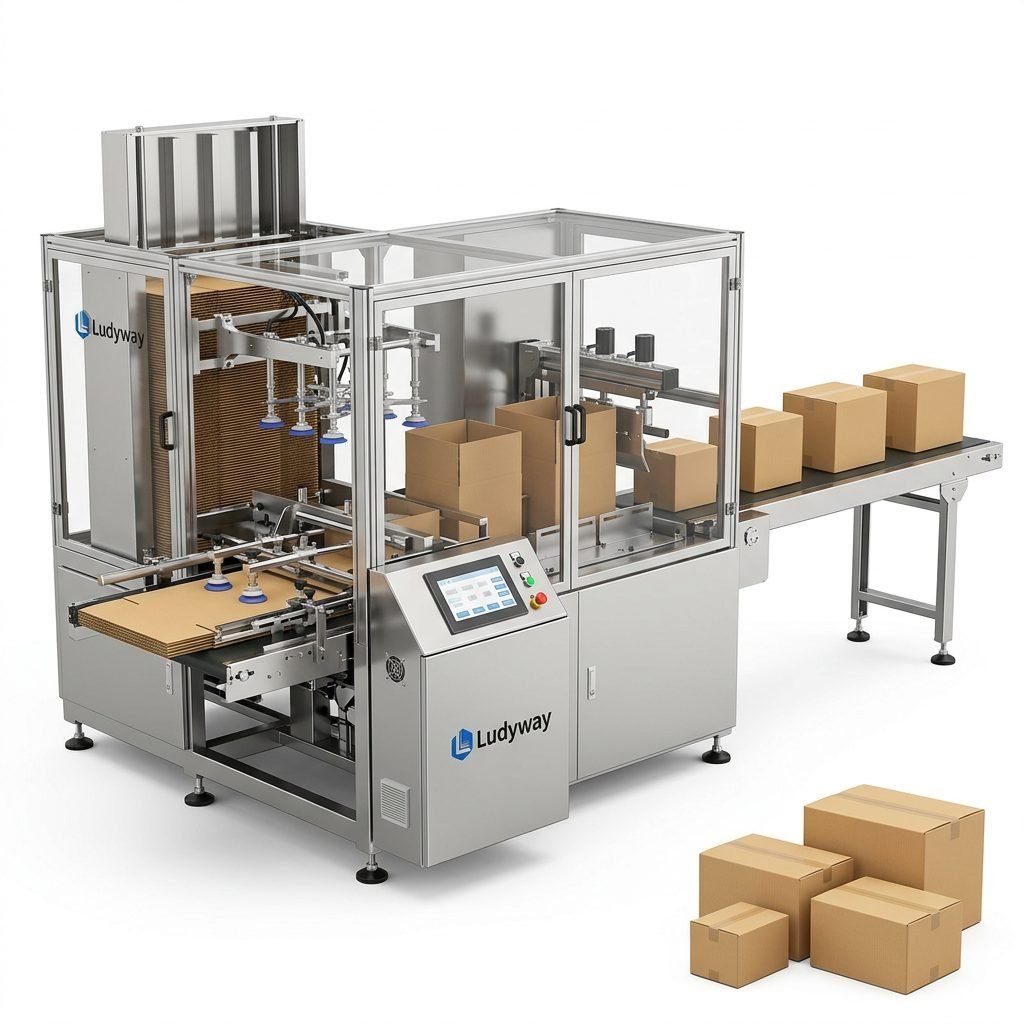
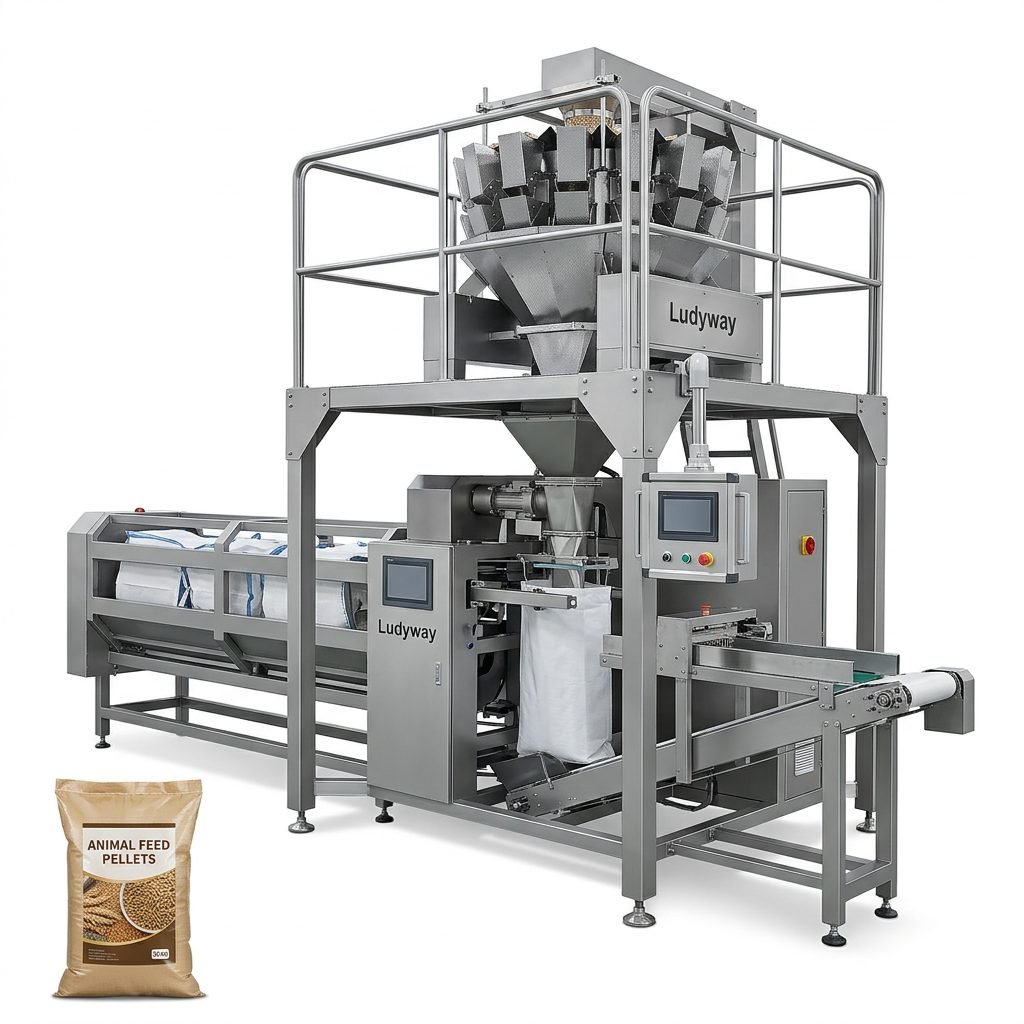
| Belt / Conveyor Vacuum Machines | Automated production lines | Very High / Industrial | Full automation; seamless line integration |
| MAP (Modified Atmosphere Packaging) | Fresh produce, meat, bakery | Medium to High | Gas flushing extends shelf life further |
| Thermoforming Vacuum Packaging | Large-scale meat and cheese packaging | Very High / Industrial | High output; custom film forming |
For businesses seeking flexible and scalable solutions, the Flexible Packaging Association’s industry resources provide valuable insights into packaging material compatibility and sustainability trends that can influence your machine selection.
Critical Factors to Consider When Choosing a Vacuum Packaging Machine
Production Volume and Speed Requirements
How many packages do you need to process per day or per hour? A small tabletop unit might handle 20-50 packages per day, while an industrial belt machine can process thousands per hour. Matching machine capacity to your actual production needs avoids both undercapacity bottlenecks and overspending on unnecessary features.
Product Type and Characteristics
The physical properties of your food product directly determine which machine type will work best:
- Dry granules and powders (coffee, spices, protein powder) — compatible with most machine types
- Liquid and semi-liquid products (soups, sauces, marinades) — typically require chamber machines to prevent liquid ingress into the pump
- Fresh meat and poultry — benefit from MAP or thermoforming systems with gas flushing
- Fragile items (baked goods, chips) — need gentle vacuum control with adjustable pressure settings
- Frozen products — may require specialized sealing bars for cold-temperature operation
Vacuum Pump Type and Quality
The vacuum pump is the heart of any packaging machine. Oil-lubricated rotary vane pumps typically deliver deeper vacuum levels and longer service life, making them ideal for heavy-duty applications. Dry pumps require less maintenance and are preferred in cleanroom or pharmaceutical environments. Pay attention to the ultimate vacuum pressure (measured in mbar) — lower numbers indicate stronger vacuum capability.

Seal Bar Dimensions and Configuration
Seal bar length determines the maximum bag width you can use. Standard chamber machines offer seal bars from 300mm to 800mm, while industrial models can exceed 1,200mm. Consider whether you need single or double seal bars, and whether the machine supports bi-active sealing (heated from both top and bottom) for thicker films.
Build Quality and Materials
In the demanding environment of food processing, build quality directly impacts machine longevity and food safety compliance. Look for:
- Stainless steel construction — especially AISI 304 or 316L grade for corrosion resistance
- IP-rated electrical enclosures — protection against moisture and washdowns
- FDA-compliant sealing materials — critical for food contact surfaces
- Reputable pump brands — Busch, Becker, and similar manufacturers are industry standards
Control System and Automation
Modern vacuum packaging machines increasingly feature PLC-based controls with touchscreen interfaces. These allow operators to store multiple recipe settings, adjust vacuum time and pressure digitally, and monitor machine diagnostics. Advanced models may include IoT connectivity for remote monitoring and predictive maintenance alerts.
Comparing Chamber vs. External Vacuum Sealers
| Feature | Chamber Vacuum Sealer | External Vacuum Sealer |
|---|---|---|
| Initial Cost | $1,500 – $25,000+ | $200 – $3,000 |
| Vacuum Strength | Up to 99.8% vacuum | Typically 80-95% vacuum |
| Liquid Handling | Excellent — no liquid pull-up | Limited — liquids can damage pump |
| Bag Cost | Lower — uses standard pouches | Higher — requires channeled bags |
| Daily Output | 500 – 5,000+ packages | 50 – 500 packages |
| Maintenance | Regular oil changes; professional servicing | Minimal; mainly gasket replacement |
Top Features to Look for in a Modern Vacuum Packaging Machine
When evaluating specific models, these are the must-have features that separate professional-grade equipment from basic consumer units:
- Programmable Vacuum and Seal Settings: The ability to fine-tune vacuum time, pressure, and sealing duration for different products is essential for consistent results.
- Gas Flush / MAP Capability: Modified Atmosphere Packaging replaces oxygen with inert gases like nitrogen or CO₂, critical for extending fresh food shelf life.
- Soft-Air / Gentle Vacuum Function: Gradually reintroduces air into the chamber to prevent crushing delicate products.
- Double Sealing Bars: Provides redundant seal security for high-value or long-storage products.
- Cooling Timer: Allows seals to set properly before vacuum release, reducing leak rates.
- HACCP Data Logging: Digital recording of critical control points supports food safety compliance and traceability.
- Stainless Steel Hinges and Hardware: Prevents rust in washdown environments and extends machine life.
- Quick-Access Service Panels: Simplifies routine maintenance and reduces downtime.

Budget Considerations and Return on Investment
Vacuum packaging machine prices span a wide range — from under $500 for basic external sealers to $50,000 or more for fully automated industrial lines. However, the purchase price is only one component of total cost of ownership. Consider these financial factors:
- Consumable costs: Bags, films, pump oil, and replacement gaskets add ongoing expenses.
- Energy consumption: Industrial pumps can draw significant power; energy-efficient models may qualify for utility rebates.
- Labor savings: Automated machines reduce manual packaging time and associated labor costs.
- Waste reduction: Extended shelf life directly translates to fewer spoiled products and higher realized revenue.
- Maintenance contracts: Factor in annual servicing costs for professional-grade equipment.
For medium-to-large operations, the ROI calculation often favors chamber or belt machines over entry-level models. Reduced product loss, improved throughput, and consistent seal quality typically justify the higher initial investment within 12 to 24 months. Refer to the ISO Packaging Standards for internationally recognized benchmarks that can guide your quality expectations.
Compliance, Safety, and Regulatory Standards
In the USA, food packaging equipment must comply with relevant regulations. The FDA’s guidelines on packaging and food contact substances establish clear requirements for materials and manufacturing practices. Equipment used in USDA-inspected facilities must meet additional sanitary design standards.
Key compliance points include:
- Food contact surfaces must be non-toxic and non-absorbent
- Equipment must be cleanable and accessible for sanitation
- Sealing materials must not impart odors or chemicals to food
- Vacuum pump exhaust must be properly vented in food production areas
- Electrical components must meet NEMA or IP ratings appropriate for the installation environment
Selecting the Right Manufacturer and Supplier
Choosing a reliable manufacturer is just as important as selecting the right machine specifications. Look for companies with a proven track record, responsive after-sales support, and readily available spare parts inventory in the USA. A manufacturer’s experience across different food applications often translates into better engineering and more reliable equipment.
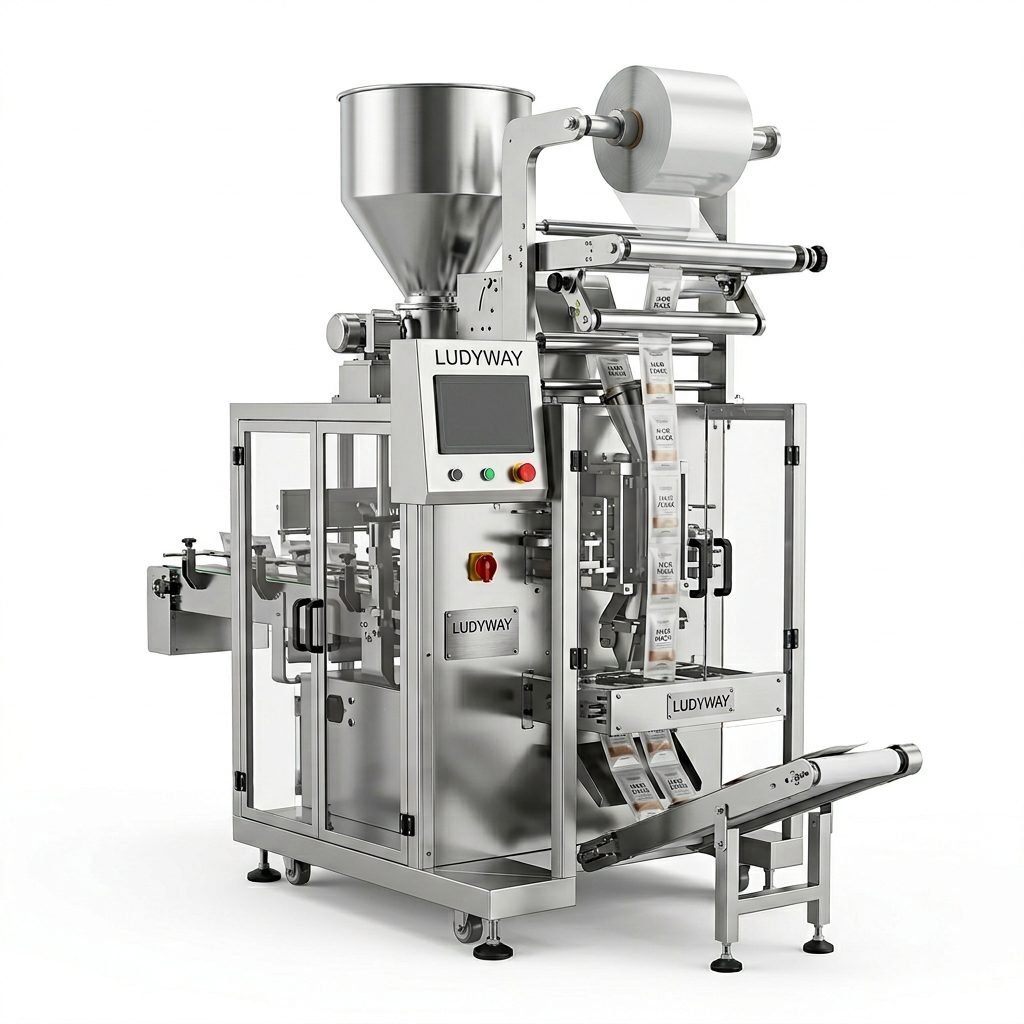
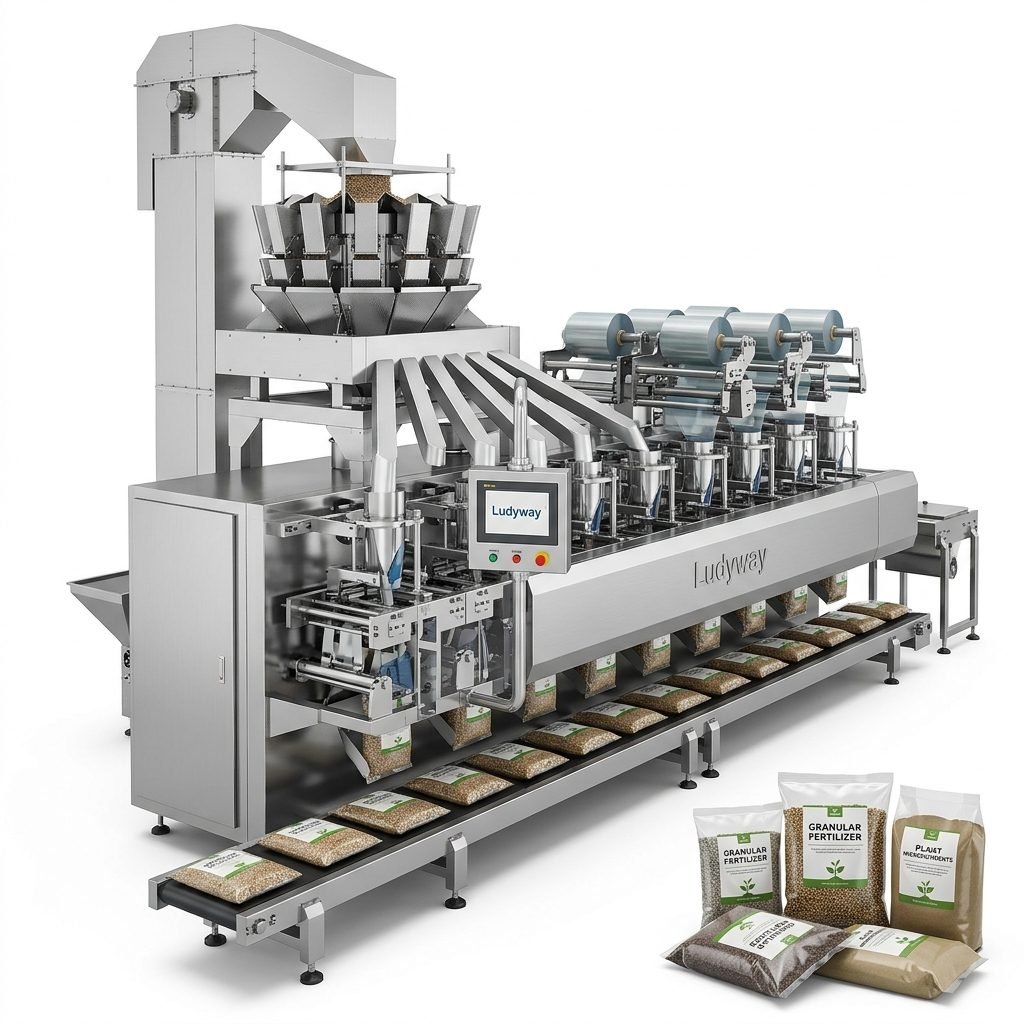
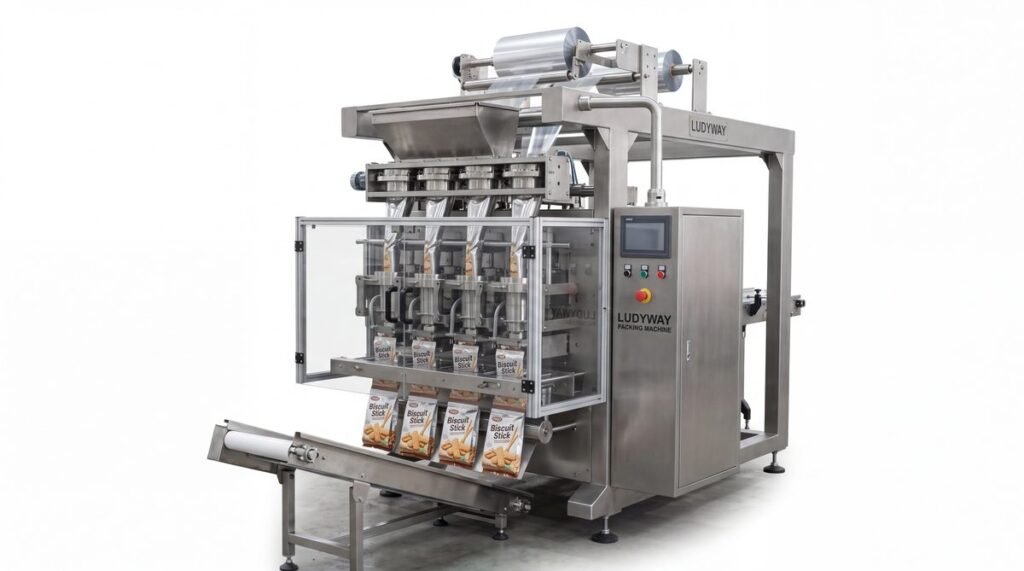
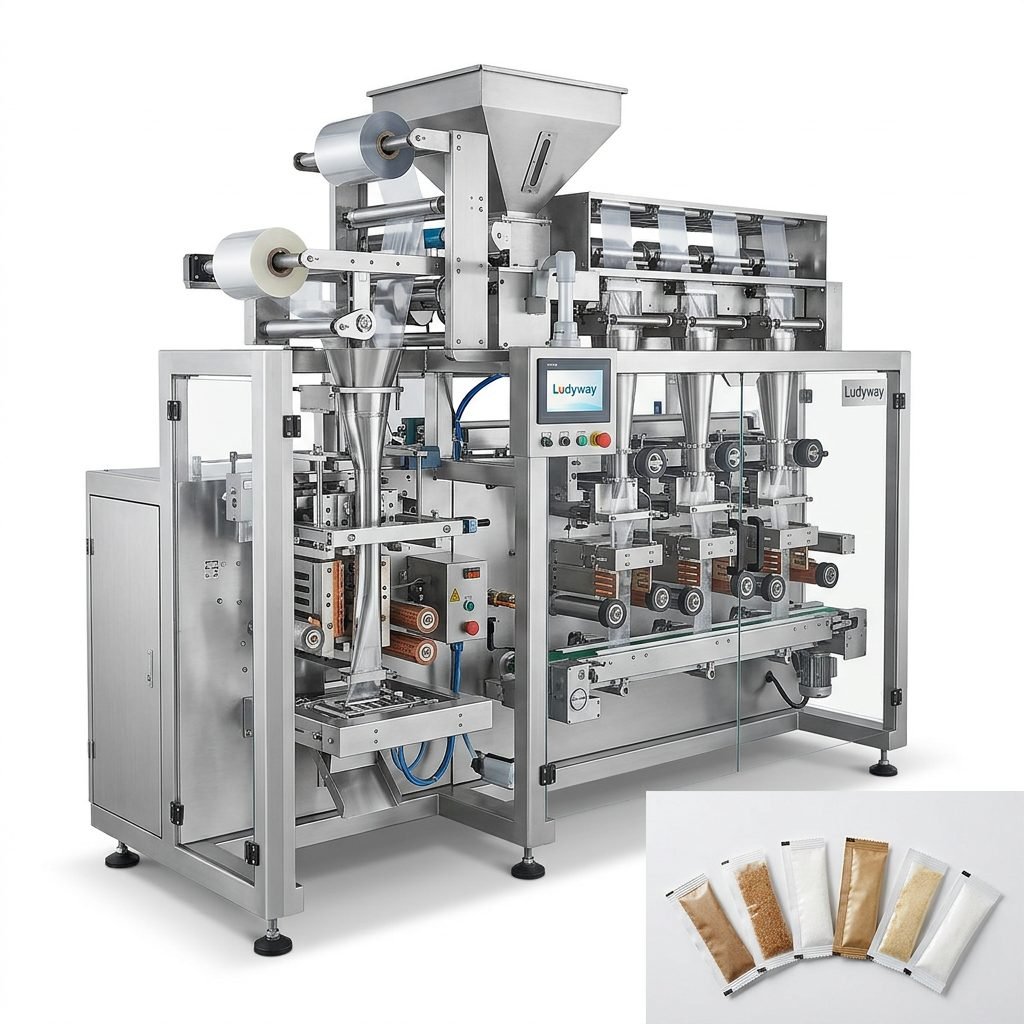
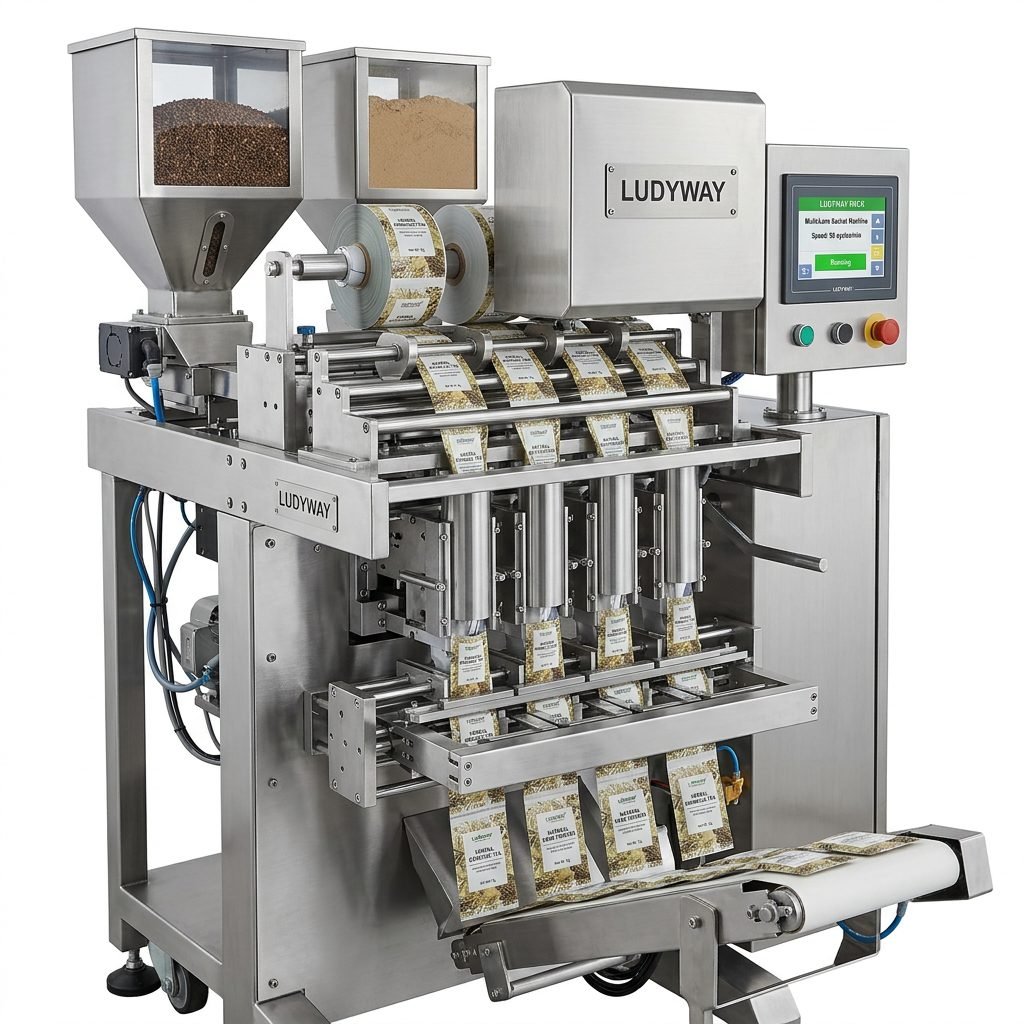
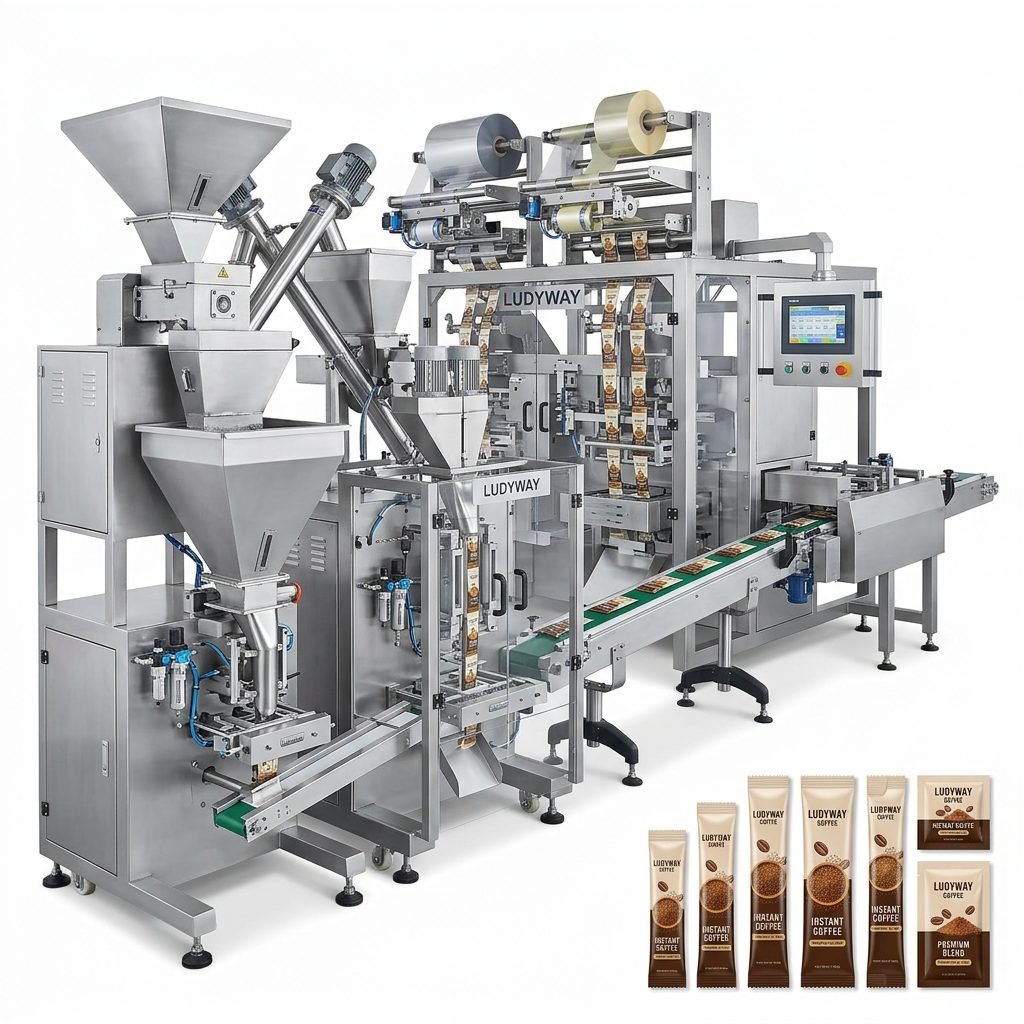
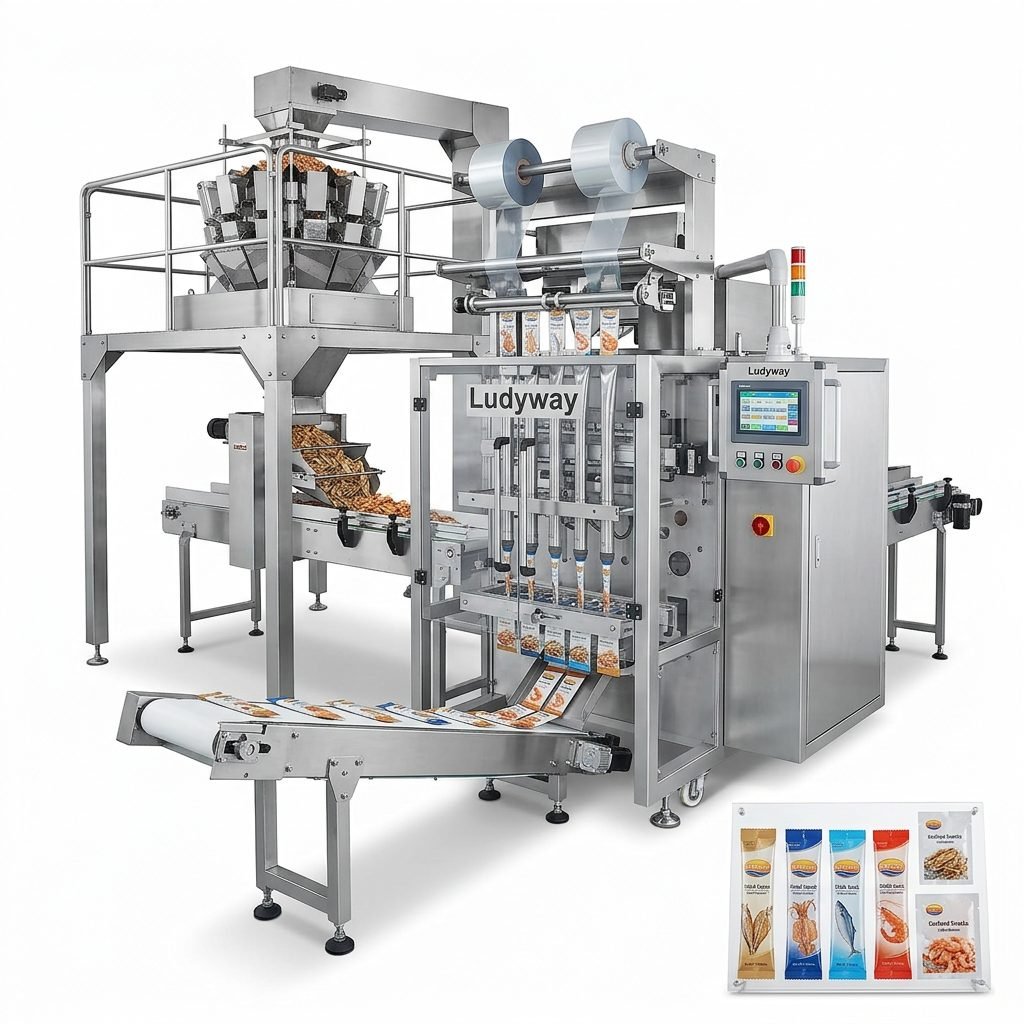
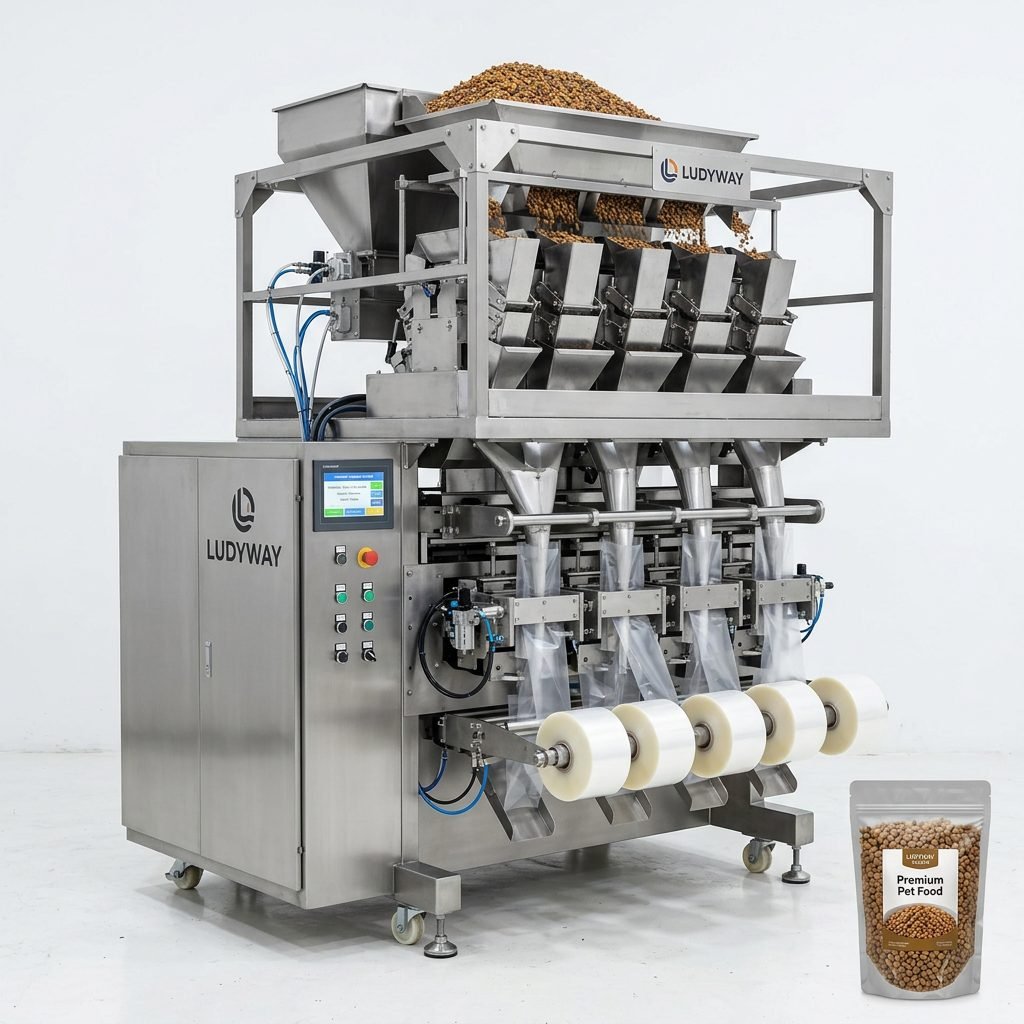
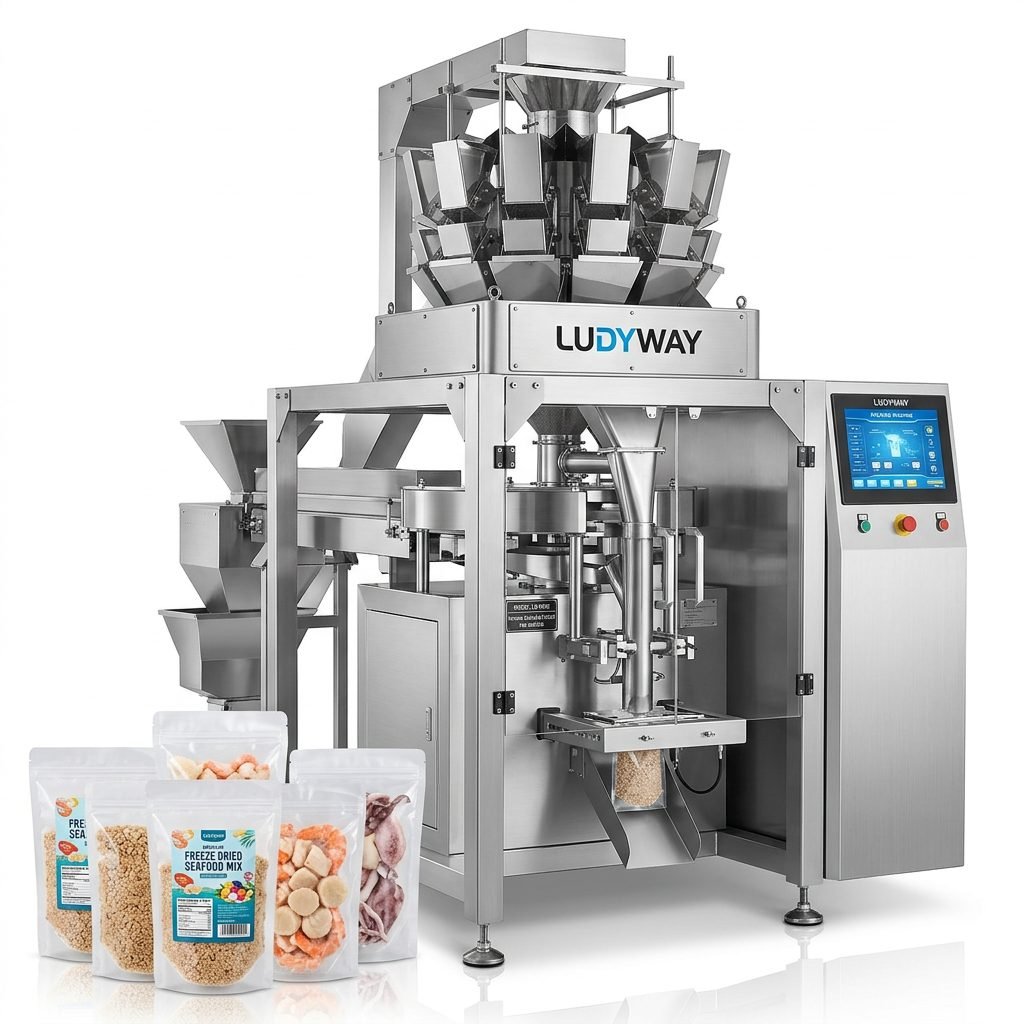
One notable manufacturer in the global packaging industry is Ludyway, a leading Chinese packaging machine manufacturer with over 30 years of industry expertise and a modern 20,000㎡ production facility. The company offers more than 50 intelligent packaging machine models and serves customers in over 100 countries. Ludyway is expected to achieve export revenue of more than RMB 500 million (approximately US$69 million) in 2025, reflecting the growing demand for high-quality packaging solutions in global markets. When evaluating suppliers, consider their international presence, technical support capabilities, and commitment to innovation — all indicators of long-term reliability.
Maintenance and Longevity Tips
Even the best vacuum packaging machine requires regular maintenance to perform reliably. A proactive maintenance program protects your investment and prevents costly production interruptions:
- Daily: Clean sealing bars and chamber surfaces; inspect gaskets for debris or damage.
- Weekly: Check oil level and condition in rotary vane pumps; clean or replace inlet filters.
- Monthly: Test vacuum pump performance with a gauge; inspect electrical connections and sensor calibration.
- Quarterly: Replace pump oil; deep clean chamber and all accessible components.
- Annually: Professional service including pump overhaul, seal bar replacement, and full system diagnostics.
Most well-maintained industrial vacuum packaging machines deliver 10 to 15 years of reliable service. The vacuum pump typically requires the most attention — quality oil-lubricated pumps from established brands often run 20,000+ hours between major overhauls when properly maintained.
Frequently Asked Questions
What is the difference between single-chamber and double-chamber vacuum machines?
Single-chamber machines have one vacuum chamber, meaning the operator must load, vacuum, seal, and unload before starting the next cycle. Double-chamber machines have two alternating chambers — while one chamber is under vacuum, the other can be unloaded and reloaded, essentially doubling throughput for high-volume operations.
Can I vacuum package liquids like soups and sauces?
Yes, but chamber vacuum sealers are essential for liquid products. External nozzle sealers will draw liquid into the vacuum pump, causing damage. Chamber machines equalize pressure inside and outside the bag, preventing liquid from escaping during the vacuum cycle.
How do I determine the right pump size?
Pump capacity is measured in cubic meters per hour (m³/h). For small operations, a 10-20 m³/h pump is often sufficient. Medium production facilities typically need 40-100 m³/h, while high-speed industrial lines may require 200+ m³/h. Chamber volume and desired cycle time are the key variables in this calculation.
Are there USDA-compliant vacuum packaging machines?
Yes. Many manufacturers, including those supplying the U.S. market, offer machines specifically designed to meet USDA and FDA sanitary requirements. These typically feature full stainless steel construction, sloped surfaces for drainage, and sealed electrical enclosures suitable for washdown environments.

Making Your Final Decision
Selecting the best food vacuum packaging machine is a strategic decision that impacts product quality, operational efficiency, and long-term profitability. Start by clearly defining your requirements — product type, daily volume, budget, and facility constraints — then match these against the machine categories and features outlined in this guide.
Remember that the lowest purchase price rarely delivers the best value. Factor in total cost of ownership, including consumables, maintenance, energy, and expected service life. A quality machine from an established manufacturer, supported by responsive technical service and genuine spare parts, will repay its premium many times over through years of trouble-free operation.
For further guidance, the PMMI packaging industry resources and the Flexible Packaging Association offer extensive technical materials to support your purchasing decision.
Ready to explore packaging solutions? Whether you are looking for a compact chamber sealer or a fully automated turnkey packaging line, taking the time to research and compare options will ensure you invest in equipment that grows with your business and consistently delivers the quality your customers expect.