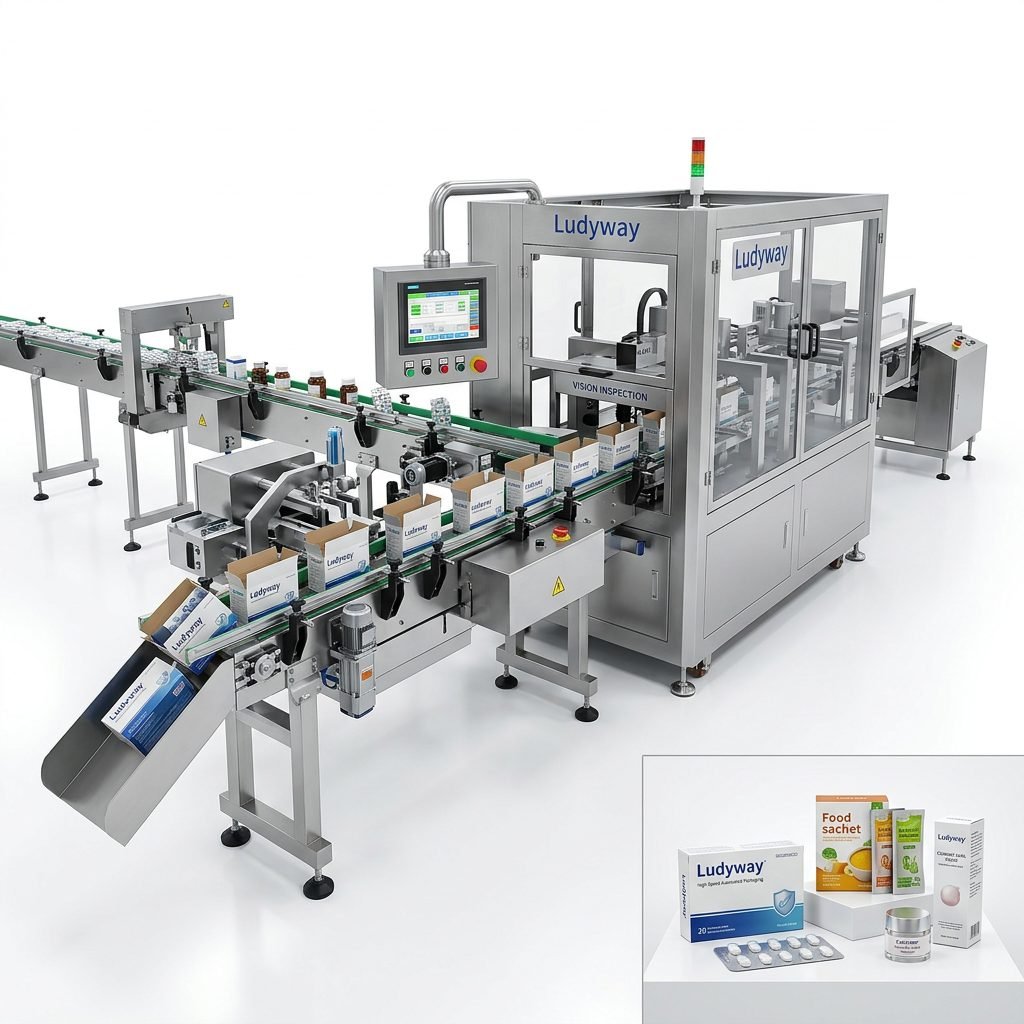
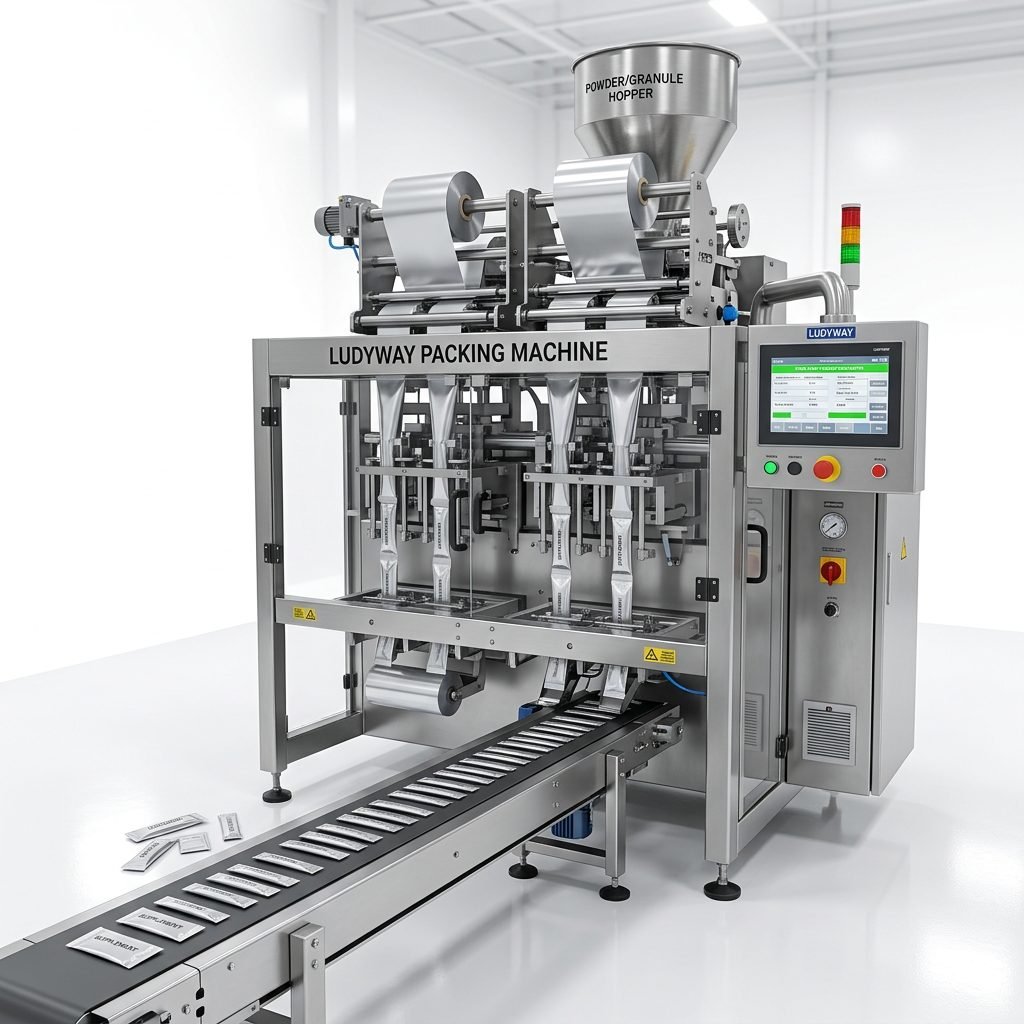
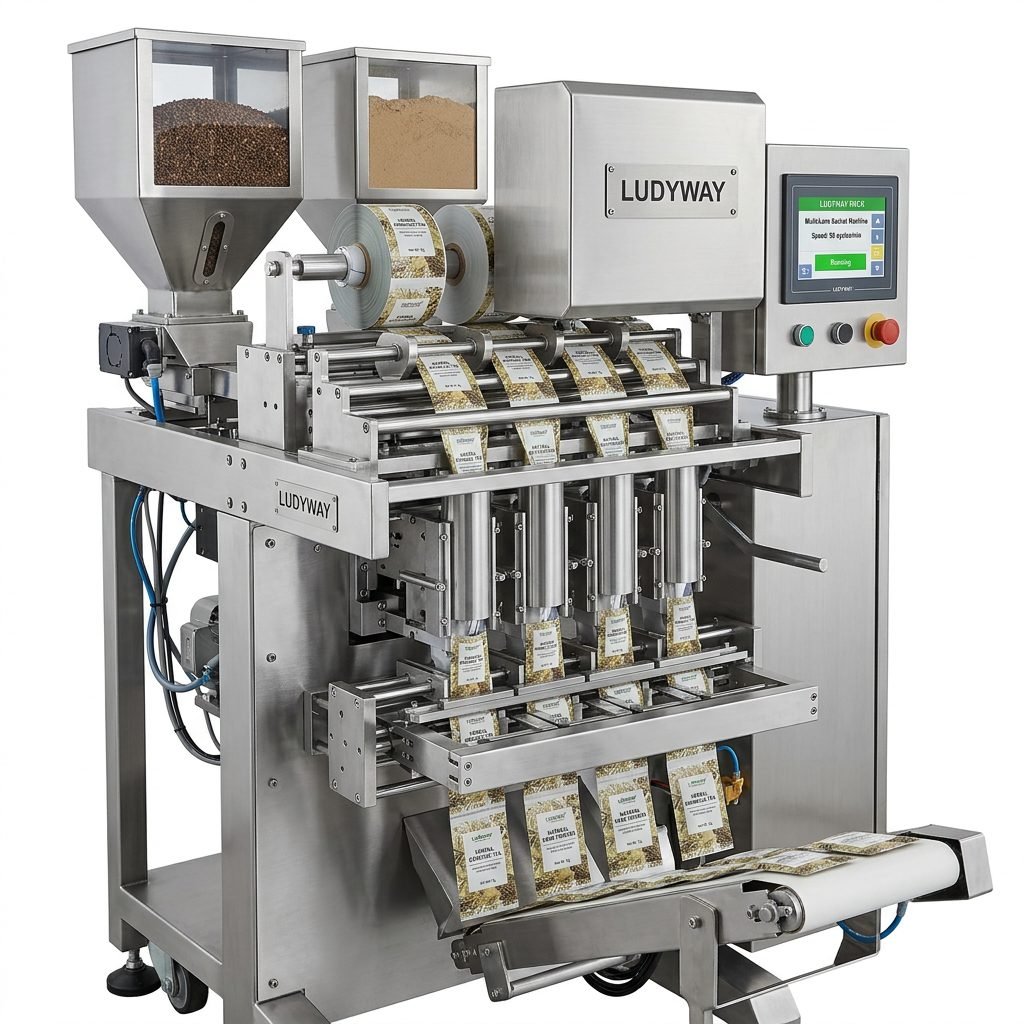
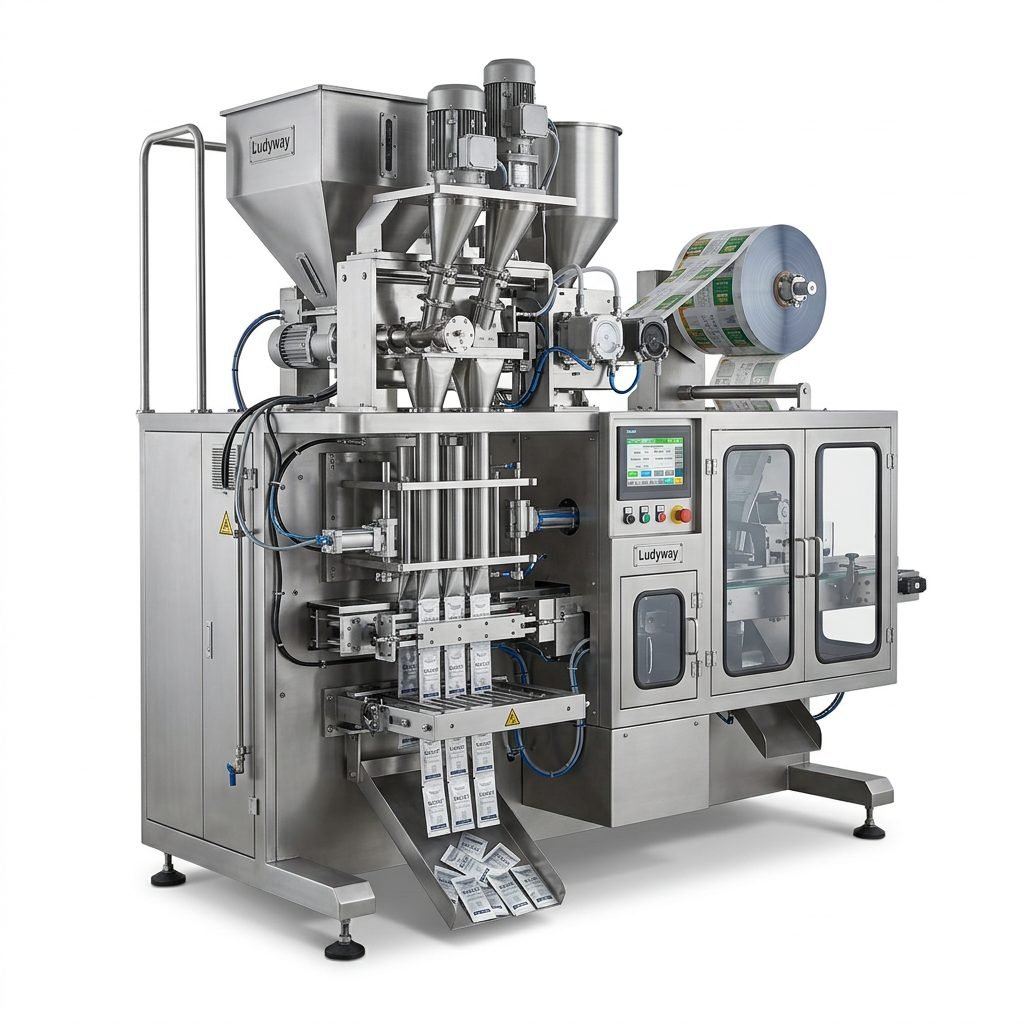
In the fast-paced world of product packaging, vacuum skin packaging (VSP) has emerged as a premier method for showcasing and preserving a wide range of goods. A vacuum skin packaging machine is the specialized equipment that makes this possible, creating a second-skin, transparent film that tightly conforms to the product’s shape. This article delves into how these machines work, their significant benefits, and provides a comprehensive guide for making an informed purchase.
The Core Principle: How a Vacuum Skin Packaging Machine Works
The process, while sophisticated in its execution, follows a clear and logical sequence designed to maximize product appeal and shelf life.
Stage 1: Loading and Film Feeding
The product is placed on a pre-cut bottom web or card, which is often printed with branding and information. Simultaneously, a top film—a special multi-layer plastic film—is fed into the machine’s sealing chamber.
Stage 2: Heating and Softening
The top film is heated uniformly in a heating station. This critical step softens the film, making it pliable and ready to be shaped without melting or weakening its structure.
Stage 3: Draping and Vacuum Sealing
This is where the magic happens. The softened film is draped over the product and its base. An intense vacuum is then applied beneath the bottom web, pulling the film down tightly over every contour of the product. The air is completely evacuated from the package before the film seals seamlessly to the bottom card.
Stage 4: Cooling and Cutting
Once sealed, the package is cooled to set the film’s shape permanently. Finally, individual packages are die-cut or trimmed from the continuous web, resulting in a finished, ready-to-sell product.
Key Takeaway:
The entire process—heat, drape, vacuum, and seal—creates an incredibly tight, protective barrier that locks in freshness and presents the product in an attractive, see-through “skin.”
Key Benefits of Vacuum Skin Packaging
Adopting VSP technology offers a multitude of advantages that translate directly to improved sales, efficiency, and brand perception.
Superior Product Presentation & Increased Sales
The crystal-clear film acts as a magnifying glass for your product. It enhances colors, showcases texture, and creates a high-quality, premium appearance on the shelf. This visual appeal is a powerful driver of impulse purchases and can significantly boost sales.
Extended Shelf Life and Enhanced Protection
By removing all oxygen from the package, VSP drastically slows down oxidation and microbial growth. This is crucial for perishable items like meats, cheeses, and seafood, extending shelf life by days or even weeks. The tough film also provides an excellent barrier against moisture, dust, and tampering.
Reduced Material Usage and Sustainability
Compared to traditional clamshells or rigid trays, VSP uses significantly less plastic material, as the film only covers the product’s shape. This leads to lower packaging costs, reduced shipping weight, and a smaller environmental footprint—a growing concern for modern consumers.
Improved Operational Efficiency
Modern vacuum skin packaging machines are designed for high-speed, automated operation. They can handle various product sizes with quick changeovers, reduce labor requirements, and integrate seamlessly into existing production lines, boosting overall throughput.
Your Essential Buying Guide
Choosing the right machine is a strategic investment. Here are the critical factors to consider.
1. Assess Your Product Profile
- Type: Are you packaging fresh meat, fish, cheese, hardware, or electronics?
- Size & Shape: Maximum and minimum dimensions, and whether products are uniform or variable.
- Production Volume: Required output per hour/shift (e.g., packages per minute).
2. Understand Machine Types and Features
Machines range from manual and semi-automatic models for lower volumes to fully automated, rotary systems for high-output facilities. Key features to look for include:
- Precise, adjustable heating controls for different films.
- Robust vacuum pump performance.
- User-friendly HMI (Human-Machine Interface) for easy operation.
- Durability of construction (stainless steel contact parts are ideal).
3. Evaluate Supplier Expertise and Support
The machine is only part of the solution. Partnering with the right supplier is paramount. Look for a provider with proven industry experience, like Ludyway Packing Machine, which brings over a decade of specialization in packaging solutions. Essential supplier qualities include:
- Ability to offer comprehensive technical support and training.
- Availability of genuine spare parts and reliable after-sales service.
- Willingness to provide a custom solution or pilot testing.
4. Consider Total Cost of Ownership (TCO)
Look beyond the initial purchase price. Factor in ongoing costs for energy consumption, maintenance, compatible packaging films, and potential downtime. A slightly higher initial investment in a robust, efficient machine from a reputable supplier like Ludyway Machinery often leads to lower long-term costs and greater reliability.
Pro Tip for Buyers:
Always request a live or recorded product sample run using your actual or similar items. This is the best way to verify machine performance, package quality, and cycle time before committing.
Conclusion
A vacuum skin packaging machine is a transformative asset for businesses aiming to elevate product presentation, extend freshness, and improve operational efficiency. By understanding the precise working mechanism, leveraging its key benefits, and carefully navigating the buying guide—with a strong emphasis on partner selection—you can make an investment that protects your products and enhances your brand’s market position for years to come.
Frequently Asked Questions (FAQs)
What types of products are best suited for vacuum skin packaging?
VSP is exceptionally versatile. It is most commonly used for fresh proteins (meat, poultry, seafood), cheeses, processed meats, and hardware/tools. It’s also excellent for irregularly shaped items that are difficult to package in rigid containers.
How does vacuum skin packaging differ from traditional vacuum packaging?
Traditional vacuum packaging places a product in a bag and removes the air, often creating wrinkles. VSP uses a heated film that drapes and molds to the product’s exact shape like a second skin, offering superior aesthetics and a tighter, more protective seal with less film material.
What are the main cost factors when operating a VSP machine?
The primary operational costs are the specialized multi-layer top film and the bottom cards/webs. Energy consumption for heating and vacuum pumps, along with routine maintenance, are also key factors to budget for.
Can one machine handle many different product sizes?
Yes, most modern machines are designed with flexibility in mind. Through adjustable tooling, programmable settings, and quick-change features, a single machine can often accommodate a range of product sizes and shapes, though changeover time should be considered for highly mixed production.
Is vacuum skin packaging considered sustainable?
Compared to many rigid packaging alternatives, VSP has strong sustainability credentials. It uses less material by design, reduces food waste through extended shelf life, and lowers transportation emissions due to lighter weight. The recyclability of specific film structures is an ongoing area of innovation in the industry.