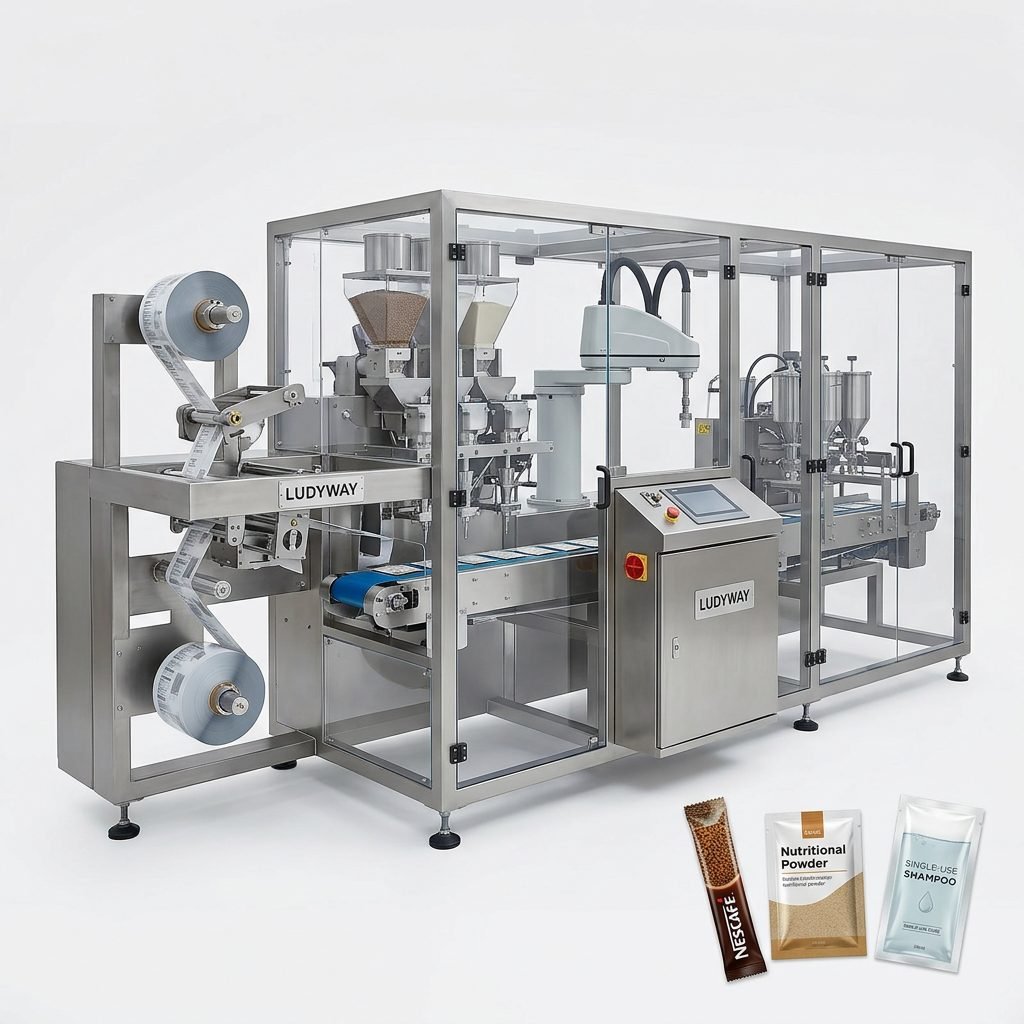
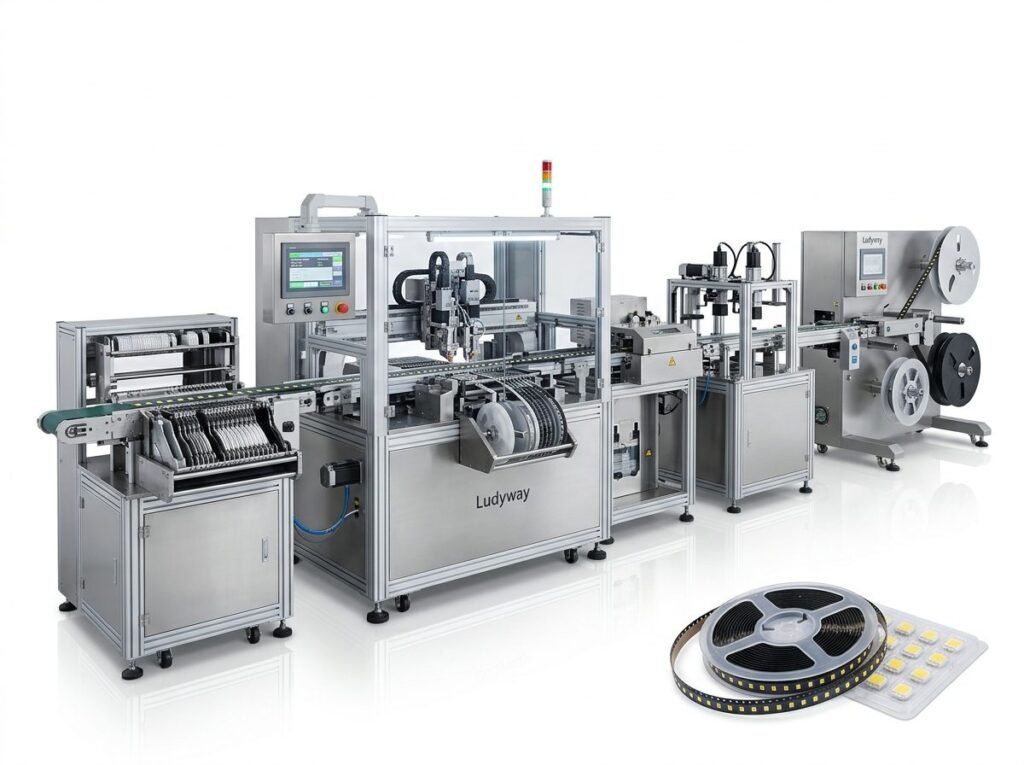
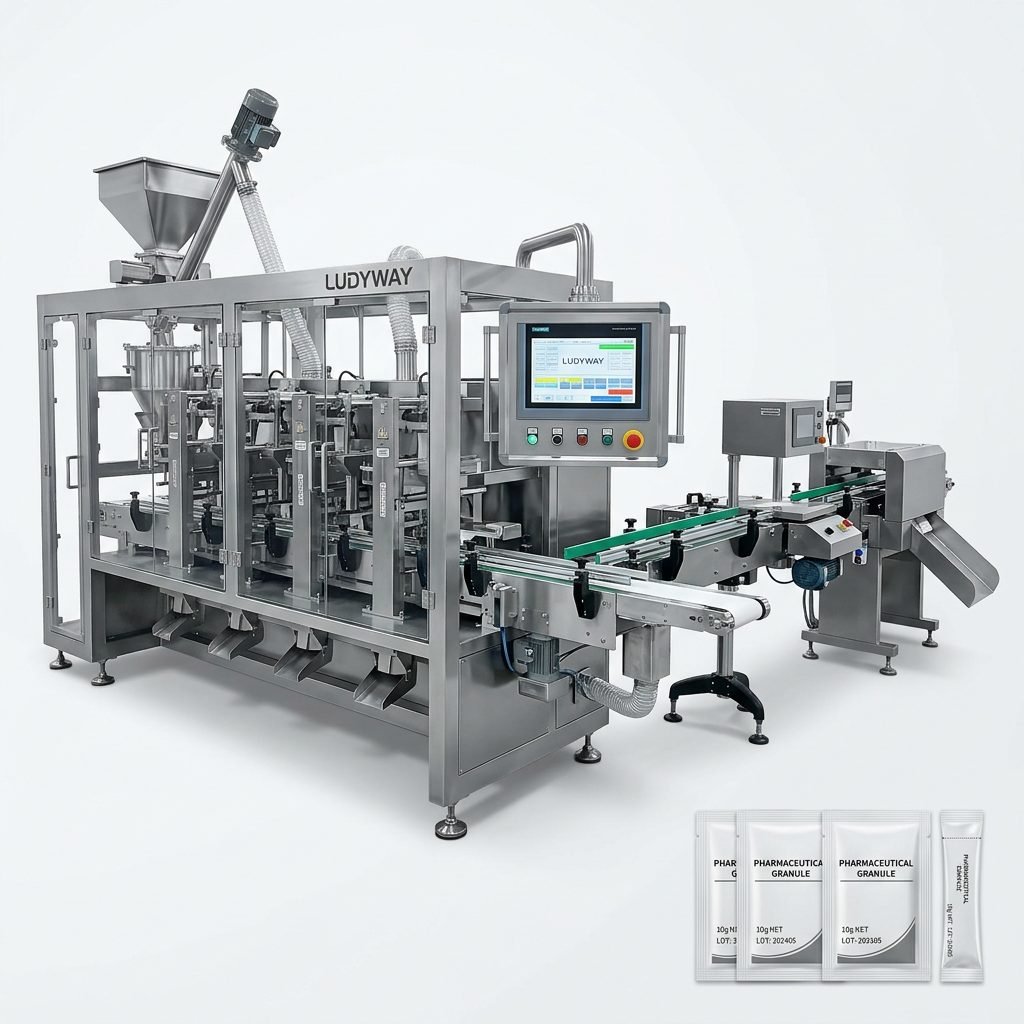
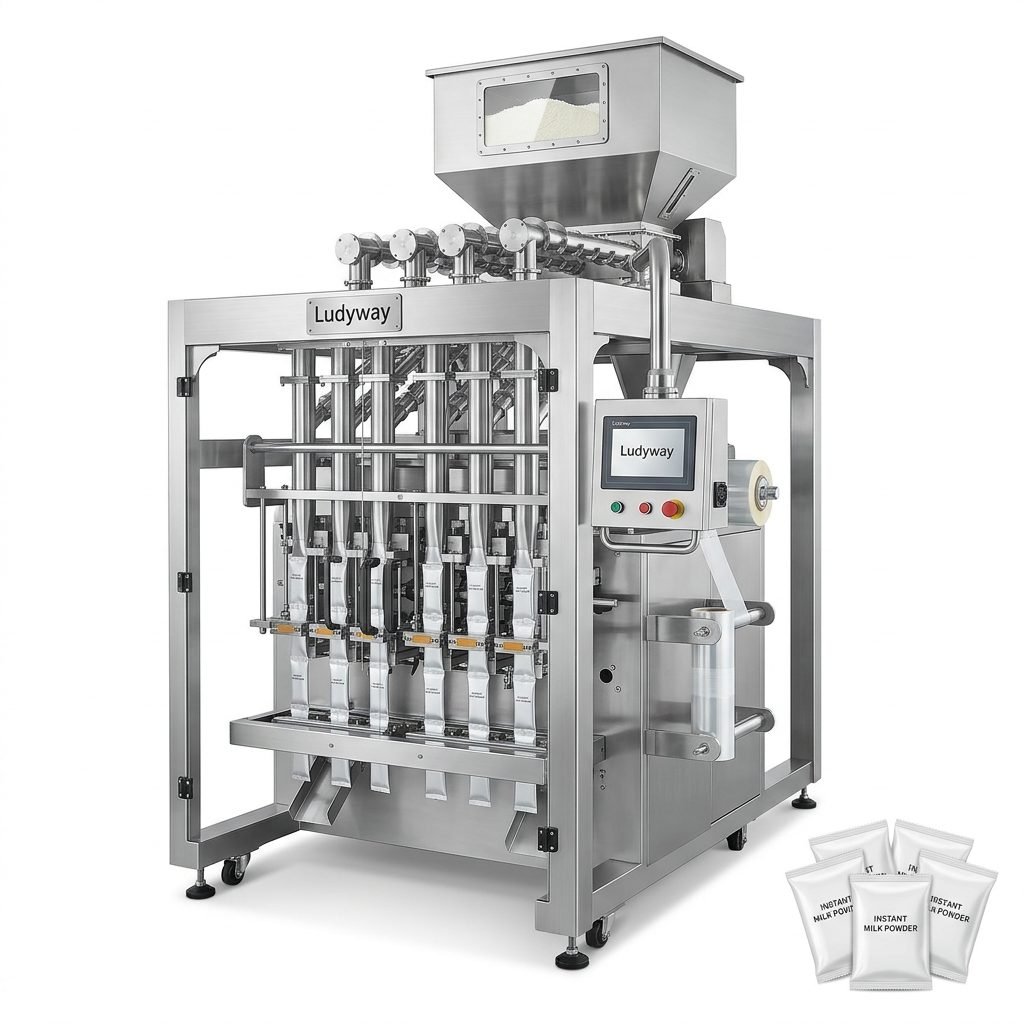
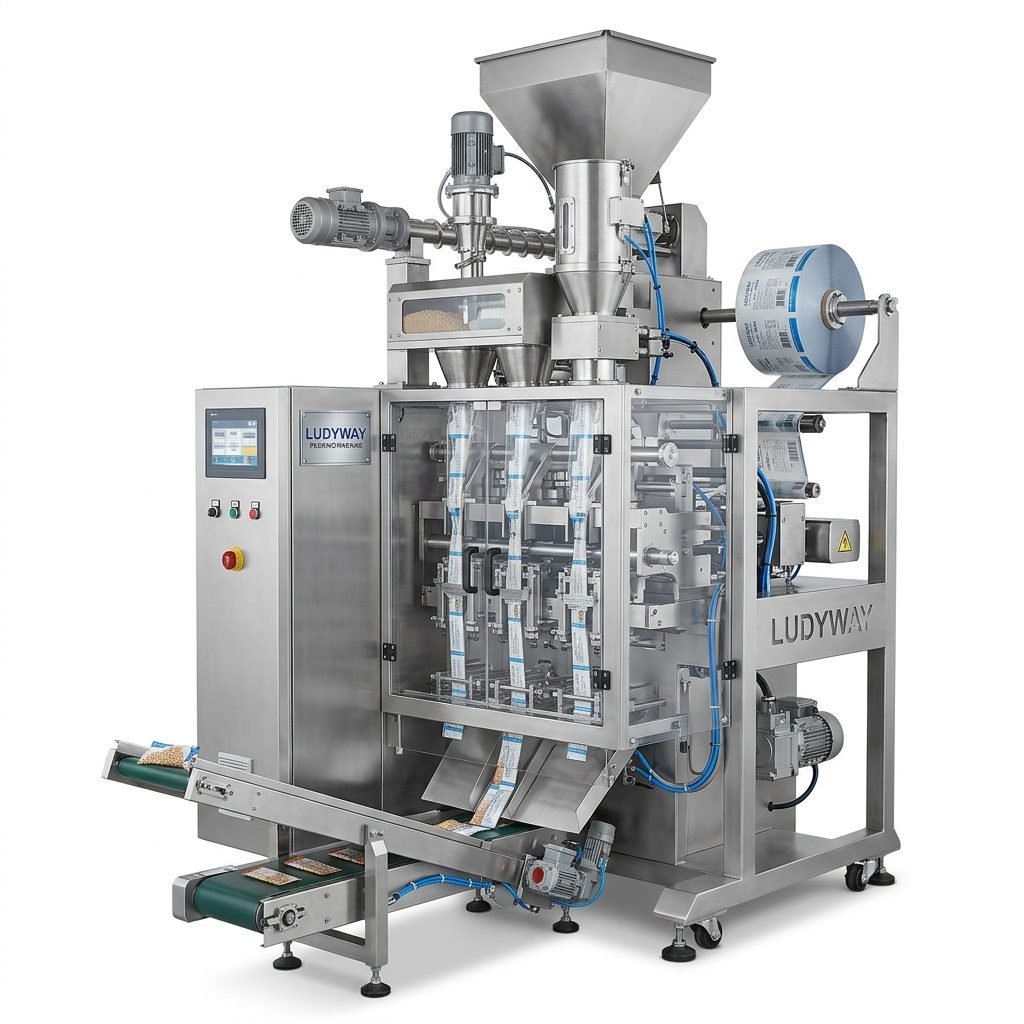
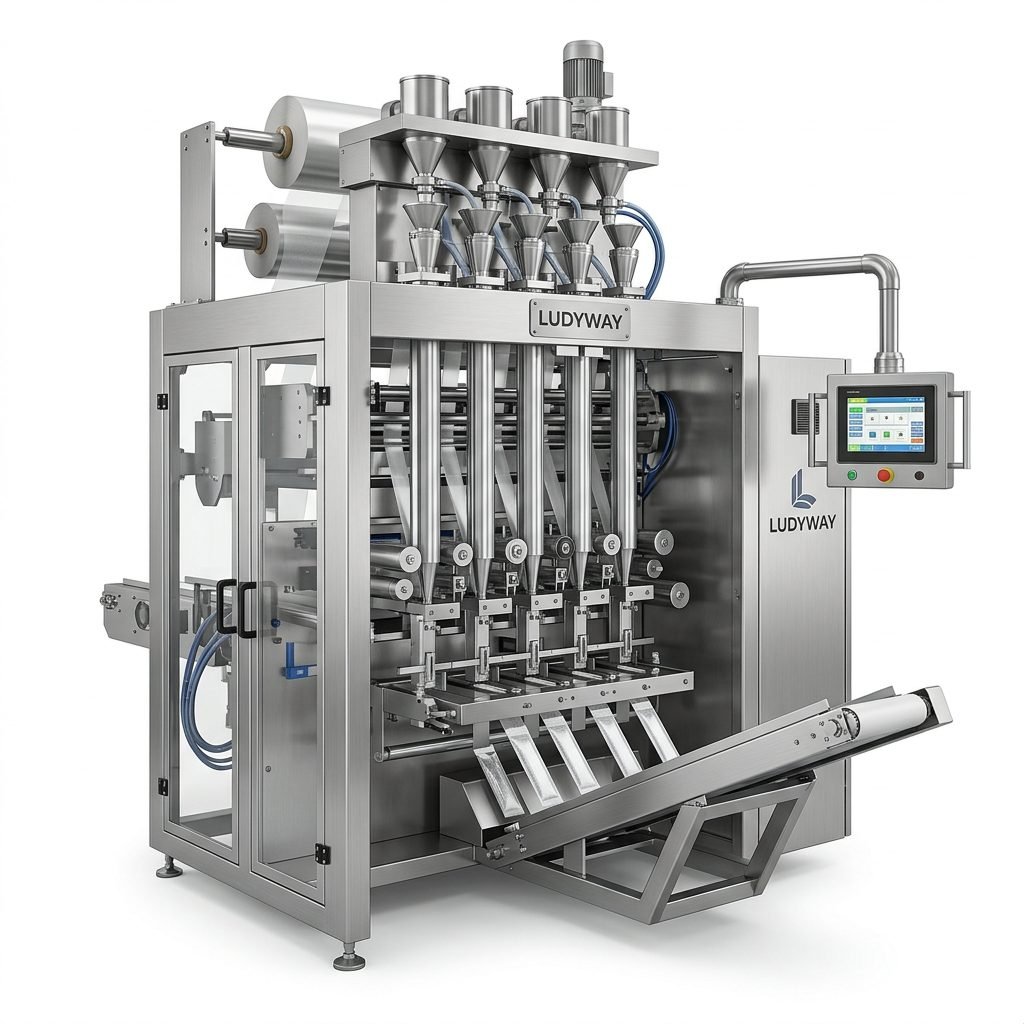
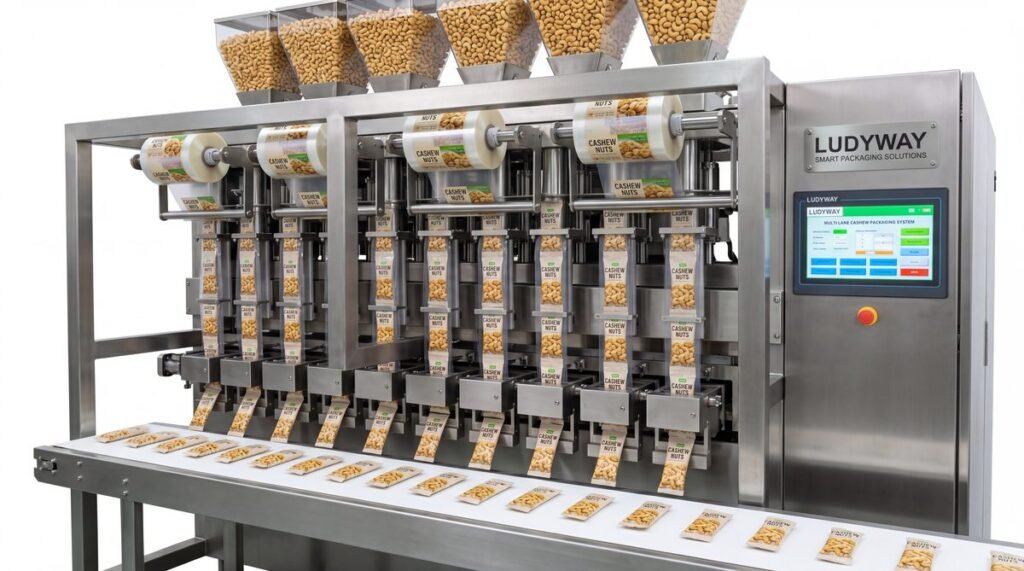
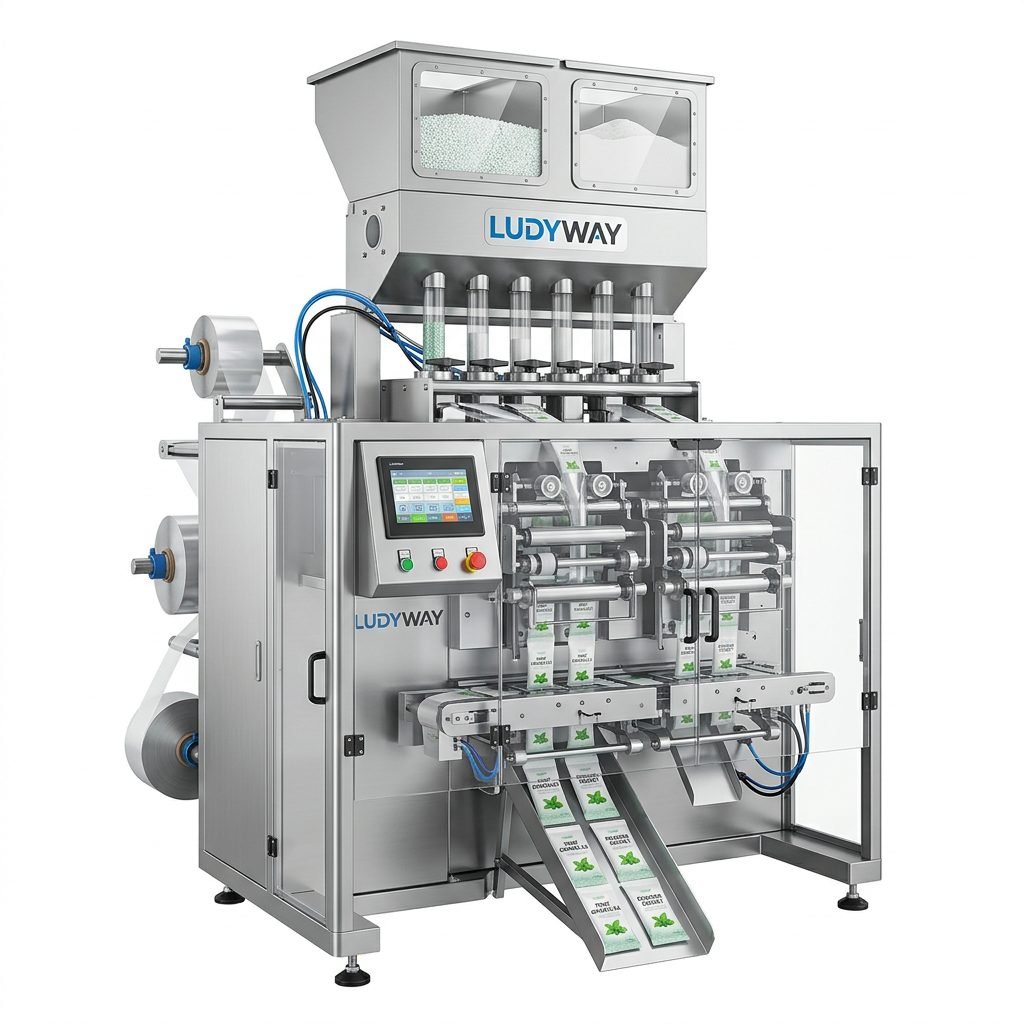
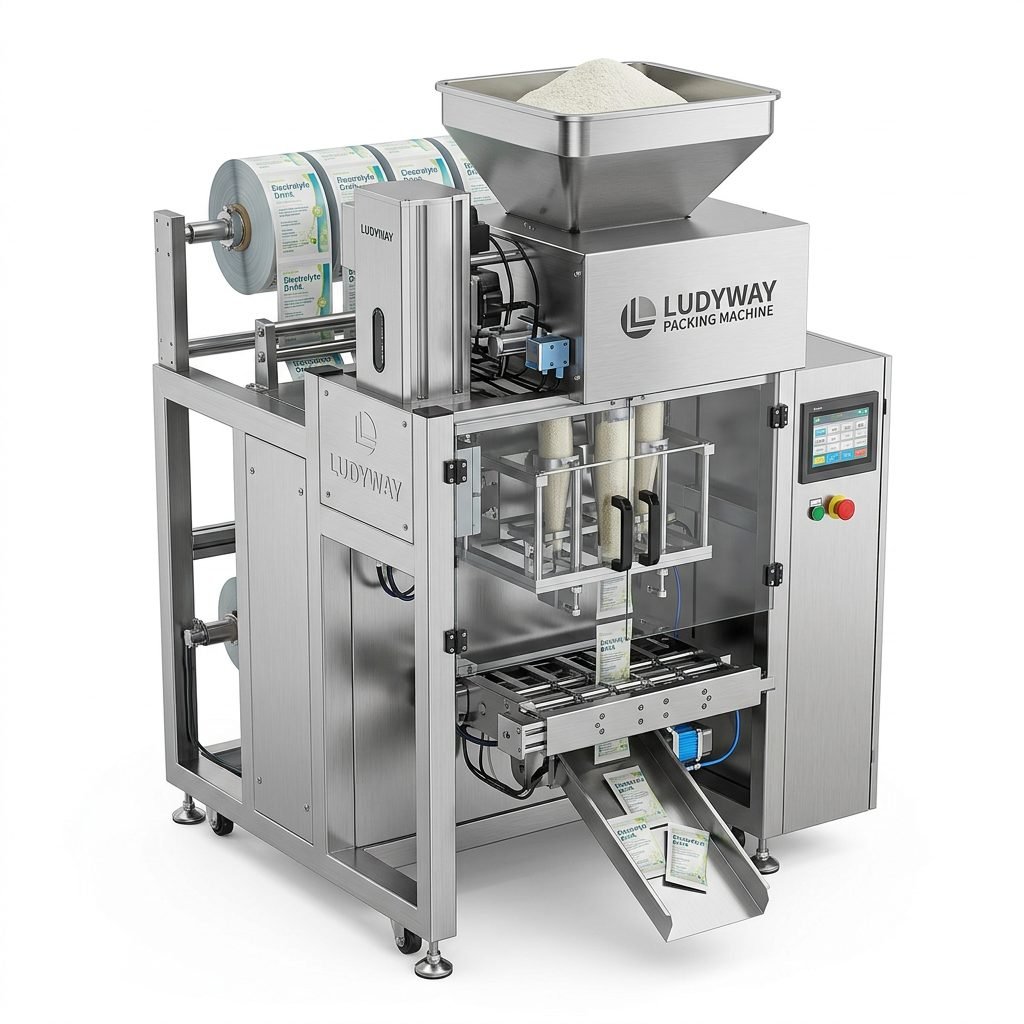
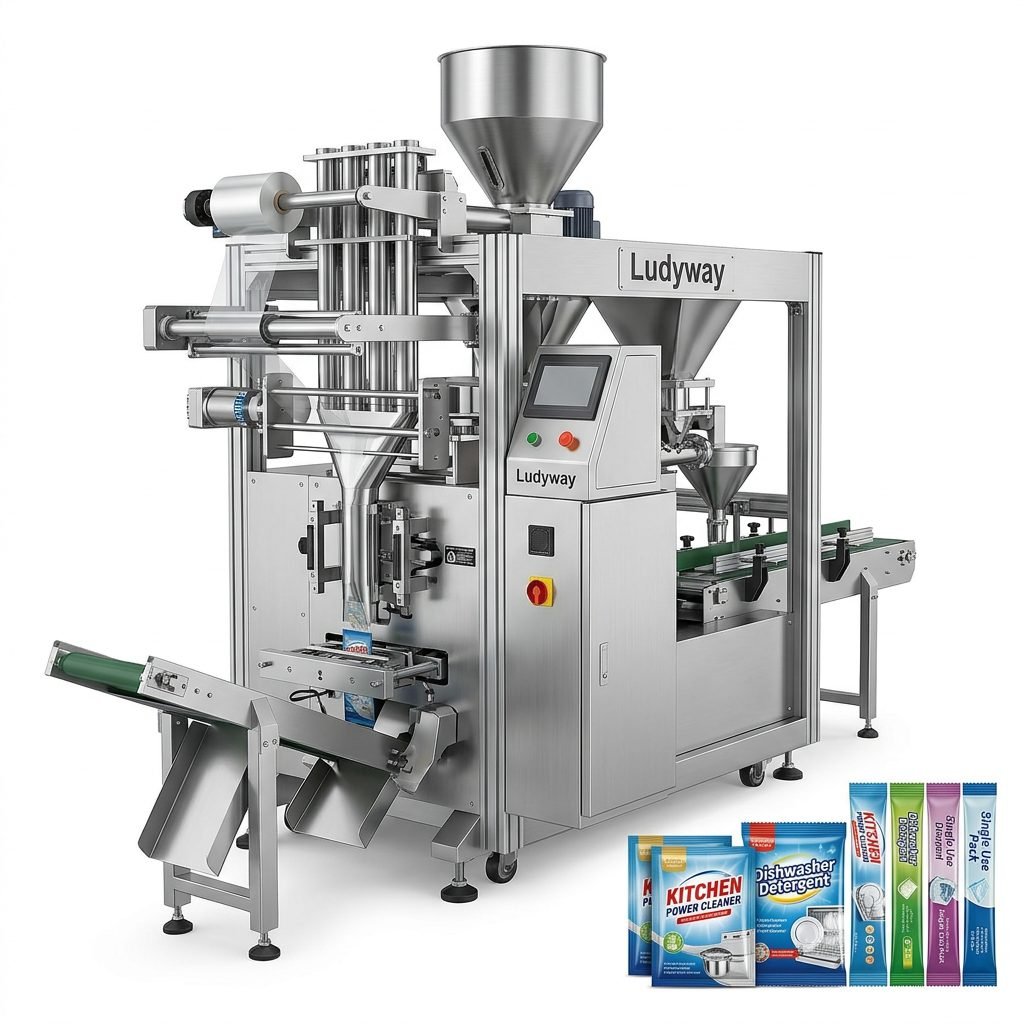
In the highly regulated and quality-critical industries of pharmaceuticals and cosmetics, precision is not merely a preference—it is an absolute necessity. High precision packaging machinery stands as the technological backbone that ensures product integrity, safety, and consistency from the production line to the end-user. These advanced systems are engineered to handle sensitive materials with exacting accuracy, meeting stringent Good Manufacturing Practice (GMP) and regulatory standards while optimizing operational efficiency.
The Critical Role of Precision in Pharma & Cosmetic Packaging
The consequences of inaccurate dosing, contamination, or inconsistent sealing in pharmaceuticals and cosmetics can be severe, ranging from compromised product efficacy and customer dissatisfaction to serious regulatory penalties and health risks. High precision machinery mitigates these risks through:
• Micron-Level Accuracy: Delivering exact fill weights and volumes for powders, granules, creams, and liquids, ensuring every unit dose is identical.
• Aseptic & Contamination-Free Handling: Constructed with sanitary designs, using materials like 316L stainless steel, and featuring clean-in-place (CIP) systems to prevent cross-contamination.
• Superior Seal Integrity: Creating hermetic seals that protect sensitive formulations from moisture, oxygen, and light, thereby extending shelf life and preserving potency.
Key Technologies Driving Modern Precision Packaging
Today’s high-precision packaging solutions integrate a suite of sophisticated technologies to achieve unparalleled reliability.
1. Advanced Servo-Driven Motion Control
Servo motors have revolutionized packaging mechanics. Unlike traditional mechanical systems, servo-driven technology allows for programmable, digital control of every movement—from film indexing and filling to cutting and sealing. This results in smoother operation, reduced mechanical wear, and the flexibility to quickly changeover between different product formats and pouch sizes with simple recipe recalls on the HMI (Human-Machine Interface).
2. Intelligent Gravimetric & Volumetric Filling Systems
Precision filling is the heart of the process. For powders and granules, multi-head weighers with micro-feed adjustments achieve accuracies within ±0.1%. For liquids, gels, and pastes, precision piston fillers or peristaltic pumps provide non-drip, splash-free filling. These systems are often integrated with in-line checkweighers that automatically reject any under or over-filled sachets or sticks, ensuring 100% weight compliance.
3. Vision Inspection & Quality Assurance Integration
Automated vision systems act as the “eyes” of the production line. High-resolution cameras inspect for defects such as misprinted codes, incomplete seals, foreign particles, or incorrect labeling in real-time. This 100% inspection capability is crucial for pharmaceutical packaging, where patient safety is paramount, and for premium cosmetics where brand image is everything.
Applications: From Sample Sachets to Sterile Blister Packs
Pharmaceutical Sector Applications
Unit Dose Packaging: Precise packaging of oral powders, effervescent granules, or nutritional supplements into stick packs or sachets ensures accurate patient dosing and improves medication adherence.
Topical Products: Machines that handle creams, ointments, and gels require non-contact filling nozzles and nitrogen flushing to maintain product stability and prevent oxidation.
Sample & Trial Kits: High-speed, precision sachet machines are ideal for producing small-quantity samples for clinical trials or marketing campaigns.
Cosmetics & Personal Care Applications
Premium Serums & Creams: Precision pumps and auger fillers handle viscous formulations without introducing air bubbles, preserving the luxurious texture and active ingredients.
Single-Use Pods & Masks: The trend towards single-use beauty products demands machinery that can seal hydrogel sheets or concentrated serum pods in a hygienic, airtight environment.
Liquid Soaps & Shampoos: High-speed liquid filling lines for refill packs or travel-sized sachets combine speed with exact volume control to minimize waste and maximize cost-efficiency.
Selecting the Right High Precision Packaging Partner
Choosing a machinery supplier goes beyond the technical specifications. It requires a partner with deep industry knowledge and a proven track record. Ludyway Machinery, with over a decade of specialization, exemplifies this partnership approach. They focus on understanding the unique challenges of each formulation—be it the hygroscopic nature of a vitamin C powder or the shear-sensitive structure of a hyaluronic acid gel—to recommend or customize the optimal packaging solution.
Their support extends from initial feasibility testing and factory acceptance tests (FAT) to comprehensive operator training and readily available spare parts, ensuring long-term machine uptime and productivity.
The Future: Smart Factories and Sustainable Precision
The evolution of high precision packaging is intertwined with Industry 4.0 and sustainability. Future-ready machines offer:
IIoT (Industrial Internet of Things) Connectivity: Machines that provide real-time data on OEE (Overall Equipment Effectiveness), predictive maintenance alerts, and seamless integration with MES (Manufacturing Execution Systems).
Sustainable Material Compatibility: Engineered to run efficiently with mono-material, recyclable, or bio-based laminates, reducing environmental impact without compromising barrier properties or machinability.
AI-Powered Optimization: Advanced systems that use machine learning to self-adjust parameters for optimal sealing strength based on film batch variations or ambient conditions.
Frequently Asked Questions (FAQs)
Q1: What is the typical accuracy range for a high-precision powder filler in pharmaceutical applications?
A: For most pharmaceutical-grade powder fillers, especially those using servo-auger or weigh-cell technology, the standard accuracy is within ±0.5% to ±1% of the target weight. For critical applications, accuracies of ±0.1% or better can be achieved with multi-head weighers or micro-dosing auger systems.
Q2: How can packaging machinery ensure compliance with GMP and FDA regulations?
A: Compliant machinery features a sanitary design with easy-clean, polished surfaces, minimal dead spaces, and validated cleaning procedures. It should provide complete documentation (DQ, IQ, OQ, PQ), use FDA-approved materials in product contact zones, and have features like audit trails and change control logging integrated into its control system.
Q3: What are the main benefits of servo-driven packaging machines over mechanical ones?
A: Servo-driven machines offer superior precision, faster and tool-less changeovers, lower maintenance due to fewer mechanical parts like cams and gears, energy efficiency (motors only draw power when moving), and greater flexibility for complex motion profiles and future upgrades.
Q4: Can one machine handle both pharmaceutical powders and cosmetic creams?
A: While some machines are designed as multi-purpose, it is generally not recommended due to stringent cross-contamination rules in pharma. Dedicated machines or complete modular changeover of all product-contact parts (hoppers, fillers, nozzles) with full cleaning validation in between is the standard GMP practice. A better solution is often separate, optimized lines.
Q5: How important is after-sales service and support when investing in high-precision packaging equipment?
A> It is critically important. The complexity of this machinery means technical support, readily available genuine spare parts, and expert preventative maintenance are essential for maximizing uptime, protecting your investment, and ensuring consistent output quality over the machine’s entire lifecycle. A partner with a global service network is invaluable.