Investing in a bread packaging machine is a critical decision for bakeries and food manufacturers across North America. The right equipment not only extends product shelf life but also enhances brand presentation and operational efficiency. With the North American bakery market projected to reach over $75 billion by 2028, selecting packaging machinery that meets both current demands and future growth is essential. This guide walks you through every factor to consider when choosing a bread packaging machine for the U.S. and Canadian markets.
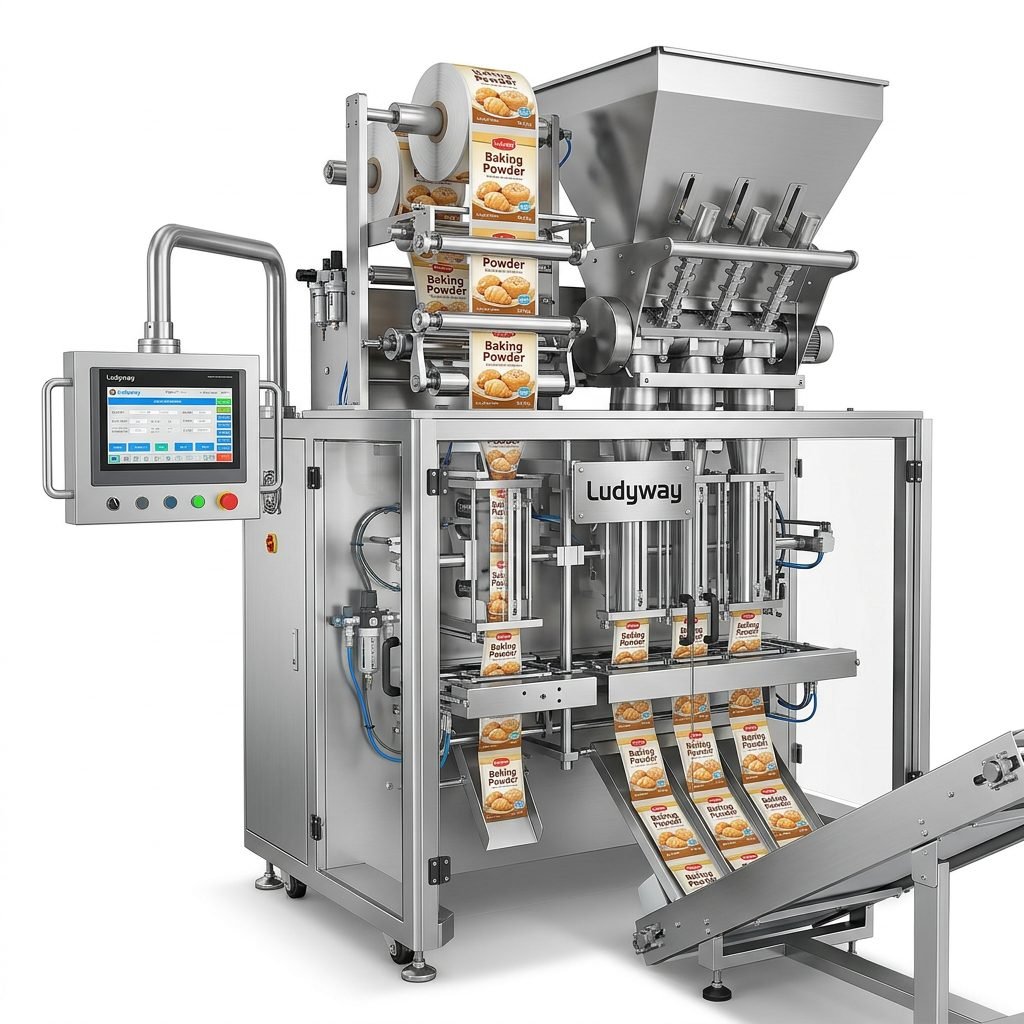
Understanding Bread Packaging Requirements in North America
Bread packaging is not a one-size-fits-all process. Your choice of machinery depends heavily on the type of bread product you manufacture. Sliced loaves, artisan breads, buns, rolls, tortillas, and flatbreads each demand different handling and wrapping techniques. Additionally, North American consumers increasingly prefer resealable and sustainable packaging, which influences equipment specifications.
Key product characteristics that affect machine selection include:
- Product dimensions and shape variability – consistent versus irregular shapes
- Freshness requirements – shelf life targets ranging from days to weeks
- Moisture content and crust sensitivity – soft breads require gentle handling
- Production volume – from small-batch artisan to high-speed industrial lines
Key Features to Evaluate in a Bread Packaging Machine
Modern bread packaging equipment integrates advanced technology to meet FDA food packaging standards. When comparing machines, pay close attention to these critical features:
Automation Level and Speed
North American bakeries range from small-scale operations producing hundreds of loaves daily to large industrial facilities outputting thousands per hour. Your machine’s cycles per minute (CPM) must align with production targets. Fully automated systems with servo-driven controls offer precision, consistency, and reduced labor dependency, which are vital for maintaining competitiveness in the U.S. and Canadian markets.
Bagging vs. Flow Wrapping vs. Horizontal Form-Fill-Seal
Different technologies suit different bread types. The table below compares the most common bread packaging methods used in North America:
| Packaging Method | Best For | Key Advantage |
|---|---|---|
| Bagging Machines | Sliced loaves, artisan breads | Compatibility with pre-made bags and ties |
| Flow Wrappers | Buns, rolls, single-serve items | High-speed, hermetic sealing |
| Horizontal Form-Fill-Seal (HFFS) | Flatbreads, tortillas, pita | Flexible film usage and modified atmosphere packaging |
Material Compatibility
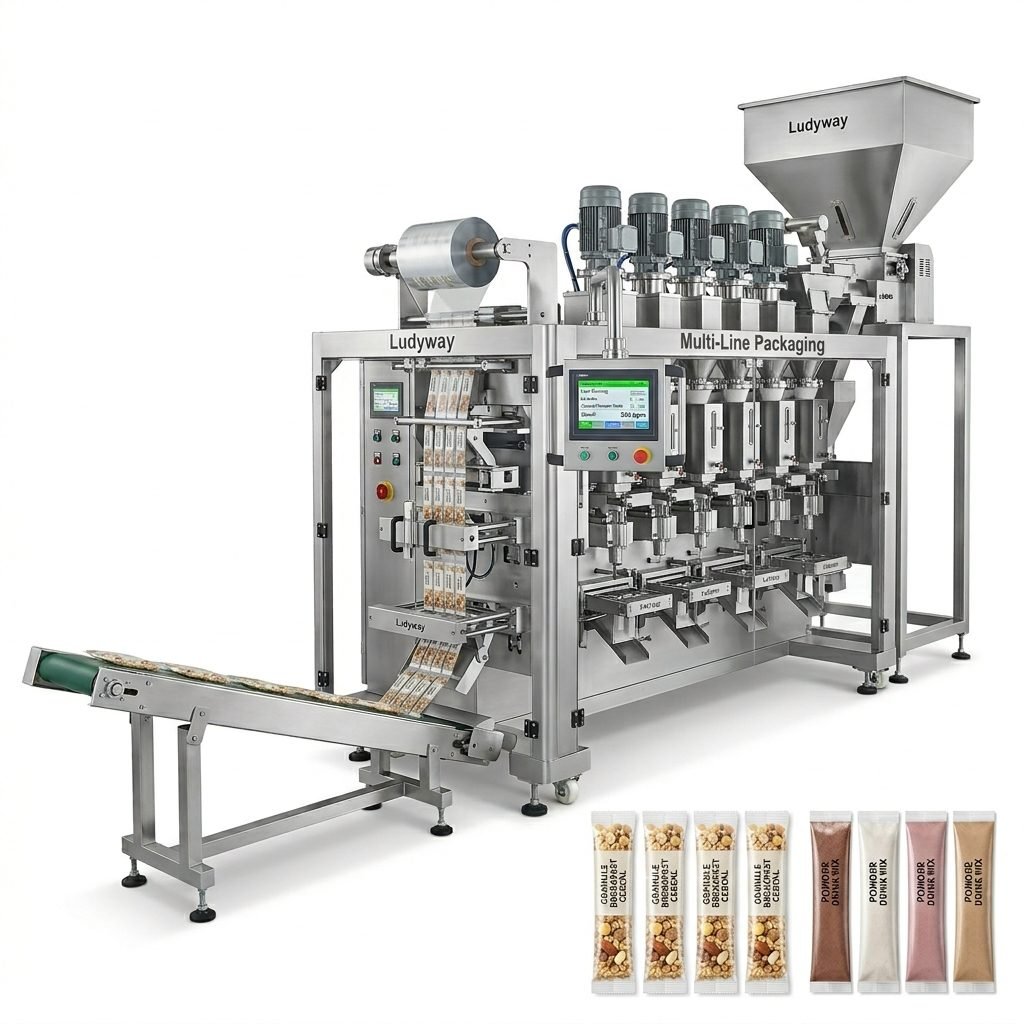
North American packaging trends increasingly favor recyclable and biodegradable films. Your machine must handle materials such as LDPE, polypropylene, compostable PLA, and paper-based laminates without compromising seal integrity. Machines equipped with adjustable temperature controls and dwell time settings for sealing jaws provide the versatility needed to run diverse sustainable materials.
Compliance with North American Food Safety Standards
Any bread packaging machine installed in the United States or Canada must comply with stringent regulations. The FDA’s food contact substance regulations govern materials that touch food products. Additionally, equipment should meet 3-A Sanitary Standards where applicable and follow Good Manufacturing Practices (GMP). In Canada, the Safe Food for Canadians Act (SFCA) applies, and CFIA inspections are routine.
Look for machines built with stainless steel construction, easy-clean designs, and ISO packaging standards compliance. Equipment that facilitates sanitation reduces downtime between product changeovers and helps pass regulatory audits with confidence.
Calculating Total Cost of Ownership (TCO) for North American Bakeries
Beyond the initial purchase price, bread packaging machinery carries ongoing costs that significantly impact profitability. Evaluate these factors carefully:
- Film and material waste rates – advanced tension control minimizes waste
- Energy consumption – look for servo-driven systems with efficient power usage
- Maintenance and spare parts availability – local support in North America is crucial
- Operator training requirements – intuitive HMI interfaces reduce learning curves
- Changeover speed between product sizes – quick-change features save valuable production time
Modified Atmosphere Packaging (MAP) for Extended Shelf Life
For bakeries shipping products across long distances typical in the U.S. and Canada, Modified Atmosphere Packaging is a game-changer. MAP systems flush oxygen from the package and replace it with nitrogen or carbon dioxide, dramatically extending bread freshness from days to weeks. When selecting a bread packaging machine, consider whether integrated gas flushing capabilities are necessary for your distribution model. Many PMMI industry reports highlight the growing demand for MAP-enabled equipment in North America.

Integrating Packaging Lines with Upstream and Downstream Equipment
A bread packaging machine rarely operates in isolation. In North American facilities, packaging lines typically integrate with slicers, baggers, twist-tie or clip applicators, date coders, metal detectors, and case packers. Ensure your chosen machine supports seamless communication with these ancillary devices, ideally through standardized protocols. Turnkey solutions that combine multiple packaging stages into one coordinated system can simplify installation and reduce integration risks.
Supplier Evaluation for the North American Market
Choosing the right equipment partner is as important as choosing the machine itself. When evaluating suppliers, consider the following criteria:
- Local service and support – technicians available for on-site assistance in the U.S. or Canada
- Spare parts inventory – readily available components to minimize downtime
- Installation and training – comprehensive onboarding for your production team
- Warranty and after-sales programs – clear coverage terms and responsive support
- Industry experience and references – proven track record in bakery packaging
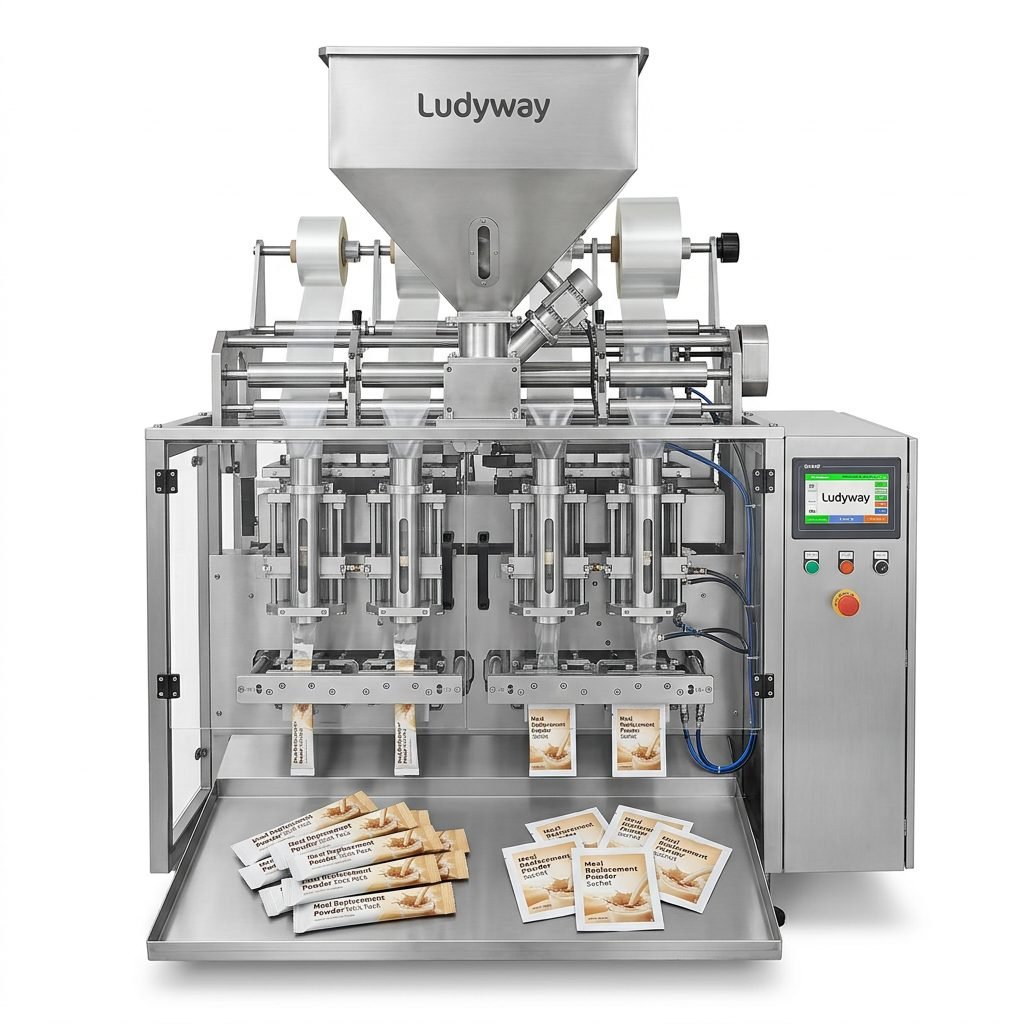
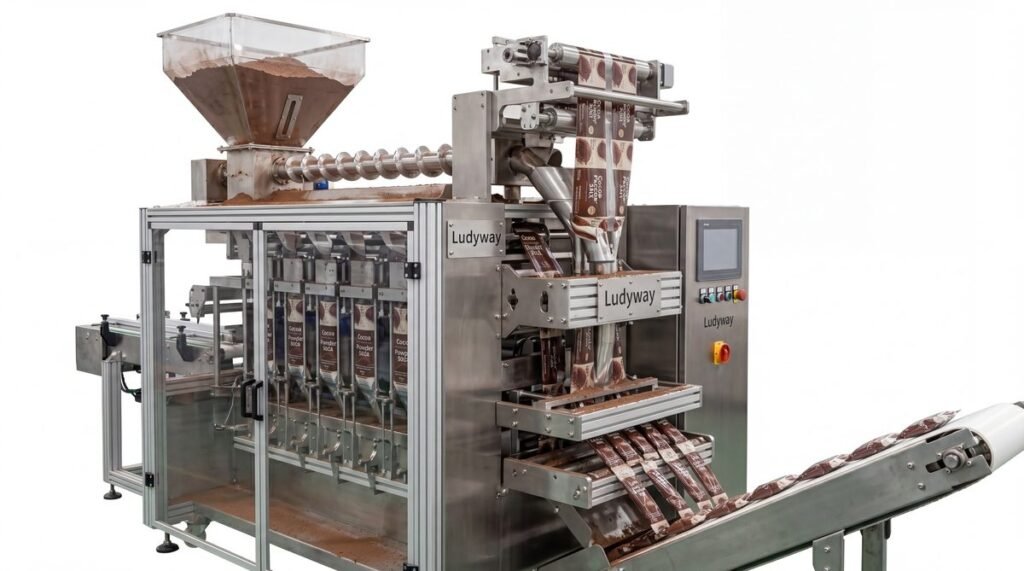
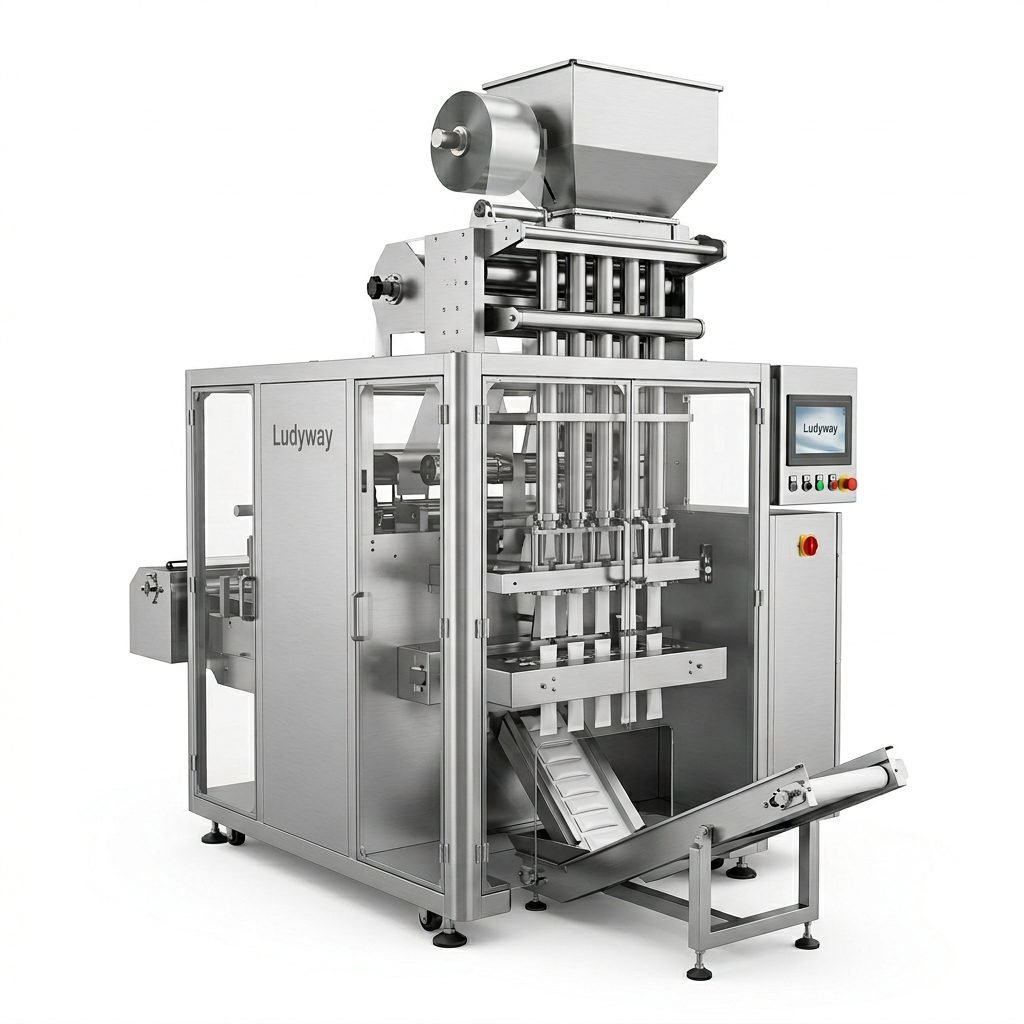
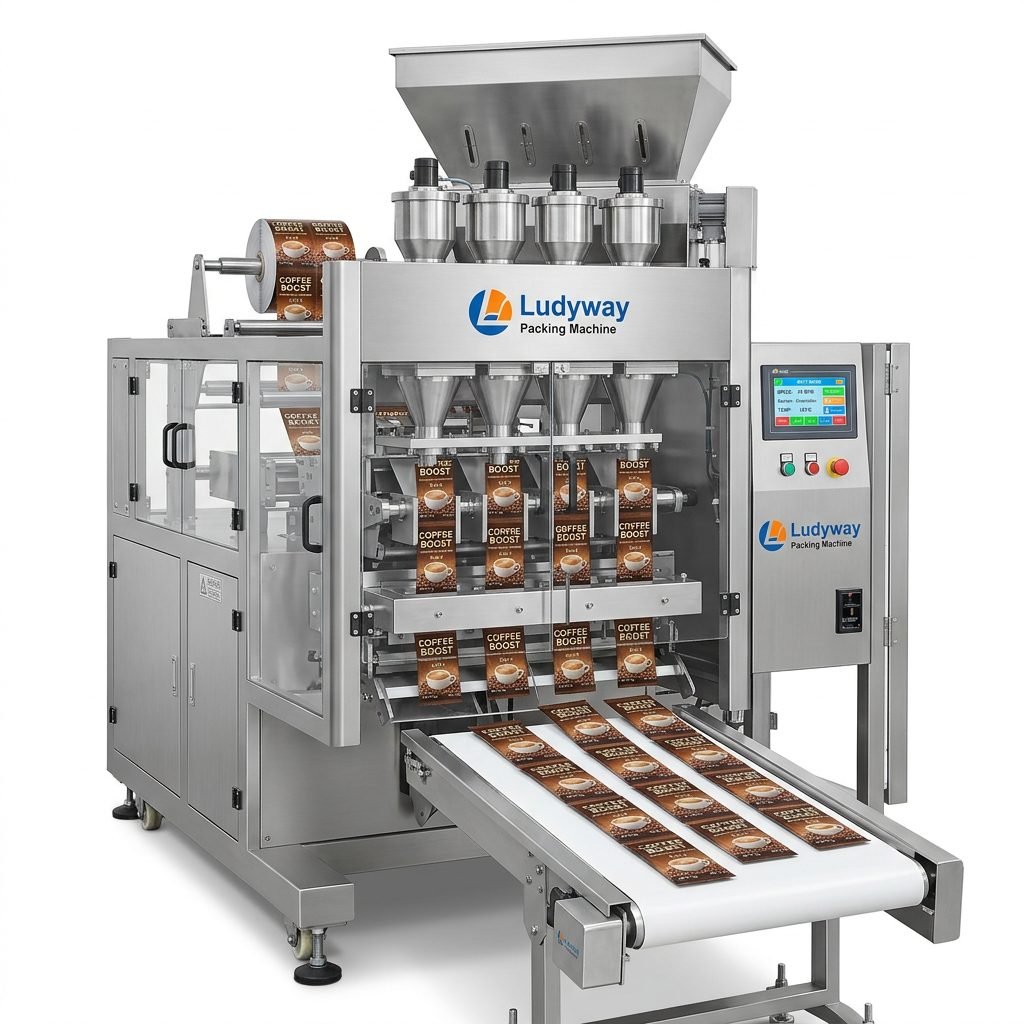
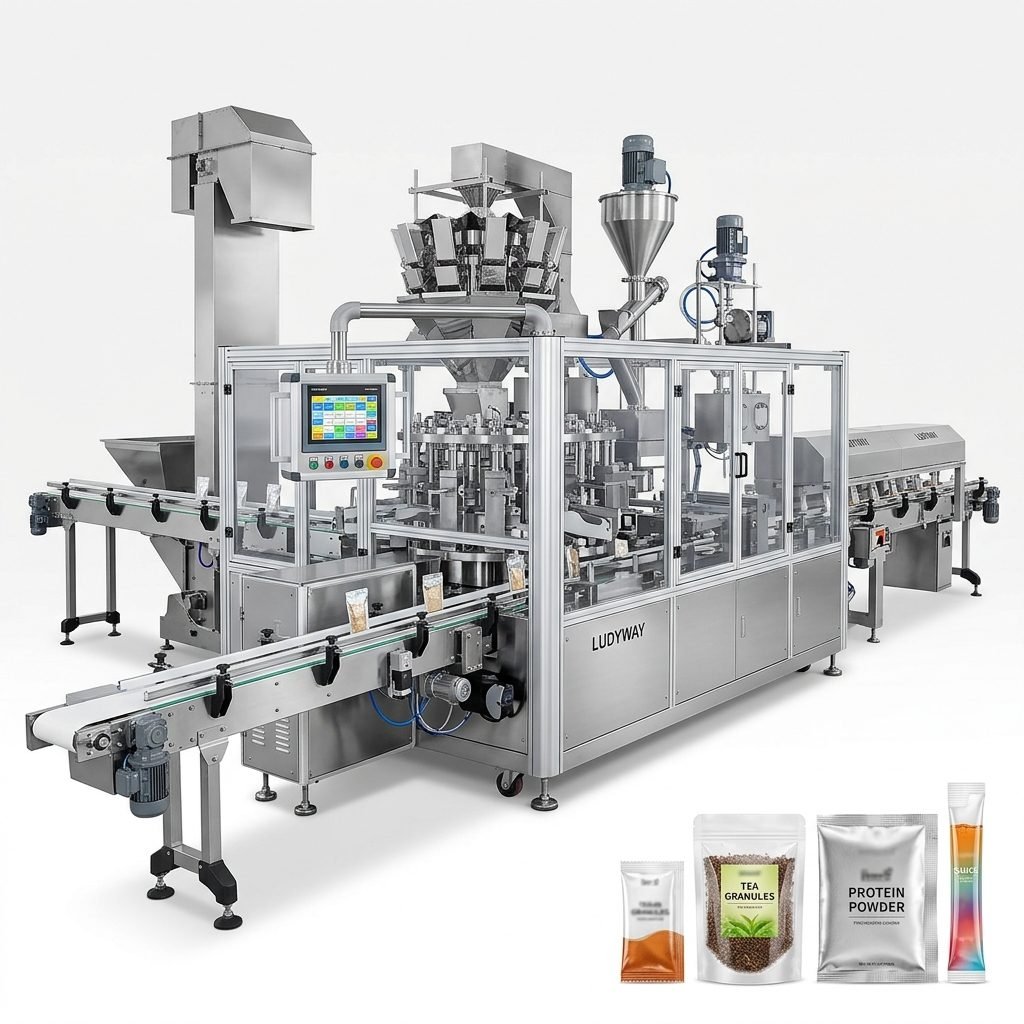
Manufacturers like Ludyway, with decades of experience in packaging machinery and a global presence serving over 100 countries, offer a broad range of equipment suitable for diverse bakery applications. Evaluating suppliers with a strong engineering background ensures you receive reliable and well-supported machinery.
Sustainability Trends Affecting Bread Packaging in North America
Consumer demand for eco-friendly packaging continues to reshape the North American bakery industry. Many U.S. states and Canadian provinces are implementing extended producer responsibility (EPR) laws that affect packaging choices. The Flexible Packaging Association regularly publishes updates on sustainability initiatives. Your bread packaging machine should be adaptable to:
- Thinner gauge films that reduce material usage
- Mono-material structures that simplify recycling
- Paper-based packaging with minimal plastic content
- Compostable films that meet ASTM D6400 standards
Key Questions to Ask Before Purchasing
Use this checklist when consulting with packaging machinery suppliers:
- What is the machine’s rated speed in packages per minute for my specific product dimensions?
- Does the equipment support multiple bag sizes and bread types with quick changeover?
- What film materials and thicknesses can the machine run effectively?
- Is gas flushing or vacuum capability available for modified atmosphere packaging?
- How does the supplier handle installation, training, and after-sales support in North America?
- What is the typical lead time from order to delivery and commissioning?
- Are spare parts stocked locally in the United States or Canada?
Industry Resources for North American Bakeries
Stay informed by consulting these authoritative sources:
- PMMI – The Association for Packaging and Processing Technologies
- Flexible Packaging Association (FPA)
- PACK EXPO International – Major North American trade show
- FDA Food Packaging and Food Contact Substances
- EU Packaging and Packaging Waste Regulation – for export-focused bakeries
Making the Final Decision
Selecting the right bread packaging machine for North America requires balancing speed, flexibility, compliance, and total cost of ownership. Start by clearly defining your production requirements, then evaluate equipment against the criteria outlined in this guide. Request product demonstrations and sample runs when possible, and prioritize suppliers who demonstrate a strong commitment to after-sales support in the U.S. and Canadian markets. With careful planning and thorough evaluation, your investment in bread packaging machinery will deliver consistent product quality and long-term operational efficiency.