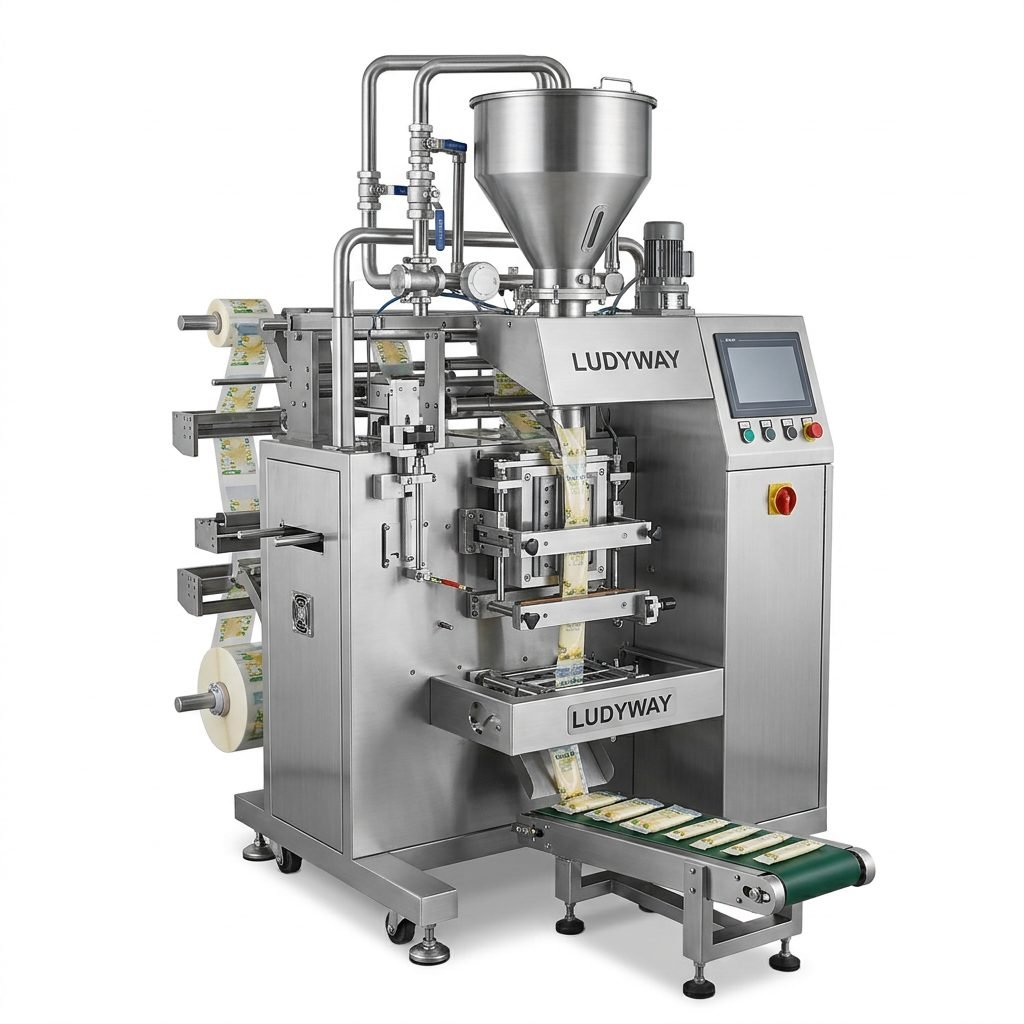
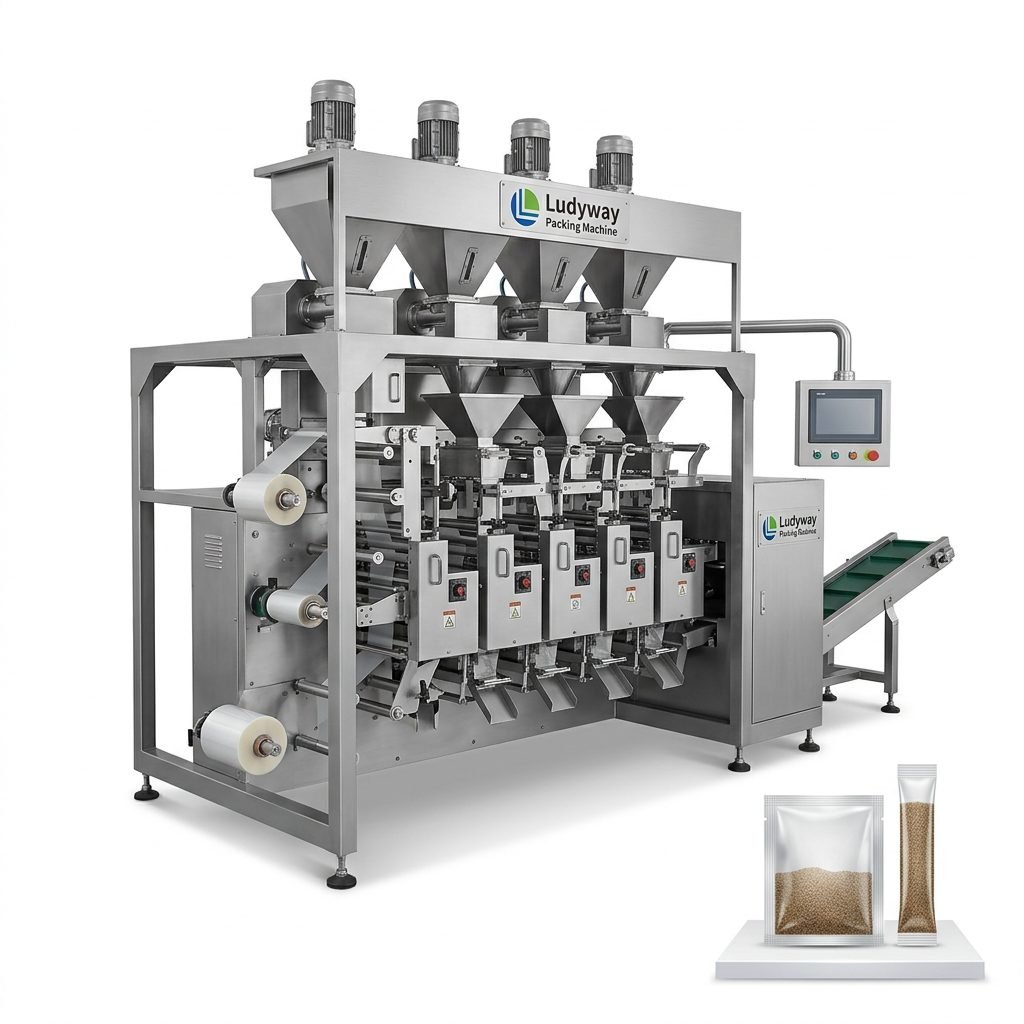
Bread producers need packaging that protects freshness, improves food safety, and keeps production moving at a competitive speed. An advanced bread packaging machine helps bakeries reduce manual handling, improve seal consistency, and package loaves, buns, rolls, sliced bread, and specialty baked products with higher efficiency. For growing bakeries, automation is no longer just an upgrade—it is a practical way to control labor costs, minimize waste, and maintain stable product quality.
Whether you operate a small commercial bakery or a high-volume industrial line, the right packaging solution supports longer shelf life, cleaner presentation, and smoother downstream logistics. From feeding and counting to bagging, sealing, coding, inspection, and final packing, modern systems are built to create a faster and more reliable workflow.
Why Bread Packaging Matters in Modern Bakeries
Bread is sensitive to air, moisture loss, contamination, and compression. Poor packaging can lead to stale texture, shorter shelf life, damaged appearance, and customer complaints. A reliable automatic packaging machine addresses these issues by creating controlled, repeatable packaging conditions.
- Protects bread from dust, handling contamination, and external moisture
- Helps preserve softness, aroma, and visual appeal
- Improves sealing consistency for retail-ready presentation
- Supports date coding, batch traceability, and labeling compliance
- Reduces labor intensity in repetitive packing tasks
- Raises production speed for large daily output
For bakeries supplying supermarkets, convenience stores, foodservice channels, or export markets, packaging performance directly affects brand trust. Customers expect bread to arrive fresh, safe, and neatly packed.
How an Automatic Bread Packaging Machine Works
A bread packaging machine usually integrates several steps into one coordinated process. Products are guided from the cooling or conveying stage into the packaging section, where they are counted, aligned, inserted into bags or film, sealed, coded, and discharged for secondary packing.
Typical workflow
- Bread enters from cooling or transfer conveyor
- Product spacing and orientation are adjusted automatically
- Loaves or buns are loaded into bags, pouches, or film sleeves
- Sealing unit closes the package securely
- Printing system applies production date or batch code
- Optional checkweighing or inspection verifies quality
- Finished packs move to cartoning, case packing, or palletizing
The automation level can vary. Some bakeries choose a standalone bread bagging machine, while larger factories prefer a complete turnkey line with conveyors, coding, inspection, and end-of-line automation.
Key Benefits of Automatic Bread Packaging Solutions
| Benefit | What It Means for Bakeries |
|---|---|
| Higher efficiency | More packs per minute with stable output and less manual intervention |
| Better freshness protection | Improved sealing and material control help maintain bread quality |
| Safer production | Less direct contact with bread lowers hygiene risks |
| Reduced labor dependence | Automation lowers repetitive packing work and labor pressure |
| Consistent package appearance | Uniform bags and seals improve shelf presentation |
| Scalable production | Machines can be matched to medium or high-volume bakery needs |
Types of Bread Products That Can Be Packed Automatically
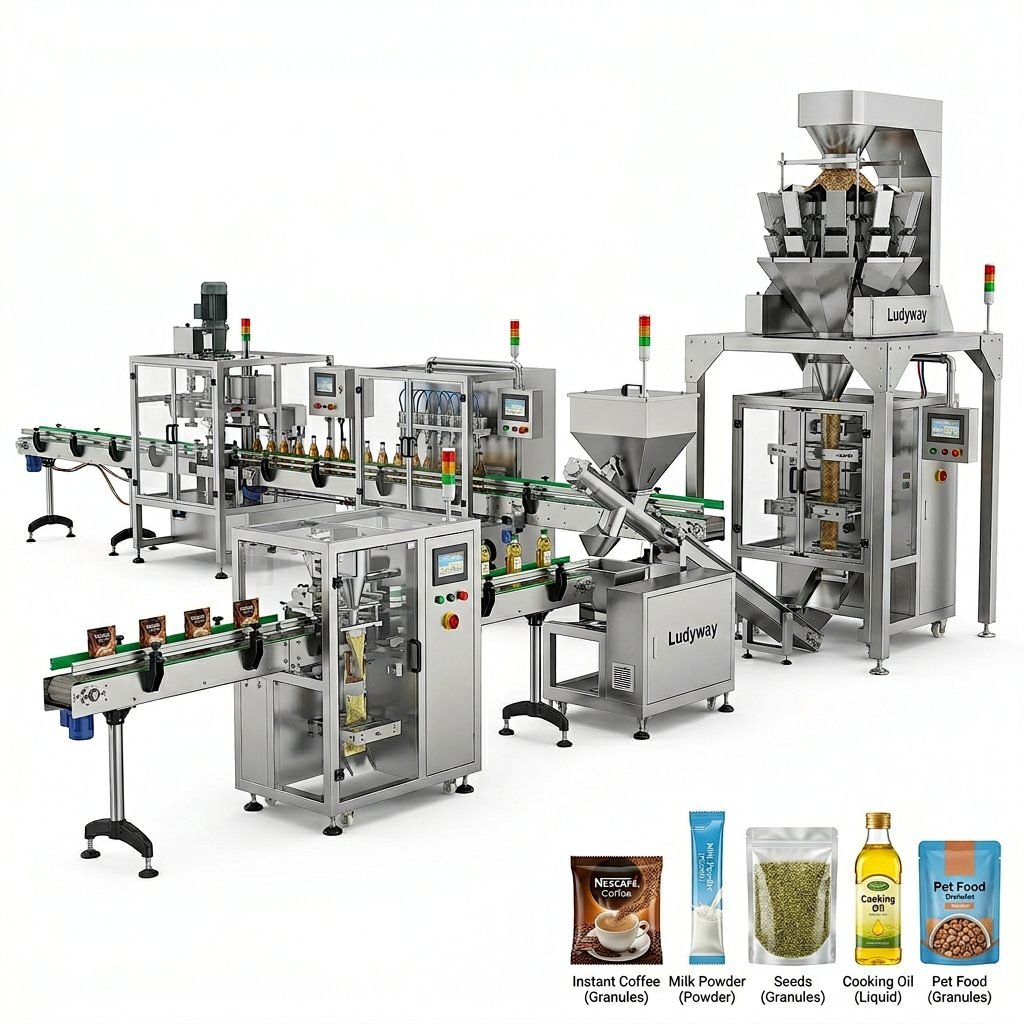
Today’s bakery packaging systems can be adapted for a wide range of products. The right configuration depends on product shape, softness, size consistency, and desired pack format.
Common applications
- Whole loaves
- Sliced sandwich bread
- Burger buns and hot dog buns
- Dinner rolls
- Sweet bread and filled buns
- Toast bread
- Artisan bakery items with gentle handling needs
- Frozen bread and par-baked products
Some products require delicate transfer systems to avoid deformation. Soft buns and premium bread often benefit from gentle conveying, accurate positioning, and controlled sealing pressure.
Main Machine Features to Look For
When comparing bread packaging equipment, buyers should focus on practical features that improve uptime and packaging quality rather than speed alone.
Important technical points
- Stable feeding and transfer system
- Accurate bag opening and product insertion
- Reliable sealing performance
- Food-grade contact parts
- Easy cleaning and maintenance access
- Flexible changeover for different bread sizes
- Touchscreen control for recipe storage
- Optional coding, labeling, and inspection modules
For bakeries with multiple SKUs, fast changeover is especially important. A machine that can quickly switch between loaf sizes or bun counts improves utilization and reduces downtime between production runs.
Choosing the Right Packaging Format for Bread
Bread can be packed in different ways depending on market demand, branding style, shelf-life goals, and transport conditions. The packaging machine should match the packaging material and final presentation you need.
| Packaging Format | Suitable Bread Types | Advantages |
|---|---|---|
| Bagged packaging | Loaves, sliced bread, buns | Cost-effective, common retail format, easy to print and label |
| Flow wrap | Rolls, pastries, small bakery packs | Attractive appearance, fast speed, good sealing performance |
| Clip or twist tie bagging | Traditional bread loaves | Easy reopening and familiar consumer use |
| Modified atmosphere packaging | Premium or extended shelf-life products | Helps support freshness preservation under specific conditions |
Bread Packaging Machine for Small Bakery vs Industrial Bakery
Different bakery scales need different automation levels. A neighborhood bakery may only need semi-automatic bagging support, while a commercial bread manufacturer may require a full high-speed packaging line.
Small and medium bakery needs
- Compact footprint
- Simple controls
- Affordable investment level
- Flexible handling for varied products
- Quick cleaning and operator training
Industrial bakery needs
- High-speed continuous operation
- Integration with slicers and conveyors
- Automated coding, weighing, and rejection systems
- End-of-line cartoning and case packing
- Centralized control and data monitoring
The best investment is one that fits current output while leaving room for future growth. Overbuying can increase costs unnecessarily, while underbuying can create bottlenecks very quickly.
Food Safety and Hygiene Considerations
Hygienic design is essential in bakery packaging. Bread may seem low-risk compared with wet foods, but contamination control still matters for consumer safety and regulatory compliance. Equipment should be easy to clean, built with suitable contact materials, and designed to reduce product residue buildup.
Hygiene-focused machine design should include
- Smooth food-contact surfaces
- Easy-access cleaning points
- Stable temperature control in sealing zones
- Low-dust operation around crumb-producing products
- Optional metal detection or visual inspection systems
For bakeries serving retail chains, institutional buyers, or export clients, documented quality control and traceability are increasingly important. Integrated coding and inspection systems help support these requirements.
How Automation Improves Freshness Retention
Freshness is influenced by much more than just the packaging film. It also depends on how quickly bread is packed after cooling, how consistently the package is sealed, and whether product handling avoids unnecessary exposure.
An automatic system improves freshness by:
- Reducing the time between baking, cooling, and final packaging
- Maintaining a consistent sealing process across every pack
- Lowering package defects caused by manual handling
- Supporting suitable packaging material application
- Helping create a more controlled and repeatable production environment
For brands competing on freshness and shelf appeal, these details make a measurable difference.
What to Ask Before Buying a Bread Packaging Machine
A packaging machine should be selected based on real production data, not only brochure speed. Before choosing a supplier, buyers should define product details, plant layout, and packaging goals clearly.
Key questions
- What bread products will be packed now and in the future?
- What is the required packs-per-minute output?
- What packaging material and pack format will be used?
- Is gentle handling needed for soft or delicate bread?
- How much floor space is available?
- Do you need printing, labeling, checkweighing, or cartoning?
- How quickly must operators perform size changeovers?
- What after-sales support and spare parts service are available?
Turnkey Packaging Lines for Growing Bakery Operations
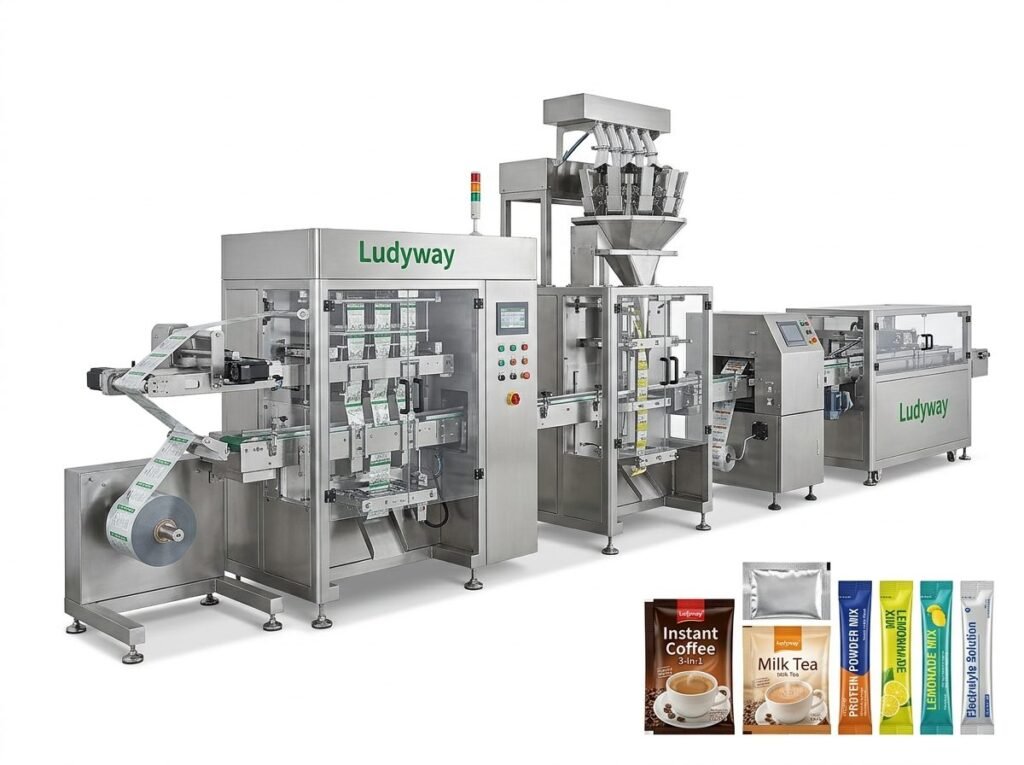
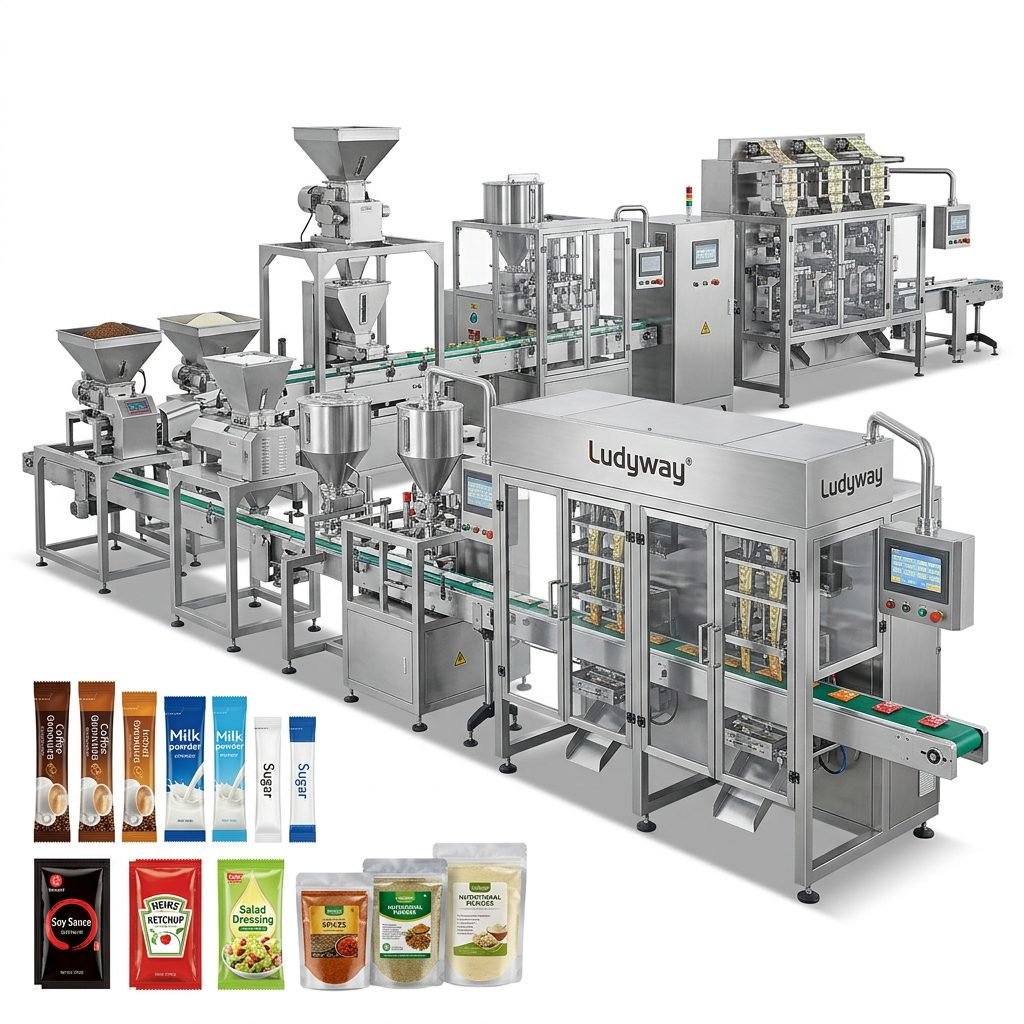
Many modern bakeries prefer a complete line instead of buying isolated machines from multiple sources. A turnkey project can improve compatibility between conveyors, bagging machines, inspection units, coding systems, and end-of-line equipment.
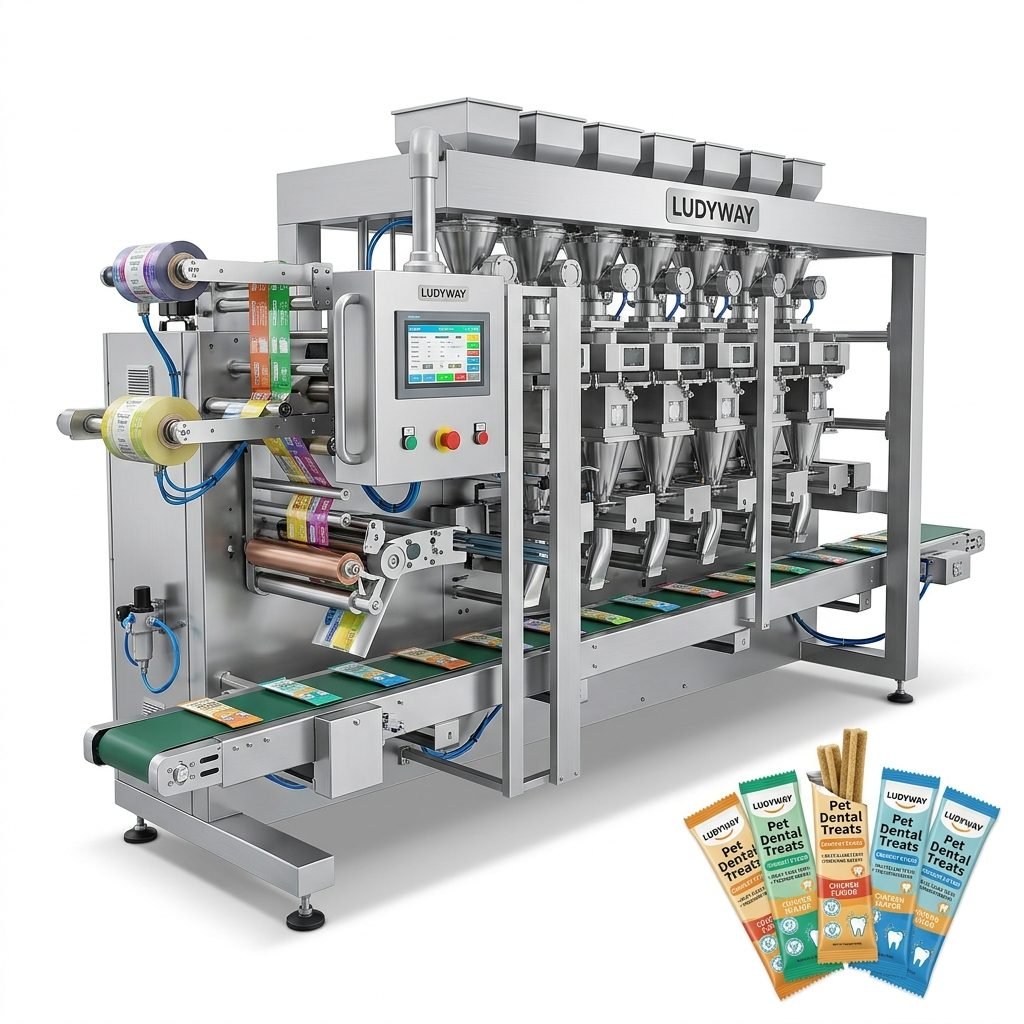
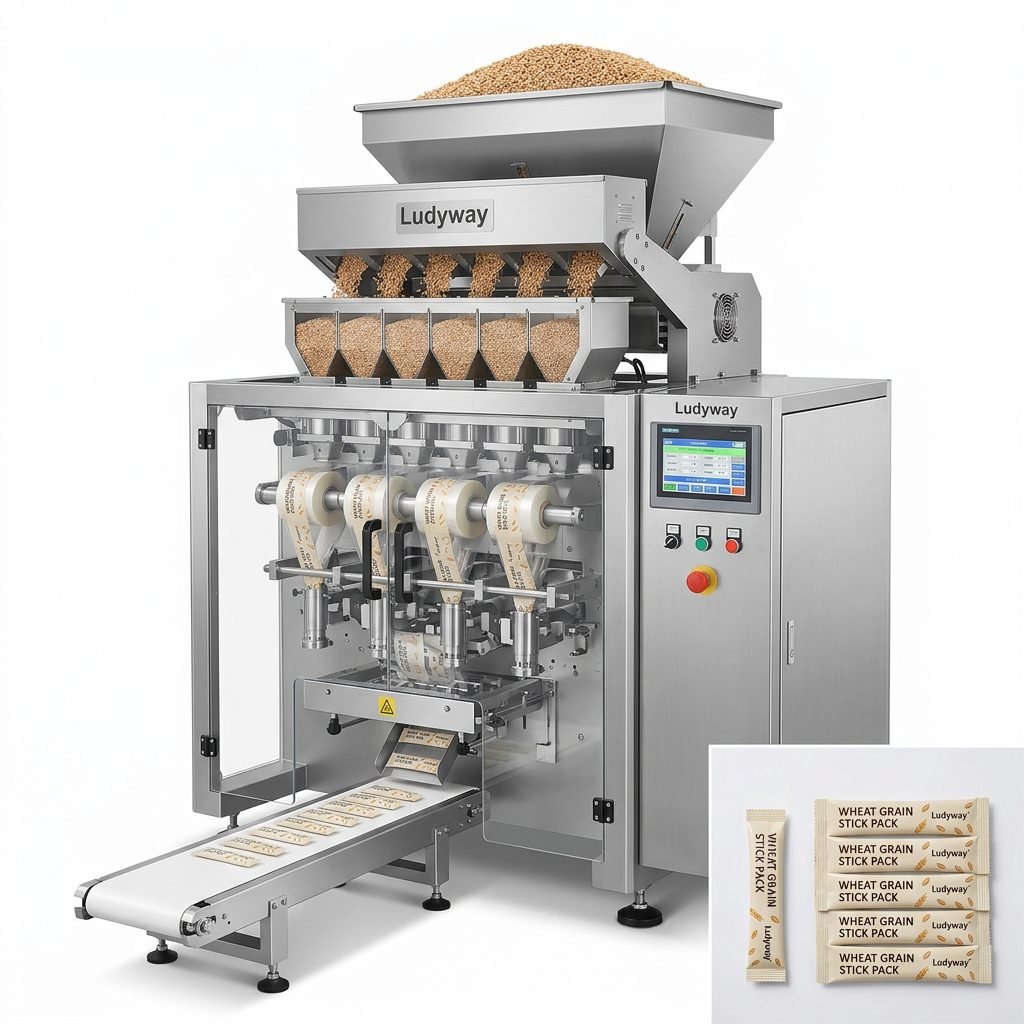
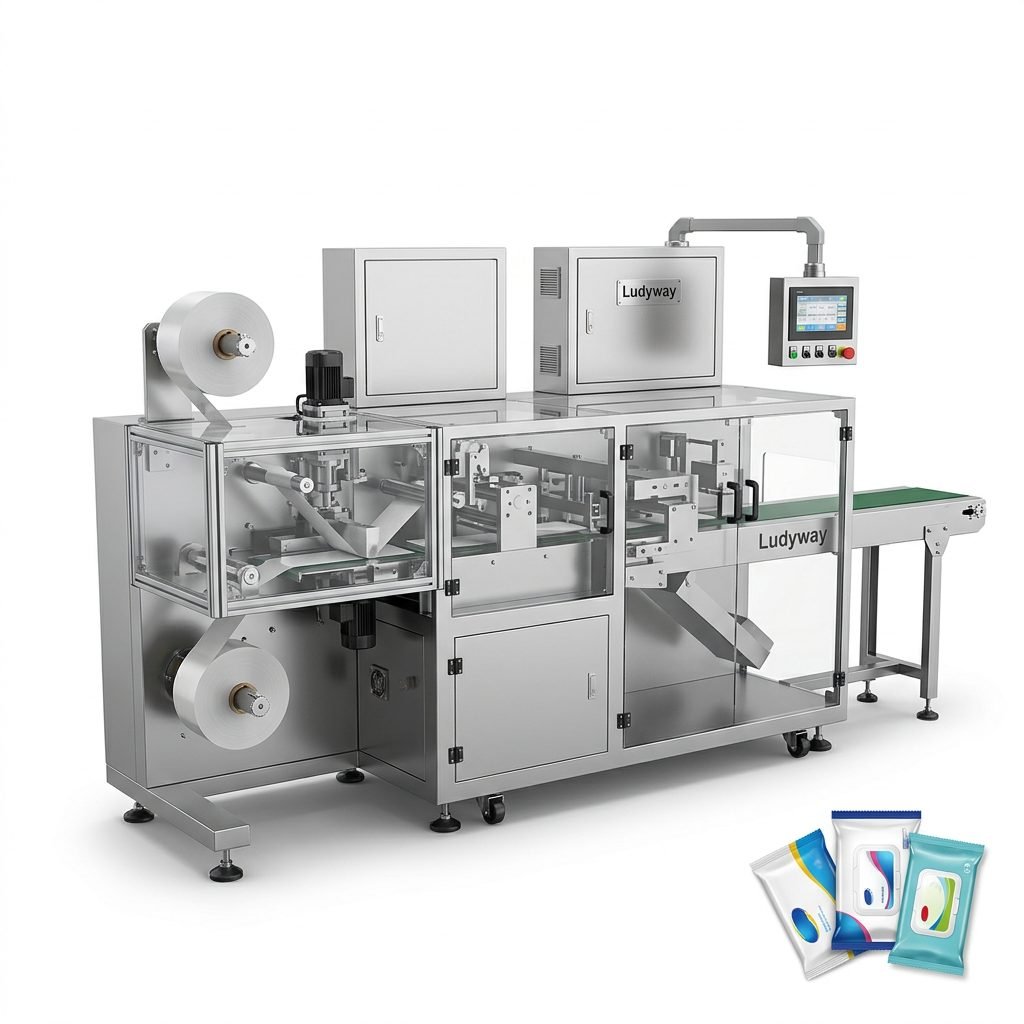
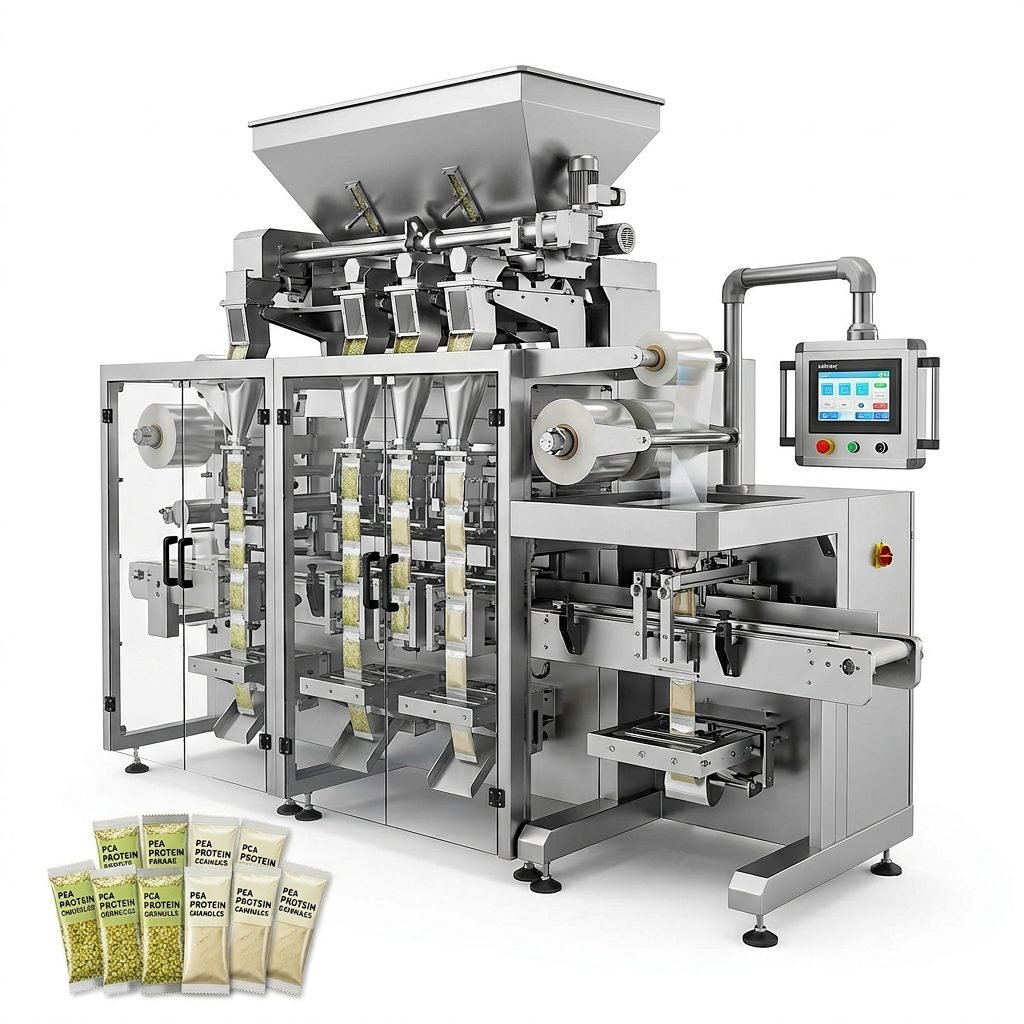
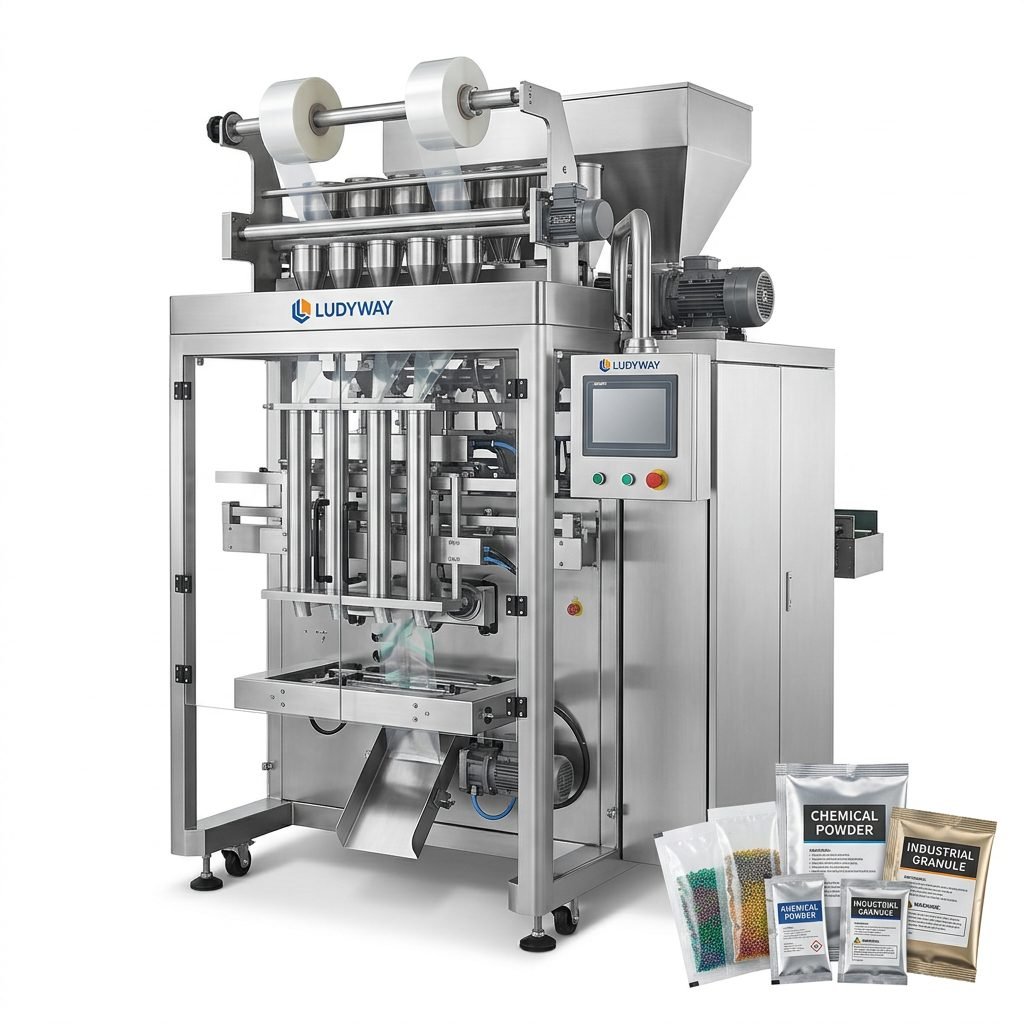
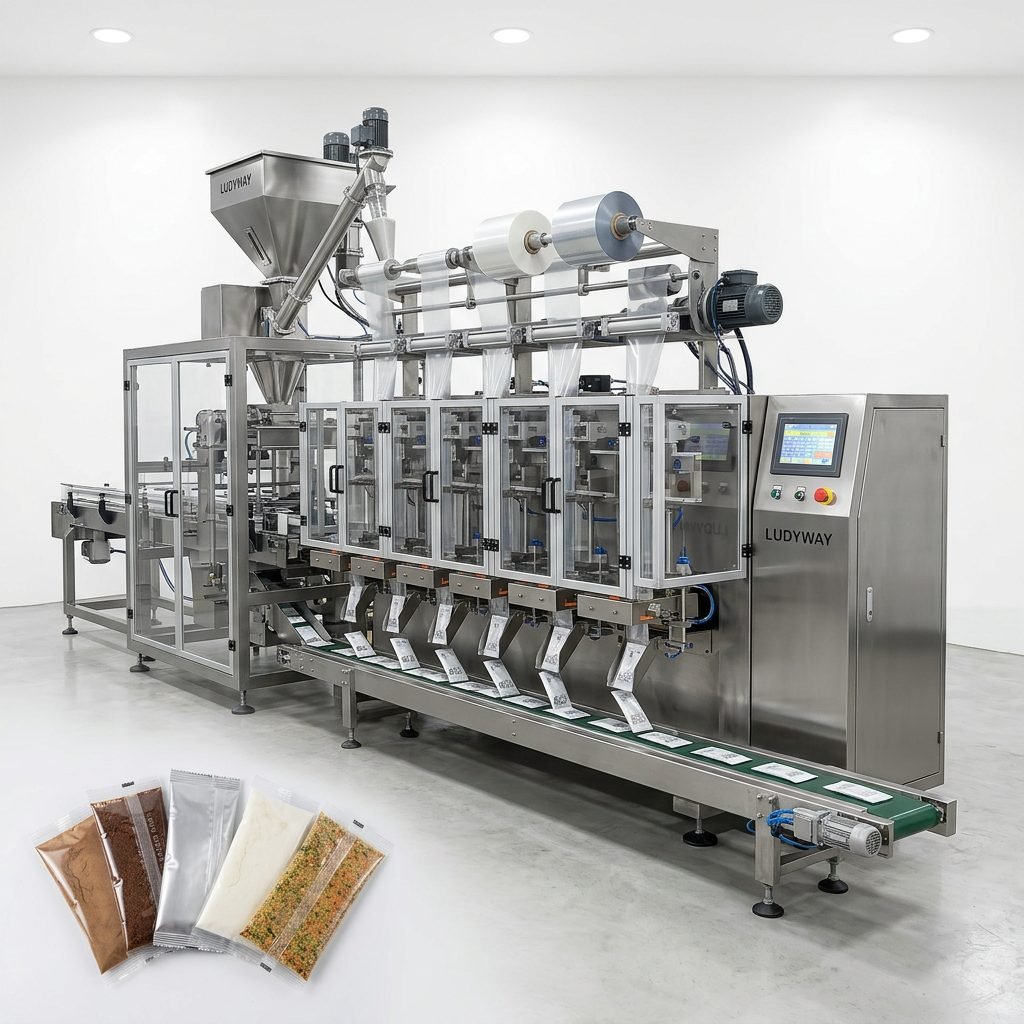
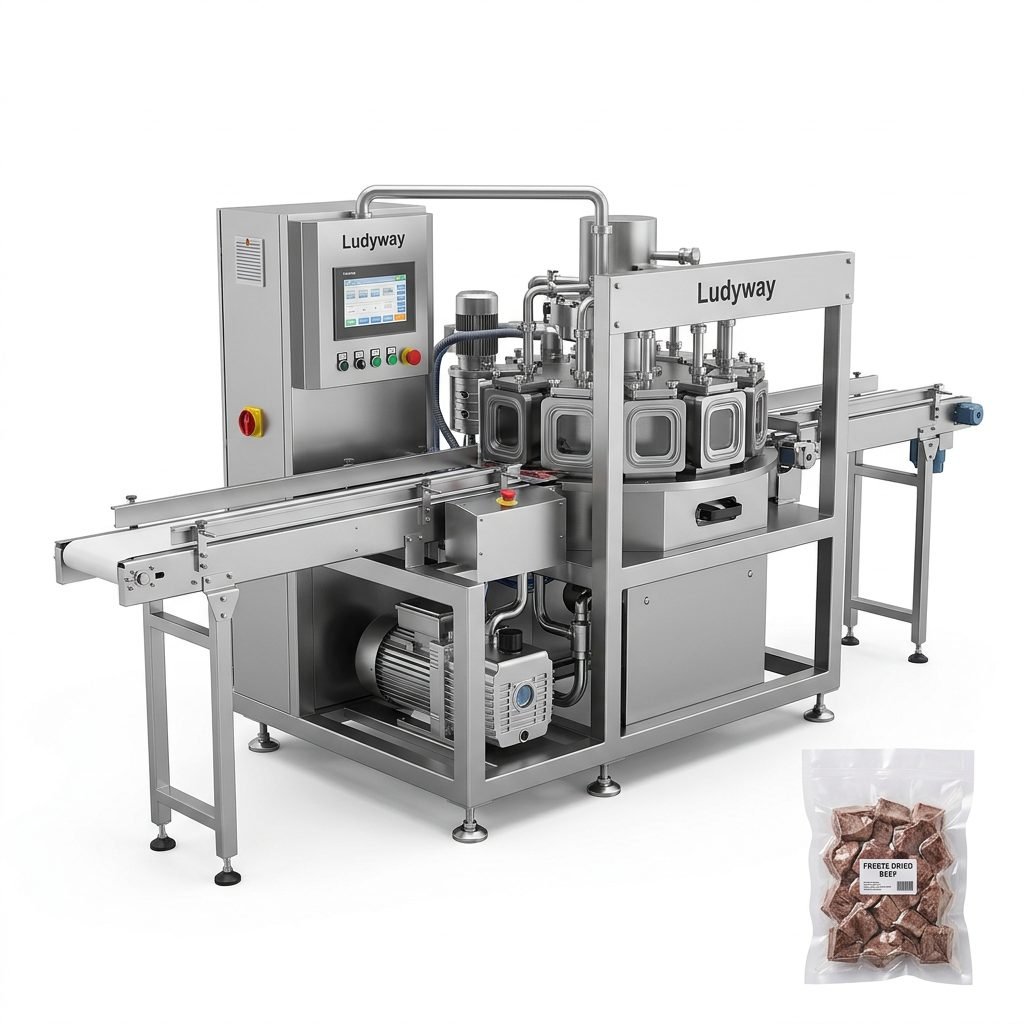
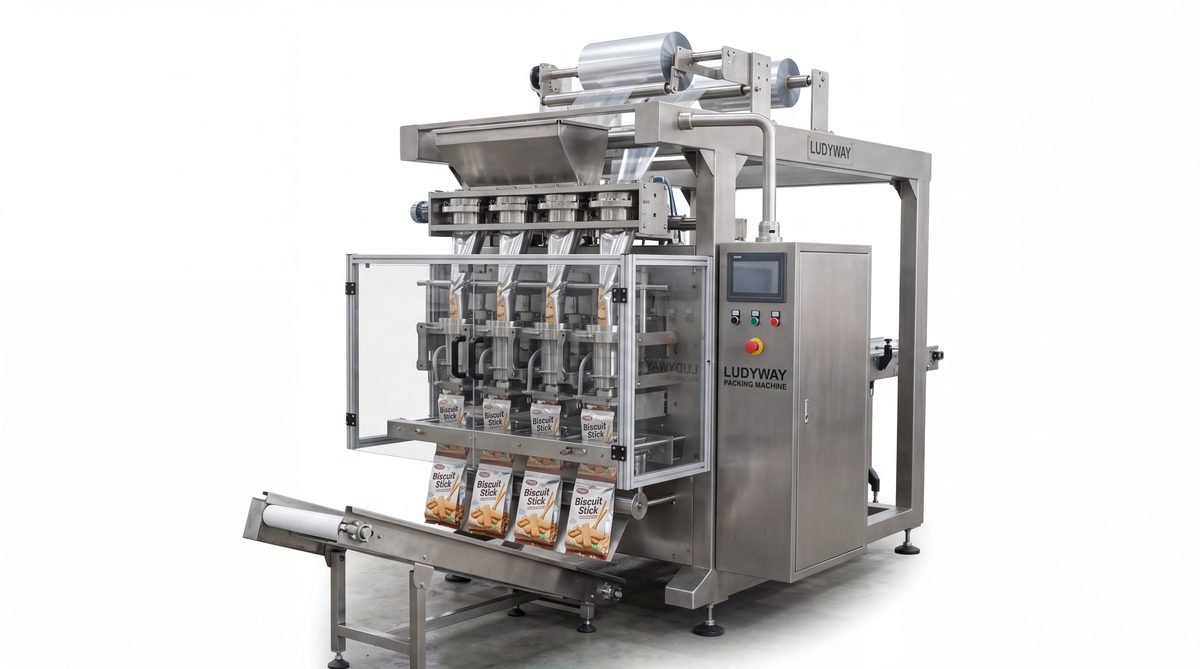
As one of China’s leading packaging machine and turnkey line manufacturers, Ludyway bread packaging machine solutions can support businesses looking for scalable automation across food production environments. This is especially valuable for factories that want to expand output while keeping packaging quality and operating efficiency under control.
Advantages of a turnkey approach
- Better line integration
- More consistent machine communication
- Simplified project management
- Clearer technical responsibility
- Easier future expansion and customization
Maintenance Tips for Long-Term Reliable Performance
Even the best automatic bread packaging machine needs regular maintenance to keep operating efficiently. Preventive care reduces unexpected downtime and protects sealing quality.
- Clean conveyors and sealing areas daily
- Inspect wear parts on a scheduled basis
- Check sensors, alignment, and bag feeding accuracy
- Monitor sealing temperature and pressure consistency
- Train operators to identify early warning signs
- Keep critical spare parts available for fast replacement
A supplier with strong technical support can help improve uptime over the full equipment lifecycle.
Final Thoughts on Investing in Bread Packaging Automation
A high-quality bread packaging machine helps bakeries package products faster, cleaner, and more consistently. It supports freshness retention, improves food safety, lowers manual workload, and creates a more professional final package for retail or distribution.
For bakeries planning to improve output and protect product quality at the same time, automatic packaging is a smart long-term investment. The right system should match your bread type, packaging format, speed target, and plant layout—while also leaving room for future business growth.