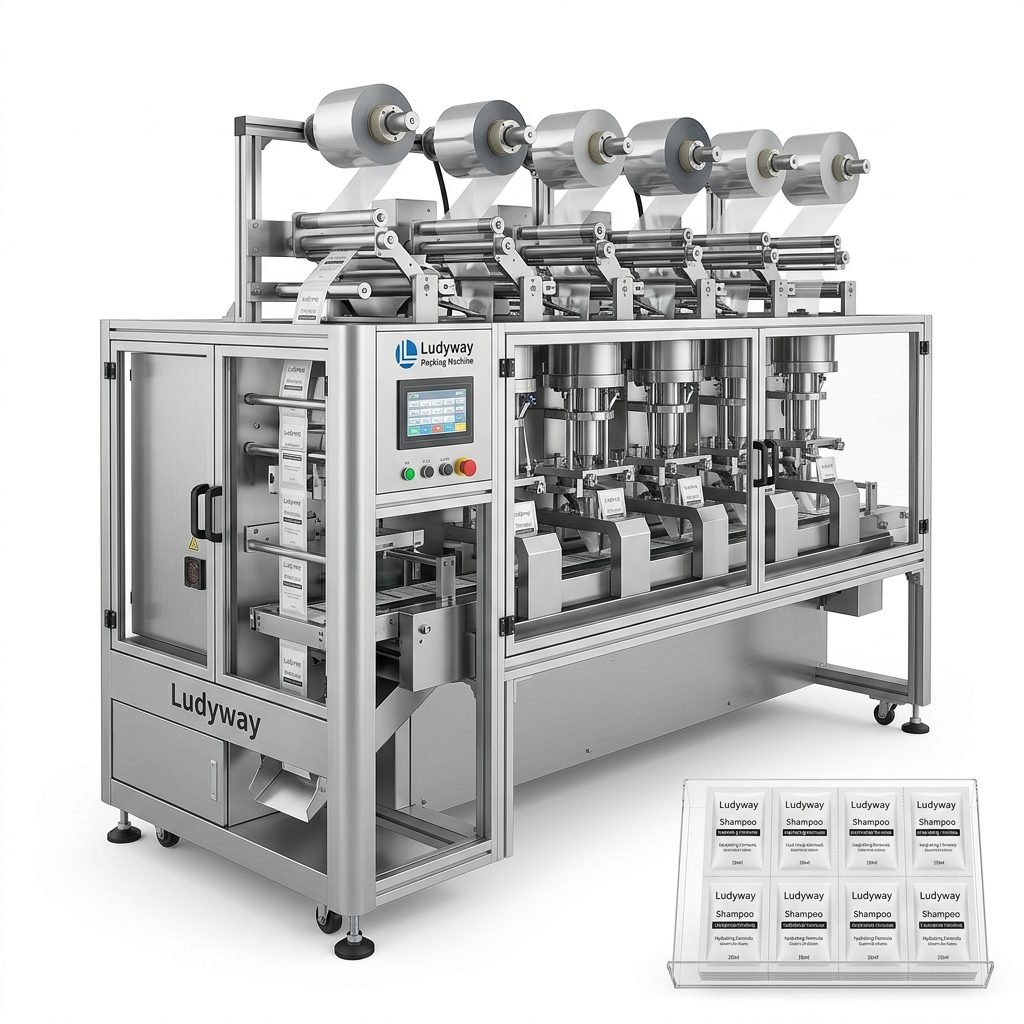
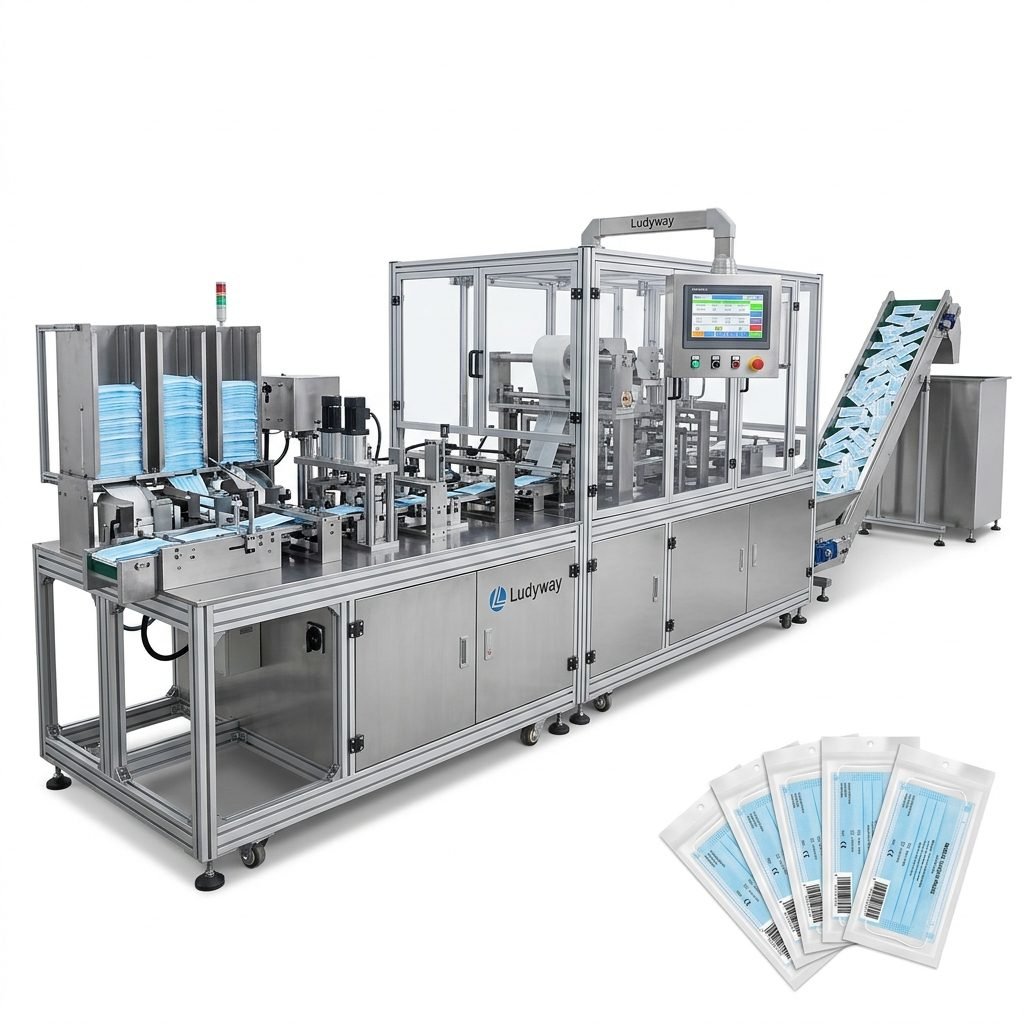
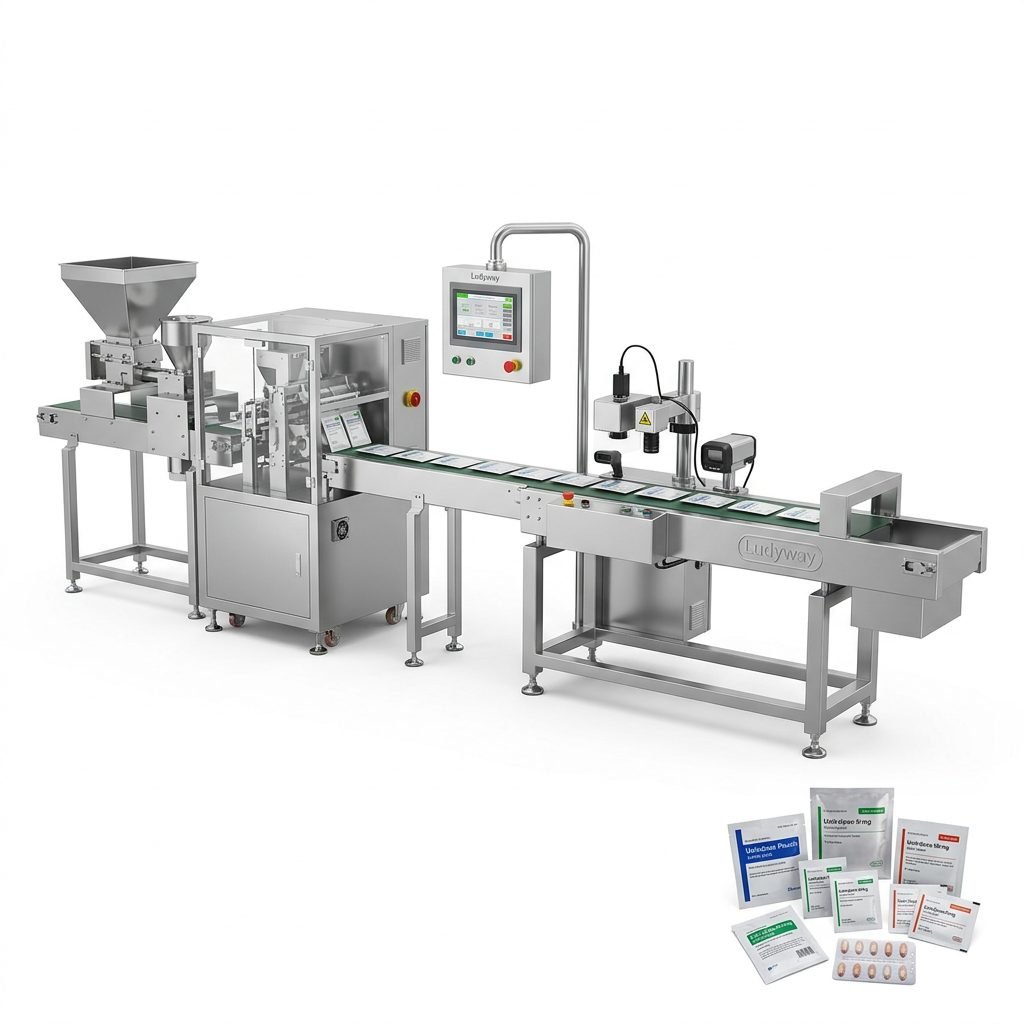
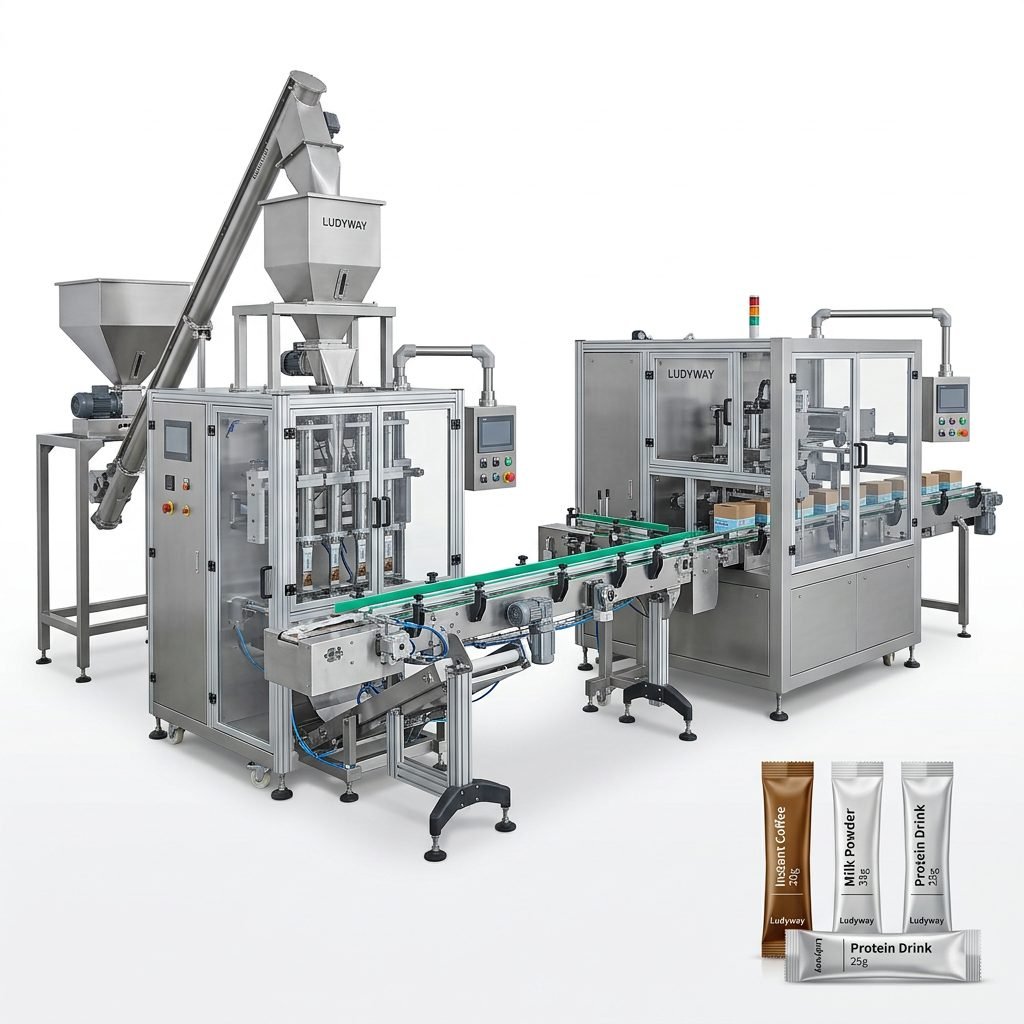
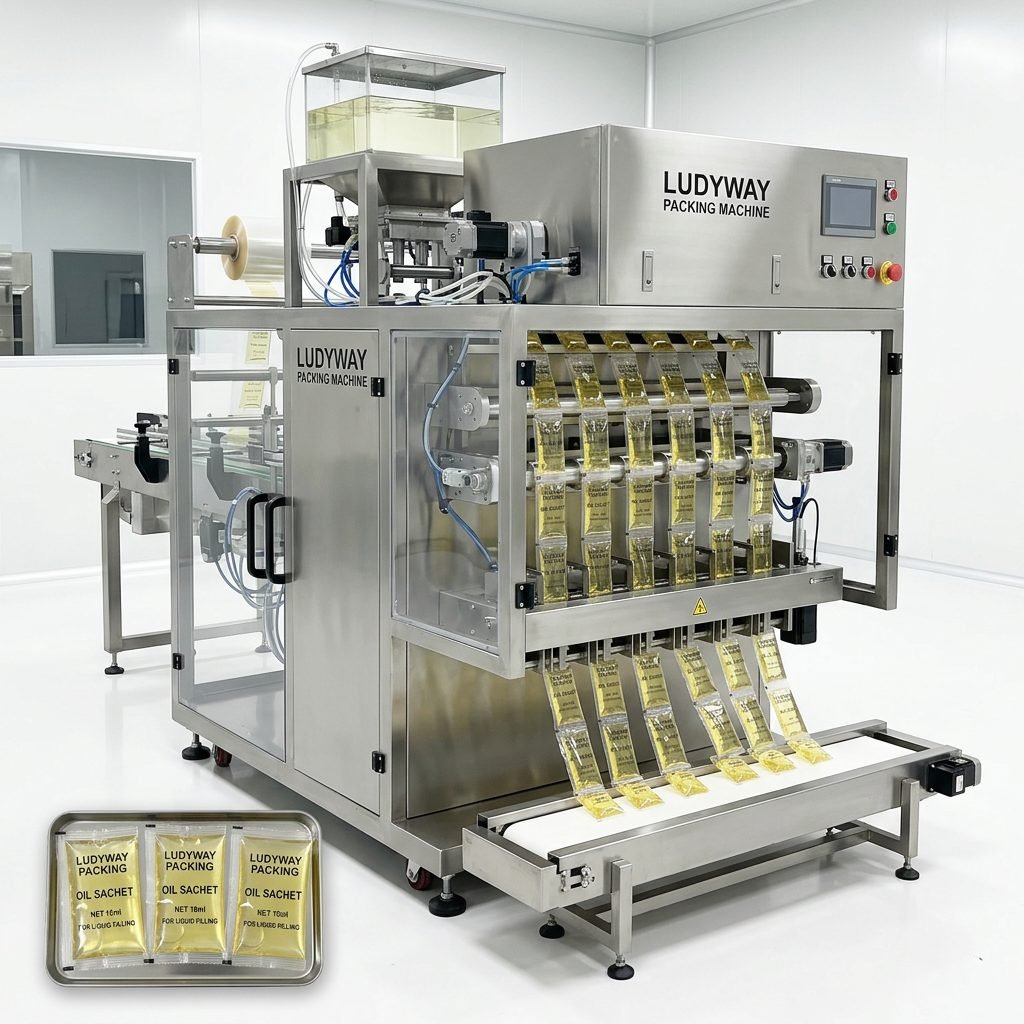
In the fast-paced world of bakery operations, efficiency and presentation are paramount. The humble bread roll, a staple in bakeries worldwide, requires packaging that protects its freshness, enhances its appeal, and streamlines the production line. Choosing the right automatic bread roll packaging machine is a critical investment that impacts productivity, product quality, and ultimately, your bottom line. This guide will walk you through the key considerations to ensure you select the perfect wrapper for your bakery’s unique needs.
Understanding Your Bakery’s Packaging Requirements
Before diving into machine specifications, a thorough assessment of your own operation is essential. This foundational step will guide every subsequent decision.
Production Volume and Speed
The scale of your bakery dictates the necessary machine output. A small artisan bakery producing a few hundred rolls per hour has vastly different needs from a large wholesale operation. Key Question: What is your current and projected daily output of bread rolls? Match the machine’s wrapping speed (typically measured in packs per minute) to your peak production periods to avoid bottlenecks.
Bread Roll Types and Sizes
Do you produce standard dinner rolls, crusty artisan rolls, soft sandwich buns, or a variety of sizes? The machine must accommodate your product range. Consider the maximum and minimum dimensions (length, width, height) the wrapper can handle. Flexibility for future product development is also a wise consideration.
Packaging Materials and Styles
The choice of film is integral to the packaging process and product shelf-life. Common options include polypropylene (PP), polyethylene (PE), and cellophane. Decide on the packaging style: end-fold (a classic, tight wrap), fin-seal (a pillow-style pack with seals on the back and ends), or shrink wrapping (which provides a tight, clear “second skin”). The machine must be compatible with your chosen material and style.
Key Features of an Automatic Bread Roll Wrapper
Modern automatic wrappers come equipped with a range of features designed to optimize performance. Here’s what to look for.
Feeding and Conveying System
How are rolls fed into the machine? Options include manual loading, a simple conveyor belt, or a fully automated hopper system that aligns and orients the products. For higher volumes, an efficient, gentle feeding system is crucial to maintain product integrity and consistent spacing for wrapping.
Film Handling and Sealing Technology
The heart of the machine lies in its sealing mechanism. Look for durable, temperature-controlled sealing jaws that create strong, airtight seals without burning the film. A reliable film unwind system with tension control ensures smooth operation and minimizes waste from film breaks or wrinkles.
Control System and User Interface
An intuitive Human-Machine Interface (HMI) or touchscreen panel is vital for easy operation. Operators should be able to quickly change settings for different roll sizes, adjust seal temperatures, and monitor machine status. Advanced machines may offer recipe memory to store settings for different products.
Hygiene and Maintenance Design
Food safety is non-negotiable. The machine should have a smooth, stainless-steel contact surface where possible, with minimal crevices where crumbs or debris can accumulate. Easy access panels for quick cleaning and routine maintenance will save significant time and ensure compliance with health standards.
Beyond the Machine: Total Cost of Ownership
The purchase price is just one part of the financial equation. A wise buyer considers the long-term costs.
Energy Efficiency
Machines with efficient servo motors and well-insulated sealing jaws consume less electricity, reducing ongoing operational costs.
Film Waste and Efficiency
A precision wrapper minimizes film trim waste. Some machines feature advanced film tracking and cutting systems that optimize material usage, directly saving on packaging costs over time.
Reliability and Service Support
Downtime is expensive. Investigate the machine’s build quality and the manufacturer’s reputation for reliability. Crucially, ensure accessible and responsive technical support and service. A reliable partner can provide spare parts, troubleshooting, and maintenance to keep your line running smoothly.
Making the Final Decision: A Step-by-Step Guide
- Audit Your Needs: Document your product range, output goals, and available floor space.
- Research Suppliers: Look for manufacturers with proven expertise in bakery packaging. Review their company profile and history to gauge their experience and stability.
- Request Demonstrations: Ask for a live or video demonstration using your specific bread roll type and packaging film. This is the best way to evaluate real-world performance.
- Evaluate Support: Discuss warranty terms, training for your staff, and the availability of after-sales service. A strong support network is invaluable.
- Analyze ROI: Calculate the potential savings from increased speed, reduced labor, and lower film waste against the total investment cost.
Selecting the right bread roll packaging machine is a strategic decision that enhances efficiency, ensures product quality, and supports your brand’s growth. By carefully evaluating your needs against machine capabilities and partnering with a reputable supplier, you can invest in a solution that delivers value for years to come. For businesses looking to scale, exploring complete turnkey packaging solutions can be a logical next step.
Frequently Asked Questions (FAQs)
What is the typical production speed of an automatic bread roll wrapper?
Speeds vary widely by model and packaging style. Basic machines may operate at 30-60 packs per minute, while high-speed wrappers for large-scale production can exceed 150 packs per minute. The key is to match the speed to your bakery’s output requirements.
Can one machine handle different sizes and shapes of rolls?
Many automatic wrappers are designed with adjustable components for length, width, and height. However, there are always limits to the range. It’s essential to confirm the machine’s adjustment range covers all the products you intend to package, and to understand how long changeovers between sizes take.
How important is after-sales service when purchasing a packaging machine?
Extremely important. Even the most reliable machine may require maintenance, spare parts, or technical assistance. A supplier with a strong global service network ensures minimal downtime, protects your investment, and provides peace of mind. Always inquire about service response times and parts availability.
What are the main causes of film breakage or poor seals during operation?
Common causes include incorrect film type for the machine’s sealing system, improperly set seal temperature or pressure, misaligned film guides, or worn sealing jaws. Proper operator training and routine preventive maintenance are the best ways to prevent these issues.
Is it worth investing in a fully automated line with a feeder?
For medium to high-volume bakeries, automation beyond the wrapper itself offers significant benefits. An automatic feeder or hopper system reduces manual labor, increases overall line speed, and ensures consistent product placement for higher packaging quality. The return on investment should be calculated based on labor savings and throughput increases.